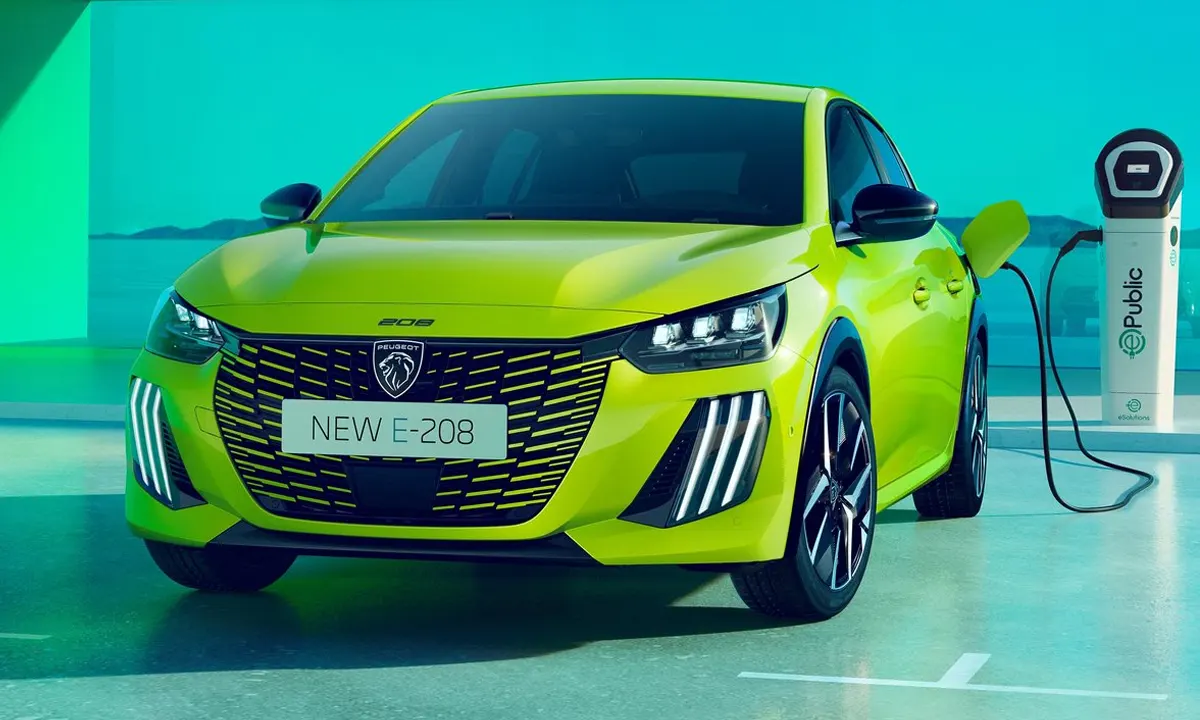
The rise of electric vehicles has transformed the automotive industry, with consumers increasingly looking for environmentally friendly alternatives to traditional gasoline-powered cars. One of the most important factors that influences the decision to purchase an electric vehicle is driving range. The ability to travel long distances on a single charge determines how practical an EV is for everyday use. Among the compact electric vehicles currently available in the European market, the Peugeot e-208 stands out as one of the most stylish and efficient options. Known for its distinctive design, advanced technology, and impressive efficiency, the Peugeot e-208 continues to attract drivers who want a compact electric hatchback that combines practicality with modern performance.
The latest versions of the Peugeot e-208 offer significant improvements in driving range thanks to advancements in battery technology and energy efficiency. Peugeot has refined its electric powertrain to deliver more distance per charge while maintaining the responsive driving experience that has made the model popular among urban drivers. The vehicle’s ability to travel over 400 kilometers on a single charge under WLTP testing conditions makes it a competitive option in the compact electric car segment.
For many drivers considering the transition to electric mobility, understanding the real-world range of a vehicle is essential. Factors such as driving conditions, weather, road type, and driving style can influence how far an electric car can travel before needing to recharge. The Peugeot e-208 has been engineered to deliver consistent performance in a variety of conditions, making it suitable for both city commuting and longer journeys.
Gallery: Peugeot e-208
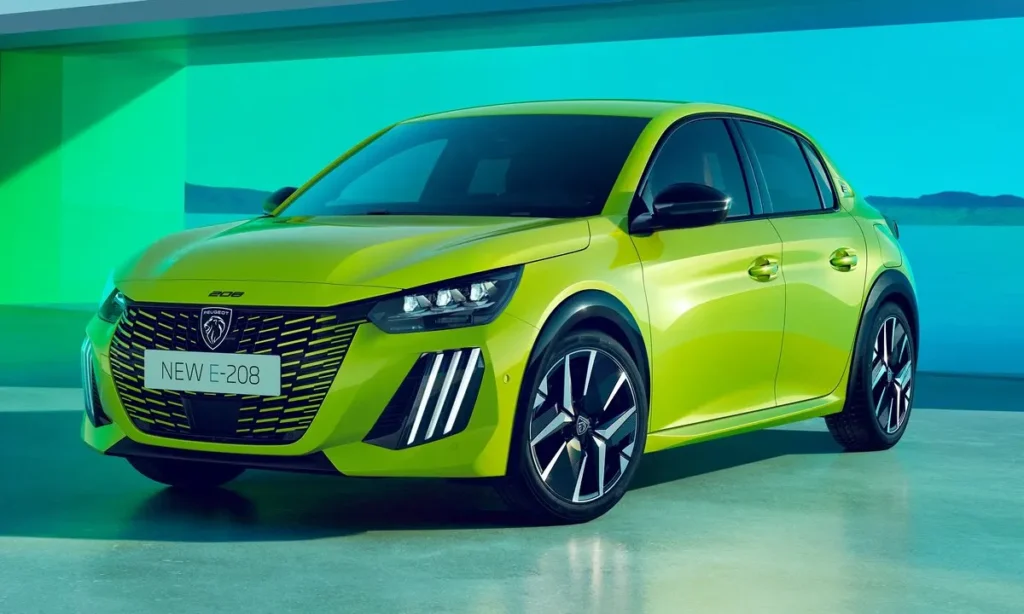
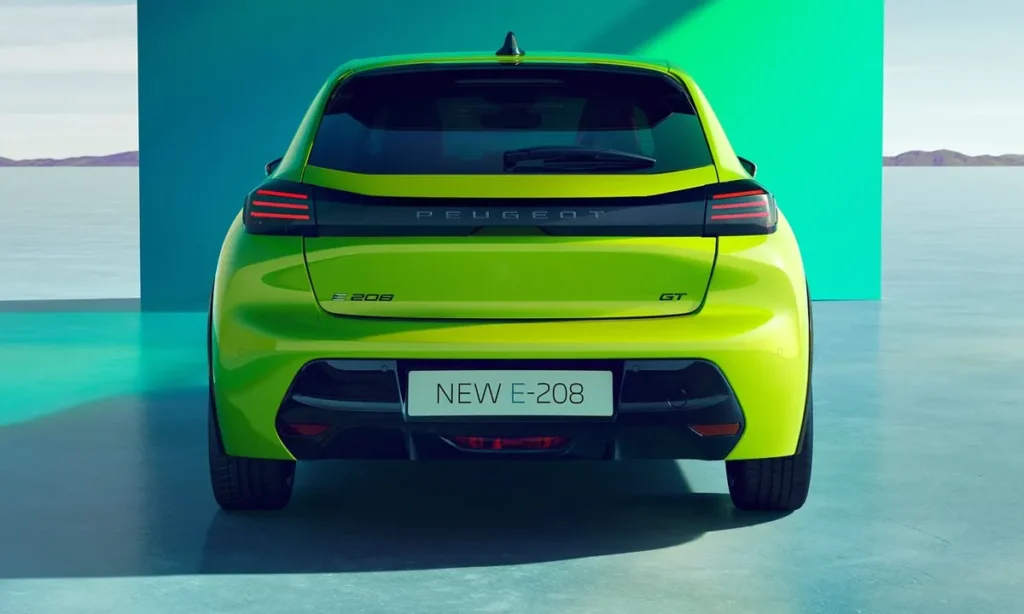
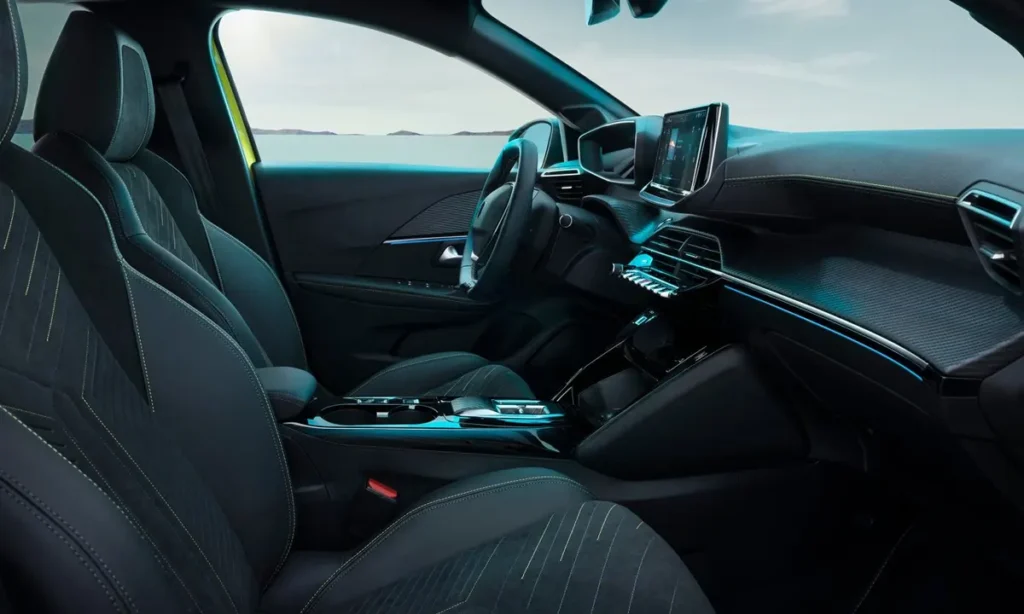
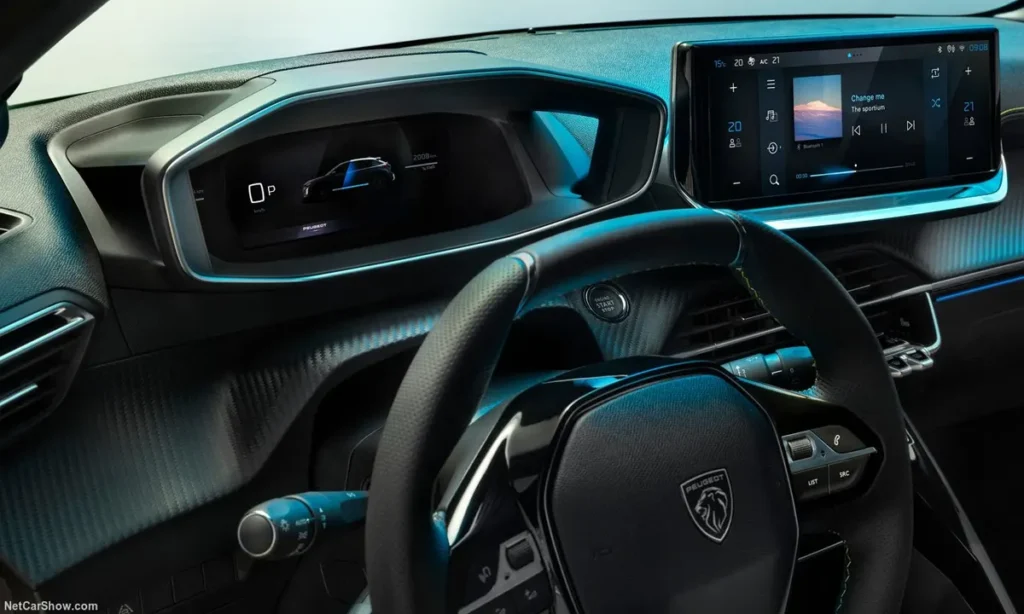
In this article, we explore the Peugeot e-208’s electric driving range in detail, examining the technology behind its battery system, its efficiency in real-world driving, charging capabilities, and how it compares with other compact electric vehicles. By understanding these factors, potential buyers can better evaluate whether the Peugeot e-208 meets their daily driving needs.
Peugeot e-208 Battery Technology and Electric Powertrain
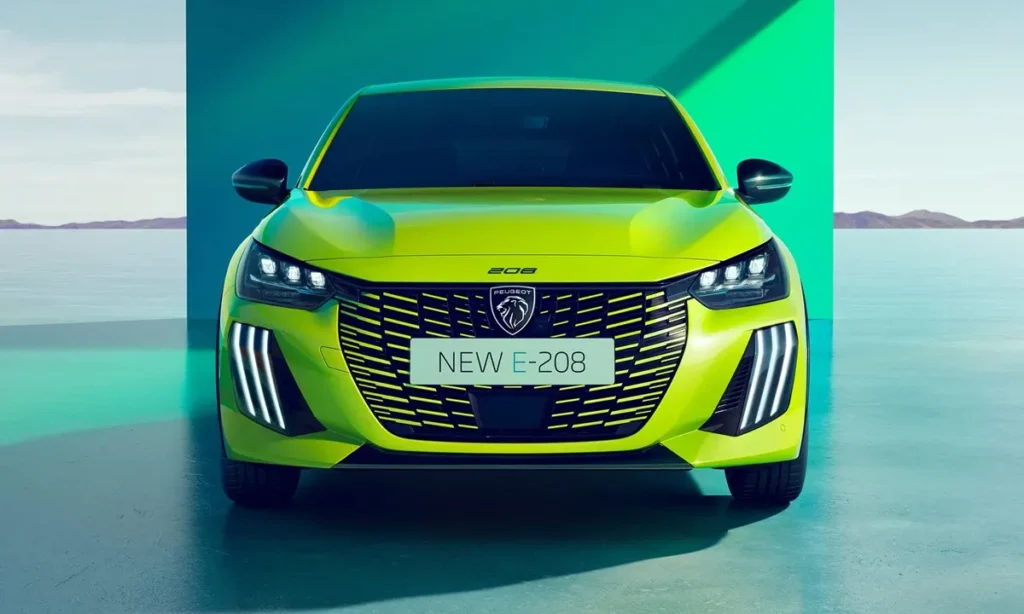
At the heart of the Peugeot e-208 is a sophisticated electric powertrain designed to deliver a balance between performance and efficiency. The vehicle is equipped with a high-capacity lithium-ion battery pack that stores the energy needed to power the electric motor. In the latest version of the e-208, the battery capacity has been optimized to deliver a longer driving range without significantly increasing the vehicle’s weight.
The battery pack is integrated into the vehicle’s platform in a way that lowers the center of gravity. This placement improves handling and stability while maximizing interior space for passengers and cargo. Peugeot has designed the battery system to provide long-term durability and consistent performance over time. Advanced thermal management systems regulate the battery temperature to ensure optimal efficiency in both hot and cold weather conditions.
The electric motor in the Peugeot e-208 produces approximately 156 horsepower, delivering smooth acceleration and instant torque typical of electric vehicles. Unlike conventional engines that require time to build power, the electric motor provides immediate response when the driver presses the accelerator. This characteristic makes the e-208 particularly well suited for city driving, where quick acceleration and responsive performance are beneficial.
Energy efficiency is further enhanced by regenerative braking technology. When the driver slows down or applies the brakes, the electric motor recovers energy that would otherwise be lost and sends it back to the battery. This process helps extend the vehicle’s driving range and reduces overall energy consumption.
Official WLTP Range and Real-World Driving Distance
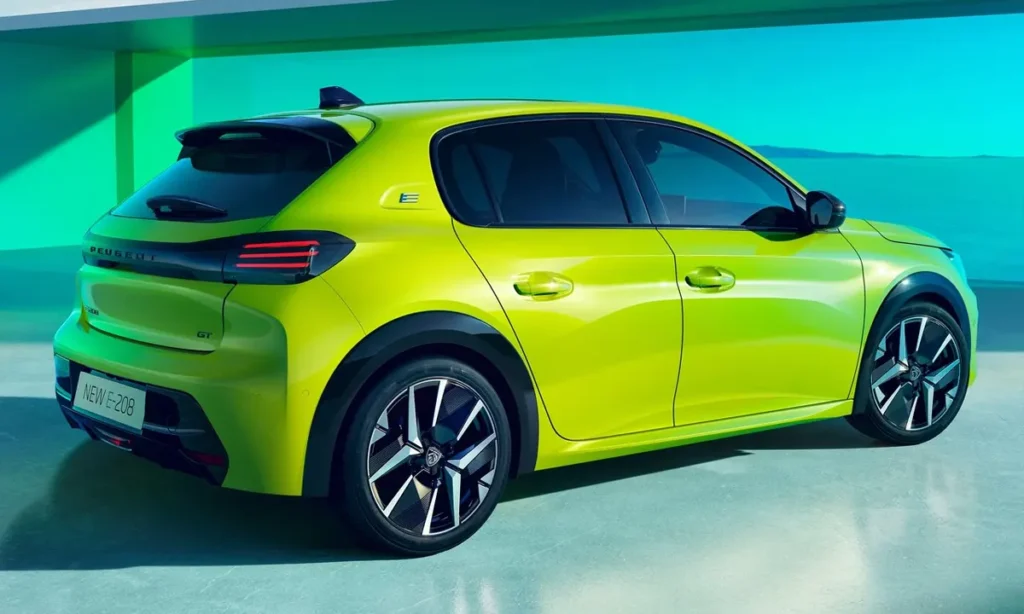
One of the most significant updates to the Peugeot e-208 is its improved driving range. Under the WLTP (Worldwide Harmonized Light Vehicle Test Procedure) testing standard, the latest model can achieve a range of up to approximately 410 kilometers on a single charge. This improvement places the e-208 among the leading vehicles in the compact electric hatchback category.
The WLTP test cycle is designed to provide a realistic estimate of electric vehicle efficiency by simulating a variety of driving conditions, including city traffic and highway speeds. However, real-world driving conditions often differ from laboratory tests, which means the actual range experienced by drivers can vary.
In everyday driving, many factors influence the range of an electric vehicle. Driving at higher speeds on highways tends to consume more energy than urban driving due to increased aerodynamic resistance. Cold weather can also reduce battery efficiency because energy is required to heat the cabin and maintain battery temperature.
Despite these variables, many Peugeot e-208 owners report real-world driving ranges between 300 and 380 kilometers depending on driving conditions. Urban environments often allow drivers to achieve higher efficiency because regenerative braking can recover energy during stop-and-go traffic.
The combination of a relatively large battery pack and efficient electric motor allows the e-208 to provide a practical range suitable for daily commuting, weekend trips, and even longer journeys when supported by fast-charging infrastructure.
Charging Capabilities and Energy Management
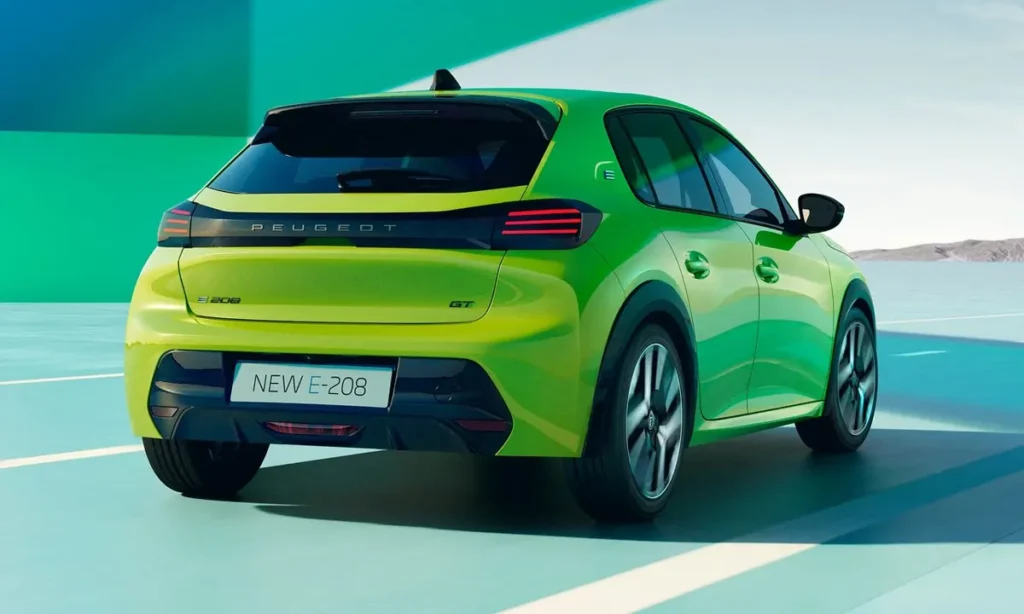
Charging convenience is another key factor that affects the practicality of electric vehicles. Peugeot has equipped the e-208 with flexible charging options designed to suit different lifestyles and infrastructure availability.
For home charging, the vehicle can be connected to a standard household outlet or a dedicated wallbox charger. Using a home wallbox, the battery can typically be fully charged in around seven hours, making overnight charging a convenient option for most drivers.
For longer journeys, the e-208 supports DC fast charging at speeds of up to 100 kW. Under ideal conditions, this capability allows the battery to recharge from 20 percent to 80 percent in approximately 25 minutes. This rapid charging feature significantly reduces waiting times during long-distance travel.
The vehicle also includes intelligent charging management systems that allow drivers to schedule charging sessions during off-peak electricity hours. This not only reduces energy costs but also contributes to a more efficient use of the electrical grid.
Efficiency and Driving Modes
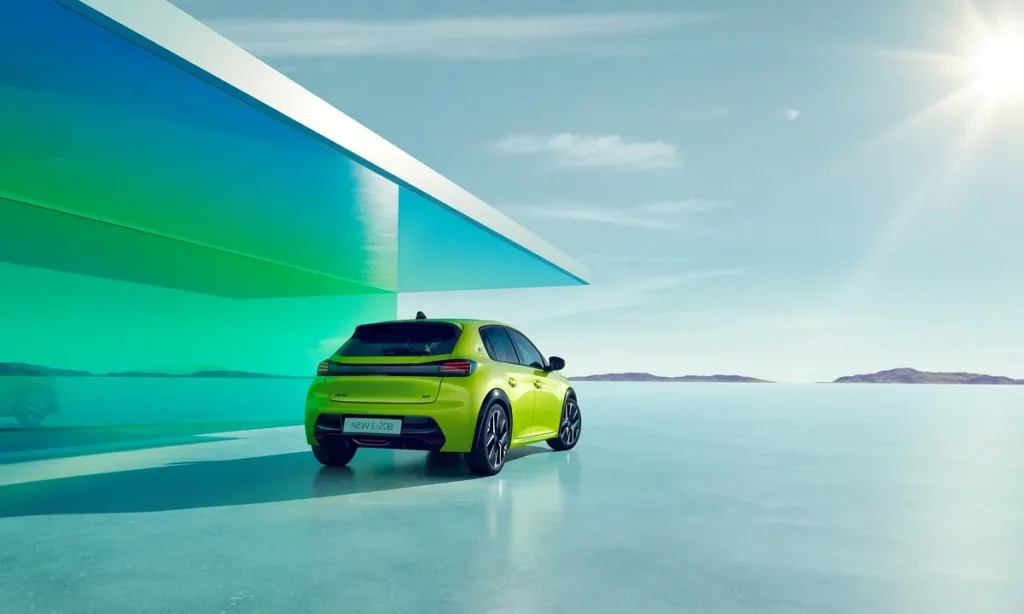
Peugeot has designed the e-208 to provide drivers with multiple driving modes that optimize performance and efficiency based on driving conditions. These modes allow drivers to choose between maximum performance or extended range depending on their needs.
Eco mode prioritizes energy efficiency by limiting power output and adjusting climate control settings to reduce battery consumption. This mode is particularly useful for extending range during longer trips.
Normal mode provides a balanced driving experience suitable for everyday use, while Sport mode delivers maximum acceleration and responsiveness for a more engaging driving experience.
The combination of efficient powertrain engineering and intelligent driving modes helps ensure that the Peugeot e-208 remains practical for a wide range of driving scenarios.
Interior Technology and Range Monitoring
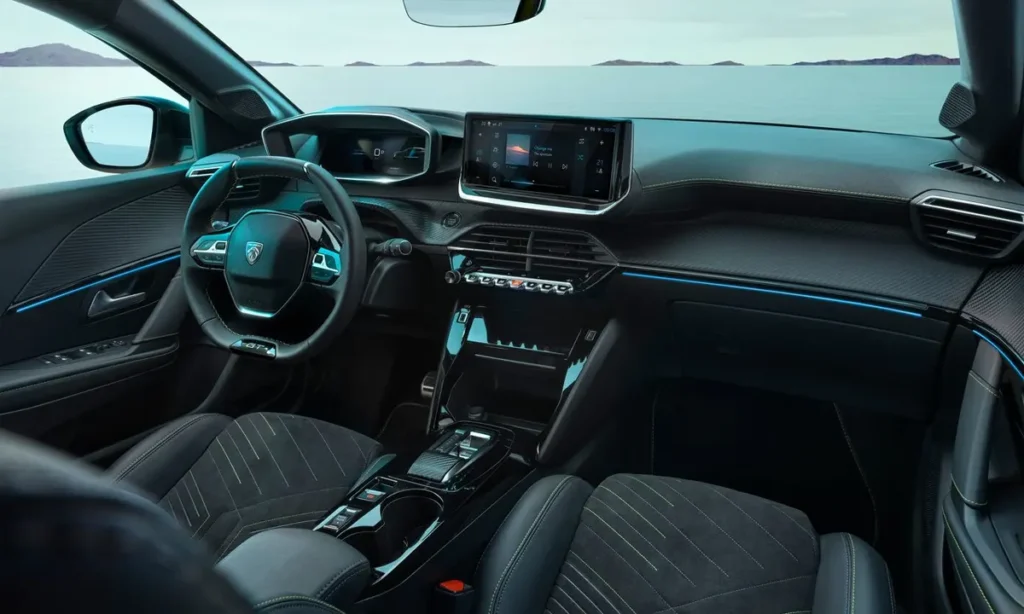
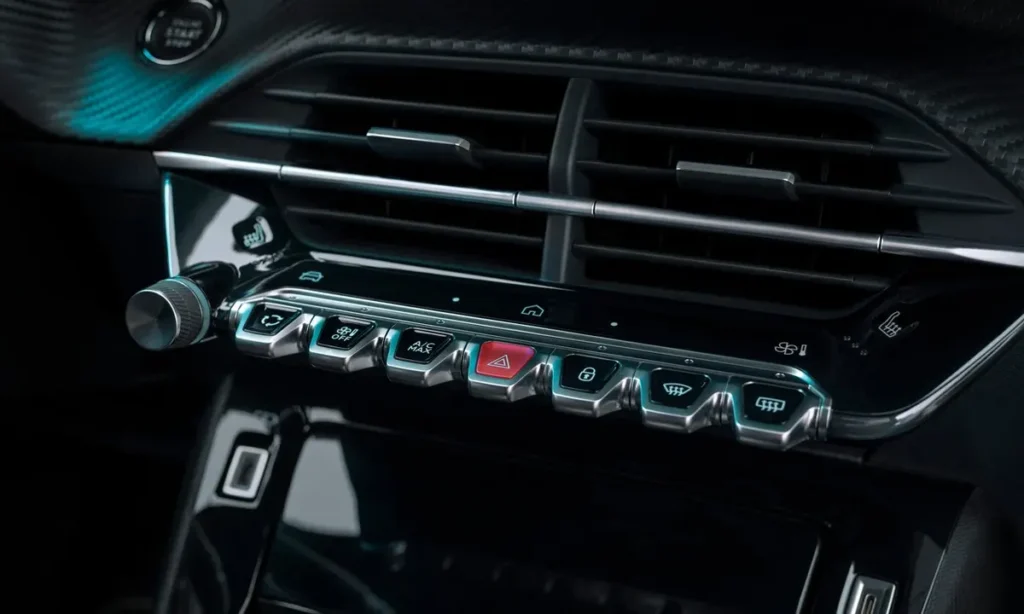
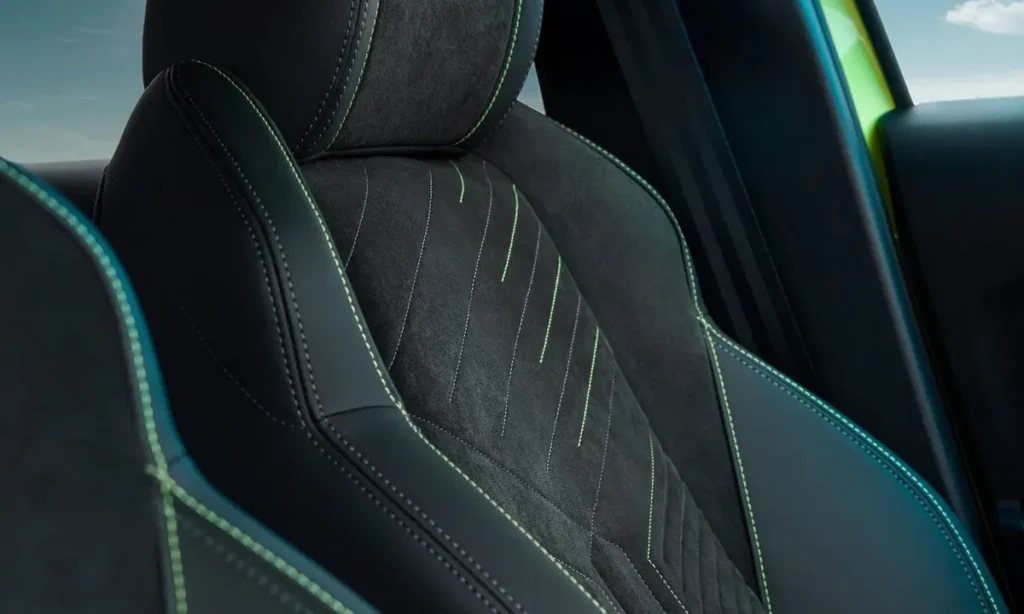
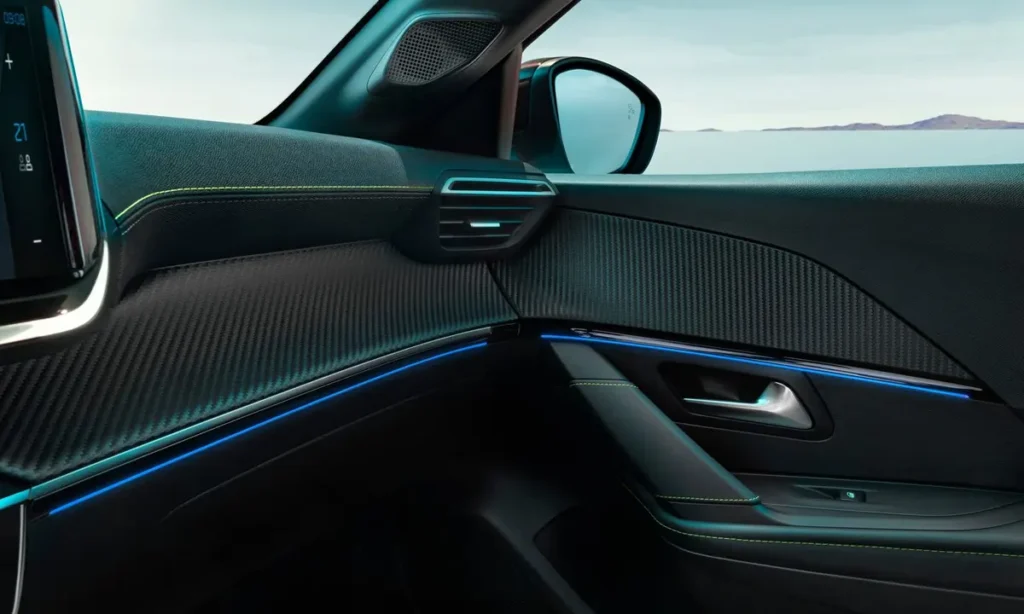
Inside the cabin, the Peugeot e-208 features a modern digital cockpit that provides drivers with detailed information about battery usage and driving range. The instrument cluster displays real-time energy consumption data, allowing drivers to monitor how their driving habits affect efficiency.
The infotainment system includes navigation features that can locate nearby charging stations, making it easier to plan longer trips. Some versions also support smartphone connectivity and remote vehicle monitoring through mobile applications.
These digital tools help drivers maximize the vehicle’s efficiency while reducing range anxiety, which is a common concern among new electric vehicle owners.
Peugeot e-208 in the Competitive Electric Hatchback Market
The compact electric hatchback segment has grown rapidly in recent years as manufacturers introduce new models aimed at urban drivers. The Peugeot e-208 competes with vehicles such as the Renault Zoe, MINI Electric, and Opel Corsa Electric.
What sets the e-208 apart is its combination of stylish design, competitive driving range, and strong performance. Peugeot has successfully positioned the vehicle as both a practical commuter car and a modern electric hatchback with premium features.
The improved range in the latest version further strengthens its position in this competitive market, making it an attractive option for drivers who want a balance between efficiency and driving enjoyment.
Read: Xiaomi Vision GT Concept Reveals a Stunning Futuristic Electric Hypercar
Conclusion: Why the Peugeot e-208 Range Matters
The Peugeot e-208 demonstrates how far electric vehicle technology has progressed in recent years. With a WLTP driving range of up to 410 kilometers and efficient real-world performance, the vehicle offers a practical solution for drivers looking to transition to electric mobility.
By combining advanced battery technology, efficient energy management, and flexible charging options, Peugeot has created an electric hatchback that meets the needs of modern drivers. Whether used for daily commuting or longer trips, the e-208 provides a reliable and enjoyable electric driving experience.
As charging infrastructure continues to expand and battery technology improves, vehicles like the Peugeot e-208 will play an increasingly important role in shaping the future of sustainable transportation.
Peugeot e-208 Range – Specifications Chart
| Category | Specification |
| Vehicle Type | Electric Hatchback |
| Battery Capacity | 51 kWh Lithium-Ion Battery |
| Power Output | 156 hp |
| Official WLTP Range | Up to 410 km |
| Real-World Range | 300–380 km (approx.) |
| Charging Speed | Up to 100 kW DC Fast Charging |
| Charging Time (20–80%) | Approx. 25 minutes |
| Home Charging Time | Around 7 hours (Wallbox) |
| Drivetrain | Front-Wheel Drive |
| Seating Capacity | 5 Passengers |