The 2027 BMW i3 Is Here, And Its 900 km Range Just Changed the Electric Sedan Game Forever
900 km WLTP Range, 469 Horsepower Dual-Motor AWD, 400 kW Ultra-Fast Charging and BMW's Revolutionary Neue Klasse Platform Redefine What an Electric Sports Sedan Can Be
There are few nameplates in the automotive world that carry the weight of expectation that the BMW 3 Series does. For five consecutive decades, the 3 Series has represented the definitive premium sports sedan — a car that has consistently set the benchmark for driver engagement, build quality and dynamic sophistication in the compact executive segment. Every generation has inherited that legacy and been obligated to advance it. The all-new BMW i3, revealed in March 2026 and scheduled for production from August 2026 with first customer deliveries in autumn 2027, carries the most profound version of that obligation yet. It must do everything the 3 Series has always done — and do it entirely without combustion.
Gallery: BMW i3
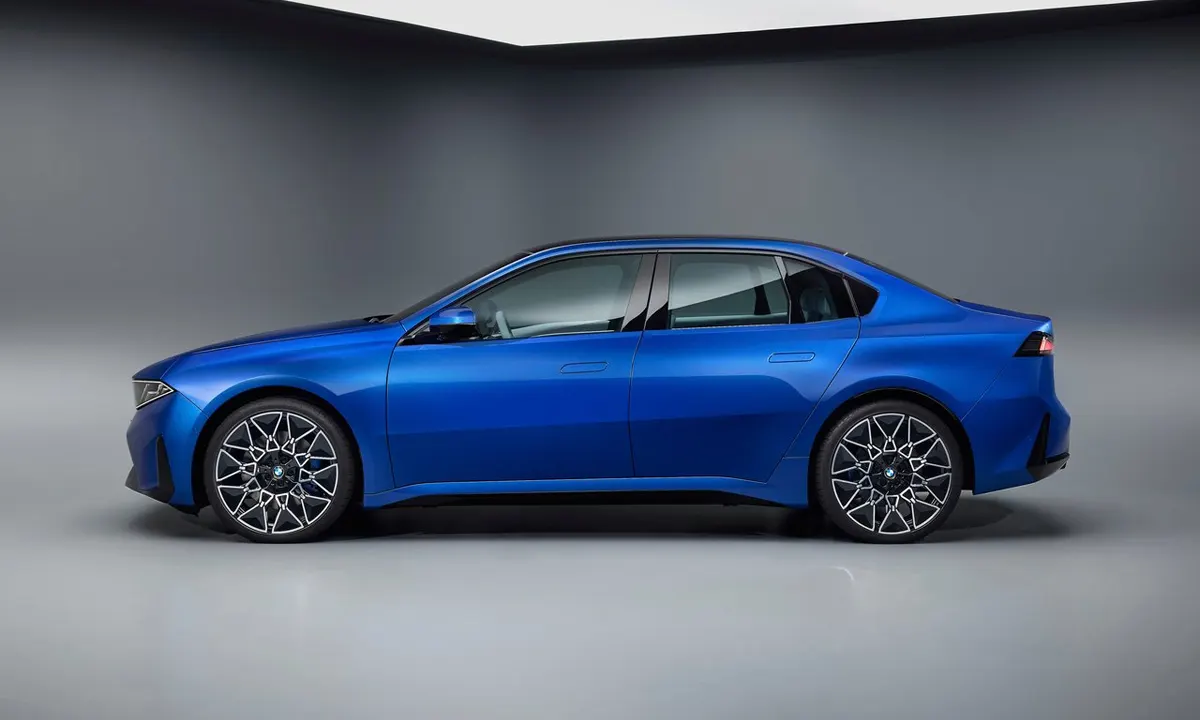
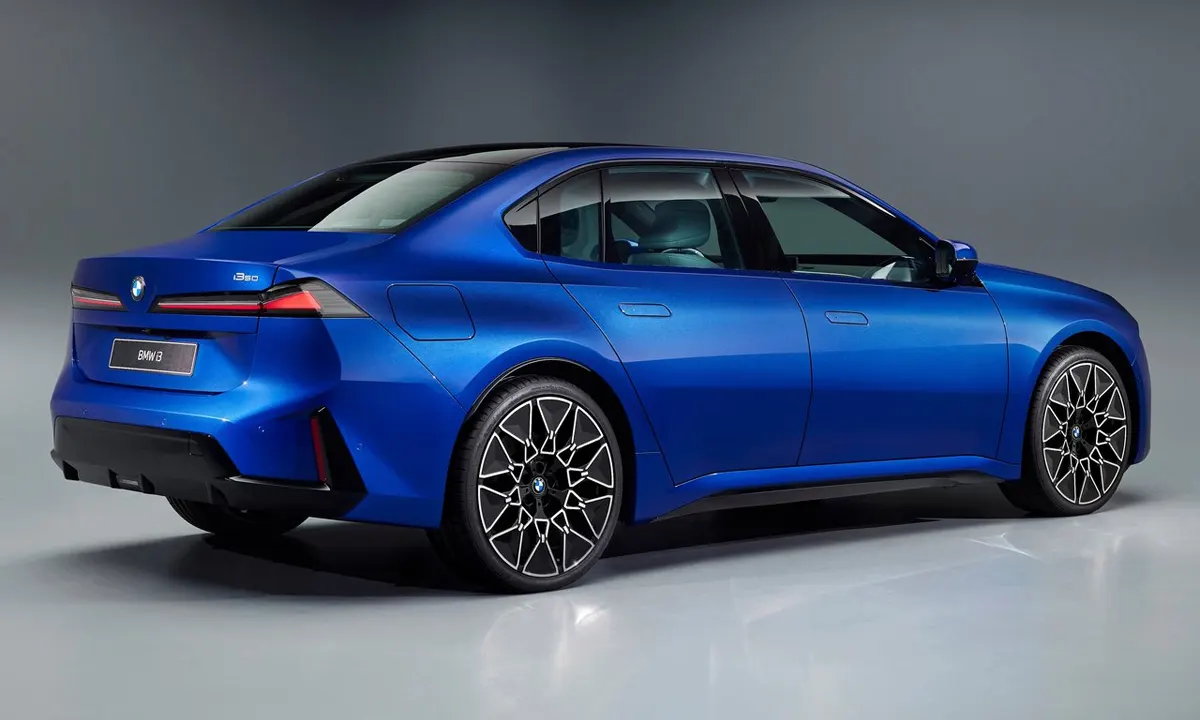
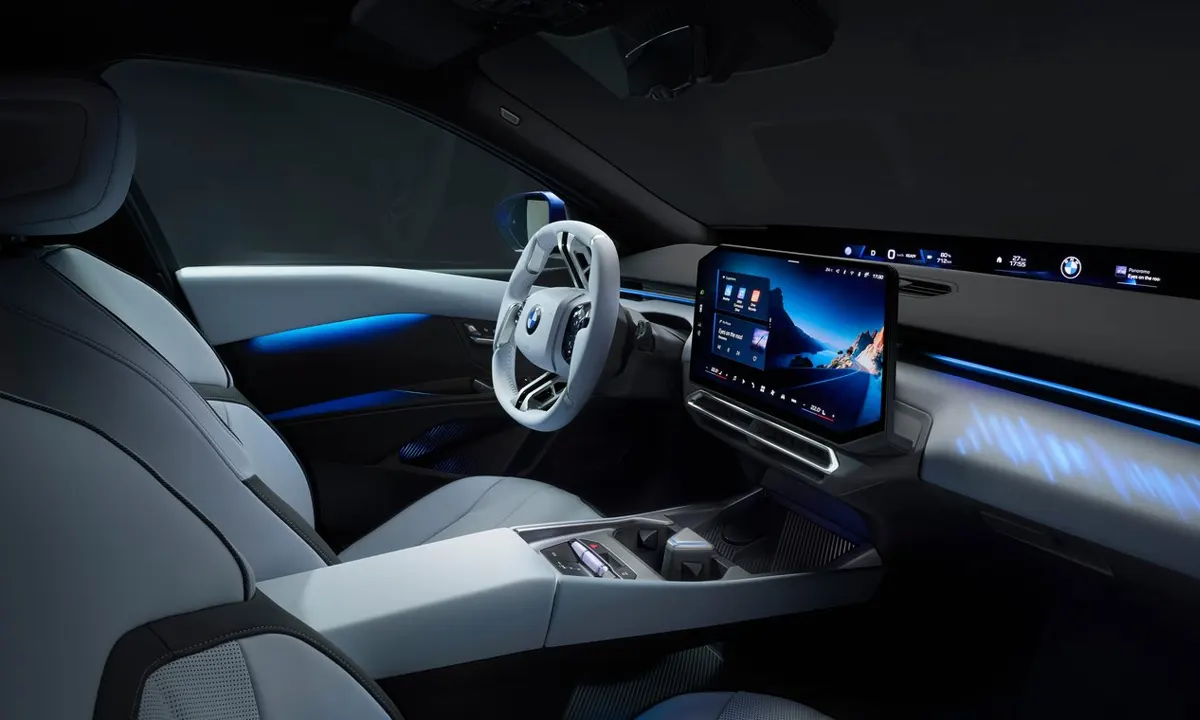
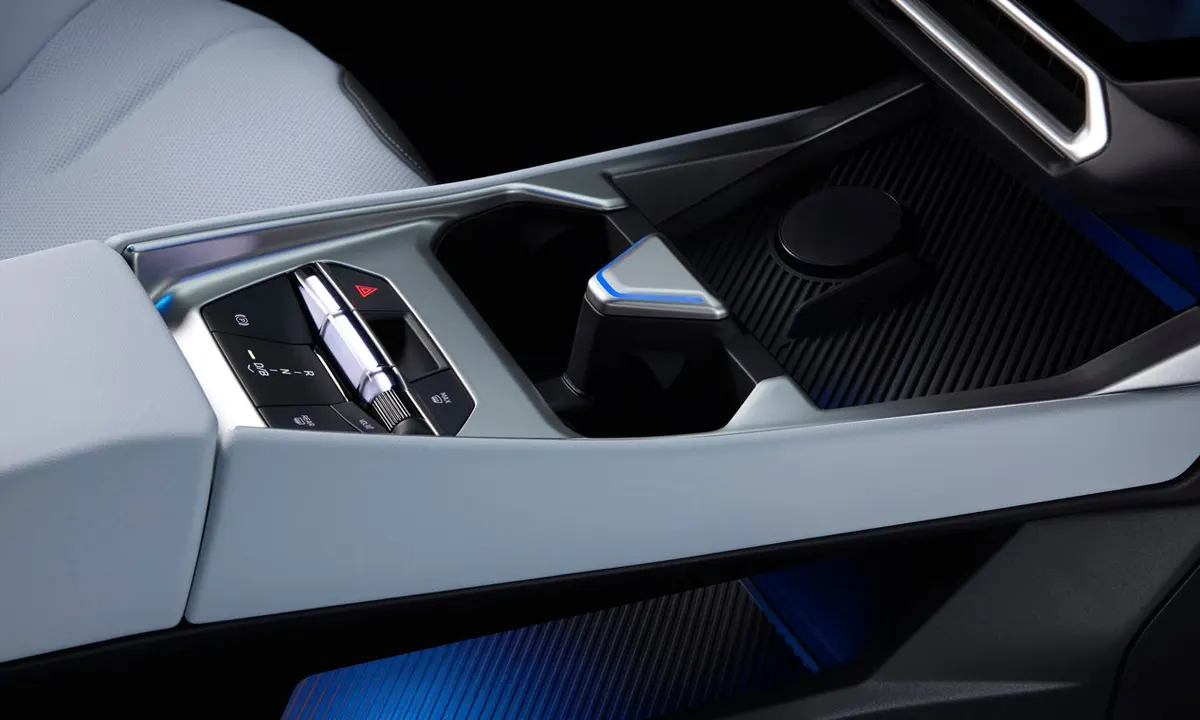
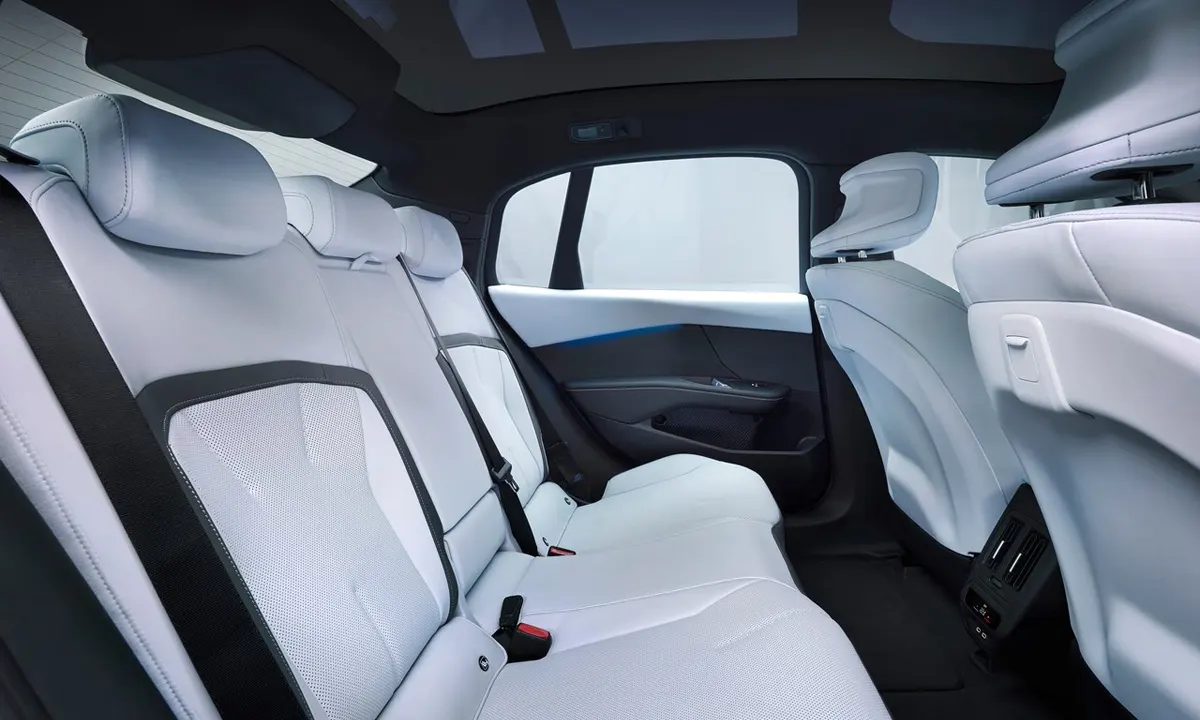
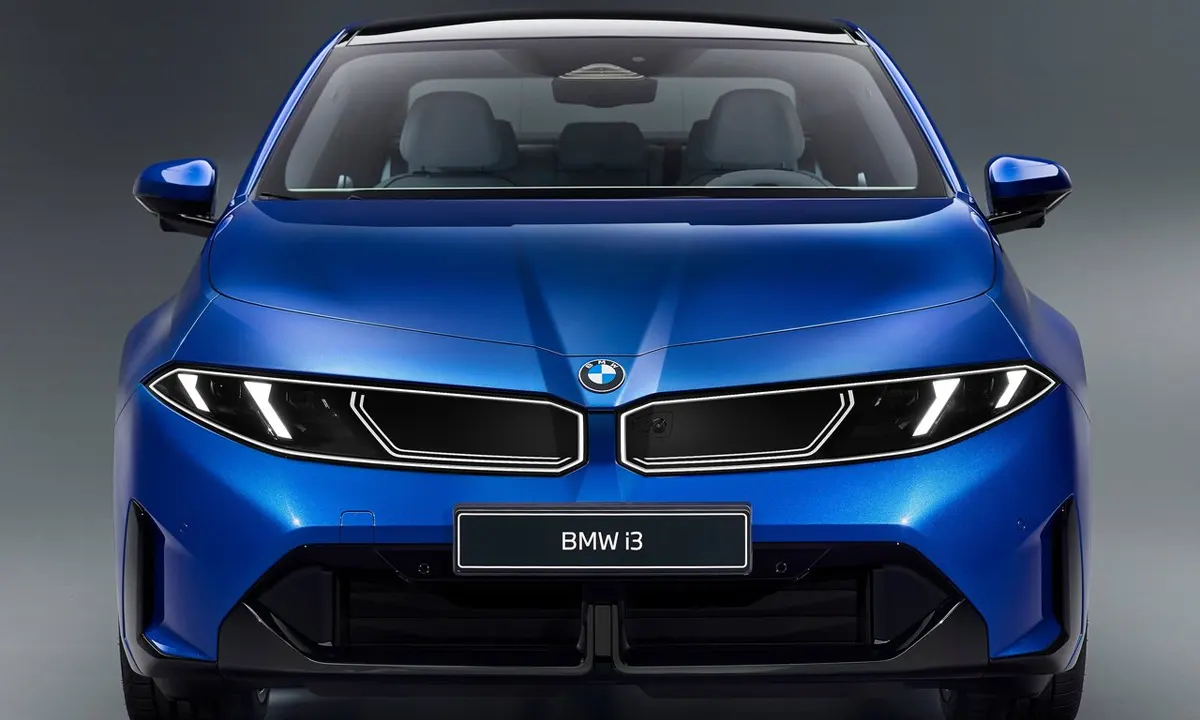
The new BMW i3 is not a continuation of the compact urban hatchback that BMW produced between 2013 and 2022. That pioneering but unconventional city car, while historically significant as BMW’s first serious modern electric vehicle, shared nothing with the 3 Series family in terms of platform, proportion or ambition. The 2027 i3 is an entirely different proposition — the first fully electric BMW 3 Series sedan, built on the brand’s revolutionary new Neue Klasse platform, armed with sixth-generation eDrive technology, a WLTP range of up to 900 kilometres, a 400 kW ultra-fast charging capability and a suite of computing and driver-assistance technologies that BMW describes as a generational leap. This is, by any measure, one of the most consequential electric vehicles ever announced from a mainstream premium manufacturer.
Neue Klasse: The Platform That Changes Everything for BMW
To understand what makes the new BMW i3 so significant, it is essential to understand the Neue Klasse architecture on which it is built. Neue Klasse — German for “New Class,” a deliberate reference to the 1960s BMW models that saved the company from financial collapse and established its sporting identity — is not merely a new vehicle platform. It represents the complete reimagining of how BMW designs, engineers and manufactures its vehicles for the electric age. Every element of the Neue Klasse architecture has been developed from a clean sheet with electromobility as the fundamental design principle rather than a retrofit consideration.
The platform introduces BMW’s sixth-generation eDrive technology, an 800-volt electrical architecture that enables charging speeds and energy efficiency levels impossible to achieve on lower-voltage systems. It also introduces a radically new approach to vehicle computing through the Heart of Joy — a quartet of centralised high-performance computers, which BMW calls Superbrains, each dedicated to a specific functional domain. One Superbrain governs driving dynamics, another manages automated driving functions, a third controls infotainment and the fourth oversees access, comfort and vehicle control functions. Together, these four computers deliver more than twenty times the computing power of BMW’s previous generation electronics architecture, while simultaneously reducing wiring complexity and overall vehicle weight through the consolidation of what was previously a distributed network of dozens of individual control modules.
The Neue Klasse also introduces a new generation of cylindrical battery cells — round cells of a design that BMW has internally developed to achieve higher energy density, faster charge acceptance and improved thermal management compared to the prismatic cells used in its previous electric models. These cells are integrated directly into the vehicle’s floor structure, contributing to structural rigidity while maximising the usable volume of the passenger compartment above. The result is an interior that offers meaningfully more space than the platform’s external dimensions would suggest — an advantage that the i3 exploits to deliver genuinely spacious accommodation for four adults within a body that maintains the classic 3 Series proportions of a long wheelbase, short overhangs and a low, athletic roofline.
Design and Exterior: The Neue Klasse Design Language Applied to an Icon
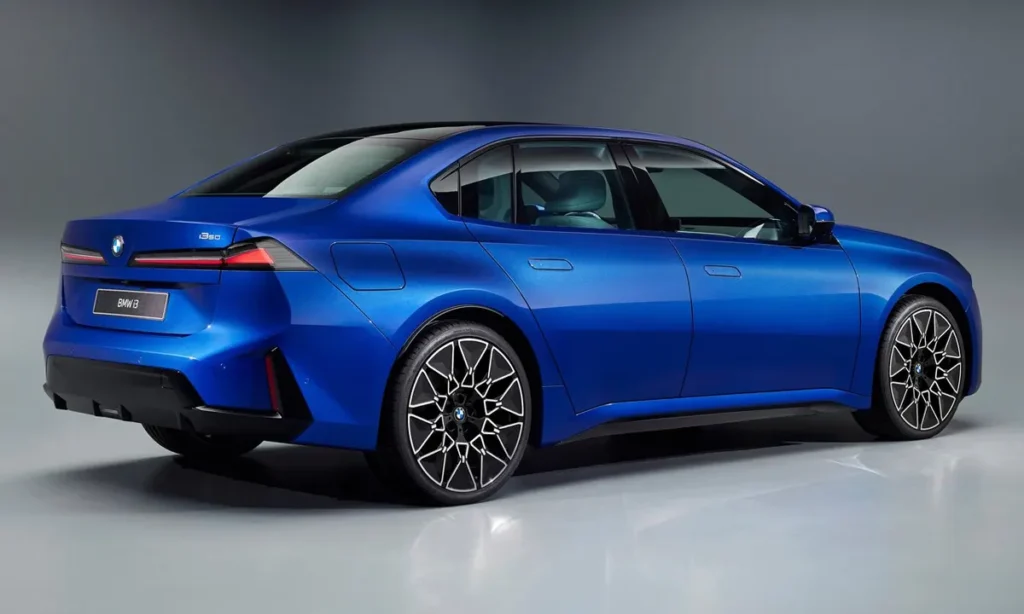
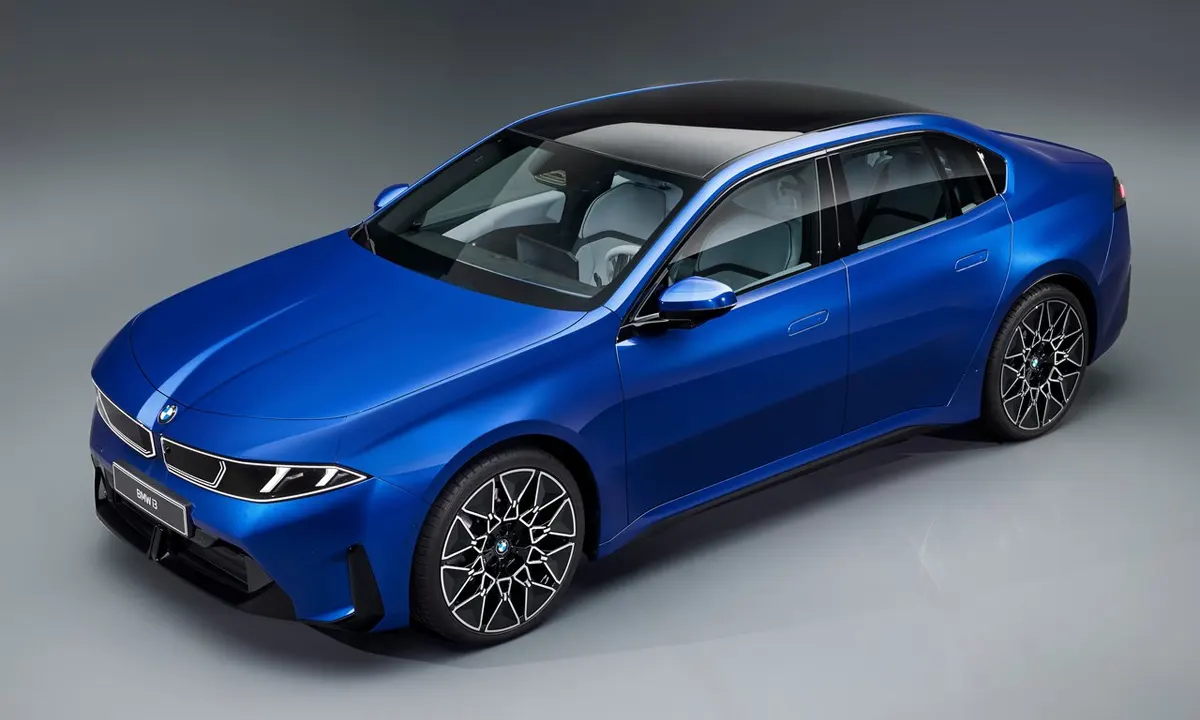
The visual design of the 2027 BMW i3 is among the most discussed aspects of the car since its reveal, and for good reason. BMW’s head of design Adrian van Hooydonk described the i3 as a car that is muscular and expresses movement even when stationary — a characterisation that is immediately apparent in person. The 2.5-box silhouette blends the proportions of a traditional sedan with a slightly fastback quality, creating a profile that is simultaneously familiar as a 3 Series and visibly progressive as a new design statement.
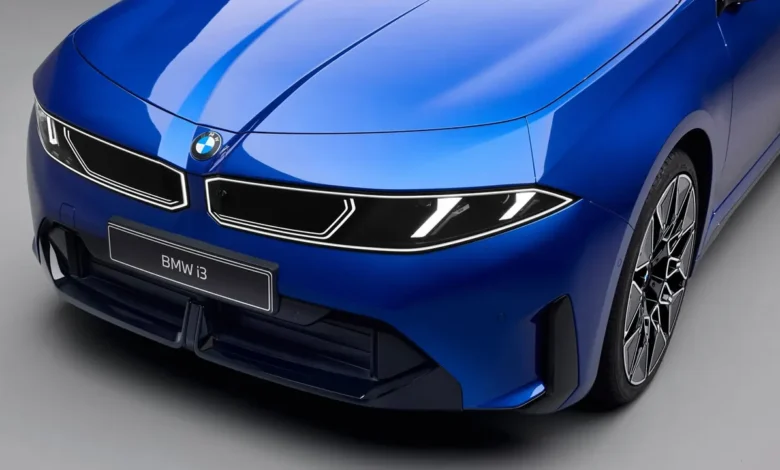
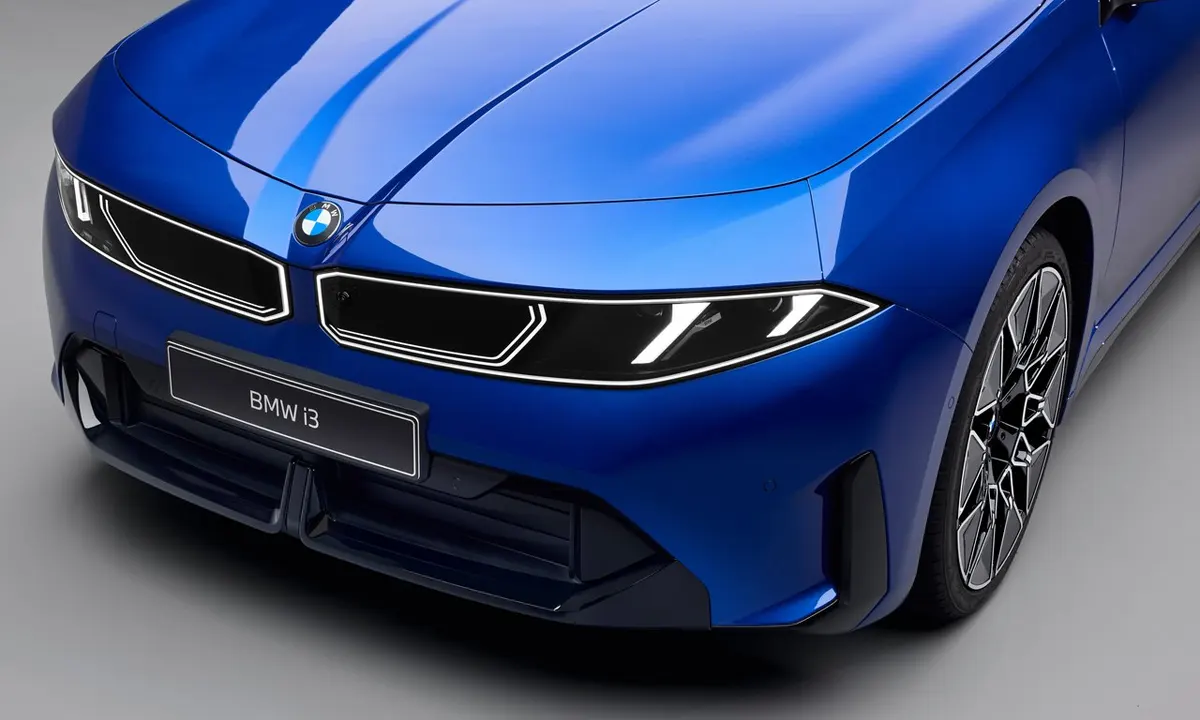
At the front, the iconic BMW kidney grille has been radically reimagined for the electric era. Rather than the wide, prominent chrome-framed openings of recent combustion models, the i3’s grille takes the form of a slim, horizontal element that merges seamlessly with the car’s lighting architecture. The twin headlights, a BMW design signature since the original Neue Klasse of the 1960s, have been distilled into vertical slivers of LED light that flank the grille element, creating what BMW calls a four-eyed face — instantly recognisable as a BMW yet entirely new in execution. The overall front fascia adopts a sharknose forward inclination that gives the car a sense of aerodynamic aggression and purposeful forward momentum.
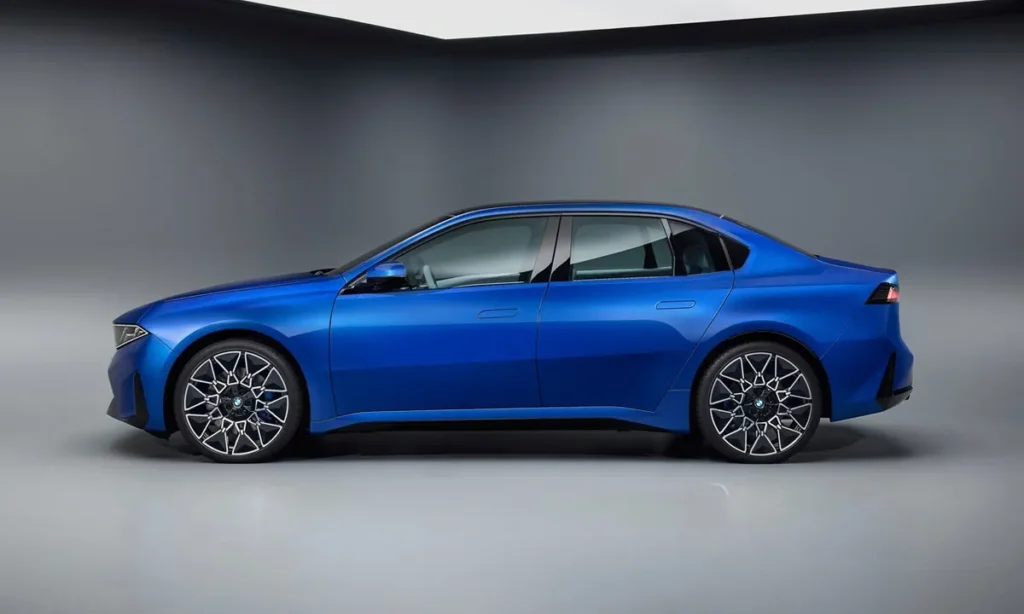
Along the sides, the design achieves a clean, minimal surface treatment that focuses visual attention on the prominently flared wheel arches — a feature BMW describes as emphasising the car’s wide stance and planted character. Flush-mounted door handles extend automatically when the car’s digital key is detected, maintaining the aerodynamic smoothness of the body surfaces and contributing to the vehicle’s drag coefficient. The side glass area tapers elegantly toward the rear, reinforcing the coupe-like roofline profile that gives the i3 its most emotionally appealing design quality.
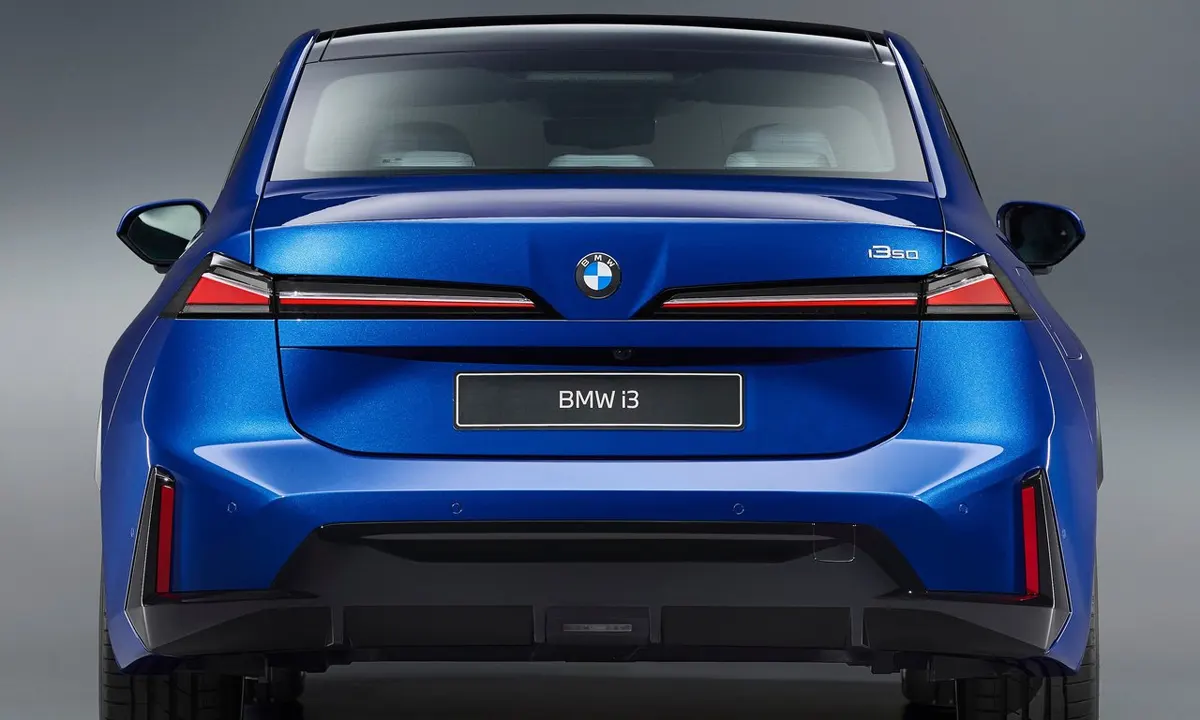
At the rear, a full-width horizontal light bar stretches across the car’s entire tail, creating a bold and instantly recognisable night-time signature. The rear bumper is clean and uncluttered — a design freedom made possible by the complete absence of exhaust outlets — with a diffuser-style lower element that contributes to aerodynamic stability. An available Iconic Glow exterior package enhances the front-end lighting architecture further, adding animated light sequences on startup and shutdown that give the i3 a theatrical and distinctive character.
Powertrain and Performance: 469 Horsepower and the Heart of Joy
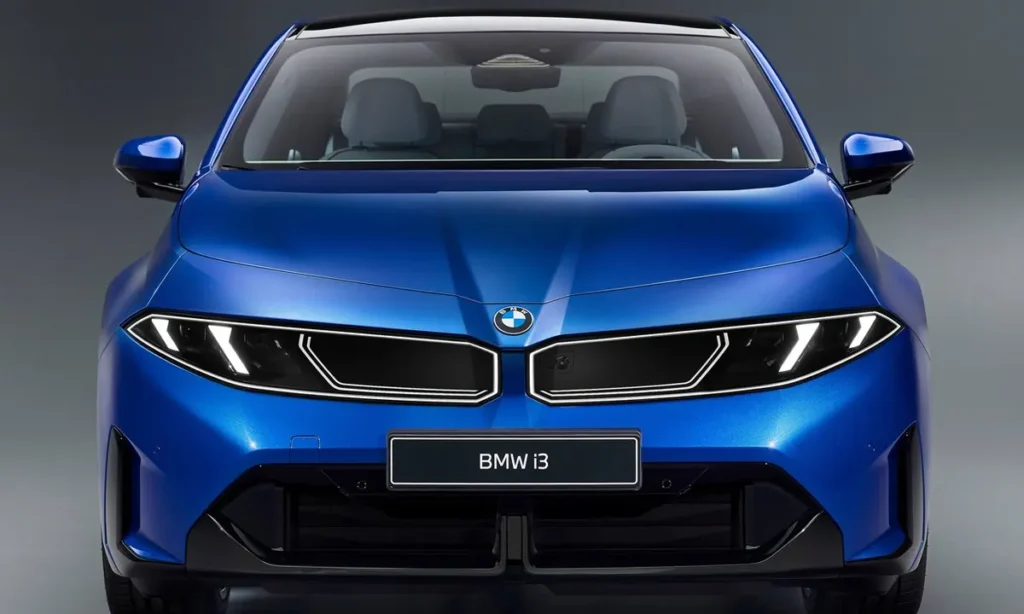
The launch specification of the 2027 BMW i3, designated the i3 50 xDrive, deploys a dual-motor all-wheel drive powertrain producing a combined system output of 469 horsepower and 645 Nm of torque. The two motors represent an asymmetric architecture of considerable engineering sophistication. The rear axle is driven by an electrically excited synchronous motor — a more powerful unit that provides the majority of drive under normal and performance conditions. The front axle is driven by an asynchronous motor that provides traction support and torque vectoring capability in demanding driving situations. This combination delivers the rear-biased character and dynamic precision that 3 Series drivers expect, while providing the all-weather security of all-wheel drive when conditions demand it.
Governing the powertrain’s delivery is the Heart of Joy Superbrain, which coordinates power output, regenerative braking, torque distribution and chassis dynamics in a single integrated system, responding to driver inputs and road conditions in milliseconds. This centralised approach replaces the network of separate control modules found in previous BMW EVs, enabling a degree of system integration and response speed that was previously unachievable. BMW’s engineers describe the Heart of Joy’s responses as ten times faster than those of its predecessors — a claim reflected in the i3’s driving character, which is described as effortless and uncannily intuitive.
The i3 also introduces BMW’s Soft-Stop braking system as a standard feature, shared with the iX3 SUV. This system manages virtually all deceleration through the electric motors’ regenerative capability, reserving the physical brakes for emergency stops and truly spirited driving scenarios. The precision with which the motor-driven deceleration is managed eliminates the jerkiness and abruptness that can make aggressive regenerative braking systems feel uncomfortable in daily use. The result is a car that decelerates smoothly and naturally from near-zero throttle input, making one-pedal driving feel intuitive rather than forced.
Range and Charging: Setting a New Standard for Electric Ambition
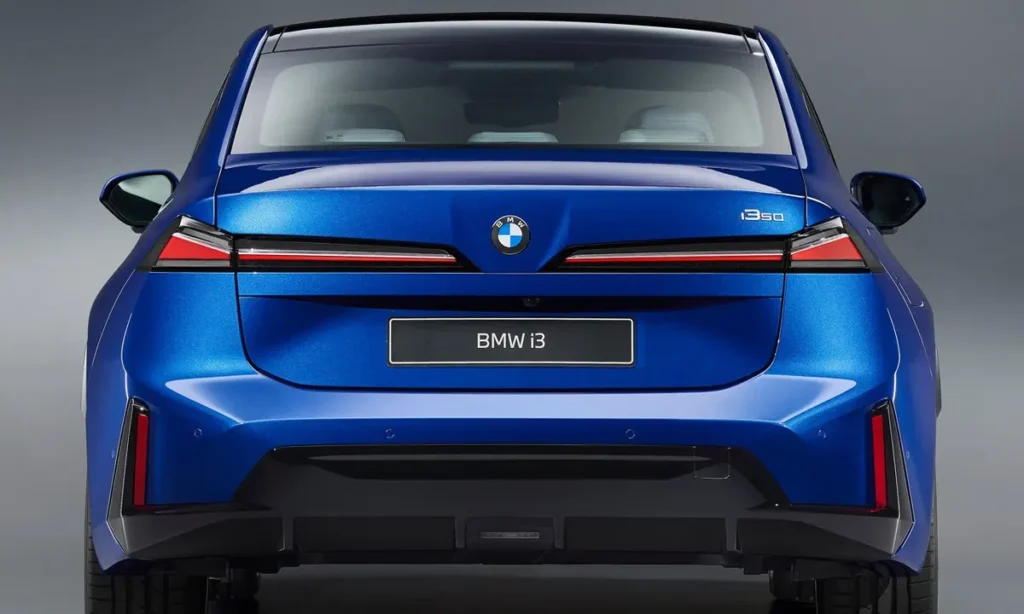
The figures that BMW has attached to the new i3’s range and charging capability are genuinely extraordinary by any current standard. A WLTP range of up to 900 kilometres positions the i3 as one of the longest-range production electric vehicles of any body style in the world at the time of its launch — a figure that comprehensively eliminates range anxiety for all but the most extreme long-distance driving scenarios. The US-market BMW-estimated range figure of approximately 440 miles speaks to the same underlying battery and efficiency achievement in a different regulatory testing framework.
The 800-volt electrical architecture enables DC fast-charging at up to 400 kW — a figure that translates into genuinely transformative charging speed in real-world use. BMW’s official figures state that the i3 can recover sufficient energy for up to 400 kilometres of range in just ten minutes at a compatible ultra-rapid charging station. The ten-percent to eighty-percent DC charge time, extrapolated from the comparable iX3 SUV’s figures, is anticipated to fall below twenty-five minutes. For a car with the range credentials of the i3, this charging speed effectively reduces long-distance travel to a brief, planned pause rather than a significant scheduling consideration.
Battery preconditioning is standard, activating automatically when a charging stop is included in the navigation route or manually through the driver’s instruction. This system manages the battery’s thermal state before arrival at a charging station, ensuring the cells are at optimal temperature to accept the maximum charge rate regardless of ambient conditions. Bidirectional charging capability comes as standard equipment across the range, enabling the i3 to function as a vehicle-to-home energy source in conjunction with the BMW Wallbox Professional home charging system, or to feed energy back into the grid through vehicle-to-grid functionality where infrastructure permits.
Interior and Technology: Panoramic iDrive and a New Era of Driver Connectivity
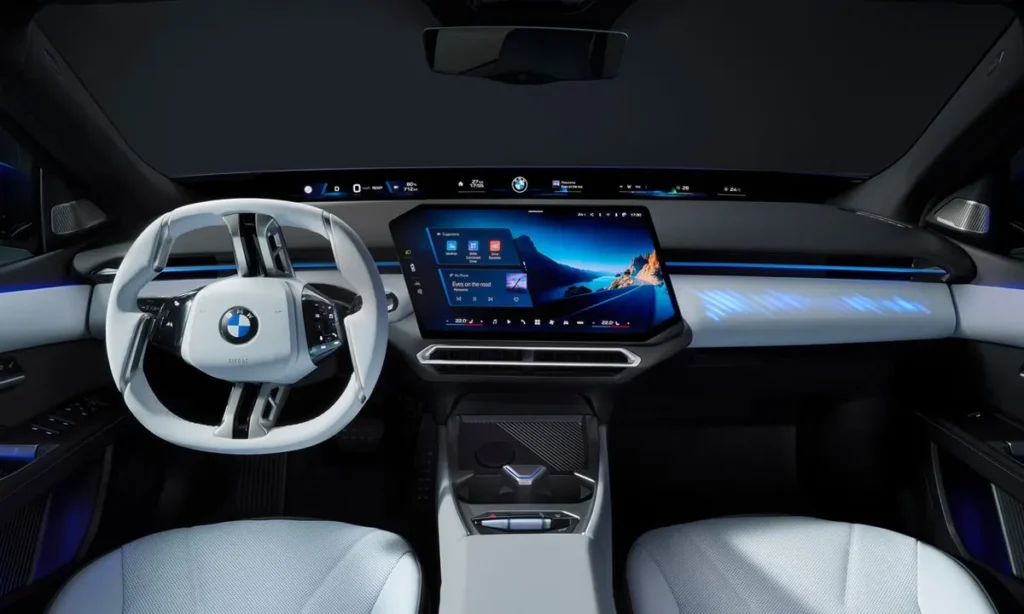
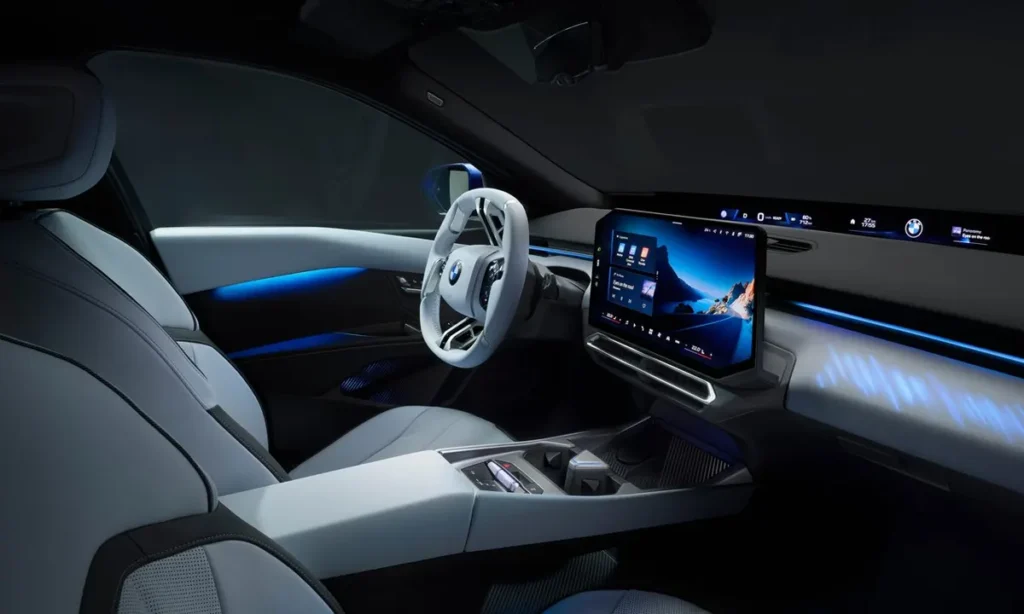
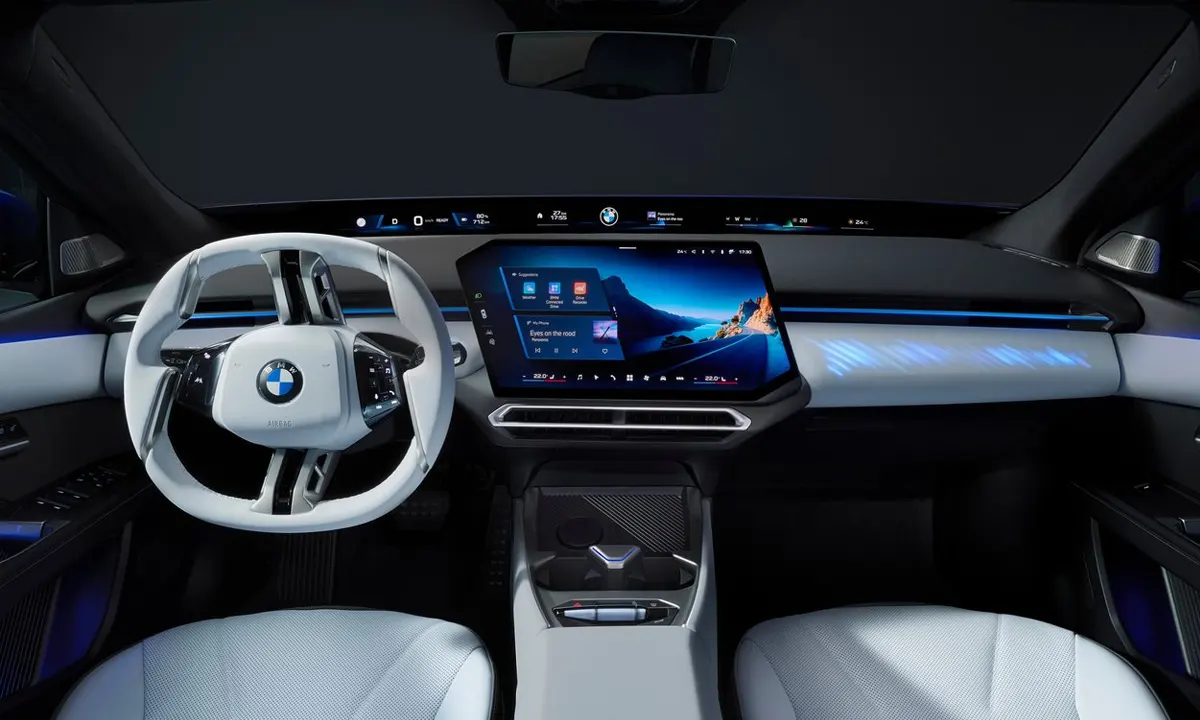
The interior of the 2027 BMW i3 represents one of the most significant advances in BMW cabin design and human-machine interface engineering in the brand’s history. The Neue Klasse interior philosophy prioritises what BMW describes as driver-oriented sportiness — a philosophy that manifests through an architecture that places every piece of information and every control within the driver’s natural field of vision without creating visual complexity or distraction.
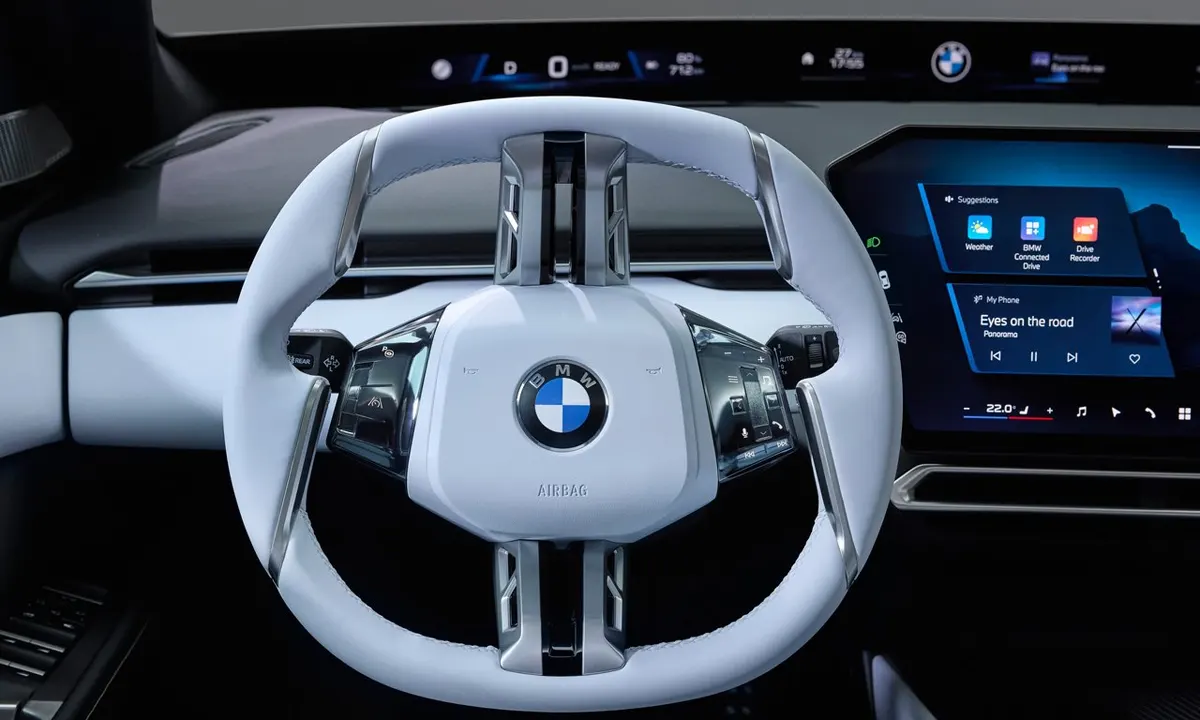
The centrepiece of the i3’s interior technology is the BMW Panoramic iDrive system, a dual-display operating concept that fundamentally reimagines how driver information is presented. A full-width display — the Panoramic Vision — is projected onto a specially coated strip running along the base of the windscreen from A-pillar to A-pillar, placing speed, navigation, driver assistance status and other key information directly within the driver’s forward sightline without requiring any eye movement away from the road ahead. This is complemented by a 17.9-inch central touchscreen in the distinctive parallelogram form first introduced on the iX3, angled three additional degrees toward the driver compared to the SUV’s installation for even more natural interaction. The touchscreen manages audio, secondary vehicle settings and infotainment, while its main menu supports full customisation and a drag-and-drop widget system for the Panoramic Vision display content. An optional BMW 3D Head-Up Display provides a further layer of augmented information within the driver’s sightline.
Voice control is managed through BMW’s Intelligent Personal Assistant, enhanced with Amazon Alexa Plus artificial intelligence technology that enables contextual, conversational interaction with the vehicle’s systems. The assistant understands natural language commands, formulates context-specific responses and integrates seamlessly with navigation, media and vehicle functions. BMW’s Operating System X, the software platform underlying all Neue Klasse vehicles, supports comprehensive over-the-air update capability, ensuring that the i3’s software and feature set can evolve throughout the car’s operational life without requiring a dealership visit.
Interior materials reflect BMW’s commitment to sustainable manufacturing. The standard Econeer trim is crafted entirely from recycled PET plastics, while the Veganza upholstery — a high-quality synthetic leather alternative — is available in four colour options including Digital White, Agave Green, Castanea and black. Four distinct interior design themes allow buyers to personalise the cabin environment to suit their aesthetic preferences. Ambient lighting spans the full cabin perimeter, creating a distinctive and customisable atmosphere after dark.
Read: Mercedes-AMG GT Black Series Delivers Extreme Track Performance
BMW i3 (2027) – Full Specifications and Performance Chart
| Category | Specification |
| Vehicle Type | All-Electric Premium Sports Sedan |
| Platform | BMW Neue Klasse (EV-Dedicated) |
| Launch Specification | BMW i3 50 xDrive |
| Body Style | Four-Door Sedan |
| Length | 4,740 mm |
| Width | 1,865 mm |
| Height | 1,480 mm |
| Front Motor Type | Asynchronous Motor (ASM) |
| Rear Motor Type | Electrically Excited Synchronous Motor (EESM) |
| Combined Power Output | 345 kW / 469 hp |
| Maximum Torque | 645 Nm |
| Drivetrain | Dual-Motor All-Wheel Drive (xDrive) |
| Electrical Architecture | 800-Volt |
| WLTP Range | Up to 900 km |
| US Estimated Range | Up to 440 miles |
| Max DC Fast Charging | 400 kW |
| Range Recovery (10 min) | Up to 400 km |
| AC Charging Port | NACS (Standard) + CCS Adapter |
| Bidirectional Charging | Standard (V2L, V2H, V2G) |
| Computing Architecture | 4 x Superbrain ECUs (Heart of Joy) |
| Infotainment Display | 17.9-inch Panoramic iDrive Touchscreen |
| Windscreen Display | Full-Width Panoramic Vision (A-Pillar to A-Pillar) |
| Head-Up Display | BMW 3D Head-Up Display (Optional) |
| Voice Assistant | BMW Intelligent Personal Assistant + Amazon Alexa+ |
| Software Platform | BMW Operating System X (OTA Updatable) |
| Interior Themes | 4 Options (Econeer, Veganza in 4 colours) |
| Production Location | BMW Group Plant Munich |
| Production Start | August 2026 |
| First Deliveries | Autumn 2027 |
| US Launch | 2027 |
| Expected US Starting Price | Under USD 60,000 |
The Legacy Continues: BMW i3 as a Defining Moment in Electric History
The 2027 BMW i3 arrives at a moment when the electric vehicle market has matured sufficiently to demand that premium manufacturers deliver not merely adequate electric transport, but genuinely superior driving experiences. BMW’s response to that demand — through the Neue Klasse platform, the Heart of Joy computing architecture, the 800-volt charging infrastructure and a range figure that no competitor in the class can currently match — is as comprehensive and ambitious a technical statement as the brand has ever made.
For the fifty-year legacy of the 3 Series, the i3 represents both an end and a beginning. It is the end of the combustion chapter for BMW’s most important model line, and the beginning of an electric era that BMW has clearly approached with the full weight of its engineering capability and brand identity committed to the outcome. The i3 does not merely carry the 3 Series name into electrification — it carries the entire soul of what that name has always meant. It is athletic, technologically sophisticated, driver-focused and built to the highest standard of premium manufacturing quality.
In a competitive landscape that now includes compelling electric sports sedans from Tesla, Mercedes-Benz, Audi and a growing field of Chinese manufacturers, the BMW i3’s arrival resets the terms of competition. With 469 horsepower, 900 kilometres of range, 400 kW charging and a technology suite that BMW’s own chairman described as feeling like it skipped a whole generation, the new i3 makes one of the most powerful cases yet that the electric future of the sports sedan is not a compromise — it is an advancement.