With the GR Supra Gone, the 2027 Nissan Z NISMO Is Now the Sports Car the World Needs
GT-R-Derived Brakes, a Purpose-Built Six-Speed Manual, Retuned Twin-Turbo V6 and Refined Suspension Engineering Make the 2027 Nissan Z NISMO the Most Driver-Focused and Emotionally Rewarding Sports Car in the Lineup's Modern History
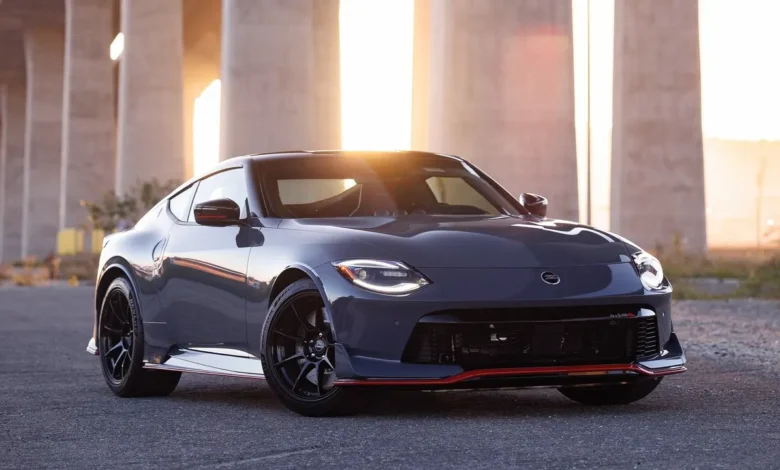
Few announcements in recent automotive memory have been received with as much collective enthusiasm from the sports car community as the confirmation that the 2027 Nissan Z NISMO would finally offer a six-speed manual transmission. Since the NISMO variant of the seventh-generation Z arrived for the 2024 model year with its 420-horsepower twin-turbocharged V6 and track-focused chassis, its singular, enduring criticism had been the absence of a third pedal — a decision widely regarded as the one flaw that prevented an otherwise exceptional performance machine from achieving true driver’s car greatness. For 2027, Nissan has answered that criticism directly, definitively and with a level of engineering commitment that goes far beyond simply fitting an existing gearbox from the parts shelf.
Gallery: 2027 Nissan Z NISMO
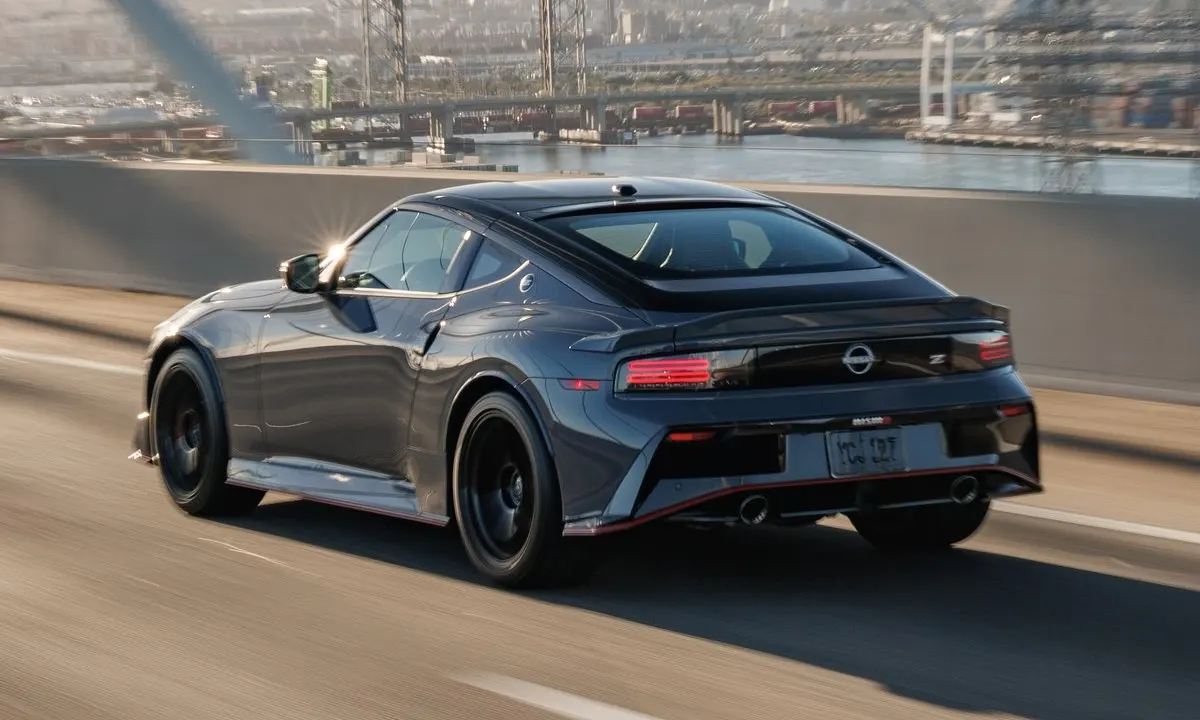
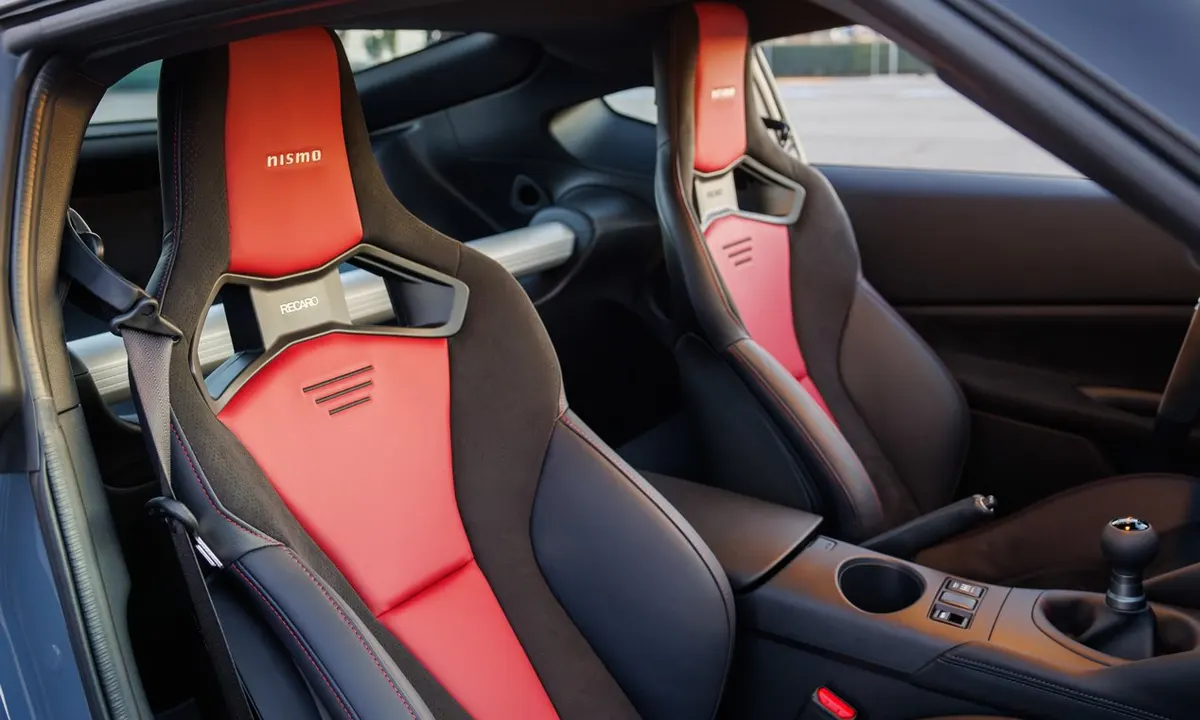
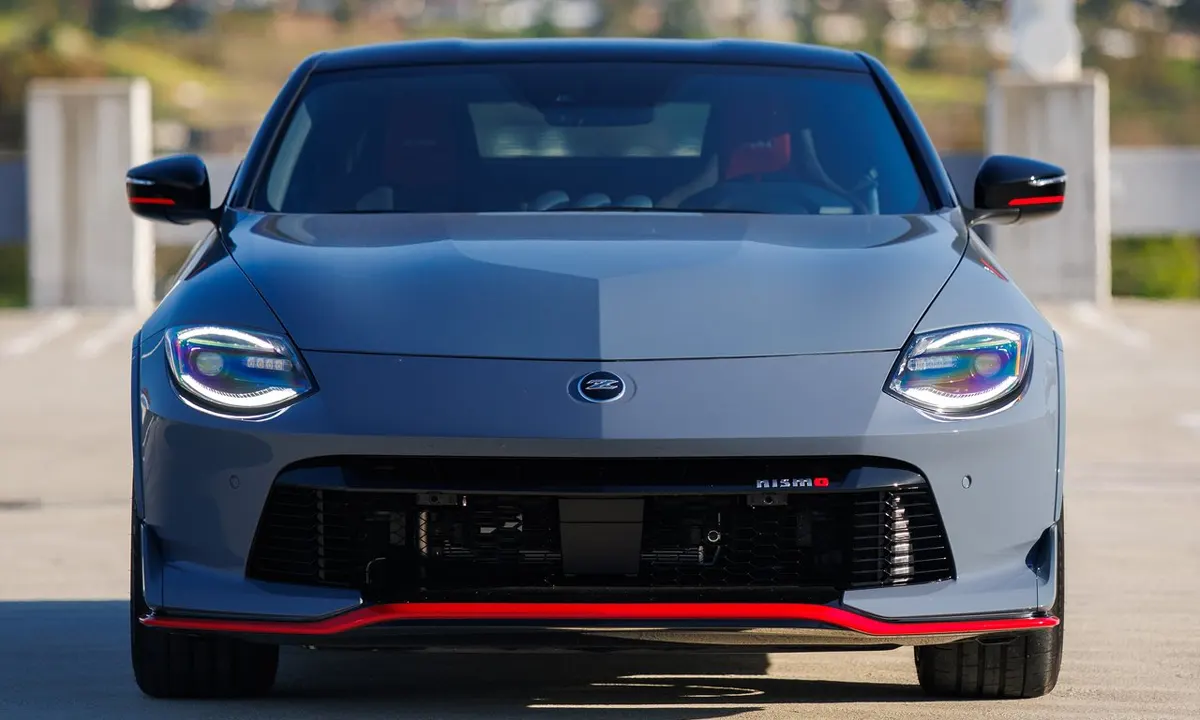
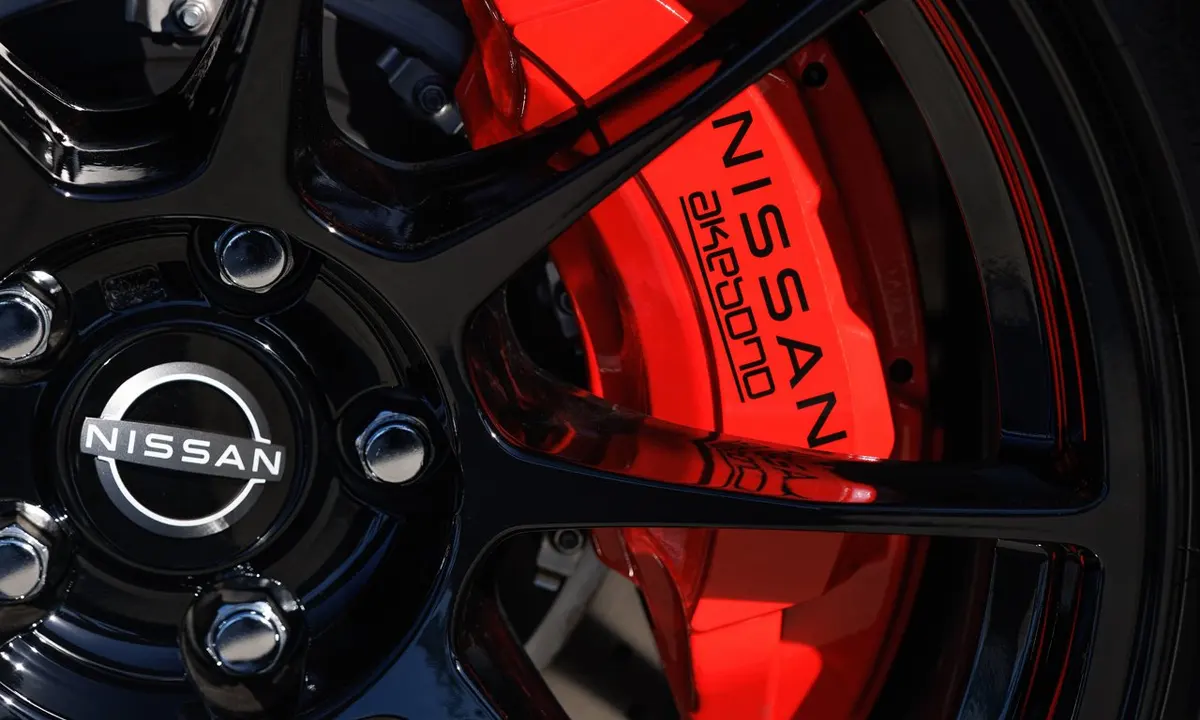
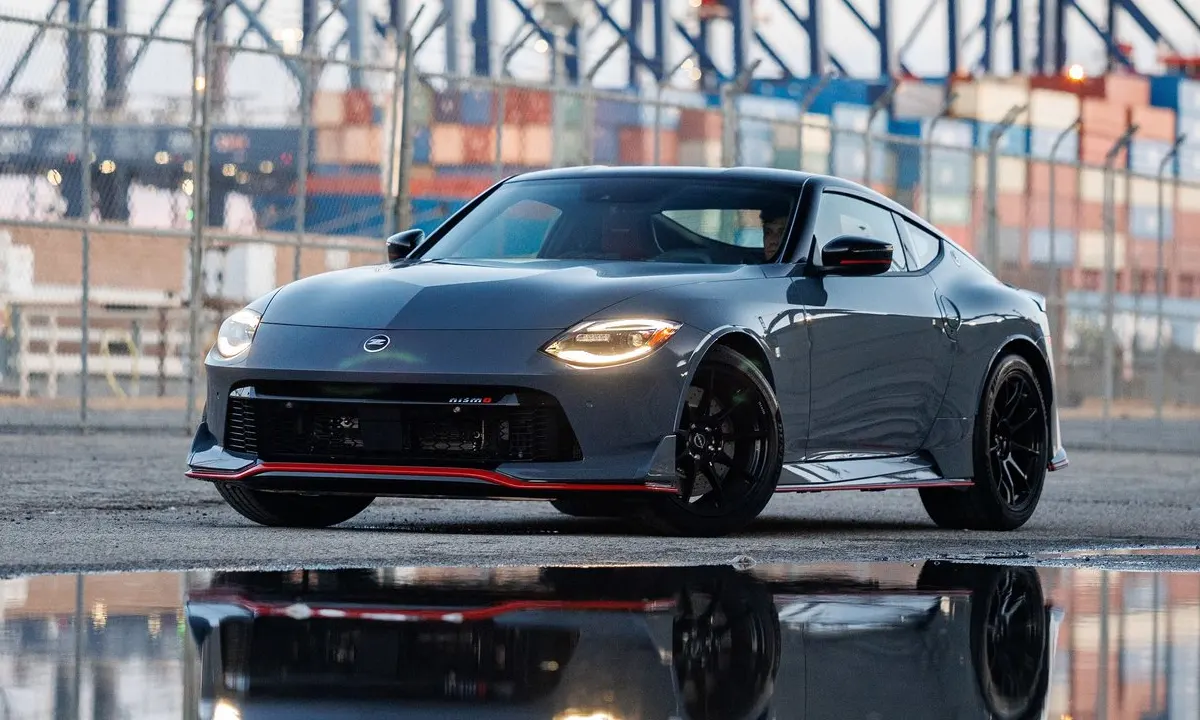
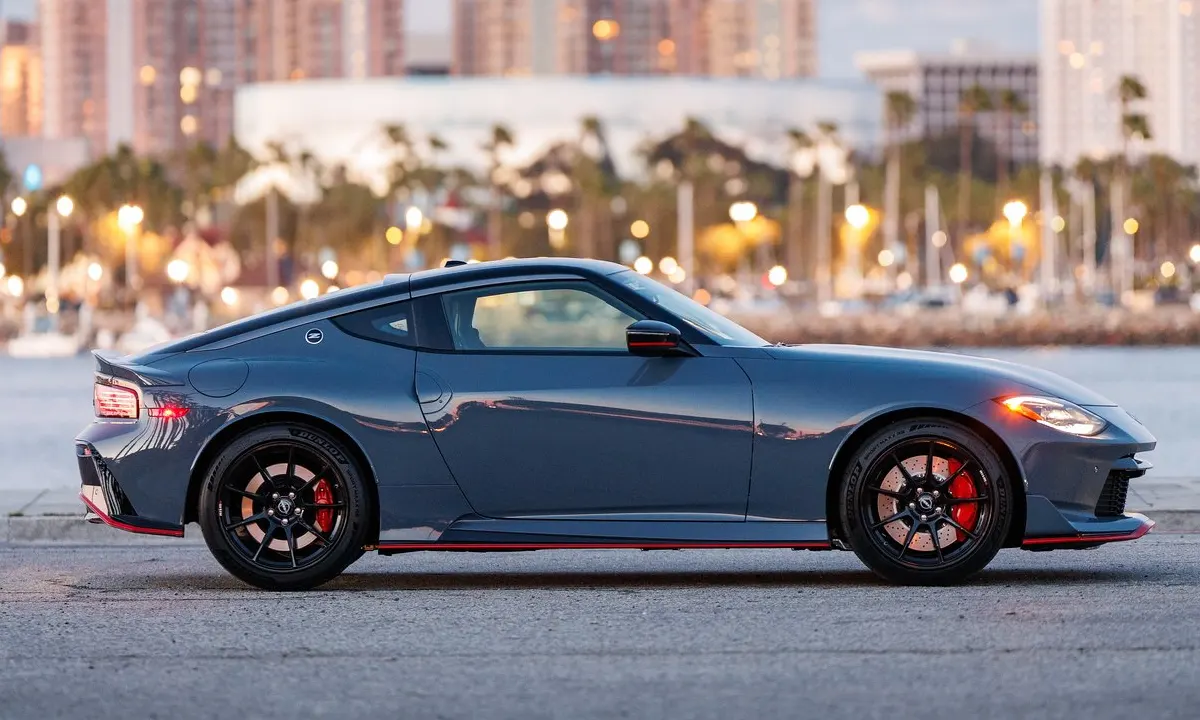
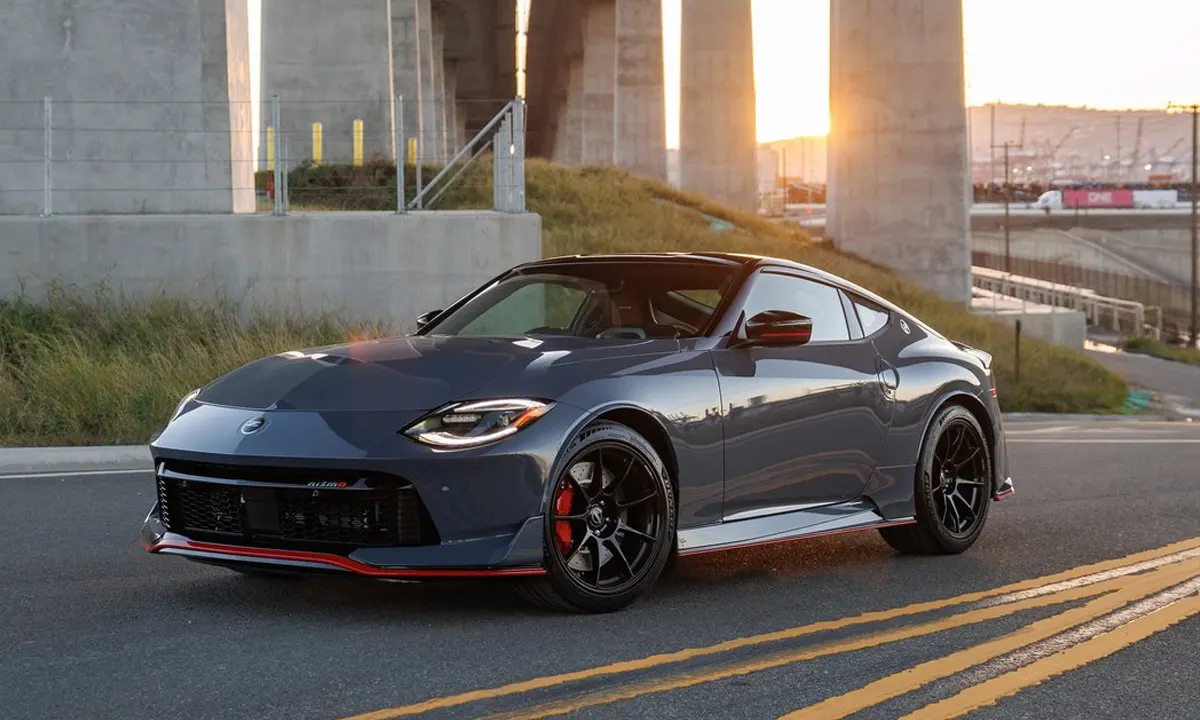
The 2027 Z NISMO does not merely add a manual transmission as a checkbox exercise. Nissan’s NISMO division has engineered an entirely new six-speed gearbox specifically for this application, recalibrated the engine’s throttle and ignition mapping to match its character, upgraded the clutch assembly, retuned the Active Sound Enhancement and Active Noise Cancellation systems to deliver a more appropriate acoustic experience, fitted GT-R-derived two-piece iron-aluminum front brake rotors that save 19 pounds while significantly improving thermal performance, and subsequently retuned the front suspension and steering rack to account for the resulting change in front-end weight distribution. The result is a sports car that is not just better equipped than its predecessor — it is fundamentally, meaningfully more engaging, more rewarding, and more deserving of the NISMO name. Scheduled to arrive at Nissan dealerships in summer 2026, the 2027 Z NISMO makes its North American public debut at the New York International Auto Show in April.
A Design That Honors Heritage While Moving Forward
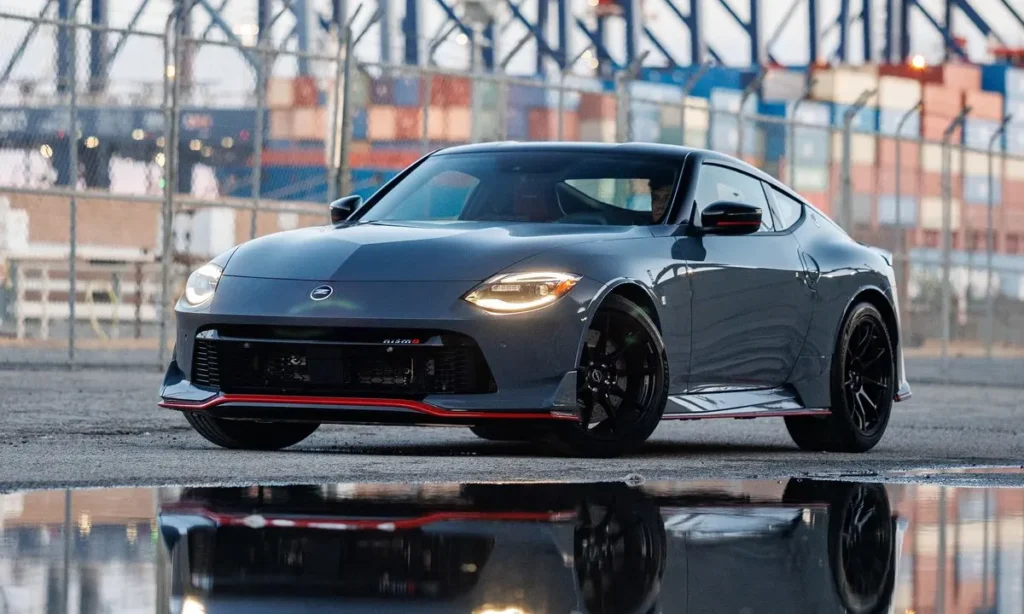
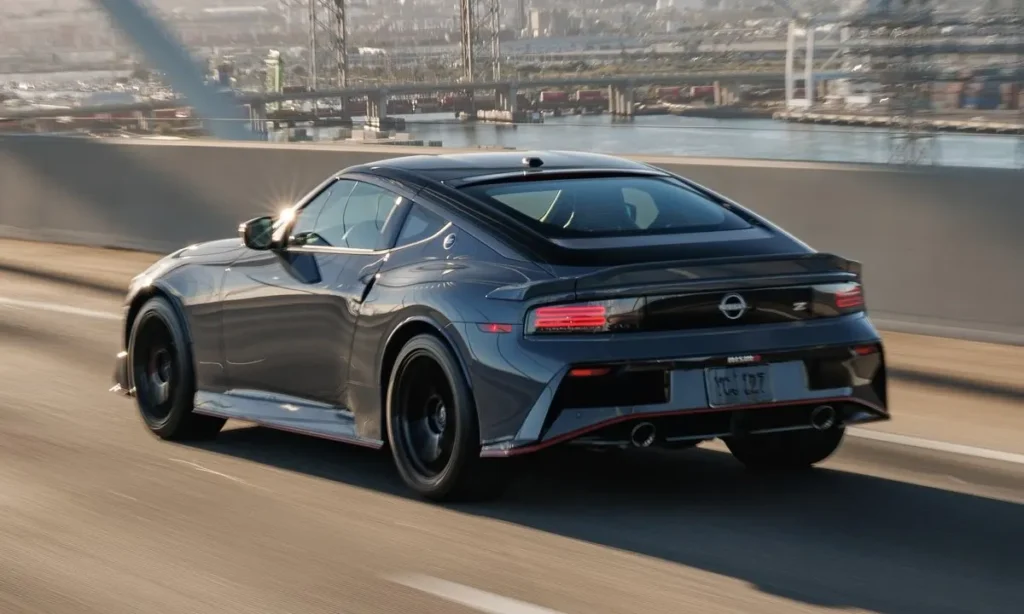
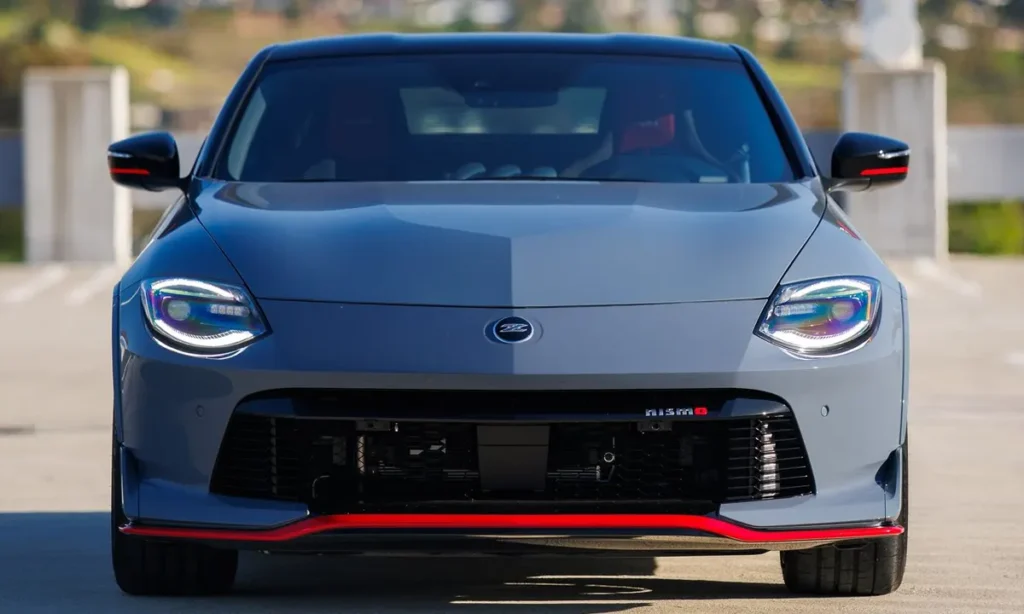
The 2027 Nissan Z NISMO carries forward the distinctive visual identity of its predecessor while reinforcing the purposeful, track-focused character that separates it from the Sport and Performance trims in the lineup. The NISMO-specific exterior treatment remains aerodynamically optimized, with bodywork that has been shaped specifically to generate positive downforce — a meaningful engineering achievement for a production sports car at this price point. The front fascia, rear diffuser and side sill extensions all contribute to the aerodynamic balance that makes the Z NISMO so composed at high speeds and confident in sustained cornering.
While the Sport and Performance variants receive a notably updated front bumper and grille design for 2027 — featuring a body-color horizontal bar bisecting the grille intake, a new Z emblem replacing the traditional Nissan badge on the nose, and resculpted ducting that improves both cooling airflow and aerodynamic efficiency — the NISMO retains its own distinctive frontal identity. The NISMO’s nose treatment is engineered specifically around its downforce targets rather than the styling-led brief that guides the lower trims, and the two approaches result in visually distinct characters that communicate each car’s different priorities with immediate clarity.
The new Shinkai Green Pearl Metallic paint option introduced for 2027 — available on Sport and Performance trims paired exclusively with a Super Black contrasting roof — draws its inspiration directly from the iconic green finish associated with the original S30-generation Datsun Z of the early 1970s. Modernized with a fine-grain pearl effect that produces dramatic light and shadow play in sunlight, Shinkai Green is one of the most visually striking and heritage-conscious colour additions the Z lineup has seen in years. The colour serves as a cultural acknowledgement of the Z’s deep roots and a reminder that the 2027 update is as much a celebration of the nameplate’s legacy as it is an engineering exercise in improvement.
The Manual Transmission: Purpose-Built for NISMO Duty
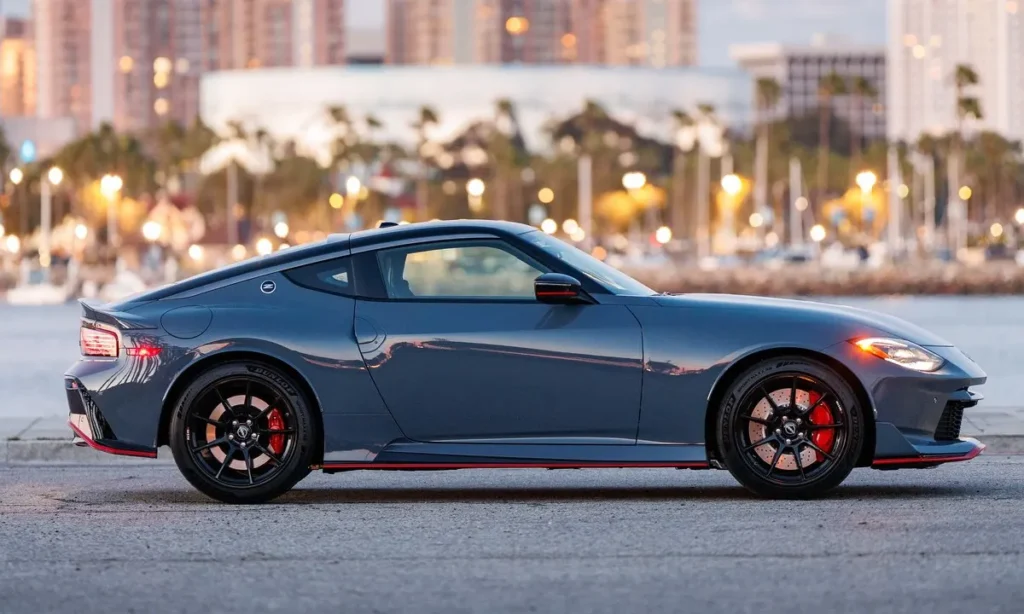
The defining story of the 2027 Z NISMO is the six-speed manual transmission, and the depth of engineering that Nissan’s NISMO division has invested in this gearbox makes clear that it was never intended to be a token gesture toward driving purists. From the outset, the transmission was developed as a purpose-built unit tailored specifically to the demands of the NISMO grade — a car that produces 420 horsepower and 384 lb-ft of torque and is expected to perform consistently and confidently in both aggressive road driving and repeated track sessions.
The clutch assembly is upgraded over the specification used in the manual-equipped Sport and Performance variants, engineered to handle the NISMO engine’s higher torque output with greater confidence and to provide a more communicative, precisely weighted pedal feel. The shift lever ratio has been revised to produce a noticeably shorter throw than the other manual-equipped Z models, delivering gear changes that feel quicker, more mechanical and more rewarding to execute. These details are not trivial — they represent the difference between a gearbox that merely functions and one that actively contributes to the emotional experience of driving.
The engine calibration for manual-equipped Z NISMO models is entirely distinct from the automatic variant. Throttle and ignition timing have been specifically retuned to deliver sharper, more aggressive throttle response and a more sustained torque delivery that complements the nature of rowing through gears manually. The power delivery characteristic that works optimally with a torque converter behaves differently from what best serves a driver who is managing clutch engagement and gear timing themselves, and Nissan’s engineers have addressed that distinction with dedicated mapping rather than applying a single calibration across both transmission options.
The Active Sound Enhancement and Active Noise Cancellation systems — technologies that actively shape the acoustic character of the cabin by amplifying desirable intake and exhaust frequencies while suppressing unwanted noise — have been comprehensively retuned for the manual NISMO. In Sport mode, the system is calibrated to dramatically amplify both intake and exhaust tones, creating a visceral, immersive soundtrack that rewards drivers who are fully engaged with the gear-shifting process. The effect of hearing the engine build through the rev range in synchrony with clutch and gear manipulation is precisely the kind of sensory reward that elevates the Z NISMO from an impressive performance machine into a genuinely memorable driving experience.
GT-R-Derived Brakes: Motorsport Technology for the Road
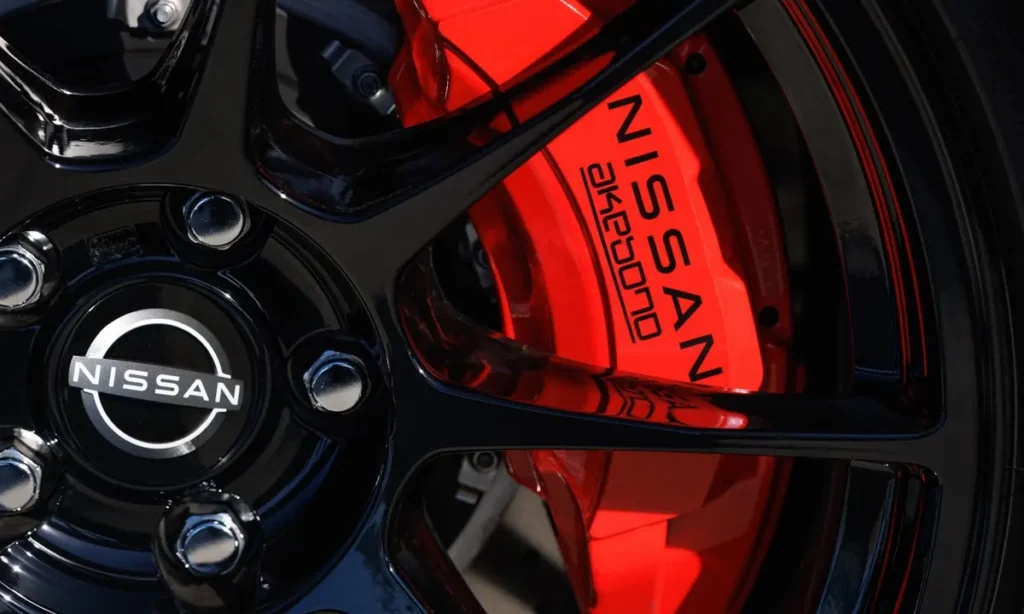
The introduction of the manual transmission is the headlining update for the 2027 Z NISMO, but the addition of GT-R-derived front brake rotors represents an equally significant engineering upgrade that will have meaningful implications for how the car performs in the real-world conditions its buyers are most likely to encounter. The two-piece iron-aluminum front brake rotors adapted from the legendary Nissan GT-R represent a direct technology transfer from one of the most revered performance cars in Nissan’s history to the Z NISMO — a recognition that the NISMO grade demands braking hardware of genuine pedigree.
The two-piece rotor design provides a critical thermal advantage over conventional single-piece units. Improved cooling channels within the rotor structure allow heat to dissipate more effectively during repeated heavy braking, directly reducing brake pad temperatures during track use and therefore maintaining more consistent and predictable stopping performance across an entire session. For drivers who use their NISMO on track days — which the car’s character and capability actively encourage — this improvement is not merely theoretical. It translates into greater confidence under braking at the end of long straights and a reduced risk of brake fade in the scenarios where reliable braking performance matters most.
The weight saving associated with the new rotors — 19 pounds compared with the previous front brake hardware — has a measurable impact on handling dynamics beyond simple straight-line braking performance. Reducing unsprung mass at the front axle improves the ability of the suspension to follow road surface changes accurately, contributing to sharper turn-in response and more precise steering feel. Nissan’s engineers recognized this interdependency and subsequently retuned the front suspension specifically to account for the revised weight distribution at the front of the car, ensuring that the full benefit of the lighter hardware is realized through optimized spring and damper calibration.
Powertrain: 420 Horsepower of Twin-Turbocharged Intent
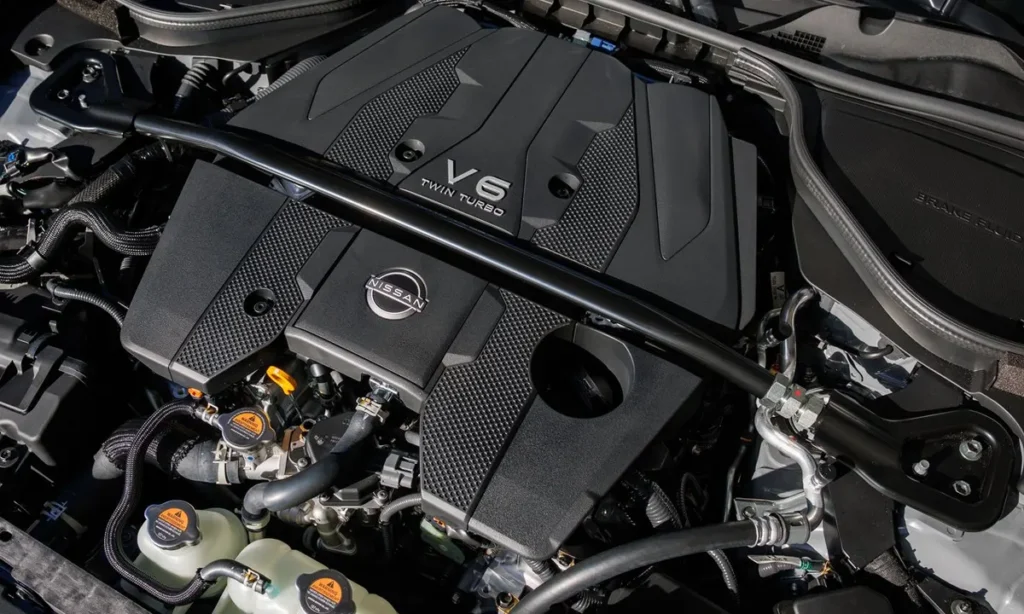
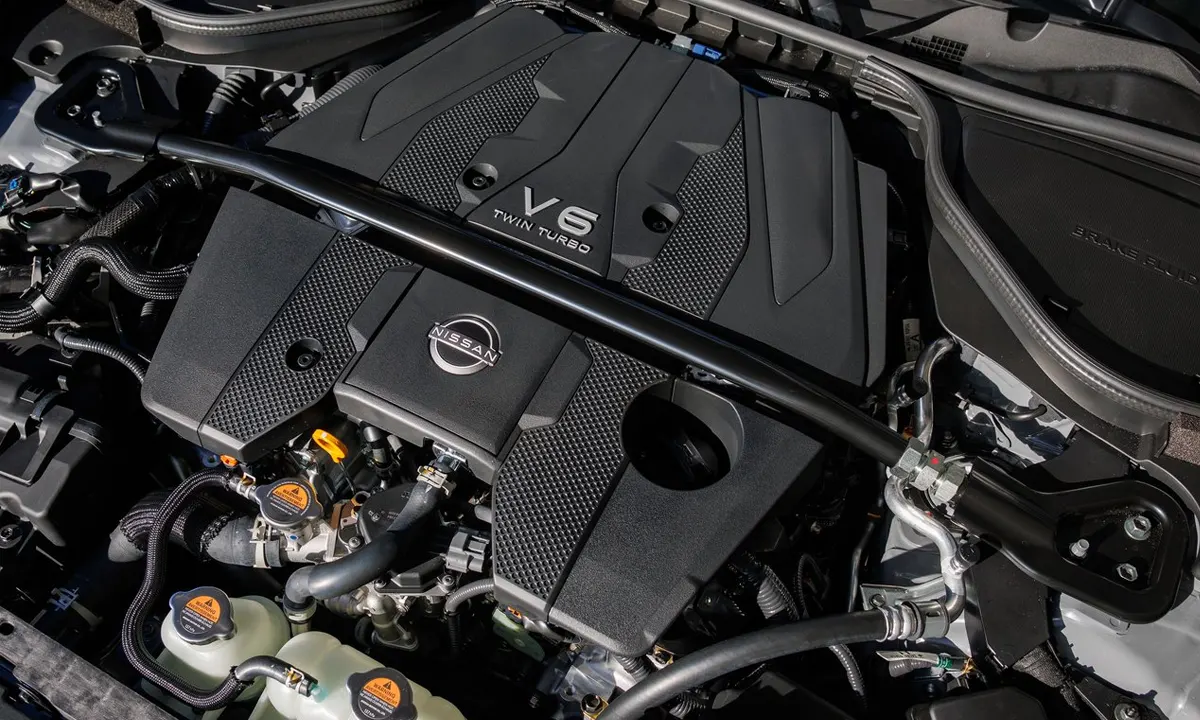
At the mechanical heart of the 2027 Nissan Z NISMO sits the twin-turbocharged 3.0-litre V6 engine that has powered the NISMO grade since its introduction for the 2024 model year. Producing 420 horsepower and 384 lb-ft of torque — figures that represent a meaningful step beyond the 400 horsepower and 350 lb-ft offered in the Sport and Performance variants — the NISMO engine delivers a power output that places the Z in highly competitive company within the affordable sports car segment, particularly given that the Toyota GR Supra, its closest natural rival, concludes production after the 2026 model year.
The twin-turbocharged configuration ensures that strong torque is available across a broad rev range, providing effortless mid-range thrust for highway driving and confident acceleration in tight third and fourth-gear corners during track use. The absence of a significant turbo lag characteristic means the engine responds with reasonable immediacy to throttle inputs at all points in the power band, a quality that becomes especially apparent and rewarding when the manual transmission is fitted and the driver has direct control over which part of the rev range the engine is operating in at any given moment.
The nine-speed automatic transmission remains available for buyers who prefer it, and its shift logic and torque converter calibration continue to suit the Z NISMO’s performance character effectively. However, it is the manual that most clearly reveals the engine’s character — its willingness to build to the redline with mounting urgency, the way the exhaust note sharpens as revs climb, and the satisfaction of selecting the next gear at precisely the right moment to keep the engine in its power-rich upper range. The manual does not merely change how the car feels to drive. It fundamentally transforms the emotional relationship between driver and machine.
Chassis, Suspension and Steering: Precision Recalibrated
The chassis engineering updates applied to the 2027 Z NISMO reflect a comprehensive understanding of how the car’s dynamic balance is affected by the mechanical changes made elsewhere. Rather than treating the suspension and steering as independent systems to be optimized in isolation, Nissan’s engineers approached the 2027 NISMO as an integrated platform where each change creates downstream effects that must be addressed holistically. The result is a chassis that feels cohesively developed rather than incrementally modified — a distinction that matters considerably to drivers who engage with the car’s dynamics at a nuanced level.
With 19 pounds removed from the front axle through the adoption of the GT-R-derived brake rotors, the front suspension’s natural balance point shifts, and the existing spring and damper calibration no longer provides the optimal response. Nissan’s engineers retuned the front suspension specifically in response to this change, adjusting rates and damping characteristics to restore the precise front-end balance that the NISMO’s track-focused brief demands. The car’s tendency to understeer or oversteer at the limit, its response to mid-corner load changes, and its behavior under trail braking are all influenced by front suspension calibration — making this retune consequential rather than cosmetic.
The steering rack revision — which delivers a 20 percent reduction in internal friction compared with the previous generation — addresses one of the subtler but most meaningful aspects of driver engagement in any performance car. Steering friction is the enemy of feel. Excess resistance in the rack masks the small, rapid load changes that communicate tire grip status to the driver’s hands, reducing confidence and requiring more conscious corrective inputs to maintain a precise line. By reducing that friction, the 2027 NISMO’s steering transmits road surface information and front tire loading with greater immediacy and clarity, allowing experienced drivers to build a more accurate mental model of what the front of the car is doing and to make corrections earlier, more smoothly and with less drama.
The Revised Fuel Tank: A Track-Focused Detail That Matters
One of the 2027 update’s less headline-grabbing but genuinely important improvements applies across the entire Z lineup rather than specifically to the NISMO grade. The fuel tank has been redesigned with revised internal geometry and baffle arrangements that maintain consistent fuel levels around the fuel pump during high-G cornering — the kind of sustained lateral loading that occurs in fast sweeping corners or during repeated spirited driving on a circuit. Fuel starvation under high-G conditions has been a known characteristic of track-driven sports cars throughout automotive history, and it becomes increasingly relevant as cars are driven harder and more consistently at their limits.
For Z NISMO buyers who invest in track day experiences, this seemingly minor engineering detail has direct practical implications. A momentary interruption in fuel delivery at high speed under cornering load translates into a brief but potentially disorienting power interruption — a problem that the redesigned tank architecture is specifically engineered to eliminate. It reflects the depth of attention that Nissan’s engineers have applied to the 2027 update across all aspects of the car’s performance, not merely the headline mechanical additions.
Interior and Technology: Driver-Focused and Purposefully Equipped
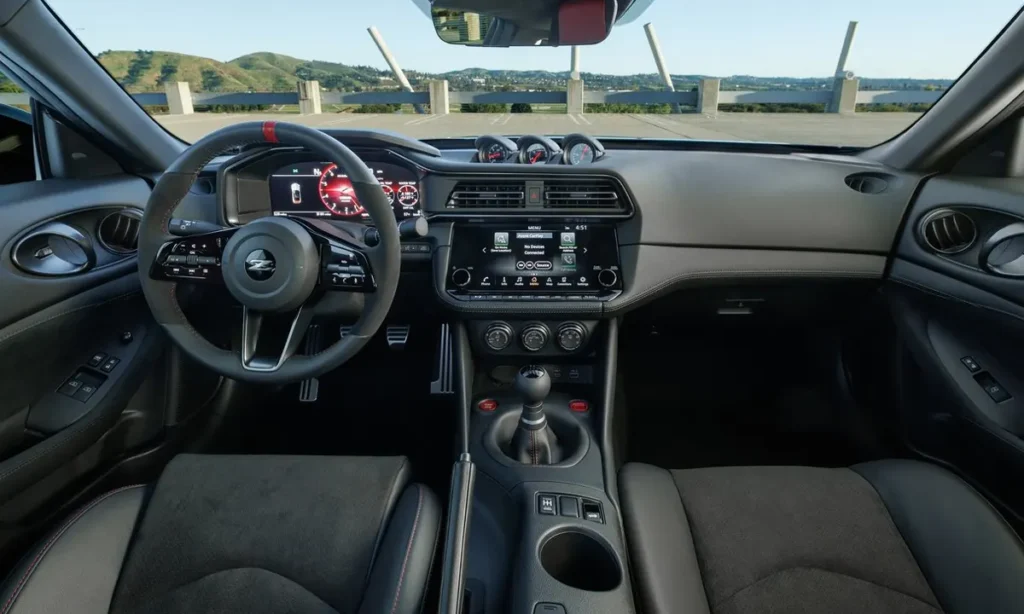
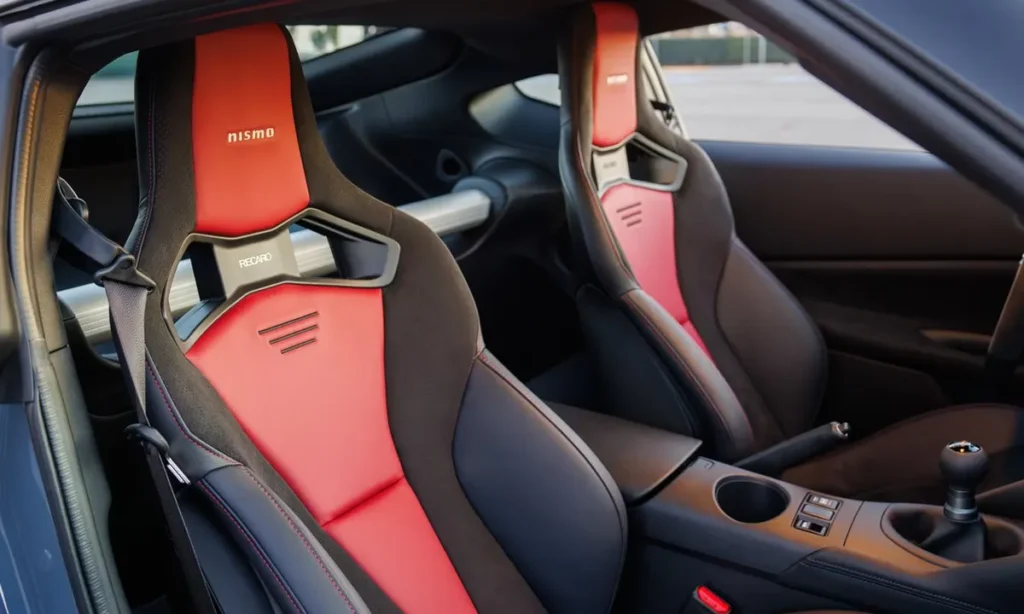
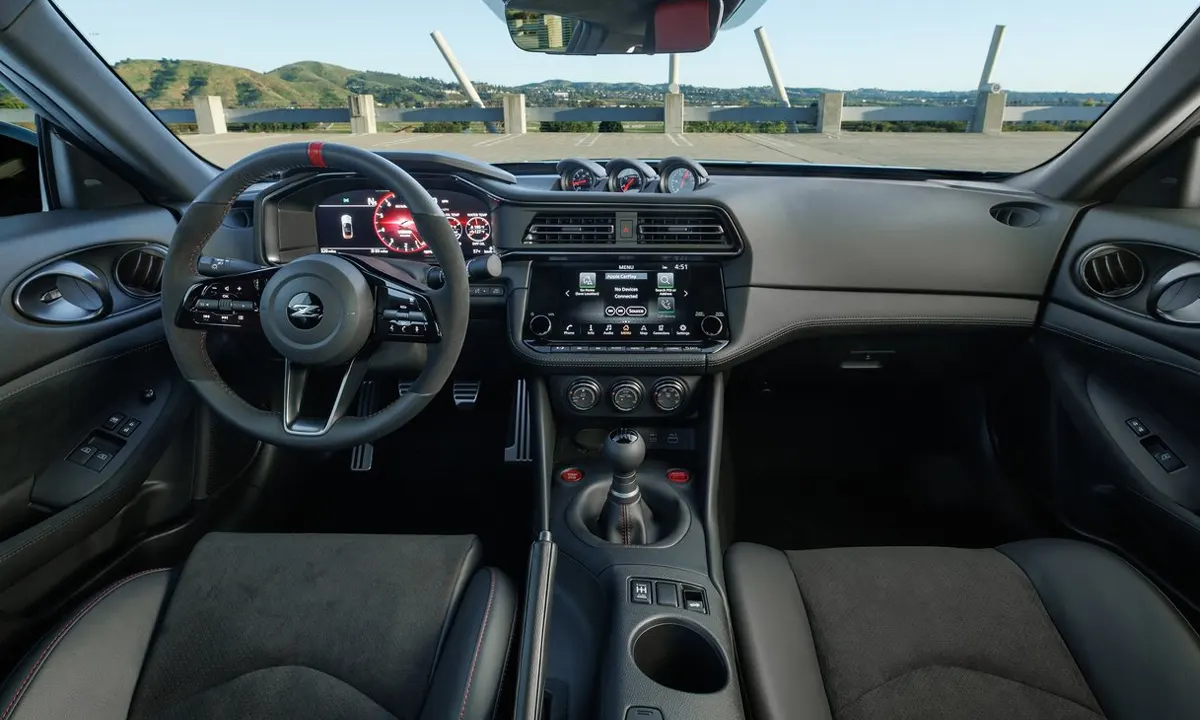
The 2027 Z NISMO’s cabin maintains the driver-centric philosophy that has always characterized the interior of Nissan’s flagship sports car. The sport seats provide firm lateral support that holds occupants securely during aggressive driving without creating the kind of pressure discomfort that can make extended track sessions physically demanding. The suede-like material on the seating surfaces and steering wheel rim provides excellent tactile grip during dynamic driving, contributing to a sense of physical connection between driver and car that complements the mechanical engagement offered by the chassis and powertrain.
For manual transmission-equipped models, the new gear lever is positioned and weighted specifically for the NISMO’s shift characteristics. The shorter throw that the revised shift lever ratio delivers makes a meaningful qualitative difference to the experience of changing gears quickly, creating a more mechanical, satisfying sensation that rewards precision inputs and reinforces the car’s performance character with every upshift and downshift. The clutch pedal weighting is calibrated to communicate clutch engagement point clearly without being unnecessarily heavy for daily use — a balance that serves both track driving and urban commuting.
The updated Qi2 wireless device charger, available on the Z Performance and NISMO, represents the most significant interior technology addition for 2027. The new system features a cooling fan that actively manages device temperature during charging — addressing one of the most common frustrations with previous wireless charging implementations in performance cars, where elevated cabin temperatures and the heat generated by fast charging could cause devices to reduce their charging acceptance rate. Magnetic alignment ensures compatible devices are optimally positioned for maximum charging efficiency, and the 15-watt maximum output is now compatible with a broader range of current devices than its predecessor. Nissan’s infotainment system, featuring an 8-inch touchscreen with Apple CarPlay and Android Auto connectivity, continues to provide intuitive access to navigation, communication and entertainment functions without distracting unnecessarily from the driving experience.
The 2027 Z NISMO in the Context of the Sports Car Market
The timing of the 2027 Z NISMO’s arrival gives it a competitive position of unusual clarity. With the Toyota GR Supra concluding its production run after 2026, the Z NISMO finds itself as arguably the most focused and driver-rewarding twin-turbocharged sports coupe available in its price range. The competitors that remain — the Porsche 718 Cayman, the BMW M2 — operate at significantly higher price points, leaving the Z NISMO to occupy a territory where its performance, engineering quality and now its manual transmission option are matched by very few alternatives.
For buyers who have been waiting specifically for the three-pedal NISMO — and given the response to Nissan’s announcement, there appear to be many of them — the 2027 model represents the definitive version of the seventh-generation Z in its flagship form. The combination of 420 horsepower, GT-R brakes, purpose-engineered manual gearbox, retuned engine calibration, revised suspension and steering, and redesigned fuel tank creates a car that is meaningfully better across every dimension that matters to the drivers it is built to serve. The Z NISMO has always been a car that understood its purpose. For 2027, it finally has everything it needs to fulfil that purpose completely.
Read: 2026 Nissan X-Trail Brings Hybrid Efficiency and Family Comfort
2027 Nissan Z NISMO — Specifications and Performance Chart
| Category | Specification |
| Body Style | Two-Door, Two-Seat Sports Coupe |
| Engine | 3.0-Litre Twin-Turbocharged V6 |
| Horsepower | 420 hp |
| Torque | 384 lb-ft |
| Transmission Options | 6-Speed Manual (New) / 9-Speed Automatic |
| Drivetrain | Rear-Wheel Drive |
| Clutch (Manual) | Upgraded — NISMO-Specific Specification |
| Shift Lever Ratio | Revised for Shorter Throw |
| Engine Tuning (Manual) | Dedicated Throttle and Ignition Calibration |
| Front Brake Rotors | GT-R-Derived Two-Piece Iron-Aluminum |
| Brake Weight Saving | 19 lbs vs. Previous Hardware |
| Steering Rack Friction Reduction | 20% vs. Previous Generation |
| Suspension | Retuned for GT-R Brake Weight Reduction |
| Aerodynamics | Positive Downforce (NISMO-Specific Bodywork) |
| Active Sound Enhancement | Retuned for Manual Transmission |
| Fuel Tank | Redesigned for Consistent High-G Delivery |
| Wireless Charging | Qi2 — 15W with Cooling Fan and Magnetic Alignment |
| Infotainment | 8-inch Touchscreen with Apple CarPlay and Android Auto |
| Exterior Colours | NISMO-Specific Palette (Sport/Performance add Shinkai Green Pearl) |
| Shinkai Green Pearl | Paired Exclusively with Super Black Roof |
| Z Badge | New Z Emblem Replaces Nissan Logo on Nose |
| Standard Z (Sport/Performance) Power | 400 hp / 350 lb-ft |
| North American Debut | New York International Auto Show, April 2026 |
| On-Sale Date | Summer 2026 |
| Reference MSRP (2026 Z NISMO) | $65,750 (2027 pricing to be announced) |