BAC Mono The Fastest four-cylinder Car In The World That Humiliates V8 Supercars
How a 570-Kilogram, Single-Seat Weapon Built in Liverpool Became the Most Performance-Per-Pound Four-Cylinder Road Car on the Planet — Outrunning Ferraris, Lamborghinis and Corvettes With Half the Cylinders
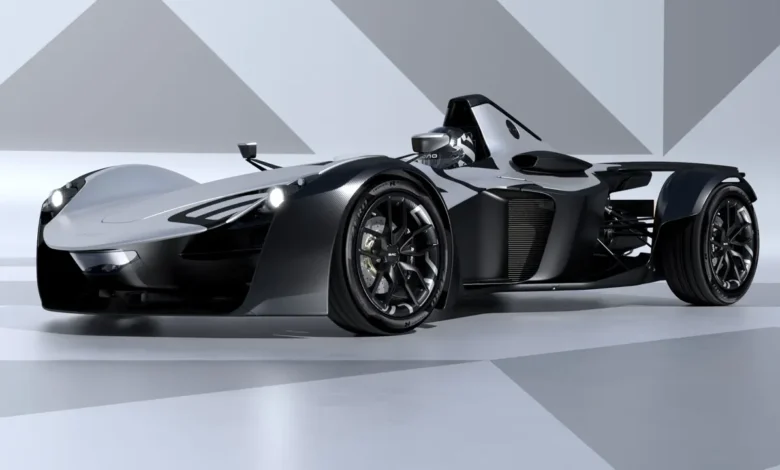
In a world of turbocharged hypercars, electrified supercars and multi-million-dollar track weapons, the BAC Mono arrives carrying a proposition so simple and so devastatingly effective that it makes almost every rival look overcomplicated and overweight by comparison. It has one seat. It weighs less than most motorcycles. It is powered by a four-cylinder engine. And it will leave the majority of the world’s most celebrated V8, V10 and V12 performance cars behind in a straight line, through a corner, and around a lap. The BAC Mono is not merely the fastest four-cylinder road car ever built — it is proof, delivered with ruthless mechanical clarity, that weight is the single most consequential variable in automotive performance, and that a small British company operating out of Liverpool has understood this principle more completely than almost anyone else in the business.
Gallery: BAC Mono
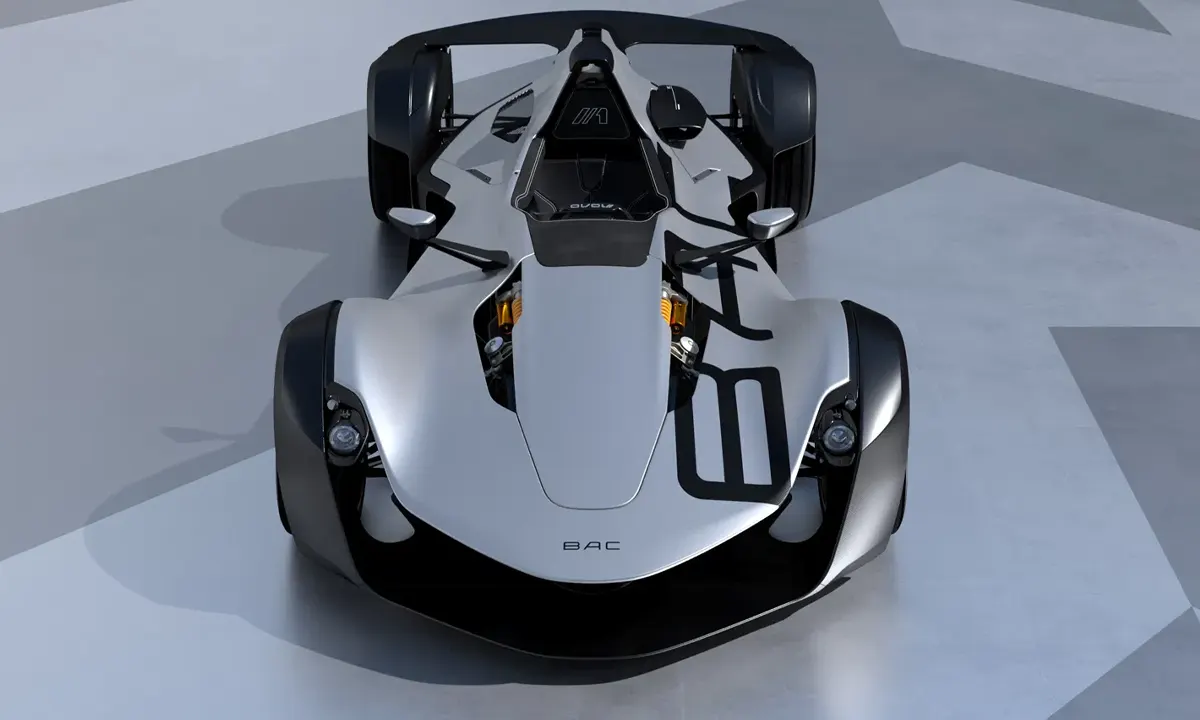
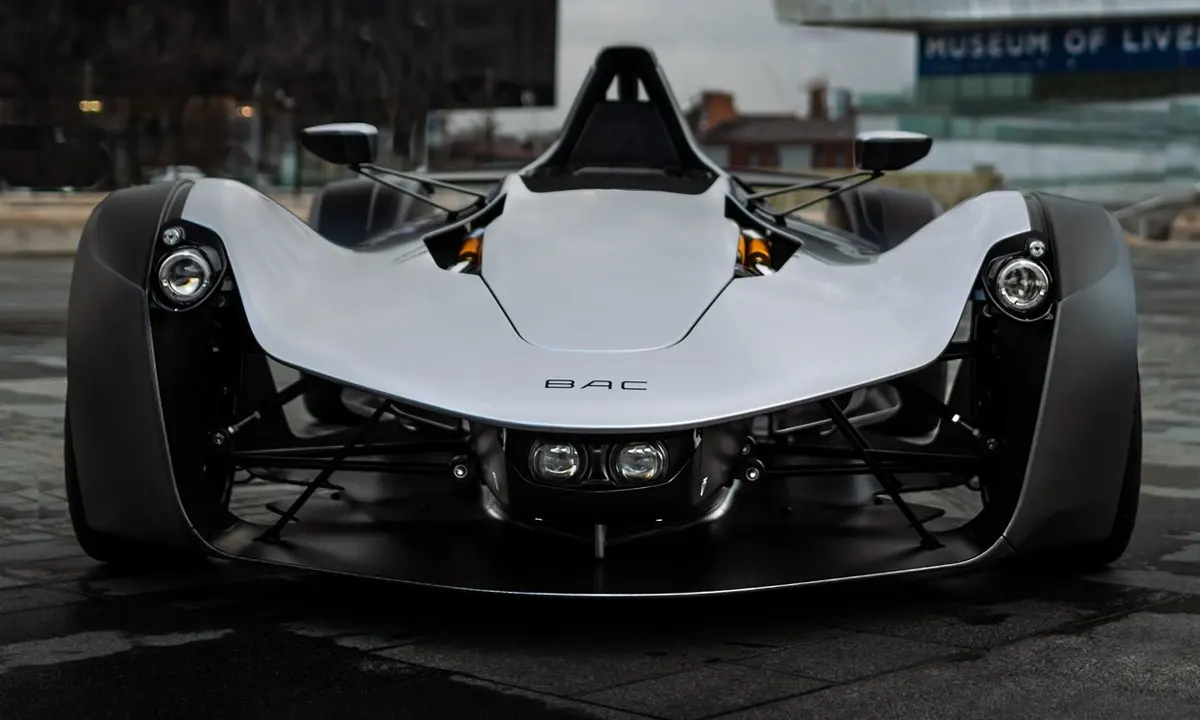
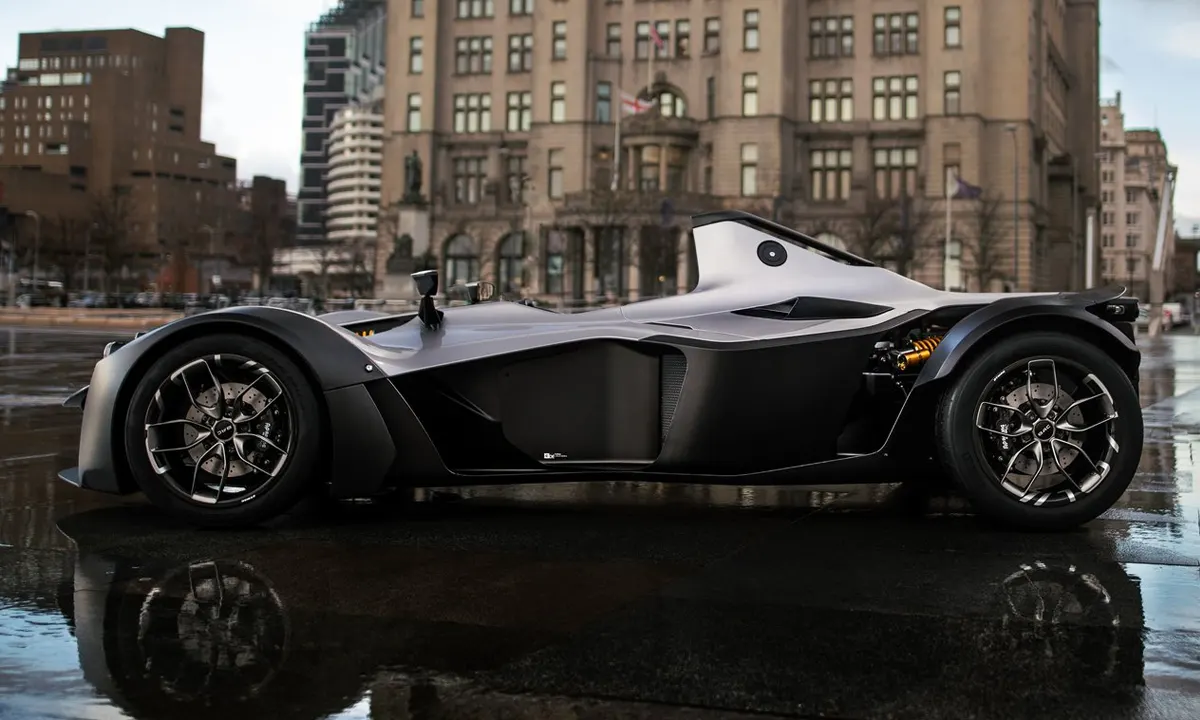
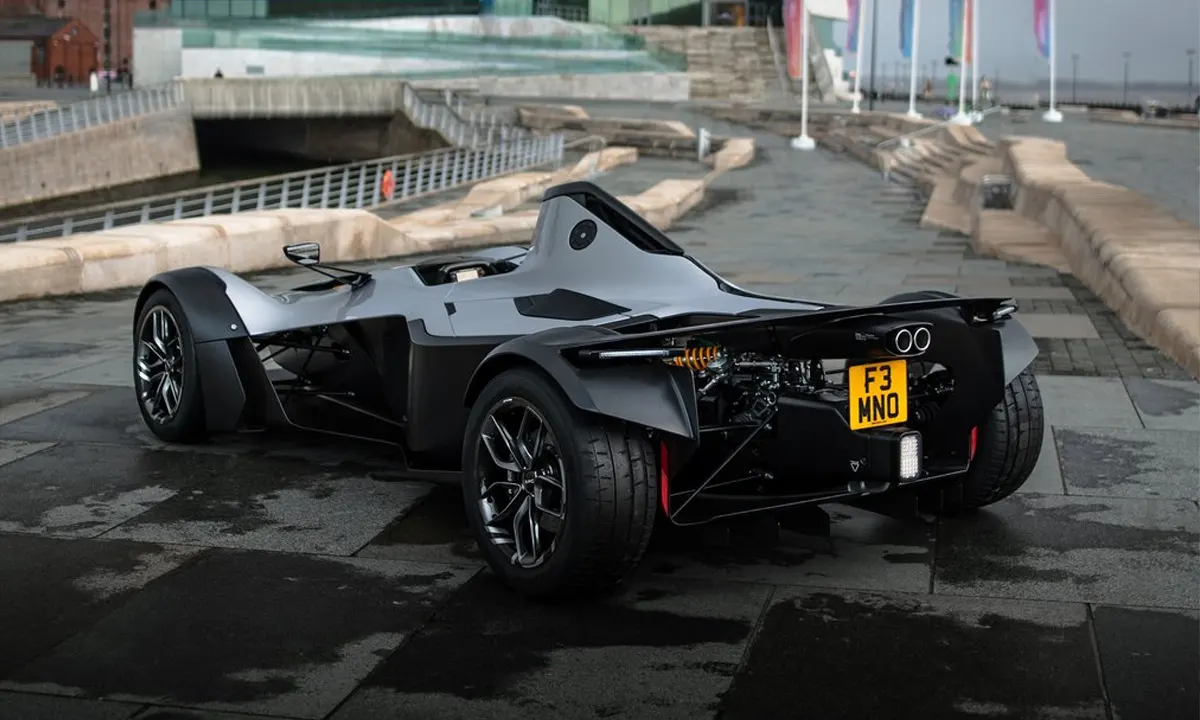
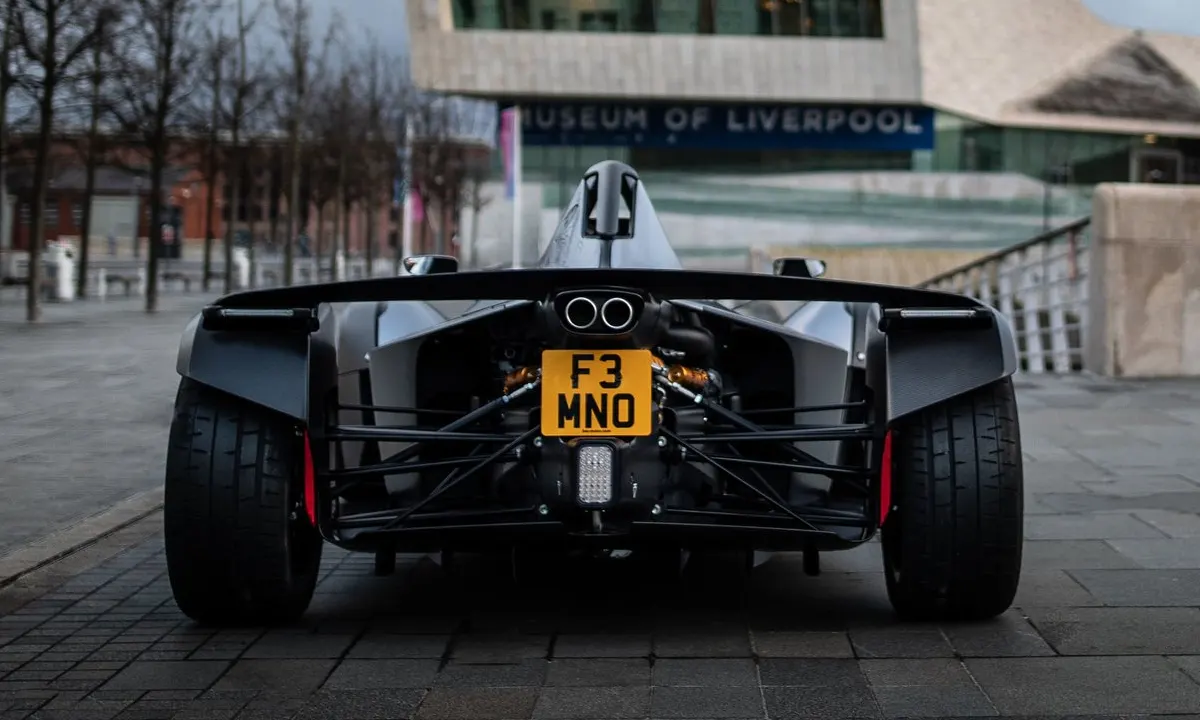
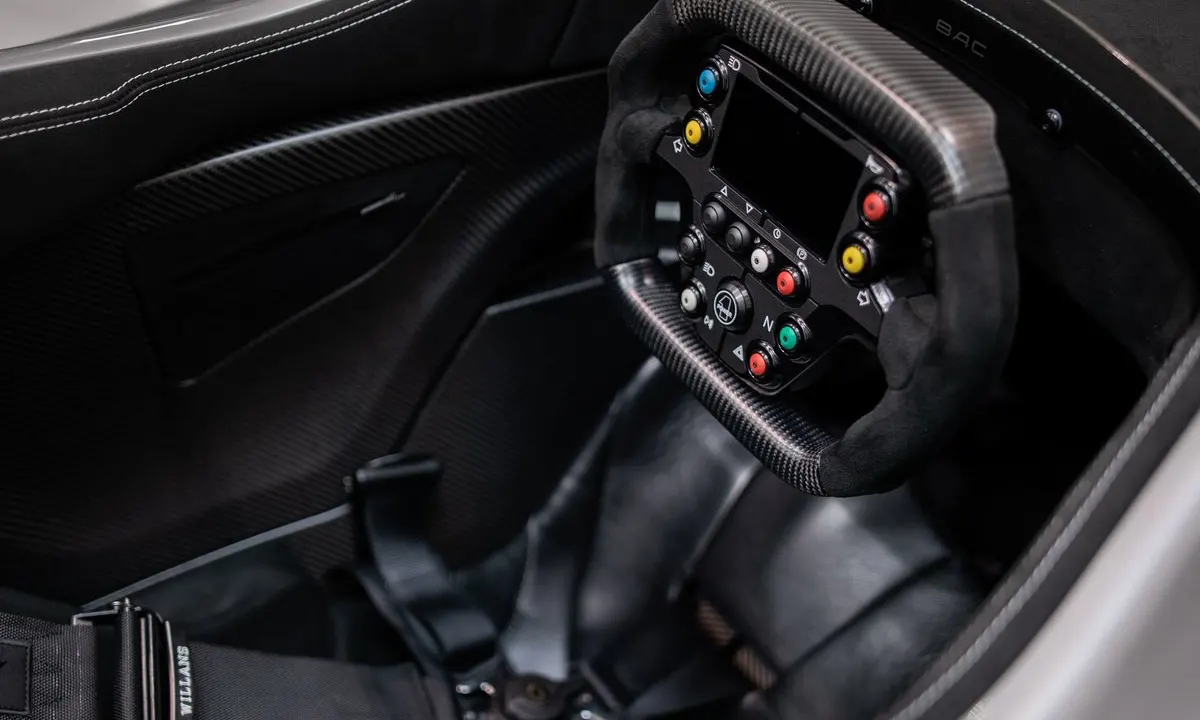
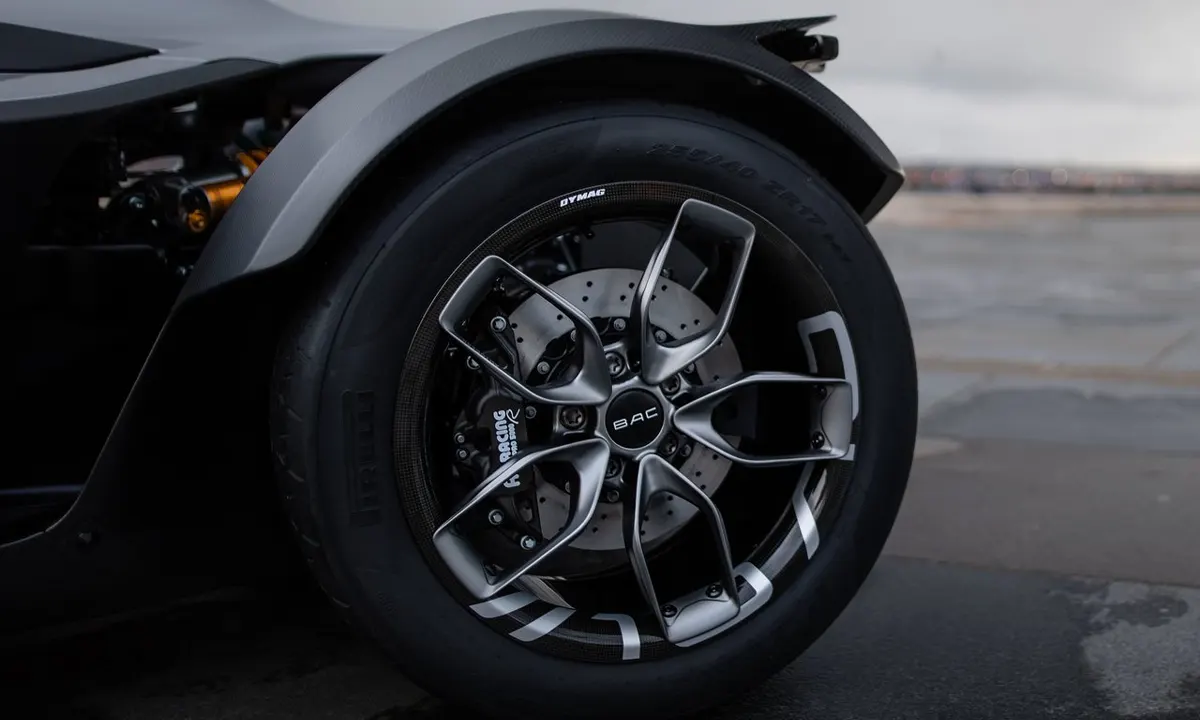
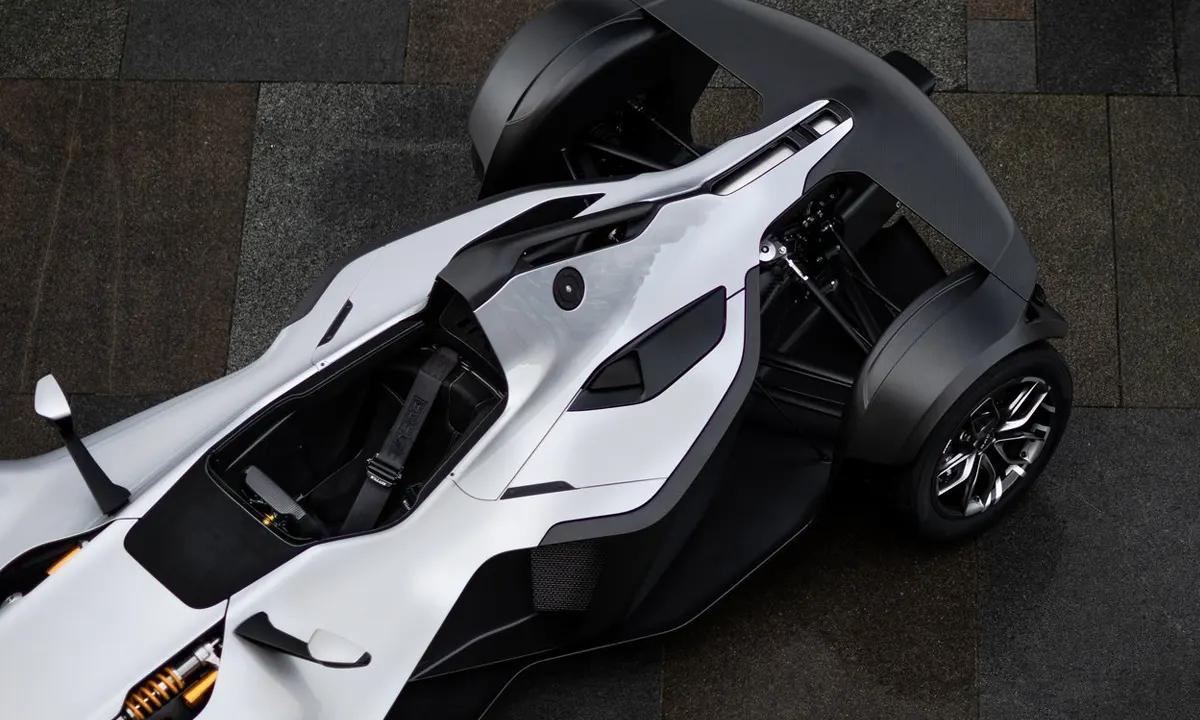
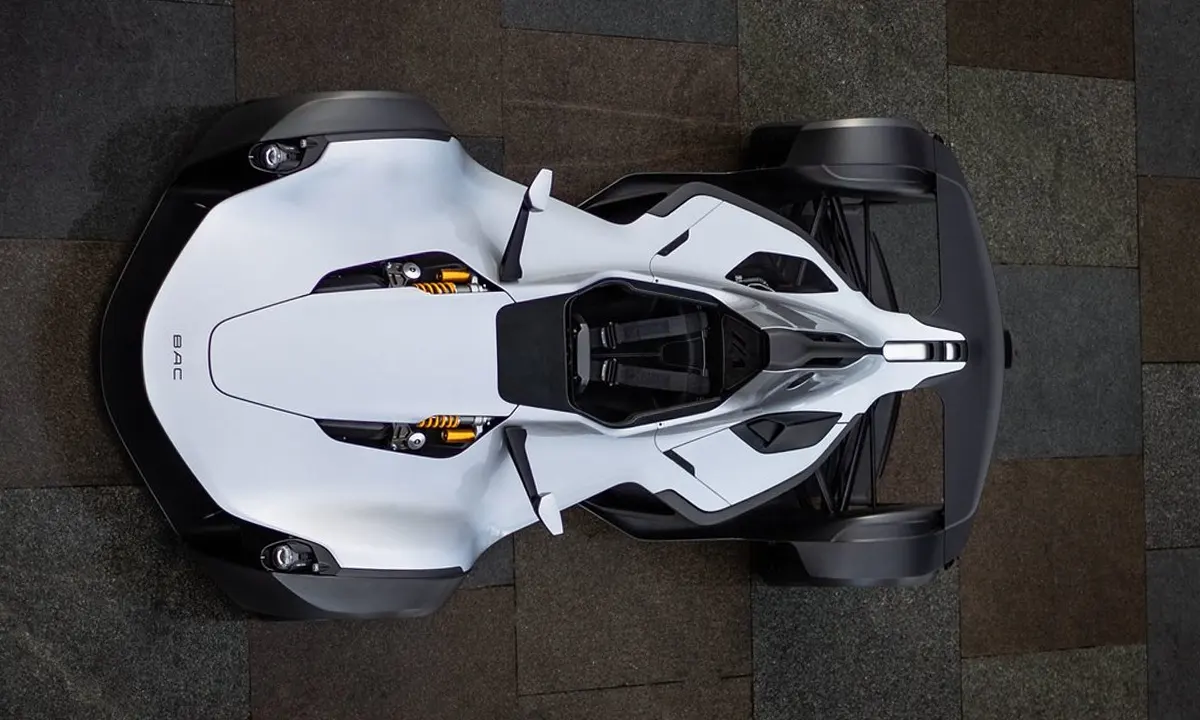
Briggs Automotive Company was founded in 2011 by brothers Neill and Ian Briggs, who began with a conviction that even two-seater sports cars were fundamentally compromised by the engineering demands of accommodating a second occupant. Their solution was to eliminate the second seat entirely and build a car around a single driver with absolute engineering purity — a vehicle designed not to be a comfortable compromise between performance and practicality, but to be, in their own words, the ultimate piece of sporting equipment for the sport of driving. The result was the original BAC Mono, and what has followed since — through successive generations of development including the landmark Mono R — represents one of the most remarkable continuous engineering achievements in modern road car history.
The Philosophy Behind the Performance
To understand why the BAC Mono achieves what it achieves, it is necessary to understand the engineering philosophy that governs every decision made in its design and development. The car’s performance is not the product of engine size, forced induction or horsepower accumulation. It is the product of the most aggressive, most systematically executed lightweight construction program in the production road car segment, applied to a vehicle whose single-seat layout provides a structural and packaging freedom that no conventional two-seater can match.
The BAC Mono’s body panels are manufactured from graphene-infused carbon fibre — a material that represents a genuine world first in production car application. Graphene, a single-atom-thick lattice of carbon atoms arranged in a hexagonal pattern, is one of the strongest and lightest materials known to science, and its integration into the carbon fibre composite used throughout the Mono’s bodywork produces panels that are simultaneously stronger and lighter than conventional carbon fibre components. This material innovation was not a marketing decision. It was an engineering decision driven by BAC’s relentless pursuit of the minimum possible mass at every point of the vehicle’s construction, and it contributed directly to the Mono R achieving a kerb weight of just 555 kilograms — a figure that places it among the lightest street-legal production vehicles in the world regardless of powertrain type.
The chassis architecture reinforces this lightweight discipline at every level. The six-speed sequential gearbox is a Hewland FTR unit lifted directly from Formula 3 racing — a gearbox that operates as a fully stressed structural member of the chassis rather than a component bolted to a separate frame. This approach, familiar from racing car construction but extraordinarily rare in road cars of any description, eliminates the weight of a conventional subframe while providing the rigidity and precision of a purpose-engineered motorsport transmission. The double-wishbone suspension geometry at all four corners is executed with racing-grade needle roller-bearing mounting bell cranks and pushrod-activated dampers — a suspension concept that belongs to open-wheel racing machinery rather than road cars, yet is fitted to a vehicle that is fully street-legal and has been delivered to customers across 45 countries worldwide.
The Engine: Four Cylinders, Maximum Commitment
The engine at the heart of the BAC Mono’s performance story is a 2.5-litre naturally aspirated four-cylinder unit co-developed with long-standing engine partner Mountune — a company with deep roots in performance engine development whose work for BAC represents one of the most focused bespoke engine development programs outside of factory motorsport. The standard 2024 Mono’s version of this engine produces 311 horsepower and 231 lb-ft of torque, incorporating forged connecting rods and pistons, performance-specification camshafts with uprated valve springs, an improved induction system with individual throttle bodies, and a new carbon fibre airbox with an aerodynamically optimized carbon fibre inlet. The engine revs to 8,000 rpm, delivering its power with the immediacy and linearity that only a naturally aspirated unit operating with individual throttle bodies can provide — each cylinder breathing independently, responding to throttle inputs with a directness that turbocharged alternatives cannot replicate regardless of their horsepower figures.
The Mono R takes this engineering foundation and builds upon it with a level of ambition that produces one of the most astonishing four-cylinder engines in the history of road car production. Mountune increased the cylinder bore size and reduced the billet crankshaft stroke to optimize power and torque delivery while simultaneously raising the redline from 7,800 rpm to an extraordinary 8,800 rpm — a figure that places the Mono R’s engine in the same rev range as contemporary Formula 3 machinery. The result is 338 to 342 horsepower depending on specification, 243 lb-ft of torque, and a specific output of 137 horsepower per litre that surpasses virtually every naturally aspirated four-cylinder engine in production history. A Formula 3-style ram-air inlet system provides pressurised air into an all-new throttle body and cylinder head system to further enhance power delivery at speed, while a higher-specification drive-by-wire throttle motor ensures throttle response that rivals electronic systems in open-wheel racing cars.
The combination of this engine with the Mono R’s 555-kilogram body produces a power-to-weight ratio of 538 horsepower per tonne — a figure that dwarfs the Porsche 911 Carrera’s approximately 380 horsepower per tonne and more than doubles the power-to-weight ratio of the Mercedes-AMG A45 S, the most powerful series-production four-cylinder road car currently available. For context, the AMG A45 S produces 421 horsepower and takes 3.7 seconds to reach 60 mph. The Mono R, with 338 horsepower, covers the same distance in 2.5 seconds. The difference is 1.2 seconds — an eternity in the context of sports car performance — and it is produced entirely by the Mono R’s weight advantage rather than its power advantage.
The Performance Numbers That Silence the Doubters
The BAC Mono R’s performance statistics deserve to be examined alongside those of its competitors with the full context of the machines involved, because only in that context does the full scale of what the car achieves become apparent. A 0-60 mph time of 2.5 seconds places the Mono R ahead of the Chevrolet Corvette C8 Z06 with its 670-horsepower flat-plane V8, which covers the same distance in 2.6 seconds. It places the Mono R ahead of the Ferrari Roma Spider. It is only fractionally behind the Bugatti Chiron Super Sport — a near four-million-dollar machine powered by a quad-turbocharged 8.0-litre W16 engine producing 1,578 horsepower — which reaches 60 mph in 2.3 seconds. The Lamborghini Revuelto, the hybrid V12 hypercar producing a combined 1,001 horsepower, reaches 60 mph in 2.2 seconds. These are the only production vehicles comfortably ahead of the BAC Mono R in a standing-start sprint — and both cost more than ten times as much.
The top speed of 170 mph is lower than the fastest V8 supercars, and on a long, unrestricted straight the Mono R will eventually be caught by a Corvette Z06 or a Ferrari SF90. But on any road or circuit where corners interrupt the straight-line contest, the Mono R’s weight advantage reasserts itself with devastating conviction. Its ability to carry speed through corners, to change direction with the precision of a car that weighs barely more than half a tonne, and to accelerate away from every apex with the full force of its power-to-weight ratio makes it faster lap after lap than cars with significantly greater headline horsepower figures. One respected British automotive publication confirmed the Mono R as the fastest road car it had ever tested around a circuit — a designation that encompasses vehicles with multiple times the engine displacement, cylinder count and purchase price.
The standard 2024 BAC Mono’s 0-60 mph time of 2.7 seconds and power-to-weight ratio of 546 horsepower per tonne continue to place it among the most performance-intensive naturally aspirated road cars available at any price, and the Pirelli P Zero Trofeo R tyres developed specifically for the Mono in collaboration with Pirelli ensure that the available grip is maximised to translate the car’s extraordinary power-to-weight advantage into usable, consistent traction on both road and track surfaces. Carbon-ceramic brakes, which save 5.6 pounds of unsprung mass per corner compared with conventional steel items, manage the deceleration demands with the fade resistance and pedal consistency appropriate to a car used seriously on circuits without any need for compromise.
The Driving Experience: Formula Racing on Public Roads
Sitting in the BAC Mono for the first time is an experience that resists comparison with anything in conventional automotive experience. The cockpit does not merely feel small — it feels purpose-built around its single occupant with a precision that makes the concept of a second seat seem not merely unnecessary but actively absurd. The steering wheel, the pedals and the sequential paddle shifters are positioned with the kind of geometric exactness associated with racing car construction, and the driving position — low, reclined, surrounded by the structure of the carbon fibre tub — places the driver at the centre of the car’s dynamic universe rather than in a sealed, insulated environment designed to minimise the intrusion of the vehicle’s mechanical character.
The Mountune engine does not announce its arrival with the theatrical bellow of a twelve-cylinder Ferrari or the chest-thumping authority of a large-displacement American V8. It starts with the composed efficiency of a purpose-built competition engine and builds through the rev range with a linearity and urgency that becomes genuinely intoxicating as the revs climb toward the redline. The entire car oscillates with engine vibration at idle — not because the construction is crude, but because the car’s mass is so low that the mechanical energy of the rotating engine communicates itself through every structure around the driver with nothing to absorb or dilute it. It is an experience that makes the driver feel like part of the machine rather than a passenger within it, and it is this quality — more than the acceleration statistics, more than the lap times — that makes the BAC Mono a genuinely extraordinary thing to experience.
The six-speed Hewland sequential transmission shifts with the mechanical directness of a racing gearbox, because it is one. Gear changes occur without the merest hint of the smoothness or progressive engagement associated with road car transmissions, but with a snap and immediacy that focuses the mind and rewards precision. The suspension communicates road surface texture through the steering with a fidelity that provides continuous information about tyre loading and grip levels, enabling experienced drivers to manage the car’s balance with confidence and to push progressively toward a limit that, when finally approached, reveals itself as progressive, predictable and rewarding to explore rather than sudden or treacherous.
The BAC Mono’s Place in Performance Car History
The BAC Mono and Mono R occupy a position in the history of performance car engineering that is unique and essentially unchallenged. No other production road car in history has achieved a comparable power-to-weight ratio with a four-cylinder engine while remaining genuinely street-legal and available to private buyers. The Mono R’s confirmation as the fastest road car tested at circuit level by leading automotive publications places it in a conversation that its cylinder count, displacement and price point would ordinarily exclude it from — and it earns that position not through the brute accumulation of horsepower, but through the intelligent, relentless and systematic elimination of mass at every point of its construction.
With only 30 examples of the Mono R produced and the standard Mono priced from approximately $200,000, exclusivity is absolute and the ownership experience reflects that rarity with complete conviction. This is not a car for every buyer, or even for most buyers who can afford its price. It demands physical commitment, mechanical sympathy and genuine engagement with the act of driving in a way that very few road cars can or do. For those who meet those demands, it delivers a return that no amount of additional cylinders, additional displacement or additional horsepower can replicate — the most honest, most direct and most purely focused performance driving experience that a street-legal four-cylinder road car has ever provided.
Read: 10 Quickest Four-Cylinder Cars Ever Made: That Rewrote the Rules of Performance
BAC Mono — Specifications and Performance Chart
| Category | BAC Mono (2024) | BAC Mono R |
| Engine | 2.5-Litre NA Four-Cylinder | 2.5-Litre NA Four-Cylinder (Mountune) |
| Power | 311 hp | 338–342 hp |
| Torque | 231 lb-ft | 243 lb-ft |
| Redline | 8,000 rpm | 8,800 rpm |
| Specific Output | 124 hp/litre | 137 hp/litre |
| Transmission | Hewland FTR 6-Speed Sequential | Hewland FTR 6-Speed Sequential |
| Drivetrain | Rear-Wheel Drive | Rear-Wheel Drive |
| Kerb Weight | 570 kg (1,257 lbs) | 555 kg (1,224 lbs) |
| Power-to-Weight Ratio | 546 hp/tonne | 538 hp/tonne |
| 0–60 mph | 2.7 seconds | 2.5 seconds |
| Top Speed | 170 mph | 170 mph |
| Body Construction | Graphene-Infused Carbon Fibre | Graphene-Infused Carbon Fibre (All Panels — World First) |
| Suspension | Adjustable Pushrod Twin Wishbone | Öhlins Two-Way Adjustable Dampers |
| Brakes | Carbon-Ceramic | Carbon-Ceramic (Save 5.6 lbs Unsprung per Corner) |
| Tyres | Pirelli P Zero Trofeo R (Mono-Specific) | Pirelli P Zero Trofeo R |
| Front Tyres | 205/40R17 | 205/40R17 |
| Rear Tyres | 255/40R17 | 255/40R17 |
| Seating Capacity | 1 | 1 |
| Length | 157.8 inches | 157.8 inches |
| Width | 72.3 inches | 72.3 inches |
| Height | 42.7 inches | 42.7 inches |
| Wheelbase | 101 inches | 101 inches |
| Weight Distribution | 41% Front / 59% Rear | Optimized Rear-Bias |
| Engine Induction | Individual Throttle Bodies + Carbon Airbox | Ram-Air F3-Style Inlet + ITBs |
| Mono R Units Produced | — | 30 Units Only |
| Starting Price | ~$200,000 | ~$250,000 |
| Assembly Location | Liverpool, United Kingdom | Liverpool, United Kingdom |
| Countries Delivered | 45 | 45 |
| Founded | 2011 (Briggs Automotive Company) | 2011 |