Can the Cayenne Electric Beat Tesla Model X Plaid Performance Expectations?
With 1,139 Horsepower in Turbo Configuration, 400 kW Ultra-Fast Charging, Formula E-Derived Cooling Technology and Active Ride Suspension, the 2026 Porsche Cayenne Turbo Electric Challenges the 1,020-Horsepower Tesla Model X Plaid for Supremacy in the World's Most Competitive Electric SUV Performance Segment
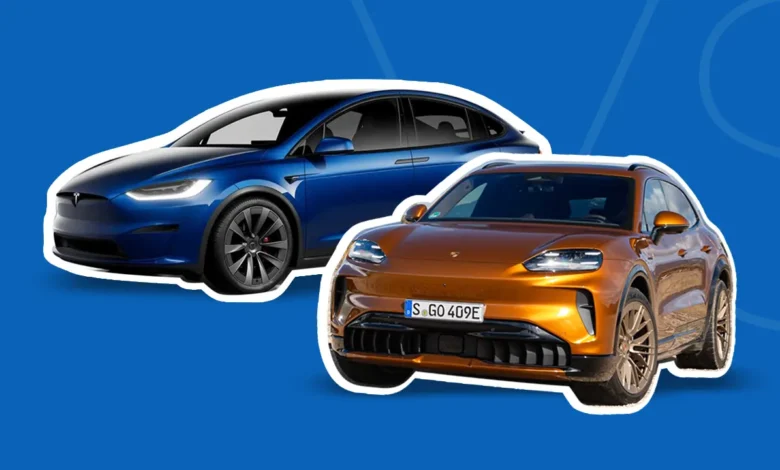
There is a particular kind of satisfaction that comes from watching an established performance institution produce a genuinely credible challenger to the car that reset everyone’s expectations of what an electric SUV could achieve. When Tesla introduced the Model X Plaid — a tri-motor, 1,020-horsepower electric SUV that covers the standing quarter mile in 9.9 seconds and reaches 60 mph in 2.5 seconds — it demonstrated with brutal clarity what was possible when electric powertrain engineering was prioritised above every other consideration in a large premium SUV. The automotive industry spent several years processing that demonstration, and the Porsche Cayenne Turbo Electric is the most technically sophisticated and most comprehensively engineered response it has produced.
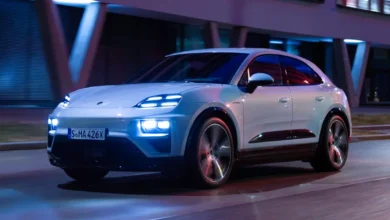
Gallery: Cayenne Electric & Tesla Model X
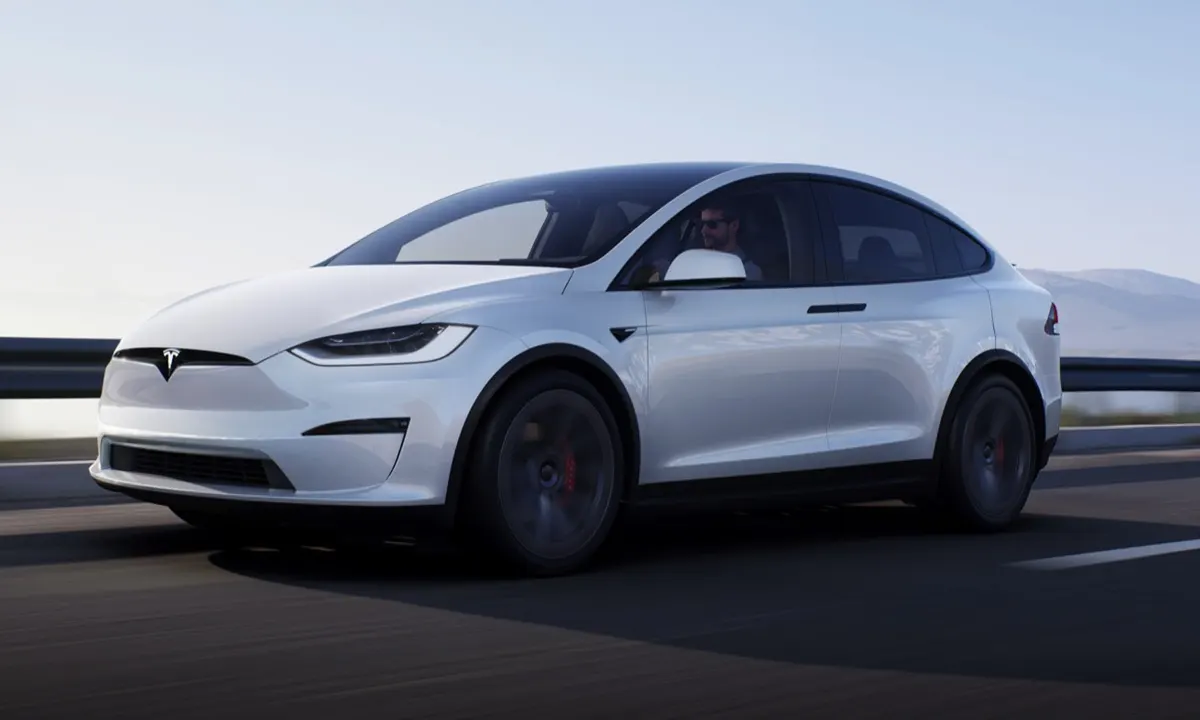
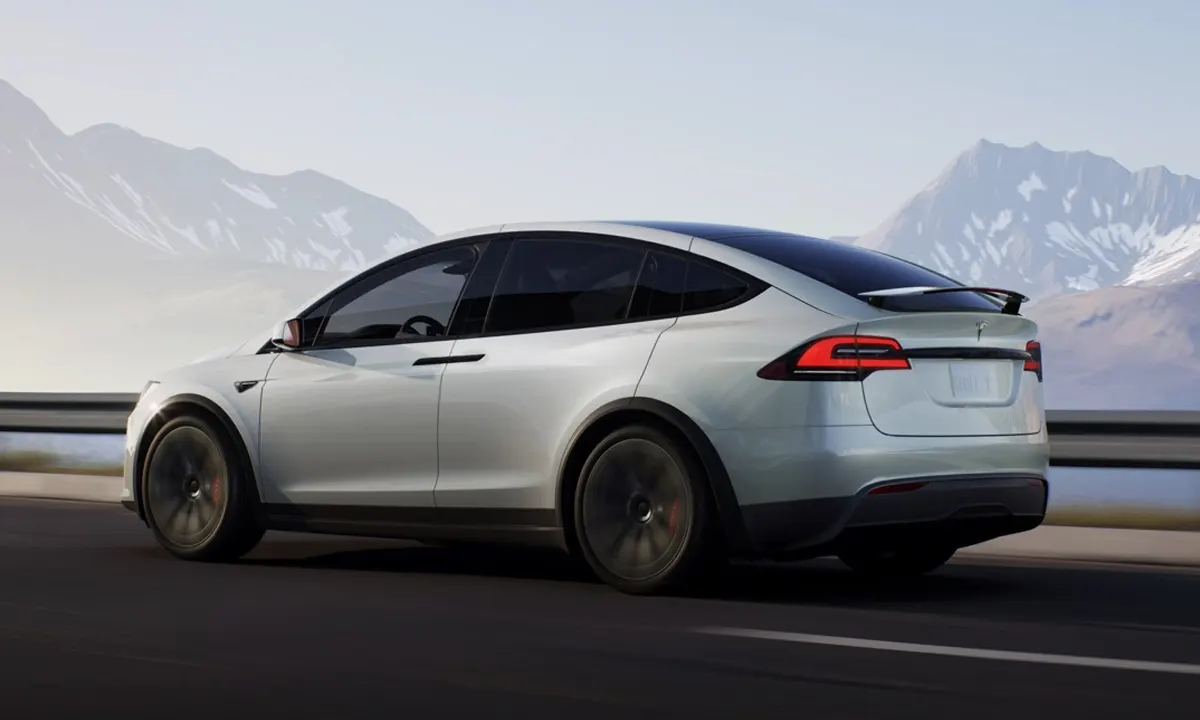
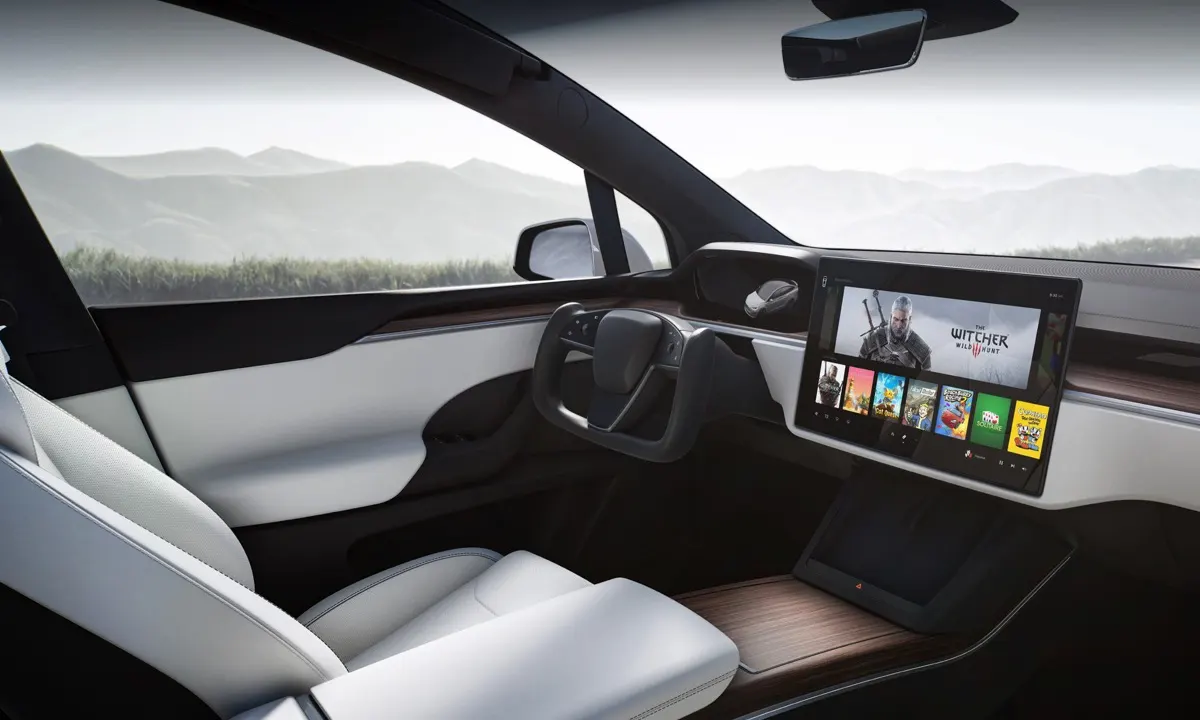
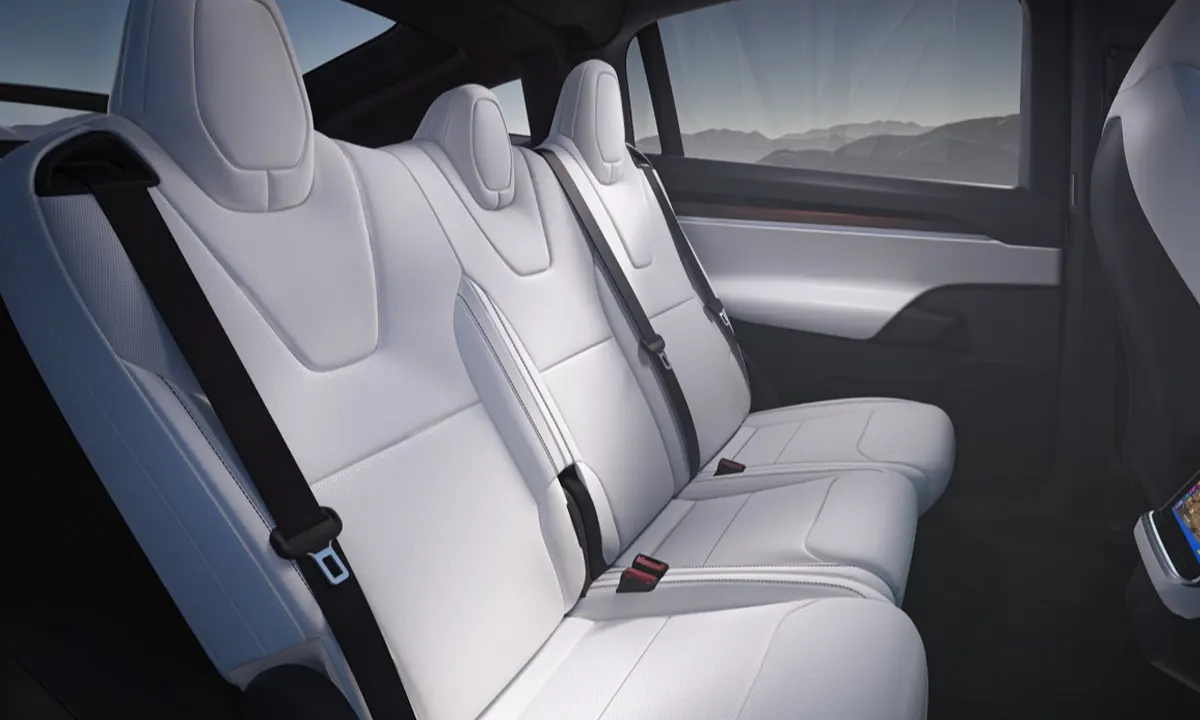
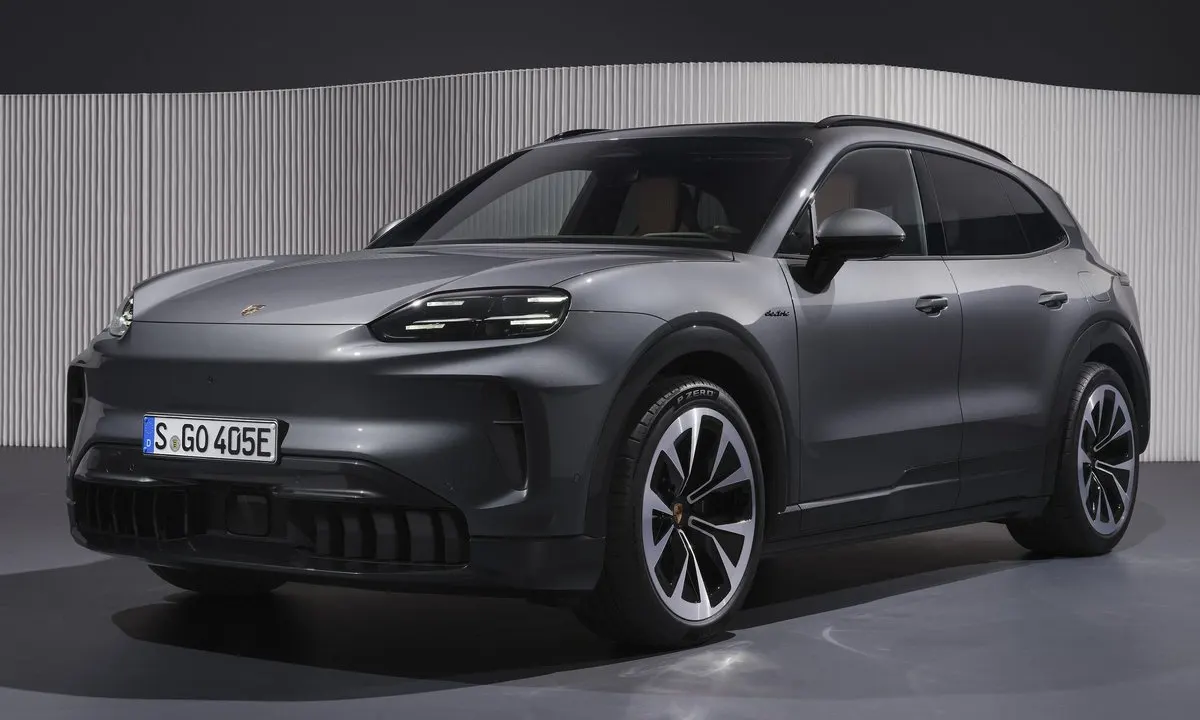
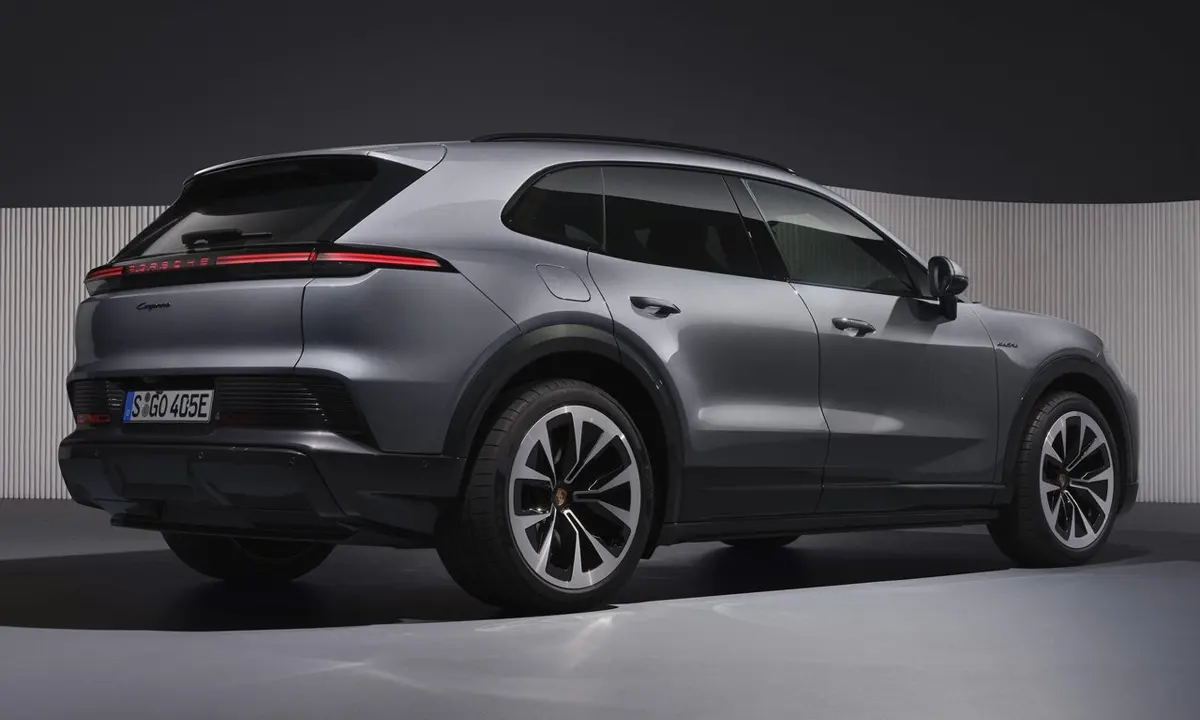
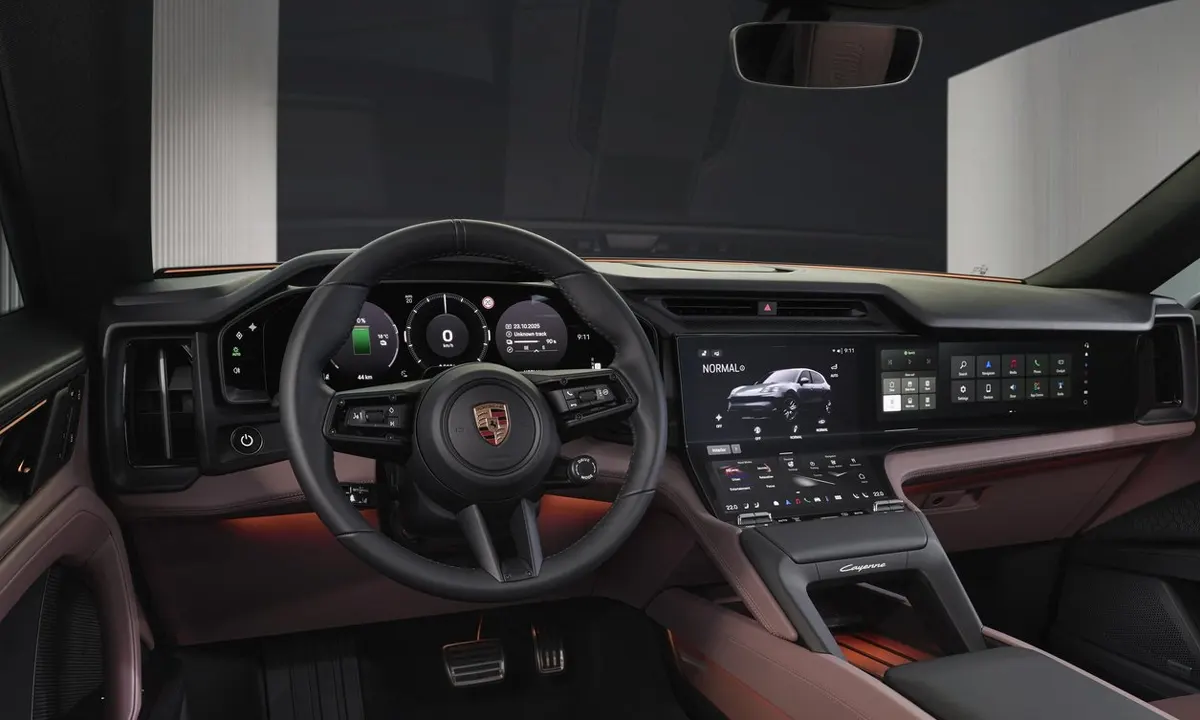
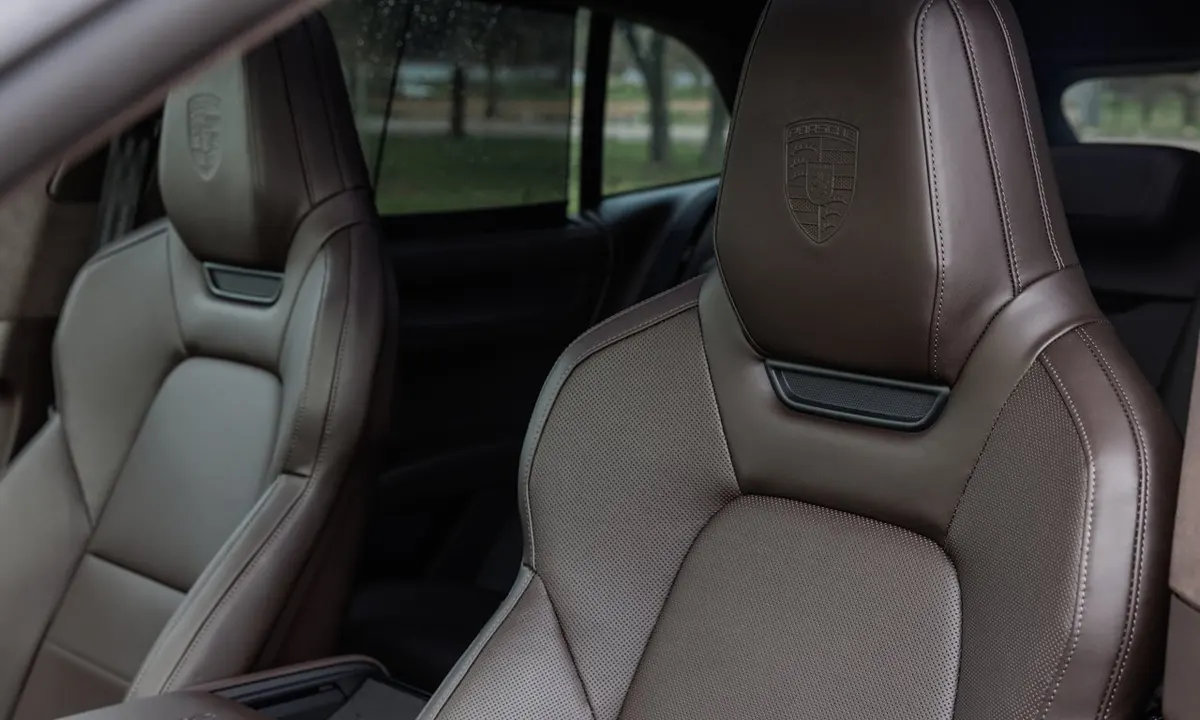
The 2026 Porsche Cayenne Electric lineup, unveiled at its world premiere in November 2025 and now confirmed for North American delivery in the second half of 2026, represents the fourth generation of a model that defined what a luxury performance SUV could be when Porsche introduced the original Cayenne in 2002. The all-electric version arrives with specifications that directly challenge the Model X Plaid’s performance crown while adding dimensions of dynamic capability, charging sophistication and chassis refinement that Tesla’s established benchmark was never designed to match. This is, in the clearest possible terms, the most direct and most technically serious challenge the Model X Plaid has faced since its introduction.
The Power Numbers: When 1,139 Horsepower Changes the Conversation
The headline performance figure of the 2026 Porsche Cayenne Turbo Electric is 1,139 horsepower — a number that makes it the most powerful production Porsche ever built and places it 119 horsepower above the Tesla Model X Plaid’s 1,020-horsepower tri-motor system. This figure, achieved with Launch Control and overboost active, is the product of a newly created drive system combining motors on both the front and rear axles in a configuration that draws its thermal management engineering directly from Porsche’s motorsport programs. The rear axle motor employs direct oil cooling — an innovation derived from Formula E racing that allows the motor to sustain high continuous output through repeated acceleration events without the thermal degradation that limits many rival systems under sustained track conditions.
In standard driving mode, the Cayenne Turbo Electric operates with a more measured 844 horsepower — a figure that remains substantially above the Model X Plaid’s casual output and that provides genuinely remarkable everyday performance without stressing the powertrain’s thermal management systems. For situations where the driver demands maximum effort, the Push-to-Pass function delivers an additional 173 horsepower for a ten-second burst — a feature inspired directly by motorsport’s push-to-pass overtake assistance systems and providing a useful tool for decisive highway passing manoeuvres that the Model X Plaid’s simpler throttle mapping cannot replicate.
The result of this powertrain configuration is a 0-60 mph time of 2.4 seconds for the Cayenne Turbo Electric — matching and in some conditions bettering the Model X Plaid’s already extraordinary 2.5-second sprint. The quarter mile benchmark falls in 9.9 seconds, identical to the Model X Plaid’s figure and confirming that the two cars are genuinely, precisely matched in straight-line acceleration performance. The Cayenne Turbo Electric’s top speed of 162 mph falls slightly below the Model X Plaid’s 163-mph ceiling, but the margin is so small as to be meaningless in any real-world context. For the purposes of straight-line acceleration — the dimension on which the Model X Plaid has built its performance reputation — the Cayenne Turbo Electric has arrived at parity. It has done so, moreover, in a car that weighs more, seats more people and offers more versatile dynamic capability than Tesla’s performance benchmark.
The Charging Architecture That Changes the Ownership Equation
While straight-line acceleration performance is the category that generates headlines, the 2026 Cayenne Electric’s 800-volt charging architecture represents the more consequential competitive advantage for most owners across most real-world driving scenarios. The Cayenne Electric supports DC fast charging at up to 390 kW — and in specific optimal conditions, up to 400 kW — through an intelligent battery thermal management system that prepares the battery proactively for high-speed charging before arrival at a charging station. This level of charging performance enables the battery to recover from 10 to 80 percent state of charge in approximately 16 minutes and adds 325 kilometres of range within ten minutes under optimal conditions — charging speed figures that the Tesla Model X Plaid’s 250 kW maximum DC charging rate cannot approach.
For owners who regularly undertake longer journeys, this charging speed differential is not a minor specification detail. It is a structural change in the ownership experience that makes the Cayenne Electric’s range replenishment approximately 40 percent faster than the Model X Plaid’s in DC fast charging scenarios. The Cayenne also introduces the world’s first inductive charging capability in a production electric vehicle — available as an optional extra from the second half of 2026 — which enables hands-free home charging by simply parking over a floor-mounted charging plate that automatically initiates and manages the charging process. This technology, which provides up to 11 kW of wireless charging power, eliminates the physical management of charging cables entirely for owners who choose the home plate installation and represents a meaningful quality-of-life advancement over every competitor’s current home charging process including Tesla’s.
The Tesla Model X Plaid’s charging infrastructure advantages — most notably access to Tesla’s Supercharger network, which remains the most extensive and most reliable fast-charging infrastructure in North America with coverage that Porsche’s partner network cannot yet fully match — partially offset the Cayenne’s charging speed advantage. For long-distance travel, the density and reliability of available charging stops is as important as the theoretical maximum charging speed, and the Supercharger network’s established presence provides a practical ownership confidence that buyers considering the Cayenne Electric should factor honestly into their assessment.
Active Ride Suspension: The Dynamic Dimension Tesla Cannot Match
If the Cayenne Turbo Electric meets the Model X Plaid as a straight-line performance equal, it surpasses it categorically in the dimension of chassis sophistication and driving dynamics — and does so through a suspension technology that has never previously been applied to an SUV of any powertrain type. The available Porsche Active Ride system, offered as an option on the Cayenne Turbo Electric and described by Porsche’s own engineering team as the most capable Active Ride implementation yet produced, replaces conventional passive springs and anti-roll bars with an active hydraulic system capable of controlling ride height and body attitude at each individual corner independently and in real time.
The practical consequence of this system’s capability is documented in first-drive reviews from journalists who drove the Cayenne Turbo Electric in Spain during its press launch: a new Comfort mode that effectively eliminates all pitch, dive and roll from the car’s body motion — allowing it to maintain a composed, level attitude over speed humps, during aggressive cornering and under braking with a consistency that passive suspension systems cannot approach regardless of their calibration quality. A separate Sport mode sharpens the chassis’s response and increases cornering commitment, transforming the same SUV that can absorb road imperfections with near-silence in Comfort into a genuinely engaging performance tool in Sport and Sport+ without requiring any compromise between the two characters. The Tesla Model X Plaid’s air suspension, while competent and well-regarded for a production large SUV, operates without active hydraulic control at the individual corner level and cannot replicate the Cayenne’s dynamic breadth or the specific capability of the Comfort mode’s pitch and roll elimination.
The addition of a V8-inspired acoustic soundtrack in Sport and Sport+ modes — produced through the Cayenne Electric’s active sound generation system in a manner that Porsche describes as subtle and welcome rather than artificial or intrusive — addresses one of the most common experiential criticisms of high-performance electric vehicles, which is that the absence of engine sound disconnects the driver from the performance experience that the powertrain numbers promise. The soundtrack does not attempt to recreate the specific frequencies of a specific combustion engine, but rather to provide acoustic cues that reinforce the sense of dynamic engagement without misleading the driver about the car’s mechanical nature. It is a nuanced solution to a genuinely difficult problem, and reviewers have generally received it positively.
Range, Practicality and the Real-World Ownership Picture
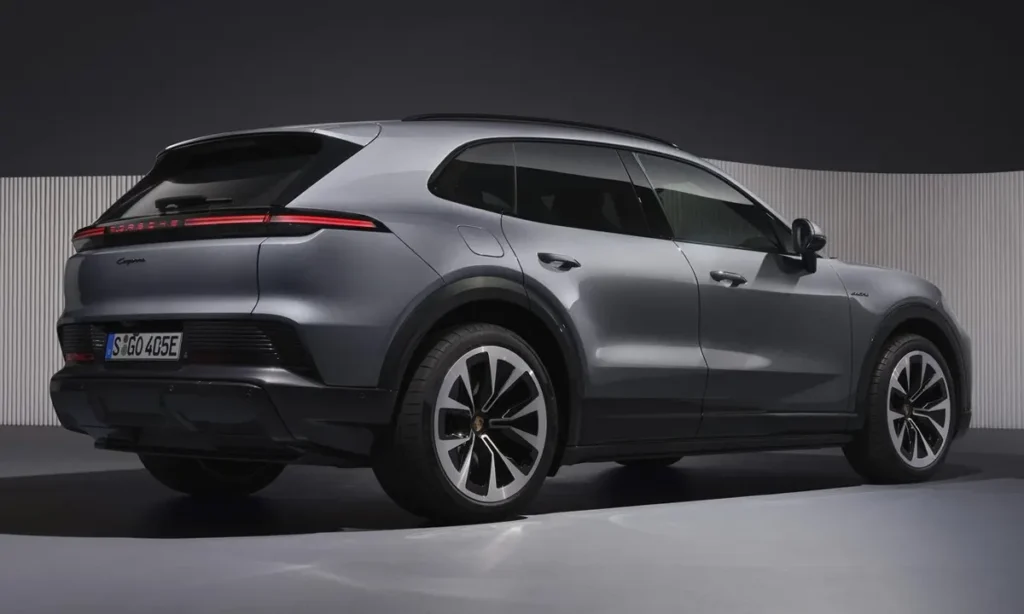
The base 2026 Porsche Cayenne Electric achieves an EPA-estimated range of approximately 370 miles — a figure that edges the Tesla Model X Plaid’s 335-mile EPA estimate by a meaningful margin and places the standard Cayenne Electric at or near the top of the large electric SUV segment for range. The Cayenne Turbo Electric’s range figure is lower given its higher power output and heavier powertrain architecture, as is consistent with the Model X Plaid’s 335-mile range compared to the standard Model X AWD’s 352 miles. Both cars offer broadly similar real-world range for the majority of driver profiles, with the Cayenne’s fast-charging capability reducing the operational significance of any range difference for long-distance users.
Read: Tesla Model 3 Real-World Range at 75 MPH. Road Trip Planning Numbers You Actually Need
Practical comparisons between the two cars reveal meaningful differences in each vehicle’s approach to family utility. The Tesla Model X Plaid’s falcon-wing rear doors — among the most visually distinctive design elements on any production vehicle — provide genuinely outstanding access to the second and third rows in confined parking spaces, a practical advantage that is real and documented through years of owner experience. The Model X Plaid accommodates six passengers in its standard Plaid configuration across three rows, with a cargo capacity of 91.3 cubic feet when all seats are folded and 94.5 cubic feet in total interior volume — figures that reflect serious attention to family utility alongside performance. The Cayenne Electric’s five-seat architecture and 625-litre boot capacity — expandable with the rear seats folded — serves most family use cases effectively without the complexity of the falcon-wing door mechanism, which has historically required periodic maintenance attention.
Both vehicles offer a maximum towing capacity of 3,500 kg on the Cayenne and 5,000 pounds on the Model X — numbers that reflect each car’s practical capability for owners who combine family transport with recreational towing. The Cayenne Electric’s available off-road package, with reshaped bumpers, increased approach and departure angles and enhanced wading depth, extends its capability into terrain that the Model X Plaid’s road-focused setup was not designed to address, providing an additional dimension of versatility that the Porsche’s established all-wheel drive engineering heritage makes credible in a way that Tesla’s has not historically needed to be.
Price, Technology and the Ultimate Verdict
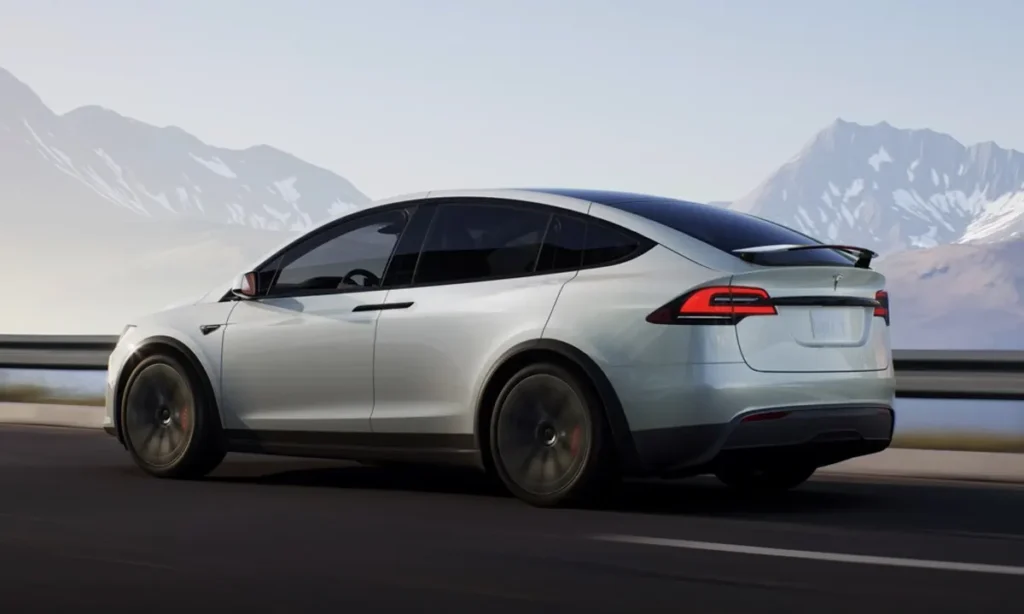
The 2026 Porsche Cayenne Electric begins at $111,350 in base specification, with the Cayenne Turbo Electric commanding $165,350 before options — a figure that can reach $213,000 or beyond with the full suite of available packages. The Tesla Model X Plaid starts at $106,630, providing a modest price advantage over the Cayenne Turbo Electric at base specification. For the $60,000 price premium of a fully equipped Cayenne Turbo Electric over a base Model X Plaid, buyers receive the Active Ride suspension, the Formula E-derived motor cooling, the 400 kW charging architecture, the Porsche Dynamic Chassis Control, the Porsche Ceramic Composite Brake option and the broader dynamic capability that Porsche’s chassis engineering heritage delivers.
The question the original headline poses — can the Cayenne Electric beat the Tesla Model X Plaid’s performance expectations — has a clear answer. In straight-line acceleration, it meets them exactly, matching a 2.5-second sprint and a 9.9-second quarter mile with its own 2.4-second sprint and 9.9-second quarter mile. In peak power output, it surpasses them with 1,139 horsepower to the Plaid’s 1,020. In charging speed, it outclasses them with 400 kW to the Plaid’s 250 kW. In chassis sophistication and dynamic breadth, it surpasses them through Active Ride technology that has no equivalent in Tesla’s product range. In charging infrastructure access and long-term software development maturity, the Model X Plaid retains meaningful advantages. The performance battle that many observers assumed the Model X Plaid had won decisively has, with the arrival of the Cayenne Turbo Electric, become genuinely, fascinatingly competitive.
2026 Porsche Cayenne Turbo Electric vs Tesla Model X Plaid — Specifications Chart
| Category | Porsche Cayenne Turbo Electric | Tesla Model X Plaid |
| Motor Configuration | Dual-Motor AWD (Front + Rear) | Tri-Motor AWD |
| Peak Horsepower (Overboost / Launch Control) | 1,139 hp (850 kW) | 1,020 hp (760 kW) |
| Standard Driving Mode Horsepower | 844 hp (630 kW) | 1,020 hp |
| Push-to-Pass / Boost | +173 hp / 10 seconds | N/A |
| Peak Torque | 1,106 lb-ft (1,500 Nm) | 1,020 lb-ft |
| 0–60 mph | 2.4 seconds | 2.5 seconds |
| Quarter Mile | 9.9 seconds | 9.9 seconds |
| Top Speed | 162 mph | 163 mph |
| Battery Capacity | 113 kWh (High-Voltage Structural) | 100 kWh |
| Range (EPA Estimate) | ~310–330 miles (TBC US) | 335 miles |
| DC Fast Charging Speed | Up to 400 kW (Optimal Conditions) | Up to 250 kW |
| 10%–80% Charge Time | ~16 Minutes | ~30 Minutes |
| Range Added in 10 Minutes | Up to 325 km / ~200 miles | ~100 miles (Est.) |
| AC Home Charging | Up to 11 kW (Both Sides) | 11.5 kW |
| Inductive Home Charging | Available (From H2 2026) | Not Available |
| Charging Architecture | 800 Volt | 400 Volt (NACS) |
| Charging Network | CCS / NACS (Multi-Network) | Tesla Supercharger (NACS) |
| Suspension | Porsche Active Ride (Optional Turbo) | Air Suspension |
| Active Ride Modes | Comfort (No Pitch/Roll), Sport, Sport+ | Standard / Sport |
| Rear-Wheel Steering | Standard | Not Available |
| Off-Road Package | Available | Not Available |
| Towing Capacity | 3,500 kg (With Off-Road Pack) | 5,000 lbs (2,268 kg) |
| Maximum Seating | 5 (Standard) | Up to 6 (Plaid) |
| Cargo (Boot) | 625 litres | 21.3 cu ft (Behind 3rd Row) |
| Audio Soundtrack | V8-Inspired (Sport / Sport+) | N/A |
| Active Aerodynamics | Porsche Active Aerodynamics (PAA) — Aeroblades | Not Available |
| Formula E Cooling | Direct Oil-Cooled Rear Motor | Not Available |
| Recuperation Power | Up to 600 kW | Standard Regenerative |
| Infotainment Screen | Largest in a Porsche — Multi-Screen | 17-inch Central + 8-inch Rear |
| Mood Modes | Interactive — Lighting, Climate, Sound | N/A |
| Starting MSRP | $163,000 (Turbo Electric) | $106,630 (Plaid) |
| Base Cayenne Electric MSRP | $111,350 | $91,630 (Standard AWD) |
| Delivery (North America) | Second Half 2026 | Available Now |
| Assembly | Bratislava, Slovakia | Fremont, California, USA |
| Production Status | Ongoing | Discontinued Jan 2026 |