Audi Q8 e-tron vs. Porsche Cayenne Electric, Which German Electric SUV Is Better in 2026?
The Audi Q8 e-tron Brings Refined Everyday Luxury and Proven Electric Dependability. The All-New 2026 Porsche Cayenne Electric Arrives With 400 kW World-Record Charging, Wireless Home Charging, Up to 1,139 Horsepower and the Most Technologically Advanced Electric SUV Platform Ever Offered to the Public. The Battle for German Electric SUV Supremacy Has Never Been More Compelling
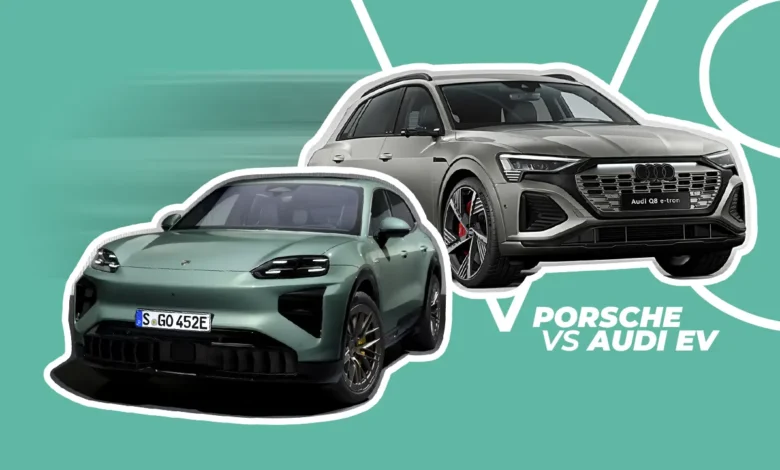
When the Audi Q8 e-tron was introduced, it represented one of the most complete and most confidently executed large electric luxury SUVs available in the premium segment — a vehicle that combined genuine long-range capability, sophisticated quattro all-wheel drive and an interior of genuine quality in a package that Audi’s loyal buyer base could adopt without compromise or adjustment. It remains, in 2026, a thoroughly accomplished and thoroughly competitive electric SUV that has earned its strong sales record and its consistent critical praise. And yet the arrival of the all-new 2026 Porsche Cayenne Electric — unveiled to the world in November 2025, reaching US dealers in late summer 2026 and already recognised by Newsweek as one of the most anticipated new vehicles of the year — has fundamentally changed the terms of engagement in the German premium electric SUV segment. The Cayenne Electric does not merely compete with the Q8 e-tron. It redefines what competing in this segment looks like. This comparison examines both vehicles honestly, with the same rigour that buyers investing six figures in an electric SUV deserve from their research process.
Gallery: Audi Q8 e-tron vs. Porsche Cayenne Electric
Price and Positioning: Two Different Levels of Ambition
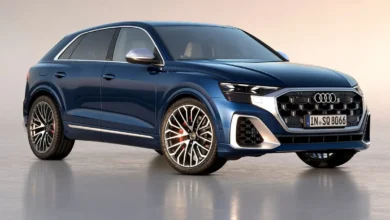
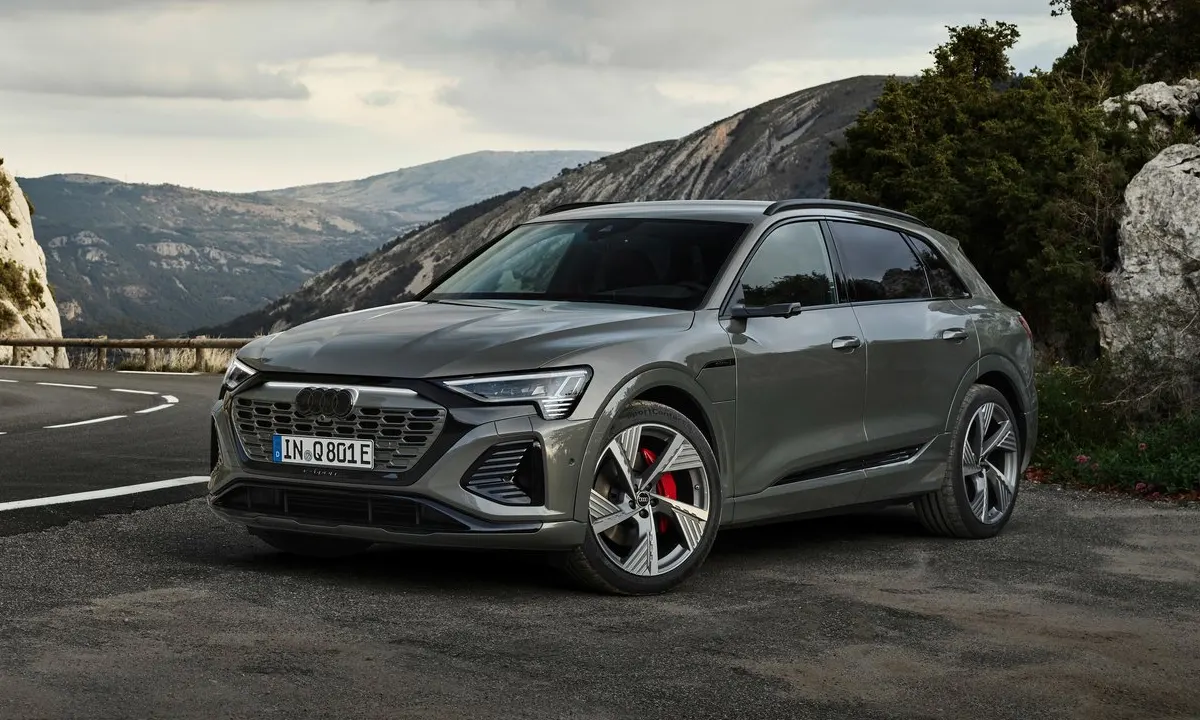
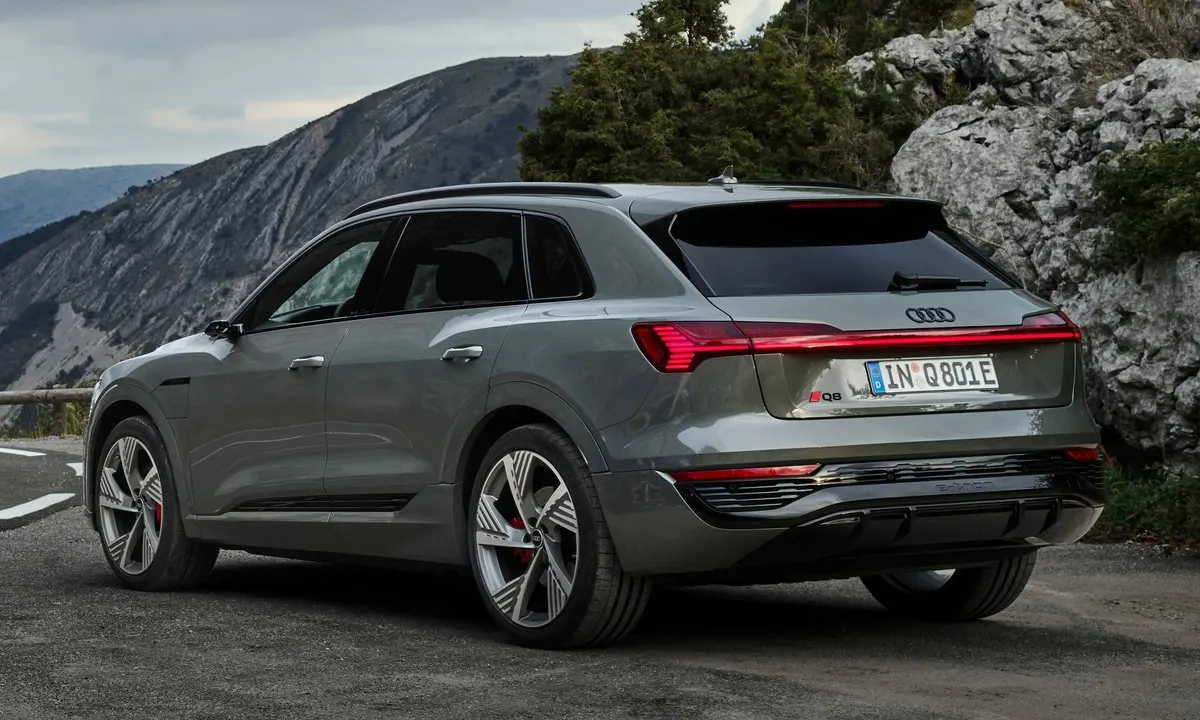
The Audi Q8 e-tron 55 quattro starts at $75,595 in the United States — a price point that represents serious money for a premium electric SUV while remaining meaningfully accessible within the broader luxury vehicle market. The SQ8 e-tron, Audi’s performance variant, rises to approximately $90,000, while the Sportback body style adds a modest premium over the standard SUV for buyers who prefer the more athletic roofline. These prices include access to Audi’s quattro electric all-wheel drive, 285 miles of EPA-rated range, 170-kilowatt DC fast charging and a cabin of genuinely premium material quality that Audi’s manufacturing reputation consistently delivers.
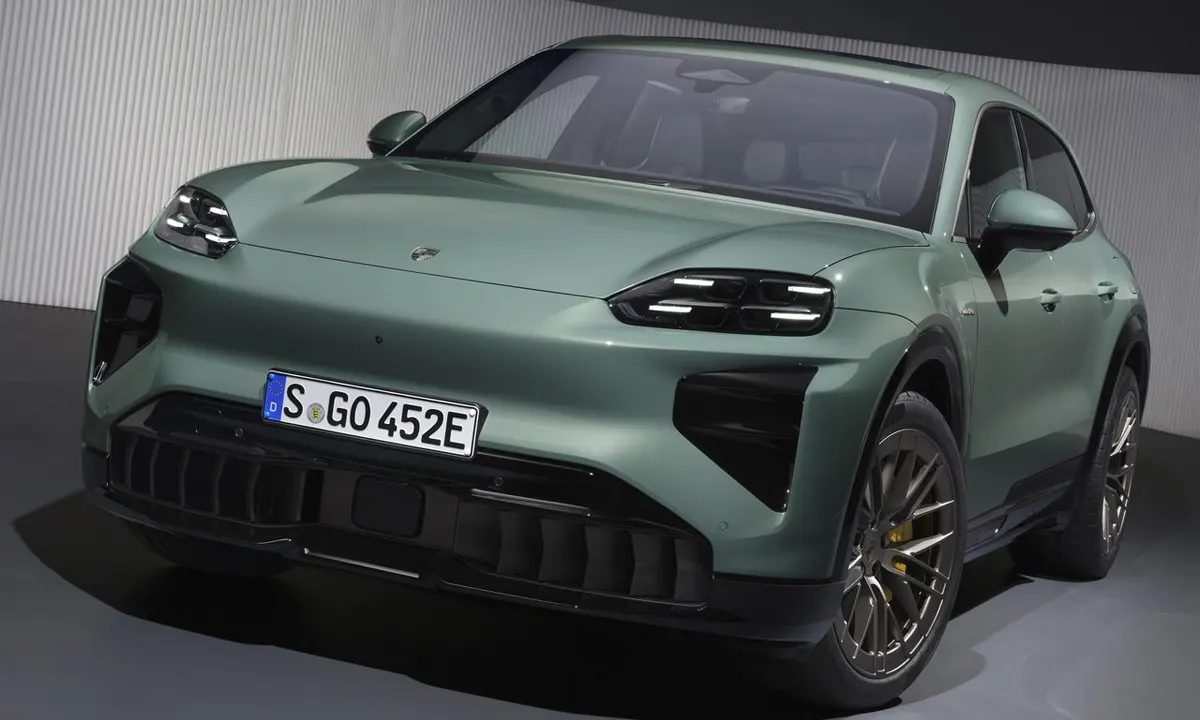
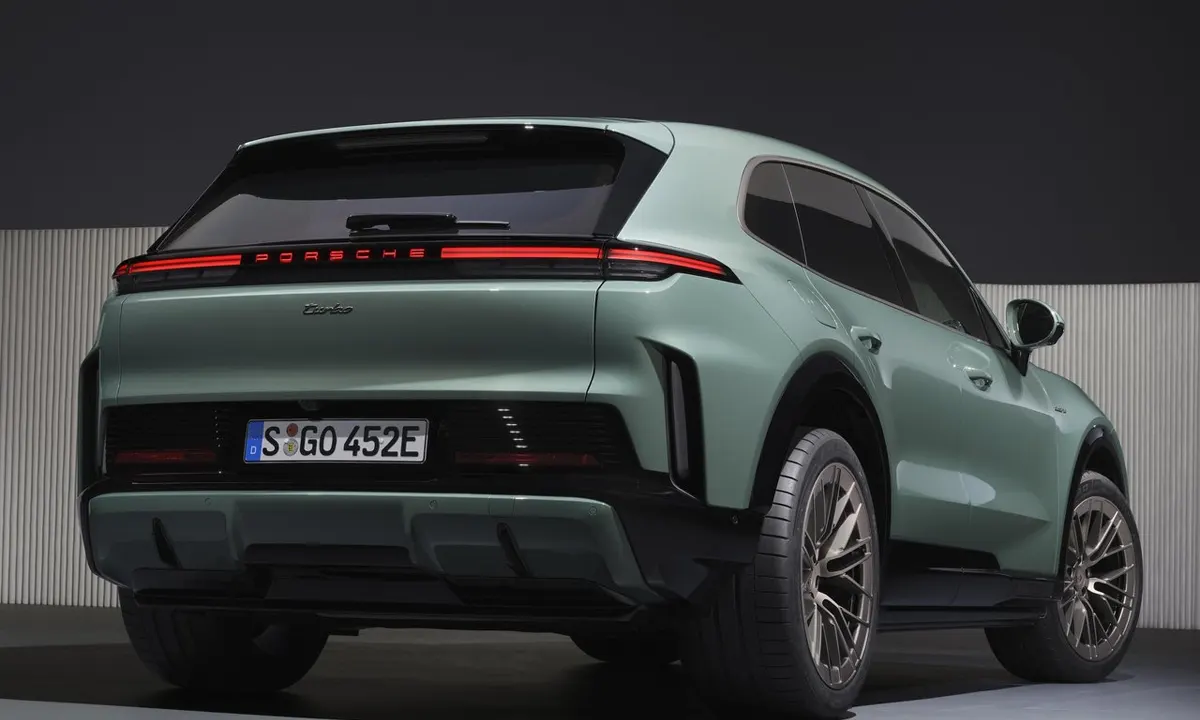
The 2026 Porsche Cayenne Electric starts at $111,350 including destination in the United States — approximately $36,000 more than the Q8 e-tron’s entry point and a premium whose justification becomes apparent immediately upon examining what the additional investment secures. The Cayenne Electric lineup spans from the base model through the new Cayenne S Electric at $128,650 including destination and the Cayenne Turbo Electric at $165,350 — a range of specifications whose breadth signals Porsche’s intention to serve every buyer in the performance luxury electric SUV market simultaneously. The Turbo Electric’s 1,139 horsepower and 2.4-second zero to 60 time place it in a performance tier that no competitor, electric or combustion, has previously brought to a production SUV at any price — and the entry-level Cayenne Electric’s 435 horsepower and 4.5-second zero to 60 provide genuine performance credentials even in the most accessible specification.
The Powertrain Comparison: Accomplished vs. Revolutionary
The Audi Q8 e-tron’s dual-motor electric drivetrain produces 402 horsepower and 490 pound-feet of torque in standard specification — a powertrain of proven reliability and genuine everyday competence whose performance characteristics reflect Audi’s priority of smooth, composed and effortlessly confident electric SUV motoring. The SQ8 e-tron raises output to 503 horsepower and reduces the zero to 60 time to approximately 4.5 seconds, providing a performance increment that meaningfully changes the character of the driving experience without disrupting the Q8’s fundamental composure. Regenerative braking is effective and well-calibrated, the transition between motor engagement and conventional braking is smooth and the overall powertrain integration reflects the maturity that Audi’s electric vehicle engineering programme has developed across multiple model generations.
The 2026 Porsche Cayenne Electric’s powertrain architecture is a statement of an entirely different order of engineering ambition. The 113-kilowatt-hour battery on an 800-volt architecture powers dual permanent magnet synchronous motors whose front axle unit disconnects during partial load conditions to maximise efficiency — a front motor disconnection feature that the Cayenne Electric shares with several Porsche platform stablemates and that meaningfully extends range during steady-state cruising. The rear motor on Turbo models incorporates direct oil cooling — a first for any production electric vehicle and a technology derived from Porsche’s Formula E championship-winning programme — which eliminates the need for a two-speed rear transmission by managing thermal load so effectively that the motor sustains its peak output without the gear ratio optimisation that heat management constraints would otherwise require. The base Cayenne Electric’s 435 horsepower and 615 pound-feet of torque compare directly with the SQ8 e-tron’s performance specification at a comparable price point. The Turbo Electric’s 1,139 horsepower and 1,106 pound-feet of torque belong to a different conversation entirely — one that the Q8 e-tron does not attempt to join and that demonstrates the Cayenne Electric’s willingness to define its own competitive ceiling rather than accept the one the market had previously established.
Charging Technology: A Significant and Practically Important Gap
The charging capability comparison between the Audi Q8 e-tron and the 2026 Porsche Cayenne Electric is the most practically consequential dimension of this assessment for buyers whose electric vehicle usage extends to regular long-distance travel. The Q8 e-tron’s 170-kilowatt maximum DC fast charging rate represents a competitive capability for its generation — allowing battery recovery of approximately 60 miles of range in 10 minutes at a compatible charger. The 22-kilowatt three-phase AC onboard charger is among the most capable AC charging options fitted to any production electric SUV and provides a meaningful advantage for owners whose regular charging location provides three-phase AC power. Both specifications reflect Audi’s competent and considered approach to charging architecture for a vehicle conceived and launched in an era before 800-volt charging infrastructure had reached its current state of development.
The 2026 Porsche Cayenne Electric’s 800-volt charging architecture achieves a peak DC fast charging rate of 400 kilowatts — the fastest of any production electric vehicle currently available in the market, surpassing the previous record of 350 kilowatts. Under optimal conditions at a compatible ultra-rapid charger, the Cayenne Electric completes a 10 to 80 percent charge in just 16 minutes — a figure that compresses the electric vehicle’s most significant practical limitation to a duration comparable with a conventional fuel stop. An additional 325 kilometres of WLTP range can be recovered in just 10 minutes of charging — a replenishment rate that makes the Cayenne Electric’s long-distance usability comprehensively competitive with any combustion SUV in its class. Beyond its extraordinary fast charging capability, the Cayenne Electric introduces an innovation with no equivalent in any other production vehicle — the world’s first inductive wireless home charging system. The optional Porsche Wireless Charging System installs a flat floor plate in the owner’s garage. The Cayenne Electric detects the plate automatically upon parking, aligns itself and lowers slightly for optimal charging efficiency, completing the entire process without a cable, a connector or any physical interaction from the driver. This 11-kilowatt wireless system represents a genuine quality-of-life advancement in the electric vehicle ownership experience that the Q8 e-tron’s conventional charging architecture does not approach.
Range and Efficiency: The Q8 e-tron’s Strongest Counter-Argument
The Audi Q8 e-tron’s 285-mile EPA-rated range on the 55 quattro specification is a proven, real-world-validated figure whose consistency across different driving conditions and seasonal temperature variations has been confirmed by independent testing organisations and owner communities over multiple years of production. Real-world range in mixed conditions typically falls between 240 and 270 miles — sufficient for the majority of daily and inter-city travel patterns without charging anxiety and adequate for longer journeys with planned charging stops at the 170-kilowatt chargers that are increasingly widely deployed across the American charging network.
The 2026 Porsche Cayenne Electric’s range has not yet received its official EPA certification at the time of this article’s publication, as US deliveries are scheduled to begin in late summer 2026. However, an informal range test conducted by Edmunds with a base Cayenne Electric produced 328 miles — a result that, if representative of broader testing, would place the Cayenne Electric’s real-world range meaningfully above the Q8 e-tron’s. Porsche’s own record with EPA range versus real-world outcomes in the Taycan and Macan Electric suggests that the Cayenne Electric is likely to deliver range performance at or above its EPA certification figure rather than below it — a historical pattern that reflects Porsche’s conservative approach to official range claims and that provides additional confidence in the Cayenne Electric’s expected real-world range capability.
Interior Technology and Cabin Experience
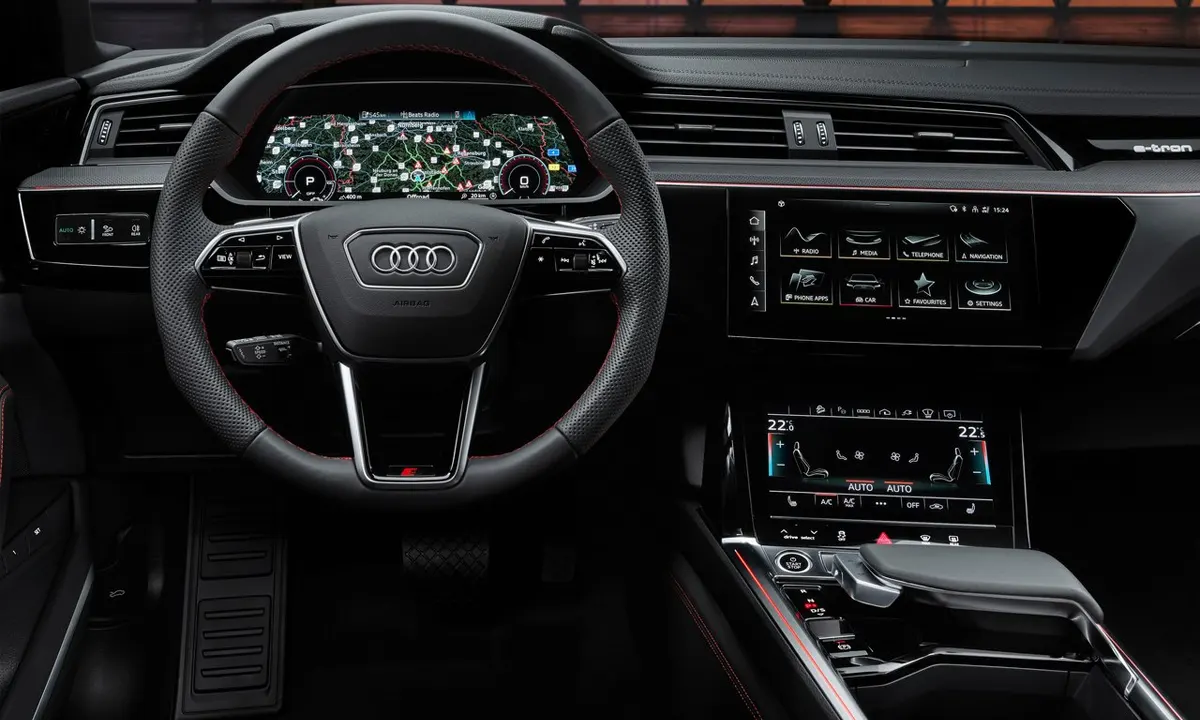
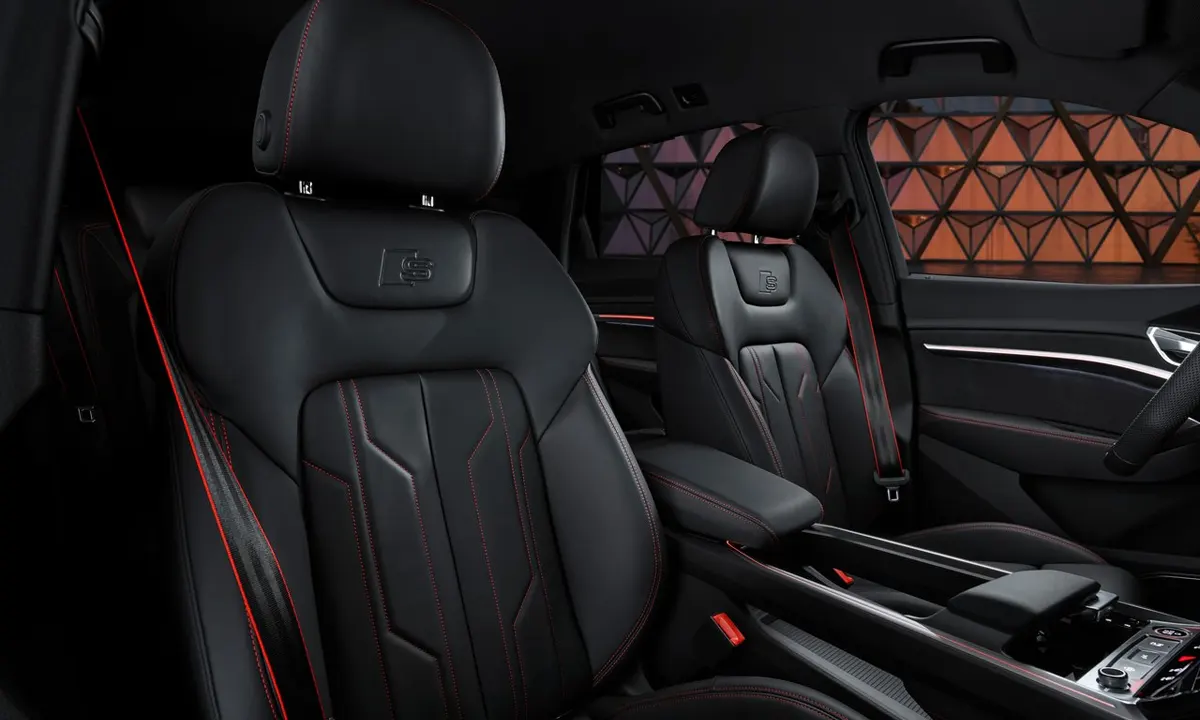
The Audi Q8 e-tron’s interior is built around the MMI Navigation Plus system — a dual touchscreen configuration pairing an upper 10.1-inch display for infotainment and a lower 8.6-inch display for climate and convenience controls, backed by a 12.3-inch virtual cockpit digital instrument cluster. The system is mature, capable and consistently well-reviewed for its intuitive operation and its comprehensive functionality. Wireless Apple CarPlay and Android Auto are standard, the available Bang and Olufsen 3D Advanced Sound System delivers audio quality that justifies its premium and the cabin’s material quality — soft-touch surfaces throughout, available leather upholstery and precisely fitted trim elements — is entirely consistent with the Volkswagen Group’s quality standards for vehicles at this price point.
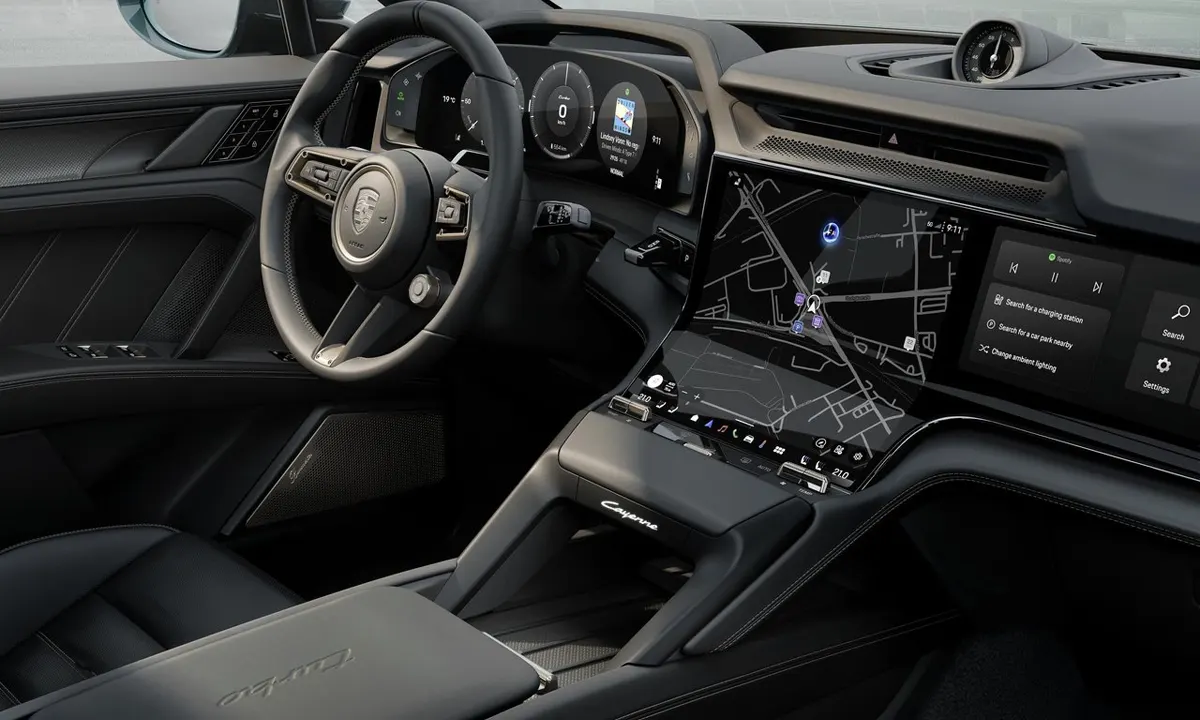
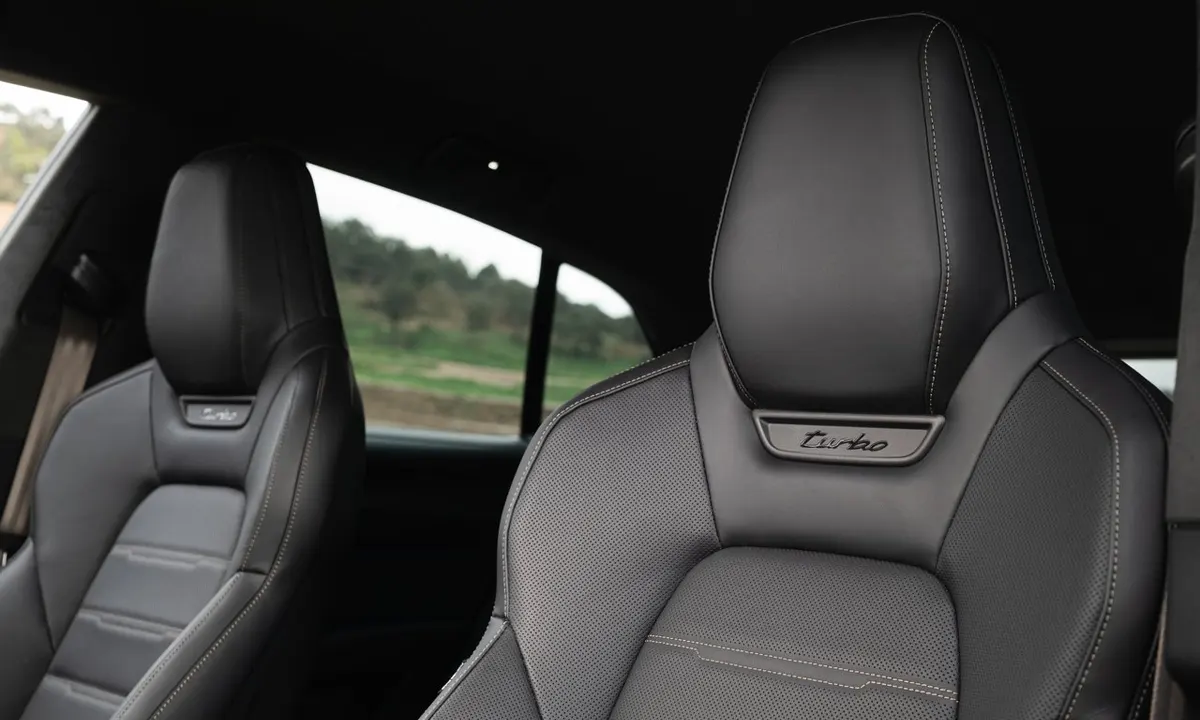
The 2026 Porsche Cayenne Electric introduces Porsche’s new Driver Experience concept through a curved OLED Flow Display dashboard architecture — a fully digital instrument cluster combined with the primary PCM touchscreen in a curved presentation whose visual drama is immediately and strikingly apparent to anyone moving from the Q8 e-tron’s more conventional dual-screen layout. An optional passenger display and the AI-powered Voice Pilot complement the display architecture with a conversational intelligence capability and a Mood Modes system — adjustable ambient profiles that coordinate lighting, audio and climate settings into unified sensory experiences — that the Q8 e-tron’s current infotainment generation does not replicate. The most extensive interior personalisation programme ever offered in a Cayenne is available for the Electric — encompassing 13 standard exterior colours, 12 interior combinations and the Porsche Exclusive Manufaktur Director’s Cut packages developed by the Style Porsche design studio whose first offering, the Interior Style Package coordinated with the Mystic Green Metallic exterior colour, signals the depth of personalisation ambition that Porsche has brought to this model’s specification programme.
The Driving Experience: A Clear and Honest Winner
This is the dimension of the comparison where the Cayenne Electric’s superiority over the Q8 e-tron is most immediately and most completely apparent to any driver who has experienced both vehicles. The Audi Q8 e-tron drives with composure, refinement and the confident electric authority that its powertrain and its quattro all-wheel drive deliver without drama. It is an excellent electric SUV. Car and Driver’s assessment of the Cayenne Electric — noting that its Active Ride system’s body control and ability to manage deteriorated road surfaces is as effective in the Cayenne as in the lower-riding Taycan and Panamera — communicates the standard that the Porsche chassis achieves. MotorTrend described the Turbo Electric’s performance on narrow mountain roads as generating enough acceleration out of corners to genuinely frighten the driver — a characterisation that the Q8 e-tron’s powertrain, however capable, would not provoke. The Cayenne Electric’s standard adaptive air suspension with Porsche Active Suspension Management, its optional Porsche Active Ride active chassis control and its available rear-axle steering collectively create a dynamic capability whose depth and driver engagement place it in a different tier from the Q8 e-tron — closer in character to the Porsche Taycan Cross Turismo than to any conventional electric SUV competitor. The Cayenne Electric set a new SUV record at the Shelsley Walsh hillclimb in July 2025 during development testing, demonstrating its dynamic credentials in the most demanding and the most honest competitive environment available.
Read: Porsche Cayenne Electric vs BMW iX M70: Performance Luxury Face-Off
Head-to-Head at a Glance
| Category | Audi Q8 e-tron 55 quattro | Porsche Cayenne Electric (Base) | Porsche Cayenne Turbo Electric |
| Starting MSRP (US) | $75,595 | $111,350 | $165,350 |
| Combined Power | 402 hp | 435 hp (Boost) | 1,139 hp (Boost) |
| Torque | 490 lb-ft | 615 lb-ft | 1,106 lb-ft |
| 0–60 mph | 5.6 Seconds | 4.5 Seconds | 2.4 Seconds |
| Battery Capacity | 114 kWh | 113 kWh | 113 kWh |
| EPA Range (Est.) | 285 Miles | ~328 Miles (Informal Test) | TBC |
| Max DC Fast Charging | 170 kW | 400 kW (World Record) | 400 kW |
| 10–80% Charge Time | ~30 Minutes | 16 Minutes | 16 Minutes |
| Wireless Home Charging | No | Optional (World First) | Optional (World First) |
| Towing Capacity | 4,000 lbs | 7,716 lbs | 7,716 lbs |
| Suspension | Adaptive Damping | Adaptive Air / Optional Active Ride | Active Ride Standard |
| Platform Architecture | 800V Capable | 800V | 800V |
| US Delivery Status | Available Now | Late Summer 2026 | Late Summer 2026 |
| Infotainment | MMI Dual Touchscreen | Curved OLED Flow Display / Voice Pilot | Curved OLED / Voice Pilot |
| Assembly | Brussels, Belgium | Bratislava, Slovakia | Bratislava, Slovakia |
The Verdict: Which German EV Is Better?
The honest answer is that the 2026 Porsche Cayenne Electric is the more advanced, more capable and more technically extraordinary electric SUV — and the Audi Q8 e-tron is the more immediately accessible, more proven and more value-conscious choice. Neither verdict requires qualification or apology. The Q8 e-tron offers a genuinely excellent, comprehensively capable electric SUV experience at a starting price $35,000 below the Cayenne Electric’s entry point — and for buyers whose priorities centre on proven long-range electric capability, everyday refinement and Audi’s interior quality at the most competitive price in the German premium electric SUV segment, it remains one of the strongest choices available. The Cayenne Electric offers world-record charging, the world’s first wireless home charging, an Active Ride suspension system that makes it handle like a sports car despite its dimensions, up to 1,139 horsepower in Turbo specification and a dynamic capability that has been validated at competition level before a single US customer has taken delivery. For buyers willing and able to invest the additional premium, the Cayenne Electric is not merely a better choice — it is a different category of automotive achievement that happens to wear an SUV body style. Germany’s electric SUV war has a new frontrunner, and its name is Cayenne.