Used Porsche 911 Buying Guide. Everything You Need to Know Before Purchasing in US
From the Air-Cooled Classics and the IMS Bearing Crisis of the 996 Era to the Modern 992's Technological Brilliance, the Complete American Buyer's Guide to Choosing, Inspecting and Purchasing the Right Used Porsche 911 Without Regret, Surprise Bills or Hidden Heartbreak
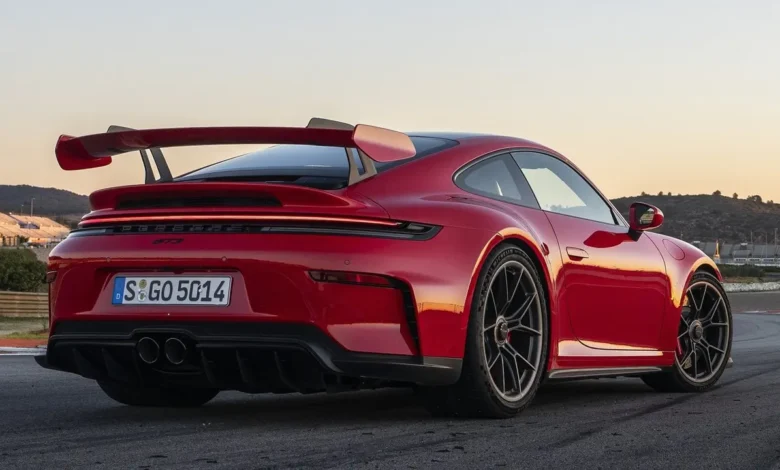
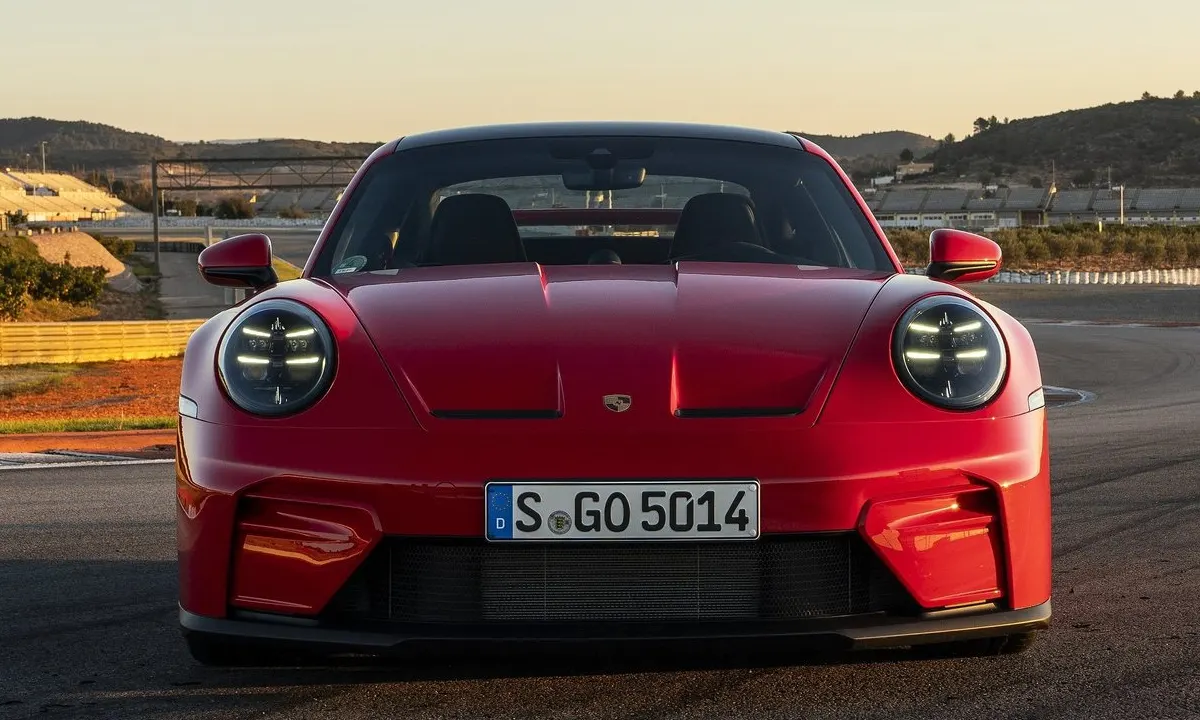
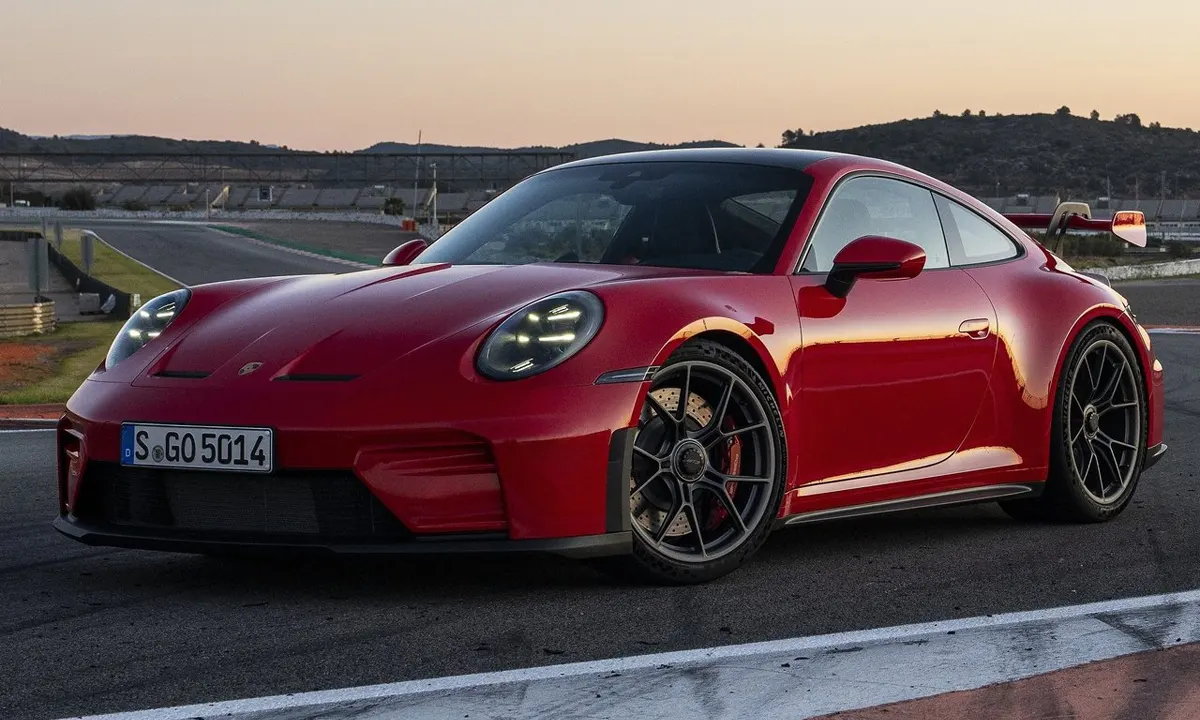
Few automotive purchase decisions generate as much excitement, as much research and, ultimately, as much potential for both extraordinary reward and costly disappointment as the decision to buy a used Porsche 911. The 911 is, by virtually every serious automotive assessment, the finest all-around sports car ever produced — a vehicle that has been refined across more than six decades of continuous production to a standard of driving engagement, everyday usability and long-term mechanical integrity that no direct competitor has consistently matched. The used market makes this extraordinary machine accessible to a far broader range of buyers than the new car price would suggest — a well-chosen 996-generation Carrera can be acquired for under $30,000, a pristine 997.2 for between $50,000 and $80,000 and a low-mileage 991 for between $80,000 and $120,000. But the same used market that creates this access also concentrates a set of generation-specific mechanical risks, maintenance-history dependencies and inspection requirements that make uninformed buying genuinely dangerous in a financial sense. This guide provides the information every American buyer needs to navigate the used 911 market with confidence, intelligence and the realistic expectation of a purchase that rewards every dollar invested across the long and rewarding ownership experience the 911 at its best provides.
Gallery: Porsche 911
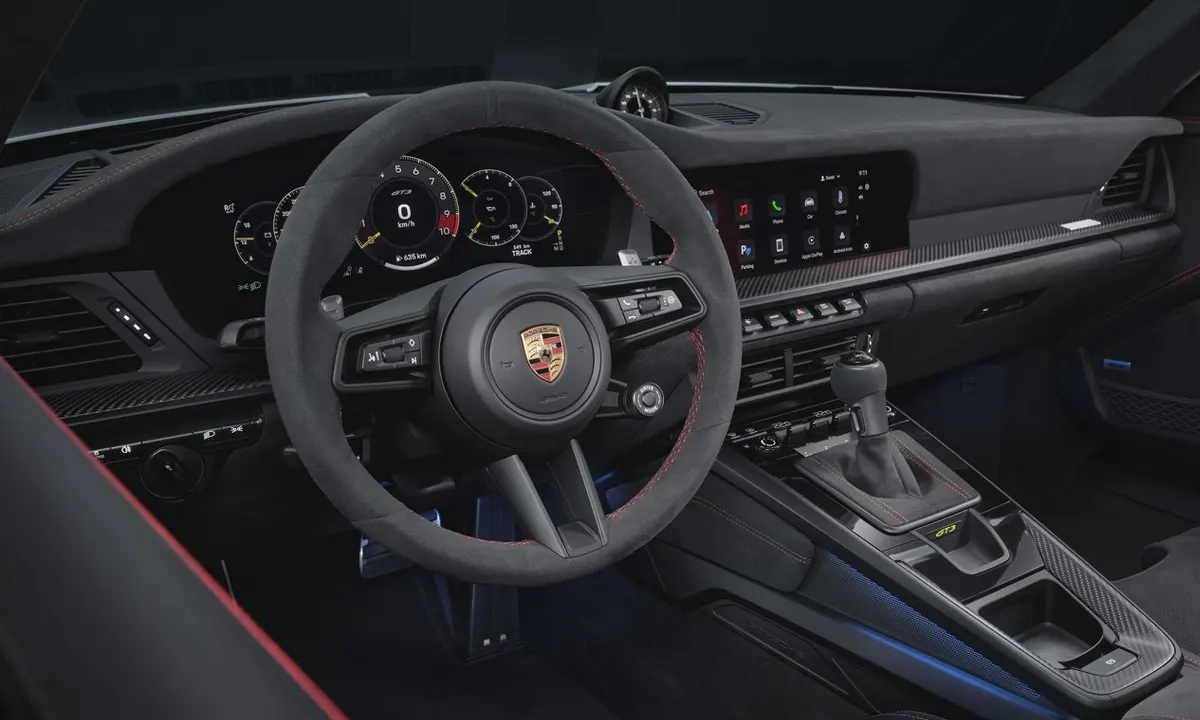
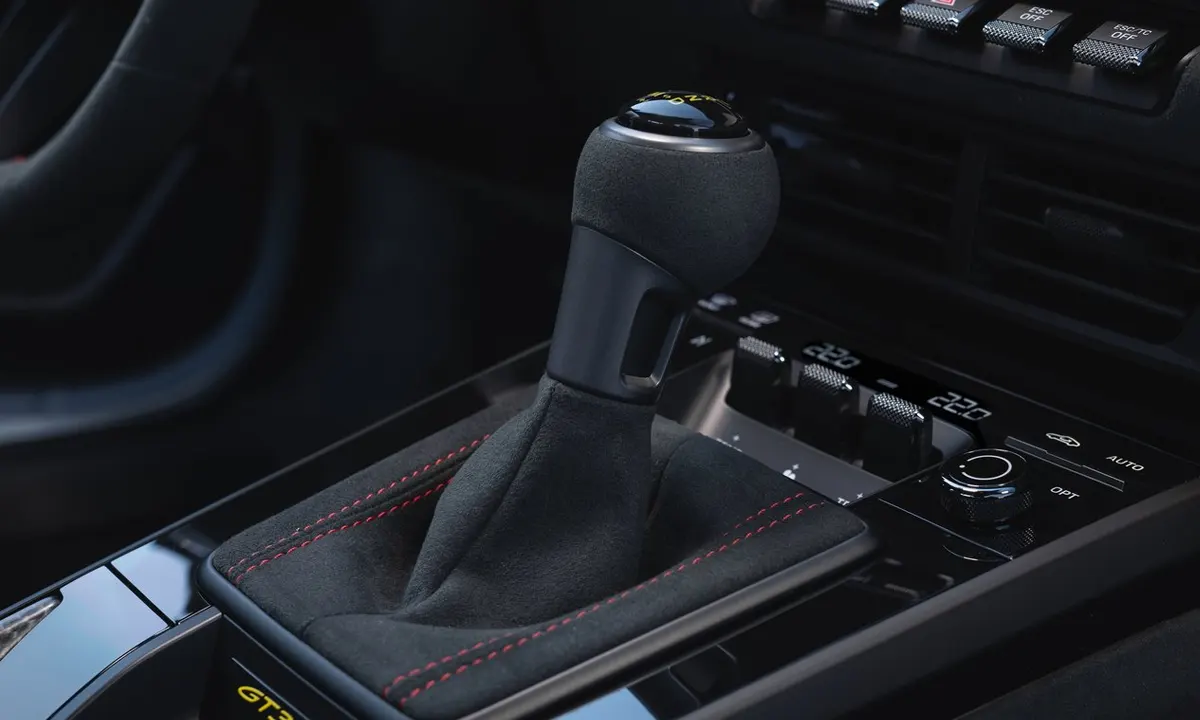
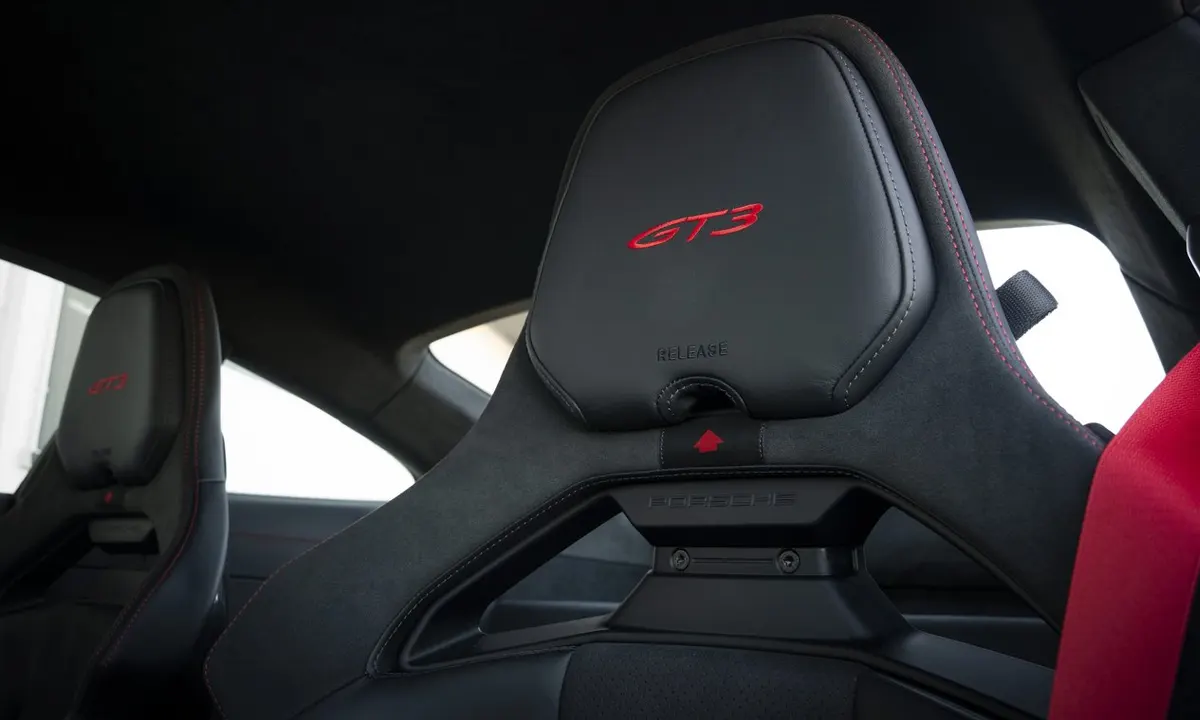
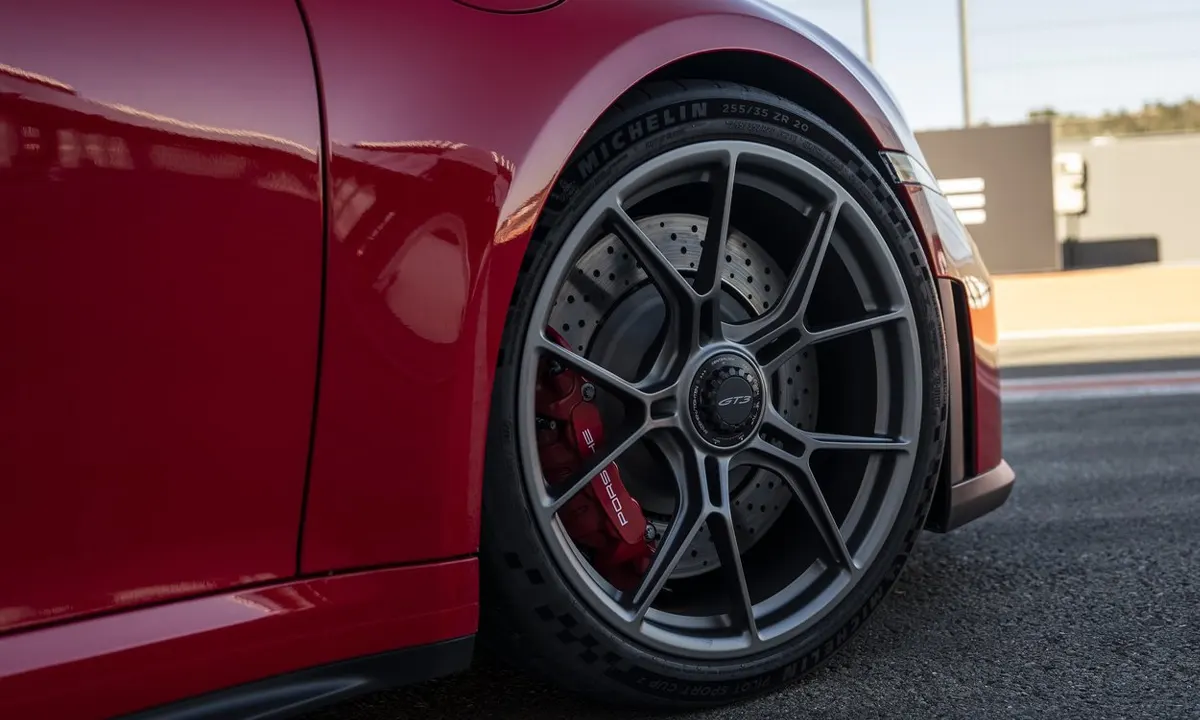
Understanding the Generations: Which 911 Is Right for Your Budget and Priorities
The Porsche 911’s six-decade production history is organised into distinct generations — each with its own character, its own pricing in today’s used market and its own set of mechanical considerations that every informed buyer must understand before committing to a specific era of the car. The decision of which generation to pursue is the most consequential single choice in the used 911 buying process, and it should be made on the basis of honest assessment of what the buyer actually wants, how they intend to use the car and what level of mechanical risk they are genuinely comfortable accepting.
The air-cooled 993-generation 911, produced from 1993 to 1998, is the last Porsche 911 to use the original air-cooled flat-six engine — a mechanical configuration whose character, sound and historical significance make it the most emotionally resonant and, in the collector market, the most financially appreciated of all modern 911 generations. Well-maintained 993 examples have appreciated substantially above their original purchase prices and now command between $60,000 and $150,000 depending on specification, mileage and condition. The air-cooled engine is mechanically robust and, in experienced hands, entirely reliable — but it demands an owner who understands its specific maintenance requirements and who is prepared to pay the premium for proper specialist care. Buyers attracted to the 993 primarily by its financial appreciation potential rather than its driving character and its maintenance demands should approach the decision with caution — collector car investing requires patience, knowledge and tolerance for the unexpected that purely financially motivated buyers frequently underestimate.
The 996-generation 911, produced from 1999 to 2004, is the most affordable entry point into used 911 ownership in the current American market — with clean, well-maintained examples available from $25,000 to $50,000. It is also the generation most thoroughly associated with the Intermediate Shaft bearing crisis, whose implications every prospective 996 buyer must understand completely before committing any money.
The 997-generation 911, produced from 2005 to 2012 in two distinct sub-generations, represents the sweet spot of the used 911 market for many American buyers — offering the beloved round headlight aesthetic of the classic 911 alongside meaningfully improved interior quality and a level of mechanical reliability that the 996 cannot consistently match. The 997.1 (2005 to 2008) carries the IMS bearing concern in its naturally aspirated variants at a reduced but non-negligible level, while the 997.2 (2009 to 2012) eliminates the issue entirely through its revised direct injection engine architecture. Well-maintained 997.2 examples represent one of the strongest value propositions in the current used sports car market.
The 991-generation 911, produced from 2012 to 2019, brings the car into the fully modern era of driver assistance technology, PDK transmission refinement and turbocharged powertrains across the standard Carrera range from 2016 onward. The 991 is free of the IMS bearing concern entirely, offers exceptional reliability across documented ownership histories and provides a level of technology and performance that makes it genuinely competitive with current new cars in all but the most recent specification dimensions. The 992-generation 911, introduced for 2020 and continuing through the current model year, represents the newest and most comprehensively developed 911 available in the used market — with early examples now offering meaningful depreciation savings over new prices while retaining full factory warranty coverage on remaining term.
The IMS Bearing: The Most Important Technical Topic in Used 911 Ownership
No discussion of buying a used Porsche 911 can be considered complete or responsible without a thorough examination of the Intermediate Shaft bearing issue — the single most significant mechanical concern in the water-cooled 911’s production history and the one that has cost the most unprepared buyers the most money across the affected generation. The IMS bearing supports the intermediate shaft within Porsche’s M96 and early M97 flat-six engines — a shaft that drives the camshafts through a chain system and whose proper operation is critical to the engine’s timing and its fundamental mechanical integrity.
The specific design flaw that created the IMS problem was Porsche’s decision to use a sealed bearing that receives no continuous lubrication from the engine’s oil system. Over time, the bearing’s internal grease degrades, its seal fails and metal-on-metal contact begins — a process that produces metallic debris in the engine oil and, if undetected, culminates in catastrophic bearing failure that destroys the camshaft timing system and requires either a complete engine rebuild or engine replacement. The cost of an IMS bearing failure, by the time engine damage has been assessed and remediated, typically falls between $8,000 and $15,000 — a figure that, on a 996 purchased for $30,000, represents a repair bill of extraordinary proportional significance.
The affected models and years require specific identification. All 996-generation naturally aspirated 911 Carreras from 1999 to 2004, and all early 997.1 Carreras with the M96.05 naturally aspirated engine up to a specific engine serial number, carry the IMS concern. The most problematic specific years are 2000 through 2005, during which Porsche used a single-row IMS bearing whose failure rate under warranty reached eight percent in documented class action litigation — with out-of-warranty failure rates believed to be considerably higher as the vehicles age. The dual-row bearing used in 1997 to 1999 vehicles has a meaningfully lower failure rate of approximately one percent but is not immune from failure and should not be assumed safe without verification. Critically, the 996 Turbo, GT2 and GT3 variants do not use the M96 engine and are entirely free of the IMS concern — a meaningful distinction for buyers whose budget extends to these higher-performance specifications.
For any 996 or early 997.1 purchase under consideration, the buyer’s due diligence must include specific verification of IMS bearing status. Documentation of proactive IMS bearing replacement using an upgraded aftermarket bearing — at a typical cost of $1,200 to $3,000 performed concurrently with clutch replacement to share the labour cost of transmission removal — provides meaningful but not absolute protection against future failure. Buyers encountering a 996 or early 997.1 with no IMS bearing documentation should factor the replacement cost into their purchase price negotiation and commit to immediate service before significant additional driving occurs.
The Pre-Purchase Inspection: The Single Most Important Step Any Buyer Can Take
Regardless of the generation being considered, the seller’s represented condition or the confidence the buyer feels in their own mechanical assessment of a vehicle, a professional pre-purchase inspection by a Porsche specialist is non-negotiable for any used 911 purchase in the United States market. This inspection — typically costing between $250 and $500 at a qualified specialist shop — provides the independent, knowledgeable assessment of the specific vehicle’s condition that no buyer, however experienced, can reliably provide through visual inspection alone.
A comprehensive PPI for a used 911 should encompass a detailed engine inspection covering oil leaks, coolant leaks, unusual noise signatures and, for affected generations, specific assessment of the IMS bearing status through oil analysis for metallic particulates. The transmission should be shifted through all gears during a road test to verify smooth engagement, absence of hesitation or grinding and proper clutch engagement in manual-gearbox cars. The suspension should be examined for worn bushings, deteriorated shock absorbers and compromised wheel bearings — components whose individual replacement costs are moderate but whose aggregate neglect can accumulate into a significant service bill. Brake condition, including disc thickness, pad wear and caliper function, should be specifically assessed given the 911’s performance capability and the high thermal demands that spirited driving imposes on its braking system. Electrical systems — particularly those in 996-generation cars whose two-decade age has begun to produce sporadic electrical gremlins in neglected examples — should be fully verified including all window switches, seat memory functions, air conditioning and infotainment components.
Body condition inspection requires bright lighting and, ideally, a paint thickness gauge that can identify areas of previous body repair beneath repainted surfaces. Inconsistent panel gaps, paint colour variation between adjacent panels and paint overspray on door rubbers or trim pieces are clear indicators of collision repair whose quality and extent should be fully investigated before any purchase commitment.
Service History: The Document That Determines Everything
The service history of a used 911 is the single most important document in the purchase evaluation process — more revealing than the vehicle’s mileage, more predictive of future reliability than its asking price and more directly correlated with ownership satisfaction than almost any other single factor. A complete, consistent and professionally documented service history demonstrates that the previous owner took the car’s maintenance requirements seriously and that the vehicle has received the specialist attention that a precision German sports car requires across its operating life.
Buyers should look specifically for evidence of oil changes at manufacturer-specified intervals of every 10,000 miles or annually, whichever comes first — using the correct Porsche-specified synthetic motor oil grade. Evidence of major service milestones at 20,000, 40,000 and 60,000-mile intervals, including spark plug replacement, air filter service and coolant system maintenance, should be present for any well-maintained higher-mileage example. For manual gearbox cars, evidence of clutch replacement or assessment at appropriate mileage intervals provides useful information about remaining clutch life and the car’s prior driving character. Any car presented without service documentation should be approached with significant scepticism — the absence of records does not guarantee neglect, but it removes the most powerful evidence that careful ownership has occurred.
Porsche’s Certified Pre-Owned programme provides the most comprehensive ownership assurance available for used 911 purchases in the American market, offering a two-year unlimited-mileage factory-backed limited warranty that covers mechanical failures and provides roadside assistance through Porsche’s own support network. CPO vehicles are subject to a comprehensive 111-point inspection conducted by Porsche-trained technicians and must meet specific age and mileage criteria — typically less than six years old and under 100,000 miles. The CPO premium over private sale pricing is meaningful but generally represents fair value for buyers who prioritise ownership confidence above absolute purchase price minimisation.
Where to Buy: Dealers, Private Sellers and Online Platforms
The American used 911 market is served by three primary purchasing channels — Porsche dealerships, independent specialist dealers and private sellers — each offering a distinct combination of pricing, protection and product quality that serves different buyer profiles and different risk tolerances.
Porsche dealerships offer CPO certification, manufacturer-backed warranties and the confidence of an established service relationship but typically price their inventory at a premium above private market values that reflects the overhead and warranty provision of the franchise environment. Independent Porsche specialists — shops whose entire business is focused on German performance cars and whose knowledge of specific generation issues, service requirements and market values is typically deeper than a franchise dealer’s general inventory — often provide the best combination of product quality, honest representation and competitive pricing for buyers who have developed sufficient knowledge to evaluate condition independently or who commission a PPI through the specialist themselves.
Private sellers accessed through enthusiast communities, online auction platforms and classified listings frequently offer the most competitive pricing but require the highest level of buyer diligence — no warranty protection, no institutional recourse and no independent condition verification unless the buyer commissions it independently. For knowledgeable buyers willing to invest the time and cost of a thorough PPI, private seller transactions can provide exceptional value. For less experienced buyers, the additional risk of the private sale warrants the additional cost of a dealer or specialist purchase whose accountability extends beyond the moment the keys change hands.
Read: Skip the Maybach? Here Are the Best Ultra-Luxury Alternatives Under $150,000 in 2027
Used Porsche 911 Buyer’s Quick Reference Chart
| Generation | Production Years | Entry Price (US) | IMS Risk | Best Variant | Key Consideration |
| 993 (Air-Cooled) | 1993–1998 | $60,000–$150,000+ | None | Carrera S / Targa | Collector market; strong appreciation |
| 996 (Water-Cooled) | 1999–2004 | $25,000–$55,000 | High (NA Engines) | Turbo / GT3 (IMS-Free) | Always verify IMS bearing status |
| 997.1 | 2005–2008 | $45,000–$80,000 | Low–Moderate | GT3 / Turbo S | Verify engine serial number |
| 997.2 | 2009–2012 | $65,000–$95,000 | None | Carrera S / GTS | Best value sweet spot; DFI engines |
| 991.1 | 2012–2016 | $75,000–$110,000 | None | GTS / GT3 | PDK excellence; NA GT3 available |
| 991.2 | 2016–2019 | $90,000–$130,000 | None | Carrera T / GT3 Touring | Turbocharged standard; 4.0 GT3 |
| 992 | 2020–Present | $110,000–$200,000+ | None | Carrera 4S / GTS | Newest tech; best daily usability |