2027 SAIC Z7 Reveals the Future of Huawei-Powered Intelligent Electric Sedans
SAIC’s Vision for the Future of Smart Electric Mobility
The global automotive industry is undergoing one of the most transformative periods in its history as electric vehicles rapidly replace traditional combustion-powered cars. In this new era of mobility, manufacturers are not only focusing on electrification but also integrating advanced digital ecosystems, artificial intelligence, and autonomous driving technologies. The 2027 SAIC Z7 emerges as a prime example of this transformation. Developed by SAIC Motor in partnership with Huawei’s Harmony Intelligent Mobility Alliance (HIMA), the Z7 represents a sophisticated blend of electric performance, intelligent connectivity, and modern design.
SAIC Motor is one of the largest automotive manufacturers in China and has been at the forefront of the country’s electric vehicle revolution. Over the past decade, the company has expanded its portfolio of electric vehicles while exploring partnerships with technology companies to accelerate innovation. The collaboration with Huawei allows SAIC to combine automotive engineering expertise with cutting-edge software development and digital connectivity solutions.
The SAIC Z7 has been designed as a premium mid-to-large electric sedan capable of competing with some of the most advanced EVs in the market. Its sleek design, powerful electric drivetrain, and advanced intelligent features aim to attract a new generation of consumers who expect their vehicles to function as digital devices as much as transportation tools. The Z7 integrates Huawei’s advanced operating systems, LiDAR-based driver assistance technologies, and a highly connected infotainment ecosystem.
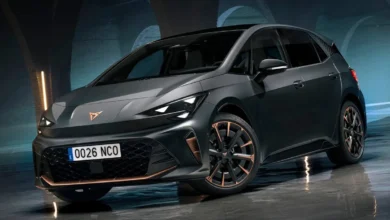
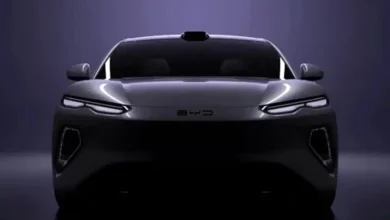
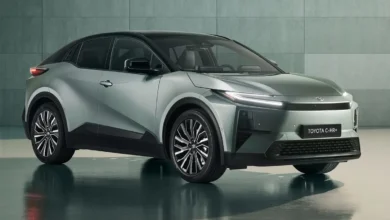
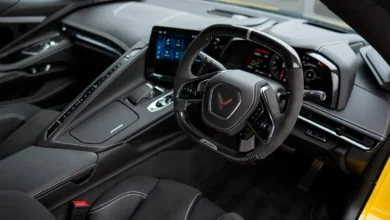
Gallery: Photo: SAIC Z7
More than just another electric sedan, the 2027 SAIC Z7 represents a shift toward smart mobility where vehicles become intelligent platforms that interact with drivers, passengers, and surrounding infrastructure. With a combination of advanced hardware, artificial intelligence, and innovative design, the Z7 showcases how the next generation of vehicles will evolve beyond traditional transportation to become integrated components of the digital lifestyle.
Exterior Design: Aerodynamic Elegance Meets Futuristic Styling
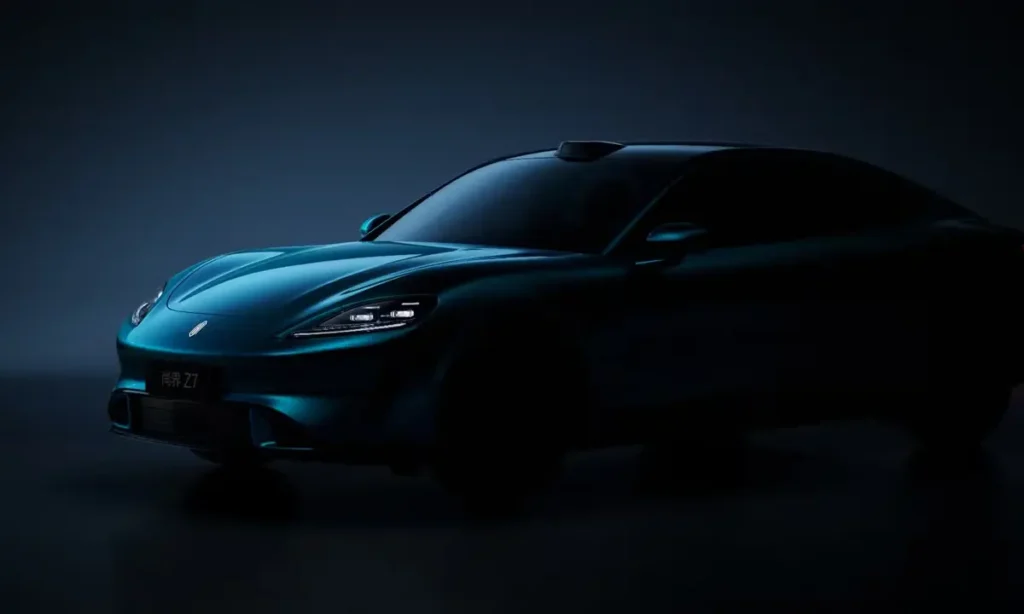
The design of the 2027 SAIC Z7 demonstrates a clear focus on aerodynamic efficiency and modern aesthetics. As electric vehicles become more common, designers have greater flexibility to experiment with new shapes and proportions because electric powertrains require fewer cooling components than traditional engines. This allows for smoother body surfaces and more streamlined designs.
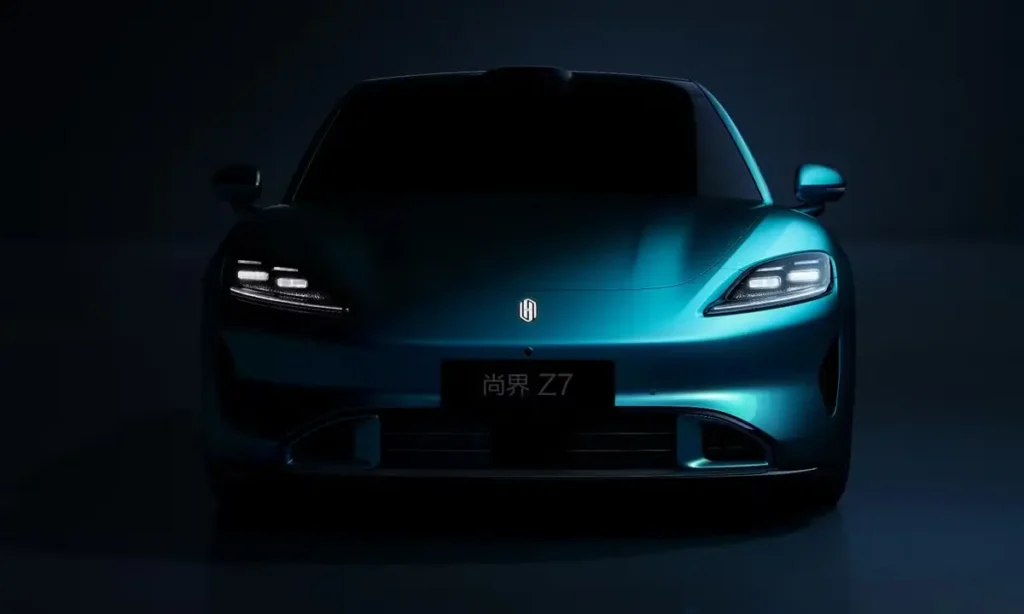
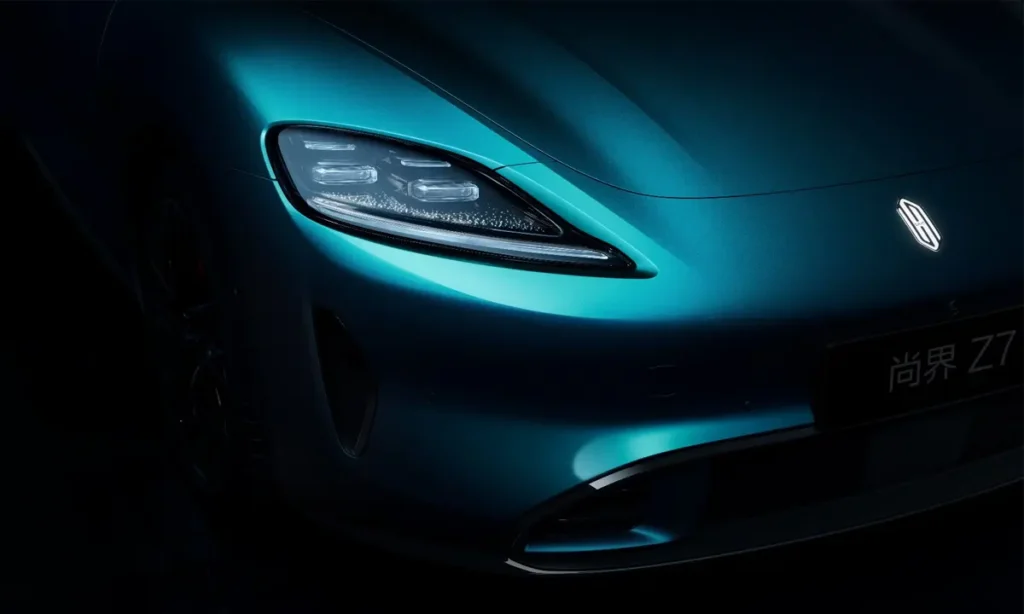
At the front of the Z7, the absence of a traditional grille immediately signals that the vehicle is fully electric. Instead of a large air intake, the front fascia features a minimalist design with narrow LED headlights and carefully sculpted surfaces that guide airflow across the body. The lighting technology used in the Z7 incorporates advanced LED elements capable of creating unique visual signatures that distinguish the car during both day and night driving.
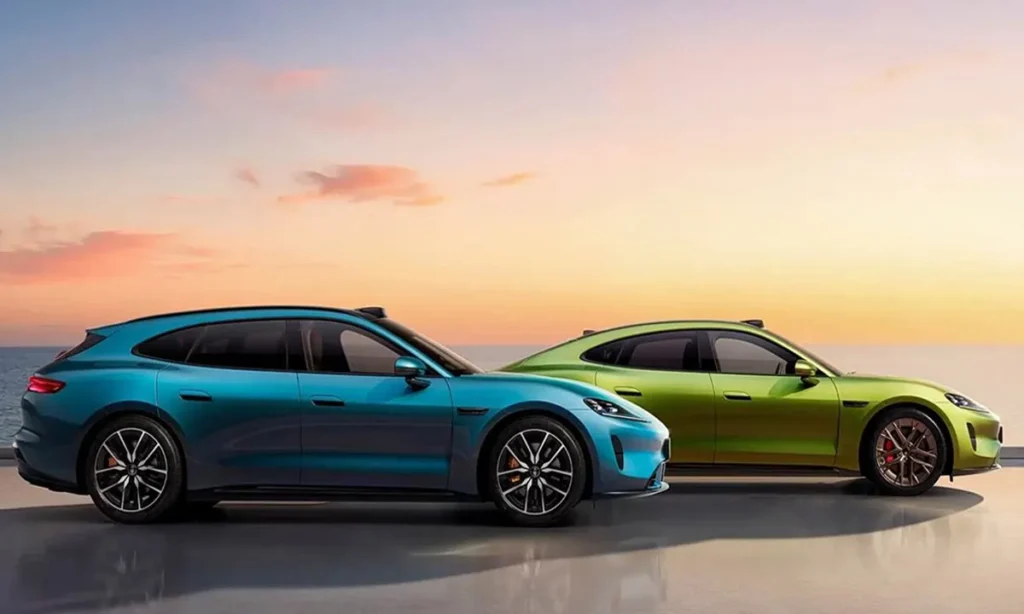
The side profile reveals one of the Z7’s most striking design features: its fastback silhouette. The roofline flows smoothly toward the rear of the vehicle, giving it a coupe-like appearance while maintaining the practicality of a four-door sedan. This aerodynamic shape not only enhances visual appeal but also improves efficiency by reducing drag at higher speeds.
Designers have also incorporated semi-hidden door handles that retract into the body when not in use. This feature improves aerodynamics while contributing to the vehicle’s clean and futuristic look. Large alloy wheels and sculpted side panels create a sense of strength and performance, reinforcing the vehicle’s premium positioning in the electric sedan market.
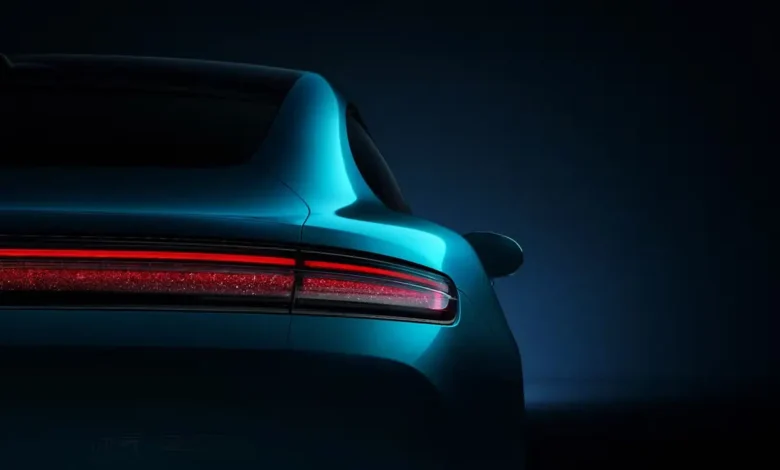
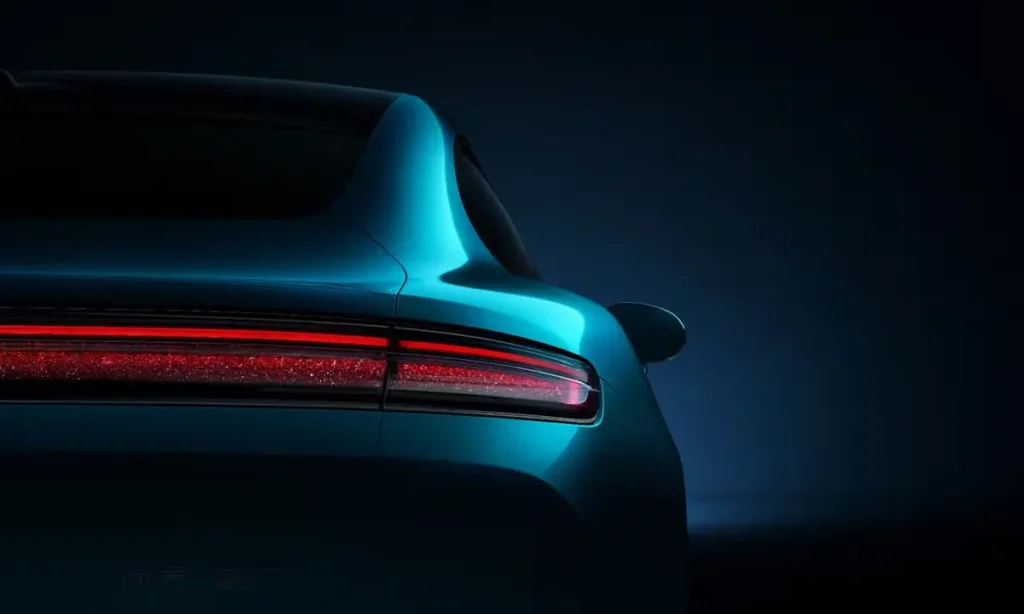
At the rear, the Z7 continues its futuristic design language with a full-width LED light bar that stretches across the entire width of the vehicle. This lighting feature creates a distinctive nighttime signature and emphasizes the car’s modern identity. The rear bumper integrates aerodynamic elements designed to manage airflow and improve high-speed stability.
Overall, the exterior design of the SAIC Z7 combines elegance, performance, and technological sophistication. It reflects the growing trend among electric vehicle manufacturers to create vehicles that look both futuristic and efficient.
Electric Powertrain and Battery Technology
The heart of the 2027 SAIC Z7 lies in its advanced electric powertrain system. Unlike traditional vehicles that rely on internal combustion engines, the Z7 is powered entirely by electric motors and high-capacity battery packs. This configuration allows the vehicle to deliver impressive performance while producing zero direct emissions.
The Z7 is expected to be available with both rear-wheel-drive and all-wheel-drive configurations. The rear-wheel-drive model focuses on efficiency and long driving range, while the dual-motor all-wheel-drive version provides enhanced performance and traction. Electric motors generate instant torque, allowing the vehicle to accelerate quickly and smoothly without the delays associated with conventional engines.
Battery technology plays a crucial role in the performance of electric vehicles, and the Z7 utilizes high-capacity lithium-based battery packs developed in collaboration with leading battery manufacturers. These battery systems are designed to provide long driving range while maintaining durability and safety.
The larger battery configuration is expected to deliver a driving range exceeding 700 kilometers under the CLTC testing cycle. This range places the Z7 among the most capable electric sedans in its class and ensures that drivers can travel long distances without frequent charging stops.
Another important innovation in the Z7’s powertrain system is its 800-volt electrical architecture. This high-voltage system allows the vehicle to support ultra-fast charging technology, enabling the battery to gain significant driving range within a short charging session. In ideal conditions, the system can add hundreds of kilometers of range in just a few minutes, significantly reducing charging time during long trips.
The Z7 also incorporates regenerative braking technology, which captures energy during deceleration and converts it back into electrical power stored in the battery. This process improves overall efficiency and extends the vehicle’s driving range.
Intelligent Technology and Autonomous Driving Capabilities
One of the most defining aspects of the 2027 SAIC Z7 is its integration of advanced intelligent technology. Through its partnership with Huawei, the vehicle incorporates sophisticated software systems designed to enhance both convenience and safety.
The Z7 is expected to feature Huawei’s advanced driver assistance system known as Qiankun ADS. This system uses a combination of cameras, radar sensors, and LiDAR technology to monitor the vehicle’s surroundings in real time. By analyzing environmental data, the system can assist with functions such as adaptive cruise control, lane keeping, automatic braking, and traffic navigation.
LiDAR sensors play a particularly important role in enabling advanced driver assistance features. These sensors use laser technology to create detailed three-dimensional maps of the surrounding environment. This allows the vehicle to detect obstacles, pedestrians, and other vehicles with high precision.
In addition to safety systems, the Z7 includes a highly connected digital ecosystem powered by Huawei’s HarmonyOS. This platform allows seamless integration between the vehicle and other smart devices such as smartphones, tablets, and home automation systems. Drivers can access navigation, entertainment, and vehicle settings through an intuitive interface designed to simplify the driving experience.
Artificial intelligence also enhances the vehicle’s functionality through advanced voice recognition systems. Drivers can control various vehicle functions using natural language commands, reducing the need to interact with physical controls while driving.
Interior Design: A Digital Luxury Experience
Inside the 2027 SAIC Z7, the interior reflects a modern approach to automotive design that emphasizes both comfort and technology. The cabin features a minimalist layout dominated by large digital displays and high-quality materials.
The dashboard includes a slim digital instrument cluster positioned behind the steering wheel, providing drivers with essential information such as speed, battery status, and navigation guidance. The central infotainment screen offers access to multimedia systems, climate controls, and vehicle settings.
One of the most innovative interior features is the rotating “Sunflower” display, which can tilt toward the driver to improve visibility and usability. This feature highlights the growing importance of digital interfaces in modern vehicles.
Premium materials such as leather upholstery, soft-touch surfaces, and metallic trim accents contribute to the cabin’s luxurious atmosphere. Ambient lighting systems allow drivers to customize the interior environment according to personal preferences.
Because the Z7 belongs to the mid-to-large sedan category, it offers generous interior space. Both front and rear passengers benefit from comfortable seating and ample legroom, making the vehicle suitable for long-distance travel.
Driving Dynamics and Platform Engineering
The 2027 SAIC Z7 is built on Huawei’s advanced Tuling electric vehicle platform. This platform integrates the powertrain, battery system, and intelligent driving technologies into a unified architecture designed for high efficiency and performance.
The suspension system features a double-wishbone setup at the front and a multi-link configuration at the rear. This design improves handling stability while maintaining ride comfort on various road surfaces.
Air suspension technology is also available in higher trim levels. This system allows the vehicle to adjust ride height and suspension stiffness depending on driving conditions, providing a balance between comfort and sporty performance.
Combined with electric torque delivery and intelligent chassis control systems, the Z7 offers a smooth yet engaging driving experience that appeals to a wide range of drivers.
Market Position and Competitive Landscape
The SAIC Z7 enters a rapidly growing segment of the global automotive market: premium electric sedans equipped with advanced digital ecosystems. In China, the vehicle will compete with models such as the Xiaomi SU7 and other technologically advanced EVs.
SAIC’s strategy is to offer a combination of premium design, long driving range, and intelligent features at a competitive price point. The estimated price range of the Z7 is expected to fall between 250,000 and 350,000 yuan, making it an attractive option for consumers seeking advanced technology without the high cost associated with luxury brands.
By leveraging Huawei’s technology ecosystem and SAIC’s manufacturing capabilities, the Z7 is positioned to become a significant competitor in the electric sedan market.
Read: Porsche Taycan Turbo S: The Pinnacle of Electric Performance and Future-Focused Engineering
Conclusion: A Glimpse into the Future of Intelligent Electric Vehicles
The 2027 SAIC Z7 represents a bold vision for the future of intelligent electric mobility. Through its combination of advanced electric powertrain technology, sophisticated driver assistance systems, and a digitally focused interior environment, the Z7 demonstrates how the next generation of vehicles will evolve.
As electric vehicles become increasingly integrated with digital ecosystems and artificial intelligence, models like the Z7 will play a crucial role in shaping the future of transportation. The collaboration between SAIC and Huawei highlights how partnerships between automotive manufacturers and technology companies can accelerate innovation and create vehicles that meet the demands of modern consumers.
With its sleek design, powerful performance, and advanced intelligent features, the SAIC Z7 stands as a compelling example of how electric vehicles are redefining the automotive industry.
2027 SAIC Z7 – Specifications & Performance Chart
| Category | Specification |
| Manufacturer | SAIC Motor |
| Vehicle Type | Electric Sedan |
| Platform | Huawei Tuling EV Platform |
| Drivetrain | Rear-Wheel Drive / All-Wheel Drive |
| Battery Options | 80 kWh and 100 kWh |
| Maximum Range | Up to 700 km (CLTC estimate) |
| Charging System | 800V Ultra-Fast Charging |
| Suspension | Double Wishbone Front, Multi-Link Rear |
| Autonomous Technology | Huawei Qiankun ADS with LiDAR |
| Infotainment System | Huawei HarmonyOS Digital Cockpit |
| Seating Capacity | 5 Passengers |
| Estimated Length | Approximately 5,000 mm |
| Estimated Price | 250,000 – 350,000 Yuan |
| Expected Launch | 2026–2027 |