How Much Does the 2026 Yamaha R7 Cost? Is It Worth Every Dollar?
A Redesigned Frame, Third-Generation Quickshifter, 6-Axis IMU, Five Ride Modes, Brembo Brakes, Spin-Forged Wheels and a 5-Inch TFT Display with Smartphone Connectivity — The 2026 Yamaha R7 Arrives at $9,399 as the Most Technologically Advanced Sub-$10,000 Supersport Motorcycle in America
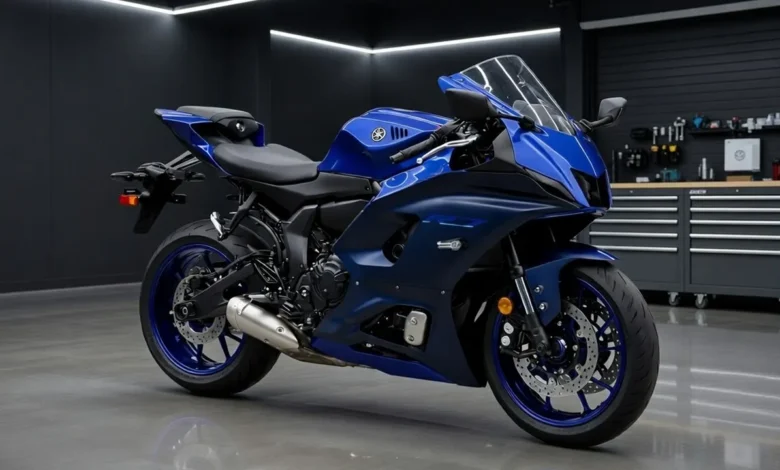
2026 Yamaha R7: There is a sweet spot in the motorcycle market that every serious rider understands instinctively — the category where price accessibility, genuine performance capability and track-ready hardware converge without asking the buyer to compromise on any of the three. For years, that category was defined by ageing 600cc supersports that were fast but punishing to ride on public roads, or by naked middleweight twins that were approachable but visually uninspiring. The 2026 Yamaha YZF-R7 is Yamaha’s answer to that gap — a fully faired supersport built around the proven CP2 crossplane parallel-twin engine from the MT-07, comprehensively updated for 2026 with a redesigned chassis, advanced electronics previously unavailable in this price bracket and aggressive R-Series styling that positions it unmistakably in the lineage of the R1. At $9,399, the question the market is asking is whether that price is justified by the product it buys.
The 2026 Yamaha R7 Price Breakdown
The 2026 Yamaha YZF-R7 carries a Manufacturer’s Suggested Retail Price of $9,399 in its standard configuration across three available colours: Team Yamaha Blue, Raven Black and Breaker Cyan/Raven. Yamaha also offers a limited 70th Anniversary Edition — finished in iconic white and red speed block livery referencing the 1999 YZF-R7 superbike and featuring gold Tuning Fork emblems — priced at $9,699. All prices represent MSRP before taxes, dealer preparation, freight and documentation charges, which will add $500 to $1,500 depending on state and dealership. Yamaha is also offering introductory financing at 2.99 percent APR for qualified buyers for an initial 24-month period.
What Changed for 2026: A Generation-Defining Update
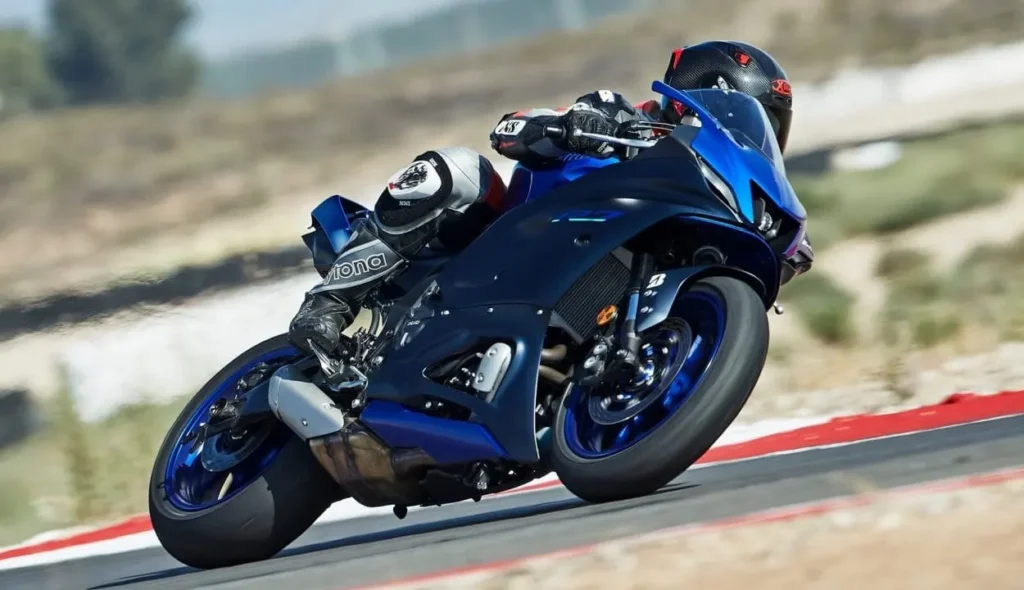
The 2026 R7 is not a minor refresh. It represents the most significant update to the model since it was introduced in 2022, with changes spanning the chassis, electronics, ergonomics and styling simultaneously.
The most consequential mechanical update is the addition of Yamaha’s Chip Controlled Throttle — a ride-by-wire throttle system that unlocks the entire electronics package for the first time on the R7. A new 6-axis Inertial Measurement Unit provides real-time data to the electronics package, enabling traction control, slide control, front wheel lift control, brake control and engine brake management — rider aids previously found only on significantly more expensive motorcycles. The ride mode selection expands to include Sport, Street and Rain modes, two customisable Custom modes and four track-specific Track modes, giving the rider more granular control over chassis behaviour than any competitor at this price can match.
Yamaha’s third-generation Quick Shift System is now standard equipment — enabling clutchless upshifts and downshifts under both acceleration and deceleration — joining Launch Control as standard features that would cost thousands of dollars as options on comparable sport bikes from premium European brands. The new 10-spoke aluminium SpinForged wheels reduce unsprung mass, and the standard Bridgestone Battlax Hypersport S23 tyres represent an upgrade over the previous fitment that many competitors at this price point still supply with less capable rubber.
The high-tensile steel tubular frame and asymmetrical swingarm have both been redesigned for optimised rigidity balance, and the seat is 5 millimetres lower with a reshaped profile that aligns the ergonomic package more closely with the R1 and R9. The handlebar position, fuel tank shape and footpeg location have all been revised to produce a more committed yet refined riding position.
Key Specifications
| Specification | 2026 Yamaha R7 |
| Engine | 689cc CP2 Crossplane Parallel-Twin |
| Power | 73 hp at 8,750 rpm |
| Torque | 50 lb-ft (68 Nm) at 6,500 rpm |
| Transmission | 6-Speed with 3rd-Gen Quickshifter (standard) |
| Frame | Revised High-Tensile Steel Tubular |
| Front Suspension | 41mm Inverted Telescopic Fork (120mm travel) |
| Rear Suspension | Link-Type with Redesigned Swingarm (121mm travel) |
| Front Brakes | Dual 298mm Discs / Radial-Mount Calipers / Brembo RMC |
| Rear Brake | Single 245mm Disc |
| Wheels | 10-Spoke SpinForged Aluminium |
| Tyres | Bridgestone Battlax Hypersport S23 |
| Wet Weight | Approx. 189 kg (416 lbs) |
| Seat Height | 830mm (32.7 inches) |
| Fuel Capacity | 13.0 litres (3.4 gallons) |
| Display | 5-Inch Full-Colour TFT with Smartphone Connectivity |
| Ride Modes | Sport / Street / Rain + 2 Custom + 4 Track |
| Electronics | 6-Axis IMU, TC, SC, LFC, BC, EBM, Launch Control |
| MSRP (Standard) | $9,399 |
| MSRP (70th Anniversary) | $9,699 |
How the 2026 R7 Compares Against Its Rivals
| Model | Engine | Power | Weight | MSRP (USA) |
| 2026 Yamaha R7 | 689cc Parallel-Twin | 73 hp | 189 kg | $9,399 |
| 2026 Honda CBR650R | 649cc Inline-Four | ~95 hp | 211 kg | ~$9,999 |
| 2026 Kawasaki Ninja 650 | 649cc Parallel-Twin | ~67 hp | 196 kg | ~$8,399 |
The comparative picture that emerges from these numbers is instructive. The CBR650R delivers more peak power from its inline-four architecture but carries 22 kilograms of additional weight compared to the R7, costs approximately $600 more in base specification and offers a less advanced electronics package. The Kawasaki Ninja 650 is $1,000 less than the R7, but brings significantly less power, no IMU-based rider aids and an ergonomic setup oriented toward touring comfort rather than supersport precision. Against both rivals, the R7’s 2026 electronics package — 6-axis IMU, traction control, slide control, launch control and a third-generation quickshifter as standard — represents a substantial competitive advantage that neither the CBR nor the Ninja can match at their respective price points.
Read: Motorcycle Maintenance Cost Comparison 2026. The True Price of Two Wheels
Is the 2026 Yamaha R7 Worth $9,399?
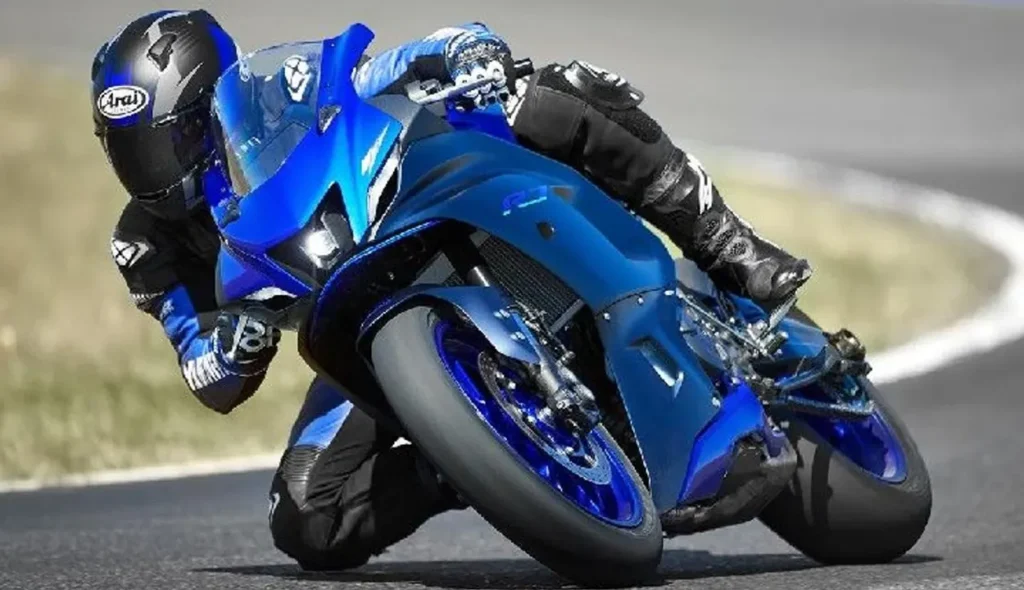
The value question for the 2026 R7 has a clear and context-specific answer. For the rider whose priorities are track performance, genuine supersport riding character, the most advanced electronics available below $10,000 and the lighter, more flickable chassis that the R7’s 189-kilogram wet weight provides, the $9,399 purchase price is not merely justified — it is exceptional value for the specification it purchases. No motorcycle currently available in the United States at or below this price delivers a comparable combination of Brembo braking hardware, SpinForged wheel technology, 6-axis IMU-informed electronics, a standard quickshifter and launch control within a fully faired supersport package with genuine R-Series racing DNA. The 2026 R7’s update cycle has meaningfully closed the technology gap between this price bracket and the bikes that cost $4,000 to $8,000 more.
The caveats are equally important. The R7’s aggressive ergonomics — clip-on handlebars, rear-set footpegs and an 830-millimetre seat height — make it a committed riding proposition that demands physical engagement on every ride. Riders who prioritise long-distance comfort, two-up capability or ease of use in dense urban traffic will find the Honda CBR650R’s more upright posture and the Kawasaki Ninja 650’s approachable ergonomics more compatible with daily use. The R7’s 73 horsepower output, while entirely sufficient for spirited road riding and track days, trails the CBR650R’s revvier inline-four by approximately 22 horsepower — a difference felt most prominently at the top of the rev range on faster track circuits. And the 13-litre fuel tank limits touring range in ways that the Kawasaki and Honda’s larger capacity tanks do not.
For the enthusiast who wants a motorcycle that rides every day like a racing machine rather than a touring compromise — and who recognises that the 2026 update has transformed the R7 from a well-specified entry-level supersport into a genuinely electronically sophisticated track tool at a price the industry has rarely offered — the answer to whether the 2026 Yamaha R7 is worth its asking price is straightforwardly yes. It is the best sub-$10,000 motorcycle for performance-focused riders that Yamaha has ever built.


4 Comments