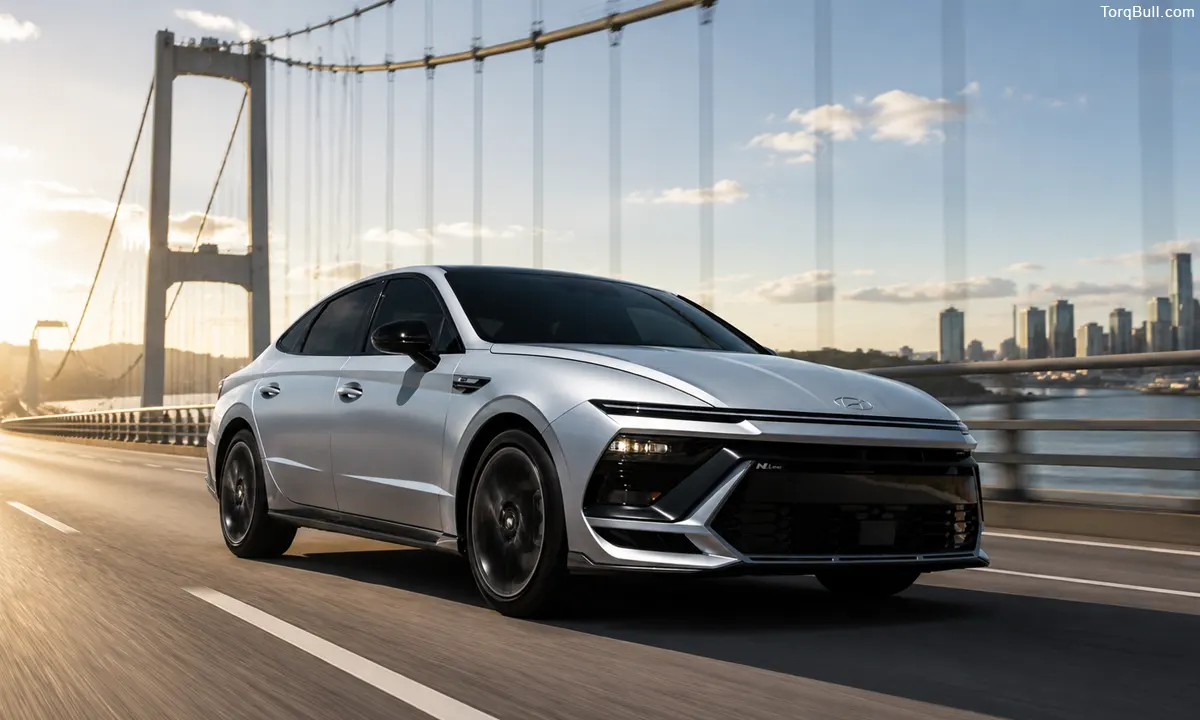
- The 2026 Hyundai Sonata Hybrid Blue delivers an EPA-estimated 51 MPG combined, with real-world tests slightly exceeding that figure.
- SEL and Limited trims are rated at 47 MPG combined and achieved similar real-world efficiency results.
- Owner-reported data shows an average of 42 MPG across 6,817 miles of driving.
The 2026 Hyundai Sonata Hybrid occupies a genuinely impressive position in the midsize sedan segment’s efficiency rankings — and it does so with real world data that validates its EPA estimates rather than falling short of them, as the majority of tested vehicles do. Professional evaluation of the SEL trim returned just over 51 MPG on a mixed driving route against the 47 MPG EPA combined figure for that trim — a result that evaluation teams described as more impressive because most test vehicles slightly underperform their EPA numbers rather than exceeding them. The Sonata Hybrid’s fuel economy performance is one of the specific competitive credentials that keeps this vehicle on the shortlist of the segment’s most efficient midsize sedans alongside the Toyota Camry Hybrid and Honda Accord Hybrid. This guide provides every fuel economy number, every trim level distinction and the complete real world ownership picture that every Sonata Hybrid buyer needs.
The EPA Ratings: Two Distinct Efficiency Profiles Within One Lineup
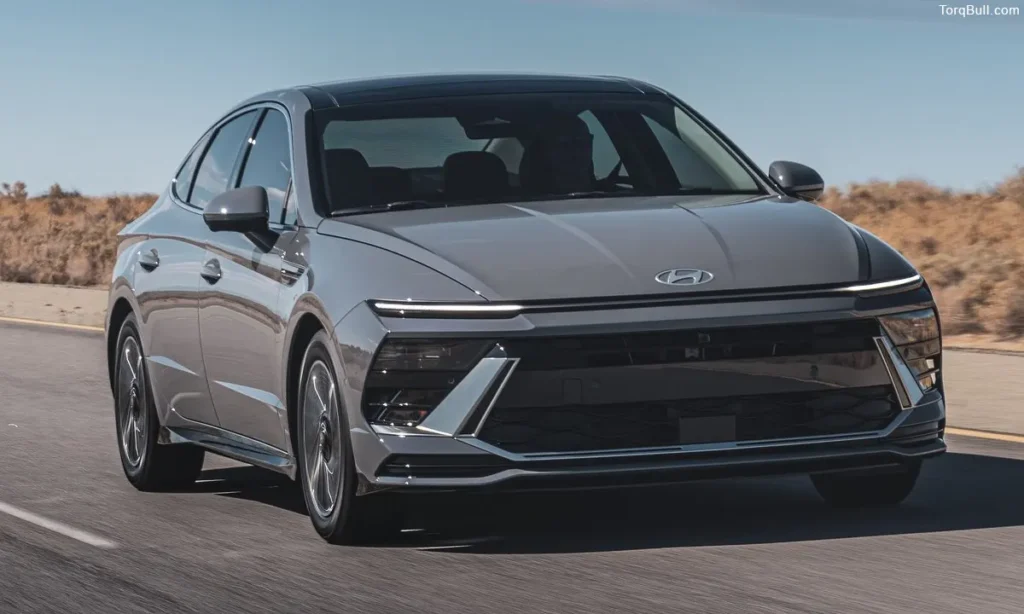
The 2026 Hyundai Sonata Hybrid lineup divides into two distinct efficiency profiles that reflect different trim level priorities — and understanding this distinction is essential for buyers who are comparison shopping based on the headline fuel economy figure.
The Sonata Hybrid Blue is the efficiency leader of the lineup and one of the most fuel efficient midsize hybrid sedans available in the American market in 2026. The Blue trim carries an EPA estimate of 47 MPG city, 56 MPG highway and 51 MPG combined — figures that exceed all but the base Toyota Camry Hybrid’s 52 city and 49 highway combined rating of 51 MPG among direct midsize hybrid sedan competitors. The Blue trim achieves this efficiency advantage through a combination of aerodynamic optimisation, reduced accessory load and the standard six speed automatic transmission that provides a more conventional and predictable shift character than the CVT transmissions used in competing hybrid systems.
The SEL and Limited trims carry a modestly reduced EPA estimate of 44 MPG city, 51 MPG highway and 47 MPG combined. This 4 MPG combined reduction from the Blue trim reflects the additional weight of the upper trims’ more comprehensive feature equipment and, where applicable, the slightly different aerodynamic configuration. At 47 MPG combined, the SEL and Limited trims still exceed all 2026 Honda Accord Hybrid configurations and match or exceed most Toyota Camry Hybrid trims outside the base model — maintaining a competitive efficiency position despite the modest reduction from the Blue trim’s headline figure.
The powertrain that achieves both efficiency profiles is a 2.0 litre naturally aspirated four cylinder engine paired with an electric motor and a 1.6 kWh lithium ion battery, producing 192 combined horsepower through a six speed automatic transmission. The six speed automatic is a specific engineering choice that Hyundai made deliberately for the Sonata Hybrid rather than adopting the CVT or dual clutch alternatives that some competing hybrid systems use — producing a more natural, more predictable driving feel that owners consistently describe as one of the Sonata Hybrid’s most pleasant daily attributes.
Read: Hyundai Sonata vs Toyota Camry Which Is Better in 2026?
Real World Testing: The Results That Exceeded EPA Expectations
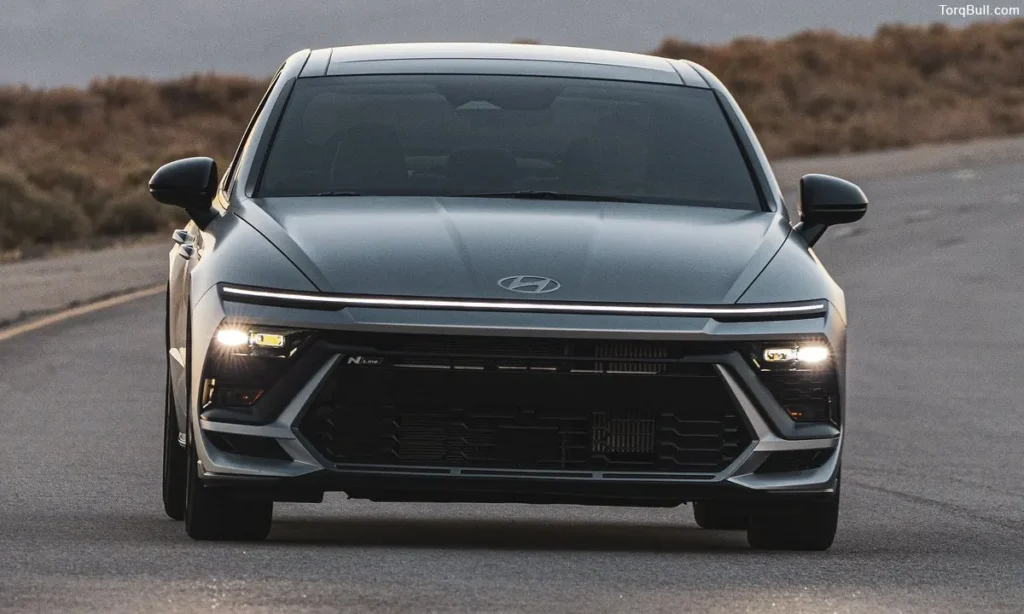
The most practically useful fuel economy data is not the EPA estimate but the real world evaluation route results produced by independent testing under conditions that more closely approximate actual driving patterns than the EPA’s standardised cycles.
The professional evaluation of the 2026 Sonata Hybrid SEL produced just over 51 MPG on a mixed city and highway driving route — exceeding the 47 MPG EPA combined estimate for that trim by 4 MPG. This is a remarkable result. Most vehicles tested on real world evaluation routes produce fuel economy figures at or below their EPA combined estimates, because real world conditions including higher average speeds, more aggressive acceleration patterns and real world accessory loads typically produce less favourable outcomes than the EPA test cycle assumes. The Sonata Hybrid’s above EPA real world result suggests the 47 MPG combined estimate for the SEL and Limited trims is conservatively calibrated — and that real world owners who drive moderately will approach or exceed this figure in mixed conditions.
For the Blue trim rated at 51 MPG combined, the same pattern implies real world results potentially approaching or exceeding 51 MPG in equivalent conditions — making the Blue trim’s efficiency credentials genuinely extraordinary for a midsize sedan at its price point of $29,300 before destination.
A weeklong professional evaluation of the Limited trim in upstate New York produced specific qualitative confirmation of the quantitative data. The reviewer confirmed thoroughly enjoyable driving throughout the test period with no major complaints, and specifically noted that the comfortable interior almost convinced them they were in a luxury vehicle — contextualising the fuel economy achievement alongside the Sonata Hybrid’s other ownership attributes.
Owner Tracked Real World Data: The 42 MPG Average From 6,817 Miles
Owner submitted fuel tracking data, aggregated from fill up records submitted by actual Sonata Hybrid owners across verified driving miles, provides the most democratically representative real world efficiency picture available for any vehicle — because it captures the full range of driving styles, climates and conditions across a diverse ownership population rather than the carefully managed conditions of a professional evaluation route.
For the 2026 Hyundai Sonata Hybrid, owner tracking data from 22 fill up submissions across 6,817 miles of documented ownership produces an average of 42.0 MPG. This figure is 5 MPG below the SEL and Limited EPA combined estimate of 47 MPG and 9 MPG below the Blue trim’s 51 MPG combined figure. The gap between EPA estimates and owner tracked averages reflects several real world variables: owners who drive at higher average highway speeds than the EPA test cycle assumes, owners who use more aggressive acceleration patterns than moderate evaluation conditions, and the statistical inclusion of owners in cold climate regions where winter fuel economy reductions bring averages below warm weather peaks.
The 42 MPG owner average, placed in competitive context, remains an impressive real world efficiency achievement for a midsize family sedan. A 30 MPG gasoline midsize sedan at $3.08 per gallon costs approximately $1,540 per year for 15,000 annual miles. The Sonata Hybrid at 42 MPG owner average costs approximately $1,100 per year for the same mileage — an annual saving of approximately $440 that compounds meaningfully across a five year ownership period.
Owner reviews aggregated from multiple platforms consistently identify fuel economy as one of the Sonata Hybrid’s most praised attributes, with specific owner feedback describing the vehicle as quiet, great MPG, big trunk and really nice interior in a summary that captures the hybrid’s core ownership proposition. Owners give the Sonata Hybrid a 4.2 out of 5 rating with 80 percent recommending it, with fuel economy identified as a top attribute alongside safety, comfort and value.
Read: Hyundai Sonata Turbo Engine Real-World Test. Is It Truly Impressive?
City vs Highway: The Hybrid’s Inverted Efficiency Profile
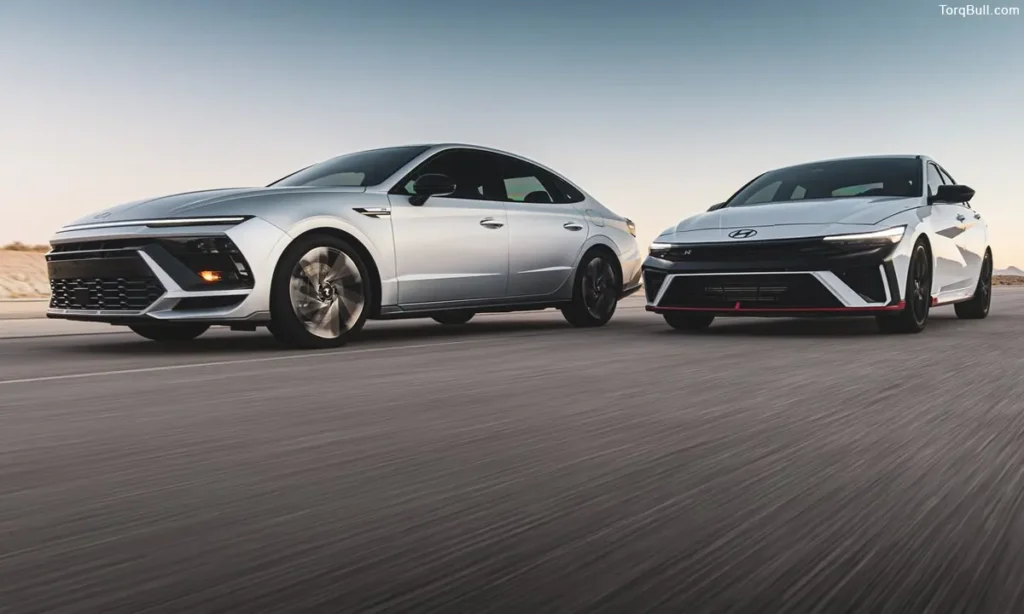
The 2026 Sonata Hybrid demonstrates the characteristic of all hybrid vehicles where city driving produces better fuel economy than highway driving — an inversion of the conventional gasoline vehicle pattern that surprises buyers accustomed to expecting better highway than city numbers.
The Blue trim’s EPA figures of 47 MPG city and 56 MPG highway appear to follow the conventional pattern of higher highway than city efficiency. However, this specific hybrid system’s highway advantage reflects the extremely low rolling resistance of steady state highway cruising combined with the regenerative braking system’s ability to recover meaningful energy during the light deceleration events that occur on flowing highway traffic — allowing the gasoline engine to operate at its most efficient load point for extended periods.
In real world city driving with frequent stop and go conditions, the Sonata Hybrid’s regenerative braking system recovers kinetic energy at every deceleration event. This energy recovery allows the vehicle to cover low speed movement on electric power alone, reducing gasoline engine engagement during the short trip, low speed conditions where conventional gasoline engines are inherently least efficient. The result is city efficiency that approaches or matches highway efficiency — making the Sonata Hybrid’s total mixed driving efficiency far less sensitive to the city versus highway ratio of any specific owner’s driving profile than a conventional gasoline vehicle’s efficiency would be.
Hyundai Sonata Hybrid Fuel Economy — Complete 2026 Reference Chart
| Trim | EPA City MPG | EPA Highway MPG | EPA Combined MPG | Annual Fuel Cost (15K miles at $3.08) | Real World Professional Test | Owner Tracked Average |
| Blue | 47 MPG | 56 MPG | 51 MPG | approximately $906 | Exceeds EPA (similar to SEL test) | 42 MPG estimated |
| SEL | 44 MPG | 51 MPG | 47 MPG | approximately $983 | Just over 51 MPG | 42 MPG average |
| Limited | 44 MPG | 51 MPG | 47 MPG | approximately $983 | Just over 51 MPG | 42 MPG average |
| Toyota Camry LE Hybrid (comparison) | 52 MPG | 49 MPG | 51 MPG | approximately $906 | Comparable to Blue trim | Industry reference |
| Honda Accord Hybrid (comparison) | 44 MPG | 41 MPG | 44 MPG | approximately $1,050 | Below Sonata Hybrid | Segment comparison |
Annual fuel cost calculated at $3.08 per gallon, 15,000 miles per year, using respective EPA combined figures.
Read: Hyundai Sonata N Line Full Review 2026. The Last Affordable Performance Sedan Standing
The Total Driving Range: 600 Plus Miles Before Refuelling
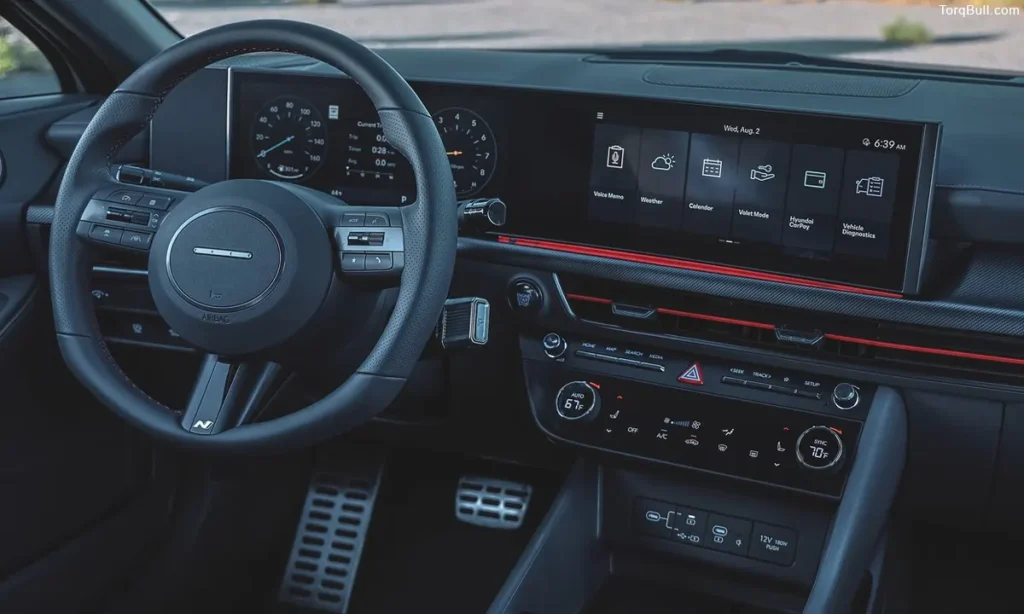
The Sonata Hybrid’s fuel economy advantage translates into an extended driving range that most gasoline midsize sedan owners would find meaningfully more convenient in terms of refuelling frequency. The 13.2 gallon fuel tank combined with the Blue trim’s 51 MPG combined efficiency produces a theoretical full range exceeding 670 miles under ideal conditions. In real world mixed driving using the 42 MPG owner tracked average, the practical range from a full tank is approximately 555 miles — still comfortably beyond the range that most family driving patterns exhaust between fill ups.
For road tripping families, the extended range between fuel stops reduces the frequency and planned duration of fuel station visits compared to gasoline sedan alternatives at 30 to 35 MPG, where the same 13 to 14 gallon tank produces 400 to 490 miles of range. The Sonata Hybrid’s efficiency advantage is most financially meaningful on long highway drives where the 56 MPG highway figure for the Blue trim produces exceptional per mile fuel costs.