- The Honda Pilot’s average annual maintenance and repair cost is $542, below both midsize SUV and overall vehicle averages.
- Five-year maintenance costs are estimated at approximately $6,482 based on ownership data.
- While affordable for its segment, the Pilot costs more to maintain than smaller Honda models and has a higher-than-average repair frequency.
The Honda Pilot’s reputation for long term durability is one of the most frequently cited reasons buyers choose it over competing three row midsize SUVs — and the maintenance cost data that independent repair invoice databases have accumulated across all Pilot model years largely validates this reputation. At $542 per year in average annual maintenance and repair costs, the Pilot is not an expensive vehicle to maintain in absolute terms. It is below the midsize SUV segment average of $573, well below the all vehicle average of $652 and positioned among the more cost effective vehicles in its class for ongoing ownership expenses. However, the honest answer to whether the Pilot is expensive to maintain requires examining not just the average figure but the specific factors that determine where any individual owner falls within the range that the average summarises — and what the five year total cost picture looks like compared to the competitive alternatives that influence the purchase decision.
The Annual Maintenance Cost: What the Data Shows
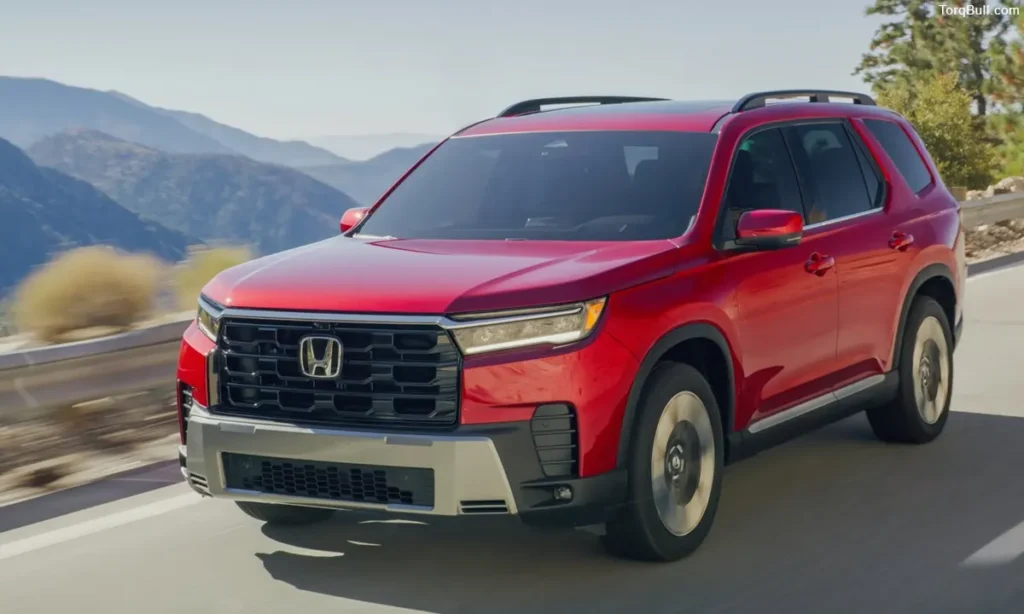
Independent repair invoice data across all Honda Pilot model years produces a consistent and verifiable annual maintenance cost figure that represents the most practically useful planning number for prospective owners.
The average annual maintenance and repair cost for the Honda Pilot is $542 — slightly below the $573 midsize SUV segment average and approximately 17 percent below the $652 all vehicle average that broader datasets produce when compact cars, luxury vehicles and trucks are included alongside midsize SUVs. This positioning reflects the Pilot’s genuinely competitive maintenance cost profile relative to the vehicles it most directly competes against in the showroom.
A separate dataset that focuses specifically on routine scheduled maintenance — oil changes, tyre rotations, filter replacements and fluid services without the unscheduled repair component — places the annual scheduled maintenance cost at approximately $338. This lower figure represents the ownership years where no unexpected repair visits are required and the service schedule progresses normally through its anticipated intervals. The difference between $338 and $542 annually reflects the cost of unscheduled repairs and maintenance — the warranty covered and out of warranty events that occur with varying frequency across the ownership population.
Five year total maintenance costs from comprehensive ownership cost analysis including both scheduled and unscheduled maintenance across 15,000 annual miles totals approximately $6,482. This five year figure positions the Pilot in the middle range of five year maintenance cost among midsize SUV competitors — not the cheapest option available but not the most expensive, and reflecting a maintenance trajectory that is predictable and manageable for families planning around a five year ownership horizon.
Read: Honda Pilot Engine Performance: Smooth V6 Power or Just Average?
Repair Frequency: The One Metric That Deserves Attention
The $542 annual average is below the segment average — but the Honda Pilot’s repair frequency is rated as higher than normal for its vehicle category, meaning Pilot owners bring their vehicles to the shop for unscheduled issues more often than the typical midsize SUV owner. This higher repair frequency requires contextual understanding to evaluate accurately.

Repair frequency measures how often an unscheduled repair visit occurs, not how expensive that visit is when it does occur. The Pilot’s higher visit frequency does not indicate that each visit costs more than a competitor’s equivalent repair — it indicates that minor issues requiring attention arise somewhat more often than the segment norm. The severity rating for the Pilot confirms that when repairs do occur, the probability of that repair being a major high cost issue is at or below the segment average. Together these two data points produce a characterisation of the Pilot as a vehicle that generates more minor repair events than average but does not produce unusually expensive or severe repair outcomes when those events occur.

For family owners who measure maintenance convenience by how often the vehicle requires shop attention rather than how much each visit costs, the higher repair frequency is worth acknowledging — it implies more service appointments annually than competing vehicles with lower repair frequency, which carries a time cost alongside the modest financial implication.
Item by Item Scheduled Maintenance Costs: What Each Service Requires
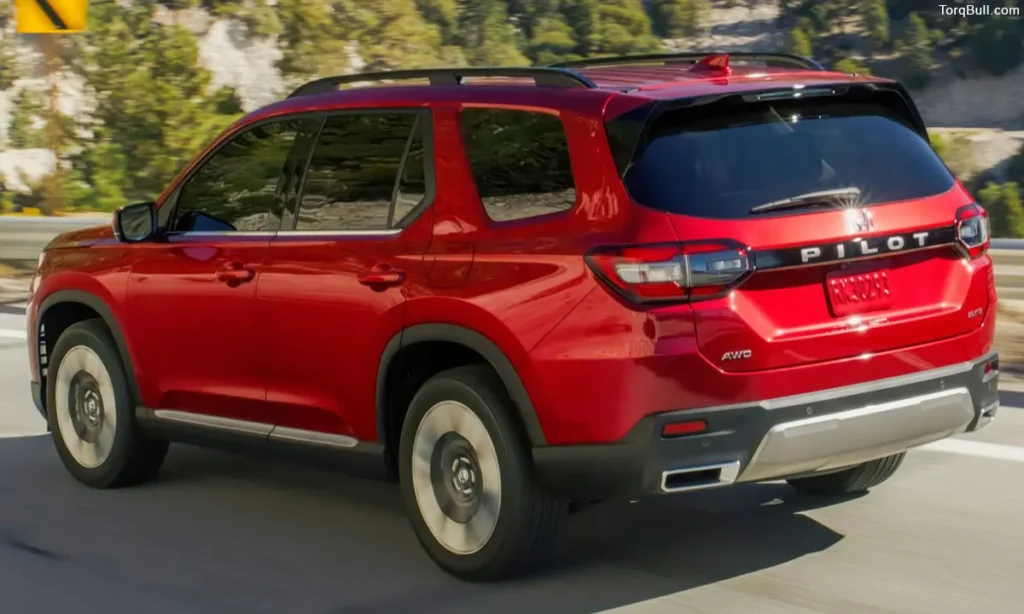
Oil and Filter Change
The 2026 Honda Pilot’s 3.5 litre V6 engine uses full synthetic engine oil, with Honda’s Maintenance Minder system alerting owners when an oil change is recommended based on actual engine conditions rather than a fixed mileage interval. In practice, full synthetic oil changes for the Pilot occur approximately every 7,500 to 10,000 miles under normal driving conditions. Dealer oil change cost for the Pilot V6 with full synthetic is approximately $80 to $110 per service. At two services per year covering 15,000 annual miles, the annual oil change cost is approximately $160 to $220.
Tyre Rotation
Tyre rotation is recommended every 5,000 to 7,500 miles — at 15,000 annual miles, two to three rotations per year at approximately $50 to $65 per rotation produces an annual tyre rotation cost of $100 to $195. The i-VTM4 all wheel drive system on equipped trims creates specific tyre wear patterns that make rotation adherence particularly important for even tyre wear and maintaining the system’s balanced torque distribution.
Cabin Air Filter
Replacement at approximately 15,000 to 20,000 mile intervals costs $65 to $90 at dealer pricing including parts and labour. Independent aftermarket replacement reduces this to $20 to $35 for the filter alone. The annualised cost at dealer pricing is approximately $65 to $90 per year.
Engine Air Filter
Replacement at 30,000 mile intervals costs approximately $70 to $100 at dealer pricing. The annualised cost at 15,000 annual miles is approximately $35 to $50 per year.
Spark Plug Replacement
The 3.5 litre V6 uses iridium spark plugs rated for 100,000 mile replacement intervals — extending beyond the ownership period that most families maintain a single vehicle and dramatically reducing the annualised cost contribution of this service. At 100,000 miles and 15,000 annual miles, the annualised spark plug replacement cost is approximately $20 to $35 per year.
Brake Service
Brake pad and rotor replacement timing depends heavily on driving style, environment and salt belt exposure. A front and rear brake service at a Honda dealer costs approximately $450 to $750 depending on rotor replacement requirements alongside pad replacement. At a 40,000 mile pad replacement interval and 15,000 annual miles, the annualised brake service cost is approximately $113 to $188 per year.
Transmission Service
The 10 speed automatic transmission requires fluid inspection and replacement at approximately 90,000 mile intervals under normal driving conditions — one of the most extended transmission service intervals in the class. At 15,000 annual miles, the annualised transmission service cost across the first five years is approximately $25 to $50 per year.
Read: Should I Buy the Honda Pilot for Long Term Use? What Owners Say?
Honda Pilot Annual Maintenance Cost — Complete Reference Chart
| Service Item | Service Interval | Dealer Cost Per Service | Annual Cost (15,000 miles) | Notes |
| Full synthetic oil and filter | Every 7,500 to 10,000 miles | $80 to $110 | $160 to $220 | Maintenance Minder system alerts owner |
| Tyre rotation | Every 5,000 to 7,500 miles | $50 to $65 | $100 to $195 | Critical for AWD even tyre wear |
| Cabin air filter | Every 15,000 to 20,000 miles | $65 to $90 | $65 to $90 | DIY reduces to $20 to $35 annually |
| Engine air filter | Every 30,000 miles | $70 to $100 | $35 to $50 | More frequent in dusty environments |
| Spark plug replacement | Every 100,000 miles | $200 to $350 | $20 to $35 | Extended interval reduces annual impact |
| Brake service (pads and rotors) | Every 35,000 to 50,000 miles | $450 to $750 | $113 to $188 | Salt belt states may require earlier service |
| Transmission fluid | Every 90,000 miles | $200 to $300 | $25 to $50 | Extended interval reduces annual impact |
| Coolant flush | Every 60,000 miles | $100 to $150 | $25 to $38 | Maintain cooling system integrity |
| Total Annual Estimated Budget | $543 to $866 | Full dealer service pricing | ||
| Industry Tracked Average | $338 to $542 | Varies by data scope |
How the Pilot Compares to Segment Competitors on Maintenance Cost
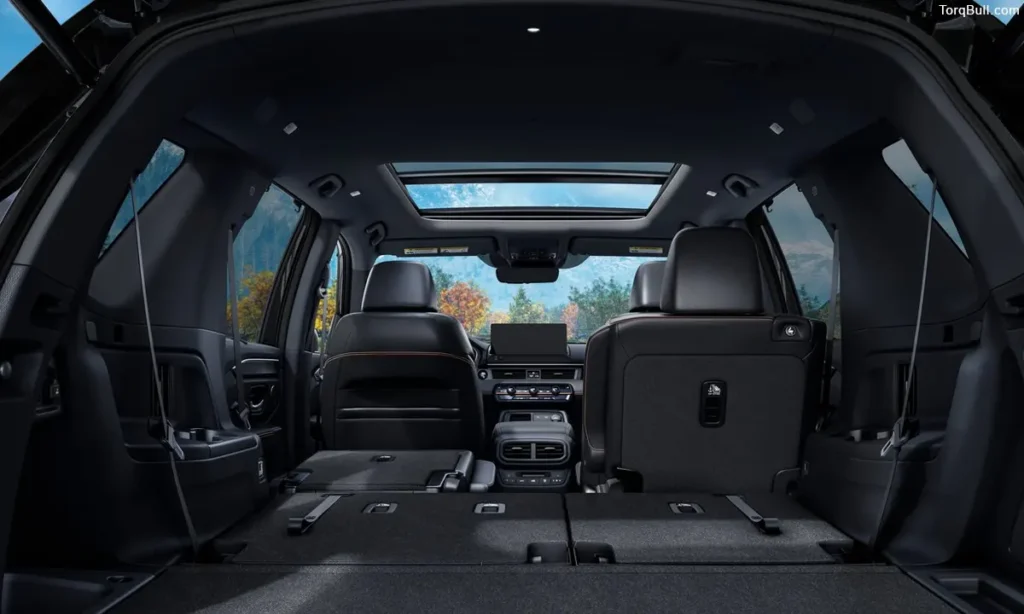
Placing the Pilot’s $542 annual average in competitive context reveals that it is a below average cost vehicle to maintain within its segment — a finding that supports the Honda reliability narrative without suggesting the Pilot is uniquely economical.
The Toyota Highlander’s maintenance cost profile is broadly comparable, with RepairPal data placing the Highlander at $489 annually — $53 per year less than the Pilot. Over five years, this $53 annual difference produces a total maintenance cost gap of $265, which is small enough to be negligible in any realistic total ownership cost comparison. The Hyundai Palisade’s average maintenance cost of approximately $474 per year similarly trails the Pilot by a modest amount.
In competitive context, the Pilot’s $542 annual average is competitive rather than problematic — it is below the segment average, below the all vehicle average and above only the vehicles whose more aggressive warranty periods and newer production generations produce more favourable short term maintenance cost profiles in early ownership data.
Read: Is the Honda Pilot Good for First-Time SUV Buyers? The Complete 2026 Guide
The Verdict: Is the Honda Pilot Expensive to Maintain?
No — the Honda Pilot is not expensive to maintain in the context of its segment or its size class. The $542 annual average is below the midsize SUV segment average, the five year total of $6,482 is competitive within the class and the severity of repairs when they do occur is at or below average. For families who plan their ownership costs around realistic industry data rather than best case scenarios, the Pilot represents a well managed maintenance expense profile that is consistent with Honda’s broader reliability reputation.
The one honest qualification is the higher than normal repair frequency — Pilot owners visit shops for unscheduled issues somewhat more often than the typical midsize SUV owner. For families who specifically value low service visit frequency alongside low annual cost, the Toyota Highlander’s combination of below average annual cost and lower repair frequency may represent a more complete value proposition. For families whose primary measure is annual cost management and who accept the slightly higher visit frequency as manageable, the Pilot’s maintenance cost profile is genuinely competitive and well supported by the ownership data.