Art Attacked or Art Elevated. Does Mansory Improve or Ruin the Koenigsegg Jesko?
Does Mansory improve or ruin the Koenigsegg Jesko? Aerodynamic integrity, design coherence and personalisation value analysed. The honest verdict on hypercar tuning's most controversial collaboration inside.
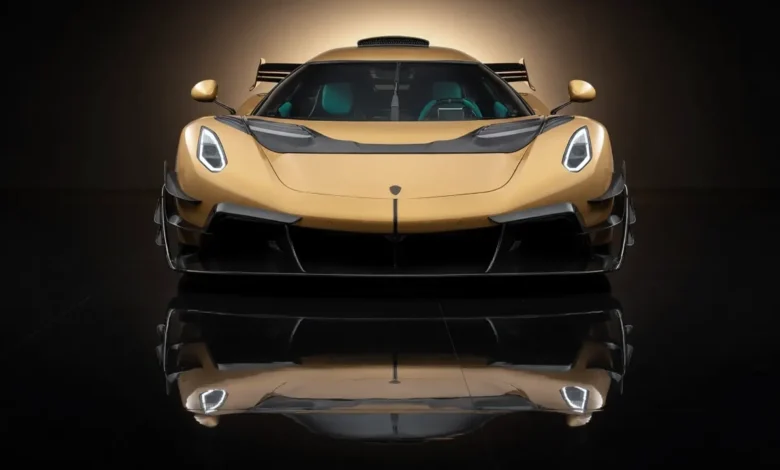
Mansory Koenigsegg Jesko: There are questions in the automotive world that have objectively correct answers — questions of performance, reliability or efficiency whose resolution requires data rather than opinion. And then there are questions that reveal the values of the person answering them more than they reveal any objective truth about the subject itself. Whether Mansory improves or ruins the Koenigsegg Jesko is firmly in the second category — a question whose answer depends entirely on what the questioner believes a hypercar is fundamentally for, what role aesthetic personalisation plays in automotive ownership at the highest price level and whether the engineering achievement of the original vehicle constitutes a design that subsequent modification serves or violates.
Gallery: Mansory Koenigsegg Jesko:
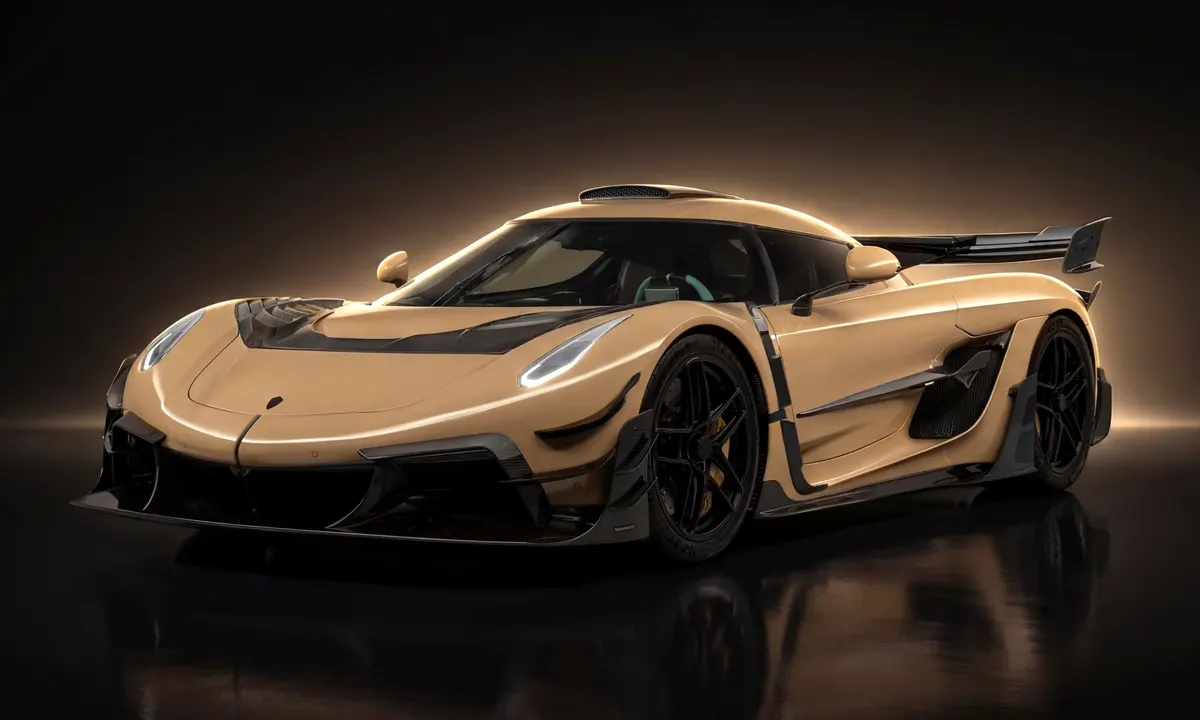
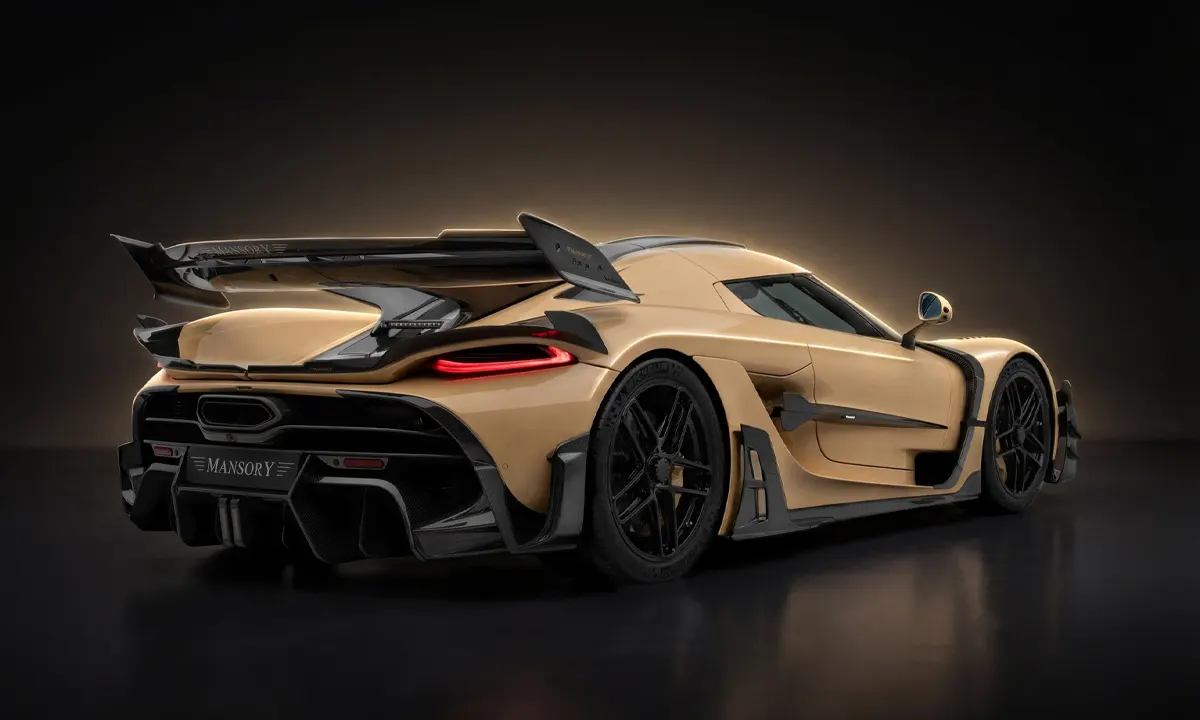
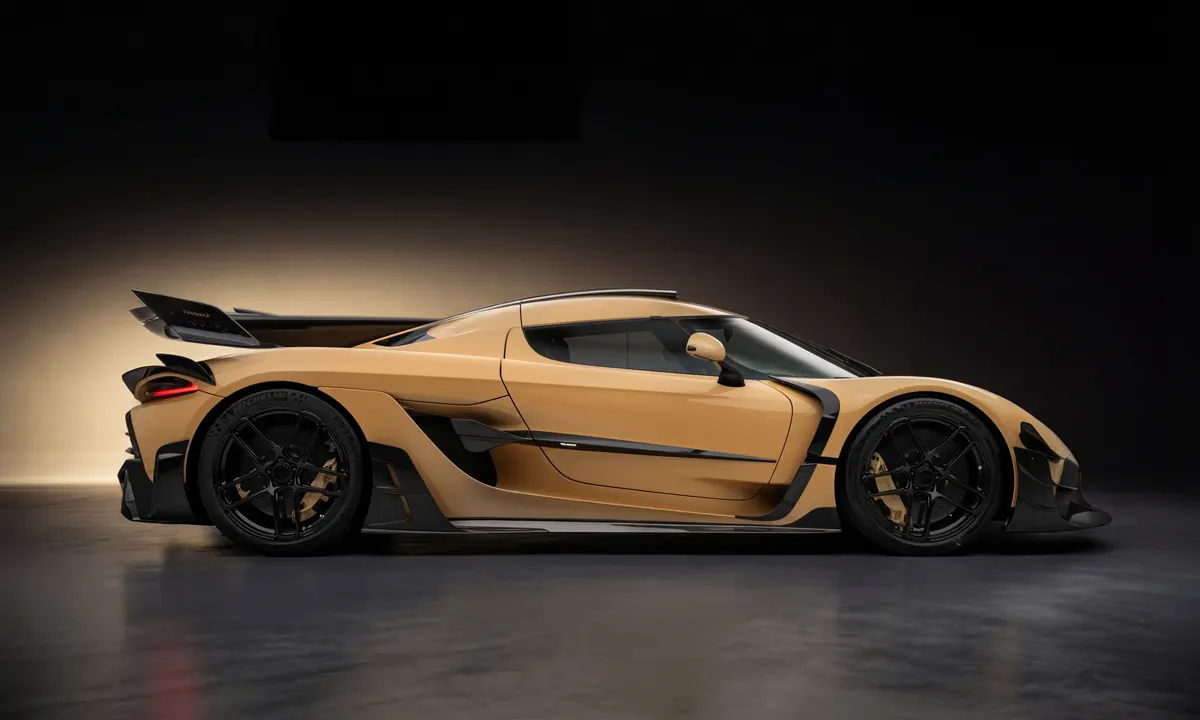
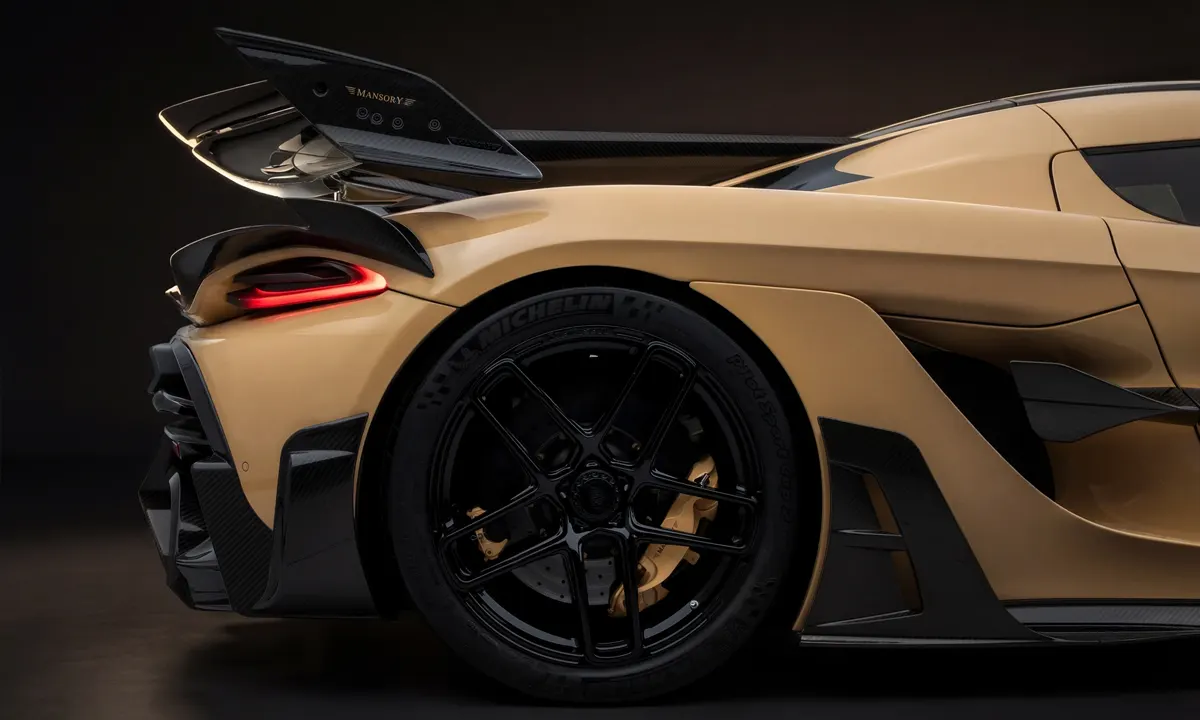
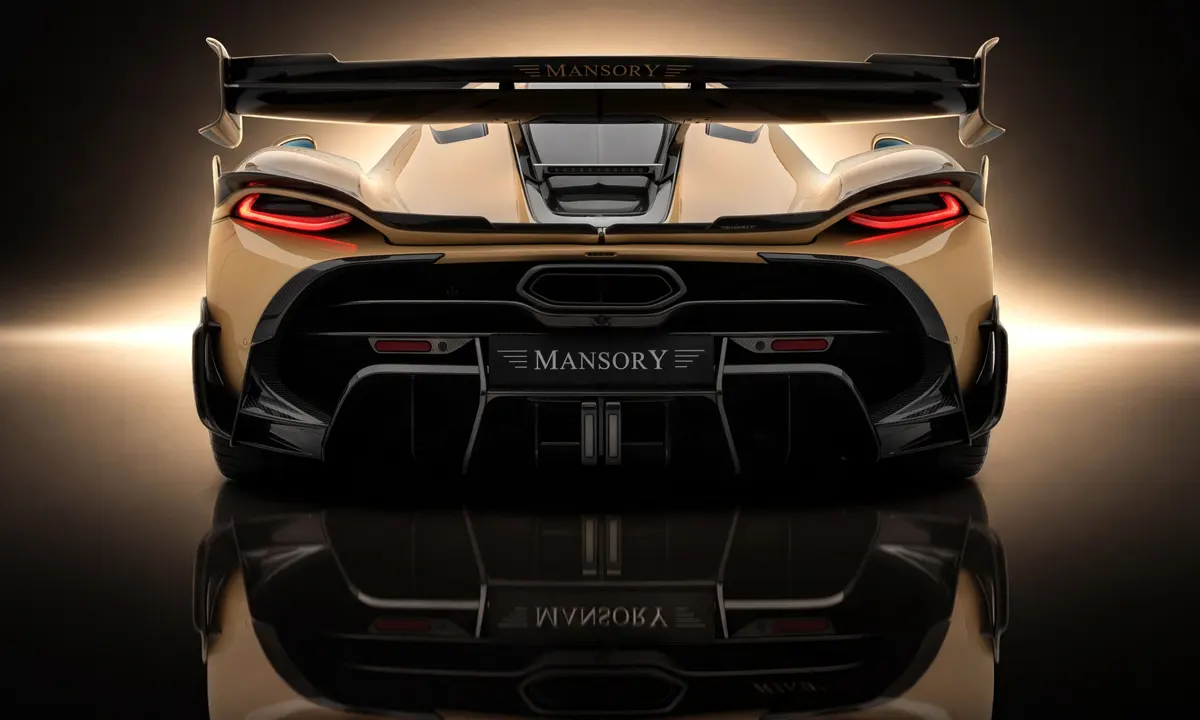
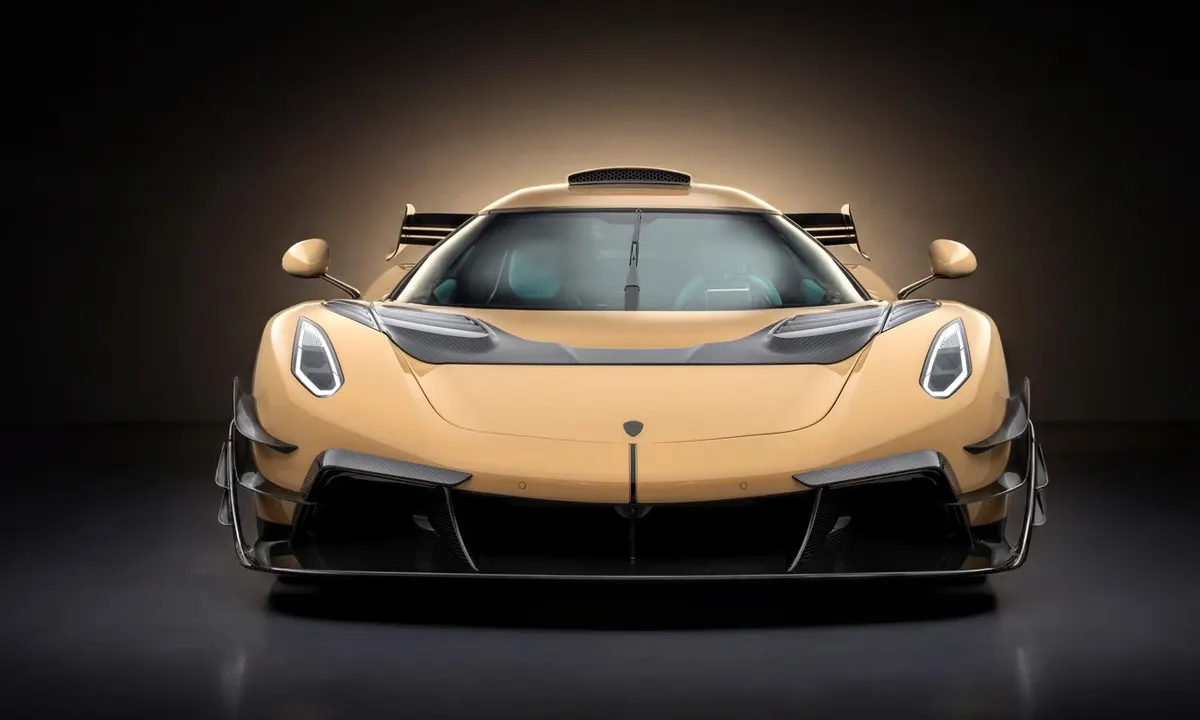
The Koenigsegg Jesko is not a typical subject for tuner intervention — it is a 1,600-horsepower hypercar limited to 125 units whose engineering sophistication, from the Light Speed Transmission to the active aerodynamic system to the 9,000-rpm flat-plane-crank twin-turbocharged V8, represents the most technically ambitious production vehicle that any manufacturer has ever attempted to build for road use. Mansory is not a typical tuner — it is a German atelier whose client list spans Bugatti Chiron owners, Rolls-Royce Phantom commissions and Ferrari SF90 modifications whose visual drama has consistently attracted both admiration from buyers who value the personalisation that no factory option list provides and criticism from purists who consider the original designs superior to any modification. The collision of these two entities produces a result that demands examination from both perspectives before any verdict is reached.
What Mansory Actually Does to the Koenigsegg Jesko
Understanding Mansory’s Jesko intervention requires specificity about what the German tuner actually modifies — because the difference between a tasteful personalisation programme and a comprehensive visual override determines much of the legitimate criticism that the collaboration has attracted from the automotive community.
Mansory’s Jesko programme centres on exterior carbon fibre body modifications — replacing or supplementing the original Koenigsegg carbon fibre components with Mansory’s own carbon weave treatments whose visual texture and finish differ from the original car’s factory carbon presentation. The bonnet, side skirts, front splitter and rear diffuser elements receive Mansory’s interpretation — a suite of changes whose aerodynamic contribution is not validated against the original car’s active aerodynamic development programme and whose visual impact varies between the subtle and the dramatic depending on the specific commission’s colour and finish specification.
The interior receives the Mansory treatment in leather, Alcantara and carbon fibre trim whose customisation depth allows the commissioning owner to specify combinations that no factory build slot provides — a legitimate and genuinely valuable service for buyers whose aesthetic preferences the Koenigsegg factory’s own bespoke programme, while extensive, cannot satisfy with equivalent flexibility. The wheel design receives Mansory’s forged alternatives — lighter in some specifications than the factory items but whose visual character substitutes Mansory’s aesthetic language for Koenigsegg’s original design intent.
Critically, Mansory does not modify the Jesko’s powertrain, transmission or active aerodynamic systems — an important limitation that preserves the engineering integrity whose compromise would constitute a genuine violation of the vehicle’s fundamental character.
The Case That Mansory Improves the Jesko
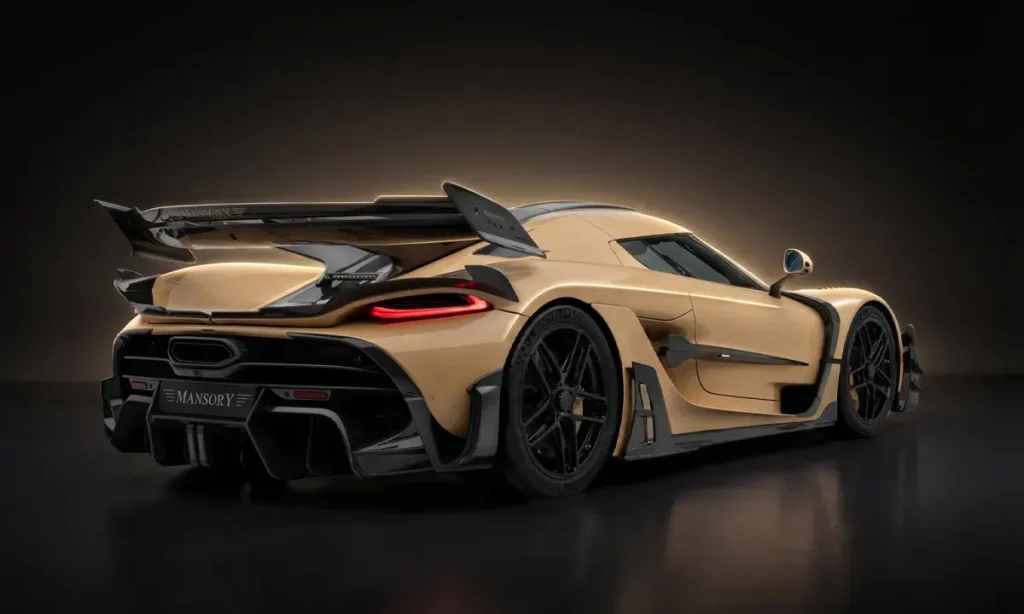
The argument for Mansory’s Jesko intervention begins with a principle whose validity is difficult to contest — that a vehicle purchased for approximately $3 million by a private buyer is that buyer’s property, and that the personalisation of private property according to the owner’s aesthetic preferences requires no external justification beyond the owner’s satisfaction.
Beyond the ownership autonomy argument, the case for Mansory’s contribution rests on the genuine service that extensive personalisation provides to buyers whose aesthetic preferences the factory option list cannot accommodate. Koenigsegg’s own bespoke programme is substantial — the Swedish manufacturer’s willingness to accommodate extraordinary specification requests is well documented — but Mansory’s intervention provides modification depth in certain visual dimensions, particularly interior material combinations and exterior carbon presentation variations, that the factory programme’s constraints cannot match.
The visual drama that Mansory’s more aggressive carbon treatments and wheel designs introduce appeals to a specific aesthetic sensibility — one that values maximum visual impact alongside maximum mechanical performance and that considers the factory car’s relatively restrained visual presence an understatement whose correction the Mansory programme provides. For buyers in markets where conspicuous personalisation signals ownership commitment rather than brand ignorance, Mansory’s contribution delivers genuine value that the factory alternative cannot.
The Case That Mansory Ruins the Jesko
The argument against Mansory’s intervention is more technically substantive than the aesthetic objection alone — beginning with the aerodynamic integrity concern that any modification to a vehicle whose active aerodynamic system was developed as a holistic engineering solution raises immediately.
The Koenigsegg Jesko’s aerodynamic architecture — whose active rear wing, front splitter geometry and underbody channel design were developed through computational fluid dynamics and physical testing to produce a specific downforce and drag balance at specific speeds — was not designed with Mansory’s body modifications as variables in the engineering equation. Any alteration to the front splitter geometry, the side skirt profile or the rear diffuser treatment introduces aerodynamic variables whose effect on the total aerodynamic balance the original development programme did not validate and cannot retrospectively certify.
The aesthetic objection — which many in the hypercar community consider the more immediately apparent concern — rests on the assessment that Christian von Koenigsegg’s design team produced a vehicle whose visual coherence, proportion and surface quality represent the work of designers whose understanding of the Jesko’s engineering and character is comprehensive in a way that an external tuner’s intervention cannot replicate. The Jesko’s visual identity — whose relationship between the active aerodynamic elements, the carbon body surfaces and the overall proportion reflects deliberate design decisions — is disrupted by Mansory’s additions in ways whose cumulative effect produces a visual result that Koenigsegg’s own designers would not have sanctioned.
Read: Koenigsegg One:1 Redefined Hypercar Performance with 1:1 Power Ratio
The Verdict: Enhancement or Violation
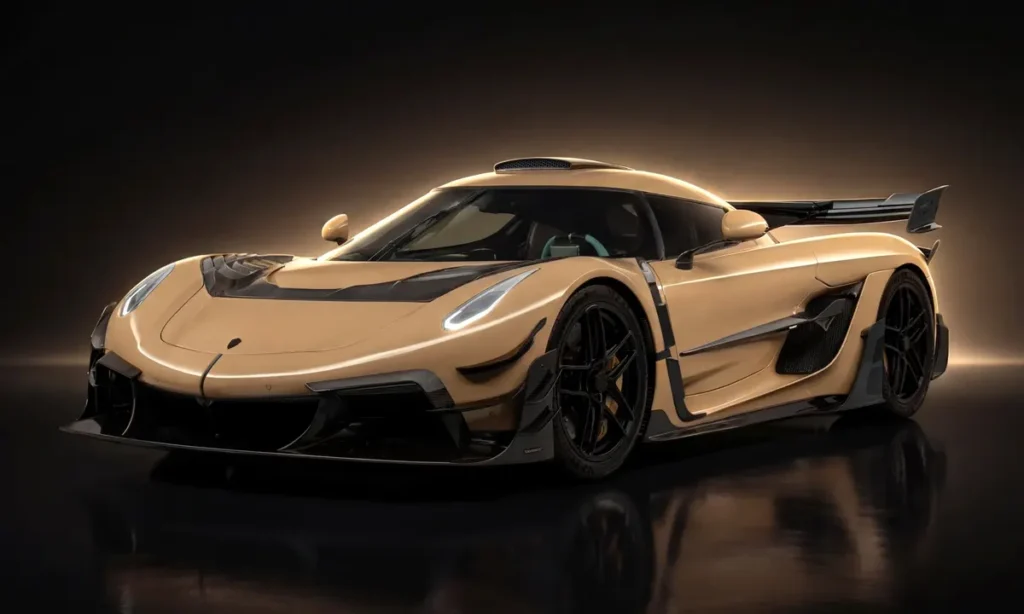
The honest verdict on Mansory’s Koenigsegg Jesko intervention is that it simultaneously achieves both outcomes the question posits — improving the ownership experience for the specific buyer whose aesthetic preferences Mansory’s programme addresses more effectively than the factory alternative, while diminishing the vehicle’s integrity as a complete engineering and design statement whose original form represents a more coherent achievement than the modified result.
For the buyer whose Jesko ownership is primarily about personal expression at the highest performance level — whose relationship with the vehicle prioritises individual aesthetic identity over design purity — Mansory’s programme delivers genuine value. For the collector, the engineering purist and the buyer whose appreciation of the Jesko begins with respect for what Koenigsegg’s team created — the original car is the superior object, and Mansory’s intervention is an addition whose value is personal rather than universal.
The Koenigsegg Jesko does not need Mansory. Some Koenigsegg Jesko owners do — and that distinction is where the honest answer to the question lives.
Koenigsegg Jesko — Standard vs Mansory Comparison
| Category | Koenigsegg Jesko (Standard) | Mansory Modified |
| Engine | 5.0L Twin-Turbo V8 | Unchanged |
| Power Output | 1,600 hp (E85) | Unchanged |
| Transmission | Light Speed Transmission | Unchanged |
| Aerodynamic System | Factory Active Aero | Modified — Unvalidated |
| Exterior Carbon | Factory Koenigsegg Weave | Mansory Carbon Treatment |
| Body Modifications | None | Front / Rear / Side Elements |
| Interior | Koenigsegg Bespoke | Mansory Leather / Alcantara |
| Wheel Design | Koenigsegg Factory | Mansory Forged Alternative |
| Production Volume | 125 Units | Commission-Based |
| Resale Value Impact | Benchmark | Typically Lower |
| Aerodynamic Integrity | Fully Validated | Partially Compromised |
| Design Coherence | Complete | Debated |
| Starting Price | Approx. $3,000,000 | $3,000,000 + Mansory Fee |
| Recommended For | Engineering Purist / Collector | Personalisation-Oriented Buyer |