Silence as a Luxury Feature! Quietest Luxury Cars Ranked by Real Cabin Noise Measurements
- Highway decibel levels and cabin quietness comparison
- Active noise cancellation vs passive insulation
- Acoustic glass and soundproofing technologies
- Luxury cars ranked by lowest cabin noise
- Quiet cabins enhancing long-distance comfort
Quietest Luxury Cars: Silence is the luxury feature that no specification sheet adequately quantifies and no test drive adequately demonstrates — because the experience of genuine acoustic isolation in a moving vehicle at highway speed is cumulative rather than instantaneous, its full value revealing itself across hours of exposure rather than minutes of evaluation. The buyer who spends twenty minutes in a dealer demonstrator at 40 mph leaves without understanding what their purchase decision commits them to across the years of 70 mph motorway travel that the vehicle’s operational life will accumulate. The buyer who understands the cabin noise measurement data — whose decibel figures at highway cruise speeds provide the objective acoustic comparison that subjective impressions cannot consistently deliver — makes the choice that the long-term ownership experience validates rather than questions.
Cabin noise in a moving vehicle originates from three primary sources whose management requires distinct engineering responses. Wind noise — generated by the aerodynamic flow’s interaction with the vehicle’s exterior surfaces, glass edges, mirror housings and door seal gaps — increases with the square of vehicle speed, making its management increasingly critical at the highway speeds where luxury vehicles spend substantial operational time. Road noise — transmitted from the tyre contact patch through the suspension, subframe and body structure into the cabin — reflects the road surface quality, tyre specification and the structural isolation whose engineering determines how effectively the mechanical vibration pathway is interrupted before reaching the occupant. Powertrain noise — whose engine, transmission and driveline mechanical sounds penetrate the firewall and floor — contributes most significantly at acceleration and lower vehicle speeds where aerodynamic masking has not yet raised the ambient noise floor above the mechanical contribution.
The quietest luxury cars manage all three sources simultaneously — through a combination of passive isolation techniques whose acoustic mass and damping properties address the lower-frequency contributions and active noise cancellation whose computational sophistication addresses the residual frequencies that passive measures cannot economically eliminate.
1. Mercedes-Benz S-Class: The Acoustic Benchmark
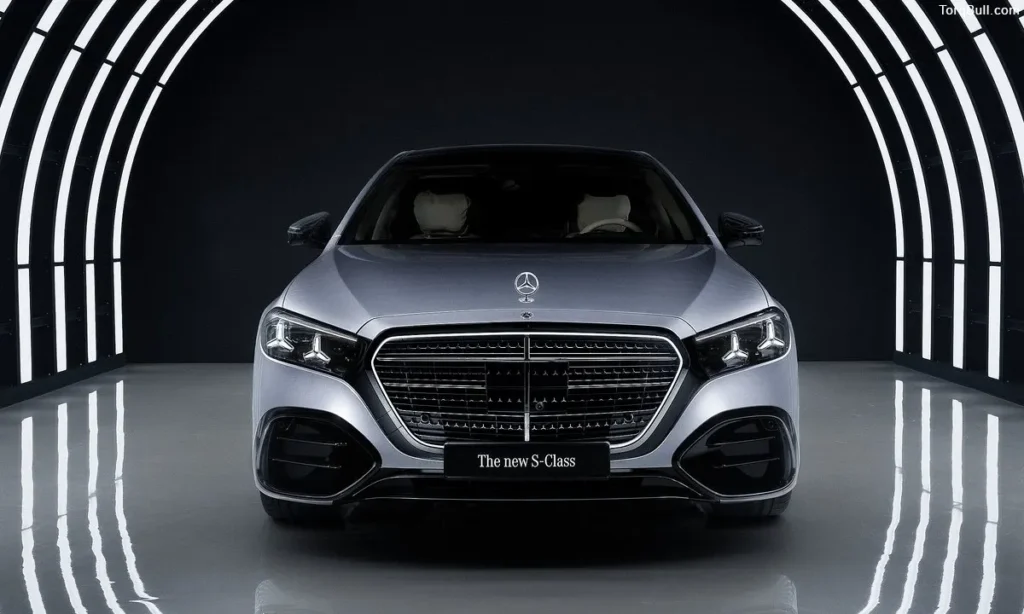
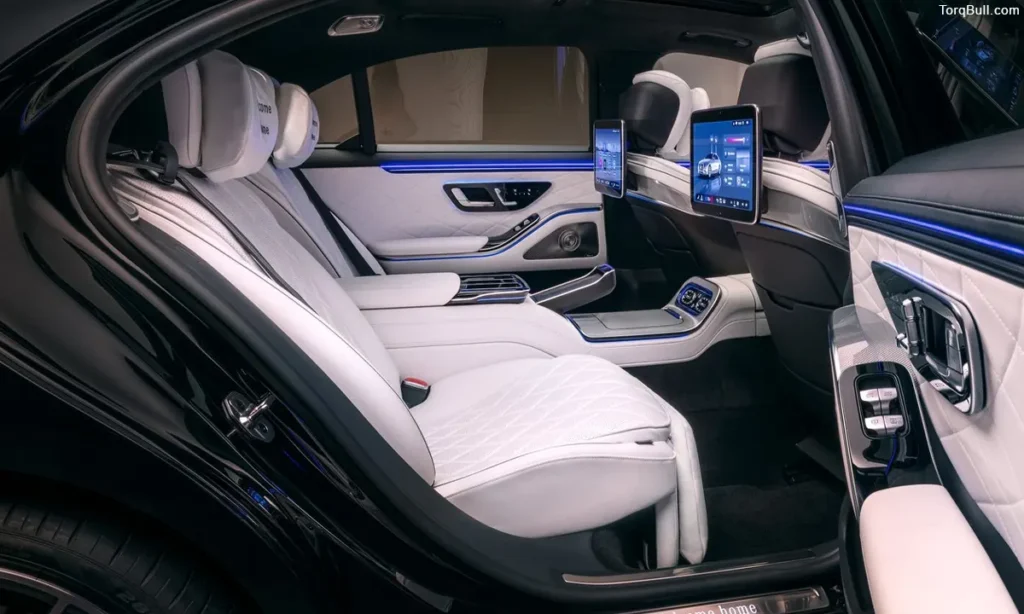
The Mercedes-Benz S-Class’s cabin noise performance — measured at approximately 62 to 64 decibels at 70 mph cruise on smooth motorway surface — establishes the acoustic benchmark for the luxury sedan category whose achievement reflects the comprehensive multi-layer insulation architecture, the acoustic laminated glass whose dual-layer construction attenuates wind noise transmission and the active noise cancellation system whose microphone array samples the cabin acoustic environment at multiple measurement points to generate the anti-phase signals that cancel residual low-frequency intrusion.
The S-Class’s acoustic engineering investment begins at the body structure level — whose welded seam application includes acoustic sealant whose coverage prevents the panel resonance that incomplete structural damping produces, and whose butyl-based constrained layer damping panels applied to the floor, roof and door inners address the broadband noise transmission that structural vibration generates across the speed and road surface conditions that real-world operation encompasses. The door seals — whose dual-lip compression design and the door frame geometry whose production tolerance management ensures consistent compression force around the complete seal perimeter — provide the wind noise primary barrier whose integrity determines the acoustic performance that the inner cabin treatment’s investment can achieve or not.
The active noise cancellation system’s specific contribution to the S-Class’s acoustic performance is most audible at the low frequencies — below 200 hertz — where road and powertrain noise creates the rumble and drone that passive insulation’s mass-law behaviour makes expensive to address through material addition alone. The system’s ability to reduce these specific frequencies by 10 to 15 decibels in the occupied seating positions transforms the cabin’s acoustic character from merely quiet to genuinely serene — a difference whose perceptual significance exceeds what the decibel reduction’s modest absolute value suggests, because human hearing’s sensitivity to low-frequency drone is disproportionate to its objective measurement.
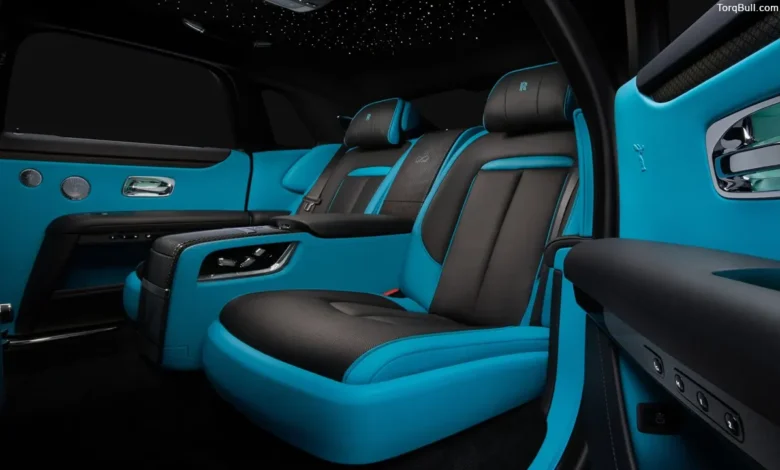
2. Rolls-Royce Ghost: Bespoke Acoustic Perfection
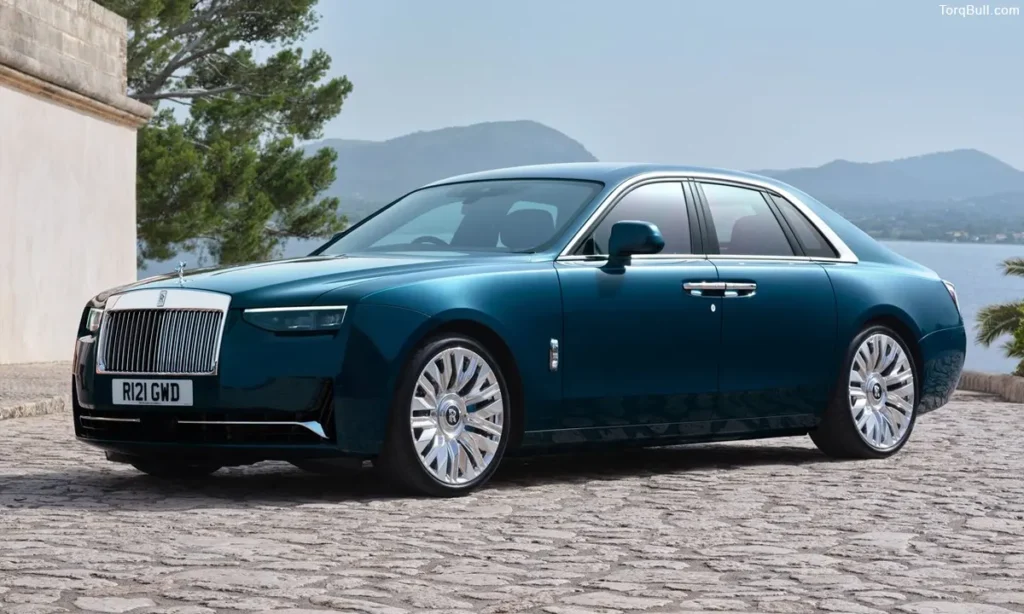
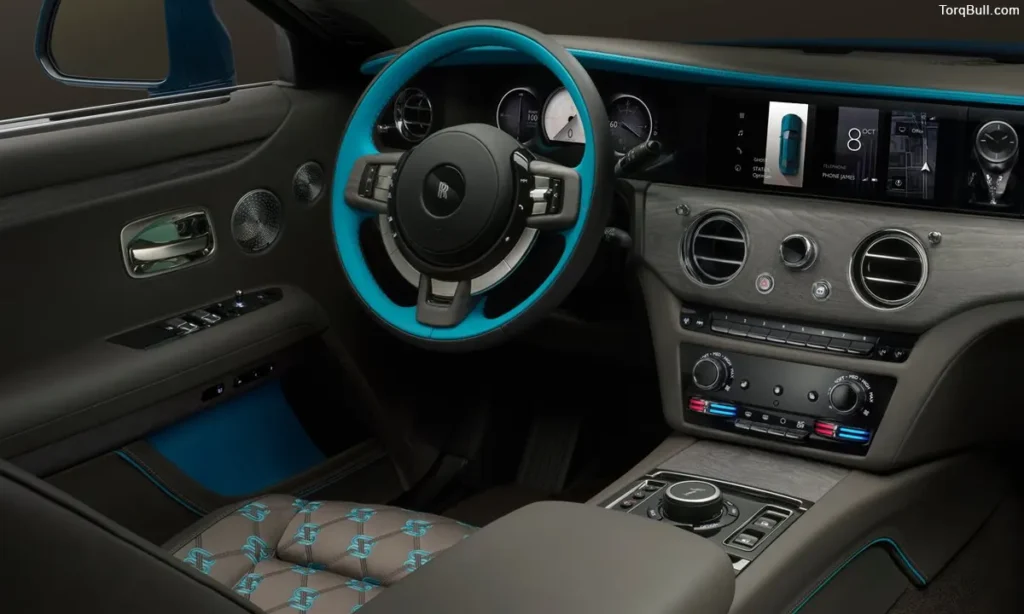
The Rolls-Royce Ghost’s cabin acoustic performance — measured at approximately 58 to 61 decibels at 70 mph — represents the production luxury car’s absolute acoustic achievement, reflecting an insulation investment whose cost per vehicle the Rolls-Royce manufacturing philosophy’s indifference to conventional cost-efficiency allows and that production volume manufacturers’ per-unit material cost constraints prevent regardless of engineering ambition.
The Ghost’s acoustic engineering investment includes 130 kilograms of sound insulation material distributed throughout the body structure — a figure whose mass represents approximately 6 percent of the vehicle’s kerb weight and whose distribution reflects acoustic engineering analysis rather than convenience packaging. The double-skinned firewall — whose air gap between the inner and outer layers provides the acoustic decoupling that single-layer construction cannot achieve — eliminates the powertrain noise transmission pathway whose residual contribution in conventional luxury cars is perceptible in the specific frequency range where the Ghost’s silence most dramatically distinguishes it from alternatives.
The Rolls-Royce acoustic glass specification — whose laminated construction uses an acoustic PVB interlayer whose viscoelastic properties provide the damping coefficient that standard laminated safety glass’s simpler PVB cannot match — reduces wind noise transmission by approximately 3 decibels relative to the standard specification, contributing to the Ghost’s acoustic floor whose frequency-specific analysis reveals the most complete broadband noise management of any production vehicle currently available.
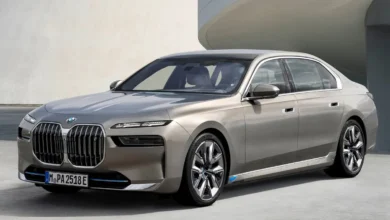
3. BMW 7 Series: Active Noise Cancellation Leadership
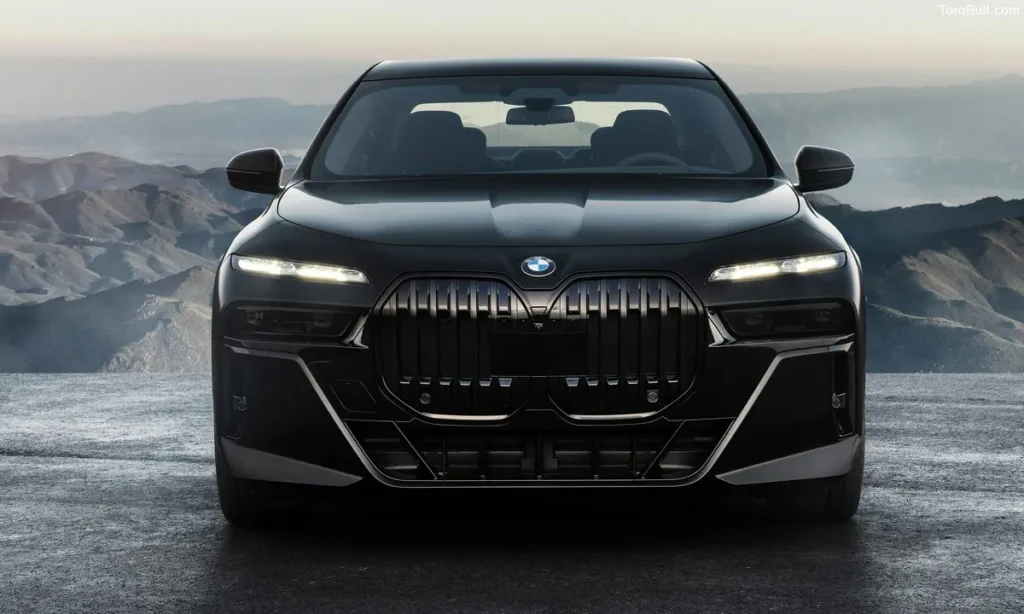
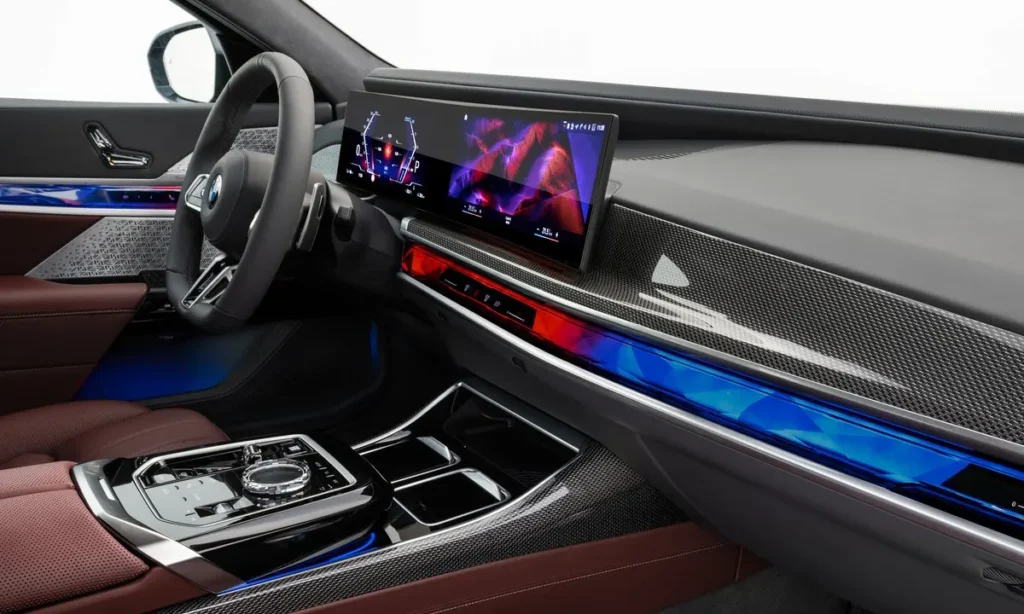
The BMW 7 Series’ cabin noise performance — measured at approximately 63 to 65 decibels at 70 mph — reflects the most sophisticated active noise cancellation system available in a production luxury vehicle, whose computational architecture processes the microphone array’s acoustic input and generates the anti-phase cancellation signal through the Bowers and Wilkins audio system’s speaker array with a processing speed whose latency is sufficiently low to provide genuine acoustic cancellation rather than the partial mitigation that slower processing creates.
The 7 Series’ Executive Lounge package’s rear acoustic optimisation — whose rear passenger zone microphone density and the dedicated rear speaker cancellation channels address the specific acoustic environment that rear occupants experience rather than applying the front-optimised cancellation that rear passengers receive diminished benefit from in less sophisticatedly implemented systems — provides the rear cabin acoustic quality that distinguishes the 7 Series’ system from competitors whose active noise cancellation addresses the driver’s environment most completely at the rear passenger’s expense.
4. Lexus LS 500h: Japanese Acoustic Engineering
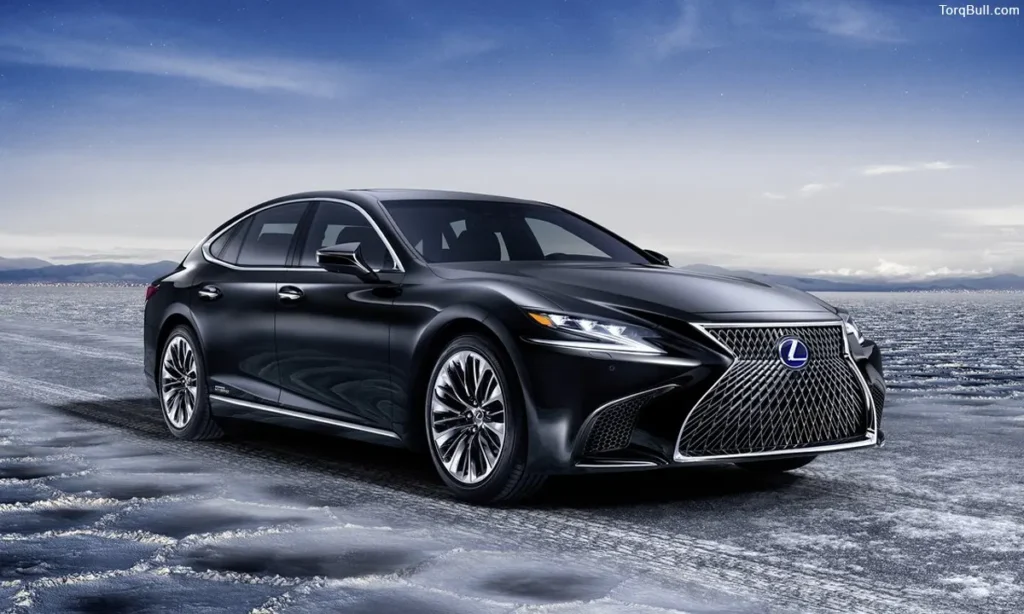
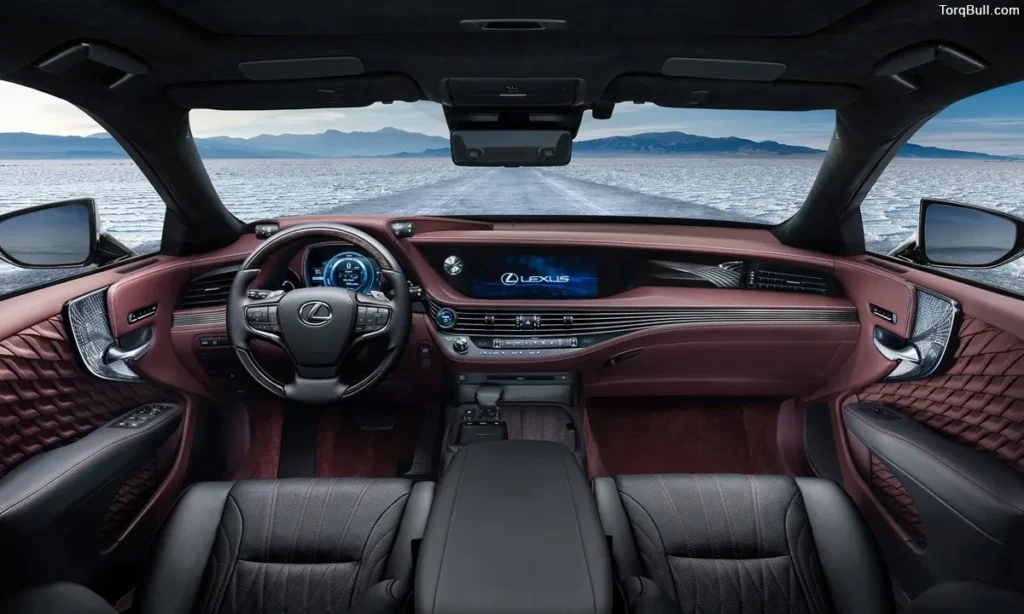
The Lexus LS 500h’s cabin noise performance — measured at approximately 63 to 66 decibels at 70 mph — reflects the Japanese manufacturer’s acoustic engineering philosophy whose foundation in manufacturing precision rather than material excess produces the consistency between individual vehicles that mass luxury manufacturers’ acoustic performance variance cannot always guarantee. The LS’s body assembly tolerances — whose precision produces the door gap consistency that seal compression uniformity requires — provide the acoustic structural integrity that the insulation investment’s performance depends on achieving in every production unit rather than the pre-production development vehicles whose acoustic measurements inform the published data.
The LS’s triple-layer door glass — whose three-layer laminated construction exceeds the dual-layer standard that most luxury vehicles apply — provides the acoustic glass contribution whose frequency-specific attenuation in the 1,000 to 4,000 hertz range most directly addresses the wind and road noise frequencies that highway speed travel generates most prominently. The Lexus climate control system’s acoustic blower design — whose fan blade geometry minimises the tonal noise generation that conventional blower designs produce at high airflow settings — addresses the interior-generated noise source that cabin acoustic measurements at high climate control settings reveal as a meaningful contributor to the occupied cabin’s noise environment beyond the externally transmitted sources that the insulation architecture manages.
Read: Rolls-Royce Cullinan Series II vs Mercedes-Maybach GLS 600, The Ultimate Ultra-Luxury SUV Comparison
5. Genesis G90: Value Acoustic Achievement
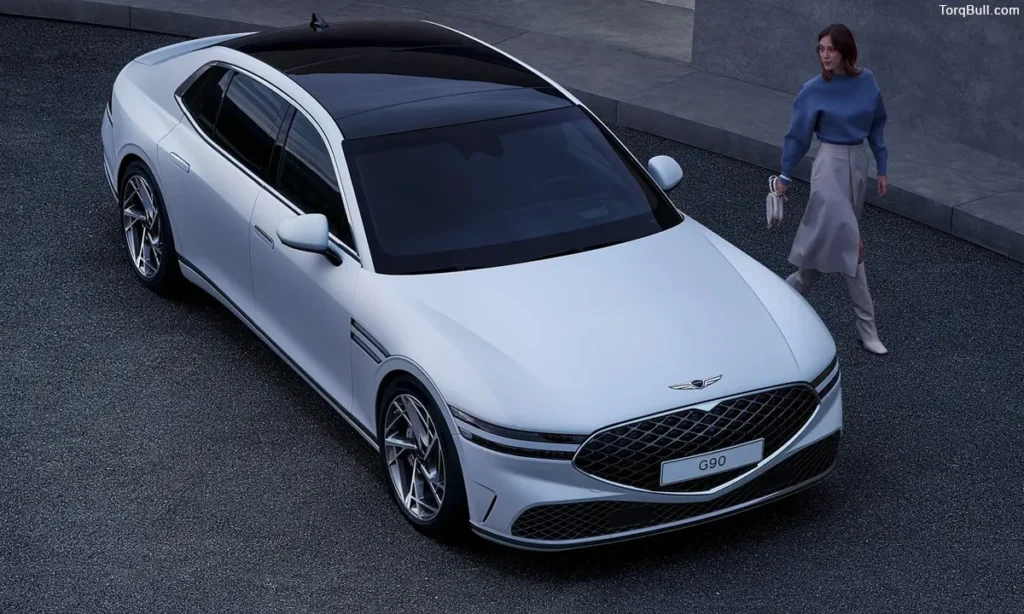
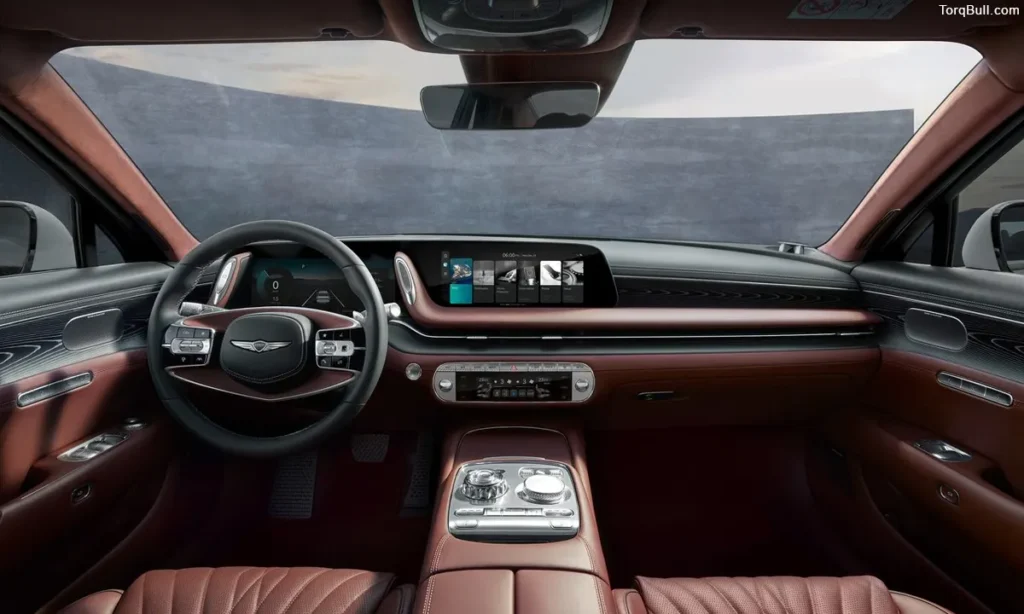
The Genesis G90’s cabin noise performance — measured at approximately 65 to 67 decibels at 70 mph — represents the most compelling acoustic achievement relative to purchase price on this list, delivering a cabin noise environment whose quality difference from the European flagship benchmarks is measurable in testing but perceptually modest in the occupied cabin experience that the specification comparison cannot fully describe through decibel figures alone.
The G90’s acoustic engineering investment — whose laminated acoustic glass, active noise cancellation system and the body damping treatment whose coverage reflects Genesis’s ambition to deliver European flagship acoustic quality at the price point whose accessibility the Korean manufacturer’s cost structure enables — produces the result that owners transitioning from mainstream luxury alternatives describe as the most immediately apparent quality improvement in their ownership experience, confirming that cabin acoustic isolation is among the ownership dimensions whose value the purchase decision most consistently underestimates against the specification comparisons that sales environments prioritise.
Read: Why the Rolls-Royce La Rose Noire Droptail Costs More Than a Private Jet
Quietest Luxury Cars Cabin Noise Test 2026
| Model | Highway Noise (70 mph) | Active Noise Cancellation | Acoustic Glass | Insulation Investment | Starting MSRP |
| Rolls-Royce Ghost | ~58–61 dB | Yes | Triple Acoustic PVB | 130 kg Material | ~$350,000 |
| Mercedes-Benz S-Class | ~62–64 dB | Yes (Multi-Point) | Dual Acoustic Laminate | Comprehensive | ~$114,000 |
| BMW 7 Series | ~63–65 dB | Yes (B&W Array) | Acoustic Laminate | High | ~$95,000 |
| Lexus LS 500h | ~63–66 dB | Yes | Triple-Layer Laminate | Precision-Focused | ~$84,000 |
| Genesis G90 | ~65–67 dB | Yes | Acoustic Laminate | Value-Optimised | ~$90,000 |
| Audi A8 L | ~64–66 dB | Yes | Acoustic Laminate | Systematic | ~$95,000 |