We throw around phrases like “self-driving,” “autopilot,” and “full self-driving” like they mean something specific. They mostly don’t. The marketing has turned a precise engineering scale into mush, and in the process, it’s hidden the single most important shift happening in the car world right now.
That shift lives in the gap between Level 3 and Level 4 autonomy. And here’s the thing almost nobody tells you: the real revolution isn’t how well these cars steer or brake. It’s about who the law considers “the driver,” who pays when something goes wrong, and whether the autonomous future arrives in your driveway or at the curb as a service you summon.
Understanding this distinction changes how you’ll think about every “self-driving” headline from here on out. So let me break down what Levels 3 and 4 actually mean, why the difference is a genuine earthquake, and the hidden shift that’s quietly rewriting the future of driving.
First, the Ladder (and the Line That Matters)
The Society of Automotive Engineers defines six levels of automation, from 0 to 5. But forget memorizing all six, because there’s one line that matters more than any other. Levels 0 through 2 are driver support: the human is always driving and always legally responsible, even when fancy features help out. Levels 3 through 5 are automated driving: when engaged, the system is doing the driving, not you.
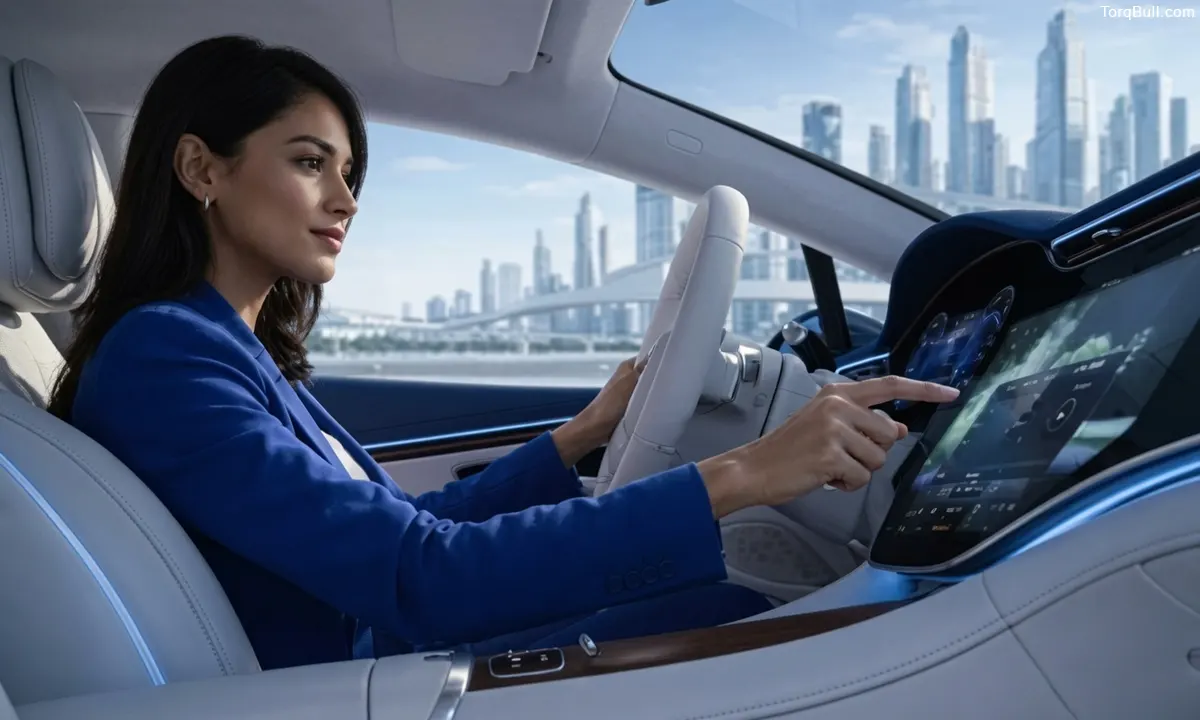
Here’s the reality check that cuts through all the hype. Any system you can buy for a personal vehicle in 2026 is Level 2 or Level 2+, which means you are legally the driver and must watch the road at all times. Tesla’s Autopilot and Full Self-Driving, GM’s Super Cruise, Ford’s BlueCruise, they’re all Level 2. Despite the names, none of them let you stop paying attention. That “self-driving” car you think exists? You can’t buy it. The genuine leap happens the moment you cross from Level 2 to Level 3, and that leap is legal, not just mechanical.
Level 3: The Liability Earthquake
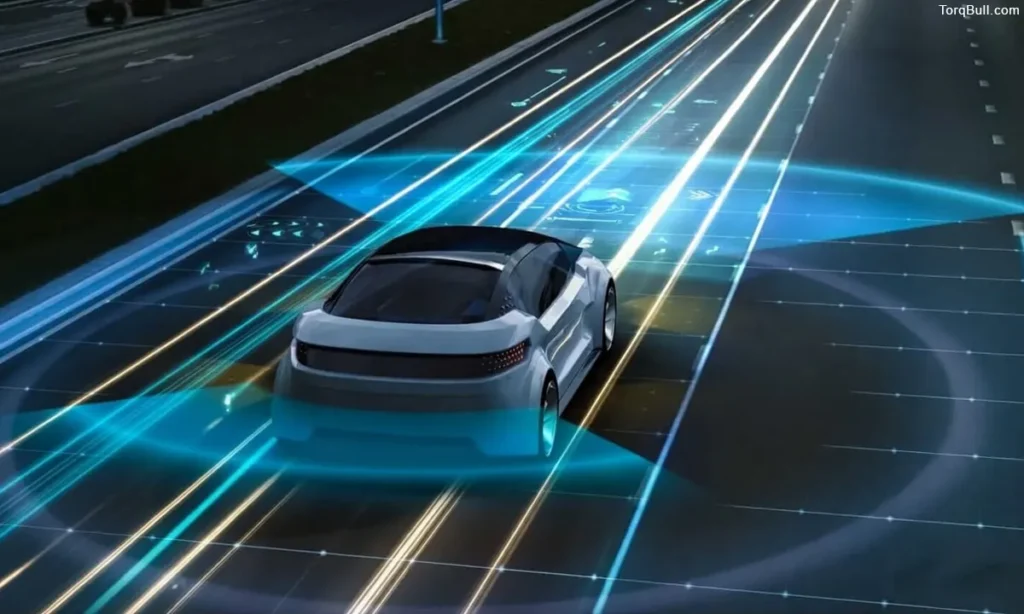
Level 3, called “conditional automation,” is where the car can genuinely drive itself, but only within a narrow set of conditions called an operational design domain, like a highway traffic jam under a certain speed. When it’s engaged, you can legally take your eyes off the road, check email, or watch a movie.
But here’s the catch that defines Level 3: you must remain available to take over when the system requests, typically within about a 10-second warning window. You can look away, but you can’t nap, and you can’t leave the driver’s seat. The car might hand control back to you at any moment.
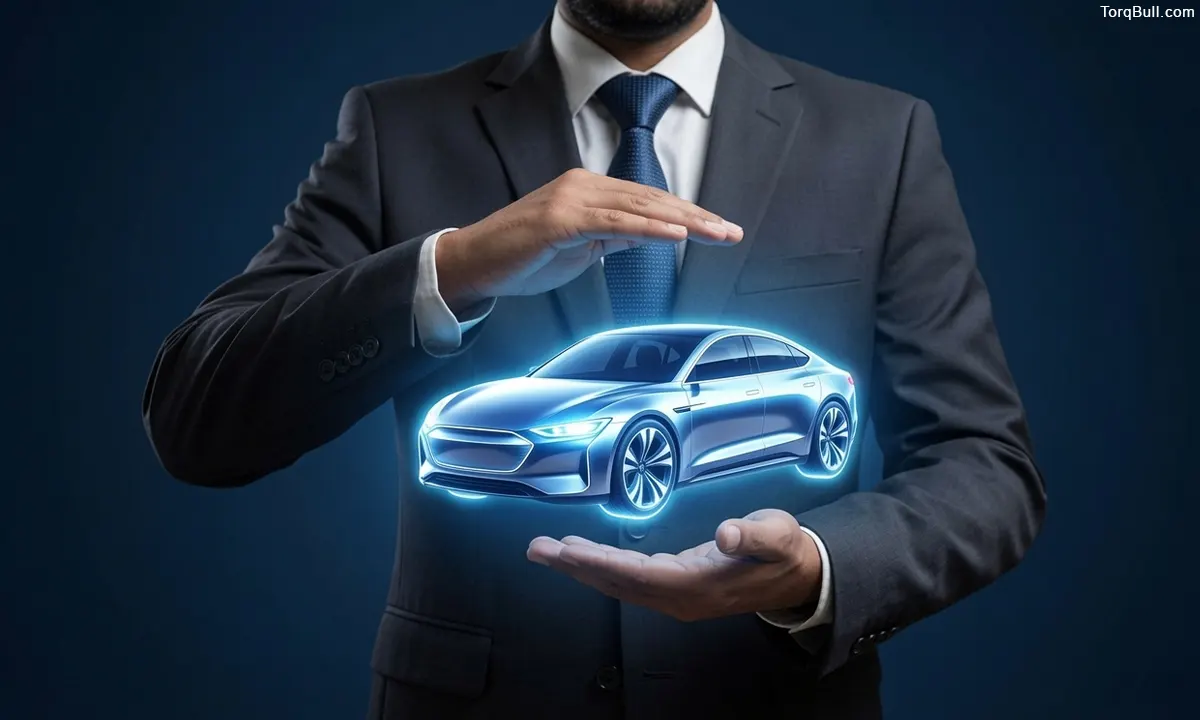
Now here’s the hidden part, the thing that makes Level 3 a genuine revolution rather than a gimmick. When a Level 3 system is engaged, the vehicle is legally the driver, and the manufacturer accepts liability if something goes wrong. Read that again. For the first time in automotive history, the car company, not you, is responsible for the driving. That single sentence upends insurance, accountability, and a century of legal precedent. That’s the earthquake, and it’s completely invisible in the spec sheet.
The Level 3 Reality: It’s Actually Stalling
Here’s a twist that surprises people: Level 3 for private cars is struggling right now. The first and only Level 3 system certified for US consumers was Mercedes Drive Pilot, available in California and Nevada on limited roads at low speeds. But Mercedes recently paused it, citing low consumer demand, high sensor costs, and the bankruptcy of its lidar supplier, pivoting instead to a more advanced Level 2++ system.
Others are inching along. Honda has a Level 3 car but only operates it in Japan, and Ford is targeting Level 3 eyes-off driving for 2028 on an affordable platform. Forecasts suggest nearly 2.8 million Level 3 vehicles could ship globally by 2030, but for now, owning a car that legally drives itself, even in traffic jams, remains rare and expensive. The cautious, incremental path of the car you own is moving slowly.
Level 4: Removing the Human Safety Net
Level 4, “high automation,” is a dramatically bigger leap, and again the key difference isn’t just capability, it’s the human. At Level 4, the vehicle handles all driving tasks, including emergencies and system failures, with no human fallback required. If something goes wrong, the car itself detects the problem and safely pulls over. Nobody needs to grab the wheel, because there may not even be a wheel.
That’s the giant leap: Level 3 still needs you as the backup, while Level 4 removes the human safety net entirely. The tradeoff is that Level 4 only works inside tightly defined geofenced areas, specific cities, mapped roads, and suitable conditions. Step outside that zone and it won’t operate. Which is exactly why almost every Level 4 vehicle on Earth today is a robotaxi.
The Level 4 Reality: It’s Booming
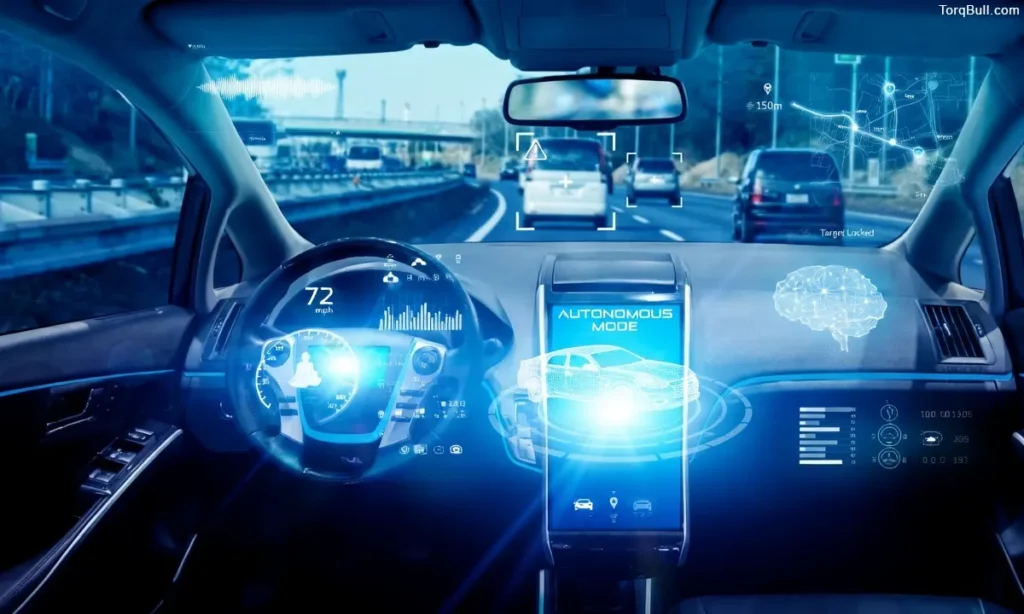
While Level 3 stalls in private cars, Level 4 is quietly exploding in the robotaxi world. The leader operates around 2,500 driverless robotaxis across San Francisco, Los Angeles, Phoenix, Austin, Atlanta, and Miami, and is targeting 20 cities by the end of 2026, having logged well over 100 million driverless miles.
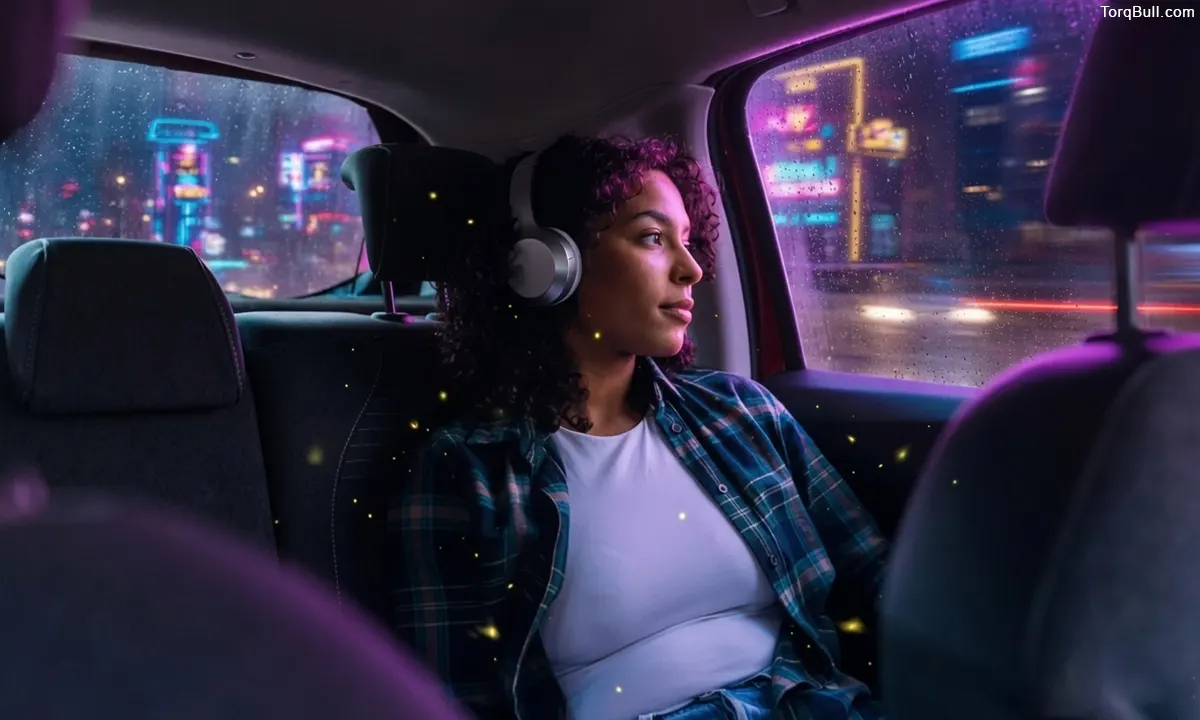
The competition is real, too. Amazon’s Zoox launched a purpose-built robotaxi with no steering wheel and bidirectional driving, charging for rides in Las Vegas and expanding to San Francisco. Volkswagen is deploying ID.Buzz robotaxis with Level 4 tech in Germany and Texas. These cars are already on public roads, carrying paying passengers, with nobody in the driver’s seat. But, crucially, you can’t buy one. You summon it.
Read: AWD vs. RWD: The Ultimate Performance Track Battle
How the Levels Actually Compare
Here’s the distinction that matters, laid bare.
| Factor | Level 2 (buy today) | Level 3 (rare) | Level 4 (robotaxis) |
| Who drives when engaged | You | The car | The car |
| Eyes on road? | Yes, always | No, in its zone | No |
| Human backup needed? | Yes | Yes, must retake | No |
| Who’s legally liable? | You | The manufacturer | The operator |
| Where it works | Most roads | Narrow conditions | Geofenced cities |
| Can you own it? | Yes | Barely | No, it’s a service |
The Hidden Shift, Revealed
Now, here’s the shift that’s actually changing driving forever, and it has two hidden parts. The first is that liability moves from you to the machine’s maker. Once a system crosses into Level 3 and beyond, the human stops being the legally responsible driver during automated operation. That transforms car insurance, accident law, and the entire relationship between people and their vehicles. It’s a philosophical and legal revolution disguised as a software update.
The second hidden shift is bigger still: autonomy is splitting into two completely different futures. The car you own is crawling forward at Level 2 and stalling at Level 3, cautious, expensive, incremental. Meanwhile, the car you don’t own, the Level 4 robotaxi, is leaping ahead as a commercial service in city after city. Put those together and you get the real earthquake: the self-driving future may not arrive in your driveway at all. It may arrive at the curb, as a ride you hail, potentially making personal car ownership optional for millions of people. When robotaxis can whisk you anywhere in a city for less than the cost of owning, insuring, and parking a car, the whole century-old model of buying your own vehicle comes into question. That’s the hidden shift, and it’s already underway.
Don’t Get Fooled by the Marketing
A necessary warning, because the branding is genuinely dangerous. There’s a real gap between what “Full Self-Driving” and “Autopilot” suggest and what they legally are, which is Level 2 assistance requiring your full attention. Industry voices are increasingly questioning whether the SAE levels even survive the marketing muddle. The practical takeaway is blunt: if you can buy it and put it in your garage in 2026, you are still the driver, full stop, no matter what the badge on the screen says. Treating a Level 2 system like a Level 4 one is how people get hurt.
Verdict: The Real Revolution Is Hiding in Plain Sight
So what’s the honest state of the Level 3 versus Level 4 shift? The distinction most people miss is that this isn’t fundamentally a story about better sensors or smarter software. It’s a story about responsibility and access, and on both fronts the ground is moving under our feet.
Level 3 is the quiet legal earthquake: the first time the car, not the human, becomes the driver in the eyes of the law, with the manufacturer accepting liability. It’s a profound shift, even though the technology itself is stalling in the private cars we can actually buy, held back by cost, weak demand, and cautious automakers. Level 4 is the visible revolution: genuinely driverless cars, with no human backup, already carrying passengers across a growing list of American cities, but only as robotaxis you summon rather than vehicles you own.
Here’s where I land. Don’t let the “self-driving” hype fool you into thinking your next car will chauffeur you home while you nap. In 2026, everything you can buy is still Level 2, and you’re still the responsible driver. The genuine transformation is happening in two places the marketing obscures: the liability handoff at Level 3, and the explosive rollout of Level 4 robotaxis. And the biggest question those raise isn’t “when will my car drive me,” it’s “will I even own the car that drives me.” Autonomy is arriving not as a feature you buy, but increasingly as a service you call, and that quiet shift may reshape driving, ownership, and cities more than any gadget ever could. The revolution isn’t coming to your driveway. It’s already idling at the curb, and it doesn’t have a steering wheel. Keep your eyes on that gap between Level 3 and Level 4, because that’s where the future is being decided.