Built to Last Forever. 10 Most Reliable Motorcycles Ever Built
- Covers legendary brands known for long-term reliability
- Proven engines like Honda flat-six, Yamaha V-twin, Kawasaki inline-four, BMW boxer
- Backed by owner testimonials and real-world longevity data
- Conservative engineering focused on durability over extremes
- Top 10 motorcycles most likely to outlast all rivals
Most Reliable Motorcycles: Reliability in a motorcycle means something more consequential than reliability in a car. When a car fails, the driver calls for assistance from the safety of an enclosed cabin. When a motorcycle fails, the rider is stranded — potentially in conditions, locations or circumstances where the machine’s dependability is the difference between a minor inconvenience and a genuinely serious situation. The reliability standard that a motorcycle must meet to earn genuine trust from its owner is therefore higher than the standard applied to four-wheeled alternatives, and the motorcycles that have consistently met that standard across decades of production, hundreds of thousands of miles of accumulated owner evidence and the full spectrum of global operating conditions represent engineering achievements whose significance extends beyond commercial success into the territory of genuine functional excellence.
The ten motorcycles on this list have earned their reliability reputations through the most credible process available — the accumulated testimony of owners whose high-mileage examples, whose decades of trouble-free service and whose documented evidence of mechanical longevity across real-world riding conditions constitute a body of evidence that no manufacturer’s marketing claim can fabricate and no single road test can establish. These are the machines that riders trust with their lives across the miles that test what a motorcycle is truly made of.
1. Honda Super Cub: The Most Produced Vehicle in History
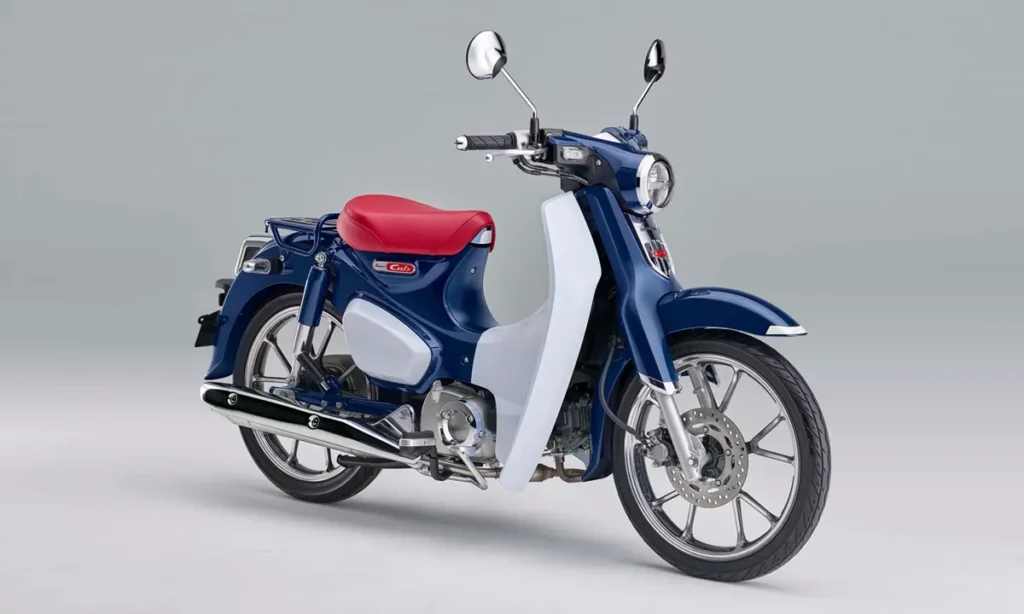
No reliability list begins anywhere other than the Honda Super Cub — the 50 to 125cc step-through commuter that has been in continuous production since 1958, has sold more than 100 million units globally and whose mechanical simplicity, engineering conservatism and manufacturing consistency have produced a reliability record whose breadth and depth no other motorised vehicle of any configuration approaches. The Super Cub’s overhead camshaft single-cylinder engine — whose fundamental architecture has been refined rather than reinvented across sixty-seven years of continuous production — achieves reliability through the elimination of complexity rather than the management of it. There is almost nothing on a Super Cub that can fail in a manner that prevents the machine from functioning.
Owner documentation from developing world markets — where the Super Cub serves as primary transportation, delivery vehicle and commercial tool simultaneously, accumulating daily mileages whose annual totals exceed what recreational motorcycles in developed markets cover in a decade — provides the most compelling reliability evidence available for any motorcycle. Super Cubs regularly accumulate 200,000 to 300,000 kilometres with nothing more than oil changes and the occasional chain or brake pad replacement. The engine does not wear out in any meaningful sense within normal human ownership timelines. The Honda Super Cub is not merely the most reliable motorcycle ever built — it is arguably the most reliable motorised vehicle ever built.
2. BMW R Series Boxer: Eight Decades of Air-Cooled Dependability
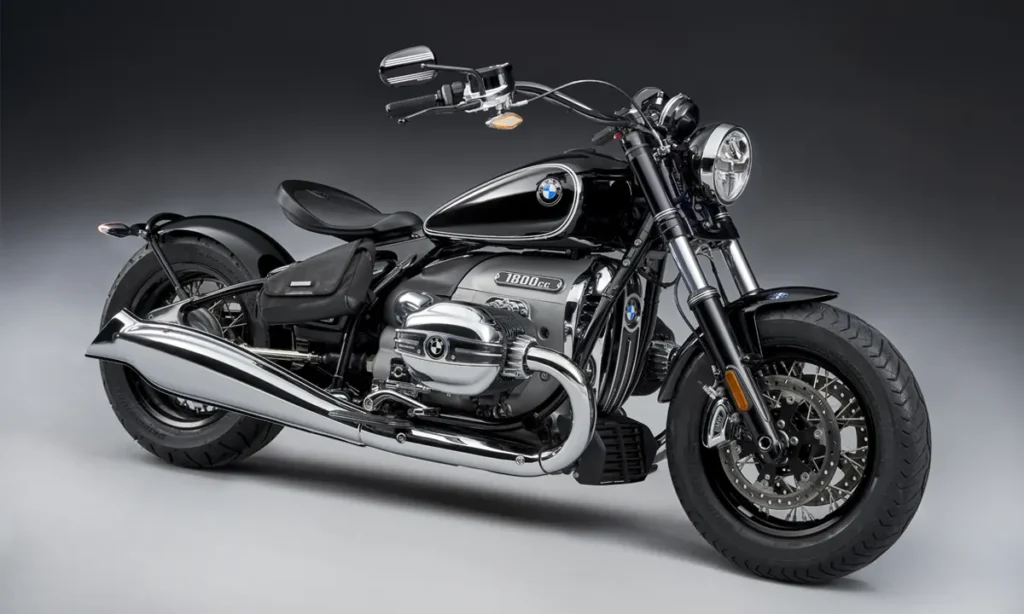
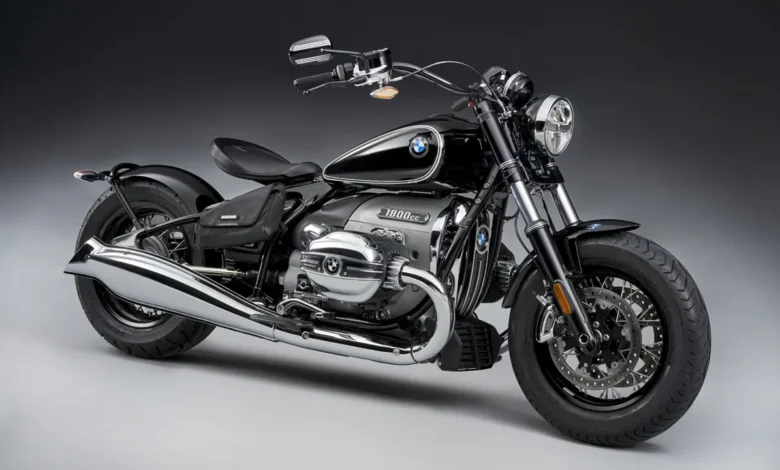
The BMW R series boxer twin — whose horizontally opposed two-cylinder air-cooled architecture has been in continuous production since 1923, making it the longest-running engine design in motorcycle history — has accumulated a reliability record across a century of production that reflects both the inherent durability of the boxer configuration and BMW Motorrad’s engineering conservatism whose priority has consistently been longevity over performance maximisation.
The boxer’s exposed cylinder heads — whose air-cooling efficiency the horizontal configuration optimises by placing both cylinders directly in the cooling airflow — eliminate the water pump, coolant system and associated failure modes that liquid-cooled alternatives introduce. The shaft drive standard on R series models since the 1920s eliminates the chain wear, adjustment and replacement that contributes a meaningful proportion of maintenance events on chain-driven alternatives. R series boxers regularly achieve 200,000 to 300,000 kilometres with appropriate maintenance — a figure that the model’s touring-oriented ownership community documents with a frequency that confirms its statistical normality rather than its exceptional character.
3. Honda CB750: The Machine That Changed Everything and Then Kept Running
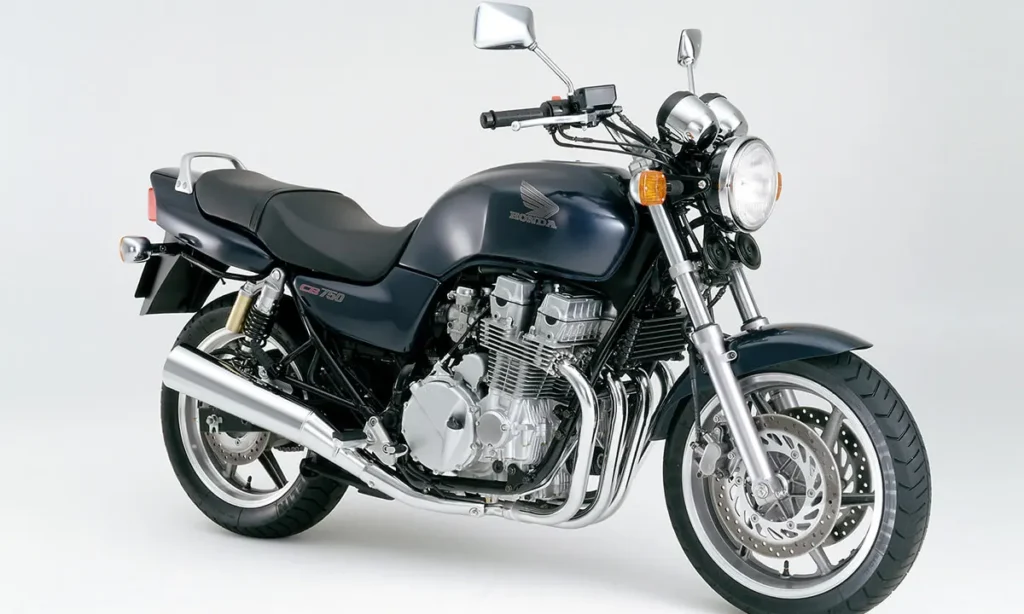
The original Honda CB750 — introduced in 1969 as the world’s first mass-produced four-cylinder motorcycle and the machine that effectively created the modern superbike category — established its reliability credentials across five decades of production by demonstrating that multi-cylinder complexity and long-term dependability were not mutually exclusive qualities. The SOHC inline-four’s mechanical architecture — whose chain-driven single overhead camshaft, relatively modest state of tune and conservative engineering tolerances reflected Honda’s engineering philosophy of lasting performance over momentary maximum output — produced an engine whose longevity across the high-mileage examples that survived into the collector market confirmed the durability that Honda’s reputation had promised.
Documented CB750 examples with original engines exceeding 100,000 miles are common within the model’s enthusiast community — a figure that, in the context of a motorcycle introduced when 30,000 miles was considered exceptional engine longevity, represents a reliability achievement whose historical significance the subsequent normalisation of high-mileage motorcycles should not obscure.
4. Yamaha XT500: Single-Cylinder Desert Survivor
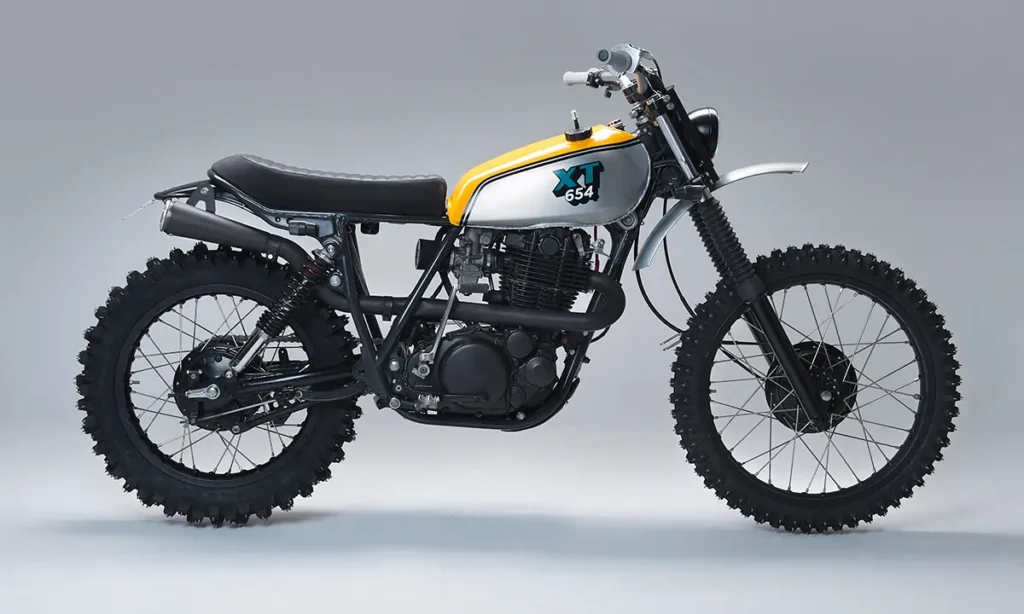
The Yamaha XT500 — introduced in 1976 as the first of the modern four-stroke trail bikes and the machine that established the adventure motorcycle category’s reliability template — earned its reliability reputation through the most demanding testing environment available to any production motorcycle: the Paris-Dakar Rally, whose early editions the XT500 competed in and whose navigation, mechanical stress and maintenance demands provided real-world durability evidence that no controlled testing programme could replicate.
The XT500’s single-cylinder SOHC engine — whose simplicity, accessibility and mechanical robustness reflected Yamaha’s understanding that a desert-capable motorcycle must be repairable with basic tools in remote locations — produced a reliability reputation whose foundation in genuine extreme-condition performance distinguishes it from the more controlled conditions in which most production motorcycle reliability is established. XT500s with their original engines running cleanly after 40 to 50 years of service are not uncommon within the model’s owner community.
5. Honda Gold Wing GL1000: Grand Touring Dependability Standard
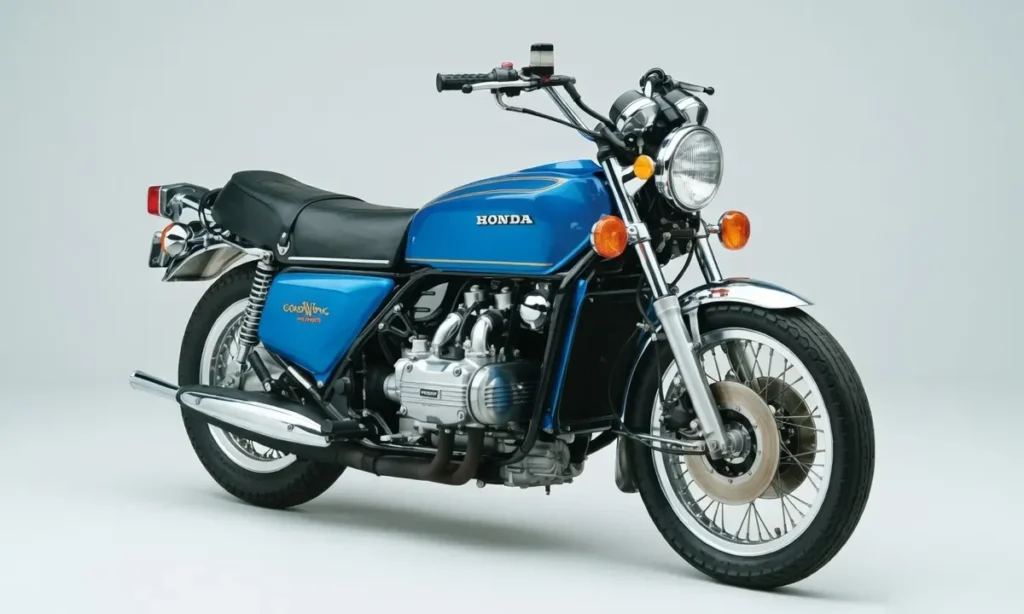
The original Honda Gold Wing GL1000 — introduced in 1975 as the most sophisticated production motorcycle yet built and the machine that created the grand touring category — established a reliability standard for complex, high-specification motorcycles that subsequent generations of the Gold Wing have maintained and extended across five decades of production. The water-cooled horizontally opposed four-cylinder engine’s engineering — whose smooth power delivery, effective thermal management and conservative state of tune prioritised sustained long-distance performance over peak output — produced a powertrain whose long-term reliability record confirmed that engineering sophistication and mechanical longevity were compatible objectives.
Gold Wing owners routinely document examples exceeding 300,000 miles on original powertrains — a figure that the model’s touring-oriented ownership demographic accumulates through the high annual mileages that grand touring use imposes, providing the reliability evidence that recreational low-mileage ownership patterns would take decades to generate.
6. Kawasaki W650: Mechanical Simplicity as Reliability Philosophy
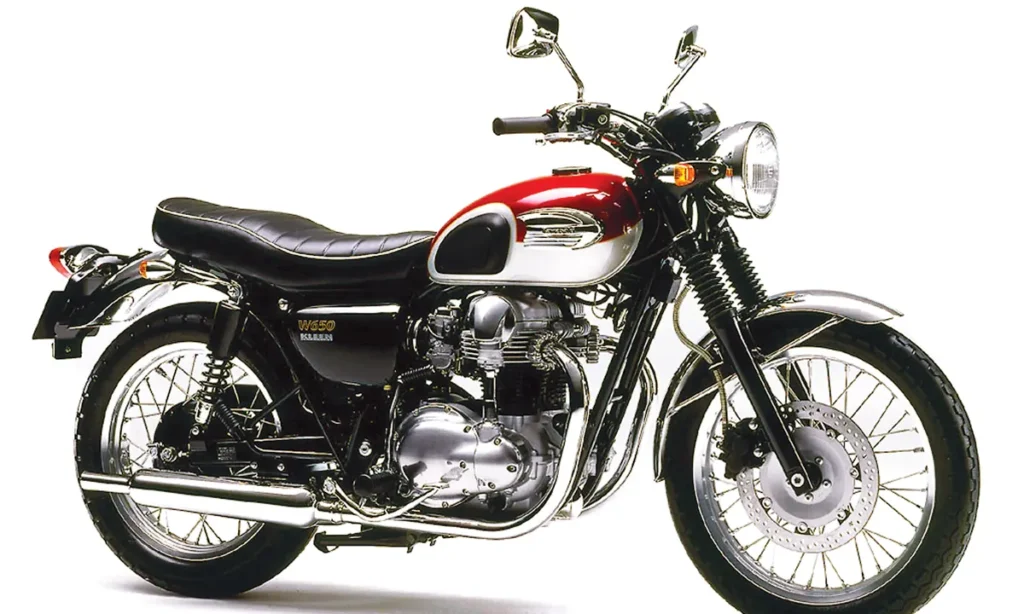
The Kawasaki W650 — introduced in 1999 as a modern retro whose parallel twin engine architecture, bevel-gear-driven twin overhead camshafts and traditional styling represented a deliberate return to mechanical simplicity in an era of increasing engine complexity — achieved its reliability reputation through the same principle that distinguishes the Super Cub’s longevity argument: fewer components means fewer failure opportunities. The W650’s engine contains no parts that cannot be serviced with conventional tools, no electronic management systems whose failure mode cannot be diagnosed without specialist equipment and no maintenance requirements whose complexity prevents owner servicing.
Owner testimony from the W650’s devoted international community consistently documents examples exceeding 100,000 kilometres with minimal mechanical intervention beyond routine maintenance — confirming that the simplicity philosophy whose commercial rationale was nostalgia delivered genuine long-term reliability as its practical consequence.
7. Suzuki DR650: Indestructible by Design
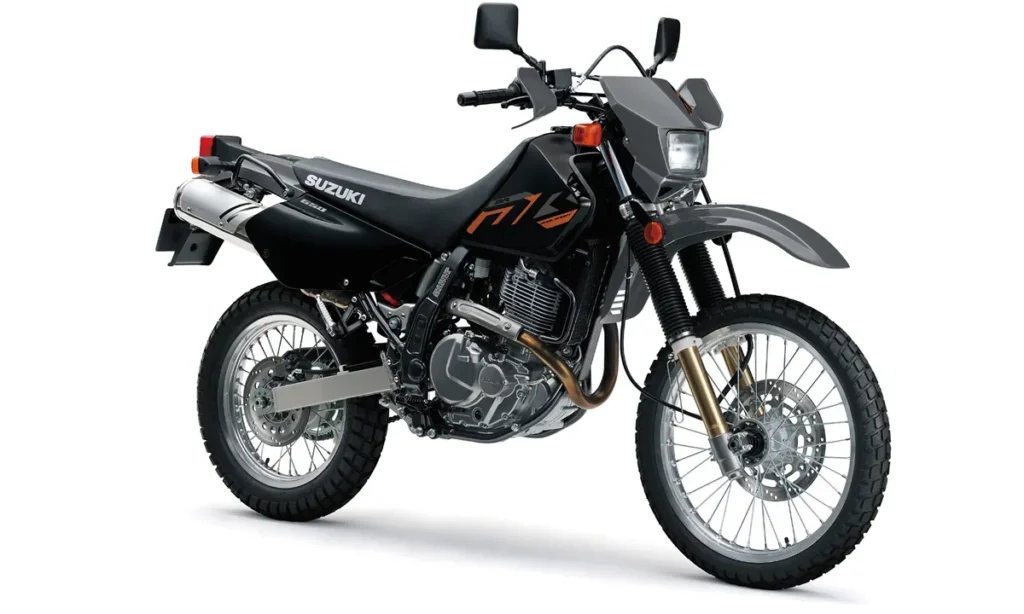
The Suzuki DR650 — introduced in 1990 and still in production in 2026 with minimal fundamental changes, making it one of the longest-running essentially unchanged production motorcycles in the global market — has accumulated a reliability record across thirty-six years of production whose consistency reflects the engineering conservatism of a machine whose development priority has always been functional durability rather than specification advancement.
The DR650’s air-cooled single-cylinder engine — whose SOHC architecture, simple carburetion on earlier models and fuel injection on current versions reflect engineering decisions whose reliability implications were weighted above their performance consequences — produces a motorcycle that adventure touring riders document accumulating 100,000 to 200,000 kilometres with the kind of maintenance simplicity that remote-area touring demands. The DR650’s reputation as genuinely indestructible within normal operating parameters is the most consistently maintained single claim in its thirty-six-year ownership community narrative.
8. Honda Africa Twin CRF1000L: Modern Adventure Reliability
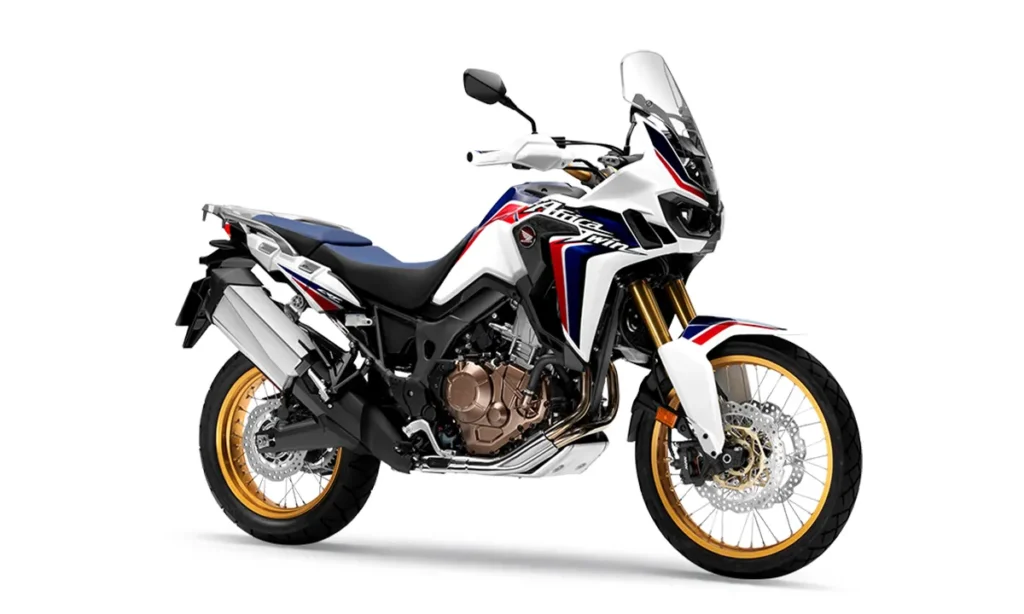
The Honda Africa Twin CRF1000L — introduced in 2016 as the revival of the legendary XRV750 nameplate and developed with the explicit engineering brief of producing the most mechanically reliable adventure motorcycle in the segment — carries a reliability record across its first nine years of production whose consistency in owner surveys, professional assessments and high-mileage documentation confirms Honda’s stated development priority as genuinely achieved rather than merely claimed.
The parallel twin engine’s conservative state of tune — producing 94 horsepower from 998cc at relatively modest peak revs — reflects a powertrain engineering approach whose longevity prioritisation the service interval generosity supports: 12,000-kilometre oil service intervals that reflect genuine engineering confidence in the engine’s lubrication system’s ability to maintain oil quality across the distances that long-distance adventure riding accumulates. Africa Twin examples exceeding 150,000 kilometres with original powertrains are documented with increasing frequency as the model’s production tenure extends and its high-mileage cohort grows.
9. Royal Enfield Bullet 350: Seventy Years of Continuous Production
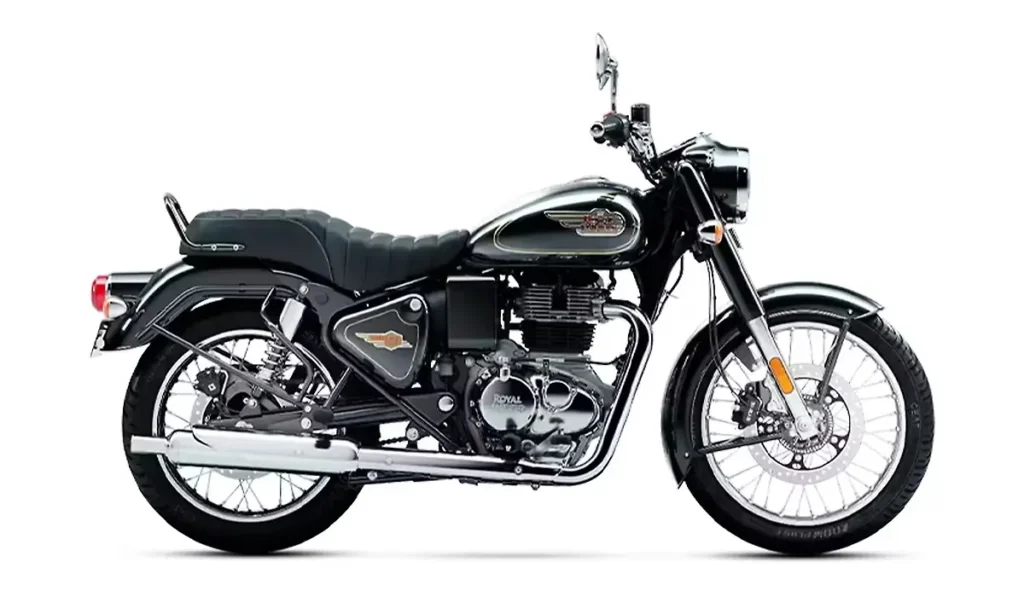
The Royal Enfield Bullet 350 — whose production in India has continued essentially uninterrupted since 1955, making it the longest-running motorcycle model in continuous production from a single factory — has earned its reliability reputation through a different mechanism than most entries on this list: not through engineering sophistication but through the depth of the service and parts ecosystem that seven decades of continuous production have developed around a mechanically simple unit construction single-cylinder engine whose every component is available from multiple suppliers at minimal cost in its primary markets.
The Bullet’s reliability in Indian conditions — where road surfaces, ambient temperatures and maintenance accessibility create demands that European and American market motorcycles are not designed to accommodate — has been demonstrated across generations of owners whose primary transportation dependence on the machine provides reliability evidence of a quality that recreational ownership cannot match.
Read: How Much Does the 2026 Yamaha R7 Cost? Is It Worth Every Dollar?
10. Yamaha TW200: Unchanged Since 1987 for Good Reason
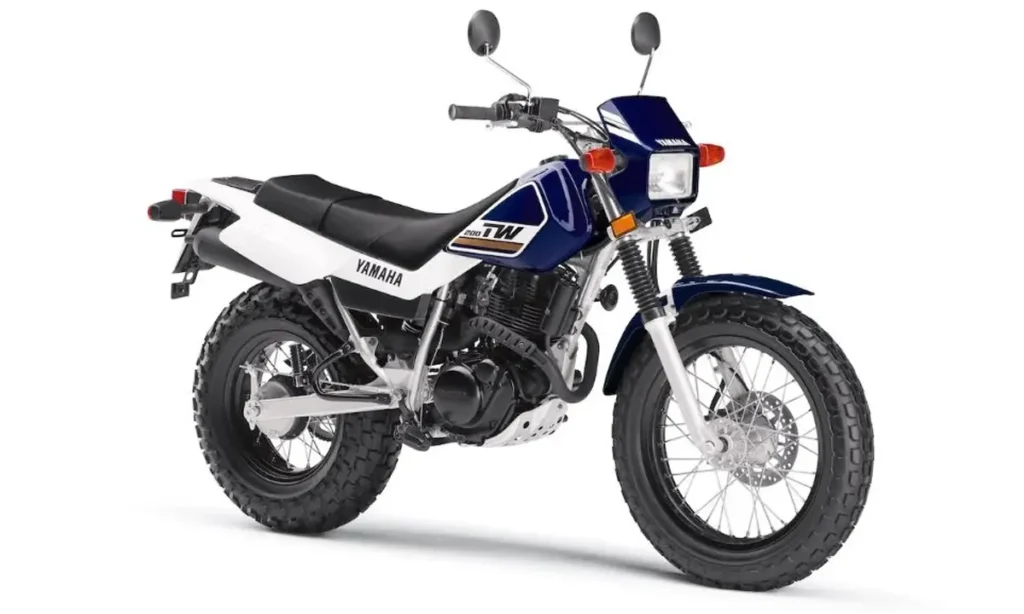
The Yamaha TW200 — introduced in 1987 and sold in North America through the current model year with minimal fundamental engineering changes, making it one of the longest-unchanged production motorcycles in the American market — has accumulated its reliability reputation through the same mechanism as the DR650: the extended production run whose unchanged architecture has provided three decades of real-world validation data for every component whose reliability the accumulated owner evidence has confirmed.
The air-cooled single-cylinder SOHC engine’s conservative state of tune, the wide balloon tyres whose low pressure and large contact patch reduce the stress that normal riding imposes on the drivetrain and the simple, accessible mechanical architecture that owner maintenance requires nothing more sophisticated than basic tools to service completely combine to produce a lightweight dual-sport motorcycle whose reliability record within its intended use case is exceptional.
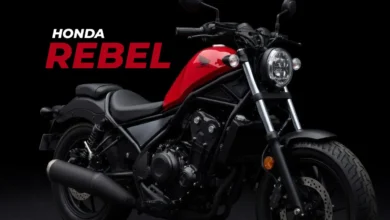
Read: Why the Honda Rebel Is the Ideal First Bike for New Riders in 2026. The Perfect Starting Point
10 Most Reliable Motorcycles Ever Built – Summary
| Rank | Model | Years Produced | Key Reliability Factor | Documented Longevity |
| 1 | Honda Super Cub | 1958–Present | Maximum simplicity | 200,000–300,000+ km |
| 2 | BMW R Series Boxer | 1923–Present | Shaft drive / Air cooling | 200,000–300,000 km |
| 3 | Honda CB750 | 1969–2003 | Conservative SOHC tune | 100,000+ miles |
| 4 | Yamaha XT500 | 1976–1989 | Desert-proven single | 40+ years service |
| 5 | Honda Gold Wing GL | 1975–Present | Water-cooled touring | 300,000+ miles |
| 6 | Kawasaki W650 | 1999–2008 | Mechanical simplicity | 100,000+ km |
| 7 | Suzuki DR650 | 1990–Present | Unchanged architecture | 100,000–200,000 km |
| 8 | Honda Africa Twin | 2016–Present | Conservative twin tune | 150,000+ km |
| 9 | Royal Enfield Bullet 350 | 1955–Present | Parts ecosystem depth | 70+ years production |
| 10 | Yamaha TW200 | 1987–Present | Unchanged since launch | 30+ years validation |