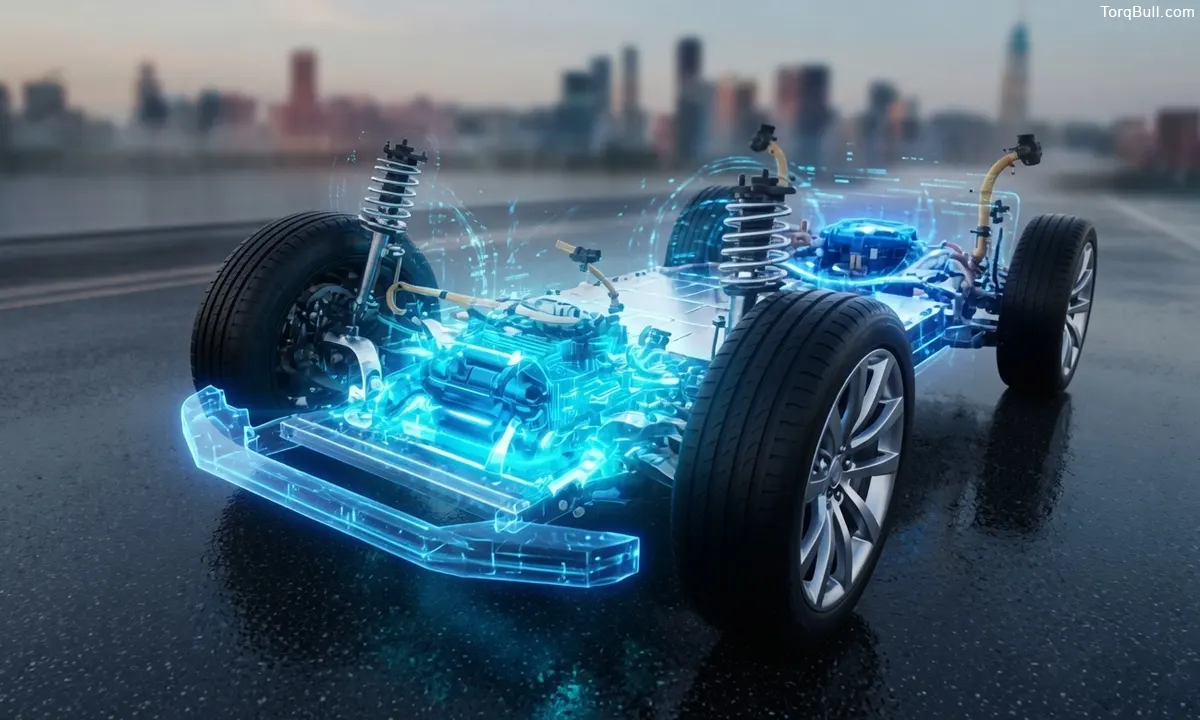
Roll into any track day and you’ll find the tribes already at war. On one side, the all-wheel-drive crowd, preaching the gospel of grip, four contact patches clawing at the tarmac, power down early, out of the corner and gone. On the other, the rear-wheel-drive faithful, who talk about balance, feel, and the pure connection between right foot and rear axle, and who look at AWD with a mix of respect and quiet pity.
Here’s what makes this argument so deliciously unresolvable: both sides have a genuine point. One layout is usually faster around a lap. The other is usually more fun to drive around that lap. And “performance” means different things depending on whether you’re chasing the clock or chasing a grin.
So let’s have the ultimate track battle properly, with real test data doing the talking, and figure out which drivetrain actually deserves the crown. Spoiler: it depends on what crown you’re fighting for.
The Experiment That Settles the Stopwatch
Normally these debates drown in “it depends” because you can never compare apples to apples. Different cars, different tires, different drivers. But one test cracked it wide open using a car that can be all three drivetrains at the flick of a setting.
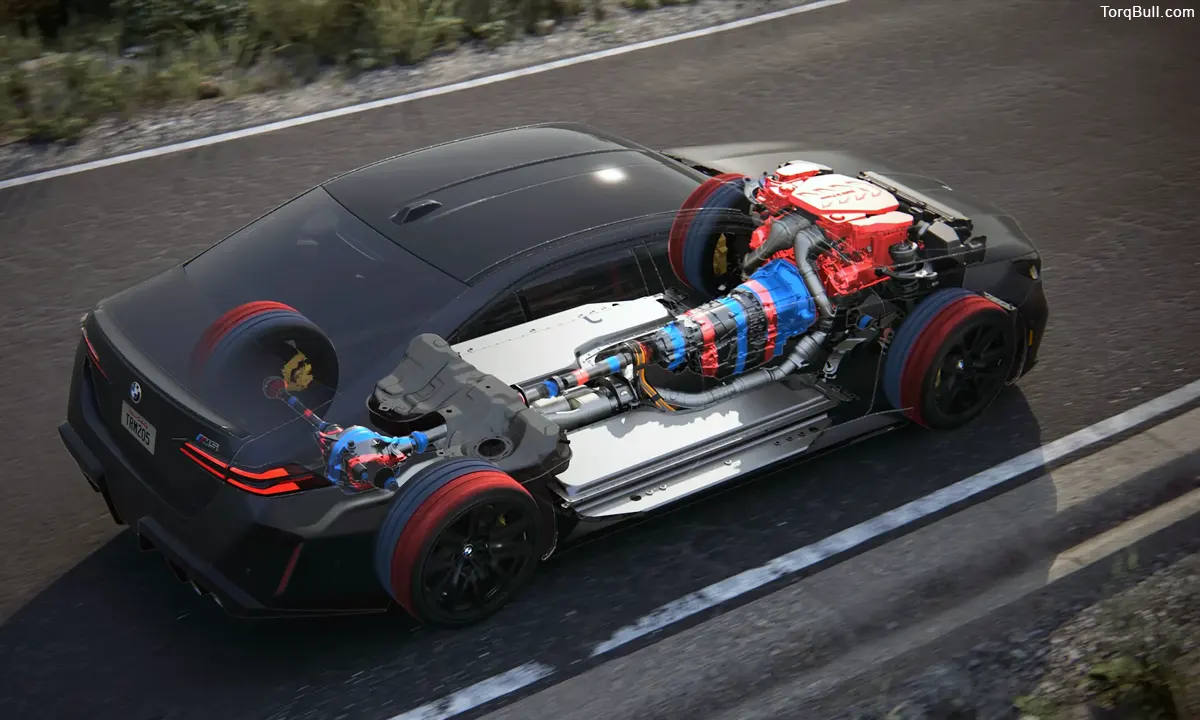
The BMW M5 Competition can run as pure RWD, RWD-biased AWD, or full AWD, which makes it the perfect machine to isolate the drivetrain and nothing else. Same car, same tires, same driver, same track, every variable removed. And the results are fascinating. On dry asphalt, 0 to 60 took 3.8 seconds in RWD, 3.0 seconds in AWD Sport, and a blistering 2.9 seconds in full AWD. That’s nearly a full second quicker just from feeding power to all four wheels.
The hot lap told the same story. AWD proved by far the quickest option regardless of conditions, with a gap of almost two seconds a lap over RWD in the dry. And in the wet, the acceleration gap became a chasm: 0 to 60 took 8.6 seconds in RWD versus 4.0 seconds in AWD. So on the pure stopwatch, at least for a powerful modern car, the verdict is blunt. AWD wins.
Why AWD Rules the Clock
The M5 test isn’t a fluke, it’s physics. AWD setups have the most traction and the greatest ability to put power down, which is why an AWD car will almost always wipe the floor with a similarly powerful RWD car in a drag race. Four driven wheels simply deploy power that two wheels would waste in wheelspin.
On the track, that traction pays off at corner exit. A good AWD system can apply power earlier out of a turn than RWD can, firing you down the next straight while the RWD driver is still gingerly feeding in throttle to avoid lighting up the rears. Power and grip on all four wheels let an AWD car attack tight hairpins with confidence, where an RWD counterpart might fishtail. And in the wet, it’s not even a contest. This is exactly why so many monster-power performance cars, the GT-R, the RS6, the 911 Turbo, went AWD. When you’re making 600, 800, even 1,000 horsepower, you physically cannot put it down through two wheels. AWD is how modern hypercars deploy their insanity.
But AWD Has Real Track Weaknesses
Before the AWD crowd starts celebrating, here’s the other side, because that grip comes at a cost. AWD is the heaviest of the layouts and suffers the most drivetrain loss, and that extra weight is a genuine disadvantage on a track, hurting braking, agility, and direction changes. All that hardware you’re hauling around fights you everywhere except corner exit.
It can also push. Because the front wheels are busy both steering and putting down power, AWD can induce understeer, that reluctant, nose-wide feeling as the car resists turning. Automakers have fought this hard with trick differentials and torque vectoring that can make the car behave almost RWD mid-corner, but the tendency is baked into the layout.
And then there’s the intangible. Many enthusiasts find AWD track cars, however fast, a little clinical. One driver who ran a Mitsubishi Evo described it as quick around a lap even in the wet, and handling superbly, but ultimately a little soul-less, because it was almost too easy to drive. Fast, yes. Thrilling, not always.
Why RWD Wins the Soul
Now for the other trophy, the one the RWD faithful actually care about. Rear-wheel drive separates the turning wheels from the power wheels, and that single fact transforms how a car feels. The fronts handle steering, the rears handle thrust, and the result is sharper, cleaner, more communicative handling. Front-engine RWD gives you well-balanced weight distribution, and mid-engine RWD, with the heavy bits sitting right at the center of gravity, delivers the most neutral, predictable dynamics of all, which is why Ferraris and McLarens are built that way.
RWD is also the enthusiast’s playground. It’s the ideal platform for drifting, it lets you power over a corner and rotate the car with your right foot, and it rewards skill in a way AWD rarely does. One driver who moved from FWD to AWD to a RWD BMW E30 M3 found the rear-driver the most fun and rewarding of the lot, the one that taught him the most as a driver. That connection, that sense that you and the car are having a conversation, is RWD’s superpower. Oh, and it’s lighter and simpler too, with less drivetrain loss and lower maintenance.
The Nuance Everyone Misses
Here’s the detail that reframes the whole battle: the number of driven wheels doesn’t add lateral grip. Four-wheel drive helps traction, meaning putting power down, but a car’s cornering grip actually comes from its weight, its balance, its suspension, and its tires. That E30 M3’s surprising grip came from being light with good weight distribution and smart suspension, not from which wheels were driven.
Why does that matter? Because on the right track, a light RWD car can genuinely beat a heavy AWD one. At one Nürburgring endurance race, a front-wheel-drive Audi TT actually posted faster laps than the AWD version, purely because it carried less weight. On a flowing, grippy, dry circuit with lots of fast corners and moderate power, AWD’s traction advantage shrinks while its weight penalty grows, and a balanced, lightweight RWD car can match or embarrass it. AWD’s dominance is biggest exactly where traction is the limiting factor: slow corners, huge power, and wet or low-grip surfaces.
Read: Boost or Breathe Free! Turbo vs Naturally Aspirated Performance Comparison
How They Stack Up
Here’s the track-focused head-to-head.
| Category | AWD | RWD |
| Corner-exit traction | Excellent | Good, needs care |
| 0 to 60 / launches | Quickest | Slower |
| Wet / low-grip pace | Dominant | Tricky |
| Weight | Heaviest | Lighter |
| Cornering agility | Blunted by mass | Sharp |
| Steering purity | Diluted | Best in class |
| Driver engagement | Easier, less involving | Rewarding, demands skill |
| Big-power deployment | Ideal | Limited |
The Modern Reality
The industry has quietly picked a side for the fastest cars. As power outputs have exploded, high-performance machines have increasingly gone AWD, because you simply cannot put supercar-level power down through two wheels. The M5, the RS6, the GT-R, the 911 Turbo all made the switch for a reason. And EVs are scrambling the picture further, with instant torque, dual-motor e-AWD, and torque vectoring so precise it can rotate the car electronically. If raw, repeatable, all-conditions speed is the goal, the engineering trend points firmly at AWD.
But that same trend is why a pure, light, balanced RWD sports car feels more special than ever. As AWD becomes the default for going fast, RWD is becoming the deliberate choice for those who prize feel over figures.
Verdict: Two Winners, One Question
So who wins the ultimate track battle, AWD or RWD? The honest answer is that there are two champions, and which one you crown depends entirely on what you’re chasing.
If you’re chasing the stopwatch, AWD takes the trophy, and the data proves it. That switchable M5 didn’t lie: nearly a second quicker to 60 and around two seconds faster per lap in AWD, with a crushing advantage in the wet. For putting down big power, launching hard, and delivering fast, forgiving, all-conditions lap times, all-wheel drive is the objective performance king. If your track days are about setting personal bests, or your car makes serious horsepower, buy AWD and don’t look back.
But if you’re chasing the grin, RWD wins, and it wins my heart every time. Separating steering from power gives it a sharpness, a balance, and a communicative honesty that AWD’s grip can’t replicate. It’s lighter, more engaging, endlessly more fun to slide, and it teaches you to actually drive rather than just point and squeeze. On the right dry, flowing circuit, a well-sorted lightweight RWD car can even beat a portly AWD one outright, all while making you feel like a hero.
Here’s where I land. For the ultimate lap time in a powerful modern car, AWD is the smart, fast, unarguable choice, and the numbers back it completely. But for the ultimate driving experience, the soul of performance, the reason we fell in love with cars in the first place, rear-wheel drive is still the one that sets my hair on fire. The beautiful truth is that the “ultimate track battle” was never really about which is faster. It’s about whether you go to the track to beat the clock or to feed your soul. Pick your trophy, pick your drivetrain, and go turn some laps. Either way, you win.