Every gearhead has been in this argument, usually late at night, usually with strong opinions and stronger coffee. One side swears by the turbocharger, the glorious rush of boost, the way a tiny engine can suddenly hit like a much bigger one. The other side worships at the altar of the naturally aspirated engine, the crisp throttle response, the linear pull, the mechanical purity of an engine breathing on its own.
Here is the thing that makes this debate so fun: they are both right. There is no single winner, only the engine that best fits how you actually drive. Turbo and naturally aspirated engines each have unique strengths, and the right choice comes down to your priorities: power versus simplicity, efficiency versus reliability, highway versus city.
So let me break down this eternal showdown properly, round by round, and by the end you will know exactly which camp you belong in. Boost, or breathe free? Let’s settle it.
First, How They Actually Work
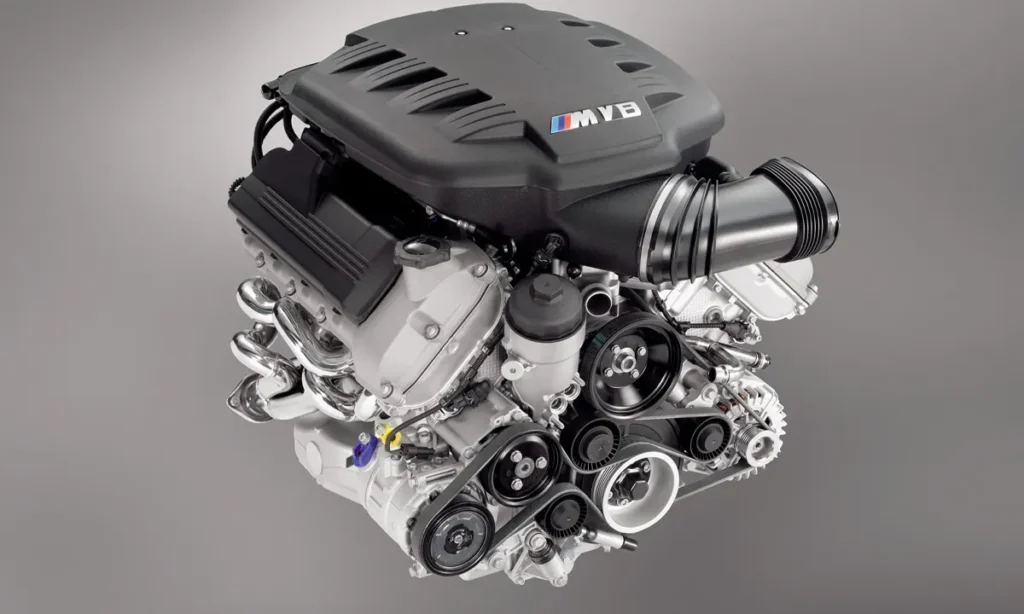
Quick mechanical primer, because it explains everything that follows. A naturally aspirated engine relies on atmospheric pressure to draw air in. As the piston moves down, it creates a vacuum that pulls air into the combustion chamber, with no extra help. Simple, mechanical, and refined over more than a century. Its power depends on its displacement and how fast it revs.
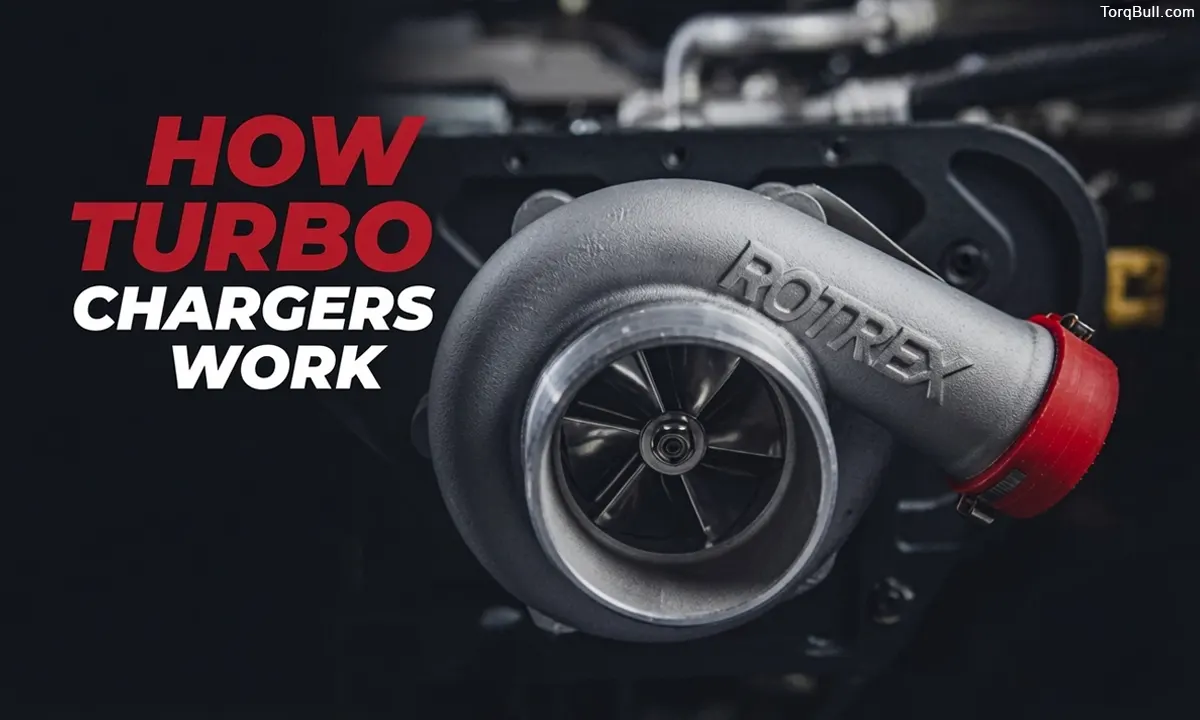
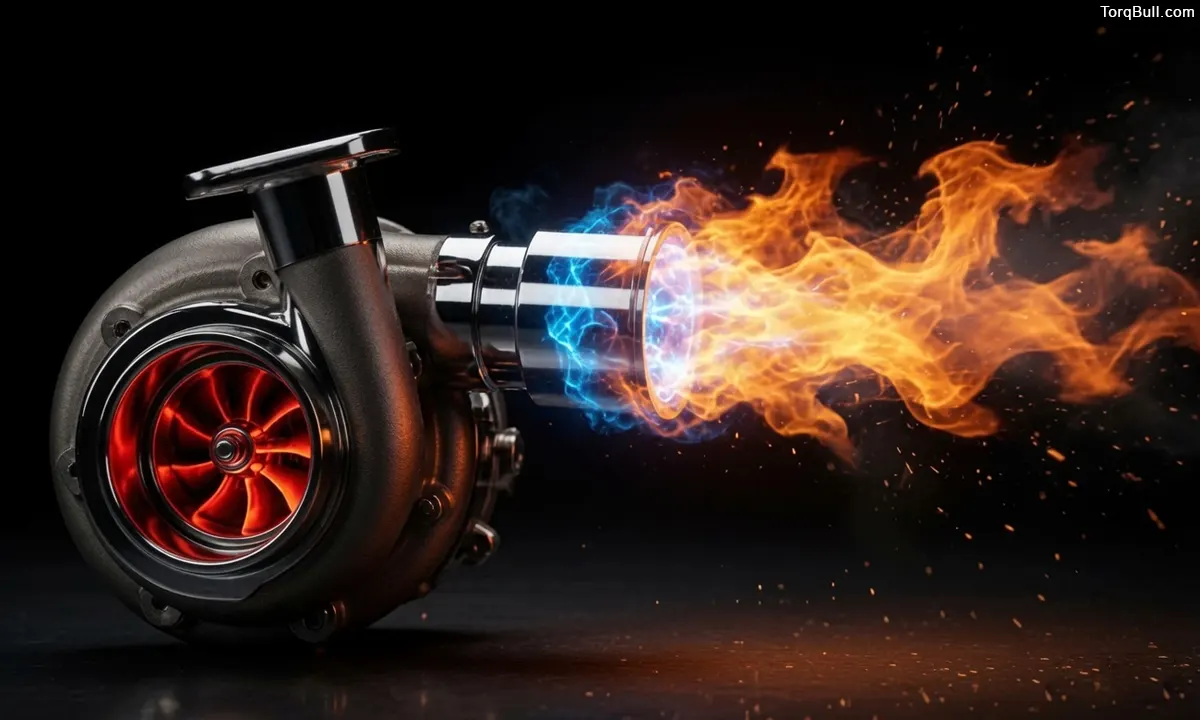
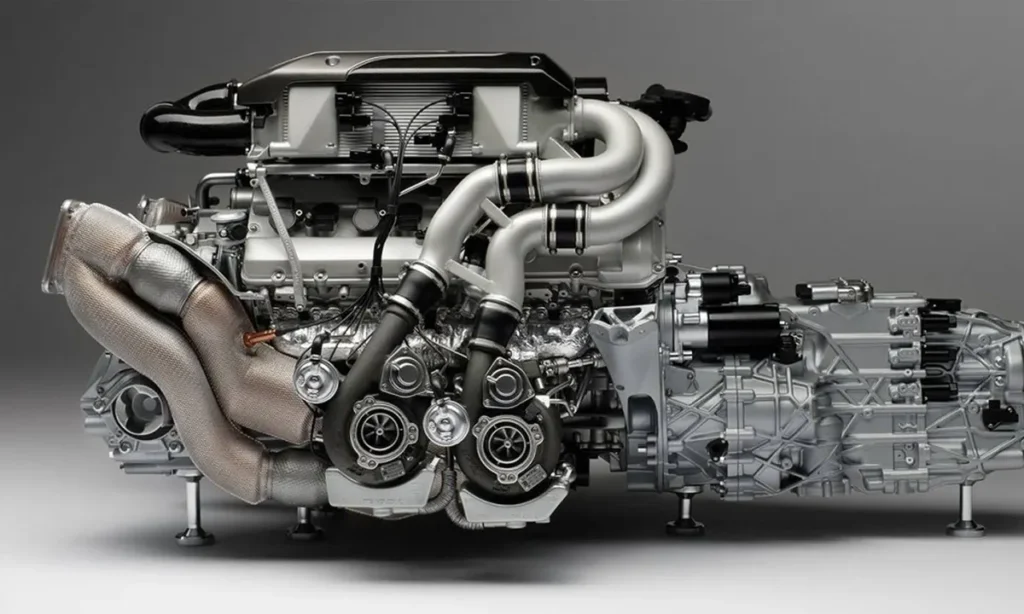
A turbocharged engine cheats physics a little. It uses exhaust gases to spin a turbine, which drives a compressor that forces extra air into the cylinders, cramming in more oxygen so each combustion cycle produces more power. The upshot is dramatic. Take the 2026 Hyundai Santa Cruz: the base naturally aspirated 2.5-liter four makes 191 horsepower, but bolt a turbo onto that same basic engine and it jumps to 281 horsepower. Same block, nearly 90 more horses. You’re essentially tricking a small engine into producing big-engine power.
Round One: Power and Performance
This is where the personalities really diverge. Turbo engines deliver strong bursts of torque as boost builds, resulting in lively, responsive acceleration, and crucially they make that torque low in the rev range. You feel it when merging onto a busy highway or overtaking, that effortless surge with minimal effort. That low-end grunt is why the majority of consumers, who mostly drive in the torque zone, love turbos.
Naturally aspirated engines play a different game. Their power rises gradually as the engine revs, providing a steady, predictable climb rather than explosive bursts. They deliver immediate throttle response with no lag, giving a direct, connected feeling, and they reward being revved out with a crisp, mechanical note purists adore. The catch for turbos is the classic one: turbo lag, the brief delay between pressing the pedal and the boost arriving, though modern small turbos, twin-scroll designs, and hybrid assist have largely tamed it.
So which feels faster? Honestly, it’s subjective. A car with lots of low-end torque feels quick off the line and has that part-throttle squirt, while a high-revving naturally aspirated engine feels alive as it pulls harder toward redline. Horses for courses, as the saying goes.
Round Two: Efficiency
Turbos win the efficiency round, but with an asterisk. Turbo engines can generate more power from a smaller displacement, which helps fuel economy during moderate, steady driving, because a small engine sips fuel when you’re cruising off-boost. This downsizing is the whole reason automakers embraced turbos.
But that efficiency evaporates the moment you get greedy. Rapid acceleration, steep hills, or towing send fuel consumption soaring as you lean on the boost. Naturally aspirated engines are more predictable here. They draw air simply, so their fuel use is steady and easy to track, without the constant boost-pressure swings. Turbo for the win on paper, but drive it hard and the gap shrinks fast.
Round Three: Reliability
Here the naturally aspirated engine strikes back, and this round matters a lot if you keep cars a long time. Naturally aspirated engines are simpler, with fewer moving parts, less heat, and lower stress, making them more reliable and cheaper to maintain. Toyota’s 2.5-liter naturally aspirated four is known for reaching 200,000 miles on basic maintenance. You also skip the synthetic-oil premiums and the risk of a costly turbo replacement.
Turbos are more demanding. That turbine spins at over 200,000 rpm in extreme heat, connected directly to the exhaust, which means it needs meticulous maintenance, advanced synthetic oil, and healthy cooling. And recent history has not been kind. Nissan’s VC-Turbo engines saw a recall affecting over 440,000 vehicles for bearing failures, and Toyota’s twin-turbo V6 has faced its own recall troubles, with many issues tracing to the turbocharger itself rather than the base engine.
That said, let’s be fair, because the gap has narrowed. Automakers have dramatically reduced early turbo failures compared to twenty years ago, and there’s no reason a well-kept turbo engine can’t hit 250,000 miles or more. A well-engineered turbo can even outlast a naturally aspirated engine that’s been tuned to the ragged edge. All else equal, the turbo fails sooner because it has more parts and runs hotter, but all else is rarely equal.
Round Four: Tuning Potential
If you love modifying cars, this one is a blowout. Turbo engines are extraordinarily tunable, because you can simply increase boost pressure via an ECU tune to unlock big gains, often 20 to 40 percent more power without major mechanical changes. A stock 2.0-liter turbo making 250 horsepower can hit 350 with the right tuning. That’s an intoxicating amount of easy power.
Naturally aspirated engines are far stingier with gains. Tuning focuses on air-fuel ratios, spark timing, and throttle response, with smaller returns, and real power usually means expensive hardware like displacement increases or adding forced induction, at which point you’ve basically built a turbo car anyway. Advantage turbo, decisively.
Round Five: Altitude, Sound, and Soul
A couple of tiebreakers. On altitude, the turbo dominates. Naturally aspirated engines lose about 3 percent of their power for every 1,000 feet of elevation because they can’t draw enough oxygen, while a turbo mechanically forces air in and shrugs off thin mountain air. If you live in the high country, that’s a real advantage.
On soul, the naturally aspirated engine wins. The free-flowing intake and exhaust produce a crisp, mechanical note that driving purists cherish, and the immediate throttle response creates a sense of intimacy with the car that boosted engines, for all their muscle, can struggle to match. Numbers aren’t everything, and for a certain kind of driver, that connection is the whole point.
Read: Are You Overpaying? The Hybrid vs Gas Savings Calculator, Explained
How They Stack Up
Here’s the head-to-head at a glance.
| Category | Turbocharged | Naturally Aspirated |
| Power from small size | Excellent | Limited by displacement |
| Torque delivery | Strong and low in the RPM range | Builds gradually with revs |
| Throttle response | Slight lag possible | Immediate and direct |
| Cruising efficiency | Better | Predictable, steadier |
| Reliability | Good, but more to fail | Simpler, longer-lived |
| Tuning potential | Huge (20 to 40%+) | Modest |
| High altitude | Unaffected | Loses ~3% per 1,000 ft |
| Maintenance cost | Higher | Lower |
Who Should Choose Which
Let’s make this practical. Choose naturally aspirated if you drive mostly in the city, since the linear response and simplicity handle stop-and-go beautifully. Pick it if you plan to keep your car 150,000-plus miles and want the lowest maintenance and best longevity. It’s also the off-roader’s friend, since predictable, linear power helps you crawl over rough terrain without unexpected surges, which is why the Jeep Wrangler Rubicon 392’s naturally aspirated V8 is beloved off-road. And if you’re a purist who lives for throttle response, high revs, and that mechanical wail, breathe free.
Choose turbo if you’re a highway commuter who values effortless merging and overtaking, or if you tow, climb hills, or drive at altitude. Pick it if you want maximum power from a compact, efficient engine, if you love tuning, or if you want an engine that pairs seamlessly with hybrid systems, where the electric motor fills in for any lag. For most modern drivers, that’s a compelling list.
The Future Is Boosted (Mostly)
I have to note where the industry is heading, because it colors the whole debate. Turbos are winning the mainstream war. Downsized turbo engines help automakers meet tightening emissions rules while delivering the power buyers expect, and they mesh perfectly with electrification, which is why they’ve become the default in compacts, crossovers, sedans, and pickups. The naturally aspirated engine, once everywhere, is increasingly becoming a specialist choice, surviving in select reliability-focused Toyotas, off-road rigs, and glorious high-revving exotics.
That means if you love the naturally aspirated experience, you may want to enjoy it while it’s still widely available, because the market is voting for boost.
Verdict: Match the Engine to Your Life
So, boost or breathe free? After running through every round, my honest answer is that there’s no universal champion, only the right tool for your priorities, and both philosophies are genuinely excellent at what they do.
For the majority of modern buyers, a well-engineered turbo is the pragmatic winner. It delivers strong low-end torque, respectable cruising efficiency, huge tuning headroom, altitude-proof power, and it’s simply what most new cars come with now. And the reliability gap that once haunted turbos has narrowed enough that, with proper maintenance and synthetic oil, a good modern turbo can absolutely go the distance. If you want the most capability and the most flexibility, boost is the smart money.
But do not count out the naturally aspirated engine, because for the right driver it remains the better choice, and it’s worth seeking out while you still can. If you keep your cars forever, drive mostly in the city, prize the lowest maintenance and longest life, or simply love the pure connection of instant throttle response and a high-revving song, breathing free is the way. That simplicity and that soul are things no turbo fully replicates. Here’s where I land. I’d tell most people to buy the modern turbo and enjoy the effortless torque and efficiency, because it fits how we actually drive and it’s the future. But if you’re a purist, an ultra-long-term keeper, or someone who values mechanical honesty over outright numbers, chase down a great naturally aspirated engine and cherish it. Both camps are right. Both deliver joy. Just pick the one that matches your road, your right foot, and your soul. Then go enjoy the drive, however your engine chooses to breathe.