Electric Motorcycles Range Comparison 2026. Every Major Model Ranked by Real-World Distance
- Electric bikes range from ~70 to 300+ miles (claimed)
- Urban commuters vs touring EV motorcycles compared
- Real-world range often lower than advertised figures
- Riding style and conditions impact actual range
- Key to buying: understanding realistic usable range
Electric Motorcycles Range Comparison: For the first five years of the modern electric motorcycle era, range was the conversation ender. Every discussion about switching from a gasoline bike to an electric alternative eventually arrived at the same roadblock: insufficient distance between charges, insufficient charging infrastructure along touring routes and insufficient confidence that the advertised figures bore any relationship to what riders would actually experience on the road. That conversation has changed materially in 2026. A new generation of electric motorcycles from Zero, Energica, LiveWire, Can-Am, Harley-Davidson and international manufacturers has pushed real-world usable range into territory that genuinely competes with casual daily riding and planned weekend touring. The qualification — “genuine” competition, “planned” touring — is important. Electric motorcycle range in 2026 requires honest evaluation, because the gap between manufacturer-claimed figures and real-world highway performance remains one of the most significant discrepancies in any category of consumer product. This guide provides that honest evaluation, model by model, category by category.
Understanding Electric Motorcycle Range: Advertised vs Real-World Reality
Before examining specific models, a clear framework for interpreting electric motorcycle range claims is essential — because without it, every number in every manufacturer specification sheet is misleading in the same direction: optimistic.
Manufacturers calculate range under ideal conditions: steady, moderate speeds, mild temperatures, flat terrain, a single average-weight rider and a fully charged battery being discharged to empty. City range figures — which appear at the top of most electric motorcycle specification sheets and marketing materials — typically reflect urban riding at 25 to 35 miles per hour with frequent stops, where regenerative braking recovers meaningful energy and aerodynamic drag is minimal. These figures produce the highest possible range numbers for a given battery capacity.
Real-world highway range — which is what most riders who are evaluating an electric motorcycle for practical use actually care about — is typically 30 to 50 percent lower than the advertised city figure. At 70 miles per hour, aerodynamic drag increases with the square of speed, consuming energy at a rate dramatically higher than low-speed city riding. The practical rule of thumb supported by rider community consensus is to plan routes around 70 to 80 percent of the manufacturer’s combined range figure, reduced further if sustained highway speeds above 65 miles per hour are involved.
Temperature is the second most significant real-world range modifier. Cold weather — specifically temperatures below 40 degrees Fahrenheit — increases battery internal resistance and reduces available capacity, with most electric motorcycles experiencing 10 to 20 percent range reduction in cold conditions. Rider weight, tyre pressure, terrain elevation change and riding aggression add further variability. The rider who understands these modifiers will make a purchase decision based on the range that actually applies to their riding profile, rather than the range that appears in the brochure.
Zero SR/F: The Benchmark Street Electric Motorcycle
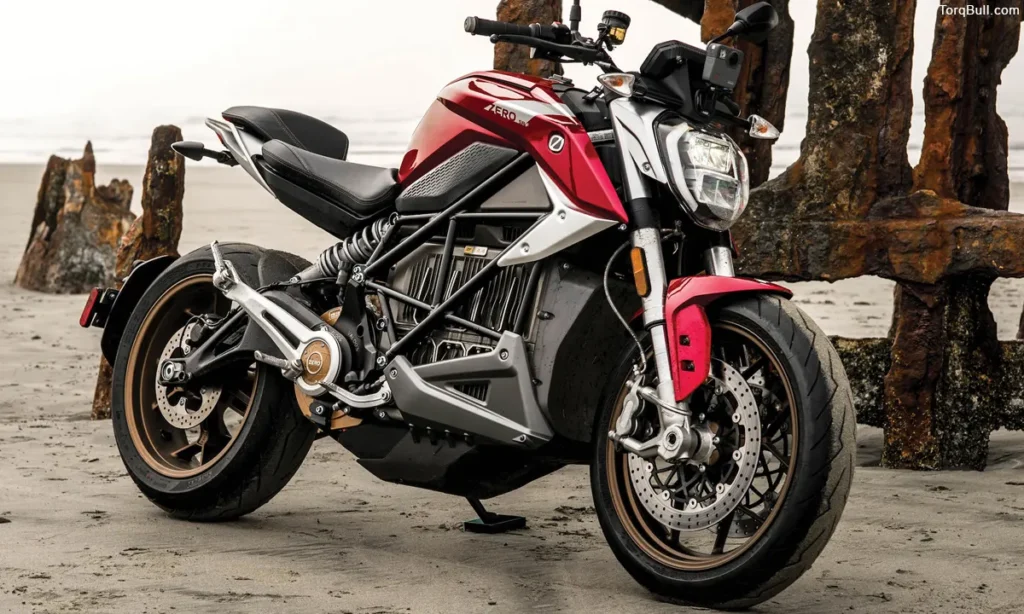
Battery: 14.4 kWh (16 kWh with Power Tank) | Claimed City Range: 161 miles | Real-World Highway Range: 90–110 miles | Power: 110 hp | Starting Price: ~$20,495
The Zero SR/F is the most mature, most comprehensively developed electric street motorcycle available in the American market and the benchmark against which every competing model is measured. Its 14.4-kilowatt-hour battery provides a claimed 161 miles of city range — the highest of any non-touring electric motorcycle in production — and approximately 90 to 110 miles of realistic highway range at sustained speeds between 65 and 75 miles per hour. The optional Power Tank accessory adds 3.6 kilowatt-hours to extend battery capacity to 16 kilowatt-hours, adding approximately 15 to 20 miles of real-world highway range.
The SR/F’s Cypher III operating system provides one of the most sophisticated customisation suites available on any motorcycle, allowing adjustment of throttle response, regenerative braking intensity and power output in ways that meaningfully affect range — a rider who selects a conservative riding mode and maximises regenerative braking can extend highway range by 10 to 15 percent compared to Sport mode. The Level 2 AC charging system charges the SR/F from empty to full in approximately 4 hours, with the optional 6-kilowatt onboard charger reducing that to 2.5 hours. The SR/F does not support DC fast charging in its current configuration — a limitation that matters for riders planning consecutive long-distance days.
Energica Experia: The Long-Distance Touring Champion
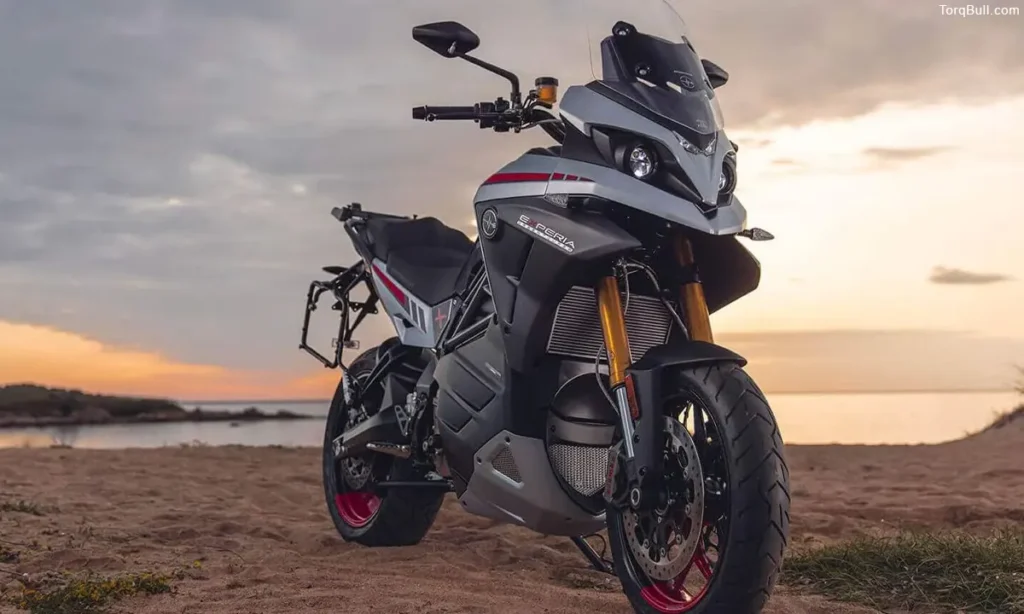
Battery: 22.5 kWh | Claimed Combined Range: 160 miles | Real-World Highway Range: 100–130 miles | DC Fast Charging: Yes (CCS) | Starting Price: ~$23,750
The Energica Experia is designed from first principles as a long-distance touring electric motorcycle — the one bike in the current market whose architecture most directly addresses the range and charging requirements of multi-day touring rather than daily commuting. Its 22.5-kilowatt-hour battery provides a claimed 160-mile combined range that translates to approximately 100 to 130 miles of real-world highway range at sustained touring speeds, with adventure-touring ergonomics, integrated luggage compatibility and a riding position optimised for sustained comfort across long days in the saddle.
The Experia’s most significant competitive advantage over the Zero SR/F in a touring context is its CCS DC fast charging capability — the ability to add substantial range from public fast chargers in approximately 30 to 40 minutes to 80 percent charge. For riders planning routes that include planned charging stops, this capability transforms the Experia’s range from a constraint into a manageable parameter. At touring speeds of 60 to 65 miles per hour, the Experia can sustain the longer range end of its real-world performance envelope, making 100-mile touring legs between charging stops achievable with careful speed management.
Zero DSR/X: The Adventure Electric Motorcycle
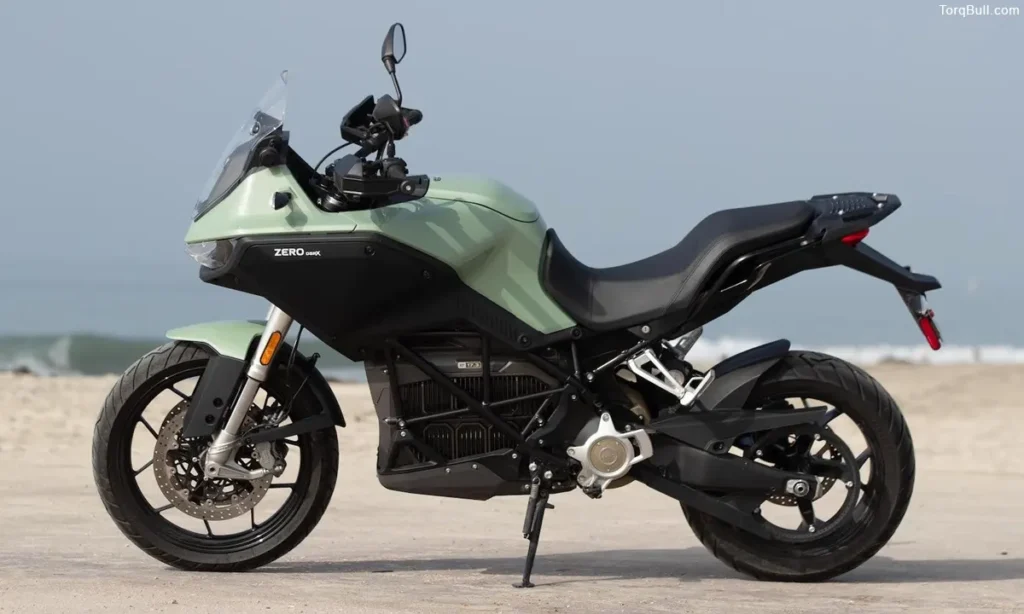
Battery: 17.3 kWh (21 kWh with Power Tank) | Claimed Real-World Combined Range: 107 miles | Off-Road Ground Clearance: 9.7 inches | Power: 100 hp / 169 lb-ft | Starting Price: ~$22,995
The Zero DSR/X is the electric adventure motorcycle market’s reference point — a full-size ADV platform built around Zero’s Z-Force motor architecture, a 17.3-kilowatt-hour battery and 9.7 inches of ground clearance that represents the best in class for adventure segment electric motorcycles. Its claimed real-world combined range of 107 miles reflects Zero’s conservative approach to range communication, and in mixed riding at moderate speeds, real-world riders consistently confirm figures in the 90 to 120-mile range depending on terrain, speed and riding mode.
The optional Power Tank accessory extends battery capacity to 21 kilowatt-hours — bringing it to within range of the Energica Experia’s capability — and riders who have equipped the DSR/X with the Power Tank report real-world highway ranges of approximately 120 to 140 miles at conservative speeds. The DSR/X’s lack of DC fast charging in standard configuration is its primary practical limitation for extended touring, making overnight AC charging the primary replenishment strategy for distance riders.
LiveWire S2 Del Mar: Urban Performance Focus
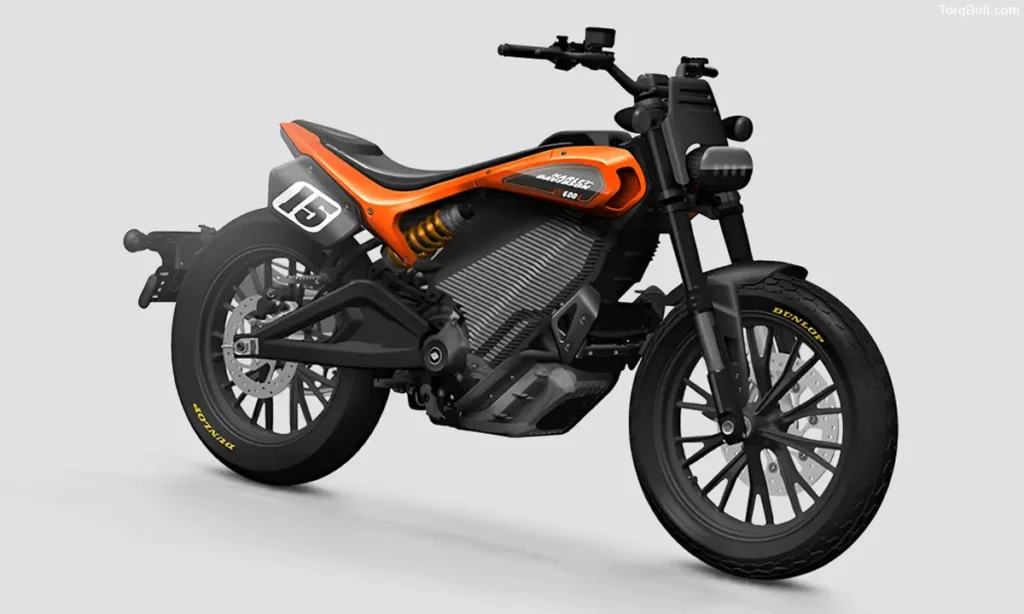
Battery: ~10.5 kWh | Claimed Range: ~100 miles (city) | Real-World Highway Range: 55–75 miles | Power: 84 hp | Starting Price: ~$15,499
The LiveWire S2 Del Mar — the successor model from Harley-Davidson’s LiveWire electric motorcycle brand — is a flat-track-inspired urban performance machine whose smaller battery capacity positions it as a city and suburban commuter rather than a distance touring platform. Its approximately 100-mile city range translates to real-world highway figures of 55 to 75 miles at sustained speeds — sufficient for urban commuting and short suburban routes but requiring planning for any journey approaching 70 highway miles. The S2 Del Mar’s strengths are its handling precision, its low weight relative to larger-battery alternatives and its substantially lower entry price compared to the Zero and Energica flagship models.
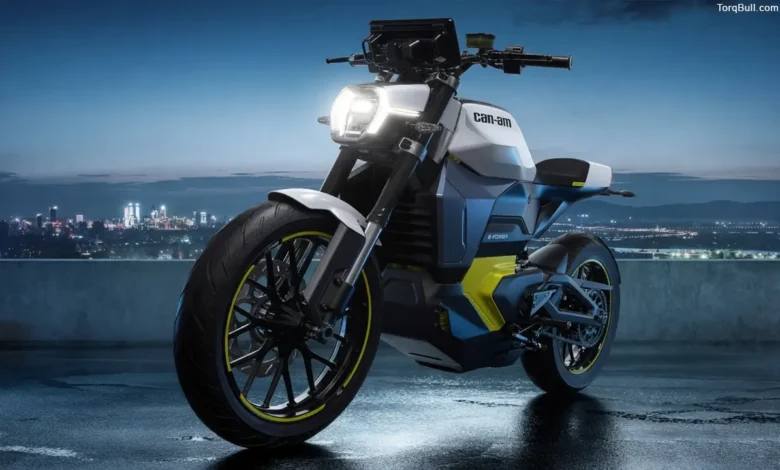
Can-Am Pulse: The Technology-Forward Commuter
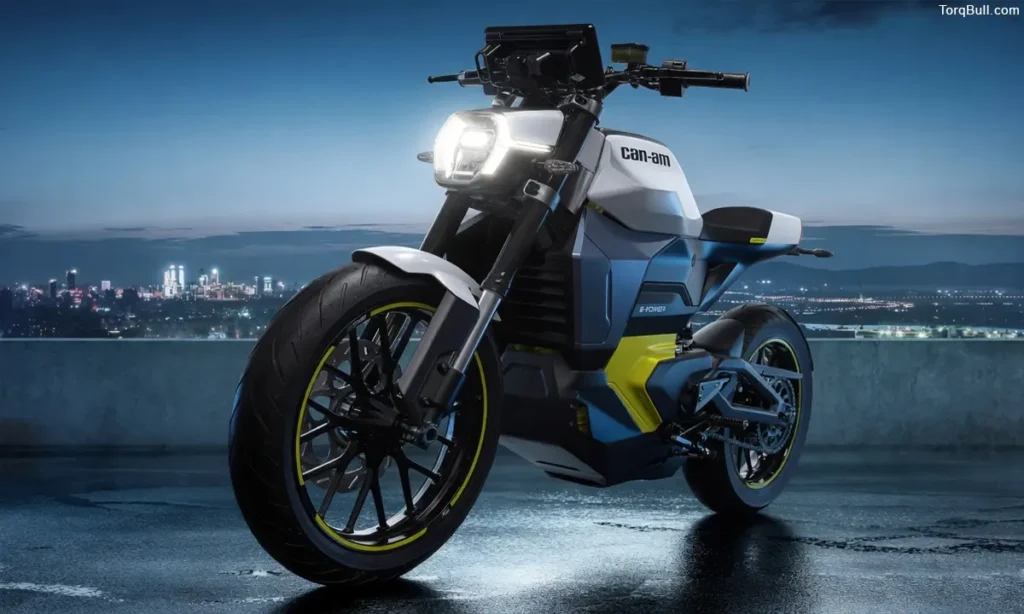
Battery: ~12 kWh | Claimed City Range: ~120 miles | Real-World Highway Range: 70–90 miles | Starting Price: ~$13,999
The Can-Am Pulse enters the urban commuter segment with competitive technology content at an accessible price point, delivering approximately 120 miles of city range and 70 to 90 miles of realistic highway range from its approximately 12-kilowatt-hour battery. Its relevance is primarily as the most technologically current mainstream entry-level option in a segment where the established players — Zero’s lighter FXE models — carry comparable capability. For riders whose primary use case is daily commuting within a 50-mile radius, the Pulse provides adequate range with contemporary connectivity features at a price that makes the electric commuter proposition financially accessible.
Read: Forty Years of Dominance. The Suzuki GSX-R1000 The Superbike That Changed Everything
Electric Motorcycle Range Comparison 2026 — Complete Ranked Chart
| Motorcycle | Battery (kWh) | Claimed City Range | Real-World Highway Range | DC Fast Charge | Starting Price | Best For |
| Evoke 6061-GT | ~29 kWh | ~410 miles (city) | ~180–220 miles | Yes | ~$35,000+ | Maximum range, touring |
| Energica Experia | 22.5 kWh | ~160 miles (combined) | ~100–130 miles | Yes (CCS) | ~$23,750 | Long-distance touring |
| Zero SR/F (w/ Power Tank) | 16 kWh | ~161+ miles (city) | ~105–125 miles | No | ~$20,495 (+PT) | Sport street, daily |
| Zero DSR/X (w/ Power Tank) | 21 kWh | ~140 miles (mixed) | ~120–140 miles | No | ~$22,995 (+PT) | Adventure, off-road |
| Zero SR/F (standard) | 14.4 kWh | 161 miles (city) | 90–110 miles | No | ~$20,495 | Sport street benchmark |
| Zero DSR/X (standard) | 17.3 kWh | 107 miles (mixed) | 90–115 miles | No | ~$22,995 | ADV riding |
| Can-Am Pulse | ~12 kWh | ~120 miles (city) | 70–90 miles | No | ~$13,999 | Urban commuting, value |
| LiveWire S2 Del Mar | ~10.5 kWh | ~100 miles (city) | 55–75 miles | No | ~$15,499 | Urban performance |
| Kawasaki e-1 ABS | ~3.1 kWh | ~59 miles (city) | 35–45 miles | No | ~$7,899 | Light urban commuting |
The Range Factors That Every Electric Motorcycle Buyer Must Understand
Five specific variables determine the real-world range any electric motorcycle will deliver, and understanding each one is more practically useful than memorising manufacturer claims.
Speed is the most powerful single variable. Aerodynamic drag increases with the square of velocity, meaning that riding at 70 miles per hour instead of 55 miles per hour does not simply reduce range proportionally — it reduces it dramatically. Most electric motorcycles that claim 150 miles of range will return approximately 90 to 105 miles at steady 65 miles per hour highway speeds. Riders who primarily cruise at 55 to 60 miles per hour can approach the combined cycle range figure more closely.
Temperature affects battery chemistry directly. Lithium-ion cells at 35 degrees Fahrenheit deliver approximately 80 to 85 percent of their capacity compared to the same cells at 70 degrees. Riders in northern states who commute year-round on electric motorcycles should budget for 10 to 20 percent range reduction in cold months. Rider weight and luggage add rolling resistance — a 250-pound rider with 30 pounds of luggage will consume noticeably more energy than the 175-pound solo rider most manufacturers use as their range baseline. Riding mode — Eco, Street or Sport — adjusts power delivery and regenerative braking intensity in ways that can shift real-world range by 10 to 20 percent between the most conservative and most aggressive settings.
Charging infrastructure planning is ultimately the most important practical consideration for any electric motorcycle buyer evaluating distance capability, because the real-world range limitation is only constraining if adequate charging access is unavailable when it is needed. For daily commuters whose riding stays within 60 miles of home, Level 2 home charging overnight eliminates range anxiety entirely across the entire market. For touring riders, the distinction between motorcycles with CCS DC fast charging capability — the Energica Experia, which can recover 80 percent charge in approximately 30 to 40 minutes — and those dependent on slower AC charging becomes the defining practical variable that determines whether extended touring is feasible or frustrating.
Read: Best Alternatives To The Ducati Scrambler 800 You Should Consider
The 2026 Verdict: What Level of Range Is Actually Enough?
The electric motorcycle market in 2026 delivers real-world range that is genuinely adequate for the majority of American riders’ actual riding patterns. Studies consistently show that the average motorcycle ride in the United States is under 50 miles — a distance comfortably covered by every electric motorcycle on this list on a single charge. For daily commuters whose round trip is under 60 miles, every model from the Kawasaki e-1 to the Zero SR/F provides adequate range with overnight home charging as the primary replenishment strategy.
The remaining challenge is genuine and should be stated honestly: extended multi-day touring, which represents the highest ambition level for motorcycle travel, remains more demanding on electric platforms than gasoline alternatives in 2026. The Energica Experia and the fully equipped Zero DSR/X with Power Tank come closest to matching the practical touring capability of a mid-size gasoline adventure motorcycle, but they require route planning centred on charging availability in ways that gasoline bikes do not. For riders whose ambition is touring, this is a real constraint. For riders whose ambition is a better daily motorcycle that eliminates fuel costs, reduces maintenance and provides instant torque that no gasoline bike can replicate — the 2026 electric motorcycle market has fully arrived.