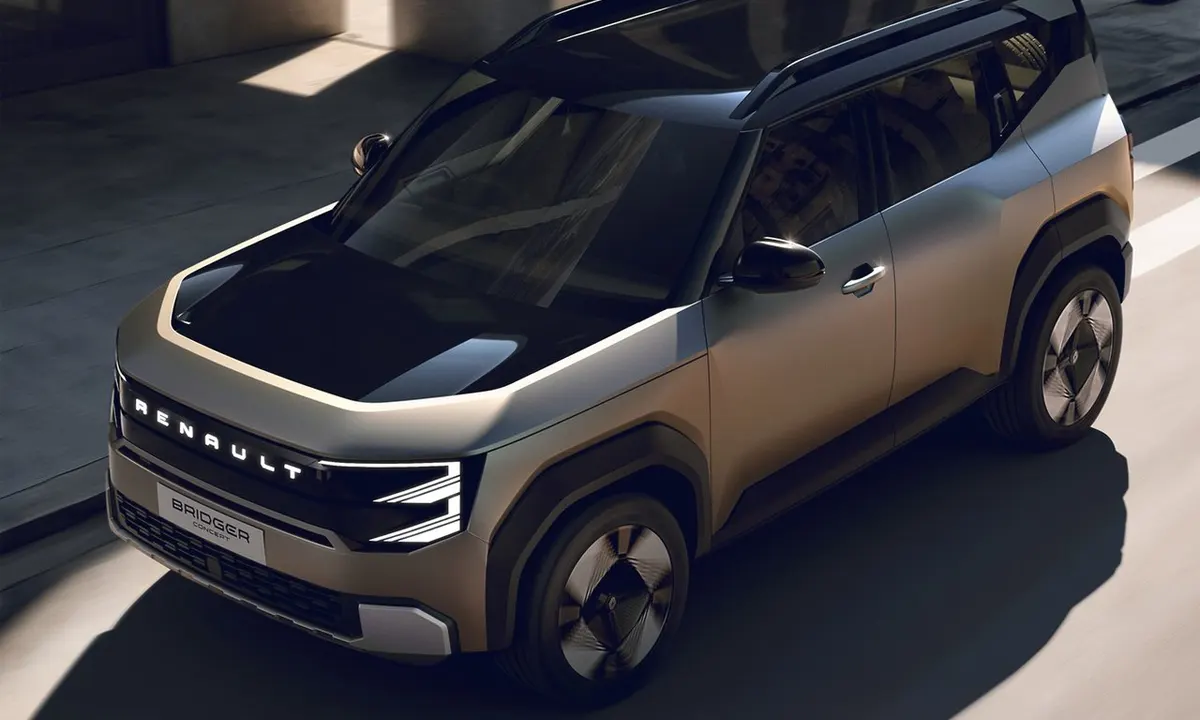
The Renault Bridger Concept represents an ambitious exploration of what the future of compact sport utility vehicles could look like. As the automotive industry evolves toward electrification, digital connectivity, and sustainable design, manufacturers are developing concept vehicles to showcase their technological direction and design philosophy. The Bridger Concept serves as Renault’s experimental platform for combining futuristic styling, advanced powertrain technology, and intelligent mobility solutions in a compact SUV format.
Renault has built a strong reputation for producing practical and stylish vehicles that appeal to a wide range of drivers. Over the past decade, the brand has invested heavily in electrification and modern design language, introducing several innovative electric models and hybrid vehicles. The Bridger Concept continues this momentum by presenting a vehicle that blends SUV versatility with forward-thinking engineering.
Gallery: Renault Bridger Concept
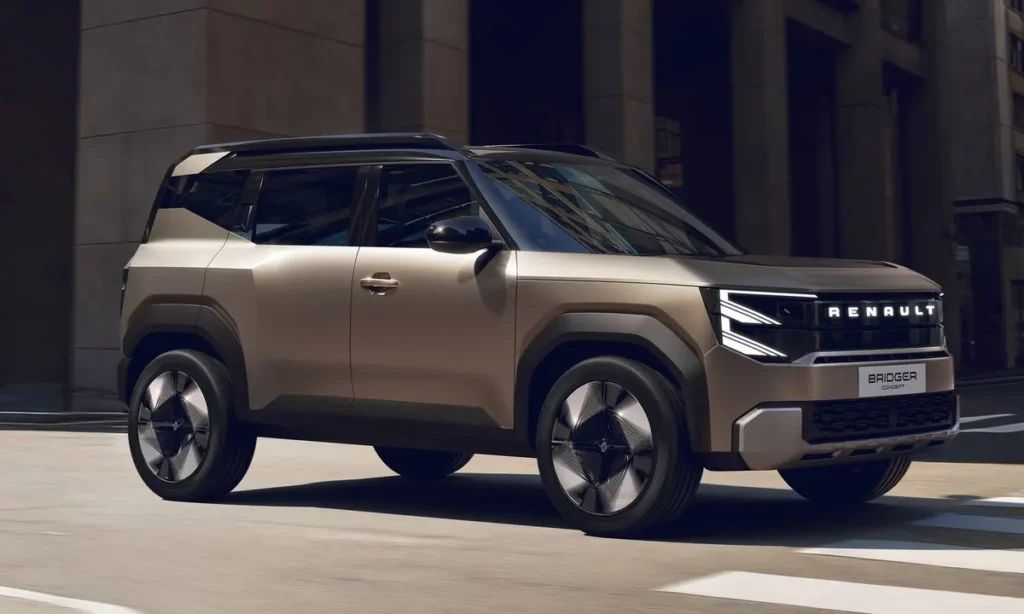

The concept is designed to bridge the gap between traditional internal combustion SUVs and fully electric mobility solutions. By integrating hybrid and electric technologies alongside advanced digital features, the Bridger Concept demonstrates how future vehicles could deliver sustainability without sacrificing practicality or performance.
Beyond technology, Renault has used the Bridger Concept to experiment with new design elements that reflect modern lifestyles. The vehicle’s design focuses on aerodynamic efficiency, interior flexibility, and seamless digital integration. For urban drivers and families who seek both practicality and environmental responsibility, the Bridger Concept offers a glimpse of what the next generation of SUVs might become.
Although the Renault Bridger Concept may not enter production exactly as presented, the ideas and technologies showcased in the vehicle are likely to influence Renault’s future models.
Exterior Design: Futuristic Styling with Dynamic SUV Proportions

The exterior design of the Renault Bridger Concept reflects a bold departure from traditional SUV styling while maintaining the practicality expected from a compact crossover. Renault designers have focused on creating a vehicle that appears both modern and robust, combining sleek surfaces with muscular proportions.
At the front, the Bridger Concept features a distinctive closed grille design that highlights its electrified powertrain. Instead of conventional air intakes, the front fascia includes smooth panels that improve aerodynamic efficiency while creating a clean and futuristic look. A prominent Renault logo sits at the center, illuminated to emphasize the brand’s modern identity.
Slim LED headlights stretch across the front of the vehicle, forming a continuous lighting signature that enhances its width and presence. These headlights incorporate advanced lighting technology capable of adjusting brightness and direction based on driving conditions.
The sculpted hood and sharply defined front bumper add depth and character to the design. Aerodynamic channels integrated into the bumper help guide airflow around the vehicle, improving both stability and efficiency.
From the side, the Bridger Concept maintains the elevated ride height typical of SUVs while introducing sleek body lines that give the vehicle a dynamic appearance. Flush door handles and streamlined mirrors contribute to improved aerodynamics while maintaining a minimalist aesthetic.
Large alloy wheels with intricate geometric patterns reinforce the concept’s futuristic identity. These wheels are designed not only for visual impact but also to reduce aerodynamic drag.
At the rear, the Bridger Concept features a distinctive LED light bar that spans the entire width of the vehicle. This lighting element creates a recognizable rear signature while improving visibility for other drivers. The rear bumper incorporates subtle aerodynamic features that help manage airflow beneath the vehicle.
Overall, the exterior design of the Renault Bridger Concept represents a blend of modern styling and functional engineering, illustrating how future SUVs might evolve in both form and efficiency.
Powertrain and Electrification Strategy

One of the most important aspects of the Renault Bridger Concept is its advanced powertrain architecture. Renault has designed the vehicle to support multiple electrified powertrain configurations, reflecting the brand’s commitment to sustainable mobility.
The concept is expected to feature a hybrid or plug-in hybrid system combining a compact turbocharged gasoline engine with one or more electric motors. This setup allows the vehicle to operate in electric-only mode for short distances while maintaining the flexibility of a gasoline engine for longer journeys.
Electric motors provide instant torque, enabling smooth and responsive acceleration. The hybrid system also improves fuel efficiency by recovering energy during braking and storing it in the battery for later use.
In a fully electric configuration, the Bridger Concept could be equipped with a large lithium-ion battery pack capable of delivering a driving range of approximately 400 kilometers on a single charge. Fast-charging capability would allow the battery to recharge rapidly at public charging stations, making the vehicle practical for everyday use.
Renault’s focus on electrification ensures that the Bridger Concept aligns with global efforts to reduce emissions and transition toward cleaner transportation.
Interior Design: Flexible and Digital

Inside the Renault Bridger Concept, the cabin reflects a futuristic approach to interior design. Renault engineers have prioritized flexibility, digital integration, and passenger comfort.
The dashboard features a wide digital display that combines the instrument cluster and infotainment system into a seamless interface. This display allows drivers to access navigation, media controls, and vehicle information through intuitive touch and voice commands.
The interior layout emphasizes openness and space. Minimalist design elements reduce visual clutter while creating a calm and modern environment.
Seating configurations can be adjusted to accommodate different needs. The concept may include modular seating that allows passengers to rearrange seats or fold them flat to create additional cargo space.
Sustainable materials are used throughout the cabin, including recycled fabrics and eco-friendly composites. These materials reflect Renault’s commitment to reducing the environmental impact of its vehicles.
Ambient lighting adds another dimension to the interior experience by allowing occupants to customize the cabin atmosphere with different colors and brightness levels.
Technology and Connectivity

The Renault Bridger Concept incorporates advanced technology designed to enhance convenience, safety, and connectivity. The infotainment system supports smartphone integration, enabling drivers to access navigation apps, music streaming services, and communication tools directly from the vehicle’s display.
Voice recognition technology allows drivers to control various vehicle functions without removing their hands from the steering wheel. This feature improves safety while enhancing the overall user experience.
The concept also includes advanced driver assistance systems that monitor the vehicle’s surroundings and assist with tasks such as parking, lane keeping, and adaptive cruise control.
Over-the-air software updates ensure that the vehicle’s digital systems remain up to date with the latest features and improvements.
Driving Experience: Efficient and Comfortable
Driving the Renault Bridger Concept is expected to provide a smooth and efficient experience. The combination of electric motors and hybrid technology delivers quiet operation and responsive acceleration.
The suspension system is designed to balance ride comfort with stability, ensuring that the vehicle performs well on both urban roads and highways.
Electric steering provides precise control while maintaining energy efficiency. Regenerative braking technology helps extend driving range by capturing energy during deceleration.
Renault’s Vision for Future Mobility
The Renault Bridger Concept demonstrates the company’s vision for the future of compact SUVs. By integrating electrified powertrains, digital technology, and sustainable materials, Renault aims to create vehicles that meet the needs of modern drivers while reducing environmental impact.
As automotive technology continues to evolve, concept vehicles like the Bridger provide valuable insight into the direction manufacturers are taking.
Read: Xiaomi Vision GT Concept Reveals a Stunning Futuristic Electric Hypercar
Renault Bridger Concept – Specifications Chart
| Category | Specification |
| Vehicle Type | Compact SUV Concept |
| Powertrain | Hybrid / Electric |
| Engine | Turbocharged Petrol + Electric Motor |
| Battery | Lithium-Ion Battery |
| Estimated Range | Up to 400 km (electric version) |
| Drivetrain | Front-Wheel Drive / All-Wheel Drive |
| Infotainment | Large Digital Touchscreen |
| Connectivity | Smartphone Integration |
| Seating Capacity | 5 passengers |
| Safety Systems | Advanced Driver Assistance |