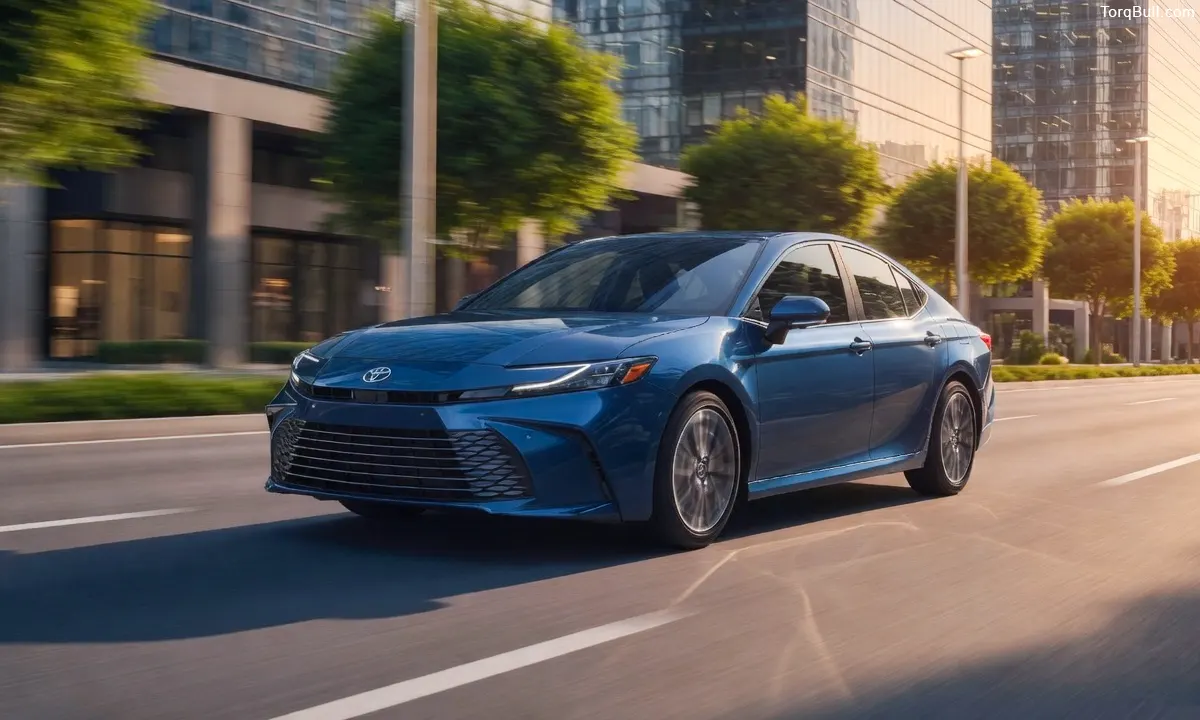
- The Toyota Camry is one of the most reliable midsize sedans, with an expected lifespan of about 172,000 miles and a strong probability of reaching 200,000 miles.
- Reliability ratings from major industry sources consistently rank the Camry above the average new vehicle.
- With proper maintenance, many Camrys—including hybrid models—can exceed 300,000 miles, making them excellent long-term ownership choices.
The Toyota Camry has spent over two decades as America’s best selling sedan, and that sustained popularity is not just a matter of marketing or styling. For buyers thinking years or even decades ahead, the question of how a car holds up over time matters enormously, and the Camry’s track record on this front is backed by extensive data from multiple independent sources, real owner experiences spanning generations, and a powertrain lineup that has consistently demonstrated it can go the distance. With the Camry now sold exclusively as a hybrid starting with the redesigned 2025 generation carrying into 2026 largely unchanged, this guide looks at what long term ownership actually looks like, what the data says about reaching very high mileage, and what owners themselves report after years behind the wheel.
The Reliability Scores That Matter for Long Term Buyers
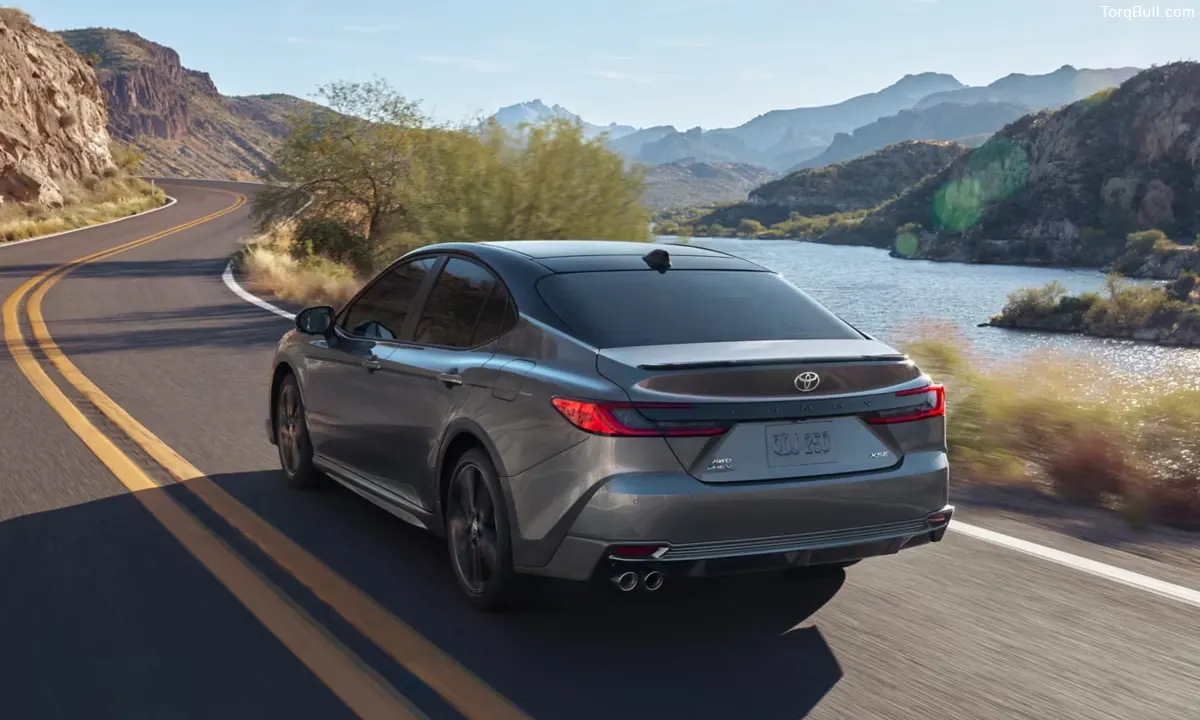
When evaluating any vehicle for long term ownership, predicted reliability scores from multiple independent sources provide the clearest starting point, and the Camry performs exceptionally well across the board.
One comprehensive evaluation gives the Camry an overall score of 8.6 out of 10, broken down into 8.0 for reliability, 9.0 for safety, and 8.8 for retained value. This same analysis projects an expected lifespan of 13.2 years or 172,467 miles, with a 32.2 percent probability of the vehicle reaching the 200,000 mile mark, a threshold that represents a meaningful milestone for long term ownership planning.
JD Power gives the Camry 88 out of 100 for predicted reliability, described as one of the highest scores in any segment. Consumer Reports projects the 2026 Camry will be more reliable than the average new car, a prediction based directly on data gathered from the 2025 model, which represents the current generation that the 2026 model carries forward largely unchanged. In JD Power’s broader Vehicle Dependability Study, Toyota placed third among mass market brands overall, with the Camry specifically earning recognition in that same 2025 study.
Read: Toyota Camry LE vs XLE Differences. Which One Fits Your Lifestyle Best?
The 300,000 Mile Question
For many buyers, the real test of long term ownership is not whether a car will reach 100,000 or even 200,000 miles, but whether it can keep going meaningfully beyond that without major drivetrain failure, and the Camry has a documented history of doing exactly that.
A well maintained Toyota Camry can regularly exceed 300,000 miles, with the Camry consistently ranking among the longest lasting sedans in America thanks to Toyota’s proven engine and transmission combinations. This is described not as marketing language but as a pattern backed by millions of owners over more than two decades of production.
The 2026 Camry’s hybrid system builds directly on the previous generation’s mechanical foundation, meaning it inherits the same proven reliability that earlier hybrid Camry models established. Some used examples of earlier hybrid generations have already surpassed 300,000 miles on their original drivetrains, demonstrating the durability ceiling that current owners can reasonably aspire to with proper care. One real owner account from a 2022 Camry hybrid currently used for rideshare driving reports 177,000 miles with no issues so far, a trajectory that places the vehicle on a realistic path toward that 300,000 mile benchmark within just a few more years of similar use.
Is the Hybrid System More Reliable Than Gas
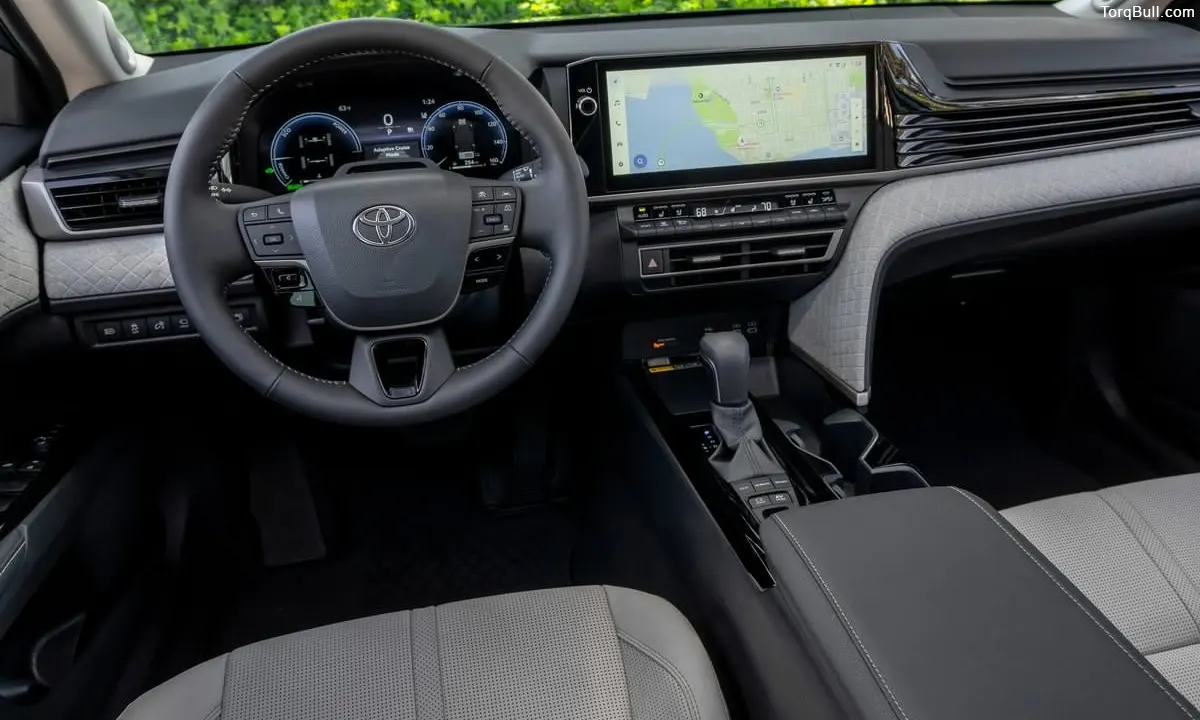
With the Camry now hybrid only, a natural question for long term buyers is whether the hybrid system introduces additional reliability risk compared to a traditional gas engine, and the answer based on available evidence is reassuring.
In many cases, the Camry Hybrid is even more reliable than the standard gas model was, with Toyota’s hybrid system having been refined over two decades using a simple, proven design. One specific long term benefit comes from the regenerative braking system, which means brake pads last significantly longer than they would on a comparable gas only vehicle, since the electric motor handles a substantial portion of deceleration duty rather than relying entirely on friction brakes.
The hybrid battery itself is warrantied for 10 years or 150,000 miles, providing substantial coverage for the component that some buyers worry about most when considering a hybrid for long term ownership. The current 2.5 liter engine paired with the hybrid system uses an aluminum alloy block and head with forged steel internals where strength matters, along with cooled exhaust gas recirculation and refined cooling passages designed specifically to control combustion temperatures and reduce stress on internal components during the frequent transitions between gas and electric power that hybrid operation requires.
Read: Toyota Camry Resale Value After 5 Years. A 5-Year Depreciation Analysis
What Owners Report After Years of Real World Driving

Beyond the scores and projections, real owner accounts from those who have lived with their Camrys for years provide some of the most valuable insight for anyone considering long term ownership.
Among owners of the previous generation Camry spanning 2018 through 2024 model years, feedback has been overwhelmingly positive regarding reliability, with multiple owners describing their experiences as flawless and awesome, and reporting awesome reliability for both gas and hybrid versions of that generation. One owner noted their 2018 V6 model had a great engine but felt the transmission could not quite keep up, while a 2024 hybrid from the same owner was described as driving like a luxury vehicle with just a slight increase in road noise that was largely resolved by switching to different tires.
Fuel economy reports from real world driving also remain consistent over time, with one owner of an eighth generation Camry reporting around 48 miles per gallon during summer and fall, dropping to the low to mid 40s in winter months, figures that align closely with the vehicle’s original ratings even after years of use, suggesting the hybrid system maintains its efficiency characteristics well into long term ownership rather than degrading significantly.
Toyota Camry Long Term Ownership Reference Chart
| Metric | Value | Source Context |
| Overall Reliability Score | 8.6 out of 10 | Includes reliability, safety and resale value sub scores |
| Reliability Sub Score | 8.0 out of 10 | Part of overall evaluation |
| Safety Sub Score | 9.0 out of 10 | Insurance Institute Top Safety Pick Plus for 2025 |
| Resale Value Sub Score | 8.8 out of 10 | Loses 37.7 percent of value over 5 years, below segment average |
| JD Power Predicted Reliability | 88 out of 100 | Described as one of highest scores in segment |
| Expected Lifespan | 13.2 years or 172,467 miles | Based on long term ownership data |
| Probability of Reaching 200,000 Miles | 32.2 percent | Significant milestone for long term planning |
| Hybrid Battery Warranty | 10 years or 150,000 miles | Covers primary long term concern component |
| Real World Documented Mileage | 177,000 miles with no issues (rideshare use) | Active owner account, ongoing |
| Examples Reaching 300,000 Miles | Confirmed on used listings | Previous generation hybrid drivetrains |
| 5 Year Value Loss | $10,829 or 37.7 percent | Well under segment average |
Maintenance Schedule for Long Term Reliability
Achieving the high mileage outcomes the Camry is known for is not automatic, and the maintenance schedule plays a direct role in reaching those milestones.
The current generation follows a clear cut maintenance plan with key service points at 5,000 miles, which includes tire rotation and brake checks, 10,000 miles, which adds engine oil and filter replacement along with cabin air filter service, and 15,000 miles, which includes exhaust, steering and suspension checks. Toyota recommends service every 5,000 miles or six months as a general rule. ToyotaCare also provides free scheduled maintenance for the first two years or 25,000 miles, helping new owners establish good maintenance habits from the start without the burden of early service costs.
Regular oil changes and adherence to this scheduled maintenance are described as the biggest factors in reaching high mileage, a sentiment echoed across both manufacturer guidance and independent long term reliability analysis. For owners specifically targeting the 200,000 or 300,000 mile milestones, consistency with this schedule, rather than any special techniques, appears to be the primary differentiator between vehicles that reach those numbers and those that do not.
Known Issues From Earlier Generations
While the current generation has limited long term data given its recent redesign, earlier generations provide useful context for what issues, if any, tend to emerge over extended ownership.
Models from the 2012 to 2014 range have documented oil consumption issues worth being aware of for buyers considering older used examples, though this is specific to that particular window of production years rather than a characteristic that has persisted across the broader Camry lineup. For the current hybrid only generation, no comparable widespread issues have yet emerged, though this is partly a function of the relatively short time this generation has been on the road compared to the decades of data available for older Camry generations.
Read: Toyota Camry Luxury Features Review. Does This Midsize Sedan Feel Premium Enough?
The Long Term Verdict
For buyers evaluating the Camry specifically for long term ownership, the available evidence points consistently in one direction. Multiple independent scoring systems rate the Camry highly for reliability, real owner accounts spanning both older gas powered generations and newer hybrid models report largely trouble free experiences well past 100,000 miles, and the hybrid system specifically has a track record of reaching 300,000 miles on the previous generation’s mechanical foundation that the current model builds upon directly.
The combination of a 32.2 percent chance of reaching 200,000 miles, an expected lifespan approaching 173,000 miles on average, and a hybrid battery warranty covering 150,000 miles gives long term buyers substantial reassurance. For those committed to following the recommended maintenance schedule, the data suggests the Camry remains one of the strongest choices available for anyone planning to keep a vehicle for many years and many miles.