The Pagani Huayra R Evo Roadster Is a 888-Horsepower Open-Top V12 Masterpiece Built to Redefine the Track Hypercar Forever
A Naturally Aspirated V12 Co-Developed With HWA, Le Mans-Inspired Codalunga Long-Tail Aerodynamics, Class A Carbon Fibre Architecture and Pagani's Exclusive Arte in Pista Programme Unite in the Most Visceral, Most Emotionally Overwhelming Open-Cockpit Track Machine Ever to Emerge From the Workshop of Horacio Pagani
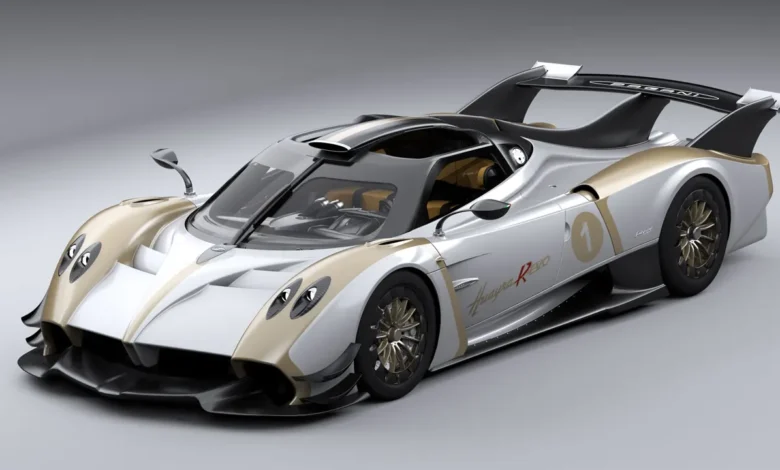
There are supercars. There are hypercars. And then, existing in a category so extreme, so exquisitely crafted and so profoundly connected to the purest essence of motorsport that conventional automotive classification fails entirely, there is the Pagani Huayra R Evo Roadster. Born from the same philosophy of obsessive engineering artistry that has defined every Pagani creation since the original Zonda, the R Evo Roadster represents the culmination of everything Horacio Pagani and his team in San Cesario sul Panaro have learned about the relationship between mechanical excellence, aerodynamic science and the human experience of speed — stripped of its roof, opened to the sky and elevated by the most extraordinary naturally aspirated engine ever fitted to a road-registered track vehicle. It is, by any measure, one of the most consequential and emotionally overwhelming track machines ever created by human hands.
Gallery: Pagani Huayra R Evo Roadster
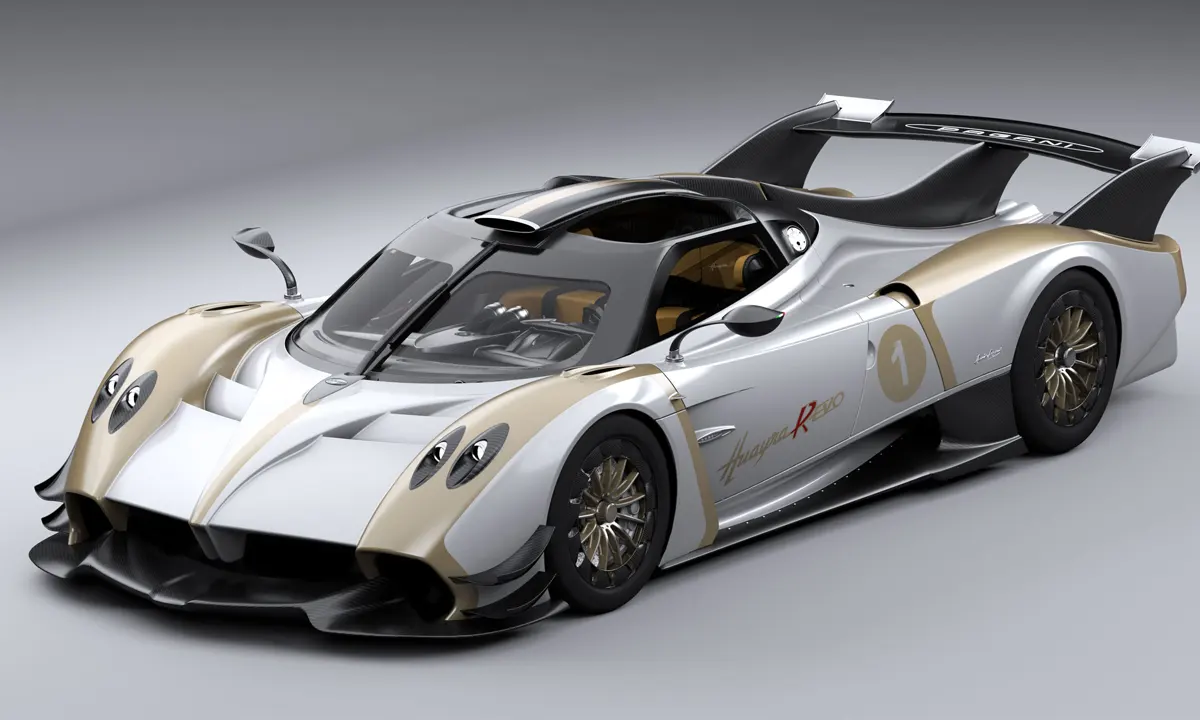
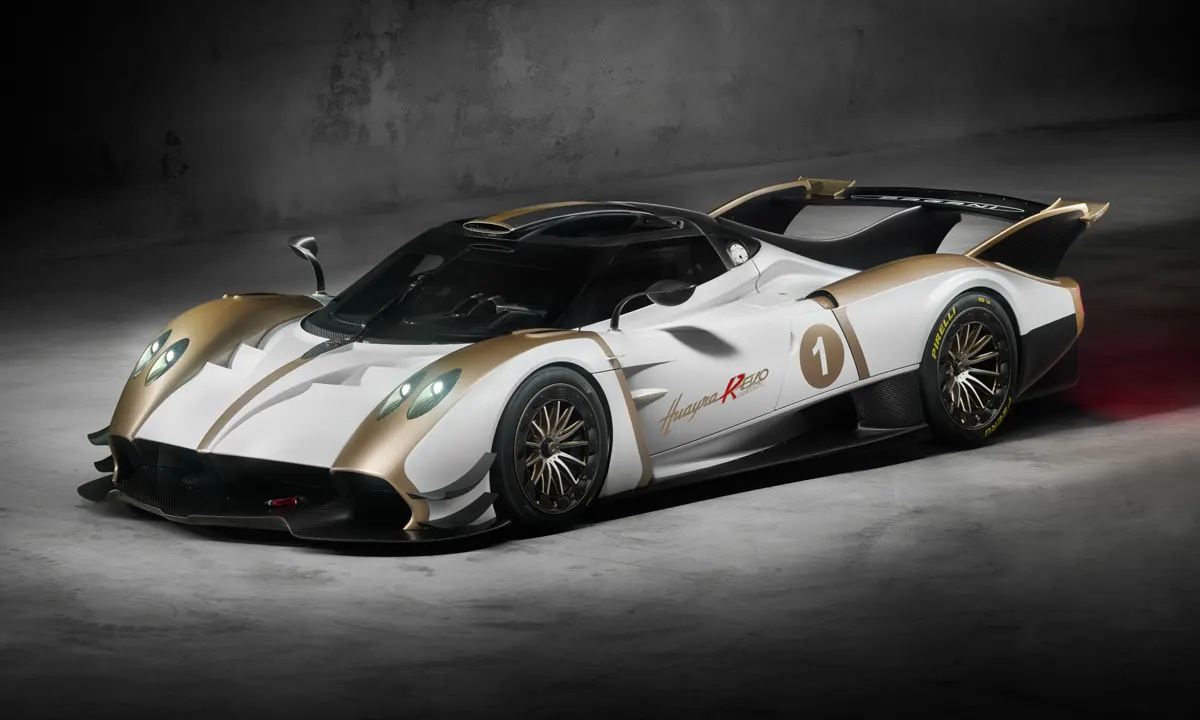
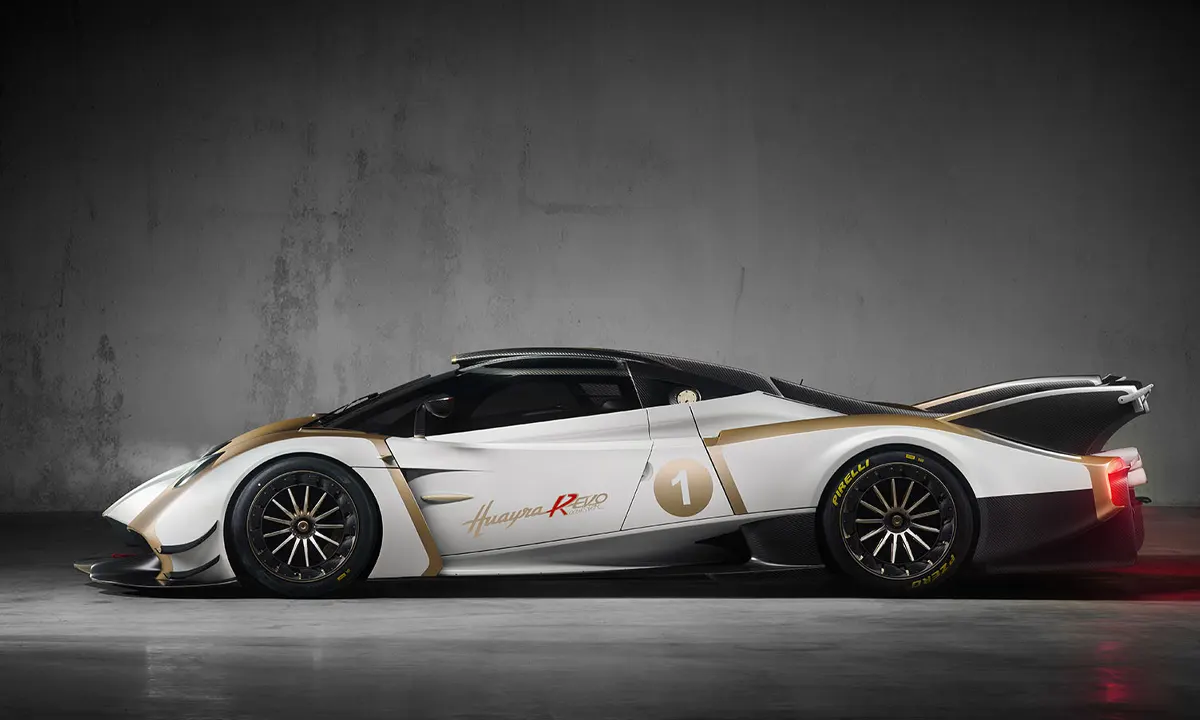
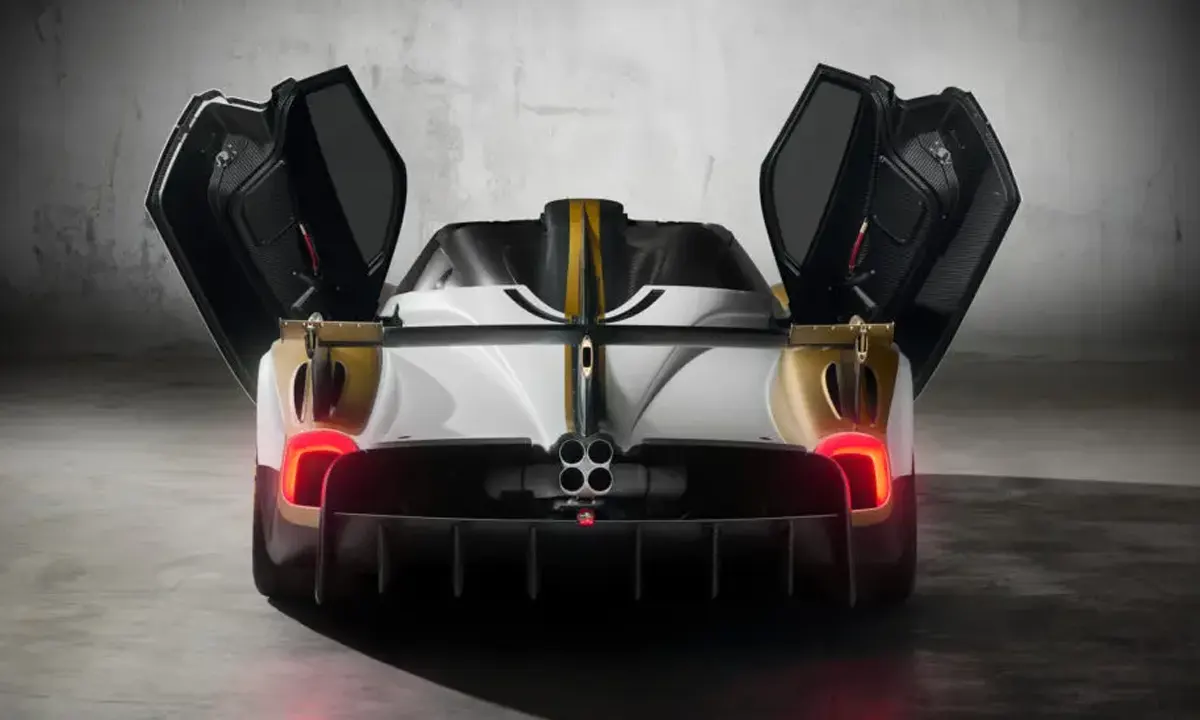
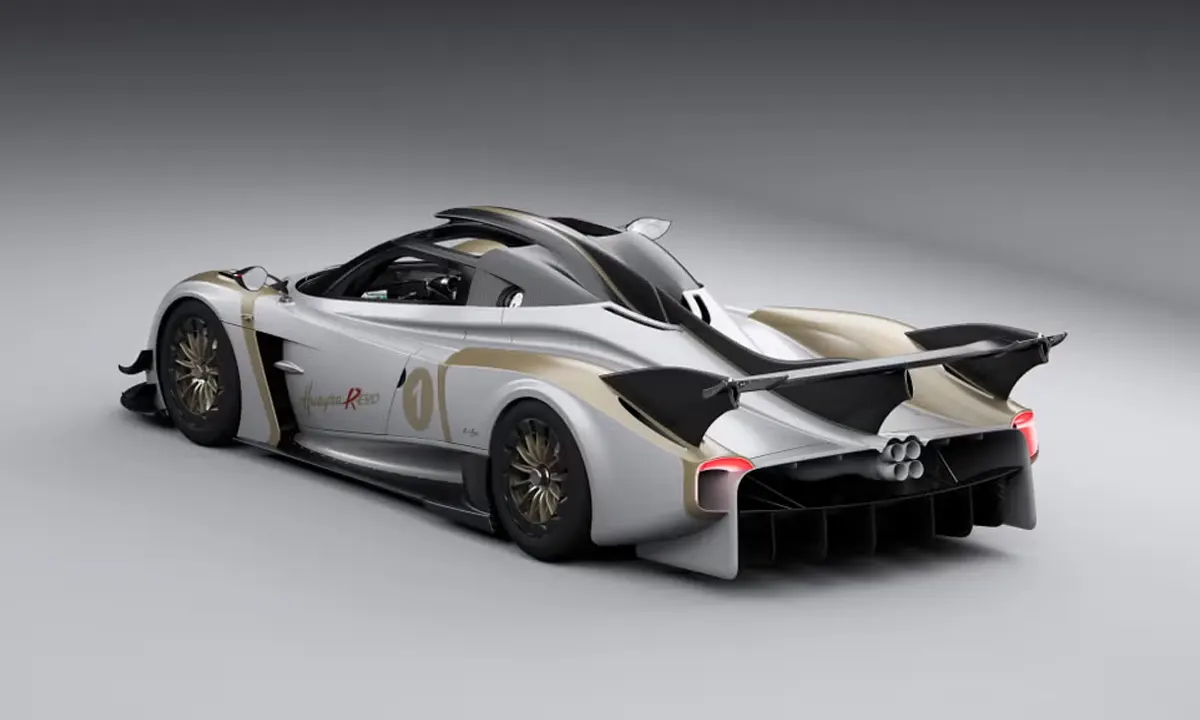
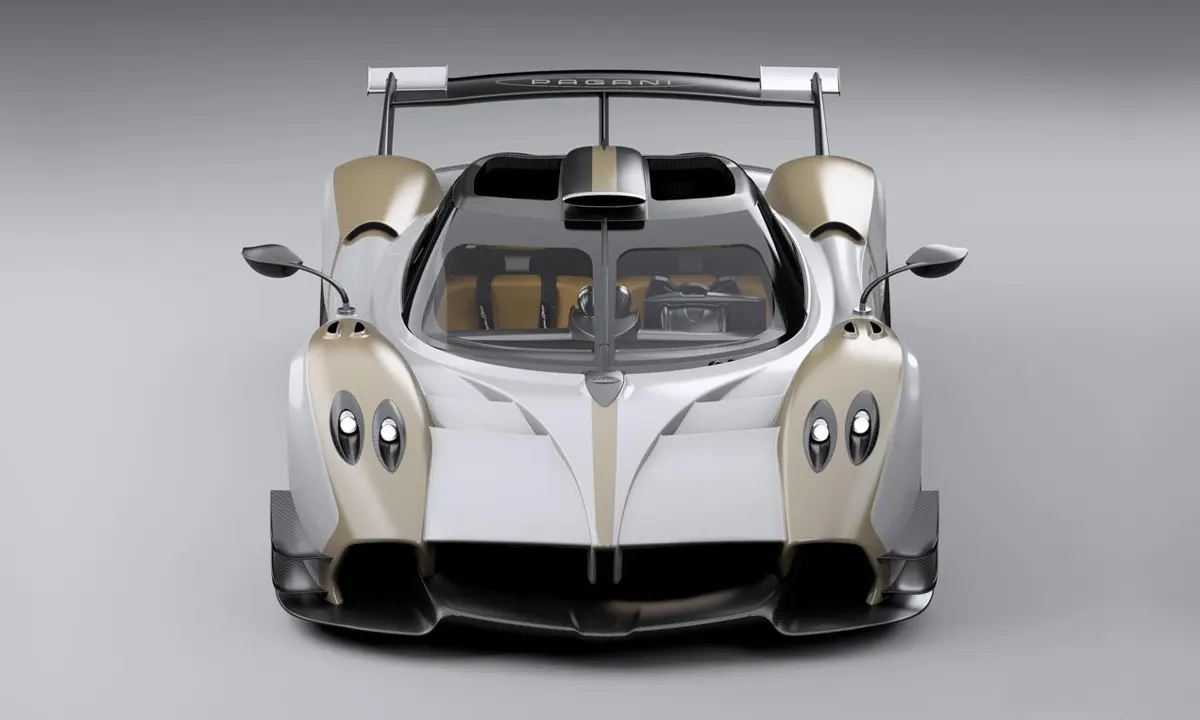
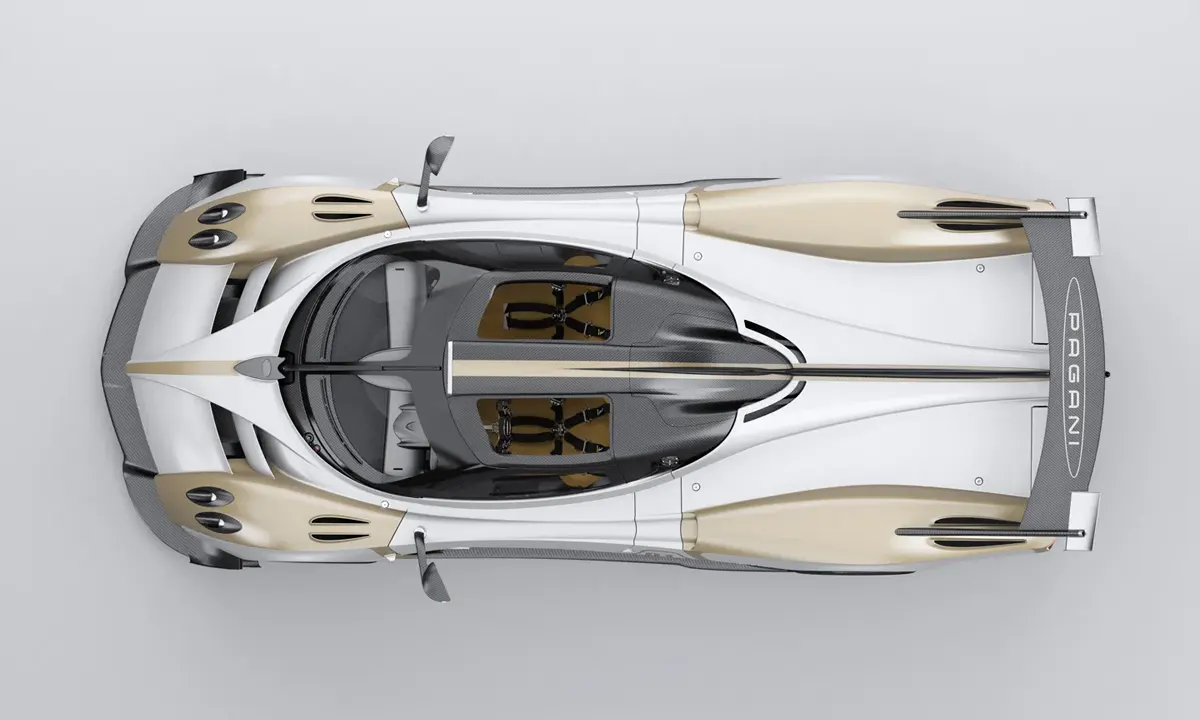
The R Evo Roadster traces its lineage directly to the Huayra R — the closed-roof track-only hypercar launched in 2021 that established Pagani’s Arte in Pista programme and defined a new benchmark for what a non-competition track vehicle should feel, sound and perform like. The R followed the Huayra Roadster BC and the extraordinary Imola as successive expressions of Pagani’s commitment to pushing the boundaries of open and closed-track hypercar design. The R Evo Roadster evolves the R further still, adding 50 additional horsepower to the V12 Evo engine through revised camshafts and new intake architecture, stretching the redline to a stratospheric 9,250 rpm, extending the body with an inspired codalunga long-tail treatment drawn from the Le Mans racing cars of the 1960s and 1970s, and removing the roof entirely — transforming what was already one of the most intense sensory automotive experiences in the world into something that transcends even that extraordinary baseline. The result is a vehicle so viscerally overwhelming that experienced journalists who have driven the world’s most extreme performance cars describe it as genuinely unlike anything they have ever encountered.
Design and Aerodynamics: The Codalunga Philosophy Reborn for the Twenty-First Century
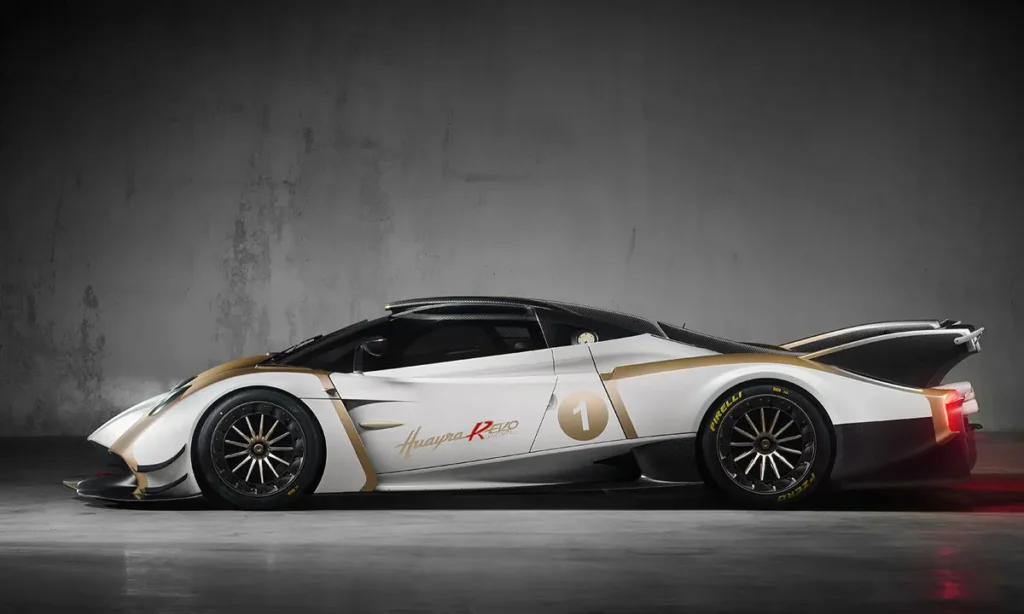
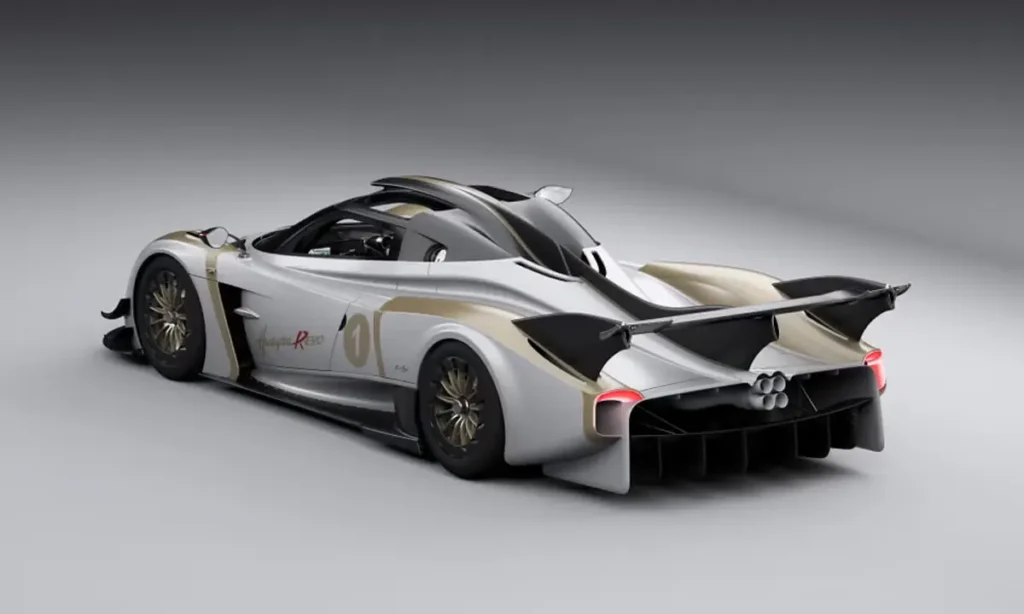
The visual identity of the Pagani Huayra R Evo Roadster is among the most striking and conceptually rich in the history of automotive design — a composition that achieves the remarkable distinction of looking simultaneously like a contemporary racing machine and a tribute to the most romantically beautiful racing cars ever built. The car’s defining design element is its codalunga treatment — a deliberate and thoroughly considered extension of the rear bodywork by approximately 190 millimetres beyond the standard Huayra R’s rear line — inspired directly by the long-tail endurance racing prototypes that contested Le Mans and other major European circuits during the golden era of prototype racing in the late 1960s and early 1970s. Long-tail aerodynamic treatment reduces drag at the highest speeds while simultaneously allowing for more controlled and progressive downforce generation over the extended rear surface area — a combination that makes the Evo Roadster more stable and more aerodynamically efficient at the extreme velocities its 888-horsepower engine can generate.
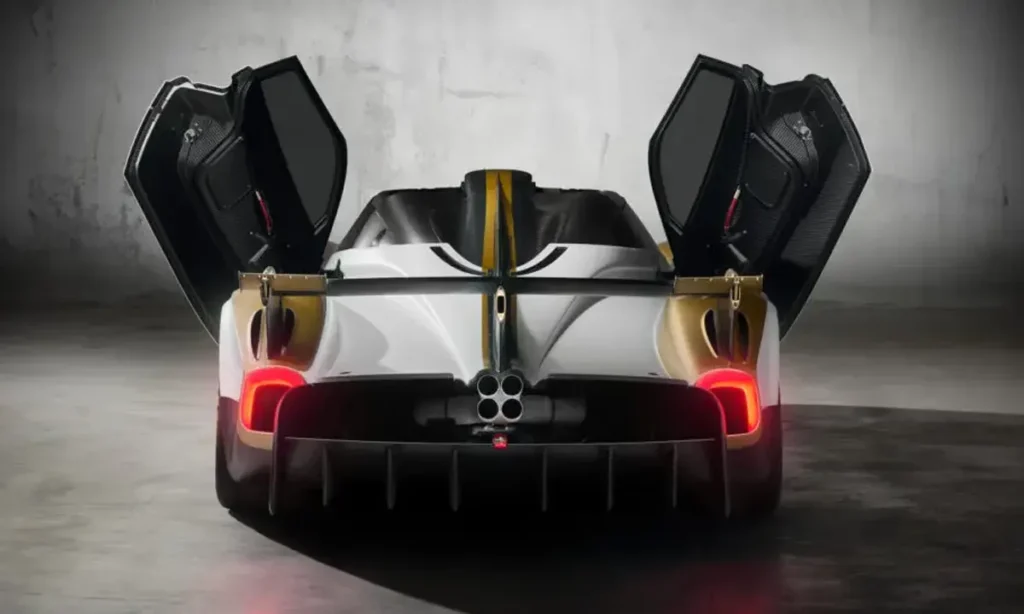
At 5,180 millimetres in length, 2,077 millimetres in width and just 1,164 millimetres in height, the R Evo Roadster is a strikingly long, wide and achingly low presence at trackside — dimensions that give it the visual proportions of a purpose-built Le Mans prototype rather than a road-registered track vehicle. The extended tail, which sweeps from the roof line over the engine cover and beyond the rear axle in an elegant and aerodynamically purposeful arc, is constructed from Class A carbon fibre — a specification of carbon weave developed specifically by Pagani for the Utopia grand tourer and subsequently adapted for the R Evo programme. Pagani’s own engineering data establishes that the Class A carbon architecture contributes to a 38 percent increase in body stiffness compared to previous generation carbon structures, while maintaining the extraordinarily low weight that is fundamental to the R Evo Roadster’s performance character.
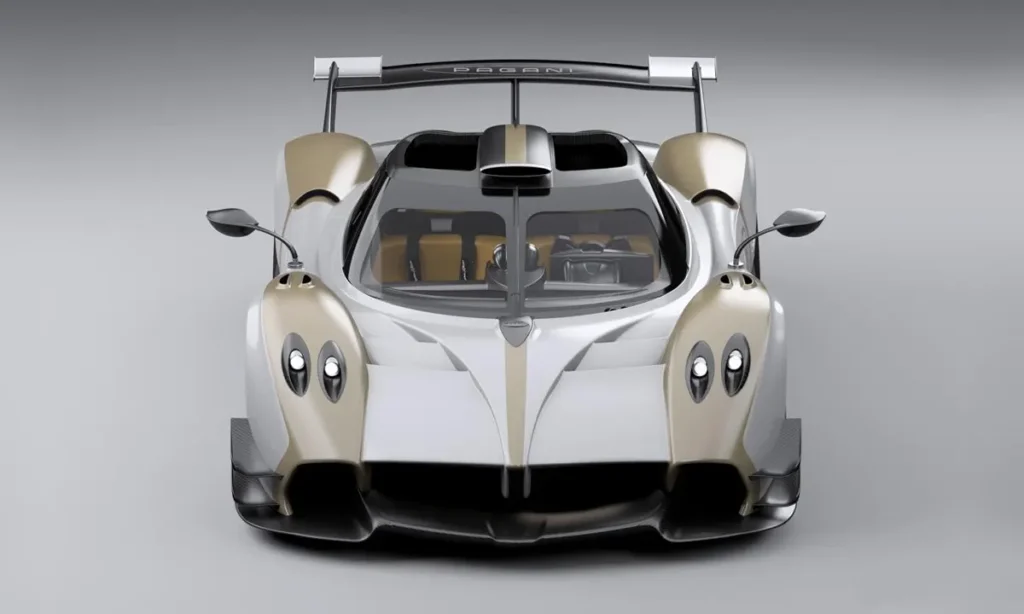
The front of the R Evo Roadster is equally dramatic and technically purposeful. A massive front splitter, machined from lightweight aluminium alloy in collaboration with Pagani’s component manufacturing partners, extends dramatically ahead of the front axle centreline to generate substantial front-axle downforce, counterbalancing the aerodynamic loads generated at the rear and maintaining the carefully calculated front-to-rear balance essential for predictable and confidence-inspiring handling at racing speeds. Large aerodynamic fins positioned along the car’s flanks manage airflow separation along the sides of the body, directing air toward the rear diffuser and ensuring consistent aerodynamic behaviour across the full range of yaw angles that track driving naturally generates. The roof-mounted air intake scoop — perhaps the R Evo Roadster’s single most visually dramatic exterior detail — feeds cooling and combustion air directly into the engine bay with the directness and visual honesty of a pure racing machine. Distinctive stalked exterior mirrors, shaped for minimum aerodynamic drag while providing adequate rearward visibility in a racing environment, add a further layer of motorsport visual reference to the overall composition.
The combined aerodynamic package generates over 1,300 kilograms of downforce at high speed — a figure that exceeds the car’s own kerb weight and creates cornering loads that would be physically impossible to achieve through mechanical grip alone. Managing these extraordinary aerodynamic loads across all four corners of the car is a heave damper system installed on each axle — an arrangement borrowed directly from Formula 1 and endurance racing — which controls the car’s overall vertical movement independently of the conventional spring and damper system that manages individual wheel movements. The heave dampers maintain a stable and consistent ride height even as massive aerodynamic loads compress the suspension at high speed, ensuring that the aerodynamic package generates its designed downforce figures consistently across all track conditions and all points of the performance envelope.
The V12-R Evo Engine: 888 Horsepower of Naturally Aspirated Artistry
The technological and emotional heart of the Pagani Huayra R Evo Roadster is its extraordinary Pagani V12-R Evo engine — a 6.0-litre, naturally aspirated twelve-cylinder power unit of 60-degree bank angle, developed from scratch by HWA AG, the German motorsport engineering organisation that has served as Mercedes-AMG’s racing development arm across multiple decades of high-level competition. The collaboration between Pagani and HWA for this engine represents one of the most remarkable and productive partnerships in the history of performance car development — producing an engine that is wholly bespoke, entirely purpose-designed and completely unlike any other power unit fitted to a production-registered vehicle at any price point.
In the R Evo application, HWA’s engineers have evolved the original Huayra R engine through the application of revised camshaft profiles designed to improve high-rpm valve timing and extend the usable power band toward the new, elevated 9,250 rpm redline. New intake trumpets, shorter in length than those of the original V12-R, optimise the volumetric efficiency of the engine at extreme engine speeds — the shorter trumpet length favouring high-rpm power delivery over low-rpm torque, a characteristic entirely appropriate for a machine whose natural operating environment is the racing circuit rather than the public road. Revised engine management calibration by HWA completes the Evo-specification development programme, extracting every available unit of power from the revised hardware configuration.
The result is an engine producing 888 horsepower at 8,750 rpm and a maximum torque output of 770 Nm at 5,800 rpm — figures representing a 50 horsepower increase over the original Huayra R’s V12. These numbers, impressive as they are in isolation, tell only a fraction of the story of what makes this engine so profoundly special. The naturally aspirated configuration means that the power delivery is entirely linear, entirely predictable and entirely free from the step-changes in thrust associated with turbocharged systems. The driver feels every increment of the power curve as throttle position increases, receiving a level of feedback and connection between right foot and rear axle that no turbocharged engine of equivalent output can provide. The V12 architecture, with its twelve cylinders firing in pairs through a 60-degree V configuration, produces an engine note of extraordinary character — a complex, multi-layered acoustic signature that builds from a baritone rumble at low revs through an increasingly intense and multi-harmonic crescendo toward the redline, where it reaches a near-physical intensity that those who have experienced it describe as among the most emotionally affecting sounds produced by any mechanical device in existence.
The V12-R Evo drives through a six-speed sequential gearbox with reverse gear, equipped with non-synchronised dog ring engagement and a three-disc sintered metal racing clutch — a transmission architecture derived entirely from endurance racing and Formula 2 single-seater competition. Gear changes occur with a directness and immediacy impossible to achieve with synchromesh engagement, demanding precision and commitment from the driver while rewarding those who invest the time to learn its character with gear changes of devastating speed and involvement. The longitudinal mid-engine placement, combined with the rear-wheel-drive architecture, provides the weight distribution and dynamic character of a pure racing car — with power delivered exclusively through the rear wheels for maximum driver control and maximum dynamic engagement.
Chassis, Materials and Lightweight Architecture
The Pagani Huayra R Evo Roadster’s structural foundation is a monocoque chassis constructed from Pagani’s proprietary Carbo-Titanium HP62 G2 material — a composite fabric that weaves carbon fibre and titanium filaments together in a single integrated structure, achieving stiffness, impact resistance and energy absorption characteristics impossible to replicate in conventional carbon fibre alone. This material, developed over years of research at Pagani’s Modena-region facility, represents one of the most significant proprietary material advances in the history of boutique hypercar manufacturing, providing the structural rigidity essential for precise and predictable track dynamics while contributing to the extraordinary low kerb weight that makes the R Evo Roadster’s performance figures possible.
The complete vehicle, in full Roadster configuration, achieves a dry weight of approximately 1,060 kilograms — a figure that, combined with the engine’s 888 horsepower output, produces a power-to-weight ratio approaching 840 horsepower per tonne. This ratio places the R Evo Roadster beyond the performance envelope of virtually every other track-registered vehicle in existence, including several dedicated single-seater racing cars that compete in professional championship competition. The aerodynamic downforce of over 1,300 kilograms at maximum speed means that the car’s effective weight at full velocity is more than double its actual mass — creating cornering loads and braking stability that transform the driving experience from the merely extreme to the genuinely surreal.
Suspension architecture is derived from Formula 1 practice, with pushrod-operated front and pullrod-operated rear unequal-length double-wishbone geometry providing camber stiffness and geometry precision that conventional macpherson or multi-link arrangements cannot approach. Electronically controlled adaptive dampers work in conjunction with the heave damper system on each axle to provide a suspension character that remains composed, communicative and progressive even as aerodynamic loads multiply at speed. AP Racing brakes — six-piston front and four-piston rear callipers clamping large carbon-ceramic discs — provide braking performance of extraordinary power and consistency, maintaining full effectiveness through repeated high-energy braking events of the kind that occur naturally in track driving environments. Pirelli P Zero tyre compound, specified in close collaboration with Pagani’s engineering team to complement the car’s aerodynamic and chassis characteristics, provides the final link between the R Evo Roadster’s mechanical capability and the racing surface on which it is designed to perform.
Arte in Pista: The Programme That Makes Ownership Complete
The Pagani Huayra R Evo Roadster is inseparable from Pagani’s Arte in Pista ownership programme — an exclusive annual calendar of non-competitive track events at the world’s most prestigious FIA-sanctioned circuits that transforms the act of owning a Pagani track hypercar from a solitary possession into a membership of one of the world’s most intimate and extraordinary automotive communities. Conceived by Pagani for the original Huayra R launch in 2021 and now expanded to encompass R Evo and R Evo Roadster owners alongside the original R and Zonda R and Revolución community, Arte in Pista delivers a completely supported track experience unlike anything available elsewhere in the automotive world.
Each Arte in Pista event provides the R Evo Roadster owner with comprehensive technical support from a dedicated Pagani trackside engineering team, including a senior technical director for real-time data analysis and suspension setup optimisation, individual car mechanics assigned exclusively to the owner’s vehicle for the duration of the event, and professional racing drivers serving as personal coaches to develop each owner’s driving skills and circuit knowledge throughout the day. A motorsport physiotherapist and nutritionist support the physical wellbeing of participants, acknowledging the genuine physical demands that sustained lapping in a 888-horsepower track hypercar imposes on even physically well-conditioned drivers. The programme’s format includes both full-intensity performance lapping sessions and more relaxed, exploratory track drives, allowing owners to build confidence and capability progressively rather than confronting the car’s full performance envelope without appropriate preparation.
Read: Ferrari Amalfi Spider Open-Top Italian Elegance Meets Hybrid Supercar Performance
Pagani Huayra R Evo Roadster – Full Specifications and Performance Chart
| Category | Specification |
| Vehicle Type | Track-Only Open-Top Hypercar |
| Body Style | Two-Door, Two-Seat Open Roadster |
| Monocoque Material | Carbo-Titanium HP62 G2 Composite |
| Body Material | Class A Carbon Fibre (Pagani/Utopia Specification) |
| Engine Designation | Pagani V12-R Evo |
| Engine Type | 6.0-Litre Naturally Aspirated V12 (60° Bank Angle) |
| Engine Developer | HWA AG (Mercedes-AMG Motorsport Partner) |
| Power Output | 888 hp at 8,750 rpm |
| Power Over Base Huayra R | +50 hp |
| Maximum Torque | 770 Nm at 5,800 rpm |
| Maximum Redline | 9,250 rpm |
| Transmission | 6-Speed Sequential Dog Ring with Reverse |
| Clutch | 3-Disc Sintered Metal Racing Clutch |
| Drivetrain | Rear-Wheel Drive |
| Engine Position | Mid-Engine, Longitudinal |
| Aerodynamic Downforce | Over 1,300 kg at Maximum Speed |
| Codalunga Extension | Approx. 190 mm Rear Extension |
| Suspension (Front) | Pushrod Double-Wishbone, Electronic Adaptive Dampers |
| Suspension (Rear) | Pullrod Double-Wishbone, Electronic Adaptive Dampers |
| Heave Dampers | One Per Axle (Front and Rear) |
| Brakes (Front) | AP Racing, 6-Piston Callipers, Carbon-Ceramic Discs |
| Brakes (Rear) | AP Racing, 4-Piston Callipers, Carbon-Ceramic Discs |
| Tyres | Pirelli P Zero (Custom Pagani Specification) |
| Dry Weight | Approx. 1,060 kg |
| Power-to-Weight Ratio | Approx. 840 hp per tonne |
| Length | 5,180 mm |
| Width | 2,077 mm |
| Height | 1,164 mm |
| Wheelbase | 2,792 mm |
| Top Speed | 350 km/h |
| Road Registration | Track-Only (Not Road Legal) |
| Programme | Arte in Pista Exclusive Ownership Experience |
| Estimated Price | Approx. £4,000,000 / €4,500,000+ |
A Creation Beyond Category: The R Evo Roadster’s Place in Hypercar History
The Pagani Huayra R Evo Roadster does not sit within any conventional taxonomy of performance vehicles. It is not a racing car, though it performs at racing car levels. It is not a road car, though it is fabricated to standards of craftsmanship and material quality that shame the finest road-going hypercars. It is not a collector’s piece, though its exclusivity, provenance and engineering significance will inevitably make it one of the most sought-after examples of early twenty-first century automotive creation. It exists, instead, as a pure and uncompromised expression of what Horacio Pagani believes automotive engineering and artistic craftsmanship can achieve when freed entirely from commercial, regulatory and practical constraint.
Every element of the R Evo Roadster — the HWA-developed V12 screaming toward its 9,250 rpm ceiling, the Class A carbon codalunga tail inspired by Le Mans legends, the Carbo-Titanium monocoque that weighs less than a city car’s wheel, the 1,300 kilograms of invisible aerodynamic force pressing the car toward the circuit surface, and the Arte in Pista programme that transforms ownership into one of the world’s most extraordinary personal experiences — reflects a singular and uncompromising vision of what a vehicle created for the love of driving, the love of engineering and the love of artistic expression should be. The R Evo Roadster is not the fastest car on a given circuit. It is not the car with the most horsepower or the most downforce or the most advanced electronics. It is something rarer and more valuable than any of those things — it is the car that makes its driver feel, with absolute conviction and total sensory immersion, that they are experiencing one of the most remarkable things a human being in the twenty-first century can experience. That is the Pagani promise. And the Huayra R Evo Roadster delivers it completely.