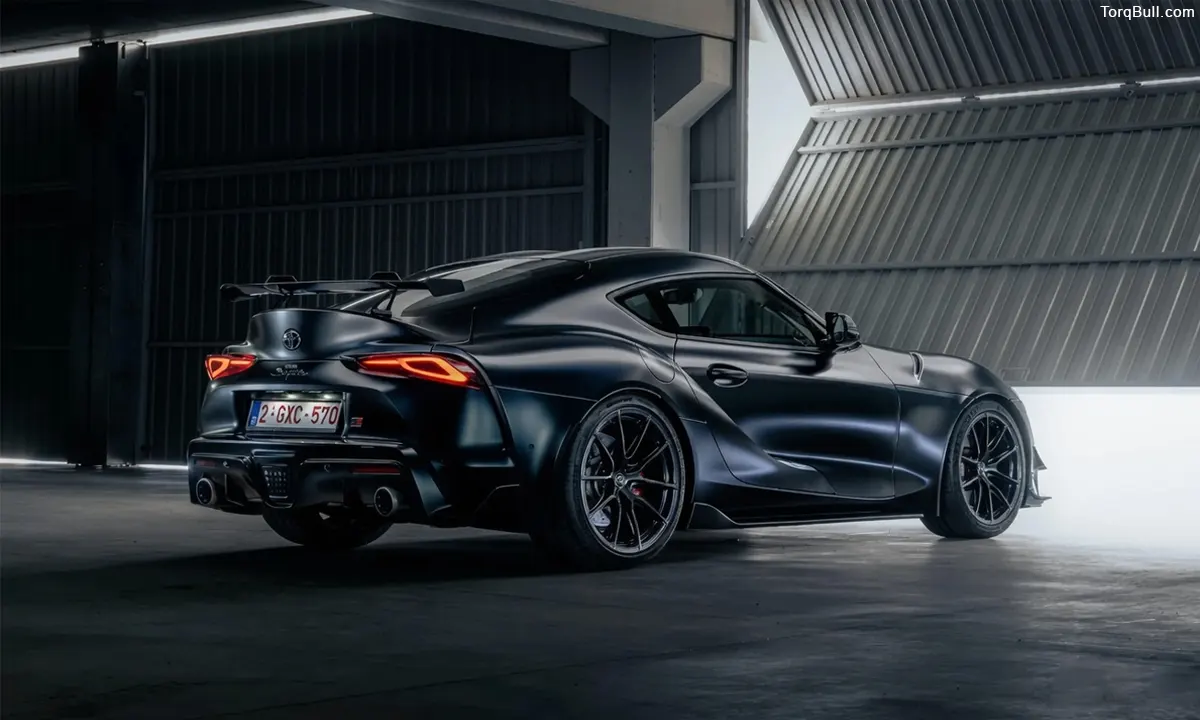
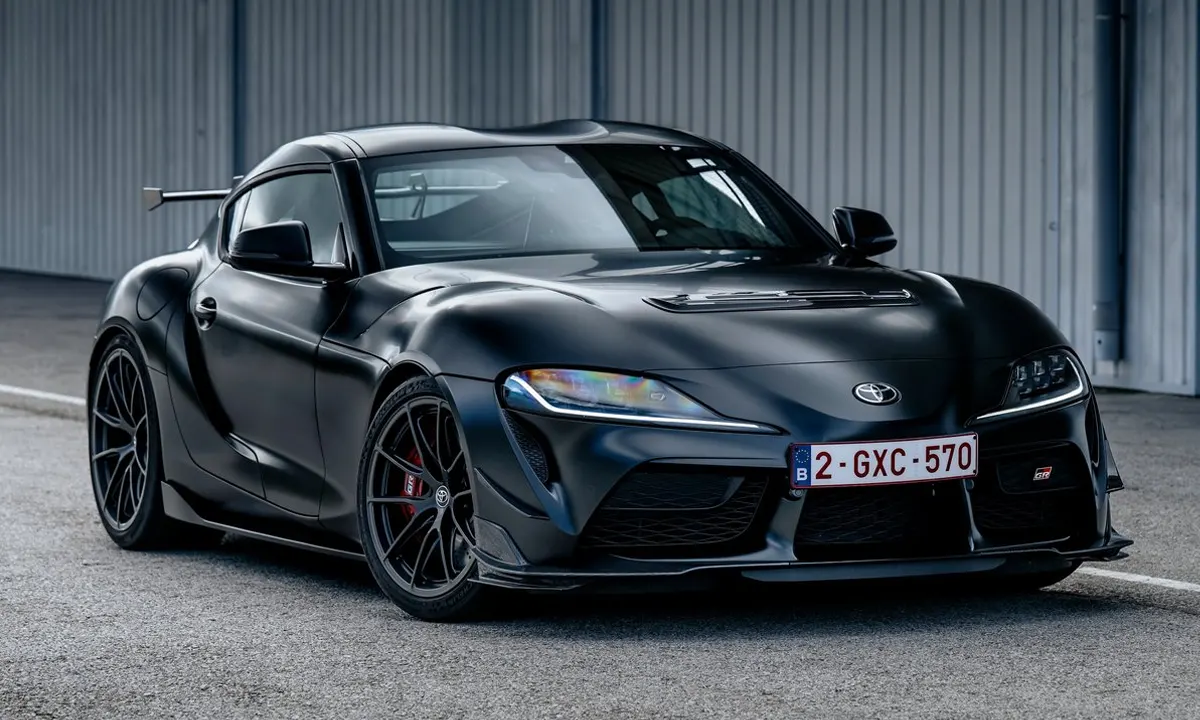
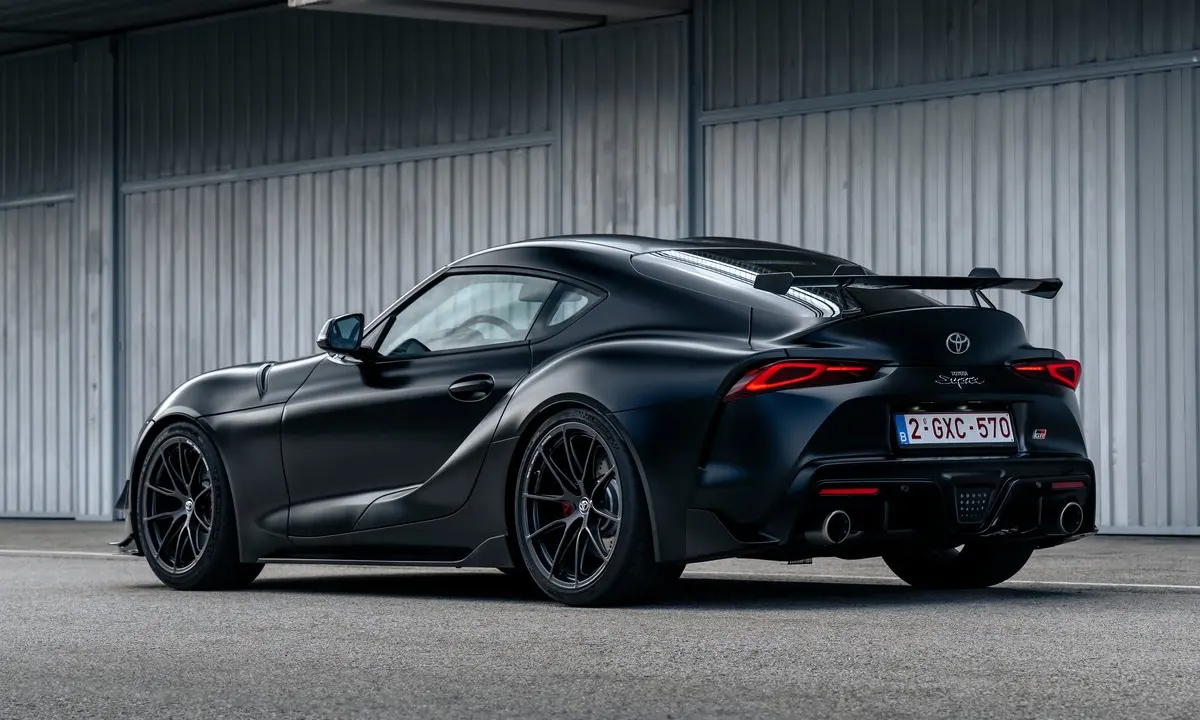
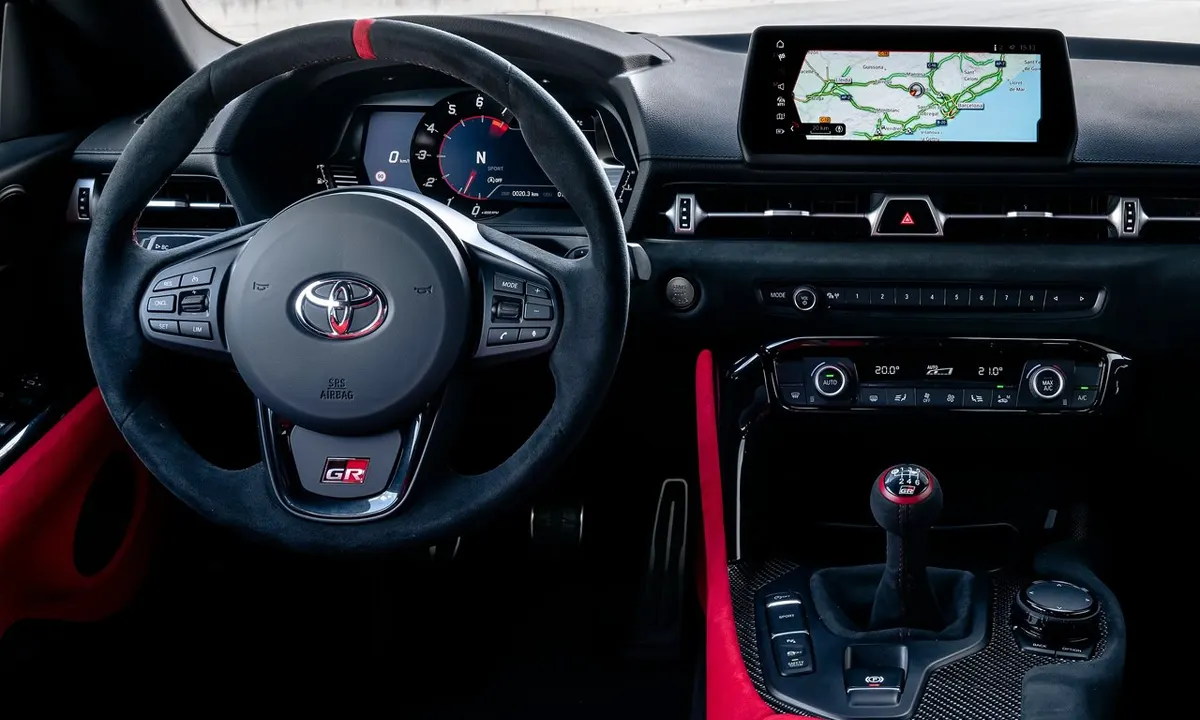
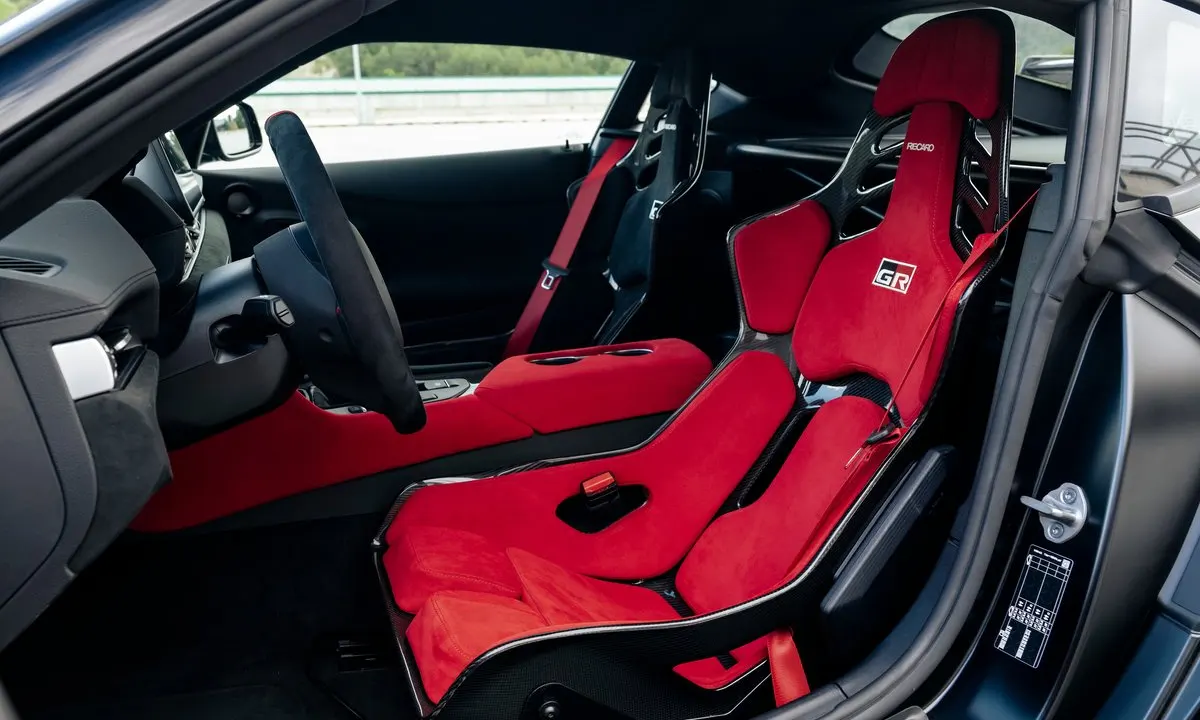
Let me take you back to 2019, when the Supra returned after a 17 year hiatus and the internet promptly lost its mind, and not entirely in a good way. Yes, the legend was back. But it was built alongside the BMW Z4 in an Austrian factory, it used a BMW engine, a BMW platform, and a BMW interior, and you operated it with BMW’s iDrive controller. The faithful had one relentless complaint: this is not a real Toyota Supra. It is a Z4 in a kimono.
That complaint dogged the A90 Supra its entire life, fairly or not. And now, finally, Toyota is answering it in the most definitive way possible. The BMW era is over.
Here is what is confirmed. The fifth generation GR Supra was manufactured by Magna Steyr for Toyota from 2019 to 2026, developed in collaboration with BMW, riding on a platform shared with the BMW Z4. That arrangement is ending. Toyota has confirmed there will be a next-gen Supra, and that BMW won’t be involved, developed entirely in-house with no shared platform. The next Supra will be, in every meaningful way, a genuine Toyota. For the enthusiasts who spent seven years wishing for exactly that, this is a dream come true. So why am I telling you a new fight is already starting? Let me explain.
Gallery: Toyota GR Supra
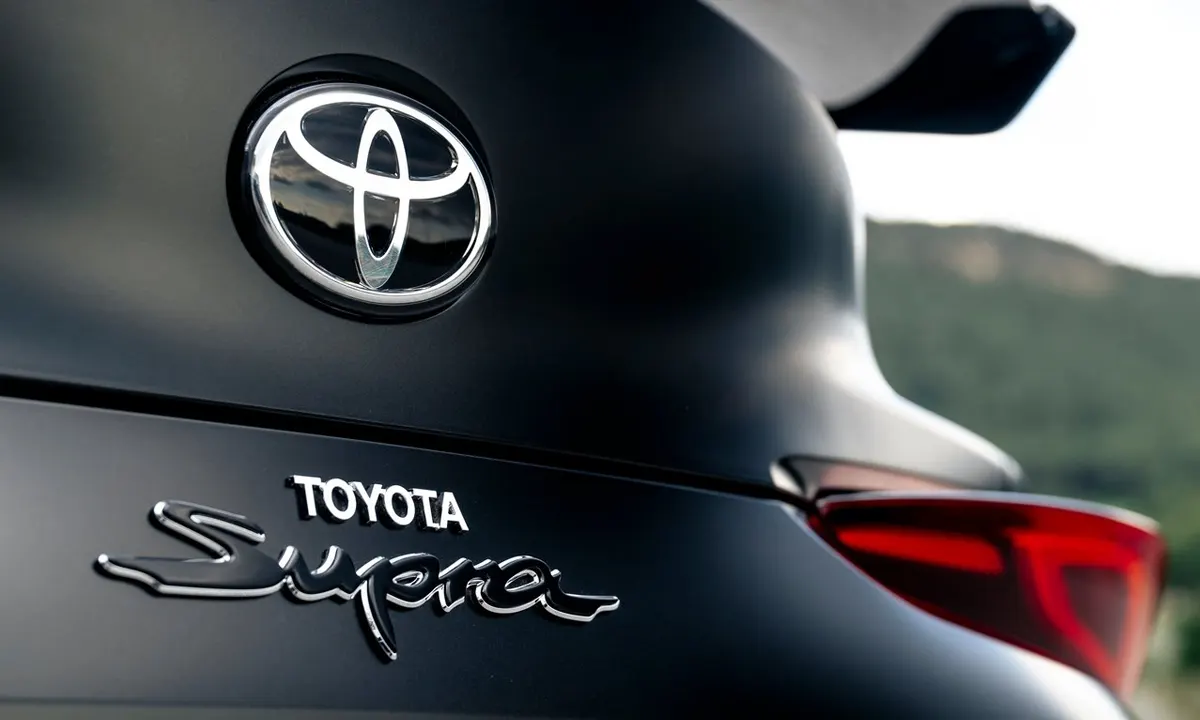
Why the BMW Split Is a Big Deal
First, let’s appreciate what is actually happening here, because it matters. The Supra reconnects with its own heritage. This move reconnects the Supra with Toyota’s long history of developing in-house sports cars, from the 2000GT in the 1960s to the Mk4 Supra in the 1990s, built with distinct platforms and powertrains, showing clear intent that Toyota wants the next Supra to feel like a Toyota again.
This was never really about BMW being bad. BMW’s B58 inline-six in the current car is genuinely excellent. It was about identity. The original A80 Supra became a cultural icon thanks to its own engine, the legendary 2JZ, a Toyota motor that became the stuff of tuning legend. The A90 borrowing BMW hardware always felt like the legend was wearing someone else’s clothes. Building the next one in-house, with Gazoo Racing leading development, the same team behind the brilliant GR Yaris and GR Corolla, is Toyota finally saying the Supra deserves to be its own car again. That is the right call, full stop.
The New Controversy: Two Cylinders Short
Now for the plot twist. Toyota is solving one authenticity complaint and potentially creating another. Because the rumored powertrain is not the glorious inline-six fans were dreaming of. It is, reportedly, a four-cylinder.
I have to be clear that this part is not officially confirmed, it comes from Japanese reports, but the consensus is strong. The powertrain at the center of the next Supra is expected to be a Toyota-developed 2.0 liter turbocharged four-cylinder engine paired with hybrid assistance, projected to produce approximately 394 to 400 horsepower. The hybrid setup is said to be clever. A self-charging hybrid system is said to incorporate a motor-generator paired with a clutch between the engine and gearbox, with an eight-speed or ten-speed automatic in development.
Here is the rub. The current Supra and the iconic Mk4 were both defined by their inline-six engines. Dropping to a four-cylinder, even a powerful hybrid one, is its own kind of heresy to a big chunk of the fan base. Toyota’s decision to potentially power the next Supra with a turbocharged inline-four hybrid has sparked mixed reactions, raising concerns about cylinder count, long-term durability, and whether Toyota can deliver the raw engagement that defined past Supras. So Toyota trades the “it’s a BMW” complaint for a “where’s my six-cylinder” complaint. You cannot make everyone happy.
There’s Hope for the Six-Cylinder Crowd
Before the straight-six faithful riot, there is a genuine glimmer of hope, and it involves an unlikely partner. While Toyota ditched BMW, it has a long and happy relationship with Mazda. Reports claim the Toyota-Mazda partnership has expanded to the supply of a Mazda straight-six for use in a separate Supra prototype, similar to the mild-hybrid inline-six in the CX-70.
So Toyota is apparently hedging its bets, testing at least two prototypes, one with the four-cylinder hybrid and one with a Mazda sourced inline-six. The catch? The four-cylinder is likely to win the production battle because of its lower mass, improved agility, and greater fuel efficiency, with the bigger engine perhaps reserved for a Lexus twin. The smart money is on the four, but the six is not dead yet. A Supra purist can dream.
Read: Ferrari’s New 819-HP Masterpiece Will Give You Total Goosebumps
How It Stacks Up
Here is the outgoing A90 against the rumored next-generation car.
| Spec | A90 GR Supra (current) | Mk6 GR Supra (rumored) |
| Engine | BMW 3.0L inline-six | Toyota 2.0L four-cylinder hybrid |
| Power | Up to around 382 to 435 hp | Around 394 to 400 hp |
| Layout | Front-engine, RWD, 2-seat | Front-engine, RWD, 2-seat |
| Platform | Shared with BMW Z4 | All-new in-house Toyota |
| Development | Toyota + BMW | Gazoo Racing, in-house |
| Expected | 2019 to 2026 | Around 2027 |
The core recipe survives, and that is crucial. The sixth-generation Supra retains the fundamental architecture that defined the car across five generations: front-engined, rear-wheel drive, two-seat sports coupe. Whatever happens with the cylinder count, it will still be a proper rear-drive sports car. And the power figure roughly matches or beats the current six, with hybrid torque potentially pushing past 400 pound feet for stronger response.
Why This Matters Beyond Toyota
Here is the part that should make every enthusiast root for Toyota to get this right. The affordable rear-drive sports car is an endangered species. The BMW Z4 ends its run in 2026 without a confirmed successor, the Nissan Z faces uncertainty as electrification regulations tighten, and the Mazda MX-5 faces similar headwinds.
In that context, a brand new, fully Toyota-engineered Supra with around 400 horsepower, genuine Gazoo Racing pedigree, and a powertrain compatible with carbon-neutral fuels is genuinely valuable. It represents something genuinely at risk of disappearing: a dedicated, purpose-built, rear-wheel-drive Japanese sports car with serious performance and serious cultural heritage. Toyota is not just building a car. It is keeping a whole category alive.
Let Me Be Honest About the Risks
I am optimistic, but I will not oversell it, because there are real concerns. The hybrid hardware adds weight. The added hybrid hardware could push curb weight north of 3,700 pounds, putting the next Supra in competition with the Nissan Z NISMO and even entry-level Porsche 911s. A heavy sports car is a worried sports car.
The manual transmission’s future is genuinely uncertain, since manuals and electrified powertrains do not always play nicely together, and losing the stick after Toyota finally added one to the A90 would sting. And the biggest question is the soul of the thing. Toyota claims the four-cylinder hybrid will have 2JZ-like tuning potential, which is a bold thing to invoke, but claims are not the same as delivery. A legend built on a charismatic inline-six has to prove a four-cylinder hybrid can stir the same passion.
Here is my read, though. Every one of these concerns is about execution, not direction. The direction, going pure Toyota, is unequivocally right. Weight, transmission, and character are things Gazoo Racing has proven it can nail, as the GR Yaris and GR Corolla demonstrate. I would bet on the team that turned econoboxes into rally monsters.
Verdict: The Right Move, With Everything Now to Prove
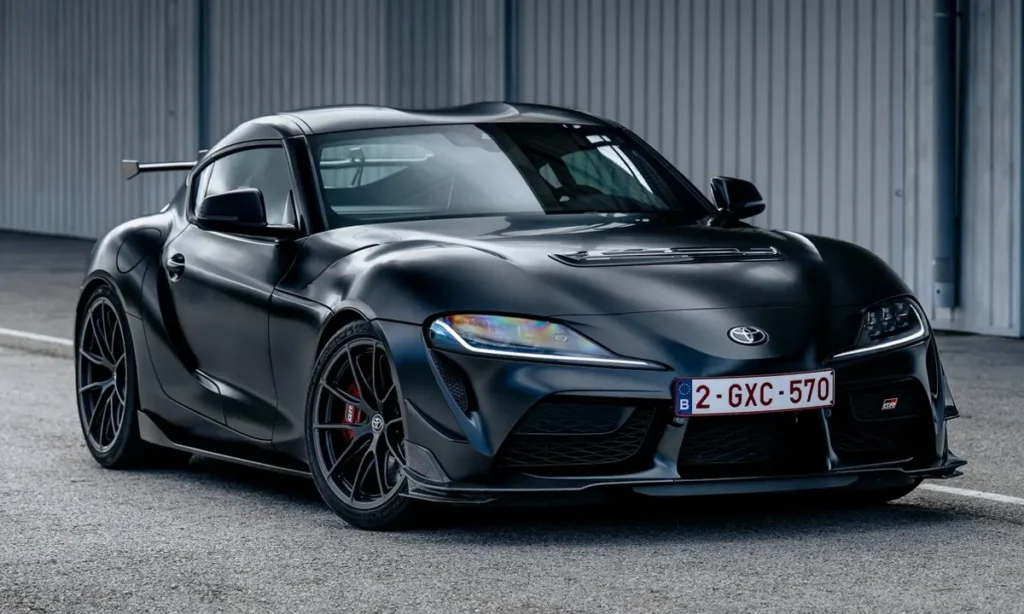
So where do I land on the Supra going pure? Genuinely excited, with clear eyes.
This is the news enthusiasts have wanted since 2019. The single biggest, most persistent criticism of the current Supra, that it was secretly a BMW, is being eliminated at the root. The next Supra will be a real Toyota, designed, engineered, and tuned in-house by the people who understand the nameplate’s heritage better than anyone. The conversation about authenticity will finally be settled on the only terms that matter: the car itself. That is exactly how it should be.
But Toyota now has everything to prove. Fixing the BMW complaint while introducing a four-cylinder hybrid means swapping one debate for another, and the loss of the inline-six that defined the legend is going to sting for a lot of people, myself included a little. The promising news is the power is there at around 400 horsepower, the layout is sacred and untouched, the Gazoo Racing pedigree is real, and there is even an outside chance a Mazda sourced six could keep the multi-cylinder dream alive.
My honest take? I would rather have a genuine four-cylinder Toyota Supra than a brilliant BMW-powered one wearing a Toyota badge. Authenticity matters, and Toyota finally chose it. Now the team just has to make a hybrid four scream loudly enough, handle sharply enough, and engage deeply enough to honor the 2JZ legend it is replacing. If anyone can pull that off, it is the crew that built the GR Yaris.
The Supra is finally going to be a Toyota again. After seven years of asking, that is a victory worth celebrating, even if the fight over what powers it has only just begun. Bring on 2027. The legend is coming home.