- Edmunds test: ~22.6 MPG vs 21 MPG EPA
- Fuelly data: ~19.3 MPG real-world average
- City driving can drop to ~13.5 MPG
- Highway efficiency up to ~24 MPG
- MPG varies by driving style and configuration
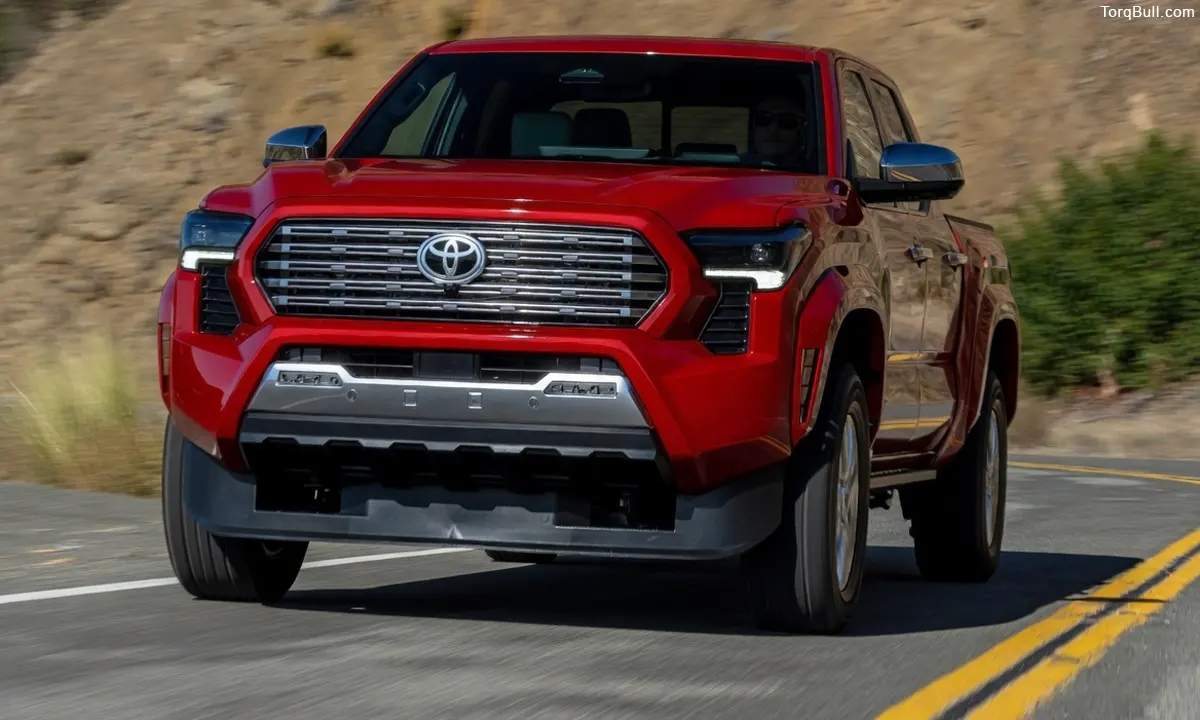
Toyota Tacoma Fuel Economy Real World MPG: Fuel economy is one of the most discussed and most frequently disappointing aspects of Toyota Tacoma ownership for buyers who enter a purchase expecting the EPA combined figure to represent their everyday experience. The 2026 Tacoma’s fuel economy profile is honest but not exceptional — a turbocharged 2.4-litre four-cylinder that earns its EPA ratings on standardised test cycles but that real-world owners consistently find performing differently across city, highway and towing conditions in ways that the EPA combined figure does not fully communicate. Understanding exactly what the Tacoma delivers in real-world conditions — not on a test track but in the day-to-day ownership experience of the 164-plus owners who have submitted over 1.6 million miles of fuel consumption data — is more useful than any EPA comparison and more honest than any manufacturer estimate. This guide provides that picture completely.
Gallery: Toyota Tacoma
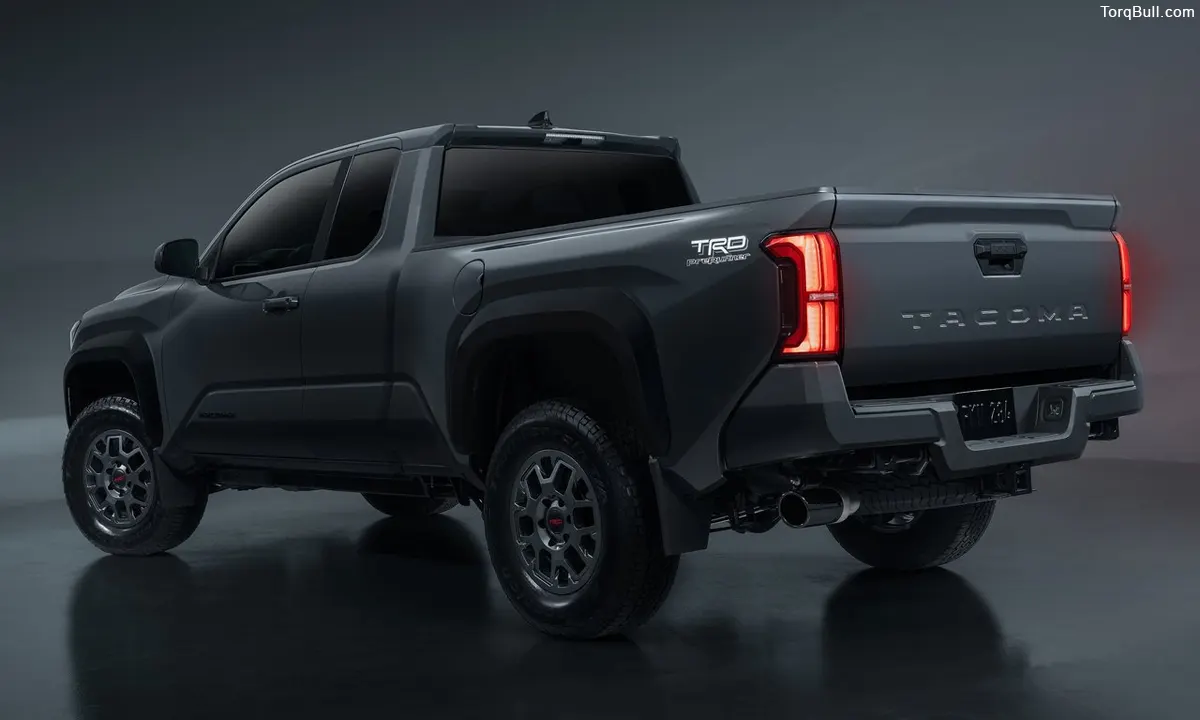
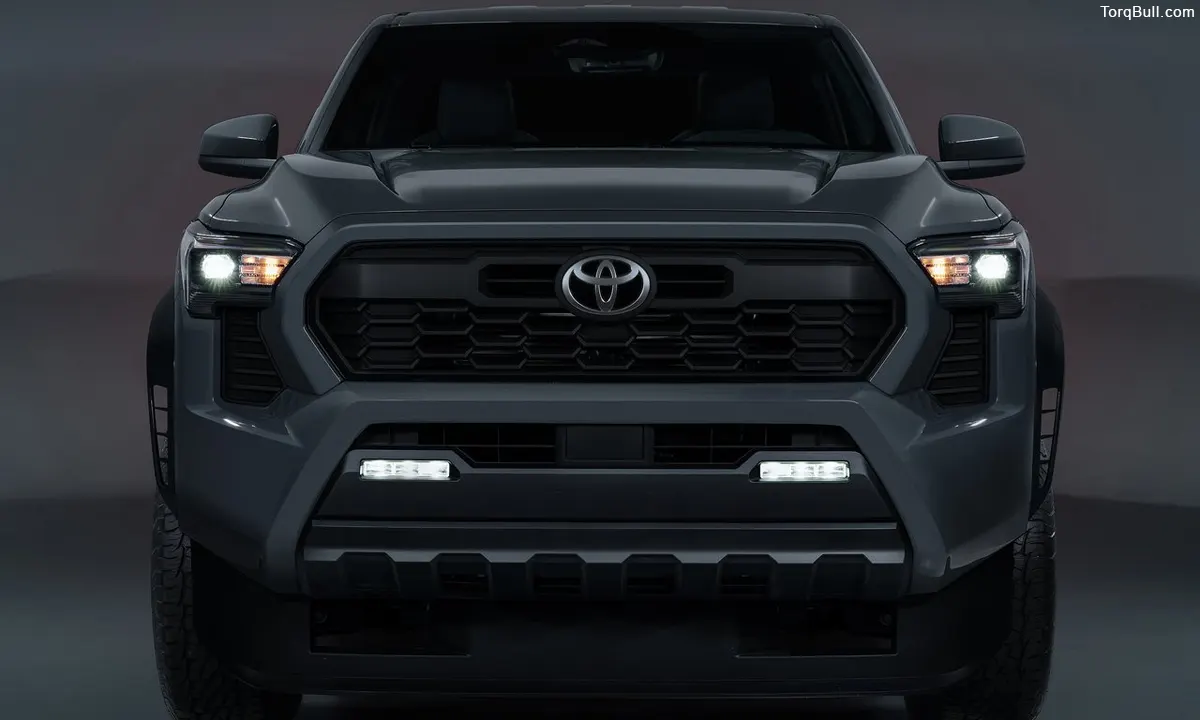
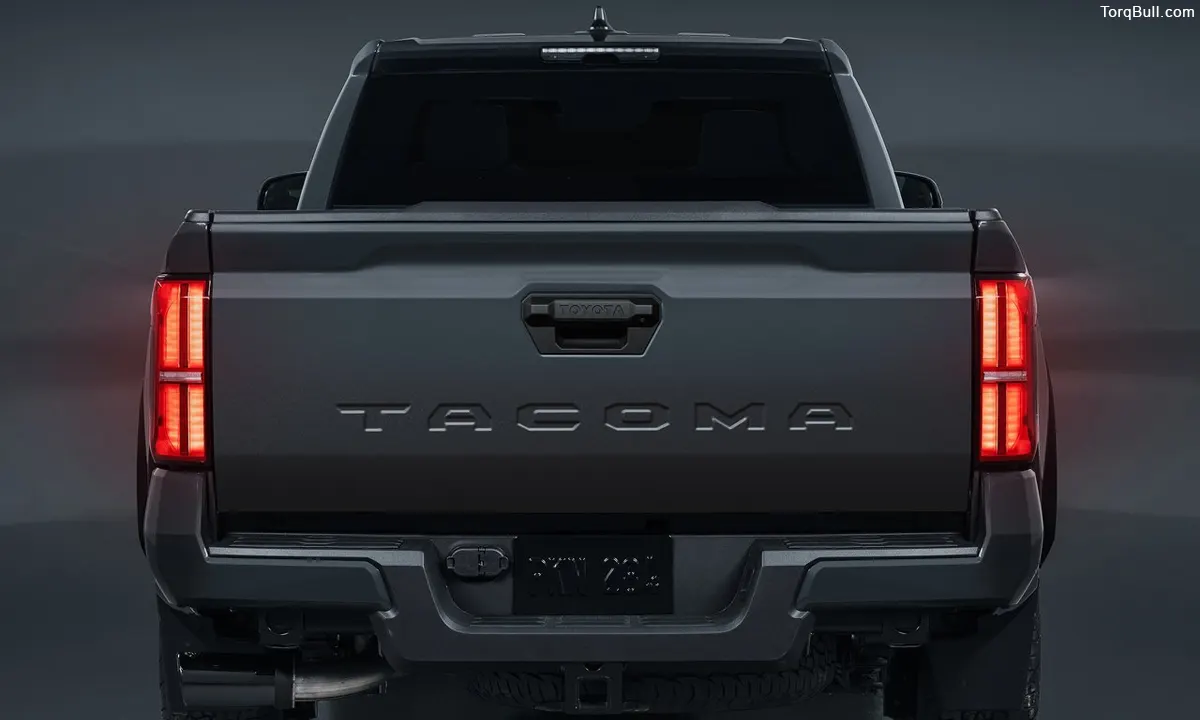

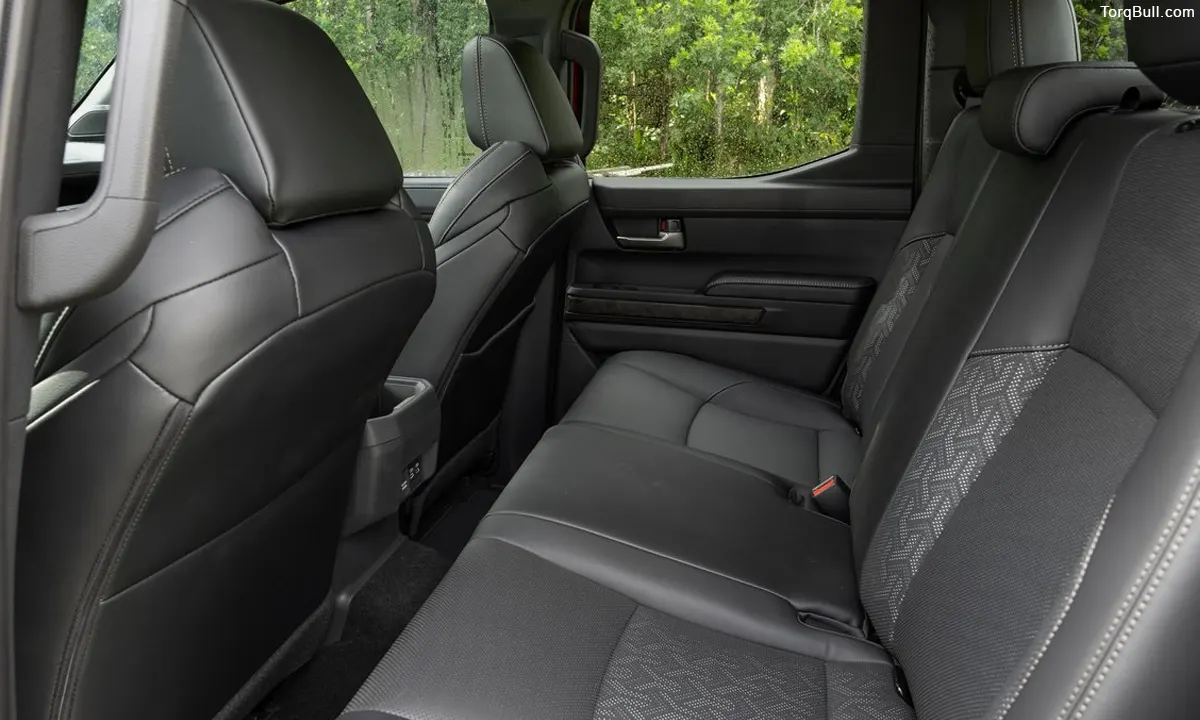
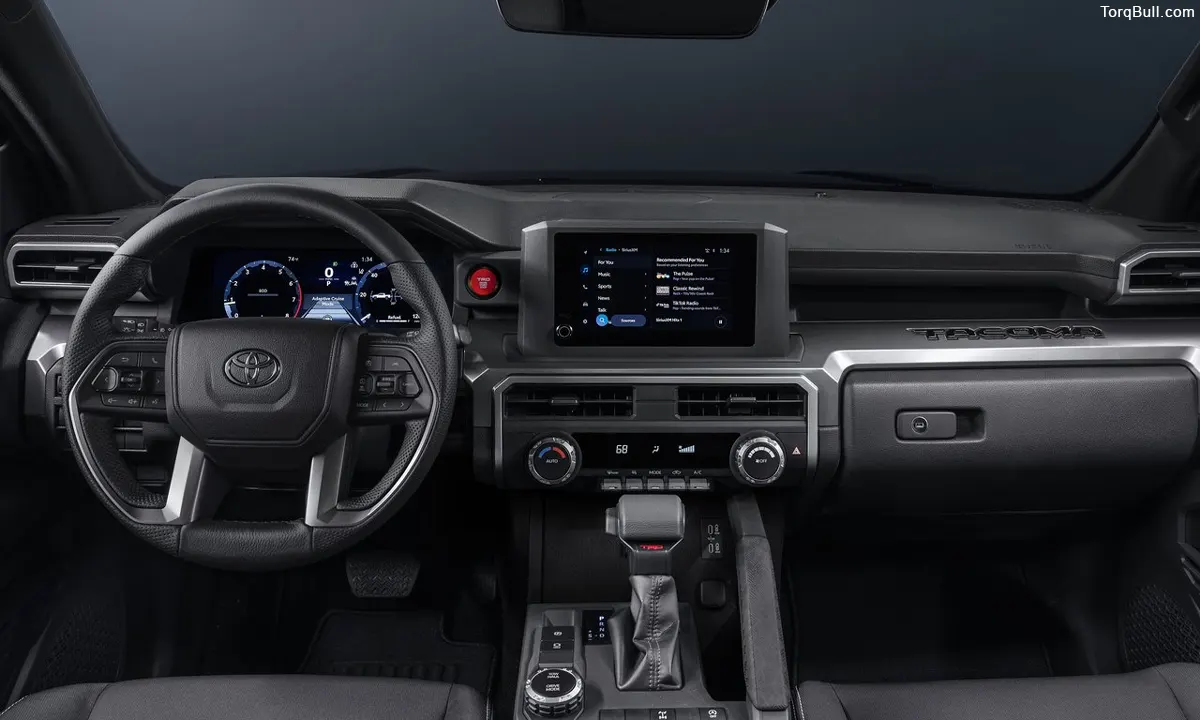
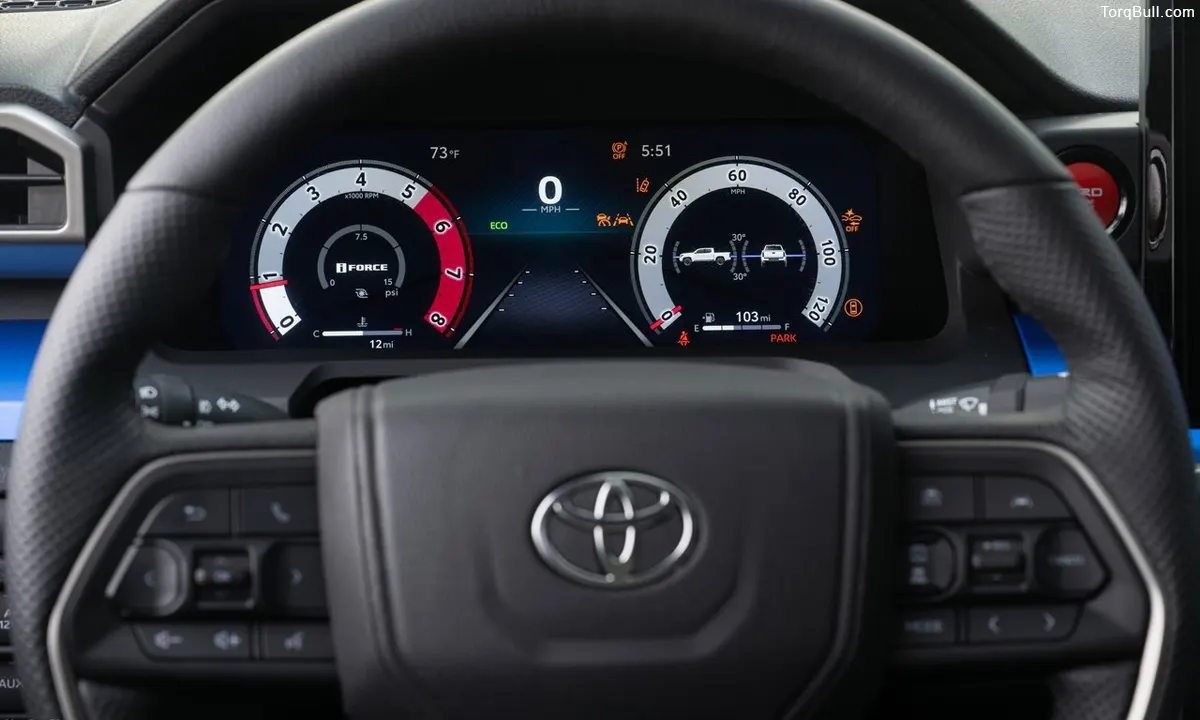
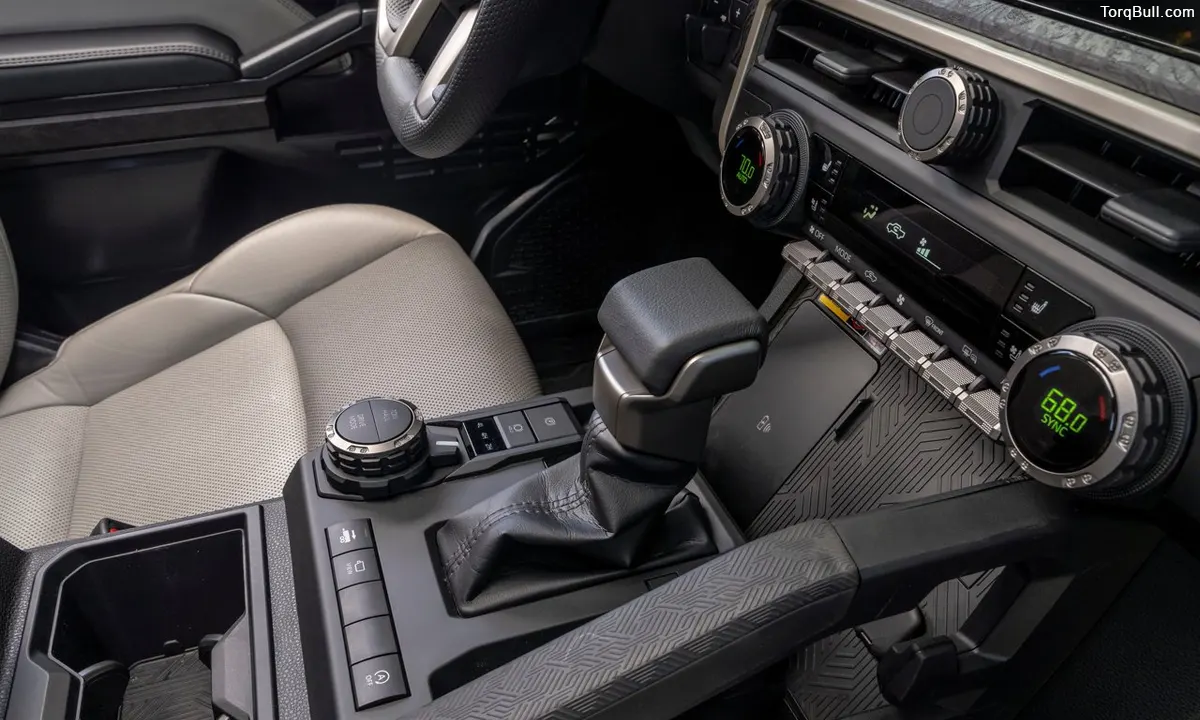
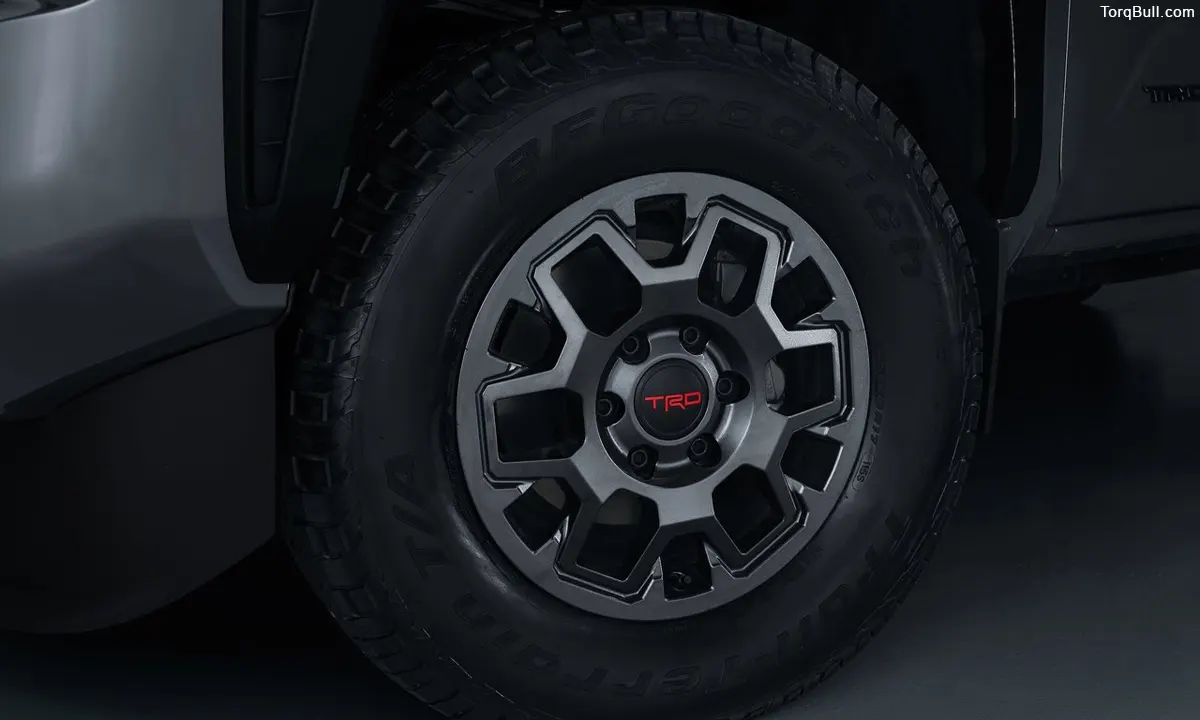
2026 Toyota Tacoma EPA Ratings: The Full Configuration Breakdown
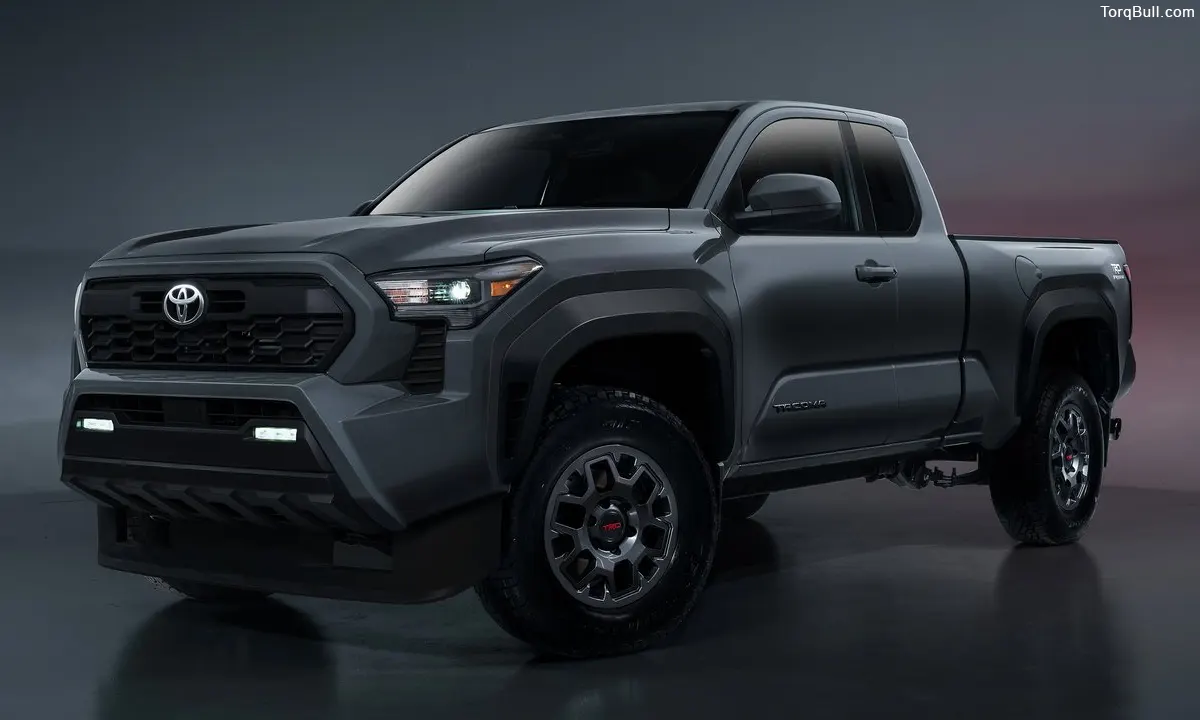
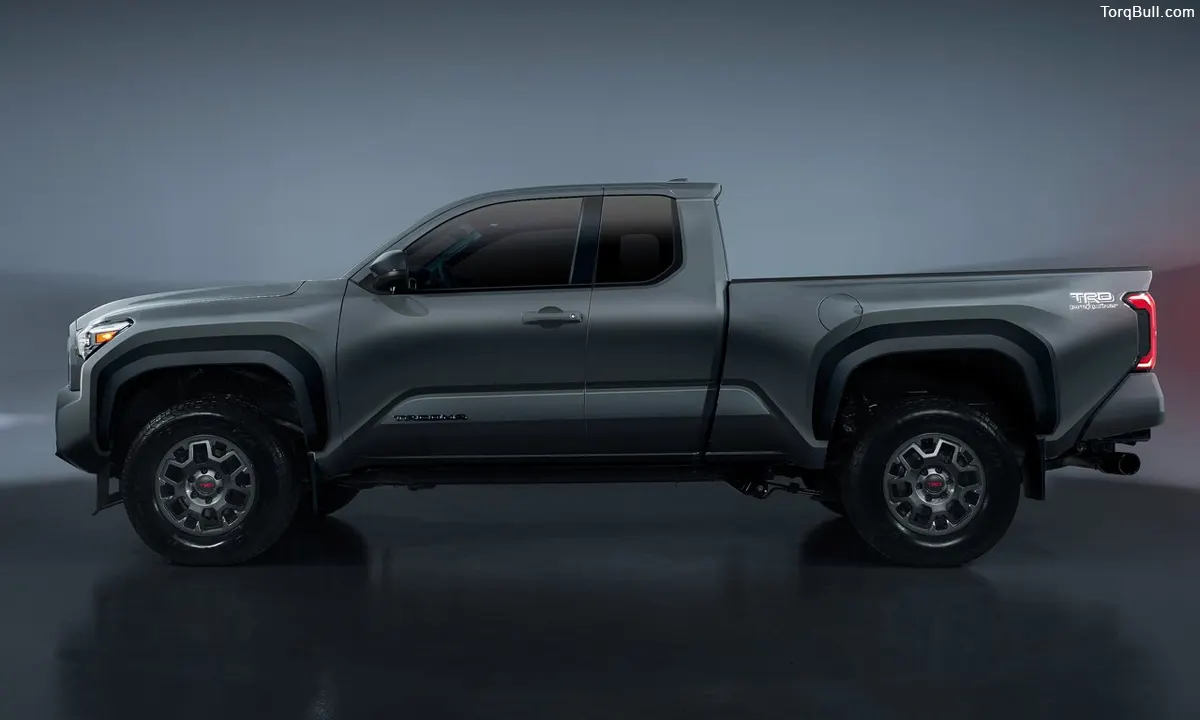
The 2026 Toyota Tacoma’s EPA fuel economy ratings vary significantly across its wide range of powertrain and drivetrain configurations — producing a range of official estimates from 18 MPG combined for the least efficient manual transmission specification to 23 MPG combined for the most efficient hybrid automatic configuration. Understanding which rating applies to which specific configuration prevents the common mistake of assuming the most favourable advertised number applies to all Tacoma purchases.
The base gasoline i-Force 2.4-litre turbocharged engine with an eight-speed automatic transmission in rear-wheel drive configuration achieves the highest non-hybrid EPA ratings: 20 city, 26 highway and 23 MPG combined for the SR RWD. Adding 4WD reduces this to 19 city, 24 highway and 21 MPG combined. The same engine paired with the available six-speed manual transmission produces lower economy: 18 city and 23 highway in RWD specification, and similarly reduced figures in 4WD. The SR5 RWD automatic is the most fuel-efficient gas-only configuration in the lineup at 21 city and 26 highway — figures that Toyota highlights as the gasoline Tacoma’s peak efficiency capability.
The i-Force Max 2.4-litre turbocharged hybrid adds a 48-horsepower electric motor and a 1.87-kilowatt-hour nickel-metal hydride battery to produce 326 combined horsepower and 465 pound-feet of torque. The hybrid’s EPA ratings are 22 to 23 city and 24 highway across its available trims — producing a combined figure of 23 MPG. The Limited i-Force Max achieves the highest city rating at 23 MPG. The difference between the non-hybrid and hybrid EPA combined ratings — approximately 2 MPG in most comparisons — is far narrower than buyers expecting full-hybrid efficiency improvements typically anticipate. This reflects the i-Force Max’s design as a mild-to-moderate hybrid aimed primarily at performance enhancement rather than maximum fuel economy, using a relatively small 1.87 kWh battery compared to full hybrid systems.
Read: Best Trucks Under $50000 In USA 2026. Ranked by Category With Full Specs
Edmunds Real-World Test: 22.6 MPG in 4WD Mixed Driving
Edmunds’ most directly actionable real-world fuel economy data for the 2026 Tacoma comes from their evaluation route — a standardised, repeatable driving loop designed to represent mixed real-world driving conditions rather than the more favourable test cycle conditions that produce EPA figures. Their 2026 Tacoma TRD Sport 4WD test achieved 22.6 MPG on this route, against the vehicle’s 21 MPG EPA combined rating.
The 22.6 MPG result — 1.6 MPG above the EPA combined estimate — is an unusual outcome. Most real-world evaluations of pickup trucks find actual fuel economy equal to or below the EPA estimate rather than above it, because real-world driving includes higher average speeds than the test cycle, greater use of air conditioning and more variation in acceleration pattern. The Tacoma’s Edmunds result exceeding its EPA figure suggests that the 21 MPG EPA combined estimate for 4WD configurations may be conservatively calibrated, and that drivers who manage their speed moderately can consistently approach or exceed this figure in mixed driving.
Edmunds also explicitly confirms that fuel economy should be similar across the Tacoma’s trim range — because the core powertrain and drivetrain architecture is shared across most configurations, the specific trim level purchased does not dramatically change the real-world economy outcome within the same engine and drivetrain category.
Fuelly Owner Data: What 164 Vehicles and 1.6 Million Miles Show
The most comprehensive owner-reported fuel economy dataset for the fourth-generation Tacoma comes from Fuelly — a platform where owners submit fill-up records and calculated MPG figures for every tank, producing aggregate averages based on actual pump-to-pump consumption tracking rather than on-board computer estimates.
For the 2024 Tacoma, Fuelly’s aggregate from 164 vehicles and over 1.6 million miles of tracked driving produces a real-world average of 19.3 MPG. For the 2025 Tacoma, 113 vehicles across 770,493 miles produce an average of 19.6 MPG. These figures — approximately 19 to 20 MPG in aggregate real-world use — represent the honest centre of the fourth-generation Tacoma’s fuel economy experience across the full range of driving styles, climates, configurations and terrain types that real owners encounter.
The 19.3 to 19.6 MPG Fuelly averages sit 1.4 to 3.4 MPG below the EPA combined figures of 21 to 23 MPG for the most common Tacoma configurations. This gap is not unusual for a pickup truck — the EPA test cycle underrepresents highway speed driving above 60 MPH and the accessory loads that typical owners apply. What the Fuelly data reveals is that the meaningful real-world range for most 4WD Tacoma owners in everyday mixed driving falls between approximately 18 and 22 MPG depending on driving style and terrain.
The generational comparison within Fuelly’s database is revealing: the 2023 third-generation Tacoma averaged 18.8 MPG, the 2022 averaged 18.5 MPG and the 2021 averaged 18.1 MPG. The fourth-generation 2024 Tacoma’s 19.3 MPG average represents approximately 0.5 to 1.2 MPG improvement over the previous generation’s V6 — a modest but genuine fuel economy gain from the turbocharged four-cylinder powertrain that replaced the naturally aspirated 3.5-litre V6.
Read: Built Beyond The Road. 5 Reasons The Ford Ranger Raptor Beats Every Other Pickup Truck
Owner-Reported Extremes: City vs Highway vs Towing
The aggregate Fuelly average of 19 to 20 MPG masks a wide range of individual owner experiences that are shaped primarily by three variables: city versus highway driving mix, whether the truck is driven aggressively or conservatively and whether it is regularly used for towing.
City driving produces the most disappointing Tacoma fuel economy figures. Multiple KBB owner reviews for the 2025 Tacoma document city figures as low as 13.5 to 15 MPG — substantially below the EPA city estimates of 19 to 21 MPG for 4WD configurations. These very low city figures reflect urban stop-and-go conditions where the turbocharged four-cylinder operates below its boost threshold frequently, where air conditioning loads are significant and where engine warm-up cycles consume additional fuel. One verified KBB reviewer specifically noted 13.5 to 15 MPG in city use — a figure that surprised them given the EPA city estimate — and indicated this was consistent rather than occasional. While not every owner reports figures this low, the pattern of below-EPA city performance appears consistently enough across owner reports to be treated as a genuine expectation management point for urban drivers.
Highway driving is where the Tacoma’s fuel economy most closely approaches or exceeds EPA estimates. A long-distance highway driving account submitted to the 4th Gen Tacoma forum documents 24.2 MPG on an empty highway segment — exceeding the 24 MPG EPA highway figure for comparable 4WD configurations. Edmunds’ own evaluation achieved 22.6 MPG in mixed driving that includes highway segments at realistic speeds. Highway-dominant drivers at 65 to 70 MPH consistently report 22 to 25 MPG depending on topography and wind conditions. One KBB owner specifically notes 22 to 25 MPG on highway driving, contrasting with below-EPA city performance.
Towing produces the most dramatic fuel economy reduction. The same forum test that achieved 24.2 MPG unloaded returned only 12.4 MPG while towing — approximately a 49 percent reduction in fuel economy. Autoevolution’s assessment of the 2024 Tacoma under towing conditions found 11 to 12 MPG when pulling a trailer. These towing figures are not unusual for a midsize truck at moderate trailer weights and reflect the fundamental thermodynamic cost of pulling significant loads — but they are meaningfully below the EPA ratings that no towing adjustment factors into.
Toyota Tacoma 2026 — Complete Fuel Economy by Configuration Chart
| Configuration | Engine | Transmission | Drive | EPA City | EPA Highway | EPA Combined | Real-World Avg. |
| SR RWD | 2.4L Turbo | 8-spd auto | RWD | 20 MPG | 26 MPG | 23 MPG | ~21–24 MPG |
| SR5 RWD | 2.4L Turbo | 8-spd auto | RWD | 21 MPG | 26 MPG | 23 MPG | ~21–24 MPG |
| SR 4WD | 2.4L Turbo | 8-spd auto | 4WD | 19 MPG | 24 MPG | 21 MPG | ~18–22 MPG |
| TRD Sport 4WD | 2.4L Turbo | 8-spd auto | 4WD | 19 MPG | 23 MPG | 21 MPG | ~18–22 MPG |
| TRD Off-Road 4WD | 2.4L Turbo | 8-spd auto | 4WD | 19 MPG | 23 MPG | 21 MPG | ~17–21 MPG |
| TRD Pro 4WD | 2.4L Turbo | 8-spd auto | 4WD | 19 MPG | 23 MPG | 21 MPG | ~17–20 MPG |
| SR RWD Manual | 2.4L Turbo | 6-spd manual | RWD | 18 MPG | 23 MPG | 20 MPG | ~17–21 MPG |
| i-Force Max 4WD (TRD) | 2.4L Turbo Hybrid | 8-spd auto | 4WD | 22 MPG | 24 MPG | 23 MPG | ~20–24 MPG |
| i-Force Max Limited 4WD | 2.4L Turbo Hybrid | 8-spd auto | 4WD | 23 MPG | 24 MPG | 23 MPG | ~21–24 MPG |
| Any configuration (towing) | Either | Either | Either | N/A | N/A | N/A | ~11–14 MPG |
Real-world estimates based on Fuelly aggregate data, Edmunds evaluation results and verified owner reports.
Read: Top 5 Off-Road Pickup Trucks Ranked by Real Terrain Performance Not Marketing Claims
Is the Hybrid Worth It for Fuel Economy?
The i-Force Max hybrid’s approximately 2 MPG EPA combined advantage over the base gasoline Tacoma at equivalent drivetrain configurations is the most frequently discussed fuel economy disappointment in the fourth-generation Tacoma community. Buyers who pay the $3,000 to $7,000 hybrid premium expecting the kind of fuel efficiency improvement that a Toyota Prius Hybrid or Highlander Hybrid delivers find the i-Force Max’s fuel economy improvement minimal — because the hybrid system’s small battery and modest electric motor are designed to improve torque and performance rather than to maximise fuel efficiency.
The i-Force Max’s genuine strength is the 465 pound-feet of torque it delivers — substantially more than the gasoline Tacoma’s 317 pound-feet — and the 326 combined horsepower that makes it noticeably more capable on hills, off-road terrain and when towing near the 6,000-pound rated capacity. One forum contributor captures the expectation-versus-reality gap precisely: the hybrid’s 1 to 2 MPG improvement over the gasoline Tacoma is genuinely insufficient to justify the premium on fuel savings alone, but the performance advantages it provides make it worthwhile for buyers who specifically need the additional torque for work, towing or off-road use.
For buyers whose primary motivation is fuel economy improvement, the i-Force Max hybrid will disappoint. For buyers who want more power and capability in a hybrid package and accept that fuel economy improvement is a secondary benefit, the i-Force Max delivers exactly what its engineering prioritises.
What Tacoma Owners Can Do to Improve Real-World MPG
Several driving and vehicle practices consistently improve real-world fuel economy for Tacoma owners whose daily results fall at the lower end of the observed range.
Maintaining proper tyre pressure is the single highest-impact easy intervention. Each 10 PSI of under-inflation increases rolling resistance by approximately 1 percent, which compounds measurably at the Tacoma’s typical combination of heavier kerb weight and all-terrain tyre specifications common on TRD trims. Monthly pressure checks and inflation to the door-jamb specification cost nothing and consistently improve economy by 1 to 2 percent.
Removing aftermarket accessories that increase aerodynamic drag — lift kits, larger off-road tyres and raised roof accessories — dramatically affects highway fuel economy. One forum owner notes removing an aftermarket accessory and returning to window-sticker EPA figures immediately. For Tacoma owners who use aftermarket modifications for appearance rather than genuine trail use, the fuel economy penalty of those modifications is real and persistent.
Speed management on highway driving produces the largest single fuel economy improvement for owners who regularly see low highway figures. At sustained 75 to 80 MPH, aerodynamic drag is substantially higher than at 65 MPH, and the Tacoma’s relatively upright frontal area makes it more aerodynamically sensitive to speed than a sedan. Reducing highway cruise speed from 75 to 65 MPH typically improves highway fuel economy by 10 to 15 percent — moving a truck achieving 22 MPG at 75 MPH to approximately 24 to 25 MPG at 65 MPH.