How the Lamborghini Temerario Combines Electric Power With Raw Emotion
A 10,000 RPM Twin-Turbocharged V8, Three Axial-Flux Electric Motors, 907 Combined Horsepower, the World's First 10,000 RPM Production Supercar and a Hybrid Integration So Seamless That It Drives More Like a Naturally Aspirated Lamborghini Than Any Turbocharged One Ever Has — The Temerario Is Not a Compromise. It Is a Revolution
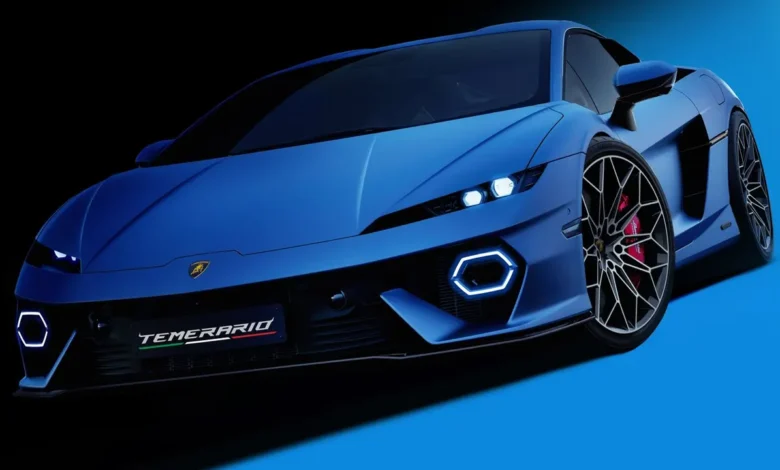
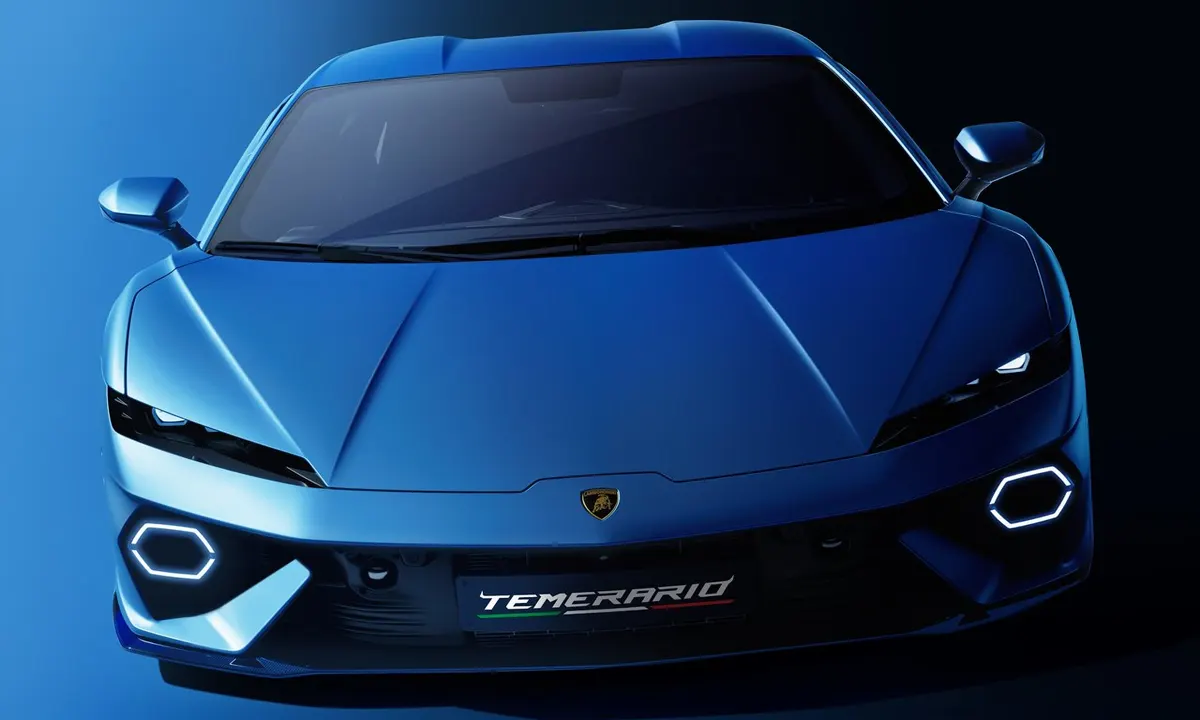
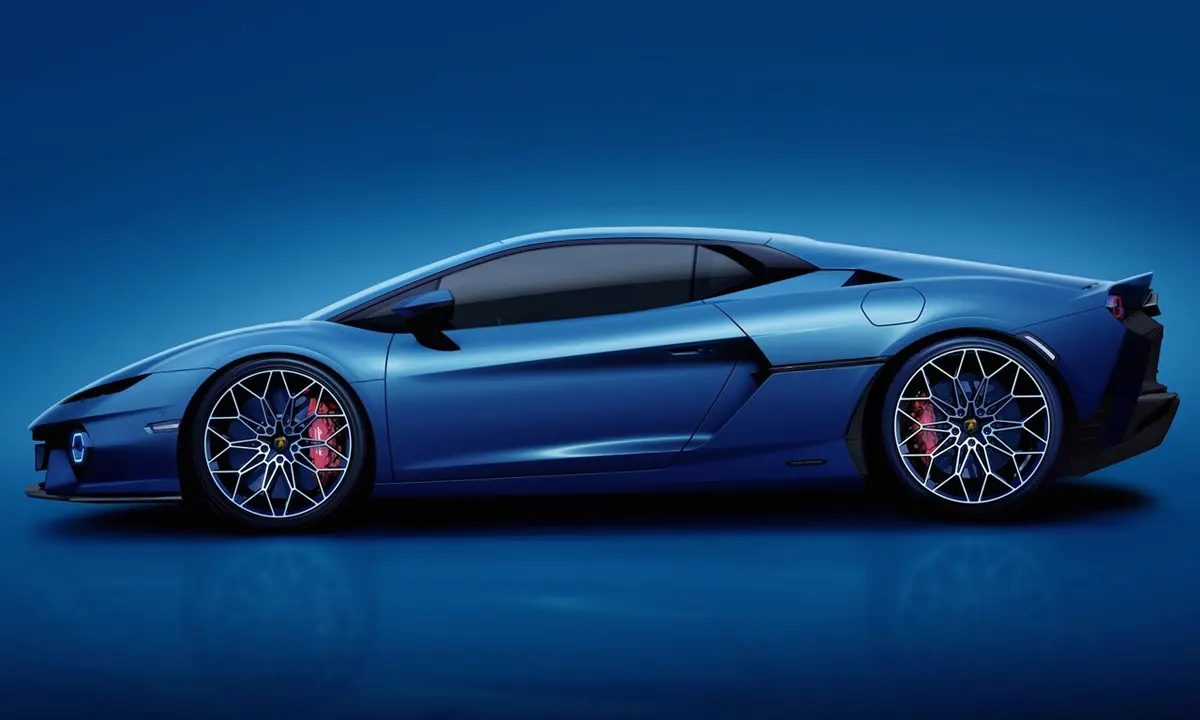
The death of the naturally aspirated V10 that powered the Lamborghini Huracán through its entire production life was met, by the global community of Lamborghini enthusiasts, with a grief that was entirely proportionate to the magnitude of what was being lost. The Huracán’s 5.2-litre V10 was not merely an engine — it was a mechanical event of sensory completeness, a powerplant whose instantaneous throttle response, its linear and uninterrupted power delivery from idle to the 8,500 rpm ceiling and its mechanical soundtrack of such intensity and such precision that it made every journey a performance rather than a transit. To replace it with a turbocharged V8 and a battery pack was, in the eyes of many, to replace a concert violinist with a synthesiser. The Lamborghini Temerario, delivered to its first owners in 2025 and now fully assessed by the world’s most demanding automotive publications across extensive first-drive evaluations, has rendered that judgement premature, unfair and ultimately completely incorrect. The Temerario is not a lesser Lamborghini wearing an electrified disguise. It is a more capable, more technically sophisticated and — in the specific dimension of hybrid integration — more emotionally honest Lamborghini than anyone who had not driven it could reasonably have predicted. Understanding how it achieves this requires examining the specific engineering decisions that separate the Temerario’s approach to electrification from every other hybrid supercar’s, and understanding why those decisions produce an experience whose emotional intensity is genuinely, authentically and unmistakably Lamborghini.
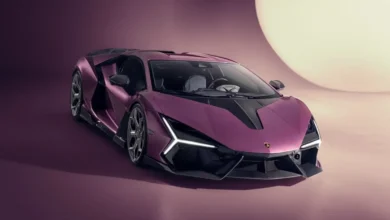
Gallery: Lamborghini Temerario
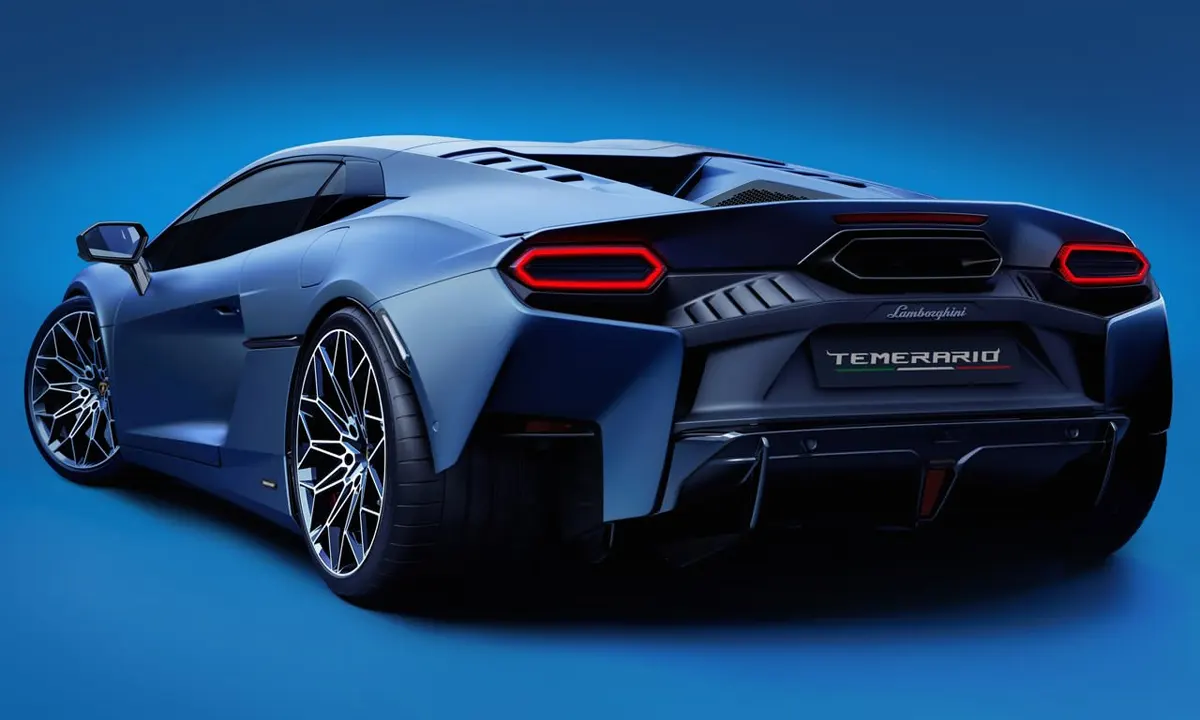
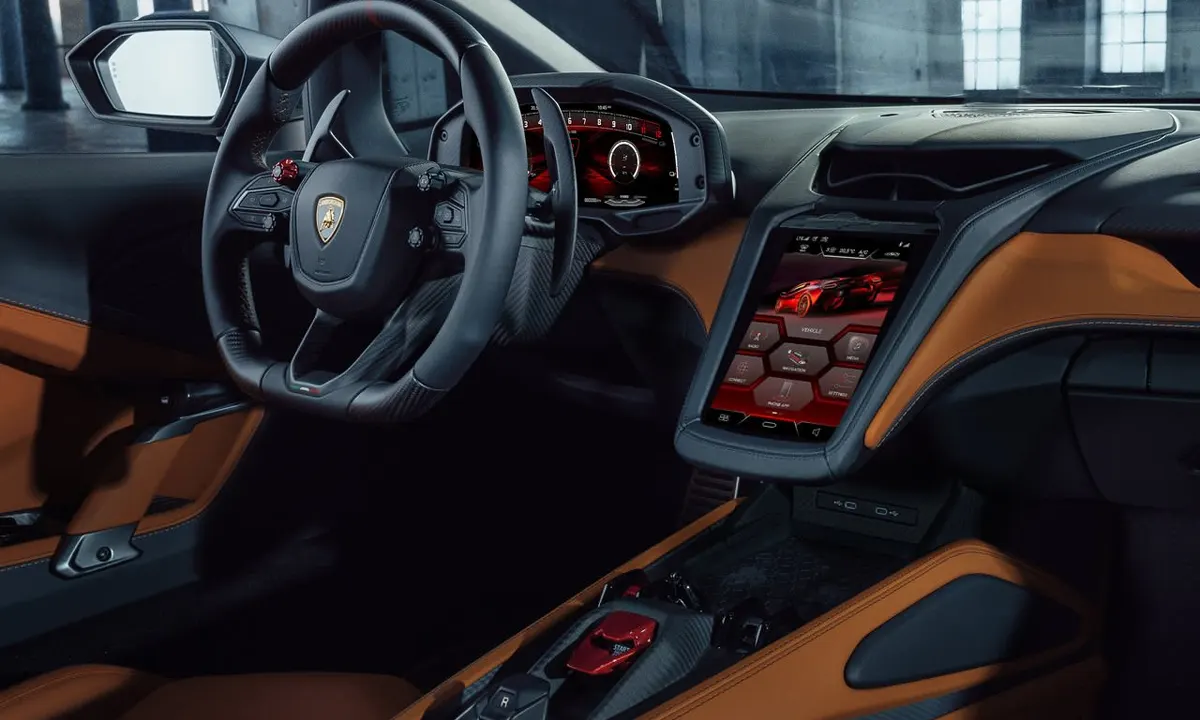
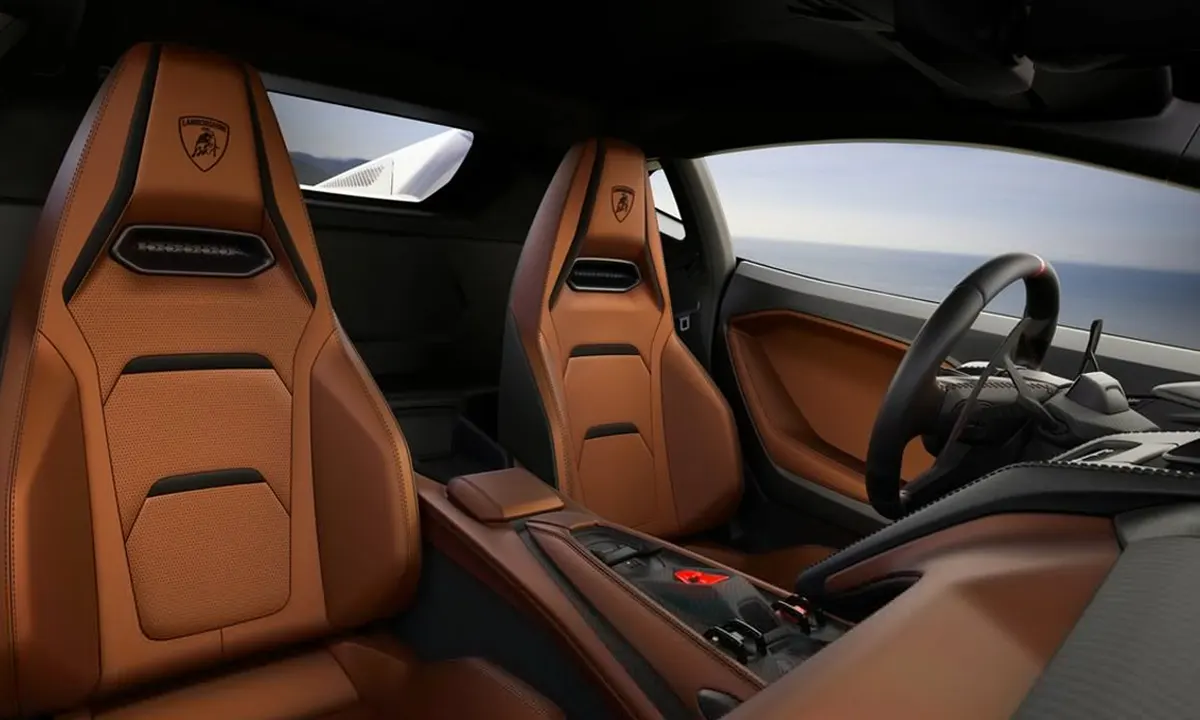
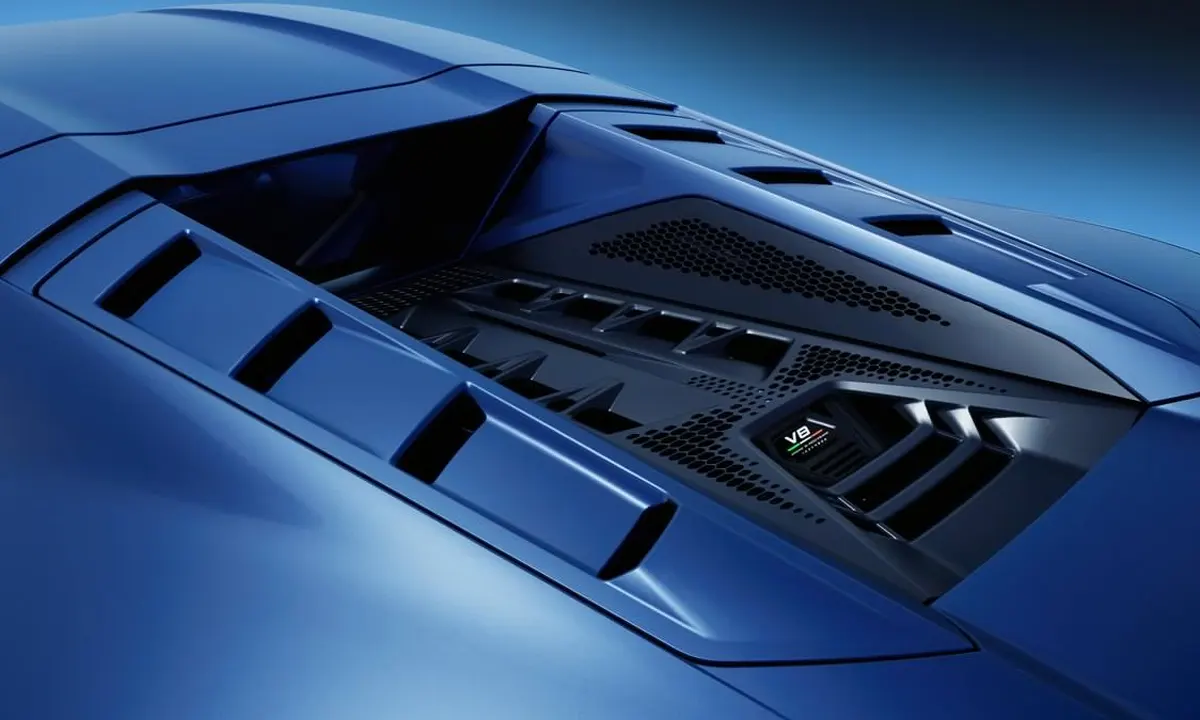
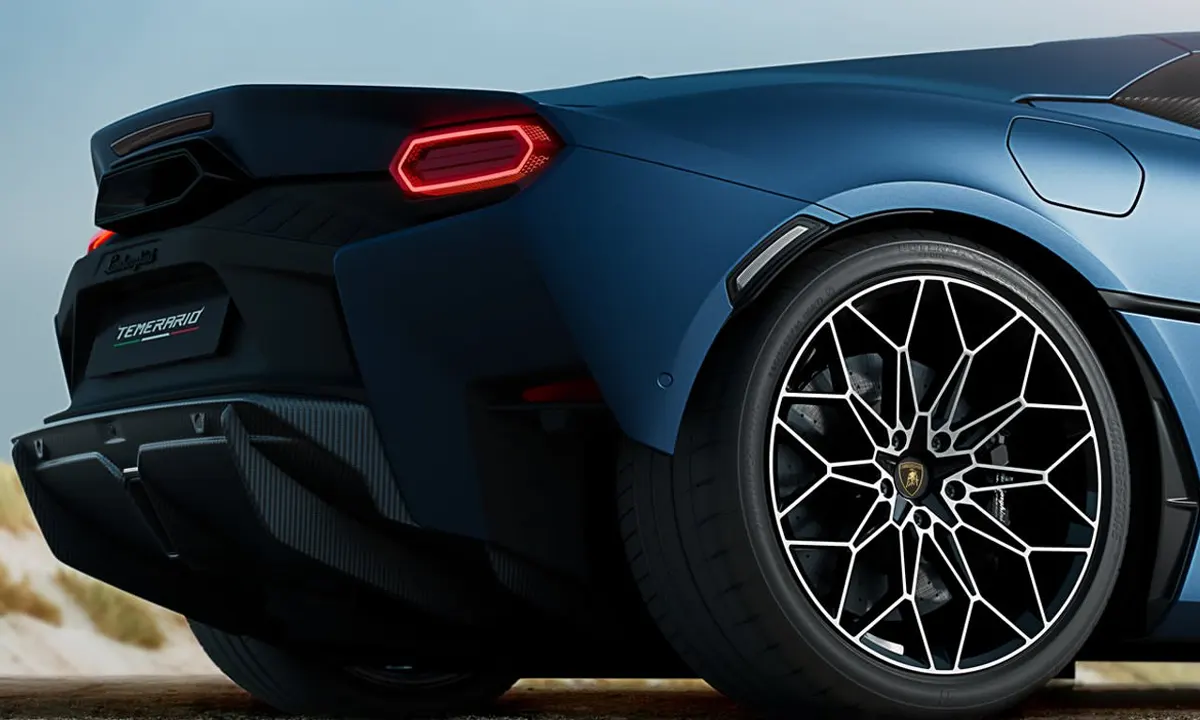
The L411: An Engine That Could Only Have Been Built for One Purpose
The starting point of the Temerario’s emotional case is the L411 twin-turbocharged 4.0-litre V8 — an engine developed entirely from a clean sheet by Lamborghini’s own engineering team with no component carryover from the twin-turbocharged V8 used in the Urus SUV, whose automotive character and performance ambitions are entirely different from what the Temerario required. This distinction matters enormously in understanding why the Temerario drives the way it does, because the L411’s architecture was designed from the outset to address the specific challenge that turbocharging imposes on emotional engagement — the lag between throttle input and peak power delivery that separates the driver’s intention from the engine’s response in a manner that naturally aspirated engines never inflict.
The L411’s most immediately extraordinary specification detail is its 10,000 rpm redline — a figure that makes the Temerario the first production road car in history to safely sustain engine operation at this speed. Achieving this required a collection of internal engineering measures whose individual significance is considerable but whose collective effect is genuinely unprecedented in road car engineering. Titanium connecting rods — a material choice more commonly associated with racing engines than with road cars — replace the conventional steel items to reduce reciprocating mass and allow the engine to change direction at the extreme speed that 10,000 rpm operation demands without the fatigue-inducing stress that heavier components would impose. A short-stroke configuration reduces the distance each piston must travel with each combustion cycle, allowing the engine to complete those cycles more rapidly and more frequently without the mechanical stress that a longer stroke would create at equivalent rpm. A flat-plane crankshaft — whose firing order distributes combustion events more evenly across the engine’s operating cycle than the cross-plane crank configurations used in most V8 engines — contributes both to the engine’s ability to rev freely and to the character of its exhaust note, creating the sharper, more metallic and more immediately responsive sound signature that enthusiasts of high-revving engines associate with racing machinery rather than road cars.
The turbos themselves are sized specifically to provide meaningful boost pressure throughout the engine’s entire operating range, including at the 10,000 rpm ceiling where conventional turbocharger systems are typically losing efficiency rapidly. This sizing decision creates a turbocharging challenge at low engine speeds — larger turbos require more exhaust energy to spool than smaller ones, creating precisely the lag condition that diminishes emotional engagement in conventional turbocharged engines. Lamborghini’s solution to this challenge is not a mechanical one but an electrical one, and it is the decision that most completely defines the Temerario’s character.
Three Electric Motors and the Elimination of the Lag That Ruins Emotion
The Temerario’s three electric motors are not present primarily to add horsepower to an impressive total, to reduce fuel consumption to meet regulatory requirements or to enable six miles of silent electric-only operation in urban environments. They are present, first and most importantly, to eliminate the turbo lag that the L411’s large-diameter turbos would otherwise impose at low engine speeds — providing the instantaneous torque delivery that the driver requests from the very first moment of throttle application, regardless of engine speed or boost pressure state. This purpose is fundamental to understanding the Temerario’s emotional character, because the absence of lag is the specific quality that most completely distinguishes the experience of driving a naturally aspirated engine from the experience of driving a turbocharged one. By using electric torque to provide the immediate response that the turbos cannot yet deliver at low rpm, and then seamlessly transitioning power delivery to the combustion engine as boost pressure builds and the V8 takes command, the Temerario’s hybrid system creates a power delivery character that feels organic, linear and continuously progressive — more reminiscent of the V10’s natural aspiration than of any turbocharged engine’s boosted surge.
The motor architecture chosen to deliver this result is itself significant. Lamborghini specified axial-flux electric motors — a design whose magnetic flux travels in the same direction as the motor’s rotational axis rather than perpendicular to it, a configuration that achieves a higher power-to-weight ratio than conventional radial-flux motors of equivalent output. The two front axle motors — one per wheel — each drive their respective wheel independently, enabling torque vectoring of a precision and a speed that no mechanical limited-slip differential system can approach. The third motor, positioned between the combustion engine and the eight-speed dual-clutch transmission, provides both the low-rpm torque fill that eliminates lag and the energy regeneration during deceleration that replenishes the 3.8 kilowatt-hour lithium-ion battery. This battery — shared in specification with the Revuelto’s more powerful HPEV system and housed within a rigid spine tunnel that runs through the cabin’s centre — is modest in capacity by conventional hybrid standards, a deliberate choice that prioritises weight and packaging efficiency over electric-only range. The six miles of electric-only operation available in Città mode is sufficient for the specific purpose of navigating noise-sensitive environments and urban zero-emission zones, not for extended electric touring — and Lamborghini has been entirely honest about this distinction, describing the Temerario’s electrification as a performance tool rather than an efficiency measure.
907 Horsepower and the Numbers That Justify the Engineering
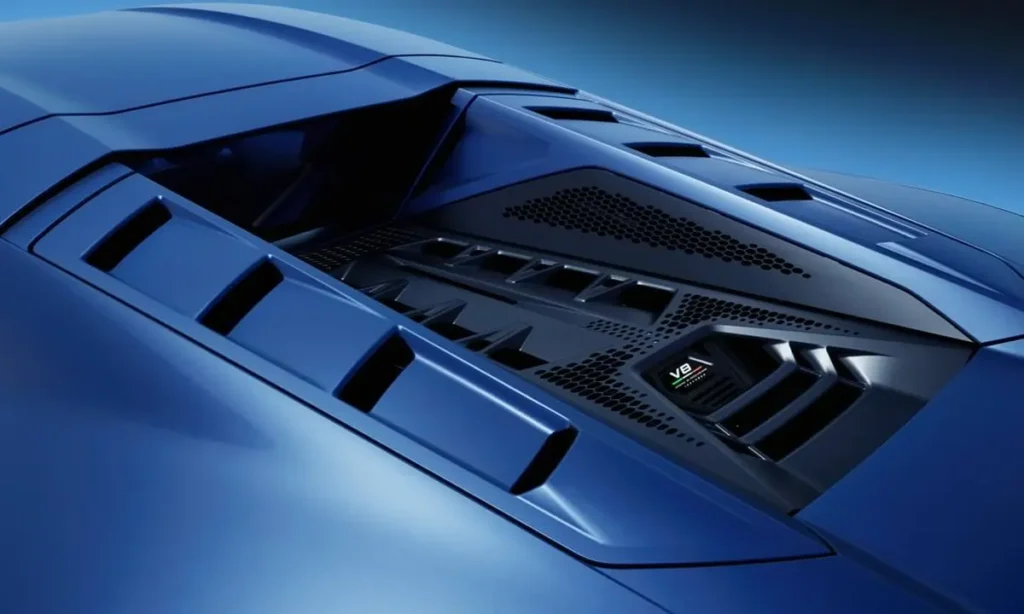
The combined system output of 907 horsepower and 538 pound-feet of torque represents a performance increment over the most powerful Huracán variant of extraordinary magnitude — 276 additional horsepower and 95 additional pound-feet of torque — achieved through the hybrid system’s contribution rather than through any increase in the combustion engine’s own output. The V8 alone produces 789 horsepower at 9,000 rpm, a specific output of nearly 200 horsepower per litre that represents the absolute boundary of what turbocharged road car engine technology can currently sustain in production. The three electric motors contribute a combined 118 horsepower and additional torque whose most practically significant contribution is at low engine speeds, where the electric system provides the response that the turbos have not yet built sufficient pressure to supply. Together, this system propels the Temerario from zero to 62 miles per hour in 2.7 seconds and to a maximum velocity of 213 miles per hour — performance that would have defined the hypercar category rather than the entry-level supercar category as recently as five years ago.
The all-wheel-drive system enabled by the front electric motors provides a launch traction capability of extraordinary effectiveness, allowing the Temerario’s full power output to be deployed from rest with a consistency and a completeness that rear-wheel-drive supercars of equivalent power cannot approach in ordinary conditions. The torque vectoring capability enabled by the individual front motor control allows each front wheel to receive precisely the torque appropriate to its traction condition at any given moment — a dynamic management capability that enhances both the car’s cornering speed and the quality of its communication with the driver, providing a sense of the front axle’s loading and its relationship to available grip that conventional mechanical front axle systems cannot replicate with equal precision.
The 10,250 RPM Redline: Where Emotion Lives
In any discussion of how the Temerario combines electric power with raw emotion, the 10,250 rpm redline deserves more attention than it typically receives in technical assessments that focus primarily on power output totals and acceleration times. The redline is not merely a specification — it is the fundamental reason why the Temerario’s driving character, despite its turbocharging and its electric motors and its sophisticated electronic management systems, retains an emotional intensity that connects it to Lamborghini’s naturally aspirated heritage more than any specification sheet comparison would suggest. High-revving engines create emotion through the experience of pursuing and approaching their power ceiling — the building urgency as revs rise, the sound signature that changes quality and pitch as engine speed increases and the sensation of physical immediacy as the tachometer needle approaches its limit. An engine that redlines at 6,500 rpm reaches its ceiling quickly and then holds in a single register. An engine that redlines at 10,250 rpm provides an ascent whose duration and whose variation in quality are dramatically greater — a longer, more varied, more musically complex journey from idle to limit that provides the driver with more information, more sensation and more emotional engagement per gear than any lower-revving alternative. The L411’s ascent to 10,250 rpm, described by reviewers as sharper, raspier and more high-pitched than any previous Lamborghini engine and entirely unlike the sound of any other turbocharged V8 in production, creates an acoustic experience that is genuinely new in character while being unmistakably Italian in its intensity.
13 Driving Modes and the Hybrid System That Feels Seamless
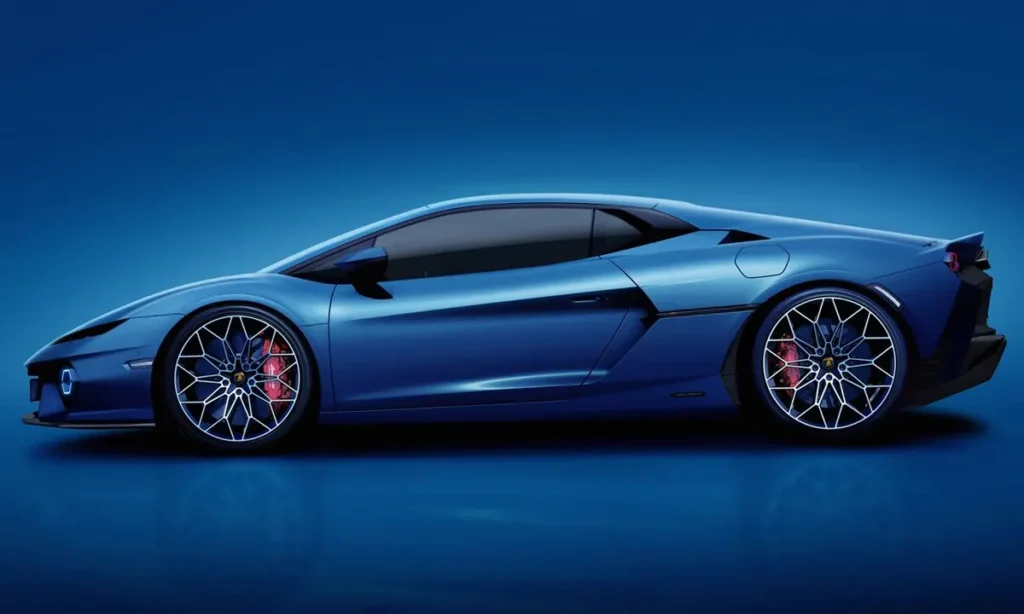
The Temerario offers 13 driving mode experiences — a number that communicates both the complexity of its powertrain management system and the depth of Lamborghini’s commitment to making every aspect of that system’s behaviour configurable to the driver’s preference and the driving environment. Three of these modes are specifically dedicated to hybrid system management — Recharge, Hybrid and Performance — allowing the driver to prioritise battery replenishment for subsequent electric use, balanced hybrid operation for mixed driving conditions or maximum combustion performance with electric fill-in reserved exclusively for its performance contribution rather than its efficiency one. The LDVI 3.0 system — Lamborghini Dinamica Veicolo Integrata in its third generation — coordinates the inputs from all three electric motors, the combustion engine, the dual-clutch transmission and the active suspension with a processing speed and a calibration intelligence that creates the seamless, natural character that every reviewer who has driven the Temerario at its limit has identified as the car’s most surprising and most significant achievement.
Hagerty’s first-drive assessment captured this quality with particular clarity — describing the Temerario as a car in which the gasoline and battery-powered elements of the drivetrain do not wage war against each other as they do in many hybrid systems but instead cooperate with such completeness and such transparency that the driver experiences the result as a single, unified power source rather than a hybrid collaboration. Top Gear reached a similar conclusion, noting that the Temerario drives with nuance and fluidity despite the extraordinary complexity of what its powertrain is managing — that it does not feel forced or artificially managed but instead communicates with the driver in a manner that feels genuine rather than engineered. These assessments, from publications whose critical standards are among the highest in the automotive world, confirm the success of Lamborghini’s fundamental ambition for the Temerario — to create a hybrid supercar that uses its electrification to amplify rather than dilute the emotional experience of driving a Lamborghini at the absolute limit of its capability.
The Alleggerita Package: Where Emotion Becomes Obsession
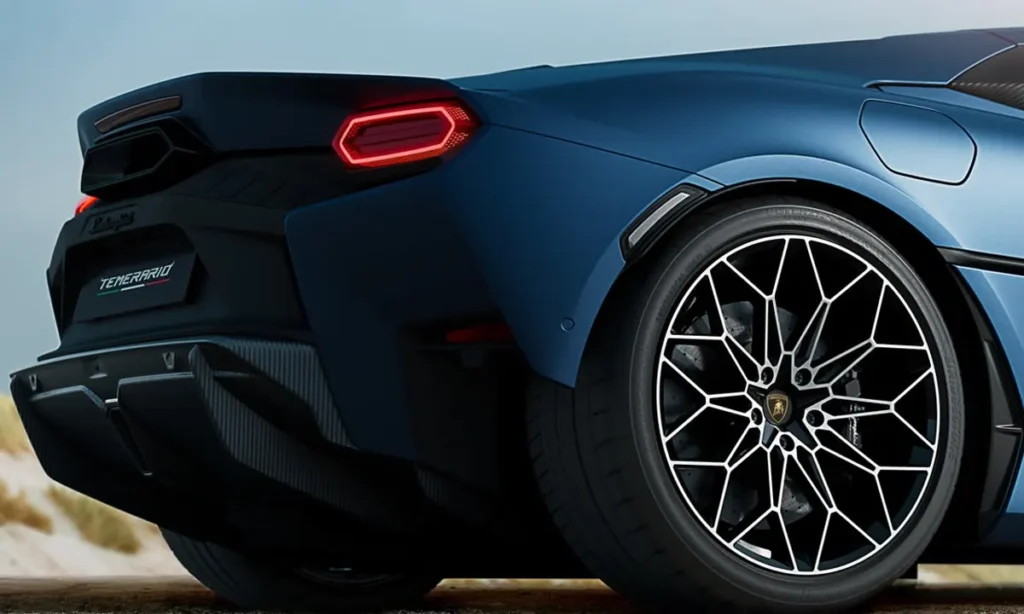
For buyers whose emotional investment in the Temerario extends to the track as the primary operating environment, Lamborghini offers the Alleggerita — Italian for lightweight — package as a factory option whose combination of weight reduction and aerodynamic enhancement creates a car of still more intense character than the standard model’s already-extraordinary specification. The package reduces the car’s weight by over 25 kilograms when specified with the optional carbon fibre wheels and delivers 67 percent additional downforce and 62 percent greater aerodynamic efficiency through an extended front splitter, side skirts, enlarged rear air intakes, a more aggressive rear spoiler and carbon fibre door cards and sports seats. The price of approximately $75,000 in the United States market — added to a base price of $386,649 — positions fully specified Alleggerita examples close to $420,000 and above, a figure that reflects the depth and the quality of the engineering investment that the package represents. For buyers who intend to use their Temerario at track days and circuit events where the aerodynamic and weight savings translate directly and measurably into lap times, the Alleggerita is not an indulgence but a rational performance investment of the most credible kind.
Read: Forget Lamborghini Urus, Ferrari Purosangue Is Here
Lamborghini Temerario – Specifications & Performance Chart
| Category | Specification |
| Vehicle Type | Mid-Engine PHEV Supercar |
| Classification | Lamborghini HPEV (High Performance Electrified Vehicle) |
| Replaces | Lamborghini Huracán (V10, 2014–2024) |
| Combustion Engine | 4.0-Litre Twin-Turbo Hot-Vee V8 (L411) |
| Crankshaft Type | Flat-Plane |
| V8 Output | 789 hp |
| V8 Redline | 10,250 rpm (First Production Car Over 10,000 rpm) |
| Internal Upgrades | Titanium Connecting Rods / Short Stroke / Hot-Vee Turbos |
| Electric Motor – Rear | 1x Axial-Flux (Between Engine and Transmission) – 148 hp |
| Electric Motors – Front | 2x Axial-Flux (One per Wheel) – 294 hp Combined |
| Combined System Power | 907 hp (920 PS) |
| Combined Torque | 538 lb-ft (730 Nm) |
| Battery Capacity | 3.8 kWh Lithium-Ion (Shared with Revuelto) |
| Electric-Only Range | Approx. 6 Miles (Città Mode) |
| Charging | Level 2 AC (Full Charge ~30 Minutes) |
| Transmission | 8-Speed Dual-Clutch (Transversely Mounted) |
| Drivetrain | All-Wheel Drive (Through-the-Road – No Mechanical Front Shaft) |
| Torque Vectoring | Front Axle (Individual per Wheel via Electric Motors) |
| 0–62 mph | 2.7 Seconds |
| Top Speed | 213 mph (343 km/h) |
| Driving Modes | 13 Total (incl. Recharge, Hybrid, Performance) |
| Chassis | All-Aluminium Spaceframe (New High-Strength Alloy) |
| Torsional Stiffness vs Huracán | +20 Percent |
| Aerodynamics vs Huracán EVO | +118% Downforce (Standard) / +158% (Alleggerita) |
| Dry Weight | 3,726 lbs (1,690 kg) |
| Alleggerita Weight Saving | Over 25 kg (With Carbon Wheels) |
| Alleggerita Downforce Gain | +67 Percent |
| Alleggerita Aero Efficiency | +62 Percent |
| Fuel Economy (MPGe) | 24 MPGe Combined |
| Fuel Economy (Gasoline Only) | 16 MPG |
| Starting MSRP (US) | $386,649 (incl. destination) |
| Alleggerita Package | Approx. +$75,000 |
| Ad Personam Customisation | Extensive – Thousands of Colour and Interior Combinations |
| GT3 Race Version | Under Development – Debuted 2026 12 Hours of Sebring |
| Assembly | Sant’Agata Bolognese, Italy |