Why Toyota Hilux Is The Toughest Pickup Truck In The World
From United Nations Aid Convoys and Antarctic Expeditions to Four Dakar Rally Victories, a 10-Year Warranty That No Rival Matches and a 2.8-Litre Mild-Hybrid Diesel That Refuses to Surrender — The Toyota Hilux Has Earned Its Legendary Status One Unbreakable Mile at a Time Across More Than Five Decades and 180 Countries
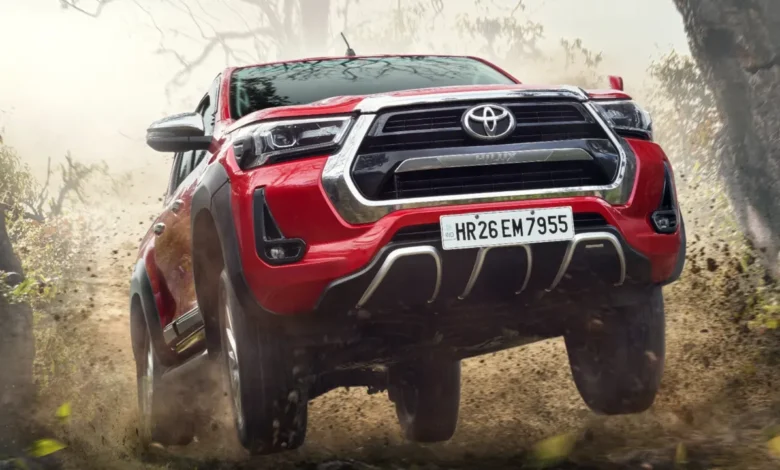
There is a category of machinery in which reputation and reality are so completely aligned that the reputation itself becomes a form of engineering data. The Toyota Hilux belongs in that category. When United Nations humanitarian agencies specify their emergency response vehicles for operations in active conflict zones, they choose the Hilux. When Antarctic research expeditions plan transport for conditions where a mechanical failure can become a survival situation, they choose the Hilux. When Australian outback farmers need a vehicle that will start reliably in a region where the nearest qualified mechanic is several hundred kilometres away, they choose the Hilux. And when the producers of the world’s most-watched automotive television program decided to conduct the most thorough and most theatrical vehicle durability test in broadcast history — driving a Hilux into a tree, rolling it down a cliff, submerging it in the sea as the tide came in, setting it on fire and finally placing it on the top floor of a condemned building as it was demolished around it — the Hilux started on the first attempt every single time.
Gallery: Toyota Hilux
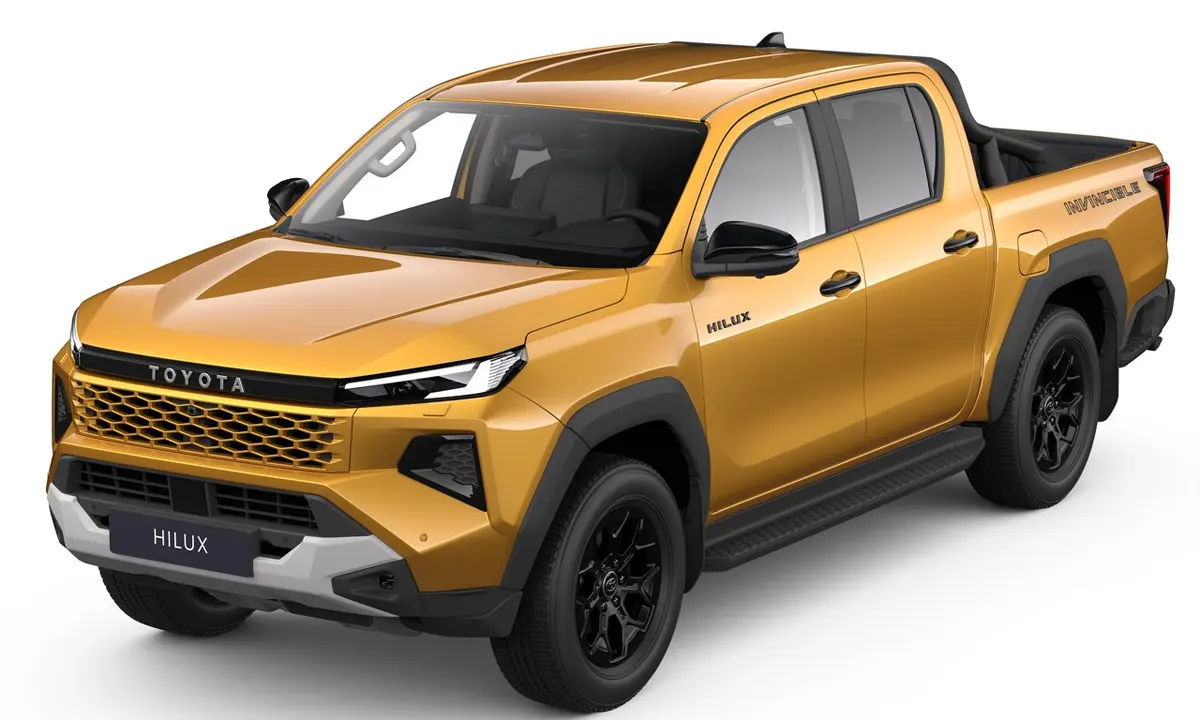
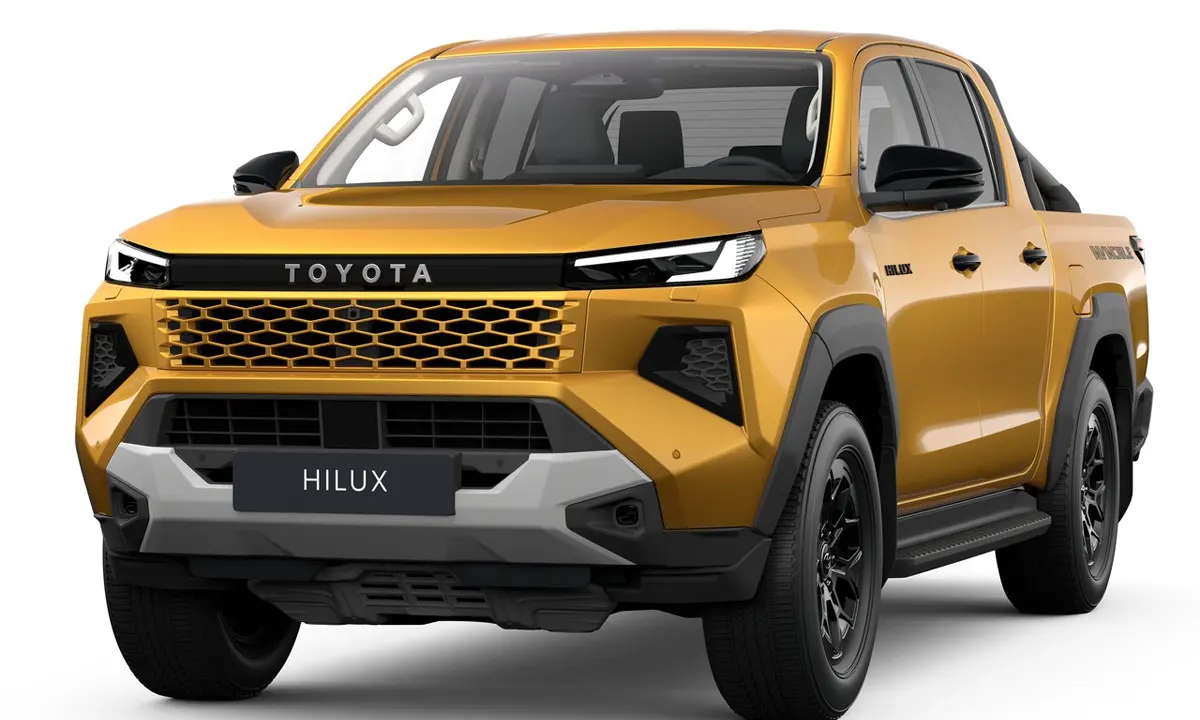
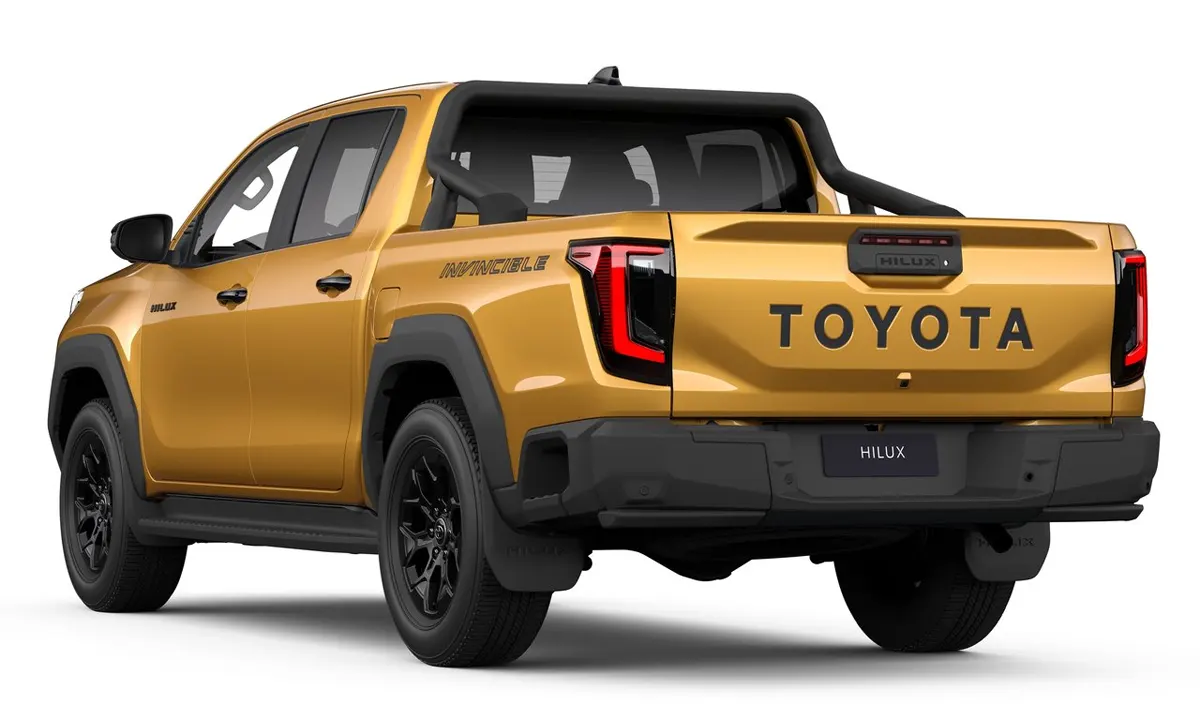
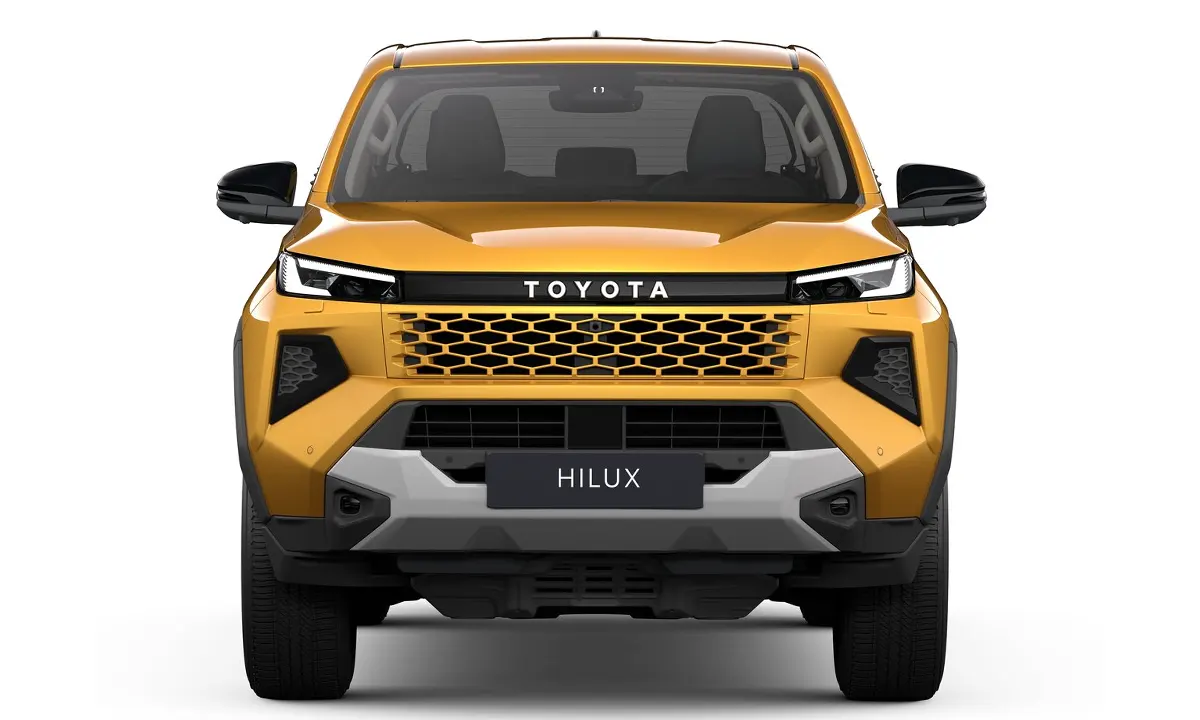
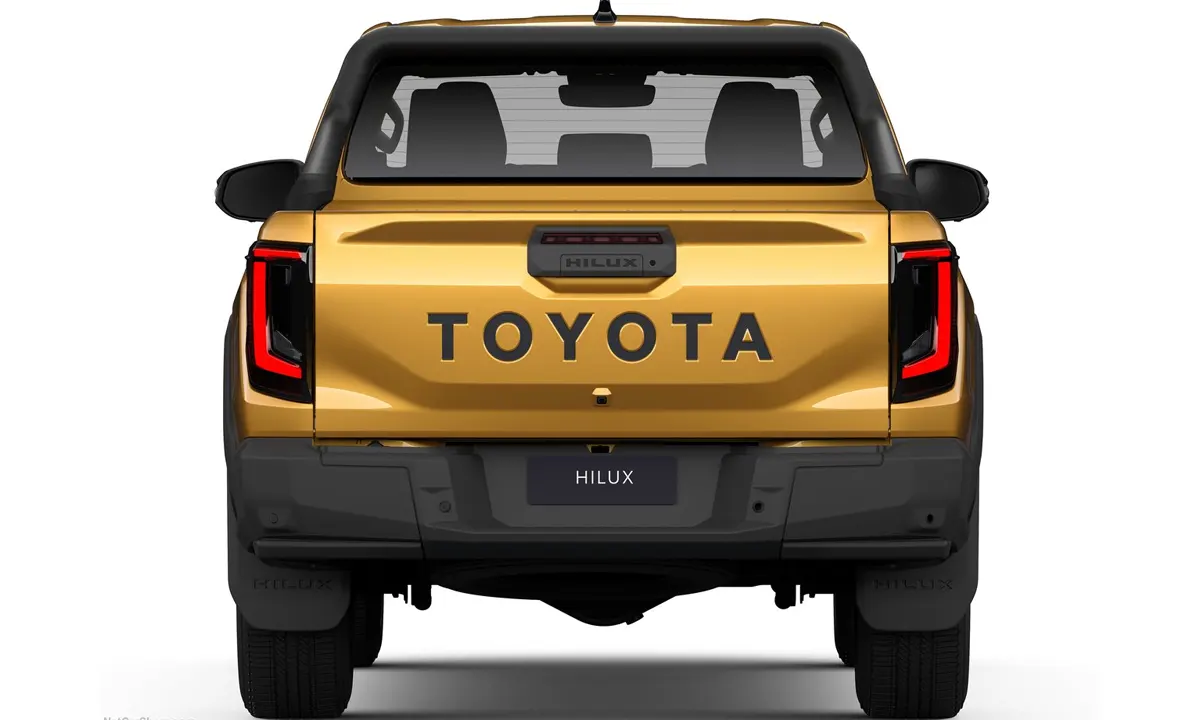
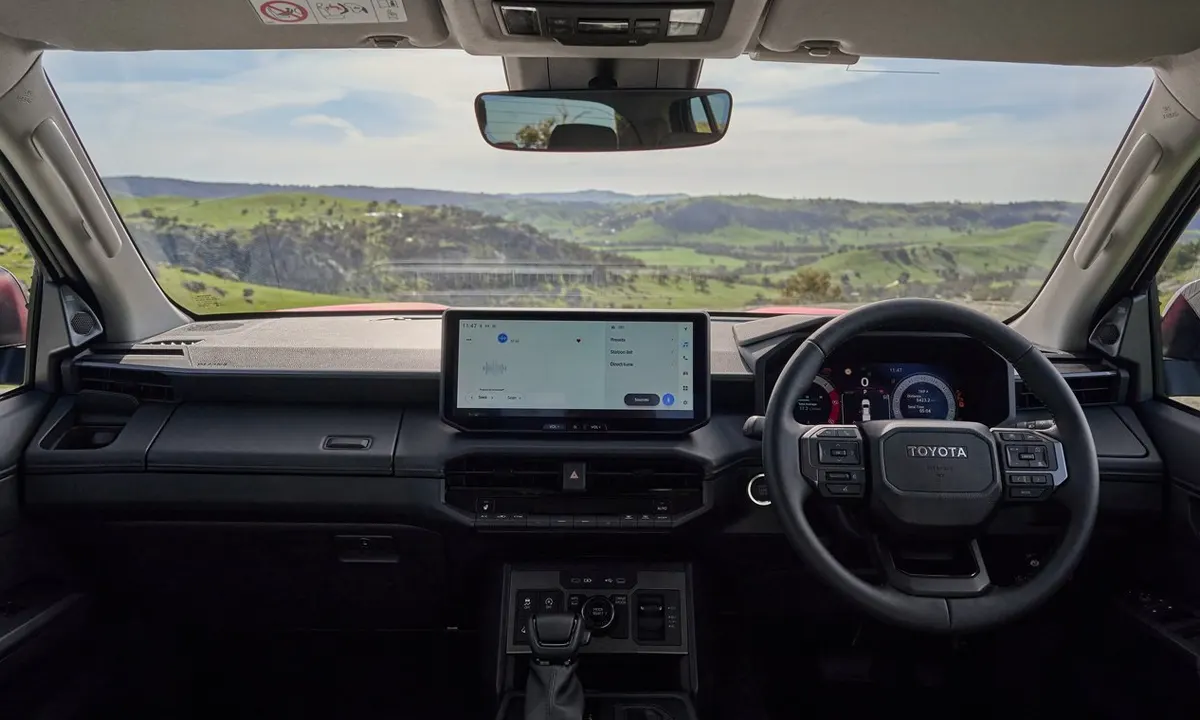
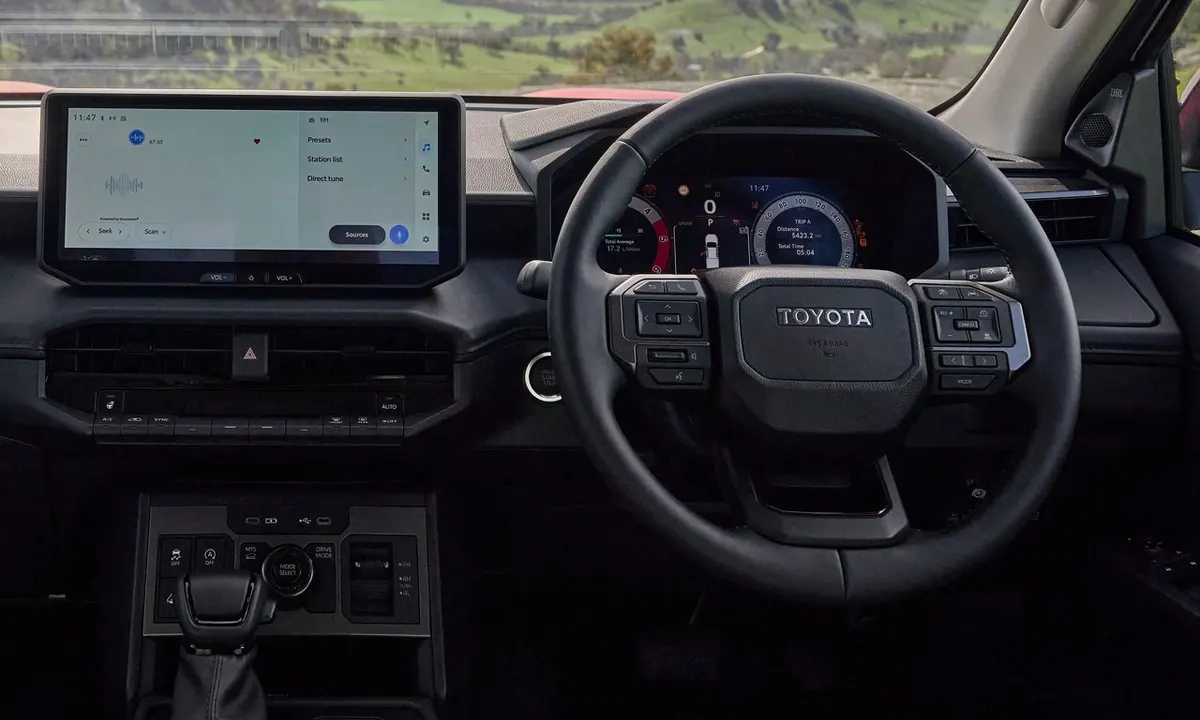
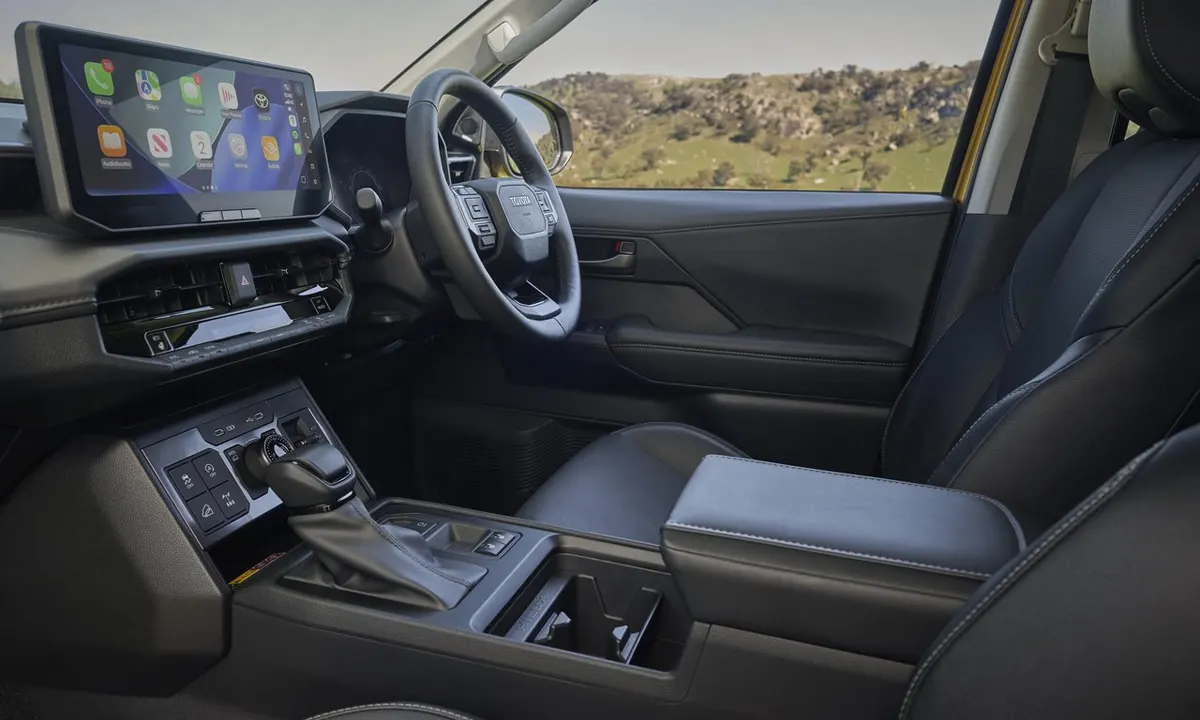
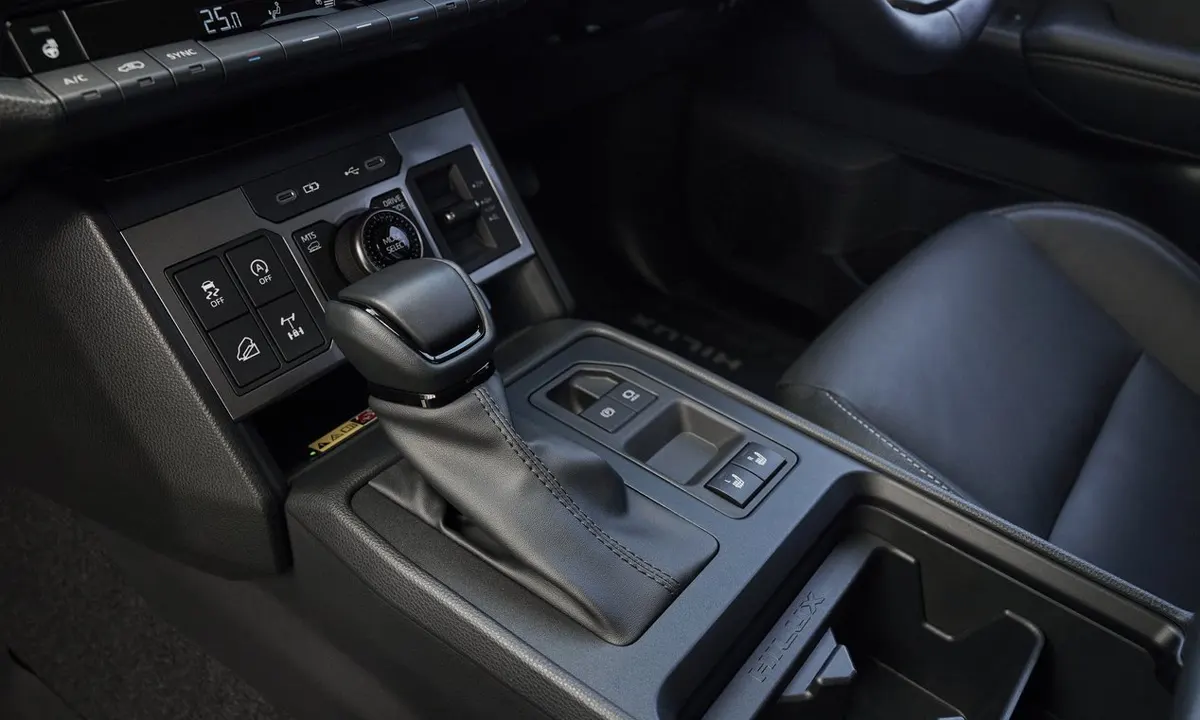
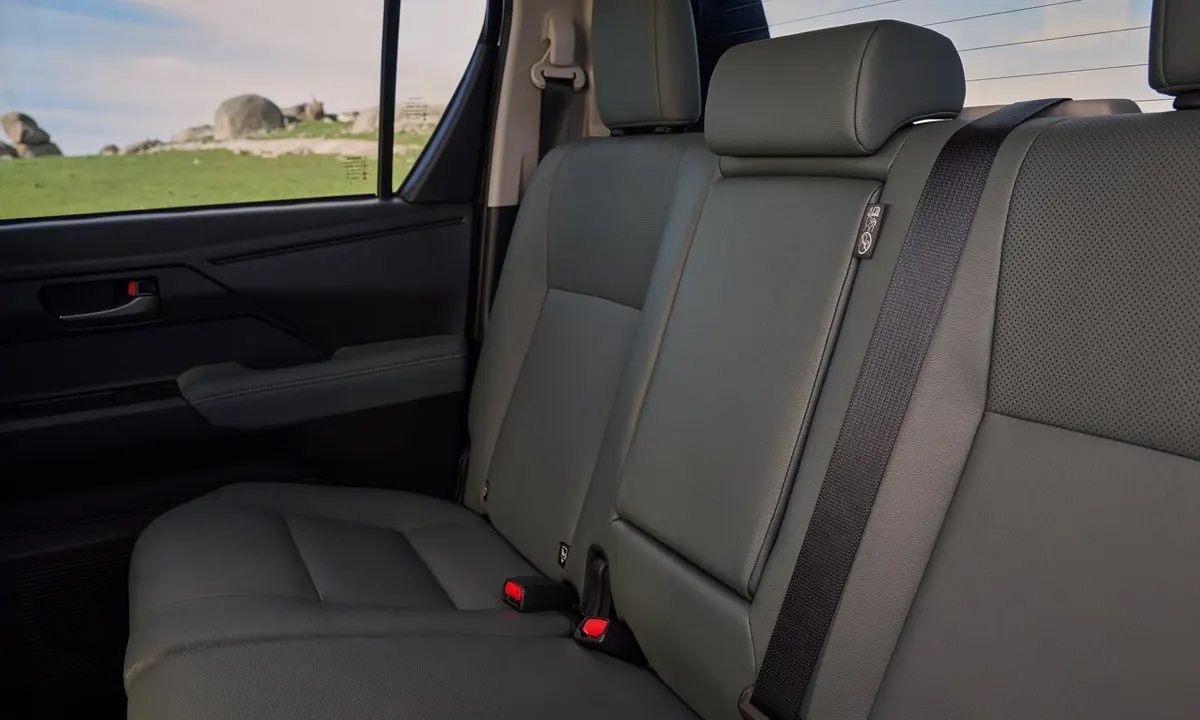
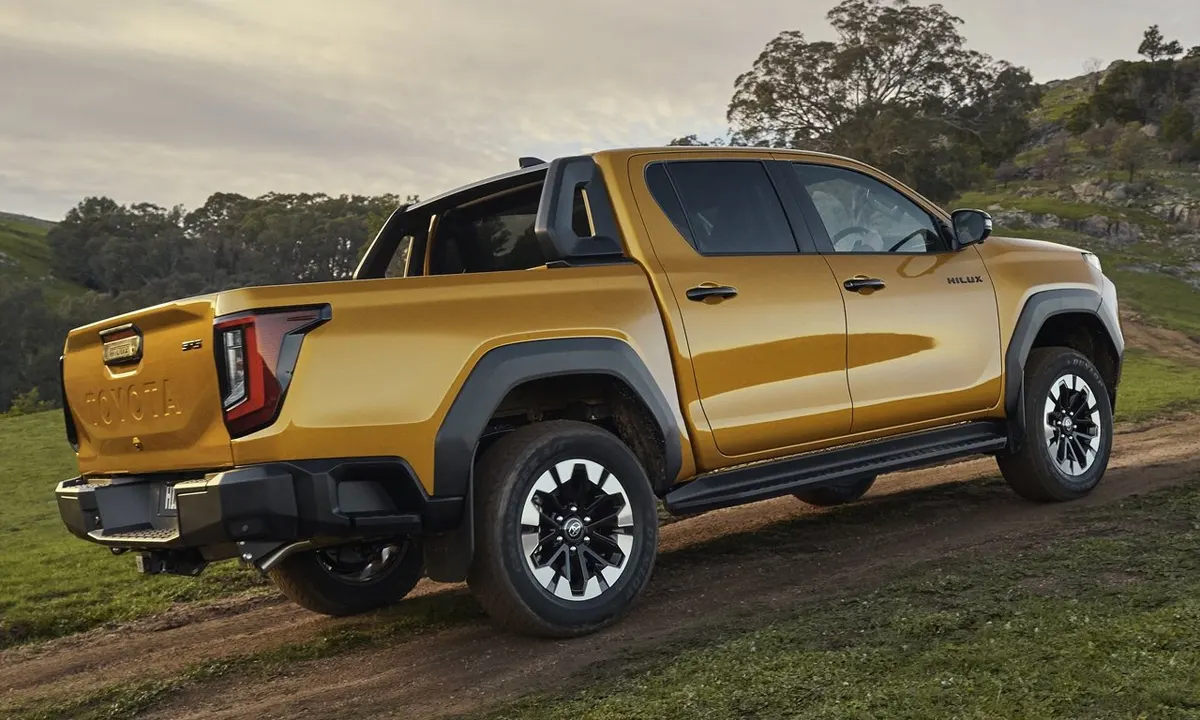
That specific Top Gear sequence, broadcast in 2003 and viewed by many millions of people across every subsequent year of internet video consumption, is not the reason the Hilux has the toughest pickup truck reputation in the world. The Hilux earned that reputation across fifty-six years of production in 180 countries before the cameras arrived. The Top Gear test was simply the most visible confirmation of a conclusion that the global working vehicle market had already reached independently and comprehensively. The 2026 Toyota Hilux — now in its ninth generation, refreshed with a bolder exterior, a more refined cabin, a mild-hybrid powertrain and the most comprehensive safety technology package ever fitted as standard to the model — continues that tradition with a clarity of engineering purpose that its competitors have never fully replicated and have recently stopped pretending they can.
The Foundation: Why Ladder-Frame Construction Defines the Hilux’s Character
The single most consequential engineering decision in the Toyota Hilux’s history is one that Toyota has maintained consistently across every generation of the model since its 1968 introduction: the ladder-frame chassis. In an automotive industry that has progressively abandoned separate-frame construction in favour of unibody architecture — where the body and chassis are a single integrated structure optimised for weight efficiency, ride refinement and manufacturing economy — the Hilux’s body-on-frame construction is not a failure to keep pace with modern engineering practice. It is a deliberate, informed and consistently reaffirmed choice based on the specific demands of the vehicle’s intended operating environments.
The ladder-frame chassis provides a fundamental structural advantage in the conditions where the Hilux is most frequently required to perform at its limits. In off-road applications where individual wheels may be subjected to extreme articulation loads, sudden impacts from rocks or ruts, or sustained torsional forces from driving across heavily contoured terrain, the separation between the chassis and the body allows each to flex and absorb loads independently without the stress concentration points that create structural fatigue in monocoque designs under the same conditions. The chassis absorbs the primary dynamic loads while the body maintains its integrity above, creating a mechanical resilience that translates directly into the kind of long-term structural durability that owners in demanding environments depend on. Repairs to damaged components are also simpler and more accessible on a ladder-frame vehicle — a consideration that matters enormously in remote operating environments where the quality of available workshop facilities cannot be guaranteed.
The 2026 Hilux’s ninth-generation chassis is a reinforced evolution of this fundamental architecture, developed on Toyota’s upgraded TNGA-F platform with improved rigidity in key structural zones and revised cross-member geometry that contributes both to torsional stiffness and to the improved ride quality that What Car’s reviewers identified as one of the most meaningful improvements over the previous generation. The truck’s wading depth of 700 millimetres — a figure that allows it to drive through water that would completely disable the electronics-intensive, low-ground-clearance systems of conventional passenger vehicles — is a direct product of the high-clearance architecture that the separate frame enables, and it is a capability that remains unmatched by any of the Hilux’s primary competitors.
The Engine: 2.8 Litres of Turbo-Diesel Engineering Maturity
The powertrain that has defined the modern Hilux’s character across multiple model years — and that returns for 2026 in its most refined and most capable form — is the 2.8-litre turbocharged diesel four-cylinder, now available with a 48-volt mild-hybrid system that adds meaningful capability without introducing the complexity that buyers in remote operating environments have historically been reluctant to accept. The mild-hybrid system contributes 16 additional horsepower and 48 lb-ft of torque to the base figures of 201 horsepower and 369 lb-ft, bringing the combined torque output to 500 Nm — a figure that provides confident, composed acceleration under load and the kind of steady, pulling traction across difficult terrain that both professional operators and recreational users find indispensable. The 48-volt architecture is deliberately chosen over a more complex full-hybrid system for a specific and well-reasoned purpose: it delivers the efficiency and performance benefits of electrification without the additional repair complexity and component cost that a full-hybrid powertrain would introduce in markets where dealer service infrastructure is limited or absent.
The 2.8-litre diesel’s fundamental character — its long-stroke torque delivery, its broad power band accessible from low engine speeds, and its tolerance for the variable fuel quality that working vehicles encounter in some global markets — has been progressively refined across multiple development cycles to achieve the combination of durability, fuel efficiency and drivability that the 2026 model delivers. What Car’s real-world testing of the Invincible X variant recorded a fuel economy figure of 35.0 mpg in scientific testing — a meaningful improvement over the official combined figure that reflects the engine’s efficiency under steady highway conditions and confirms that the Hilux’s operating cost profile supports the strong resale values it consistently achieves in used markets worldwide. An eight-speed automatic transmission manages the powertrain with appropriate sophistication, while a six-speed manual remains available for operators who prefer direct mechanical control. For markets where electrification is prioritised over range and towing capacity, Toyota has also confirmed a battery-electric Hilux variant with dual motors, a 59.2 kWh battery and approximately 150 miles of WLTP off-road range, alongside a hydrogen fuel cell variant planned for 2028 — confirming that the Hilux’s transition toward electrification will follow Toyota’s characteristic multi-pathway strategy rather than a single technology commitment.
Off-Road Capability: Systems Built for Real Terrain, Not Marketing Videos
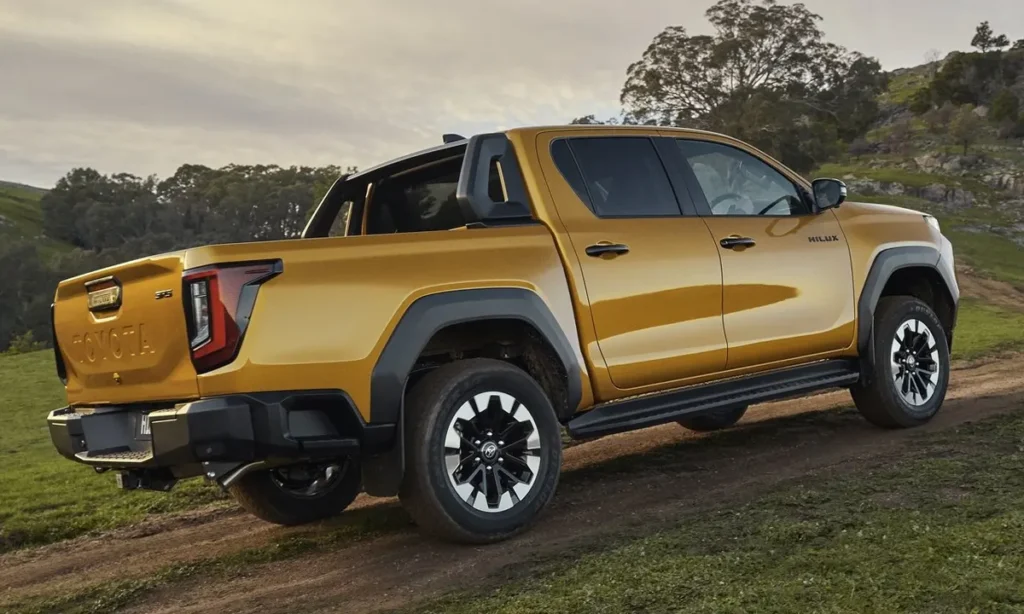
The 2026 Toyota Hilux’s off-road capability is defined by a combination of mechanical and electronic systems that have been developed and validated in the specific conditions where the Hilux’s most demanding customers actually operate — not in the mild, controlled off-road environments that provide photogenic footage for launch events, but in the genuinely hostile terrain of desert crossings, equatorial mud, high-altitude rocky trails and the sustained rough road abuse that defines working vehicle use in developing markets. The Multi-Terrain Select system provides dedicated traction management programmes for sand, mud, rocks and loose inclines — each calibrated based on real-world operator feedback from the environments in which those specific terrain types are most frequently encountered. Hill Descent Control manages downhill gradient at low speeds without requiring continuous brake application, and the electronic locking rear differential — available across the range and a critical capability in situations where one rear wheel loses traction entirely — provides the mechanical grip assurance that no electronic torque vectoring system can fully replicate in sustained high-demand conditions.
The Hilux’s performance in professional motorsport adds a further dimension to the off-road credibility that few competitors can approach. Toyota Gazoo Racing’s Hilux-based T1 category truck won the Dakar Rally in 2019, 2022, 2023 and again in 2025 — four victories in six years across the world’s most demanding and most prestigious off-road endurance race, contested over distances of thousands of kilometres across desert, rock and sand terrain that pushes vehicles and crews to the absolute limits of their capability. While the competition Hilux is a substantially modified motorsport vehicle rather than the production pickup that buyers purchase from dealerships, the engineering knowledge and the component durability insights that the racing program generates flow directly into the production vehicle development process through Toyota Gazoo Racing’s established technical pathway. The Dakar victories are not merely marketing achievements. They are empirical validations of the underlying platform’s capability that the Hilux’s working vehicle customers across 180 countries recognise as directly relevant to their own operational requirements.
The 2026 Update: Technology and Comfort Without Compromise
The ninth-generation Hilux’s most significant departure from its immediate predecessors is the depth of the interior and technology improvements that Toyota has delivered without diluting the working vehicle capability that defines the model’s identity. The cabin that What Car described as vastly improved over previous generations now features a 12.3-inch central touchscreen with wireless Apple CarPlay and Android Auto integration, a fully digital instrument cluster, wireless device charging, front and rear USB-C ports and a 360-degree camera system on select trims that provides the comprehensive situational awareness around the vehicle’s substantial dimensions that makes parking and low-speed manoeuvring significantly more manageable in urban and construction site environments. Sound deadening has been substantially improved — the 2026 Hilux’s highway refinement is meaningfully better than the generation it replaces, and the cabin’s ability to insulate its occupants from road and wind noise on longer journeys has transformed from a practical weakness into a genuine competitive attribute.
The “Tough and Agile” design language of the ninth generation produces a more contemporary and more assertive exterior than its predecessor — a wider front grille, slimmer LED headlights, a broader stance and more clearly defined body surfaces — without abandoning the functional communication of capability that has always been central to the Hilux’s visual identity. The GR Sport trim, which applies Gazoo Racing’s motorsport design language to the Hilux for the first time, provides a more aggressive aesthetic direction for buyers who want both the working vehicle capability and the visual character of Toyota’s performance sub-brand. The Active entry grade, Invincible mid-grade and Invincible X range-topper provide clear specification progression across the lineup, with the Invincible X’s leather upholstery, dual-zone climate control, power-adjustable seats and additional driver assistance content delivering a premium interior experience that previous generations of the model never claimed to provide.
Toyota’s industry-leading warranty of up to ten years or 100,000 miles — provided the vehicle is regularly serviced at a Toyota authorised dealer — is the most significant competitive differentiator in the Hilux’s ownership proposition when set against its primary rivals. The Ford Ranger’s three-year/60,000-mile warranty and the Isuzu D-Max’s five-year/100,000-mile coverage both fall short of the Hilux’s decade-long commitment, and the confidence that a ten-year manufacturer warranty conveys about the product’s expected durability and component reliability is, in the working vehicle segment where total cost of ownership over extended service lives determines purchasing decisions, the single most compelling statement a manufacturer can make about its product’s engineering quality. It is also, given the Hilux’s documented longevity record across multiple model generations, a confidence that Toyota’s engineers have earned comprehensively.
The Verdict: Why Nothing Else Competes on the Same Terms
The 2026 Toyota Hilux’s position as the world’s toughest pickup truck is not held by default or by reputation momentum accumulated across fifty-six years of production. It is held because the current generation of the vehicle delivers the combination of ladder-frame structural integrity, 500 Nm mild-hybrid diesel torque, Dakar-validated off-road systems, a decade-long manufacturer warranty and a dramatically improved interior and technology package that no single competitor in the global midsize pickup segment matches across all of those dimensions simultaneously. The Ford Ranger provides stronger on-road refinement and a more sophisticated interior in top specification. The Isuzu D-Max delivers comparable off-road capability with strong reliability credentials. But neither provides the complete package — the breadth of capability from desert dune to construction site to highway commute to United Nations humanitarian mission — that has made the Hilux the pickup that the world’s most demanding operators, most experienced buyers and most knowledgeable mechanics trust when the margin for failure is zero. That is what the toughest pickup truck in the world means. And that is what the 2026 Toyota Hilux continues to be.
Read: Why Toyota Cars Are Known for Bulletproof Reliability?
2026 Toyota Hilux — Specifications and Performance Chart
| Category | Specification |
| Generation | Ninth Generation — TNGA-F Platform |
| Body Styles | Double Cab (Primary) / Single Cab / Extra Cab |
| Chassis | Reinforced Ladder-Frame — Body-on-Frame |
| Engine | 2.8-Litre Turbocharged Diesel Four-Cylinder |
| Mild Hybrid System | 48-Volt — Available |
| Base Horsepower | 201 hp |
| Base Torque | 369 lb-ft |
| Mild Hybrid Combined Torque | 500 Nm |
| Mild Hybrid Power Boost | +16 hp / +48 lb-ft |
| Transmission | 8-Speed Automatic / 6-Speed Manual |
| Drivetrain | Selectable 4WD — Standard |
| Rear Differential | Electronically Locking — Available |
| Off-Road System | Multi-Terrain Select — Sand, Mud, Rock, Incline |
| Hill Descent Control | Standard |
| Wading Depth | Up to 700 mm |
| Towing Capacity | Up to 3,500 kg |
| Payload Capacity | Up to 1,100 kg |
| Ground Clearance | High — Terrain-Specific Tuning |
| Suspension (Front) | Double Wishbone |
| Suspension (Rear) | Reinforced Leaf Springs |
| Infotainment | 12.3-inch Touchscreen |
| Digital Instrument Cluster | Standard |
| Connectivity | Wireless Apple CarPlay and Android Auto |
| Camera System | 360-Degree — Select Trims |
| Wireless Charging | Available |
| USB-C Ports | Front and Rear |
| Safety Suite | Toyota Safety Sense — AEB, ACC, LDW, BSM, RCTA |
| Trim Levels | Active, Invincible, Invincible X, GR Sport |
| Invincible X Features | Leather Seats, Dual-Zone Climate, Power-Adjust Seats |
| GR Sport | Gazoo Racing Design Language |
| Fuel Economy (Official) | ~28 mpg |
| Fuel Economy (Real-World — What Car Test) | 35.0 mpg (Invincible X) |
| Warranty | Up to 10 Years / 100,000 Miles |
| Warranty vs Ford Ranger | Toyota 10-Year vs Ford 3-Year |
| Warranty vs Isuzu D-Max | Toyota 10-Year vs D-Max 5-Year |
| Electric BEV Variant | Dual Motors / 59.2 kWh Battery / ~150 Miles WLTP |
| Hydrogen FCEV Variant | Planned 2028 |
| Global Markets | 180+ Countries |
| Global Sales Since 1968 | 27 Million+ Units |
| Dakar Rally Victories | 4 — 2019, 2022, 2023, 2025 |
| Toyota Brand Reliability (What Car 2025) | 4th of 30 Manufacturers |
| Ford Brand Reliability Comparison | 24th of 30 (What Car 2025) |
| Top Gear Durability Test | Survived — Tree, Cliff, Sea, Fire, Building Demolition |