Toyota vs Hyundai vs Honda: Which Brand Is Better in 2026 in the US?
From Consumer Reports' Number One Brand Ranking and 162 Problems Per 100 Vehicles to a 10-Year Warranty That Disrupts the Ownership Conversation — Three of America's Most Trusted Asian Automotive Brands Face Their Most Honest and Most Data-Driven Comparison Yet
Walk into any American dealership strip on a busy Saturday morning and you will observe a remarkably consistent pattern: the Toyota lot, the Honda lot and the Hyundai lot are busier than almost every other brand combined. These three manufacturers have, for the better part of three decades, competed for the same buyers — the practical, research-oriented, value-conscious American car buyer who wants a dependable vehicle that will not surprise them with unexpected repair bills, will retain its value reasonably well and will be comfortable and competent enough across the full spectrum of everyday driving to make the ownership experience genuinely satisfying rather than merely adequate. In 2026, the competition between these three brands is more closely fought, more comprehensively data-documented and more genuinely interesting than it has been at any previous point in that multi-decade rivalry. Each brand has real strengths. Each has real limitations. And the right choice between them depends entirely on which specific combination of qualities a specific buyer values most. This comparison provides the clearest possible answer to each of those buyer profiles.
Reliability: The Metric That Changes Everything
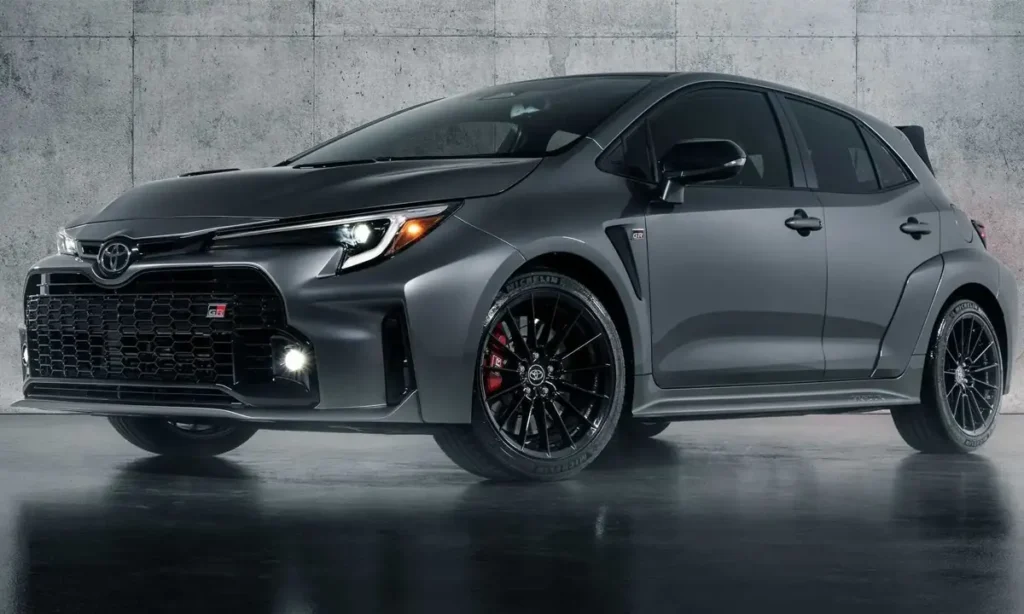
Reliability is the foundation of every meaningful car purchase decision in this segment, and in 2026 the reliability data divides these three brands more clearly than any other metric while simultaneously confirming that all three sit well above the American automotive mainstream in dependability.
Consumer Reports’ 2026 Annual Auto Reliability Survey — the most comprehensive and most methodologically rigorous reliability ranking in the industry, drawing from approximately 380,000 vehicles surveyed across model years 2000 through early 2026 — placed Toyota first among all 26 ranked manufacturers with a score of 66 out of 100. Honda followed in fourth position with a score of 59, and Hyundai ranked twelfth with a score of 48. The specific ranking difference between Toyota and Honda — seven points — is meaningful but not dramatic, reflecting the reality that both brands produce consistently above-average vehicles whose reliability advantage over the broader market is clear while their advantage over each other requires careful examination. The gap between Honda at fourth and Hyundai at twelfth is more substantial, and it reflects a genuine difference in the consistency and depth of the reliability advantage each brand commands across its full lineup rather than in individual standout models.
The J.D. Power 2025 Vehicle Dependability Study — which measures problems experienced per 100 vehicles during three years of real-world ownership, providing a real-world complement to Consumer Reports’ survey-based predictions — placed Toyota in fourth position with 162 problems per 100 vehicles. Honda ranked twelfth with 201 problems per 100 vehicles — precisely at the industry average, confirming a solid but not exceptional dependability performance in that specific study’s methodology. Hyundai did not appear in the J.D. Power top positions, reflecting both the continuing teething issues associated with the brand’s significant technology and platform investments and the specific reliability challenges that affect its newer electrified models more acutely than its conventional powertrains.
The picture that emerges from combining these two major reliability data sources is nuanced but consistent: Toyota leads comprehensively in long-term dependability across the full lineup, Honda delivers strong and competitive reliability performance that earns genuine confidence while falling somewhat short of Toyota’s benchmark, and Hyundai provides good-to-very-good reliability on its most proven conventional models while the brand’s overall average is pulled downward by the growing pains of its ambitious EV and PHEV launches. For buyers who regard reliability as the primary decision factor — and a significant proportion of the buyers that these three brands compete for do — Toyota is the strongest choice by a margin that the data consistently confirms.
Warranty Coverage: Where Hyundai Disrupts the Conversation
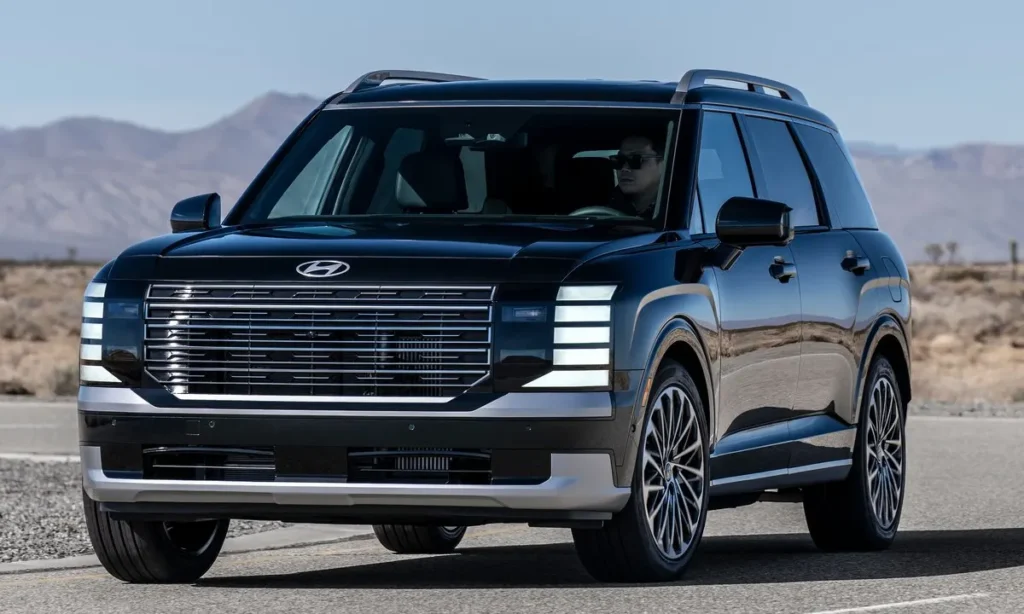
If reliability data gives Toyota its clearest competitive advantage in the comparison, warranty coverage gives Hyundai its most compelling single argument — and it is an argument that buyers making long-term ownership decisions should engage with seriously rather than dismissing as a marketing tactic.
Toyota and Honda both provide the segment-standard basic warranty of three years or 36,000 miles and a powertrain warranty of five years or 60,000 miles. Toyota supplements this with ten years or 150,000 miles of hybrid battery coverage on electrified models, a warranty whose duration reflects genuine confidence in the Hybrid Synergy Drive’s long-term durability and that addresses the most common single concern about hybrid vehicle ownership. Honda provides three years of complimentary scheduled maintenance on all CR-V models for 2026, partially offsetting the standard warranty’s limitations in terms of early ownership cost.
Hyundai’s warranty structure stands apart from both rivals with a five-year/60,000-mile basic warranty — two years longer than both Toyota and Honda’s basic coverage — and a ten-year/100,000-mile powertrain warranty that applies to both original owners. For buyers who specifically concern themselves with the cost and inconvenience of powertrain failures in the five-to-ten-year ownership window, Hyundai’s warranty provides meaningful financial protection that Toyota and Honda’s standard packages cannot match unless the buyer purchases an extended warranty separately. The practical implication is that a buyer who chooses a Hyundai over a Toyota or Honda and experiences a significant powertrain problem between years five and ten is substantially better protected under the manufacturer’s standard terms than the Toyota or Honda buyer in the same situation. Whether that protection is necessary — given Toyota’s superior actual reliability record — is a judgment that depends on individual risk tolerance and the specific models being compared.
Value and Purchase Price: Three Different Approaches to the Same Market
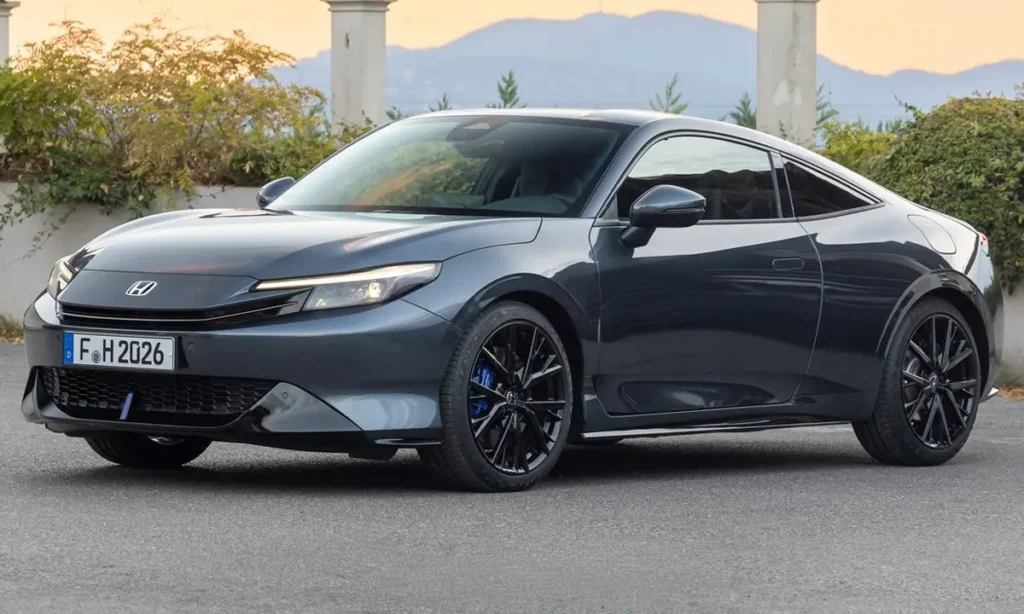
All three brands compete in the same broad price band for their most popular models, but their approaches to pricing and equipment packaging reflect meaningfully different philosophies about how to deliver value to the American buyer.
The 2026 Toyota Camry Hybrid — now standard across the entire Camry lineup, eliminating the non-hybrid option entirely — starts at approximately $31,395. The RAV4 Hybrid, now the only RAV4 configuration sold in the United States for 2026, starts at approximately $33,350. These prices reflect Toyota’s willingness to make hybrid technology the default rather than a premium option in its most popular models — a decision that increases the entry cost compared with a comparable non-hybrid from a rival brand but simultaneously improves fuel economy, reduces running costs and adds the long-term durability benefits of regenerative braking. The 2026 Honda Accord starts at approximately $29,755 and the CR-V Hybrid at approximately $35,630. The 2026 Hyundai Tucson hybrid starts at approximately $32,745 and the Santa Fe hybrid at approximately $36,795. At comparable specification levels, Hyundai typically provides more standard equipment per dollar than either Toyota or Honda — larger touchscreens, more advanced safety technology, more interior features — because the brand uses standard equipment generosity as a deliberate competitive differentiator against rivals whose reliability and resale value advantages it cannot immediately overcome. Toyota vehicles command the strongest resale values in the comparison, retaining approximately 68 percent of their original purchase price after five years compared with Honda’s similarly strong resale performance and Hyundai’s historically faster depreciation curve — a difference that meaningfully affects the effective five-year cost of ownership even when Hyundai’s lower purchase price or more generous standard equipment is factored into the calculation.
Technology and Electrification: Three Different Paths
The electrification strategies of Toyota, Honda and Hyundai represent the most distinct and most consequential divergence between the three brands in 2026, with each following a path that reflects its different technology priorities, different investment history and different assessment of what the American consumer wants from their next vehicle.
Toyota’s electrification is built on three decades of hybrid technology leadership that has produced the world’s most mature, most comprehensively validated and most commercially successful electrified powertrain portfolio. The transition of the Camry and RAV4 to hybrid-only lineups in the American market represents the most visible expression of Toyota’s confidence in its hybrid technology as a complete solution for the majority of American drivers — a solution that delivers meaningful fuel economy improvement, reduced running costs and enhanced long-term durability without requiring changes in driver behaviour, infrastructure access or charging habits. Toyota’s bZ4X battery-electric SUV and the expanding bZ lineup represent the brand’s BEV commitment, augmented by a solid-state battery development program that is widely regarded as the most advanced in the automotive industry and that targets production readiness by 2027 or 2028.
Honda’s electrification strategy has accelerated meaningfully in 2025 and 2026, with the CR-V Hybrid, Accord Hybrid and the expanding Prologue and e:Ny1 BEV models reflecting a broadened commitment to electrified powertrains that the brand has historically pursued more cautiously than Toyota. Honda’s hybrid technology — the i-MMD two-motor hybrid system — delivers competitive fuel economy and has accumulated a solid reliability record across multiple model years, though the depth of Honda’s hybrid portfolio remains narrower than Toyota’s. The 2026 Prologue, Honda’s first battery-electric SUV developed in collaboration with General Motors, has received below-average reliability scores in Consumer Reports’ 2026 survey — a result consistent with the broader pattern of early-generation EV reliability challenges that Consumer Reports documents across the industry.
Hyundai’s electrification ambition is the most aggressive of the three brands in its scope and the most mixed in its current reliability outcomes. The IONIQ 6 sedan and IONIQ 5 crossover have received design recognition and strong performance reviews, and the Tucson Hybrid and Santa Fe Hybrid deliver competent fuel economy with improving reliability records. The IONIQ brand’s BEV models, however, contribute meaningfully to Hyundai’s below-average reliability position in Consumer Reports’ 2026 rankings — reflecting the growing pains that Consumer Reports’ Jake Fisher noted affect approximately 80 percent more problems in EVs and PHEVs than in conventional combustion vehicles. For buyers who want to adopt battery-electric technology and are prioritising the quality of that experience, the Hyundai IONIQ family provides genuinely distinctive design and competitive range figures, with the understanding that reliability data for these models is less mature than for Toyota’s or Honda’s hybrid vehicles.
The Verdict: Which Brand Should You Choose in 2026?
The honest answer to which brand is better in 2026 — Toyota, Honda or Hyundai — is that no single brand is better for every buyer across every priority. Each brand is better for a specific kind of buyer with a specific set of priorities, and understanding which profile fits your own situation provides the clearest path to the right decision.
Toyota is the strongest choice for buyers who regard long-term reliability, resale value retention and proven hybrid technology as their primary priorities. The Consumer Reports number one ranking, the J.D. Power 162 problems per 100 vehicles, the iSeeCars longevity data, the ten-year hybrid battery warranty and the 68 percent five-year resale value retention collectively make Toyota the safest and most financially durable choice for buyers who plan long ownership periods or who prioritise the lowest possible total cost of ownership over time. The transition of the Camry and RAV4 to hybrid-only powertrains makes the choice to prioritise fuel efficiency unavoidable in those specific models — which most buyers will regard as a benefit rather than a constraint.
Honda is the strongest choice for buyers who want excellent reliability, strong driving dynamics, a balance between engineering quality and purchase price, and the specific models — the Accord, CR-V and Civic — that represent the finest expressions of the practical family car formula in the segment. Honda’s 59 Consumer Reports reliability score confirms genuine dependability that approaches Toyota’s standard without matching it across the full lineup, and the brand’s reputation for producing cars that are more engaging to drive than many practical alternatives gives it a distinctive value proposition that Toyota’s more comfort-focused tuning philosophy does not always provide.
Hyundai is the strongest choice for buyers who prioritise standard equipment generosity, warranty coverage breadth, competitive purchase pricing and the opportunity to access newer design language and technology features at a price point that Toyota and Honda’s equivalent equipment levels typically exceed. The ten-year powertrain warranty is a genuine financial advantage that partially offsets the reliability gap documented by Consumer Reports and J.D. Power, and for buyers who plan to trade or sell their vehicle within the warranty period, the protection it provides reduces the financial exposure that the reliability gap represents. Buyers who can prioritise these factors over the deeper longevity record that Toyota and Honda provide will find the Hyundai proposition compelling and honest.
Read: Toyota GR Supra Finally Goes Pure No More BMW DNA
Toyota vs Honda vs Hyundai — 2026 US Brand Comparison Chart
| Category | Toyota | Honda | Hyundai |
| Consumer Reports 2026 Brand Ranking | 1st — Score 66 | 4th — Score 59 | 12th — Score 48 |
| J.D. Power 2025 VDS Ranking | 4th — 162 PP100 | 12th — 201 PP100 | Not in Top Tier |
| % Models Above-Average Reliability (CR) | 73% | Competitive | Mixed — EV Drag |
| Average Annual Repair Cost | ~$441 | ~$428 (Civic) | ~$468 |
| Basic Warranty | 3 Years / 36,000 Miles | 3 Years / 36,000 Miles | 5 Years / 60,000 Miles |
| Powertrain Warranty | 5 Years / 60,000 Miles | 5 Years / 60,000 Miles | 10 Years / 100,000 Miles |
| Hybrid Battery Warranty | 10 Years / 150,000 Miles | 8 Years / 100,000 Miles | 10 Years / 100,000 Miles (HEV) |
| Complimentary Maintenance | No (Standard) | 3 Years CR-V (2026) | 3 Years / 36,000 Miles |
| 5-Year Resale Value | ~68% — Segment Leader | Strong — Near Toyota | Below Toyota/Honda |
| Hybrid Lineup Breadth | Industry Leader | Growing | Competitive |
| BEV Lineup | bZ Series — Growing | Prologue (GM Platform) | IONIQ Series — Broad |
| PHEV Availability | RAV4 Prime, Others | CR-V PHEV (Select Markets) | IONIQ 5, Tucson PHEV, Others |
| EV Reliability (CR 2026) | Above Average (Hybrids) | Prologue — Below Average | IONIQ — Growing Pains |
| Top Selling Models (US 2025) | RAV4, Camry, Tacoma, Corolla | CR-V, Accord, Civic, Pilot | Tucson, Santa Fe, Elantra, Palisade |
| 2026 RAV4 Powertrain | Hybrid Only — All Trims | N/A | N/A |
| 2026 Camry Powertrain | Hybrid Only — All Trims | N/A | N/A |
| Starting Price (Compact SUV) | RAV4 Hybrid — $33,350 | CR-V Hybrid — $35,630 | Tucson Hybrid — $32,745 |
| Starting Price (Midsize Sedan) | Camry Hybrid — $31,395 | Accord — $29,755 | Sonata — $27,695 |
| Driving Dynamics | Comfort-Focused | Most Engaging | Sporty on Select Models |
| Standard Equipment Value | Competitive | Competitive | Best Per Dollar |
| 200,000-Mile Likelihood | Highest in Class | Very Strong | Improving — Less Proven |
| Technology Leadership | Hybrid + Solid-State Battery | i-MMD Hybrid — Proven | IONIQ — Ambitious |
| Assembly (US Models) | Georgetown KY, San Antonio TX | Lincoln AL, Marysville OH | Montgomery AL (Sonata, Elantra) |
| US Market Sales Rank 2025 | No. 1 Brand | No. 2 or 3 | Growing — Top 5 |