Let me start with some genuinely great news. If you have been holding onto your car through the chaos of the last few years, your patience is paying off in a big way. The 2026 used market is in a rare “equity peak,” and 7-year-old vehicles are currently averaging a staggering $14,400 in trade-in value, a 72 percent jump over what those same cars were worth in 2019. Your car has quite possibly never been worth more than it is right now.
But here is the catch, and it is a big one. Despite those rising values, most sellers still leave money on the table, because the gap between what a car should fetch and what people actually get is widening. Without preparation, you are almost guaranteed to get shortchanged.
And the rules changed. The old wisdom said low miles were everything. Not anymore. The biggest resale value factors have shifted dramatically, and today a pristine service history, flawless cosmetic condition, and a clean vehicle history report can add far more value than a low odometer reading. So let me walk you through exactly how to maximize what your car is worth, both the long game and the day-before-you-sell moves. Quick note, these figures are estimates that vary by car and market, and this is general guidance, not personalized financial advice.
The Big Shift: Why Low Miles No Longer Rule
For decades, the odometer was the first and last word on a used car’s worth. That script has flipped, and understanding why is the key to everything that follows.
The reason is simple: modern engines are now routinely engineered to sail past 150,000 miles without breaking a sweat, so savvy buyers and the AI-driven valuation tools dealers use are looking far beyond the clock. What they look at instead is proof of care. A 70,000-mile car with a pristine, documented history frequently fetches a higher price than a 40,000-mile equivalent with missing service stamps and scuffed wheels.
Focus on what experts now call the holy trinity of resale value: consistent documented maintenance, pristine cosmetic cleanliness, and a transparent clean history. Nail those three, and you will beat a lower-mileage rival almost every time. Miss them, and you bleed value. A missing or incomplete service history alone can slash a car’s worth by up to 20 percent. Let that sink in. Twenty percent, gone, just because you did not keep the paperwork.
The Long Game: What You Do Over Years of Ownership
The biggest resale wins are baked in long before you ever list the car. These are the habits that pay off huge at sale time.
Document every single service. In 2026, data is king. Keep receipts for every oil change, brake job, and fluid flush, because cars with full service documentation retain up to 10 to 15 percent more value at resale. Organize them in a folder or scan them digitally. Think of your maintenance records as your car’s resume, proving to a nervous buyer that this thing was loved.
Resist the urge to modify. This one surprises people. Aftermarket modifications can negatively impact your value, because non-factory paint jobs or flashy wraps narrow the pool of potential buyers the moment your car visibly stands out from others. That lift kit or wild wrap you love shrinks your buyer base and your offer. Keep it factory, keep it stock, keep it valuable.
And treat the cosmetics with respect as you go. Every scratch, curbed wheel, and stone chip a buyer sees becomes a reason to lower the offer, and this kind of damage can be more off-putting to a buyer than an extra 10,000 miles on the clock. Garage it when you can, wash it regularly, and address little dings before they become permanent character.
The Sale-Time Playbook: The Week Before You Sell
Now the fun part, the high-ROI moves you make right before selling that can add hundreds or thousands in an afternoon.
Detail it, but don’t overspend. A thorough wash and a full interior vacuum are essential, and routine cleaning can add as much as $1,000 to a vehicle’s resale value. Appraisers are human, and a clean car signals a careful owner, which reduces their perceived risk and leads to a higher offer. Clean the engine bay too, since dealers check it. But you do not need a $500 professional detail. A solid home clean is usually the best move for your wallet.
Fix the cheap cosmetic stuff. Repairing minor issues like broken lights, windshield chips, and dents costs far less than the value they add, with minor repairs able to increase a car’s value by up to 5 percent. The math can be spectacular. A roughly $150 smart repair on a bumper scuff can boost a trade-in offer by around $400, nearly a 3x return. Just skip anything expensive, because the returns vanish fast on big-ticket fixes.
Consider fresh tires. Worn or mismatched tires drag down offers because they signal work the next owner has to do, while quality tires make the car look road-ready and low-maintenance. If your rubber is visibly shot, replacing it often pays for itself in a stronger offer.
The Timing Move Most People Miss
When you sell matters almost as much as how you prep. The calendar and the market are levers too.
The season counts. Q1 and Q2 are the best times to sell, as used values trend higher early in the year, and your car looks fresher before it rolls over into another model year. Match the vehicle to the season too: an all-wheel-drive SUV commands top dollar in winter, while a convertible shines in the warmer months.
Beat the value cliffs. You will usually get more if you sell before 100,000 miles or before your warranty expires, since both are psychological and financial thresholds where offers drop sharply. And remember the broader backdrop: right now is a historic seller’s market, so if you have been considering selling, the equity peak makes 2026 a genuinely opportune moment.
Selling an EV? Prove the Battery
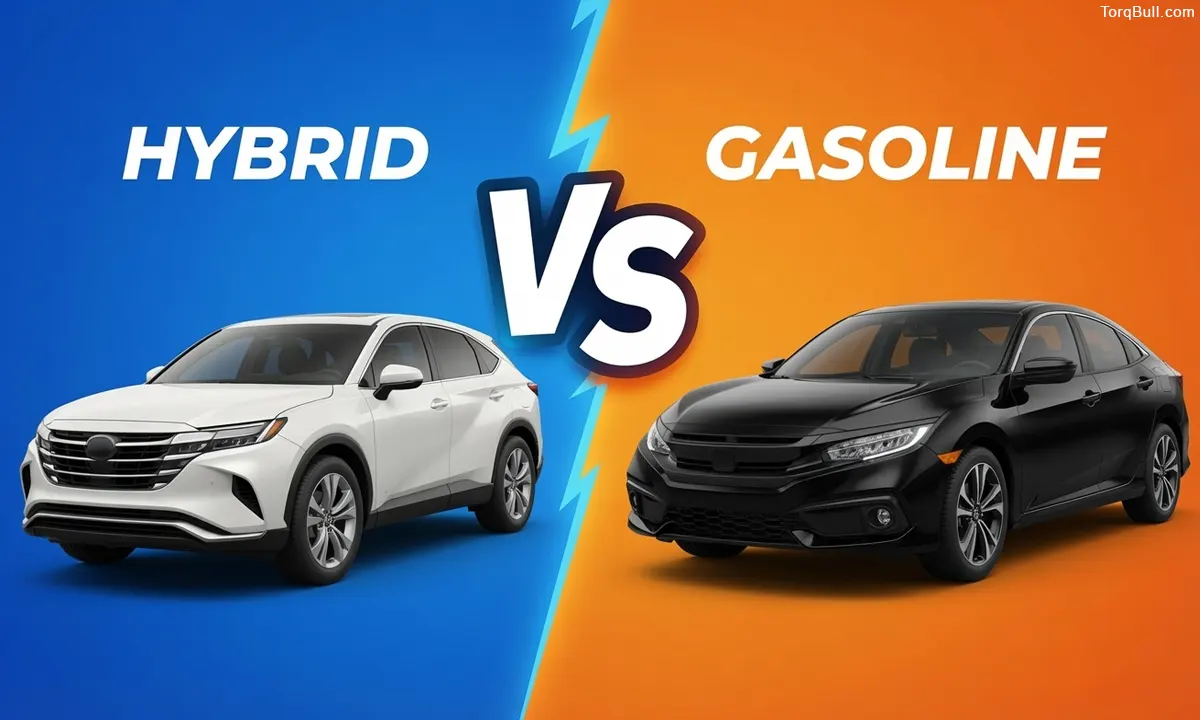
If you are selling an electric or hybrid vehicle in 2026, there is one move that matters more than any detail job.
Verified battery health and warranty coverage increase value significantly. Listings that include a recent battery health report or manufacturer warranty confirmation attract more serious buyers and command higher offers. Range anxiety follows cars into the used market, so proof that your battery is healthy and still under warranty removes the single biggest doubt in a buyer’s mind. Highlight recent software updates, real-world range, and any charging accessories you are including. For EVs, that battery report is your most valuable piece of paper.
Read: Used Car Inspection Checklist for USA Buyers
The High-ROI Moves at a Glance
Here is where to spend your prep time and money for the biggest return.
| Move | Approximate Impact | Cost |
| Full documented service history | Up to 10 to 15% more value | Free (keep records) |
| Missing service history | Up to 20% loss | Avoid it |
| Thorough cleaning/detail | Up to $1,000 added | Low (DIY) |
| Smart repair on a scuff | ~3x return | ~$150 |
| Minor cosmetic repairs | Up to 5% more value | Low |
| EV battery health report | Significantly higher offers | Low |
The Selling Strategy: Don’t Just Accept the First Number
Prepping the car is half the battle. Getting paid what it’s worth is the other half.
Know your numbers before you list. Check both the retail and trade-in values using trusted tools like Kelley Blue Book and Edmunds, so you can set a realistic, competitive price and show buyers you have done your homework. Understand that a trade-in will come in below retail, because the dealer needs room for reconditioning costs and profit, so few cars ever fetch full Blue Book value.
Then shop your car around. Get an instant online offer, a dealer trade-in quote, and consider a private sale, which usually brings a higher payout. But weigh the trade-in tax advantage, because in most states you only pay sales tax on the difference between your trade value and the new car’s price, which can save you thousands a private sale cannot.
And do not be shy at the appraisal desk. Simple questions work wonders: “Is that your best offer? Do you mind checking the numbers again? I believe it’s worth more.” In many cases they will check with a manager and come back with at least $100 more, often much more, just because you signaled you would not accept the bare minimum.
Let Me Be Honest About the Limits
I want you walking in with clear expectations, so here is the straight talk. First, do not overspend on prep, because the returns diminish fast. A $150 scuff repair returning $400 is brilliant, but a $2,000 paint job rarely pays for itself. Match your spending to the payoff.
Second, you will not get full retail as a trade-in, no matter how spotless your car is, because the dealer has to make money reselling it. That is not a rip-off, it is how the business works. If you want maximum dollars and can handle the hassle, a private sale pays more.
Third, depreciation is undefeated. Cars lose value fastest in the first five years, and no amount of detailing reverses that fundamental force. These moves help you capture the top of your car’s realistic range, not defy gravity. And a note on 2026 specifically: a car’s manufacturing location now subtly affects resale, as tariffs raise dealer replacement costs on imported models, which can give owners of imported brands a bit of extra leverage. The market itself is doing some of the work right now, so ride the wave while it lasts.
Here is my read, though. None of these limits change the core truth. Within your car’s realistic range, smart prep and timing can easily swing the final number by hundreds or thousands of dollars, and that is money that goes straight into your pocket.
Verdict: Resale Value Is Earned, Then Captured
So how do you increase your car’s resale value in America? The honest answer is that it happens in two stages: you earn it over years of ownership, and you capture it in the weeks before you sell.
You earn it by documenting every service, keeping the car cosmetically sharp, avoiding value-killing modifications, and treating it like the appreciating asset the 2026 market has temporarily made it. That documented history and clean condition now matter more than a low odometer, which is genuinely good news for anyone willing to keep receipts and touch up scratches.
Then you capture it with smart, cheap prep: a thorough clean, a few minor repairs, fresh tires if needed, and a battery report if it’s an EV. You time the sale for Q1 or Q2, before 100,000 miles and before the warranty lapses. And you refuse to accept the first offer, shopping multiple buyers and weighing the trade-in tax break against a higher private-sale price.
Do all that, and you will not just get a fair number, you will get the top of your car’s realistic range in a market that is already tilted in your favor. Your car is worth more today than it has been in years. The only question is whether you will do the small, smart work to actually collect it, or leave that money sitting on the table. Now you know exactly how to collect. Go get every dollar.