Best Commuter Cars for Gas Savings In 2026. Maximum MPG, Minimum Cost, Complete Rankings
- High-efficiency cars delivering up to 57 MPG
- Hybrid and petrol options with low fuel costs
- Affordable models starting under $26,000
- Ideal for reducing daily commuting expenses
- Best fuel-efficient cars for budget-conscious drivers
The average American commuter drives approximately 15,000 miles per year — a number that translates directly into one of the most significant and most controllable recurring expenses in most household budgets. At a national average gasoline price of $3.32 per gallon and a vehicle averaging 25 miles per gallon, that commute costs approximately $1,992 in fuel annually. The same commute in a 57 MPG Toyota Prius costs $874 — a saving of $1,118 every single year, compounding across a five-year ownership period into a fuel saving that exceeds $5,500 before any driving style advantage is considered. The financial case for choosing a fuel-efficient commuter car is not marginal or speculative — it is a mathematically certain benefit that begins accumulating from the first tank of petrol and continues for every year the vehicle is owned. This guide identifies the best commuter cars for gas savings available in the American market in 2026, organised from the most fuel-efficient hybrid models through to the best gasoline-only options for buyers who prefer simplicity over the premium cost of hybrid technology.
How to Calculate Your Real Commuting Fuel Savings
Before the specific recommendations, a practical framework for calculating your personal fuel saving from switching to a more efficient commuter car is worth establishing — because the national average is useful as a benchmark but your specific saving depends on your actual annual mileage, your local fuel price and your current vehicle’s fuel economy.
The calculation is: Annual Miles ÷ Current MPG × Fuel Price = Current Annual Fuel Cost. Repeat for the new car’s MPG, and the difference is your annual saving. At 15,000 miles annually and $3.32 per gallon, a driver moving from a 20 MPG SUV to a 57 MPG Prius saves approximately $2,490 per year in fuel alone — enough to cover three to four monthly car payments in savings generated purely by choosing the right commuter car. Multiplied across a 10-year ownership period, that fuel differential exceeds $24,000 — a figure that dwarfs most reasonable new car purchase premium decisions.
Toyota Prius: The Most Fuel Efficient Commuter Car in America
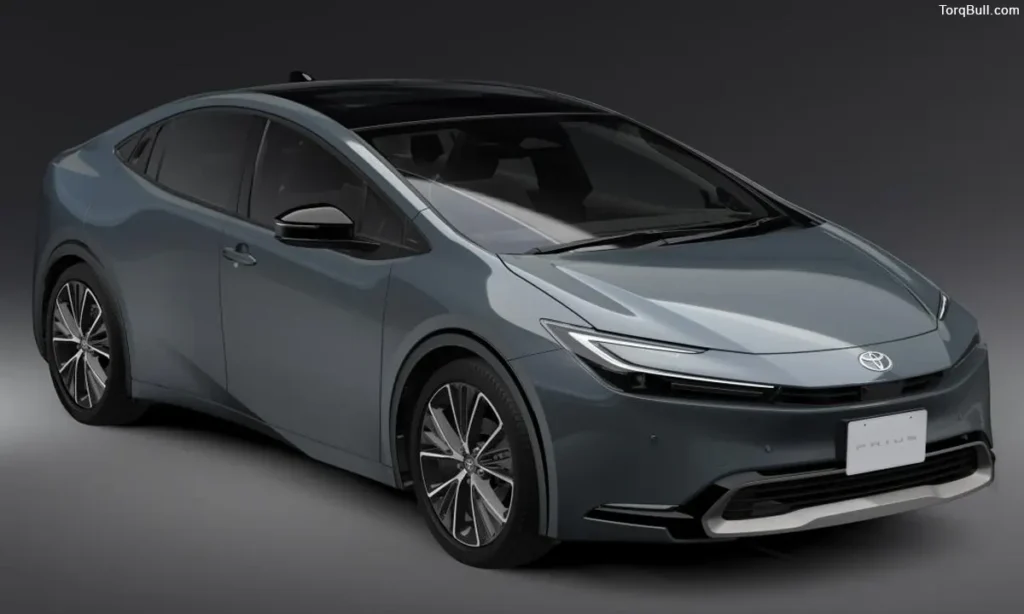
MPG: 57 City / 56 Highway / 57 Combined | Starting Price: $28,545 | Category: Compact Hybrid Sedan
The Toyota Prius is the gold standard of commuter car fuel efficiency — 57 miles per gallon in city driving, 56 on the highway and 57 combined, representing the highest EPA fuel economy rating of any non-plug-in car sold in the United States in 2026. U.S. News awards it among the best commuter cars available, describing its engine as “its strongest powertrain to date” while noting that it has shed its reputation for sluggish performance. The 2026 model’s striking redesigned exterior — a dramatic departure from the cautious styling of previous generations — has transformed the Prius from a car people chose reluctantly for its economy into a car people genuinely want to drive.
At 15,000 miles annually and $3.32 per gallon, the Prius costs approximately $874 in fuel per year. The base model starts at $28,545 with a comprehensive standard safety suite including adaptive cruise control, automatic emergency braking with pedestrian detection and lane keeping assist. All-wheel drive is available on higher trims for buyers in northern states where winter traction is a daily consideration. Toyota’s legendary reliability record and the Prius’s specific 10-year maintenance cost of $4,359 — the lowest of any hybrid in America according to CarEdge — make the total ownership financial case overwhelming for any high-mileage commuter.
Toyota Camry Hybrid: The Best Commuter Midsize Sedan
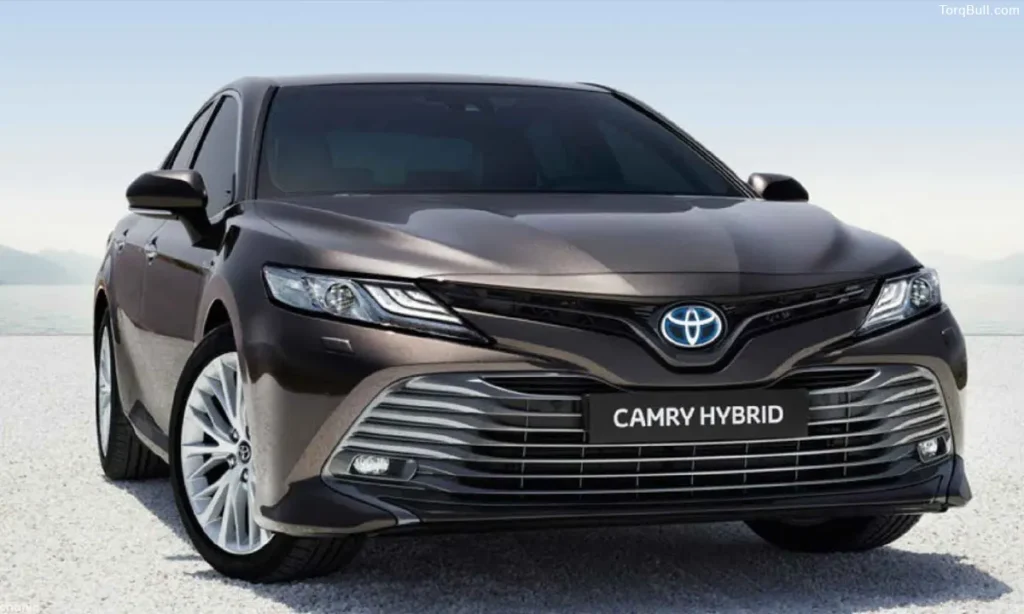
MPG: 51 City / 53 Highway / 51 Combined | Starting Price: $30,945 | AWD: Standard All Trims
The 2026 Toyota Camry is exclusively hybrid — Toyota has eliminated all gasoline-only Camry configurations — and delivers 51 miles per gallon combined with standard all-wheel drive across every trim level, a combination no midsize sedan rival can match at any price. CARFAX identifies the Camry Hybrid as “a stellar commuter” with “great fuel economy figures, a roomy cabin, a composed ride quality, and well-equipped trims” that make it a favourite for daily use. TrueCar independently notes that the Camry’s reliability and strong resale value “improve the math over the ownership cycle” — meaning the financial advantage extends beyond fuel savings into total cost of ownership.
At 51 MPG combined and 15,000 annual commuting miles, fuel costs approximately $976 per year. The Camry’s additional appeal as a commuter car lies in its genuine interior spaciousness — rear seat room that no compact hybrid provides — and the Toyota Safety Sense 3.0 driver assistance suite included as standard across all trims, which reduces commuting fatigue meaningfully on longer daily drives.
Hyundai Elantra Hybrid: The Best Value Commuter for Fuel Savings
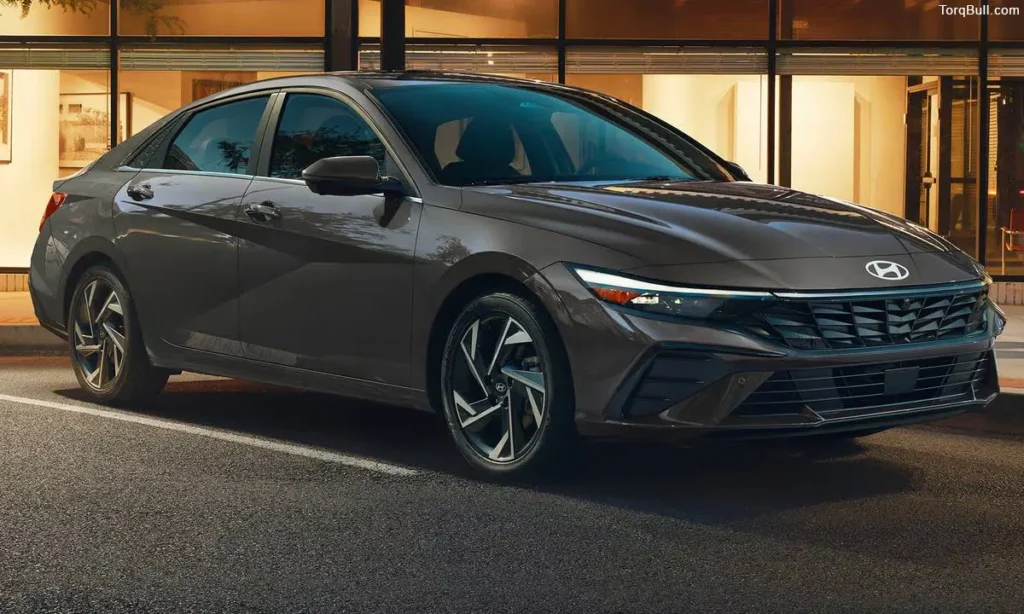
MPG: 54 City / 56 Highway / 54 Combined | Starting Price: $25,450 | U.S. News: Best Hybrid for the Money 2026
The Hyundai Elantra Hybrid earns U.S. News’s Best Compact Hybrid Car for the Money award for 2026 — the highest value recognition in its segment — at a starting price of $25,450, making it the most accessible mainstream hybrid commuter in the American market. Its 54 miles per gallon combined fuel economy places it second only to the Toyota Prius among non-plug-in hybrids, and its annual fuel cost at 15,000 miles and $3.32 per gallon works out to approximately $922 — a saving of over $1,000 annually versus a 25 MPG family sedan. The Elantra’s EPA total range of 434 miles from a single tank means fewer fill-up interruptions during a busy week, and its modern exterior styling and comprehensive standard technology content make it a genuinely attractive commuter choice rather than a utilitarian fuel-saving appliance.
Kia Niro Hybrid: The Best Compact Crossover for Gas Savings
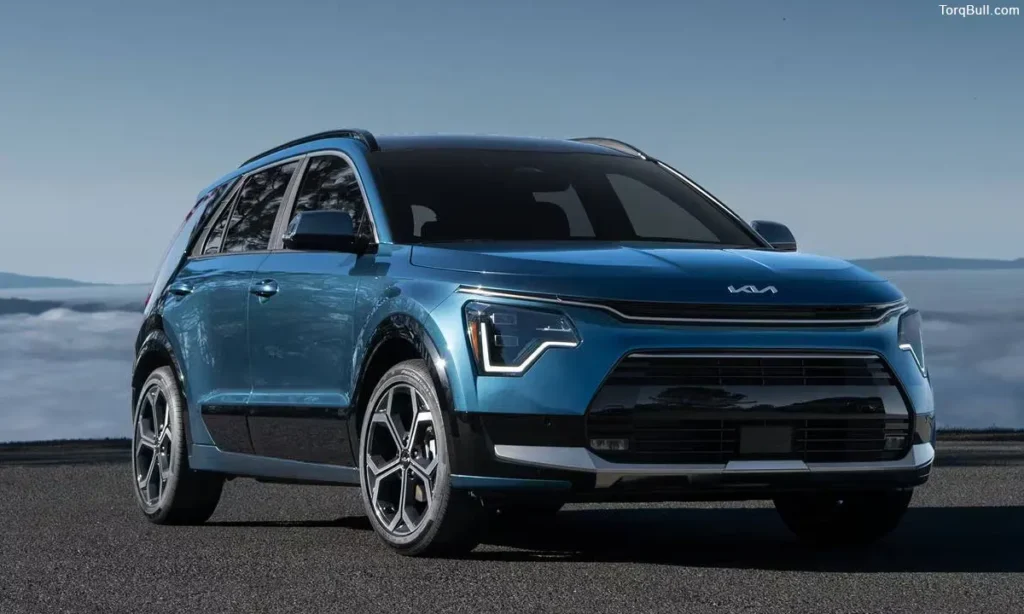
MPG: 53 City / 54 Highway / 53 Combined | Starting Price: $27,390 | Warranty: 10 Years / 100,000 Miles (Powertrain)
The Kia Niro Hybrid delivers 53 miles per gallon combined in a compact crossover body — providing the higher driving position and marginally greater cargo versatility that many commuters prefer over a conventional sedan, at fuel economy figures that beat most sedans in its price category. At 53 MPG and 15,000 annual miles, fuel costs approximately $940 per year. Kia’s 10-year, 100,000-mile powertrain warranty — the most comprehensive coverage offered by any mainstream manufacturer — provides ownership security that meaningfully reduces the financial risk of the hybrid battery and drivetrain components, making the Niro Hybrid a particularly strong choice for buyers planning to hold the vehicle for six or more years.
Toyota Corolla Hybrid: The Affordable All-Rounder
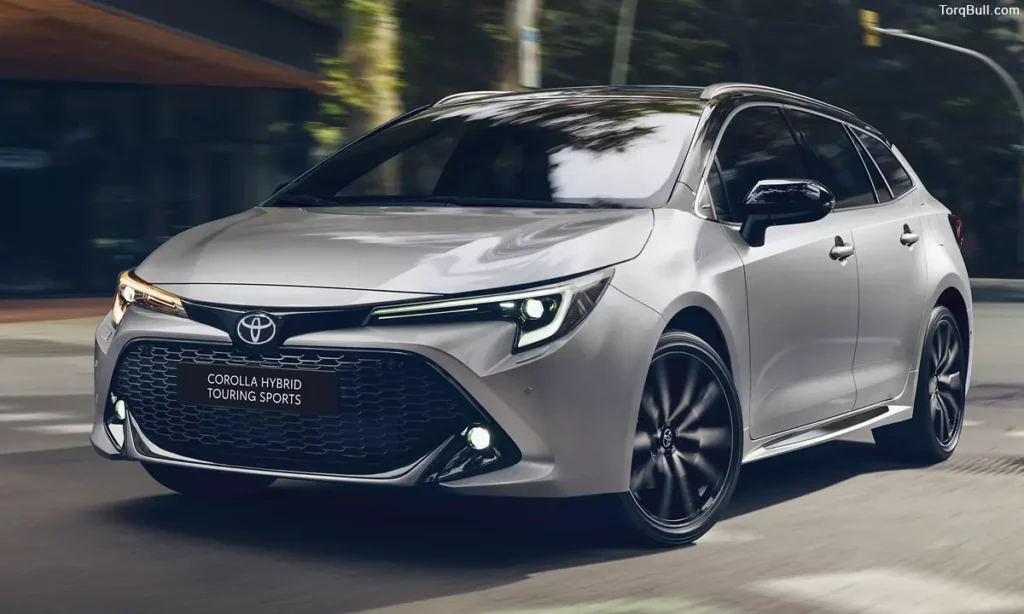
MPG: 53 City / 50 Highway / 52 Combined | AWD: Available | Starting Price: ~$23,600
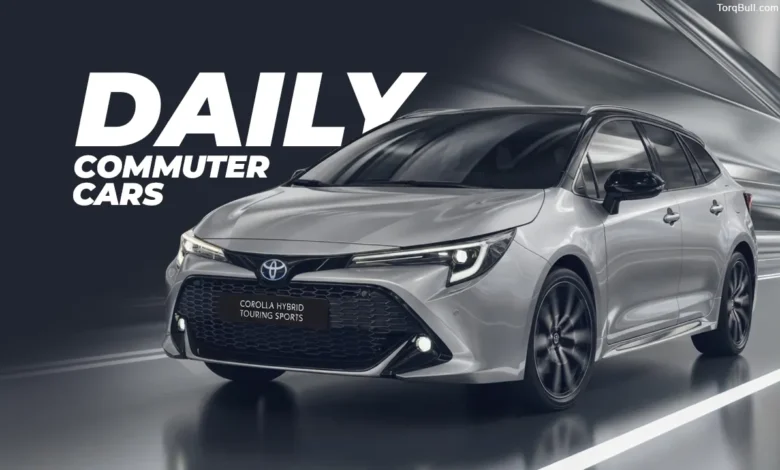
The Toyota Corolla Hybrid achieves 52 miles per gallon combined at a starting price of approximately $23,600 — the lowest entry price of any mainstream Toyota hybrid and one of the most affordable hybrid commuter cars in the American market regardless of brand. Available in both sedan and hatchback body styles, with AWD available on several trim configurations, the Corolla Hybrid combines Toyota’s industry-leading reliability record with fuel economy figures that compare favourably to the Prius at a several-thousand-dollar lower entry price. TrueCar describes the Corolla as “exactly what most compact-sedan shoppers want: affordable to buy, inexpensive to drive, easy to trust” — a description that captures its commuter appeal with precision.
Honda Civic: The Best Non-Hybrid Commuter Car
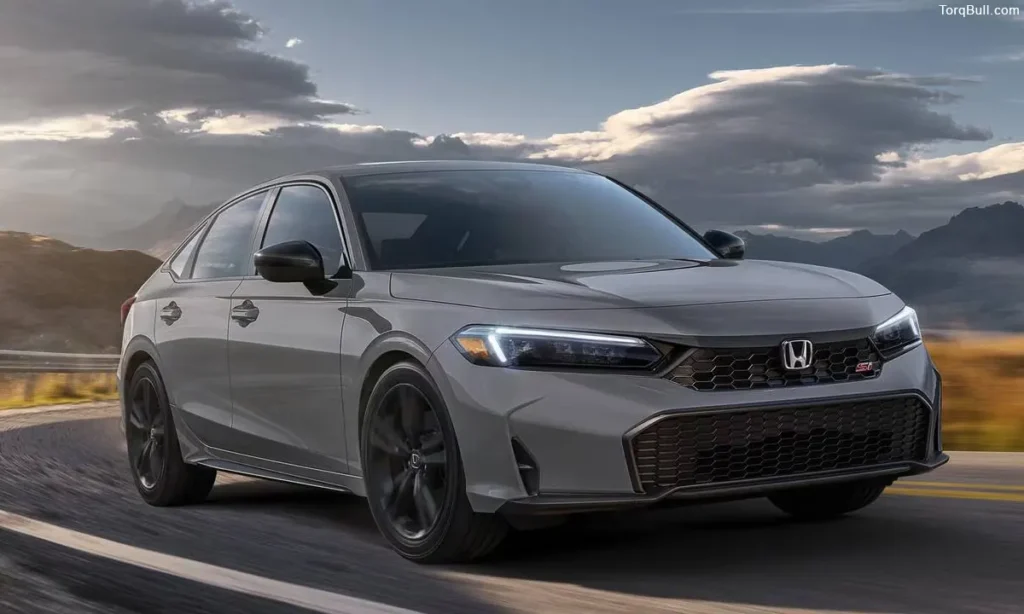
MPG: 32 City / 41 Highway / 36 Combined (gas) | 51 MPG Combined (Hybrid) | Starting Price: $25,890 | U.S. News Rating: 9.4/10
For buyers who prefer the operational simplicity of a gasoline-only powertrain — no hybrid premium, no battery concerns, familiar service intervals — the Honda Civic is the strongest commuter car in the American market. The gasoline-only Civic sedan achieves 36 miles per gallon combined, with 41 miles per gallon on the highway — the highest highway fuel economy rating of any non-hybrid compact sedan. U.S. News rates the Civic 9.4 out of 10 among commuter cars, citing its “stellar fuel economy estimates,” “well-designed interior” and the standard Honda Sensing safety suite. The Civic Hybrid, available at a modest premium over the gasoline model, extends combined economy to approximately 51 MPG — making it competitive with Toyota’s hybrid offerings while carrying Honda’s reputation for straightforward, low-cost ownership. At $25,890 for the base gasoline sedan, the Civic represents the strongest non-hybrid commuter value proposition in the compact segment.
Volkswagen Jetta: The German-Engineered Commuter Value Option
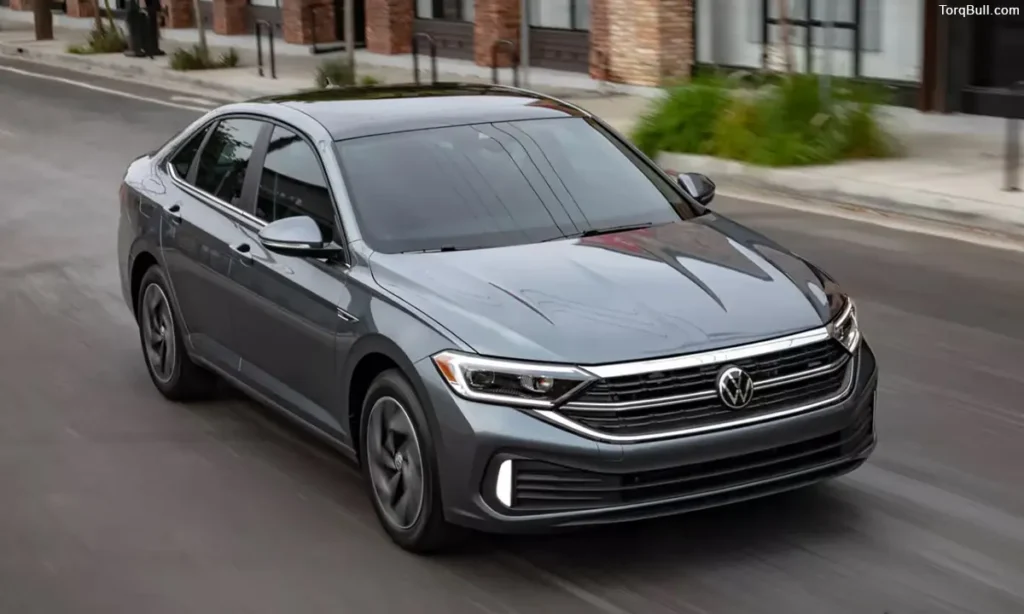
MPG: 29 City / 40 Highway / 34 Combined | Starting Price: ~$22,775 | Best For: Roomy trunk, highway commuting
The Volkswagen Jetta achieves 34 miles per gallon combined from its 1.5-litre turbocharged engine — competitive with the Honda Civic and Toyota Corolla in their non-hybrid configurations — while providing one of the largest cargo trunks in the compact sedan category, a cabin that TrueCar describes as feeling “a step above entry level” and a starting price that undercuts most direct competitors by $1,000 to $3,000. Its 40 miles per gallon highway rating makes it particularly strong for commuters whose daily drive involves sustained highway miles rather than stop-and-go urban traffic, and the Jetta’s firm but composed ride quality suits the repetitive demands of daily driving without becoming fatiguing.
Read: Best SUVs Under $40000 In USA 2026. Ranked by Value, Safety and Real-World Family Practicality
Best Commuter Cars for Gas Savings 2026 — Complete Comparison Chart
| Car | City MPG | Highway MPG | Combined MPG | Starting Price | Annual Fuel Cost* | Best For |
| Toyota Prius Hybrid | 57 | 56 | 57 | $28,545 | ~$874 | Maximum fuel savings |
| Hyundai Elantra Hybrid | 54 | 56 | 54 | $25,450 | ~$922 | Best value hybrid commuter |
| Kia Niro Hybrid | 53 | 54 | 53 | $27,390 | ~$940 | Crossover-style commuter |
| Toyota Corolla Hybrid | 53 | 50 | 52 | ~$23,600 | ~$958 | Most affordable hybrid |
| Toyota Camry Hybrid | 51 | 53 | 51 | $30,945 | ~$976 | Midsize comfort commuter |
| Honda Civic Hybrid | ~51 | ~50 | ~51 | ~$29,000 | ~$976 | Honda reliability hybrid |
| Honda Civic (gas) | 32 | 41 | 36 | $25,890 | ~$1,383 | Best non-hybrid sedan |
| Toyota Corolla (gas) | 31 | 40 | 35 | ~$21,550 | ~$1,423 | Most affordable gas commuter |
| Hyundai Elantra (gas) | 31 | 40 | 35 | $23,870 | ~$1,423 | Value non-hybrid sedan |
| Volkswagen Jetta (gas) | 29 | 40 | 34 | ~$22,775 | ~$1,465 | Highway-focused commuter |
Based on 15,000 annual miles at $3.32 per gallon national average
How to Choose the Right Commuter Car for Your Gas Savings Goal
The most important variable in choosing a commuter car for gas savings is not the car — it is your commute profile. Hybrid powertrains deliver their greatest fuel economy advantage in city and stop-and-go driving, where the electric motor carries the primary load and the gasoline engine rests — and regenerative braking recovers energy that gasoline-only vehicles waste entirely as heat. At consistent highway speeds, the fuel economy advantage of a hybrid narrows compared to a well-engineered gasoline-only vehicle, because the electric motor’s stop-start advantage is less available.
The commuter whose daily drive consists primarily of urban and suburban stop-and-go traffic — the majority of American commuters in the top 50 metropolitan areas — will find the Toyota Prius or Hyundai Elantra Hybrid’s fuel economy figures closely approximated in real-world conditions, making the hybrid premium justified within two to three years of typical commuting mileage. The commuter whose drive is predominantly highway miles at consistent speeds above 60 miles per hour will find the fuel economy gap between the Prius and the Honda Civic narrower than the combined ratings suggest, and the Civic’s lower purchase price and simpler maintenance profile may produce a lower total ownership cost over a five-year period despite the higher per-mile fuel expense.
The consistently correct answer for any commuter who prioritises long-term fuel savings, low maintenance cost and maximum reliability is a Toyota or Honda hybrid — the brands that have delivered the lowest combined ownership costs in the commuter car category for the past decade and whose engineering maturity, dealer network breadth and proven long-term reliability make the ownership experience as uncomplicated as the fuel savings are predictable.