Is the Polaris Slingshot Worth It or Just a Gimmick?
A Three-Wheeled Machine That Refuses to Fit Any Category
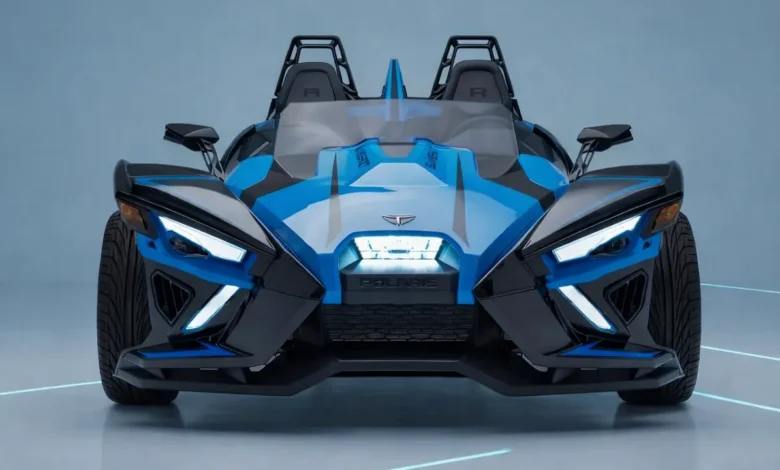
In an automotive landscape dominated by clearly defined segments—sports cars, motorcycles, convertibles and performance EVs—the Polaris Slingshot exists in a category of its own. It is neither a conventional car nor a traditional motorcycle, yet it borrows elements from both. With its aggressive open-air design, side-by-side seating and three-wheel configuration, the Slingshot has consistently sparked debate since its introduction.
For some, it represents one of the most exciting and unconventional driving experiences available today. For others, it appears to be a niche novelty—a machine that prioritizes visual drama over practical usability. The central question remains: is the Polaris Slingshot genuinely worth the investment, or is it simply an expensive gimmick designed to turn heads?
Design and Concept: Built to Stand Out, Not Blend In
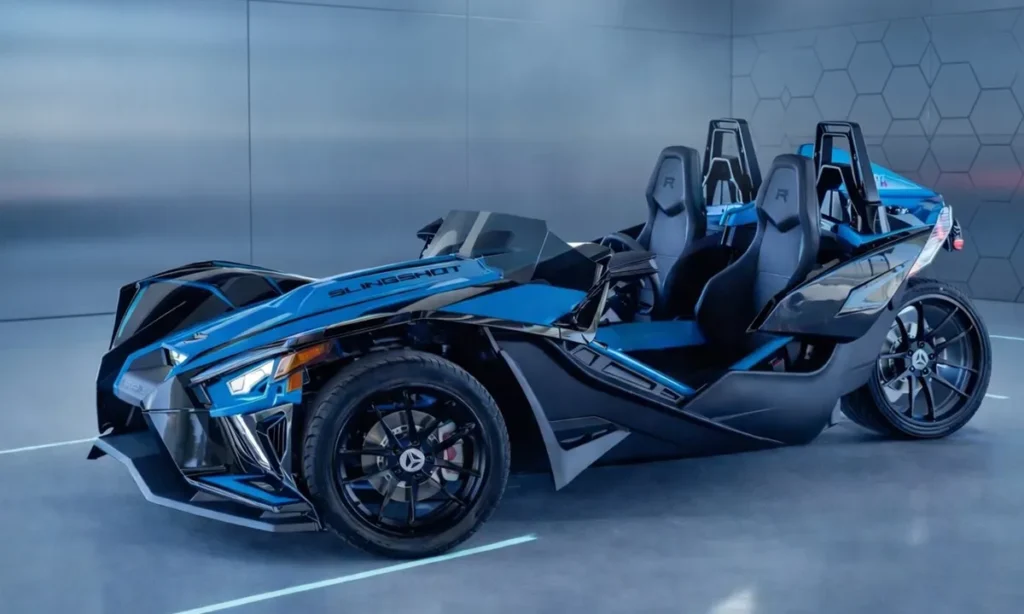
The Polaris Slingshot makes no attempt to be subtle. Its design is intentionally theatrical, featuring sharp lines, exposed wheels and a low-slung stance that resembles a futuristic concept vehicle more than a production model. The absence of a roof and doors reinforces its raw, open-air character, placing the driver and passenger directly in the environment rather than isolating them from it.
This design philosophy is central to the Slingshot’s appeal. It is not meant to be discreet or understated; it is engineered to attract attention. In urban environments, it often generates the same level of curiosity as exotic supercars, despite occupying a completely different price bracket.
However, this design comes with trade-offs. The lack of weather protection limits usability in adverse conditions, and the exposed layout means occupants are more vulnerable to environmental factors such as heat, dust and rain. Unlike convertibles, which offer the flexibility of a retractable roof, the Slingshot commits fully to its open-air identity.
Driving Experience: Closer to a Motorcycle or a Car?
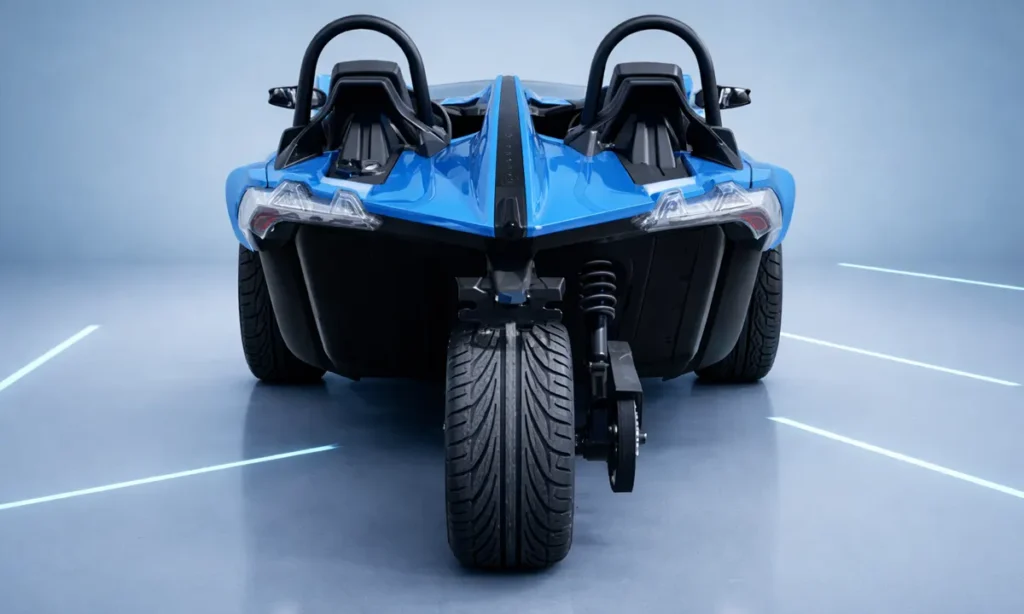
The defining characteristic of the Polaris Slingshot is its driving experience, which sits somewhere between that of a motorcycle and a lightweight sports car. The vehicle’s three-wheel layout—two wheels at the front and one at the rear—creates a unique dynamic that differs significantly from traditional four-wheel vehicles.
Powered by a front-mounted engine driving the single rear wheel, the Slingshot delivers a distinctly engaging experience. The low seating position, wide front track and direct steering contribute to a sense of connection with the road that is rarely found in conventional cars.
Acceleration is brisk rather than extreme, but the perception of speed is amplified by the open cockpit and proximity to the ground. Even moderate speeds feel more intense, making everyday drives feel more engaging.
Handling, however, requires adaptation. The three-wheel configuration introduces different weight distribution and traction characteristics, particularly during aggressive cornering. While modern versions of the Slingshot include stability control systems, it does not offer the same level of grip or predictability as a traditional sports car.
For experienced drivers seeking something unconventional, this uniqueness is part of the appeal. For others, it may feel less refined and more demanding.
Performance and Powertrain: Adequate but Not Class-Leading
The Polaris Slingshot is equipped with a naturally aspirated 2.0-liter four-cylinder engine developed in-house by Polaris. Producing approximately 178 to 203 horsepower depending on the variant, the engine provides sufficient performance for a vehicle of its weight.
The power-to-weight ratio is respectable, allowing the Slingshot to deliver quick acceleration and responsive throttle input. Transmission options include both a traditional manual gearbox and an automated manual system, catering to different driving preferences.
However, when evaluated purely on performance metrics, the Slingshot does not compete directly with sports cars in a similar price range. Its strength lies not in outright speed but in the immersive driving experience it offers.
Practicality: Where the Limitations Become Clear
One of the most significant factors influencing the Slingshot’s value proposition is its limited practicality. Unlike traditional vehicles, it is not designed for daily usability in all conditions.
Storage space is minimal, making it unsuitable for long trips or carrying significant cargo. The absence of a roof and limited weather protection restrict its usability during rain or extreme temperatures. Additionally, depending on regional regulations, occupants may be required to wear helmets, further impacting convenience.
These limitations position the Slingshot as a recreational vehicle rather than a primary mode of transportation. It is best suited for weekend drives, scenic routes and short-distance cruising rather than daily commuting.
Cost and Ownership Experience
The Polaris Slingshot occupies an interesting price bracket, often positioned between premium motorcycles and entry-level sports cars. At first glance, it may appear relatively affordable given its unique design and performance characteristics.
However, ownership costs extend beyond the initial purchase price. Insurance, maintenance and optional customization can increase the overall cost significantly. Polaris offers a wide range of accessories, allowing owners to personalize their vehicles, but these additions can quickly elevate the total investment.
On the other hand, the Slingshot’s mechanical simplicity compared to high-performance sports cars can result in lower maintenance complexity. This balance between affordability and customization is a key aspect of its ownership experience.
Market Position: A Niche That Few Competitors Occupy
The Polaris Slingshot operates in a niche segment with very few direct competitors. While three-wheeled vehicles are not entirely new, few have achieved the same level of mainstream visibility and brand recognition.
This lack of direct competition works in the Slingshot’s favor. It offers an experience that cannot be easily replicated by traditional cars or motorcycles. For buyers seeking something different, this exclusivity is a major selling point.
However, the same uniqueness that defines its appeal also limits its market size. It is not designed to replace a car or a motorcycle but to complement them, which inherently restricts its audience.
Read: Top 10 Cheapest Supercars to Maintain in 2026. Performance Without the Punishment
Specification Overview: Polaris Slingshot
| Category | Details |
| Vehicle Type | Three-Wheeled Roadster |
| Engine | 2.0L Naturally Aspirated Inline-4 |
| Power Output | ~178–203 hp |
| Drivetrain | Rear-Wheel Drive (Single Rear Wheel) |
| Transmission | Manual / Automated Manual |
| Seating | 2 (Side-by-Side) |
| Body Style | Open-Air, No Roof |
| Primary Use | Recreational Driving |
| Unique Feature | Three-Wheel Layout |
Experience vs Value: The Core Debate
At the heart of the discussion surrounding the Polaris Slingshot is the balance between experience and value. From a purely practical perspective, it is difficult to justify as a primary vehicle. Its limitations in comfort, storage and weather protection make it less versatile than both cars and motorcycles.
However, evaluating the Slingshot solely on practicality misses the point. It is designed to deliver an experience that prioritizes engagement, excitement and individuality. For buyers who value these attributes, the Slingshot offers something that few other vehicles can match.
The question, therefore, is not whether it is practical, but whether the experience it provides aligns with the buyer’s expectations and lifestyle.
Read: Fastest Naturally Aspirated Cars of 2026. When Engines Breathe Free
Conclusion: Gimmick or Genuine Innovation?
The Polaris Slingshot is not a gimmick in the traditional sense. It is a deliberately unconventional vehicle that challenges established definitions of what a road-going machine should be. Its design, driving dynamics and overall concept are rooted in creating a unique experience rather than conforming to existing categories.
At the same time, it is not a universally practical or rational purchase. Its appeal is inherently subjective, shaped by individual preferences and priorities.
For those seeking a distinctive, engaging and visually striking vehicle for recreational use, the Slingshot can be a highly rewarding investment. For those prioritizing practicality, versatility and everyday usability, it is unlikely to meet expectations.
Ultimately, the Polaris Slingshot succeeds not by competing directly with cars or motorcycles, but by offering an alternative perspective on driving itself. Whether that perspective is worth the price depends entirely on what the buyer values most.