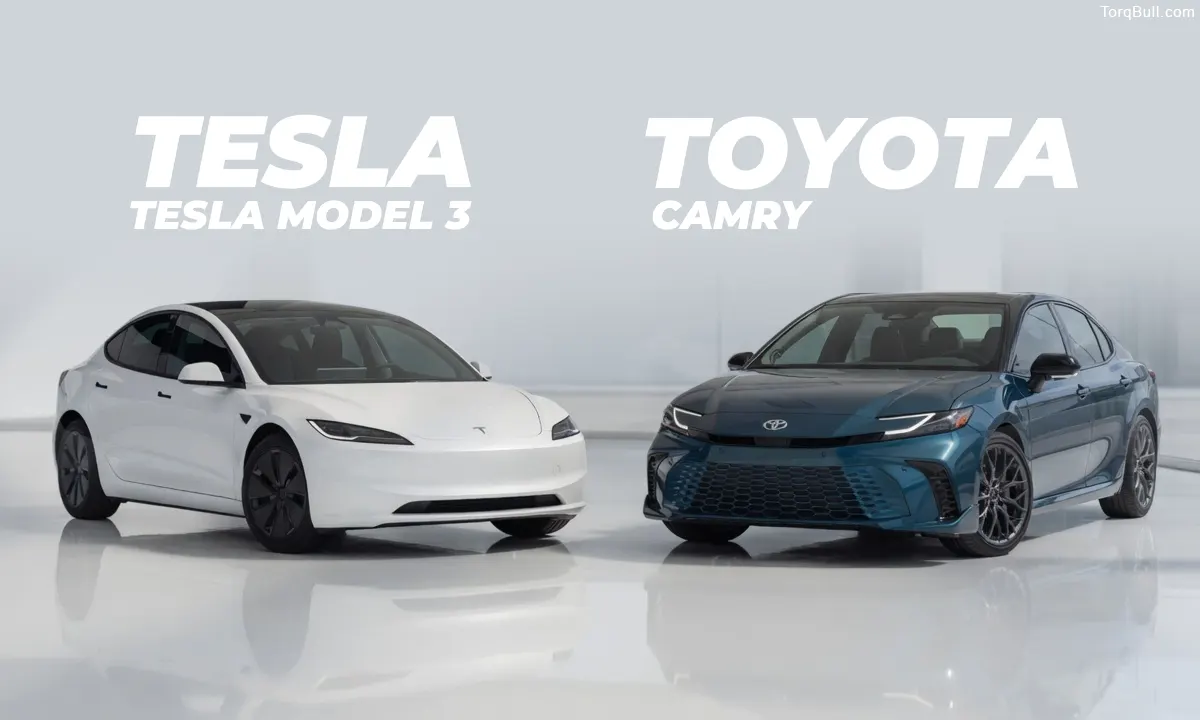
- Camry starts around $28,000 vs Model 3 at $38,380
- ~$10,000 upfront price difference
- EV saves on fuel and maintenance over time
- Ownership cost gap narrows significantly over 5–7 years
- Nearly equal total cost of ownership long-term
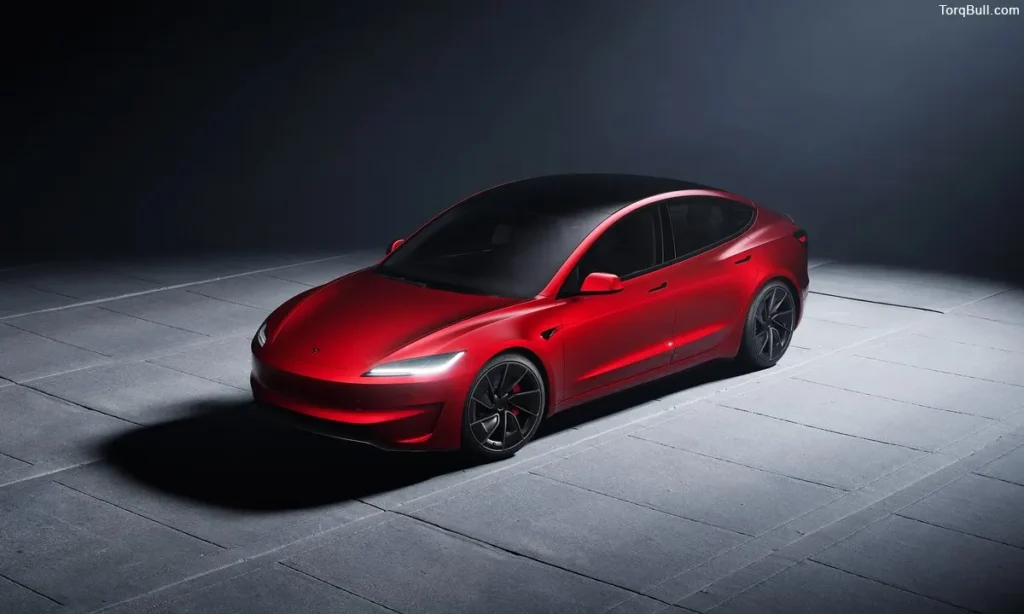
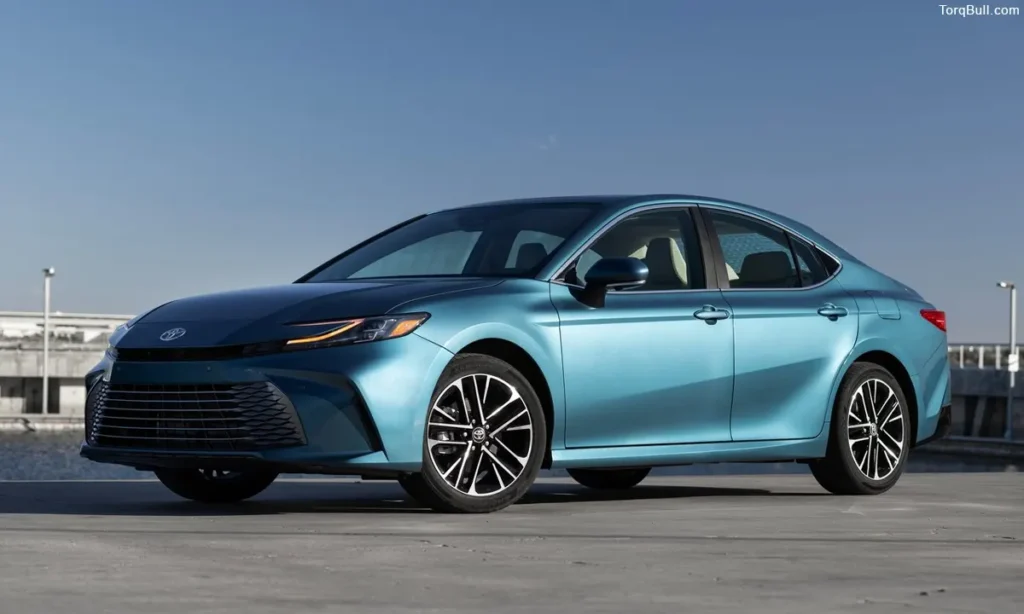
Tesla Model 3 vs Toyota Camry: The Tesla Model 3 versus Toyota Camry comparison is the most consequential cost of ownership question in the American new car market — because it determines whether the most popular electric sedan is genuinely affordable for mainstream buyers or whether its lower running costs are offset by a purchase price premium that never fully recovers across a realistic ownership period. The answer has been consistently confirmed across multiple independent analyses, Tesla’s own published impact report data, Atlas Public Policy’s seven-year total cost study and Kelley Blue Book’s five-year cost-to-own calculations: the gap between owning a Model 3 and owning a Camry over five to seven years is surprisingly small — often within $1,000 to $3,500 of each other on a total cost basis — despite the Model 3’s $10,000 higher sticker price. This complete 2026 analysis explains why the gap closes, where each vehicle wins and what that means for every buyer’s specific situation.
Gallery: Tesla Model 3 & Toyota Camry

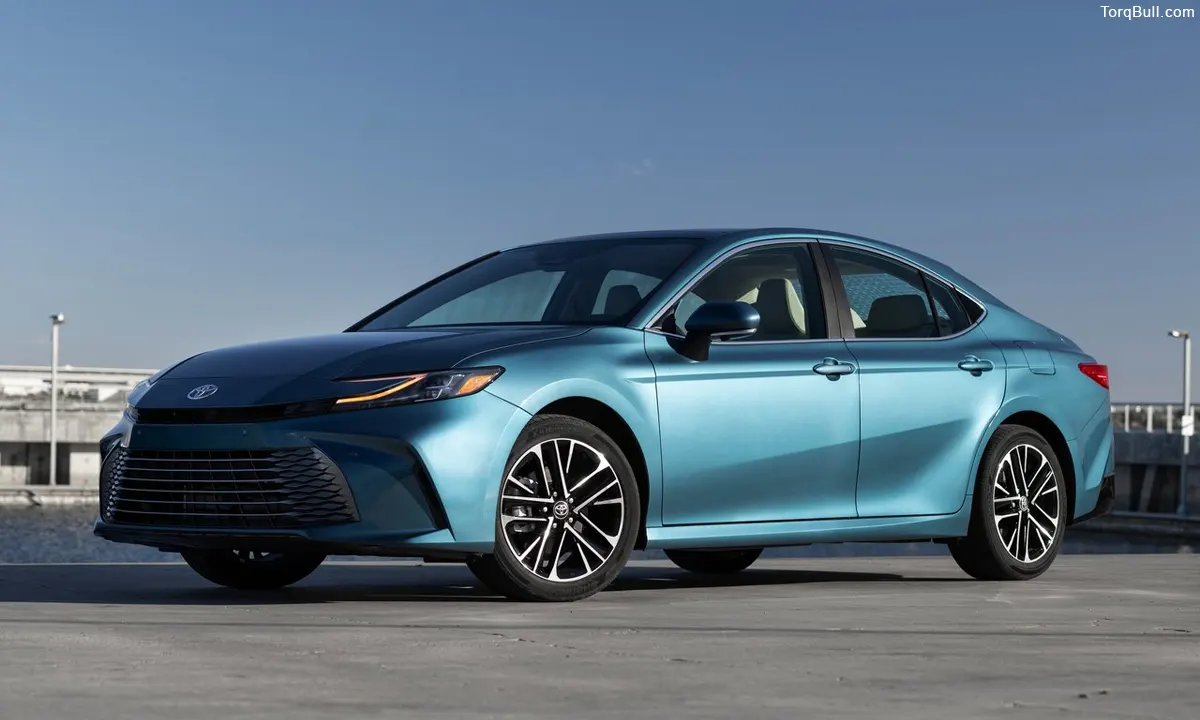
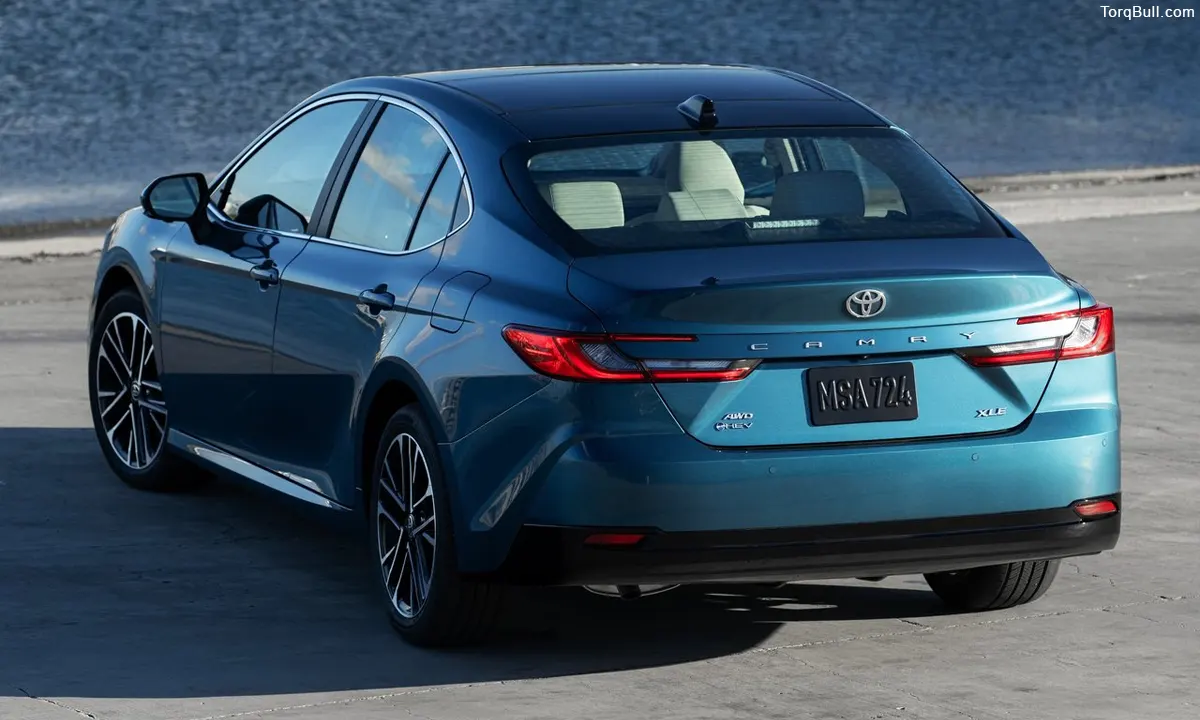
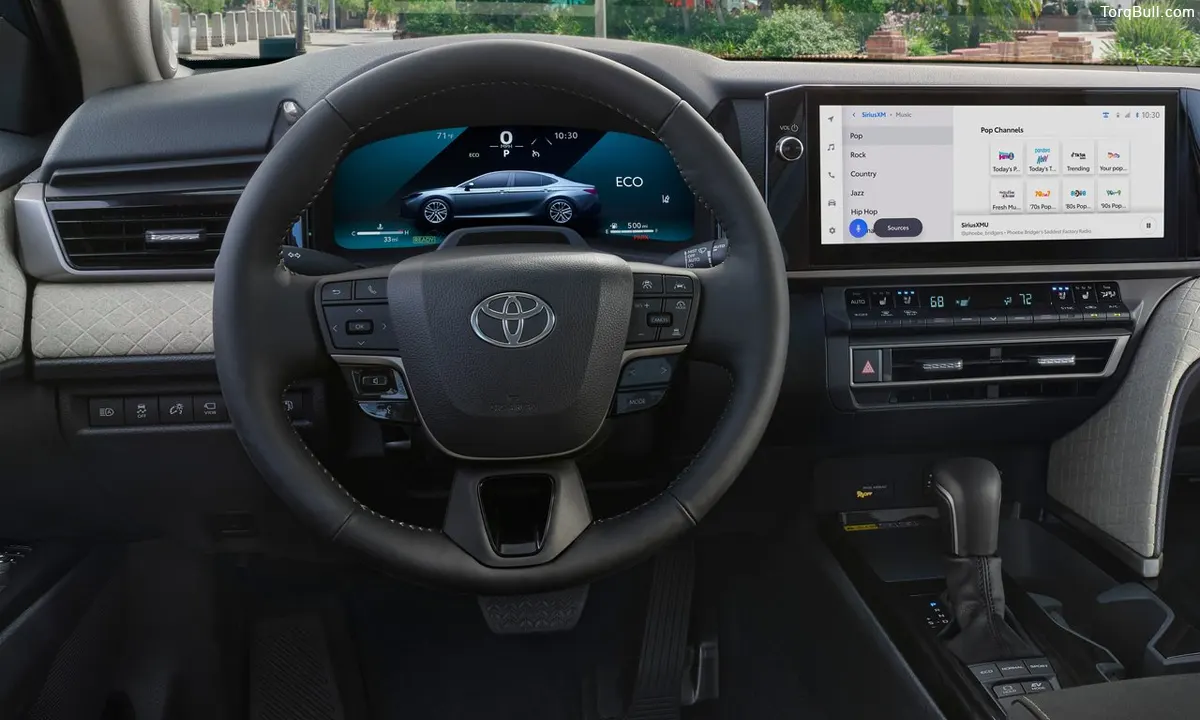
Purchase Price: Where the Camry Leads by $10,380
The starting point of any cost comparison is the purchase price, and on this metric the Toyota Camry holds a significant and undeniable advantage. The 2026 Toyota Camry — now available exclusively as a hybrid across all configurations — starts at approximately $28,000 for the base LE trim. A mid-range Camry XLE Hybrid, which more closely compares to the Model 3’s feature content, starts at approximately $32,000 to $34,000.
The 2026 Tesla Model 3 starts at $38,380 for the base RWD configuration. The Long Range AWD — the variant that most directly competes with a well-equipped Camry in terms of passenger comfort, technology content and driving refinement — starts at approximately $47,000. For this comparison, the base Model 3 RWD at $38,380 versus the Camry LE Hybrid at approximately $28,000 represents the most commonly compared pairing — a $10,380 price difference that shapes the entire five-year ownership equation.
Financed over 60 months at a 7 percent interest rate with 10 percent down, the additional interest cost on the Model 3 relative to the Camry is approximately $1,600 over five years. The combined additional upfront investment — purchase price premium plus additional financing cost — is approximately $12,000 before any savings or tax credits are considered. This is the number the Model 3’s running cost advantages must overcome to reach cost parity with the Camry over the ownership period.
Fuel Cost: Where the Model 3 Wins Decisively
Fuel cost is the category where the Model 3 delivers its most compelling and most consistent financial advantage — the category that does most of the work of recovering the purchase price premium over the ownership period.
The 2026 Toyota Camry Hybrid achieves EPA-rated fuel economy of approximately 51 MPG city and 53 MPG highway, producing a combined figure of approximately 52 MPG. At the national average gasoline price of $3.08 per gallon and 15,000 annual miles, the Camry Hybrid costs approximately $888 per year in fuel — the most efficient gasoline Camry configuration available and a figure that significantly narrows the Model 3’s fuel cost advantage compared to a non-hybrid gasoline alternative.
The Tesla Model 3 RWD achieves approximately 137 MPGe combined and consumes approximately 250 watt-hours per mile in real-world mixed driving. At the national average residential electricity rate of $0.17 per kilowatt-hour and 15,000 annual miles, the Model 3’s annual energy cost is approximately $638. The fuel cost saving of approximately $250 per year — $1,250 over five years — is real but substantially narrower than the Model 3’s fuel advantage over a non-hybrid Camry, which would cost approximately $1,540 annually at 30 MPG and $3.08 per gallon, producing a $4,500 five-year saving.
This is the critical distinction that the Model 3 versus Camry comparison reveals in 2026: the Camry’s transition to exclusively hybrid powertrains has significantly narrowed the fuel cost gap between it and the Model 3. The 2026 Camry Hybrid’s 52 MPG combined is so efficient that the electricity-versus-gasoline fuel cost advantage for the Model 3 at national average rates amounts to only approximately $1,250 over five years — not the $4,000 to $5,000 advantage that the Model 3 holds over a conventional 30 MPG gasoline sedan.
Maintenance Cost: Where the Model 3 Wins Clearly
The maintenance cost comparison between the Model 3 and Camry Hybrid produces a more consistent Model 3 advantage than the fuel comparison, because the Model 3’s electric drivetrain eliminates a broader set of maintenance items than even the Camry Hybrid’s partial electrification achieves.
The Toyota Camry Hybrid still requires engine oil changes — approximately every 5,000 to 7,500 miles at $75 to $120 per service, or $300 to $480 per year. It still carries a timing chain, exhaust system, catalytic converter and spark plugs, all of which require eventual service. The hybrid battery adds a new component that the conventional Camry does not have, but Toyota’s extensive hybrid system track record means this is not a near-term concern for most owners. Annual routine maintenance for the Camry Hybrid at 15,000 miles typically runs approximately $800 to $1,200, producing a five-year total of $4,000 to $6,000.
The Tesla Model 3 requires no oil changes, no spark plugs, no exhaust service and no timing chain maintenance. Its regenerative braking system dramatically extends brake pad and rotor life. Annual routine maintenance costs approximately $500 to $650 per year, producing a five-year total of $2,500 to $3,250. The maintenance cost saving of approximately $1,500 to $2,750 over five years is a meaningful Model 3 advantage — though it is partially offset by the Model 3’s slightly higher tyre wear rate due to instant torque delivery and battery-added vehicle weight.
Insurance Cost: Where the Camry Wins
Insurance is the cost category where the Toyota Camry most consistently outperforms the Model 3 — because the Camry’s lower replacement value, lower repair costs and conventional repair network accessibility produce meaningfully lower premiums than the Model 3’s aluminium body, integrated sensor array and specialised repair requirements.
National average full-coverage insurance for a Toyota Camry is approximately $1,742 to $2,513 per year depending on the specific insurer and driver profile. The national average for the Tesla Model 3 is approximately $3,466 to $3,871 per year at comparable coverage levels. The insurance cost premium for the Model 3 over the Camry is approximately $1,000 to $1,700 per year — a five-year additional insurance cost of approximately $5,000 to $8,500 that represents the most significant operating cost advantage the Camry holds over the Model 3 in the total ownership comparison.
For buyers in states where the Model 3 insurance premium is at the lower end of the national range — a 40-year-old with a clean record in a moderate-cost state insured by State Farm — the insurance disadvantage narrows considerably, potentially to $500 to $800 per year. For buyers in high-cost states or with younger driver profiles, the insurance disadvantage can be the dominant factor that tips the five-year total ownership cost in the Camry’s favour.
Read: Average Lifespan of Tesla Model 3 Battery in Hot Climates. The Hidden Data Every Owner Needs In 2026
Depreciation: The Most Important and Least Understood Variable
Depreciation is the largest single cost in any new vehicle ownership calculation and the variable that most dramatically separates the Model 3 and Camry five-year cost outcomes.
The Toyota Camry has one of the best five-year depreciation records in the American automotive market — retaining approximately 62 to 65 percent of its original value after five years according to iSeeCars data. A new Camry purchased at $28,000 retains approximately $17,360 to $18,200 in five-year residual value, implying total depreciation of $9,800 to $10,640 over the period. KBB’s five-year cost-to-own analysis for the Camry Hybrid places total five-year depreciation at approximately $9,500 to $11,000 for mainstream trim levels.
The Tesla Model 3, by contrast, depreciates approximately 57 percent over five years according to iSeeCars data — producing total depreciation of approximately $21,877 to $23,767 on a $38,380 to $41,700 purchase price. KBB’s five-year cost-to-own analysis places the 2026 Model 3’s depreciation at $23,767. The depreciation differential — approximately $13,000 to $14,000 more depreciation on the Model 3 than the Camry over five years — is the single largest financial disadvantage of new Model 3 ownership and the primary reason the total five-year cost is close but not clearly in the Model 3’s favour for new vehicle buyers.
Tesla Model 3 vs Toyota Camry: Complete Five-Year Cost Comparison Chart
| Cost Category | Tesla Model 3 RWD (New, 5 yrs) | Toyota Camry LE Hybrid (New, 5 yrs) | Model 3 vs Camry Difference |
| Purchase Price | $38,380 | ~$28,000 | +$10,380 (Model 3 more) |
| Depreciation (5 yrs) | ~$23,767 | ~$9,800–$11,000 | +$12,767–$13,967 (Model 3 more) |
| Fuel / Energy (15K mi/yr) | ~$3,190 | ~$4,440 | −$1,250 (Model 3 saves) |
| Maintenance (5 yrs) | ~$2,500–$3,250 | ~$4,000–$6,000 | −$1,500–$2,750 (Model 3 saves) |
| Insurance (5 yrs) | ~$17,330–$19,355 | ~$8,710–$12,565 | +$6,790–$8,790 (Model 3 more) |
| Financing (60 mo, 7%) | ~$7,200 | ~$5,040 | +$2,160 (Model 3 more) |
| Registration / EV fees | ~$2,500–$3,500 | ~$1,500–$2,000 | +$500–$1,500 (Model 3 more) |
| 5-Year Total (estimated) | ~$56,487–$60,502 | ~$33,490–$40,565 | +$15,922–$26,012 (Model 3 more) |
| Annual Average | ~$11,297–$12,100 | ~$6,698–$8,113 | +$3,184–$4,587/yr (Model 3 more) |
Note: The above comparison includes all costs including the vehicle’s full depreciation value, which is not a cash outlay but a loss in vehicle equity. The out-of-pocket cash costs (excluding depreciation and resale value) tell a different story — see analysis below.
The Atlas Policy and Tesla Research: Why the Gap Is Smaller Than It Appears
The chart above, which includes full depreciation as a cost, shows the Model 3 as significantly more expensive than the Camry on a total five-year basis. But multiple independent studies that frame the comparison differently produce a more nuanced result — and understanding why these studies reach near-parity conclusions is essential for any buyer making a seven-to-ten-year ownership decision.
The Atlas Public Policy study commissioned by the Natural Resources Defense Council, which analysed total cost of ownership across America’s most popular vehicles, found that the Tesla Model 3 costs less than one percent more than the Toyota Camry over a seven-year ownership period. This near-parity result reflects several realities that the five-year new-vehicle comparison obscures. First, depreciation in the early years of EV ownership is highest for new vehicles — buyers who hold beyond five years experience a flattening of the depreciation curve that reduces the per-year depreciation penalty relative to a five-year calculation. Second, the fuel and maintenance savings compound across each additional year of ownership. Third, the Atlas study noted that if the Model 3 is eligible for the federal EV tax credit — which provided up to $7,500 before its expiration in late 2025 — the Model 3 would be approximately 17 percent cheaper than the Camry over the same period.
Tesla’s own impact report data, based on real fleet telemetry and maintenance records, placed the five-year, 60,000-mile running cost of the Model 3 — specifically energy, maintenance, tyres and repairs — at just over half the equivalent running costs of a Camry. Tesla’s analysis concluded that on a total per-mile cost basis, the Model 3 and Camry were within approximately 5 cents per mile of each other across the full ownership period — a remarkably narrow gap given the Model 3’s $10,000 higher purchase price.
Read: Tesla Model 3 vs Toyota Prius. Which Car Actually Wins In 2026?
Who Should Buy the Model 3 and Who Should Buy the Camry
The cost comparison produces a clear decision framework based on ownership duration, annual mileage and the availability of home charging — the three variables that most determine which vehicle delivers better financial value for any specific buyer.
The Model 3 makes stronger financial sense for buyers who plan to own the vehicle for six or more years, drive 15,000 or more miles annually and can charge at home on a standard electricity rate. At these parameters, the fuel and maintenance savings accumulate long enough to meaningfully offset the higher upfront cost and insurance premium. It also makes stronger sense for buyers purchasing a used 2021 to 2023 Model 3 at a depreciated price of $24,000 to $30,000 — where the purchase price premium over a comparable Camry is much smaller and the operating cost advantages remain fully intact.
The Camry Hybrid makes stronger financial sense for buyers with shorter planned ownership periods of three to four years — where the Model 3’s fuel and maintenance savings have insufficient time to offset the purchase price and insurance premium. It also makes stronger sense for buyers who cannot charge at home and must rely on public DC fast charging at $0.35 to $0.42 per kilowatt-hour — which raises the Model 3’s effective per-mile energy cost to levels that narrow or eliminate the fuel cost advantage over the 52 MPG Camry Hybrid.
The honest conclusion is that buyers should not choose between these vehicles based primarily on cost — because the five-year total cost difference, correctly framed, is not large enough to be the decisive factor. The Model 3 offers dramatically more performance, zero emissions, over-the-air software updates, Autopilot standard and a technology experience the Camry cannot match. The Camry offers exceptional reliability data, lower insurance, a simpler ownership experience requiring no charging infrastructure and Toyota’s industry-leading long-term dependability record. For buyers whose lifestyle, parking situation and driving patterns make the Model 3 practical, the cost comparison confirms it is financially competitive — not merely aspirationally so.