What Makes Pagani Different From Every Other Brand?
A Hypercar Manufacturer Built on Philosophy, Not Volume
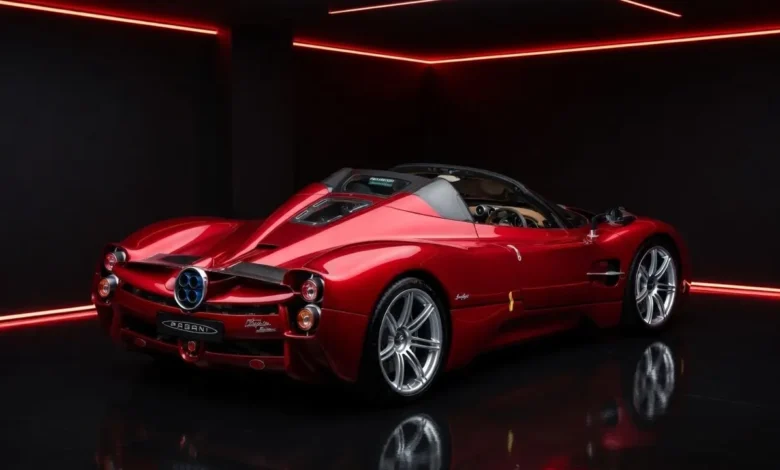
In an industry increasingly driven by electrification strategies, platform sharing and global scalability, Pagani stands as a deliberate outlier. It is not merely a manufacturer of hypercars; it is a brand defined by philosophy, craftsmanship and an obsessive pursuit of mechanical perfection. While most automotive companies measure success through production numbers and market share, Pagani measures it through artistry, engineering purity and emotional impact.
Founded by Horacio Pagani, the company was never intended to compete directly with mass-production supercar manufacturers. Instead, it was created to redefine what a high-performance automobile could represent. Each Pagani model is not just a vehicle but a statement—an intricate fusion of science and art that challenges conventional definitions of automotive design.
This foundational philosophy is the first and most important reason why Pagani is fundamentally different from every other brand.
The “Art and Science” Philosophy
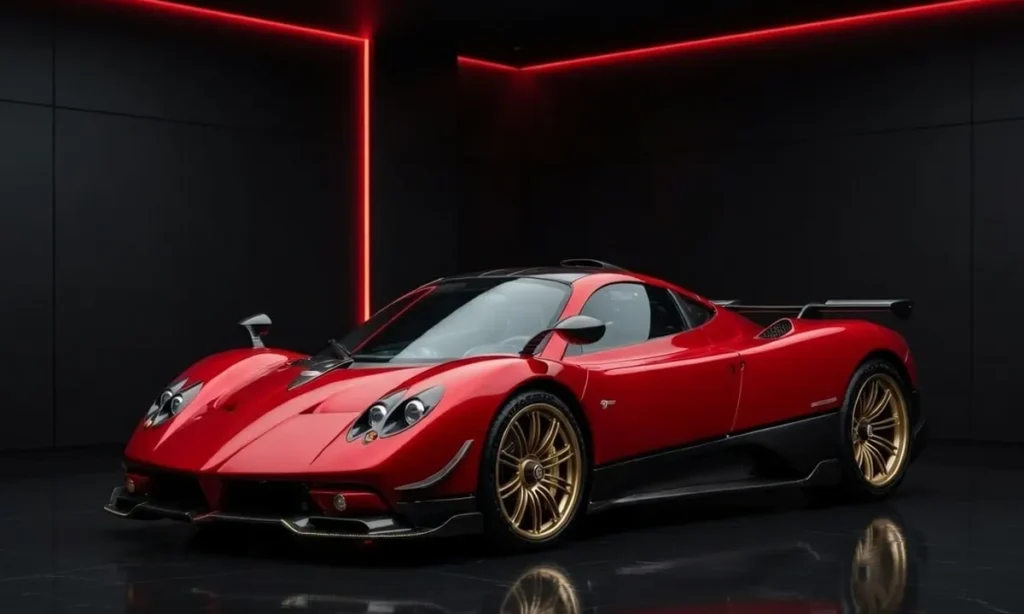
At the core of Pagani’s identity is a principle that Horacio Pagani has consistently emphasized: the seamless integration of art and science. This concept is not a marketing slogan but a guiding framework that influences every aspect of the car’s development.
Where many manufacturers separate engineering and design into distinct processes, Pagani treats them as inseparable. Structural components are designed not only for strength and performance but also for visual beauty. Mechanical elements are often left exposed, transforming functional parts into aesthetic features.
This approach results in vehicles that feel less like industrial products and more like handcrafted sculptures. Every curve, material and component is intentionally designed to contribute to both performance and visual harmony.
Carbon Fiber Mastery Beyond Industry Standards
Pagani’s expertise in carbon fiber is one of its most defining characteristics. Long before carbon composites became widely adopted in the automotive industry, Horacio Pagani recognized their potential and dedicated himself to mastering their application.
Pagani does not simply use carbon fiber as a lightweight material; it treats it as a core element of its identity. Advanced composites such as Carbo-Titanium and Carbo-Triax are developed in-house, combining carbon fiber with metals to achieve exceptional strength and rigidity.
These materials allow Pagani to create structures that are both lightweight and incredibly durable, enhancing performance while maintaining safety. More importantly, they enable design freedom, allowing for complex shapes and intricate detailing that would be impossible with conventional materials.
The result is a level of material sophistication that few manufacturers can match.
Handcrafted Interiors That Redefine Luxury
Step inside a Pagani, and the distinction becomes immediately apparent. The interior is not designed to follow trends or incorporate the latest digital interfaces. Instead, it is crafted with a focus on timelessness, precision and tactile quality.
Every component, from the gear selector to the air vents, is meticulously designed and assembled by hand. Materials such as aluminum, leather and carbon fiber are combined in ways that emphasize both functionality and aesthetic appeal.
Unlike many modern hypercars that rely heavily on touchscreens, Pagani prioritizes physical controls. Switches and dials are engineered to provide a satisfying mechanical feel, reinforcing the connection between driver and machine.
This commitment to craftsmanship extends to the smallest details, resulting in interiors that feel more like luxury timepieces than automotive cabins.
Limited Production as a Core Principle
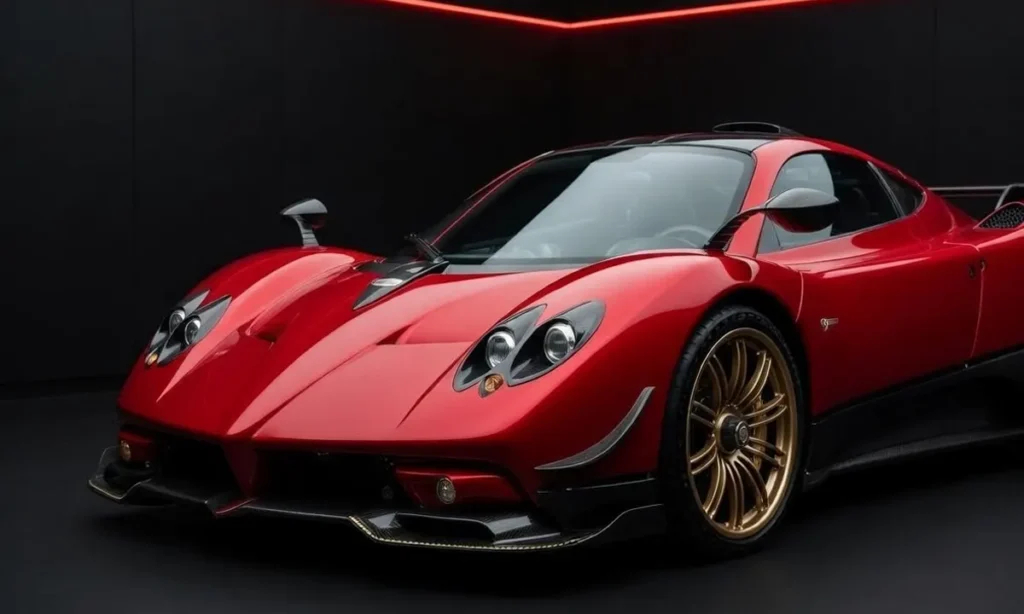
Exclusivity is a defining characteristic of Pagani, but it is not driven by marketing strategy. Instead, it is a natural consequence of the company’s production philosophy.
Pagani produces vehicles in extremely limited numbers, often numbering in the dozens rather than thousands. This approach allows for an unparalleled level of attention to detail, ensuring that each car meets the brand’s exacting standards.
The limited production also enhances the emotional value of each vehicle. Owners are not simply purchasing a car; they are acquiring a piece of automotive history, crafted with a level of care that mass production cannot replicate.
This rarity contributes to the brand’s desirability and long-term value, further distinguishing it from mainstream manufacturers.
The AMG Partnership: Power Meets Character
While Pagani handles design, materials and overall vehicle architecture, its engines are supplied by Mercedes-AMG. This partnership ensures that Pagani vehicles are equipped with powertrains that deliver both performance and reliability.
The twin-turbocharged V12 engines used in models such as the Huayra and Utopia are tailored specifically for Pagani, offering a unique combination of power, responsiveness and sound.
What sets these engines apart is their character. Unlike highly electrified powertrains that prioritize efficiency and emissions, Pagani’s engines are designed to deliver an emotional experience. The sound, throttle response and power delivery are all calibrated to enhance driver engagement.
This collaboration allows Pagani to focus on its core strengths while ensuring that its vehicles meet the highest performance standards.
Design That Prioritizes Emotion Over Trends
Pagani’s design language is instantly recognizable, yet it does not follow conventional trends. While many manufacturers update their designs frequently to align with market preferences, Pagani takes a more timeless approach.
The shapes, proportions and details of a Pagani are designed to evoke emotion rather than adhere to fleeting design trends. This results in vehicles that remain visually relevant long after their introduction.
Aerodynamics also play a significant role in the design process. Active aerodynamic elements are integrated seamlessly into the bodywork, enhancing performance without compromising aesthetics.
This balance between form and function is a hallmark of Pagani’s design philosophy.
Engineering for Experience, Not Just Performance
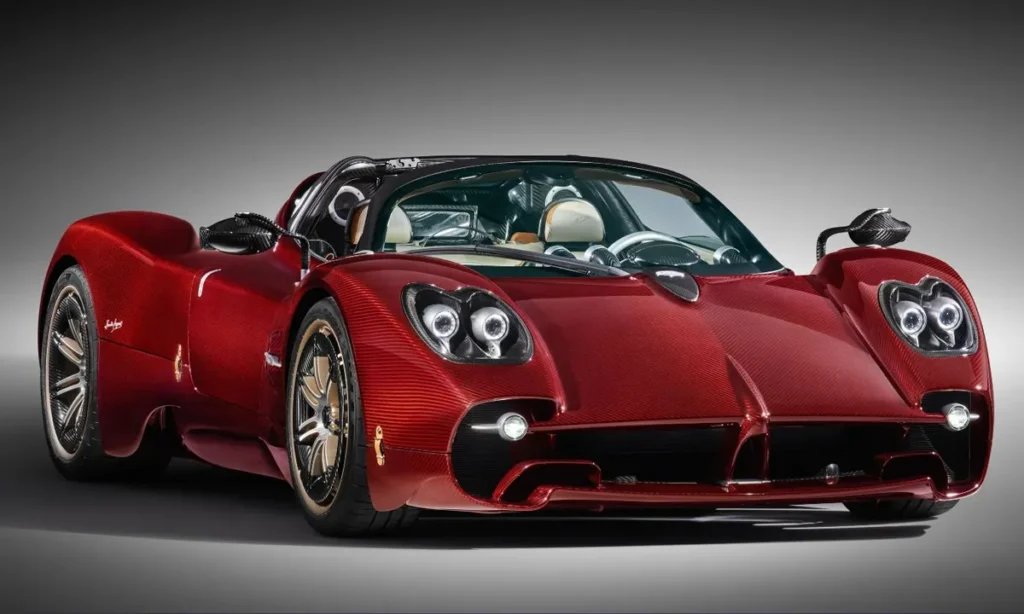
In the hypercar segment, performance is often measured in terms of acceleration, top speed and lap times. While Pagani vehicles are undoubtedly capable in these areas, their engineering is focused on delivering a holistic driving experience.
The emphasis is on feedback, balance and emotional connection. Steering feel, throttle response and chassis dynamics are all tuned to create a sense of involvement that goes beyond raw performance metrics.
Pagani’s approach contrasts with manufacturers that prioritize technological dominance or numerical superiority. Instead, it focuses on creating a vehicle that engages the driver on a deeper level.
Specification Snapshot: Typical Pagani Hypercar
| Category | Details |
| Vehicle Type | Hypercar |
| Engine | 6.0L Twin-Turbo V12 (AMG) |
| Power Output | ~800+ hp (Model Dependent) |
| Chassis | Advanced Carbon Composite |
| Production Volume | Extremely Limited |
| Interior Focus | Handcrafted, Mechanical Precision |
| Key Strength | Art + Engineering Integration |
A Brand That Rejects Industry Norms
One of the most striking aspects of Pagani is its willingness to resist industry trends. While the automotive world moves toward electrification and digitalization, Pagani continues to emphasize mechanical purity and driver engagement.
This does not mean the brand ignores technological advancements. Instead, it adopts new technologies selectively, ensuring that they enhance rather than dilute the driving experience.
For example, Pagani has been cautious in its approach to electrification, focusing on maintaining the emotional characteristics that define its vehicles. This measured approach reflects a commitment to preserving the brand’s identity.
The Emotional Connection That Defines Pagani
Ultimately, what sets Pagani apart is the emotional connection it creates with its audience. These vehicles are not designed solely to impress with their specifications; they are intended to inspire.
From the sound of the engine to the feel of the controls, every aspect of a Pagani is engineered to evoke a response. This emotional dimension is often overlooked in discussions about performance and technology, yet it is central to the brand’s appeal.
Owners and enthusiasts often describe Pagani cars as works of art, and this description is not merely metaphorical. It reflects the depth of thought and craftsmanship that goes into each vehicle.
Conclusion: A Category of Its Own
Pagani is different because it refuses to conform. It does not compete on the same terms as other manufacturers, nor does it attempt to appeal to a broad audience. Instead, it focuses on a specific vision—one that prioritizes artistry, craftsmanship and emotional engagement.
In doing so, it has created a brand that exists in a category of its own. Pagani vehicles are not just hypercars; they are expressions of a philosophy that challenges conventional definitions of what a car can be.
For those who value this perspective, Pagani represents the pinnacle of automotive design and engineering. It is not simply different—it is deliberately, uncompromisingly unique.