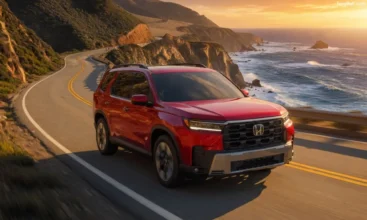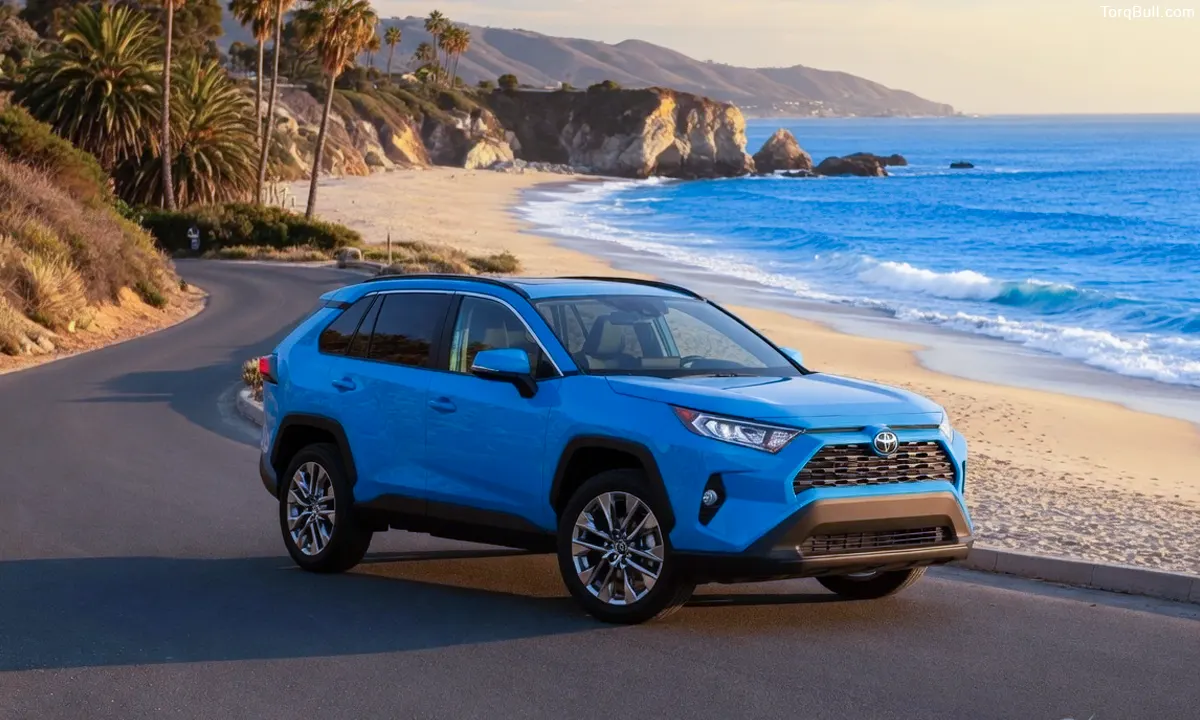
- The 2026 Toyota RAV4 is now hybrid-only, ending the gas-only RAV4 era.
- Buyers can choose between standard hybrid and plug-in hybrid powertrains.
- Toyota’s move reflects growing customer demand for better fuel economy and electrified vehicles.
It Is Gone. Just Like That. The Plain, Gasoline-Only Toyota RAV4 That Millions of Americans Have Bought, Loved, and Quietly Relied Upon for Decades Is No Longer Available as a New Vehicle. Starting With the 2026 Model Year, Every Single RAV4 Rolling Off the Lot Is Either a Standard Hybrid or a Plug-in Hybrid. No Exceptions. And Here Is the Fascinating Part — This Is Not a Story About a Company Being Forced to Change. This Is a Story About a Company Finally Listening to What Its Own Customers Were Already Telling It Loud and Clear
I want to be honest with you. When I first heard Toyota was killing the gas-only RAV4, my gut reaction was skepticism. I have seen too many automakers make electrification announcements that felt more like press release theater than genuine market strategy. But when you look at the actual numbers behind this decision, it stops feeling like a bold gamble and starts feeling like the most logical thing Toyota could have done. Let me explain what happened, why it happened, and what it actually means for you if a RAV4 is on your shopping list right now.
The Number That Made the Decision Easy
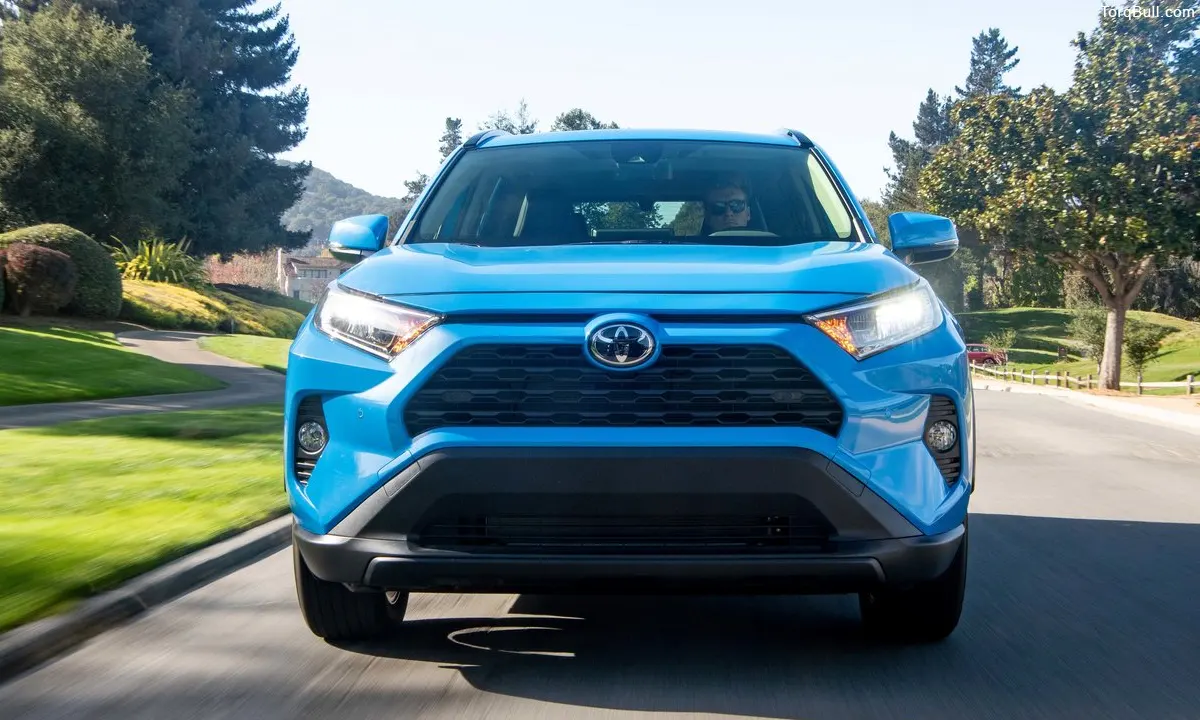
Here is the statistic that truly explains everything. More than half of all RAV4s sold in 2024 were hybrid and plug-in hybrid units. Over fifty percent. Not sixty percent of a niche model. Not a specialist electric vehicle finding its audience. The most popular non-electric SUV in America, the fourth best-selling vehicle overall in the United States, and more than half of the people buying it were already choosing the hybrid version before Toyota even made it mandatory.
Think about what that means from a manufacturing and business perspective. Toyota was spending money designing, engineering, producing, and distributing a powertrain that fewer than half of its buyers actually wanted. Every dollar spent on the gas-only system was a dollar not spent improving the hybrid system that the majority of customers were actively preferring. And that preference was growing stronger every single year.
Toyota did not kill the gas RAV4. The market killed it. Toyota just acknowledged reality.
What You Get Instead, and It Is Better Than You Think
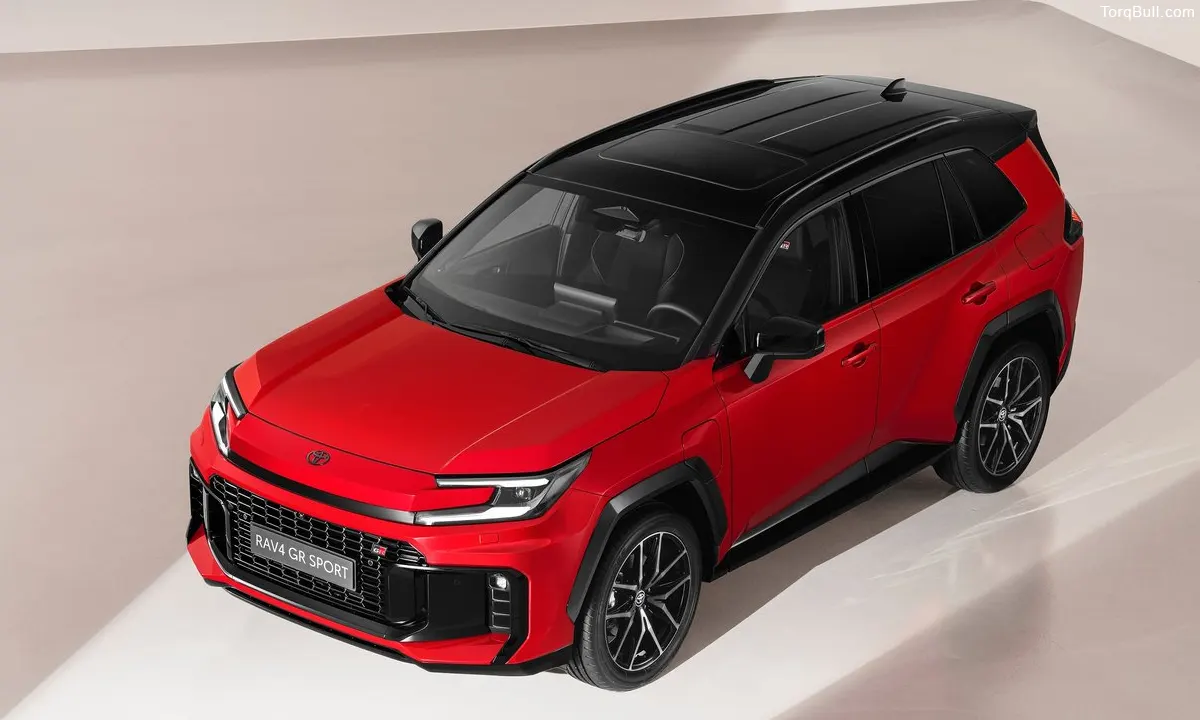
Let me address the thing that worries people most when they hear hybrid-only, because I hear it constantly. The assumption that you are now stuck with something more complicated, more expensive to fix, and more anxiety-inducing than the simple, reliable gas engine you grew up with.
The truth is the opposite of that.
The 2026 RAV4 Hybrid uses Toyota’s fifth-generation hybrid system, built around a 2.5-litre four-cylinder engine paired with electric motors. It produces 226 horsepower in front-wheel drive form and 236 horsepower in the all-wheel-drive configuration. For comparison, the old gas-only RAV4 made approximately 203 horsepower. So the mandatory hybrid upgrade actually gives you more power than the car it replaces, while delivering meaningfully better fuel economy, cleaner emissions, and Toyota’s multiple-decade track record of hybrid reliability that has proven itself in tens of millions of Prius, Camry, and previous RAV4 Hybrid units.
The standard hybrid achieves up to 44 MPG combined. The plug-in hybrid variant adds approximately 50 miles of electric-only range and pushes output to 320 horsepower, up from 302 horsepower in the previous generation PHEV.
This is not a compromise. This is an upgrade dressed up as a policy change.
What Happened to the Last Gas Models
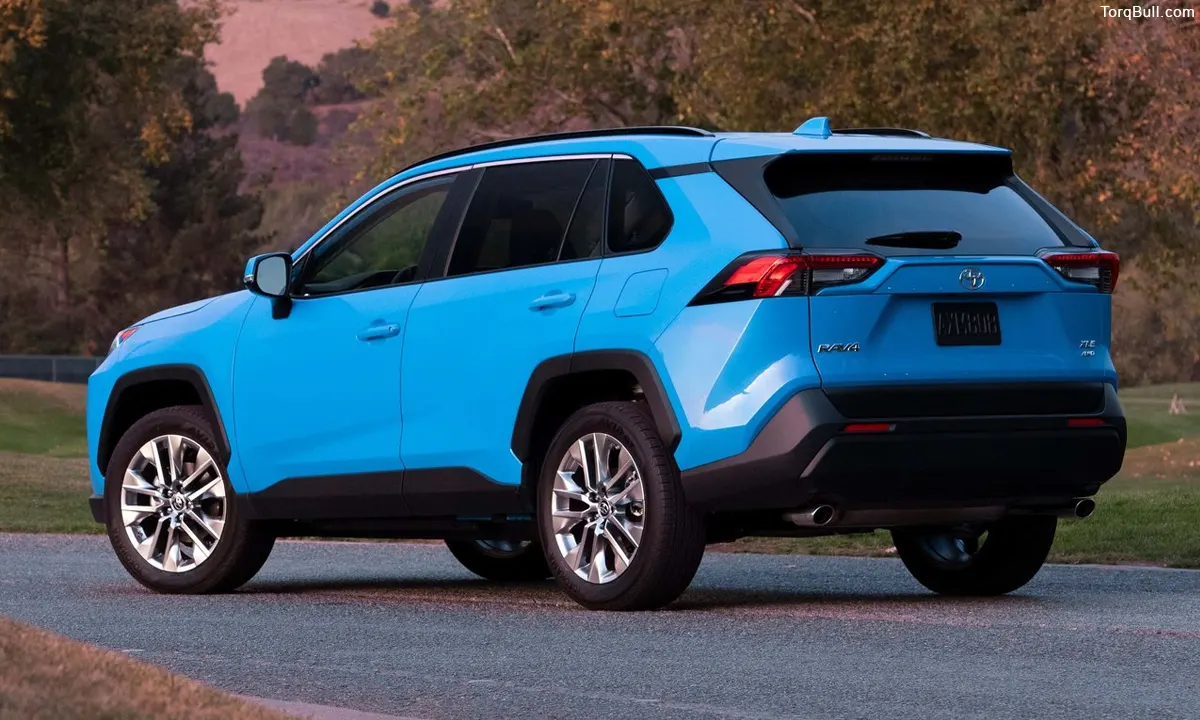
Here is a genuinely fascinating market story that played out in real time as the transition approached.
Americans started snapping up the 2025 RAV4, the final model year with the gas-only option, in a way that almost never happens with outgoing models. Usually the last version of a generation sits on lots with discounts as buyers wait for the new model. This time, the opposite happened. The 2025 RAV4 moved without the heavy discounts that typically accompany end-of-generation clearance events.
The reason is obvious in retrospect. Buyers who specifically wanted a conventional gasoline RAV4 recognized that this was their last chance to get one. Whether for philosophical reasons, budget concerns about the slightly higher starting price of the hybrid lineup, or simple preference for a familiar powertrain they trusted, these buyers moved quickly to secure the 2025 before inventory disappeared.
It is a strange kind of automotive history. A vehicle becoming more desirable specifically because it was about to stop existing.
The Honest Tradeoffs Worth Knowing

I would be doing you a disservice if I told you this transition comes without any real considerations, because it does.
Starting price will inevitably be slightly higher than the old gas-only base model. The hybrid system adds complexity at the manufacturing level, and some of that cost flows through to the sticker. For buyers who were shopping at the very bottom of the RAV4 price range, this is a real difference that should factor into your planning.
The powertrain, in both the hybrid and the previous gas versions, is not known for being a quiet or particularly refined experience under hard acceleration. This has been a consistent criticism across multiple RAV4 generations, and the 2026 model does not appear to have resolved it. The driving experience is described as excellent for daily commuting and deeply practical, but it is not for driving enthusiasts looking for a refined, sporty feel when they push the car.
And for buyers who are simply uncomfortable with any form of electrification, whether due to concerns about long-term reliability, the cost of potential battery replacement decades down the road, or simple unfamiliarity with the technology, the mandatory hybrid system will feel like it was imposed on them rather than chosen. That is a legitimate feeling, even if the data strongly supports the direction Toyota has taken.
Read: Toyota RAV4 Insurance Cost 2026. What to Expect Before You Buy This Compact SUV
2026 Toyota RAV4 Powertrain Comparison Chart
| Specification | Standard Hybrid HEV (FWD) | Standard Hybrid HEV (AWD) | Plug-in Hybrid PHEV |
| Engine | 2.5L 4-cylinder plus electric | 2.5L 4-cylinder plus electric | 2.5L 4-cylinder plus dual electric |
| Combined Horsepower | 226 hp | 236 hp | 320 hp |
| Fuel Economy | Up to 44 MPG combined | Strong hybrid efficiency | Lower combined MPG, higher EV use |
| Electric-Only Range | None | None | Approximately 50 miles |
| Drivetrain Options | FWD (new for 2026) | AWD standard | AWD standard |
| Old Gas Model Horsepower | 203 hp | 203 hp | Not applicable |
| Old Gas Model MPG | Approximately 30 MPG combined | Approximately 28 MPG combined | Not applicable |
| Toyota Safety Sense | 4.0 standard | 4.0 standard | 4.0 standard |
| Starting Price Range | Low $30,000s | Low-to-mid $30,000s | Higher, reflects PHEV content |
| 2024 Hybrid Sales Share | More than 50% of all RAV4s sold |
Why Toyota Made the Right Call
Let me step back and give you my honest, big-picture take on this decision, because it deserves more than just a recitation of specs.
Toyota is not a company known for reckless gambles. They are methodical, data-driven, and conservative in the best possible sense. They spent years watching their hybrid RAV4 outsell the gas version in more markets, then more months watching that trend accelerate in the United States, and then they made the decision that the data had already made for them.
This is how good companies move. Not by leading with ideology and hoping customers follow. By watching carefully what customers are actually choosing, confirming the trend is durable, and then committing fully in the direction the market is already pointing.
The buyers spoke. They chose the hybrid more than half the time, without being told they had to, without any penalty for choosing the gas version, purely because they preferred the efficiency, the technology, and the driving experience it delivered. Toyota listened.
The result is a RAV4 lineup that is more powerful, more efficient, and more capable than the one it replaced. The gas-only RAV4 had a great run. It deserves a proper send-off. But the vehicle that replaced it is genuinely better in the ways that matter most to the people who buy RAV4s, and the numbers make that case compellingly.
What This Means for Your Next Purchase
If you are currently in the market for a compact SUV and the RAV4 was on your shortlist, here is the practical summary you need.
The 2025 gas-only RAV4 is gone from new inventory, essentially sold out through the transition. If you specifically want a traditional gasoline-only RAV4, your option is the used market, which will have 2025 and older models available for some time.
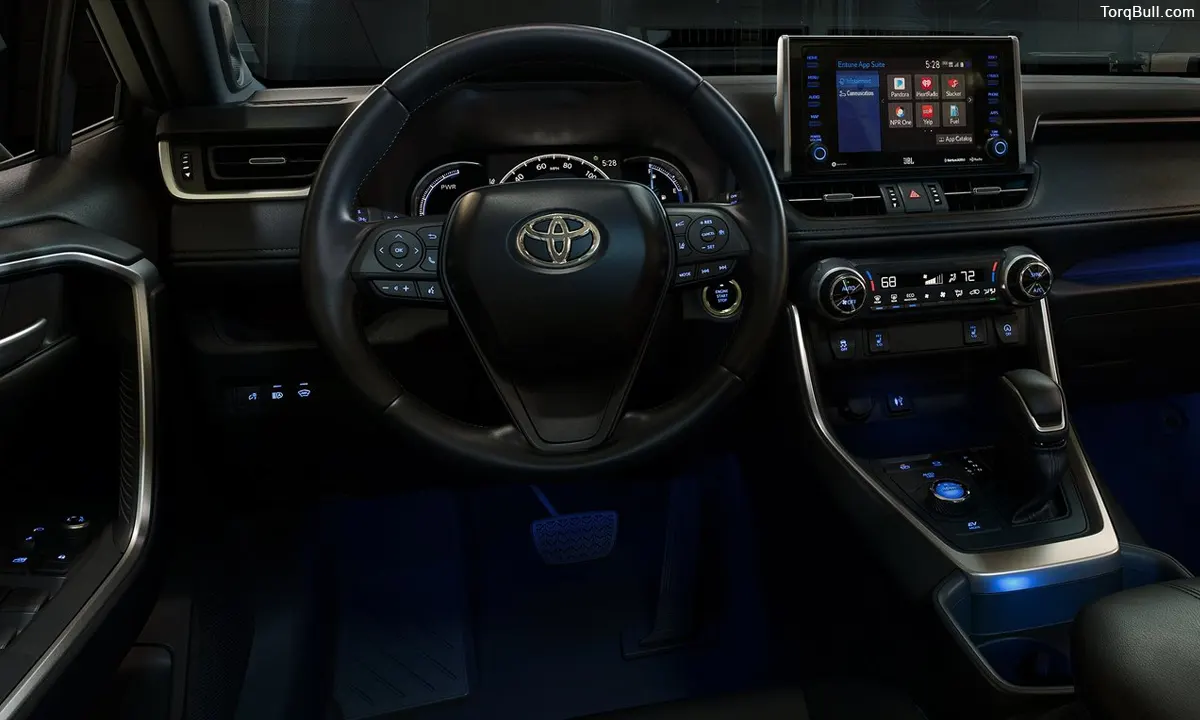
If you are open to, or already preferred, a hybrid, the 2026 lineup is a meaningful step forward in every measurable way. More power. Better fuel economy. Updated technology including a newly upgraded infotainment system that finally replaces an interface that had grown long in the tooth. Toyota Safety Sense 4.0 with next-generation driver assistance features. And the same fundamental RAV4 reliability, practicality, and resale value that made this vehicle America’s favorite in the first place.
The gas RAV4 is gone. The RAV4 itself has never been better.