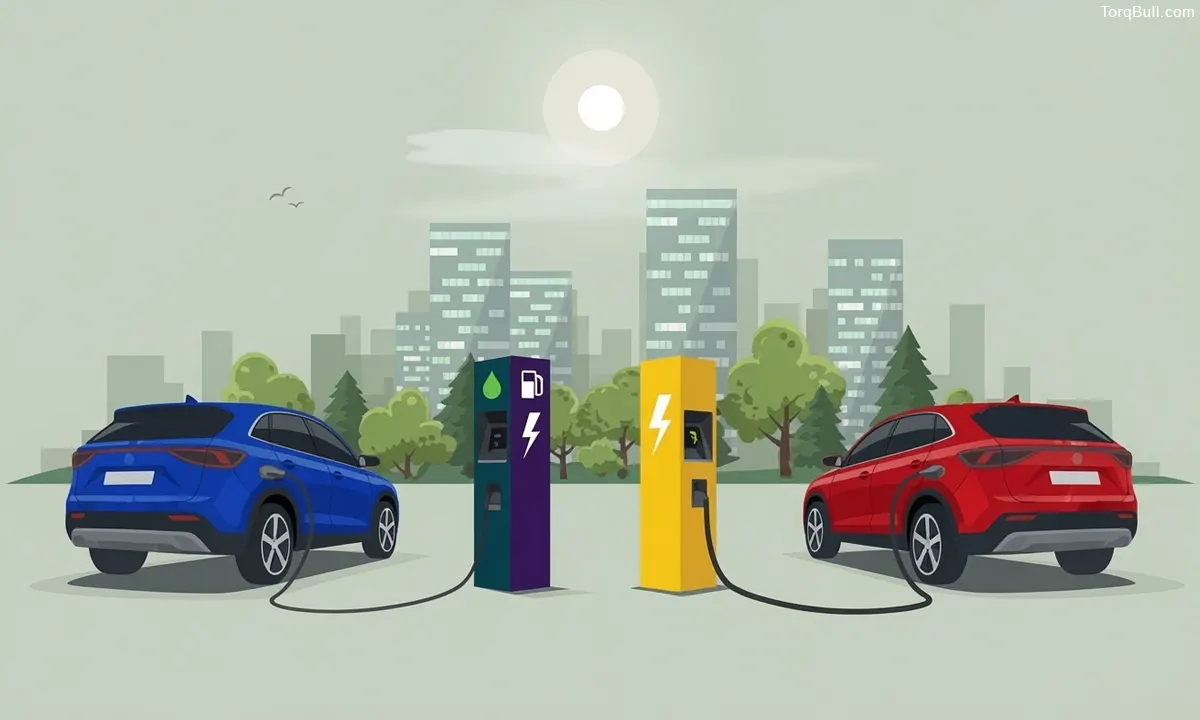
EV vs. Hybrid vs. Gas: For a solid decade, the powertrain wars felt settled. EV were the anointed future, gas was the dinosaur on death row, and hybrids were the awkward middle child nobody talked about at parties. Buy electric, we were told, or be left behind. Simple.
Well, the script just got torched. The federal EV tax credit died in October 2025, gas is hovering above four bucks a gallon, and the American car buyer has quietly staged a rebellion that almost nobody in the industry saw coming. So let’s throw these three contenders in the ring and settle it properly, not with spec-sheet fantasy, but with how they actually live in your driveway. And yes, I’m going to tell you exactly where I land, because I’ve got strong feelings about this one.
The Contenders, Sized Up
Let’s meet the fighters honestly, strengths and warts alike.
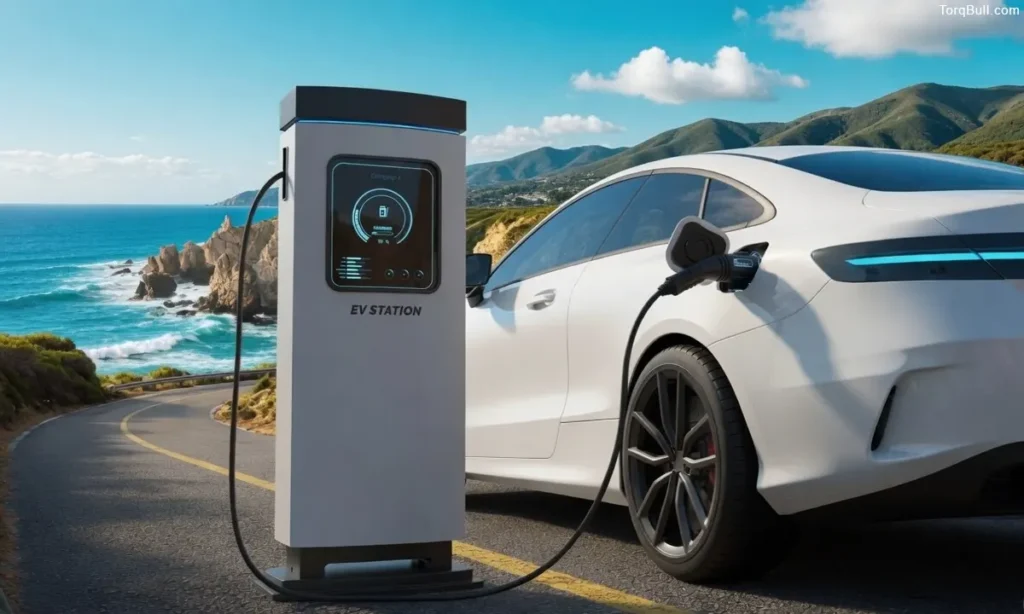
The EV is the knockout artist. Nothing on this list matches the sensation of instant, silent torque, that seamless shove that makes even a boring commuter crossover feel quick. No oil changes, no spark plugs, no exhaust, and if you charge at home, fuel costs that feel almost made up, roughly a nickel a mile against 12 to 15 cents for gas. When it’s good, it’s genuinely intoxicating.
The gas car is the grizzled veteran who refuses to retire. It’s the cheapest to buy, the easiest to live with, and you can refuel it anywhere in five minutes flat, no apps, no planning, no anxiety. It just works, the way cars have worked your whole life.
And the hybrid? The hybrid is the sleeper. It sips fuel like an EV, refuels like a gas car, needs no charger, no lifestyle overhaul, no range math. A RAV4 Hybrid pulling 39 mpg or a Camry Hybrid hitting the low 50s cuts your gas bill dramatically while feeling exactly like the car you already know how to drive. It doesn’t dazzle. It just quietly wins.
The Plot Twist: America Already Voted
Here’s the part that makes this genuinely fascinating in 2026, because the buying public has spoken loudly, and the answer surprised everyone.
After the tax credit vanished, new EV market share cratered. It fell to around 5.3 to 5.9 percent in the first full quarter of 2026, down from a peak above 10 percent in 2025. Nearly cut in half. Meanwhile, hybrids exploded into the fastest-growing segment of the entire U.S. market, climbing to almost 20 percent of new vehicle sales, roughly triple their share of just three years ago. Used hybrid demand jumped nearly 42 percent year over year. People aren’t just buying hybrids, they’re hunting for them.
The automakers noticed too, and the retreat has been dramatic. Ford scrapped its all-electric F-150 plan and poured money into hybrids after its EV division bled billions. GM delayed electric truck expansion and quietly brought back plug-in hybrids it had killed off. Toyota, the company everyone mocked for hedging on EVs, got completely vindicated and is riding its hybrid lineup to banner sales. When this many giant companies pivot at once, that’s not a blip. That’s the market correcting a bad assumption.
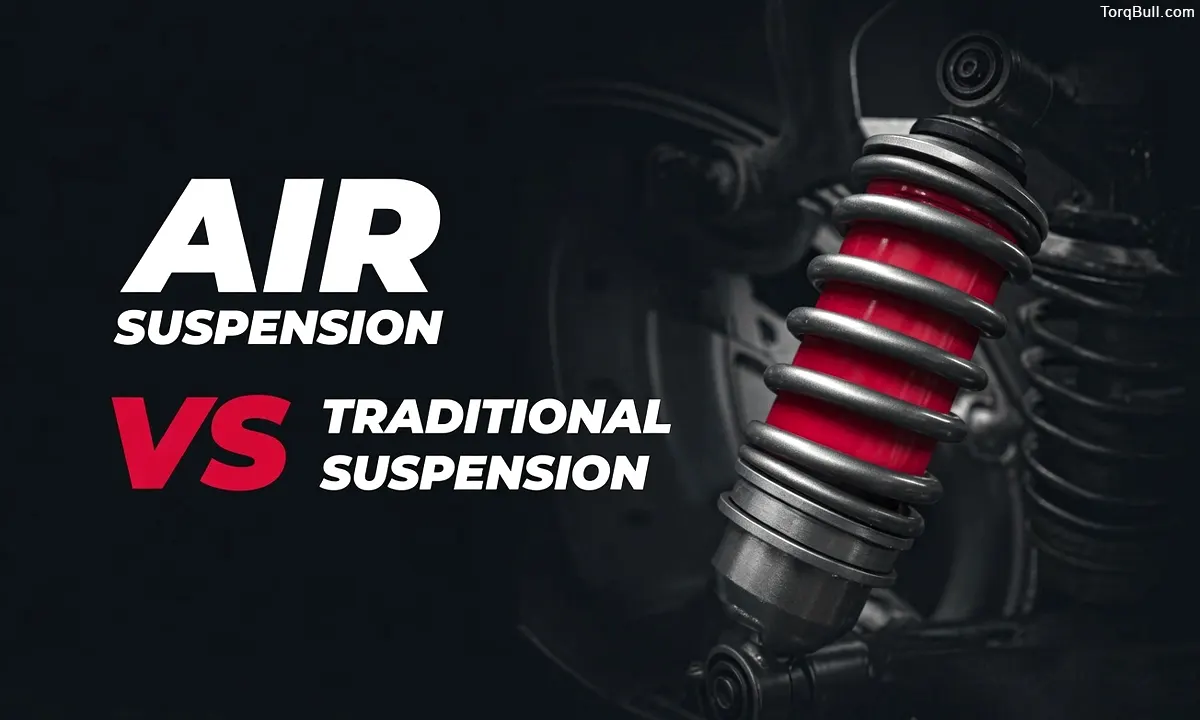
Read: The $4,000 Air Suspension Trap: Why Traditional Springs Win the Long Game
Where Each One Actually Belongs
The truth nobody selling you a car wants to admit is that there is no universal winner. There’s only the right winner for your specific life. Here’s how it really shakes out.
| Gas | Hybrid | EV | |
| Upfront price | Cheapest | Middle (~$47k avg) | Priciest (~$62k avg) |
| Fuel cost | Highest | Low | Lowest (home charging) |
| Refuel/recharge | 5 min, anywhere | 5 min, anywhere | Fast at home, a chore on the road |
| Driving feel | Familiar | Familiar, quieter | Thrilling, silent |
| Depreciation | Slow | Slowest | Fastest |
| Best for | Low-mileage, tight budget | Almost everyone | Home chargers, high mileage |
The EV wins decisively if, and this is a huge if, you can charge at home and you drive real miles, think 12,000-plus a year. Nail those two conditions and the low fuel and maintenance costs, plus that addictive driving experience, make it the best car you can own. Miss either one, and it turns on you fast. No home charger means leaning on public fast chargers at 40 to 55 cents a kilowatt-hour, which can cost as much as gas, gutting the whole value case. A McKinsey study found nearly half of U.S. EV owners are considering switching back, mostly over charging headaches. That stat should stop the “EVs for everyone” crowd cold.
The gas car still wins for the low-mileage buyer, under maybe 8,000 miles a year, or anyone who just needs the cheapest key to hand over at the counter. If you barely drive, the fuel savings never grow big enough to justify paying more upfront. Simple as that.
My Honest Verdict
Alright, here’s where I plant my flag. For the vast majority of American drivers in 2026, the hybrid is the smartest car you can buy, and it’s not particularly close.
I know that’s not the sexy answer. The EV die-hards will groan and the gas loyalists will shrug. But hear me out, because I’ve come around to this genuinely. The hybrid is the only one of these three with no glaring weakness. It slashes your fuel bill without asking you to rewire your garage or reroute your road trips. It holds its value better than anything else on the lot. It costs about $15,000 less on average than a new EV now that the credit is gone. And the first time I drove a Prius and watched myself gliding silently through city traffic on electrons alone, I got it, that quiet little thrill of beating the gas pump without changing a single thing about how I live. That’s the magic. It gives you a real taste of the electric future with none of the compromises that still trip up EVs today.
So do EVs win the ultimate battle? For a specific, lucky buyer with a driveway charger and a long commute, absolutely, and that person should buy one without hesitation and never look back. Does gas win? For the rare low-mileage penny-pincher, sure. But the powertrain that wins the war for the most people, right now, in the messy reality of 2026, is the one everybody spent a decade underestimating. The future isn’t strictly electric, and it isn’t stubbornly gas. For now, it runs on both at once. And that quiet, unglamorous, brilliantly practical hybrid is having the last laugh. My money says it earned it.