Let me paint you a picture. You’re test driving a gorgeous used Range Rover, or maybe a Lincoln Navigator or a Mercedes S-Class, and it floats down the road like it’s hovering an inch above the pavement. Every pothole vanishes. Every expansion joint just disappears. You’re sold. This, you think, is what luxury feels like.
Here’s what the salesman won’t tell you. That magic carpet is riding on borrowed time, and when the bill comes due, it comes due hard. Air suspension is one of the most seductive features in the car world and one of the most brutal long-term traps for your wallet. I love a plush ride as much as anyone, but I’m here to make the unglamorous case for the boring steel spring that’s been quietly winning this fight for a hundred years. Buckle up.
What You’re Actually Paying For
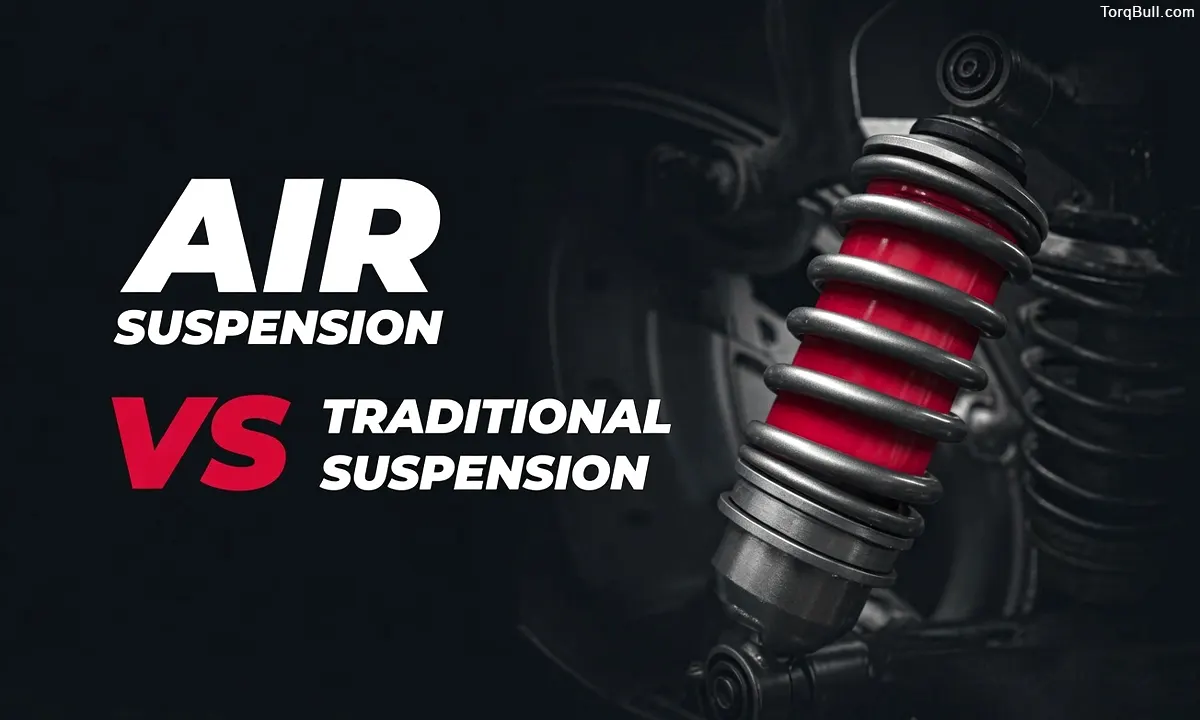
First, let’s give air suspension its due, because it earns that first impression honestly. Instead of a steel coil at each corner, an air setup uses rubber bags, sometimes called air springs or bellows, that inflate with pressurized air to hold your car up. An onboard compressor pumps them up, height sensors watch the ride constantly, and a control module micromanages the whole thing, often adjusting hundreds of times a second.
The payoff is real. The ride is genuinely smoother than steel can manage, because that cushion of air soaks up small impacts a coil transmits straight into your spine. You can raise the car for a rough driveway, drop it at highway speed for better aerodynamics, and it self-levels when you load up the trunk or hitch a trailer. On paper, it’s brilliant. It’s more comfortable, more adjustable, and more clever than a plain spring in every single way.
Except one. The one that matters most over the life of the car.
The Math That Should Scare You
Here’s where the romance ends. Every one of those clever components is a thing that wears out, and they tend to wear out together. The rubber air springs are the usual first to go. They live a hard life, constantly inflating and deflating, baking in engine heat, and getting battered by road grime, and eventually the rubber cracks at the fold points and starts leaking. On many luxury vehicles, a single replacement air spring runs over $1,000 just for the part.
Now here’s the trap. These parts are a matched set, and they age at the same rate. So when one bag fails, the others aren’t far behind. Replace all four air springs and you’re looking at over $4,000 in parts alone, before labor, before anything else breaks. And other things break. When an air spring leaks, the compressor runs overtime trying to keep up, and an overworked compressor burns itself out, another expensive part. Add in height sensors, a valve block, and the control module, and a full four-corner air suspension repair can sail past $5,000. On a Lexus, the factory air struts alone can list around $950 per wheel. That’s not a repair bill. That’s a used-car down payment.
Read: Stopping Wrong? How Your Car’s ABS Secretly Overrides Your Panic
The Boring Hero of the Story
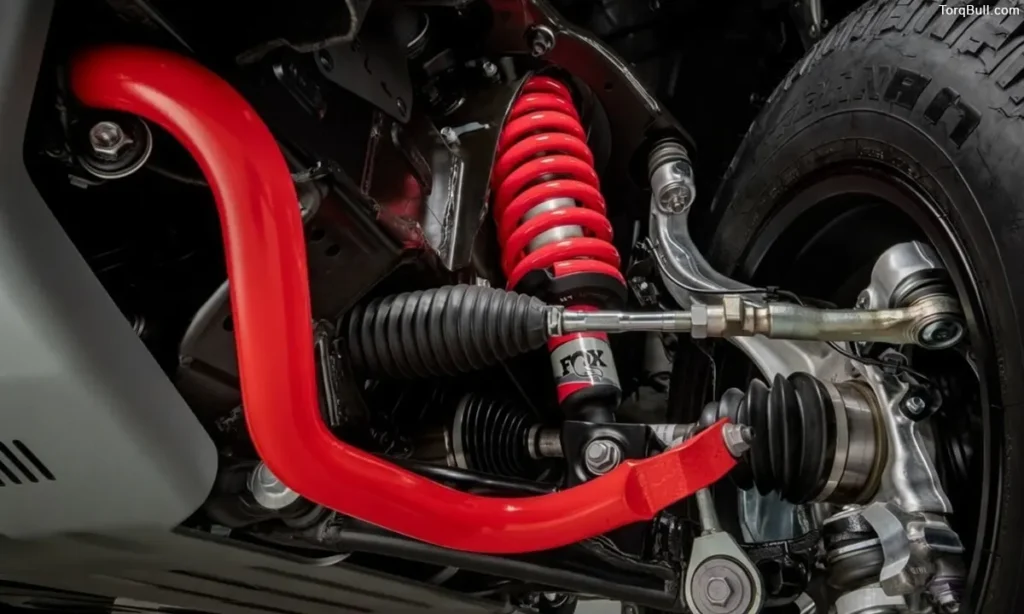
Now meet the coil spring, the humble hunk of coiled steel that has been doing this job faithfully since before your grandparents were born. It is almost aggressively simple. It compresses, it extends, and that’s the entire story. There are no seals to dry out, no compressor to burn up, no sensors to glitch, no module to throw a fault code at two in the morning.
That simplicity is a superpower. With so few ways to fail, a coil spring routinely outlives the car it’s bolted to. It doesn’t care if it’s 20 below zero or 110 in the shade, because unlike air, steel doesn’t change its behavior with the weather. When something in a coil setup does eventually need attention, it’s usually the shock or strut, a well-understood wear item that any competent shop can handle. And here’s the kicker: a full coil conversion kit that replaces all four corners often costs a little more than a single OEM air spring. One part versus four, and the steel wins on price before labor even enters the chat.
When the Trap Springs Shut
Want to know how this plays out in the real world? Go read any owner forum for an aging luxury SUV. The stories are almost comically consistent. The Range Rover that sags into a lean overnight in the garage. The Navigator whose rear end squats like it’s carrying cinderblocks. The dreaded “air suspension inactive” warning that pops up right after the warranty expires. The compressor you can hear grinding away, desperately trying to inflate a bag that will not hold air.
That’s the moment the trap springs shut. You’re now staring down a four-figure repair on a vehicle that may not be worth much more than the repair itself. Which is exactly why a whole cottage industry exists selling coil conversion kits to rip the air system out entirely. Think about that. People are voluntarily removing the fancy feature they paid a premium for, trading a sliver of ride comfort for the simple peace of mind that they’ll never get stranded by a suspension again.
The Honest Trade-Off
I’m not going to pretend coils are perfect, because they’re not. This is the part where I keep myself honest. A steel spring has a fixed rate, so you can’t raise the car for a snowy driveway or lower it for a canyon run. It’ll sag under a heavy load where air would self-level, meaning you might notice your headlights aimed at the treetops with a full trunk. And yes, on a glass-smooth stretch of highway, a top-tier air system delivers a plusher, quieter ride than steel ever will. If you’re buying a brand new flagship, keeping it three years, and handing it off before the warranty lapses, air suspension is a fine indulgence.
But that’s a narrow window. For everybody buying used, keeping a car long-term, or simply refusing to gamble on a five-thousand-dollar surprise, the calculus is lopsided.
The Verdict: Play the Long Game
So which one actually wins? Over a weekend, air suspension wins in a landslide. Over a decade, it’s not even close, and steel takes it walking away. Air suspension is a fantastic experience and a terrible long-term investment, a technology that dazzles you on the test drive and quietly drains you on the back end. The coil spring is the opposite: unsexy, unremarkable, and utterly dependable, the kind of engineering that just works and keeps working long after the warranty paper has yellowed.
Here’s my honest advice. If you’re shopping used and you spot air suspension on the window sticker, don’t let that cloud-like ride seduce you without doing the math first. Price out what a full system replacement costs on that exact model, assume you’ll eventually pay it, and decide if the magic carpet is worth the meter that’s running underneath it. Nine times out of ten, the smart money rides on steel. It’s not the flashy choice. It’s just the one that’s still standing when the checkered flag drops.