Let me guess how you thought about your last car purchase. You looked at the sticker price, maybe negotiated a bit, then focused hard on one number: the monthly payment. Get that payment comfortable, and you are good to go, right?
I hate to be the bearer of bad news, but that payment is just the opening act. The real cost of keeping a car on the road in America is dramatically higher than most people ever budget for, and a huge chunk of it is completely invisible until it is too late.
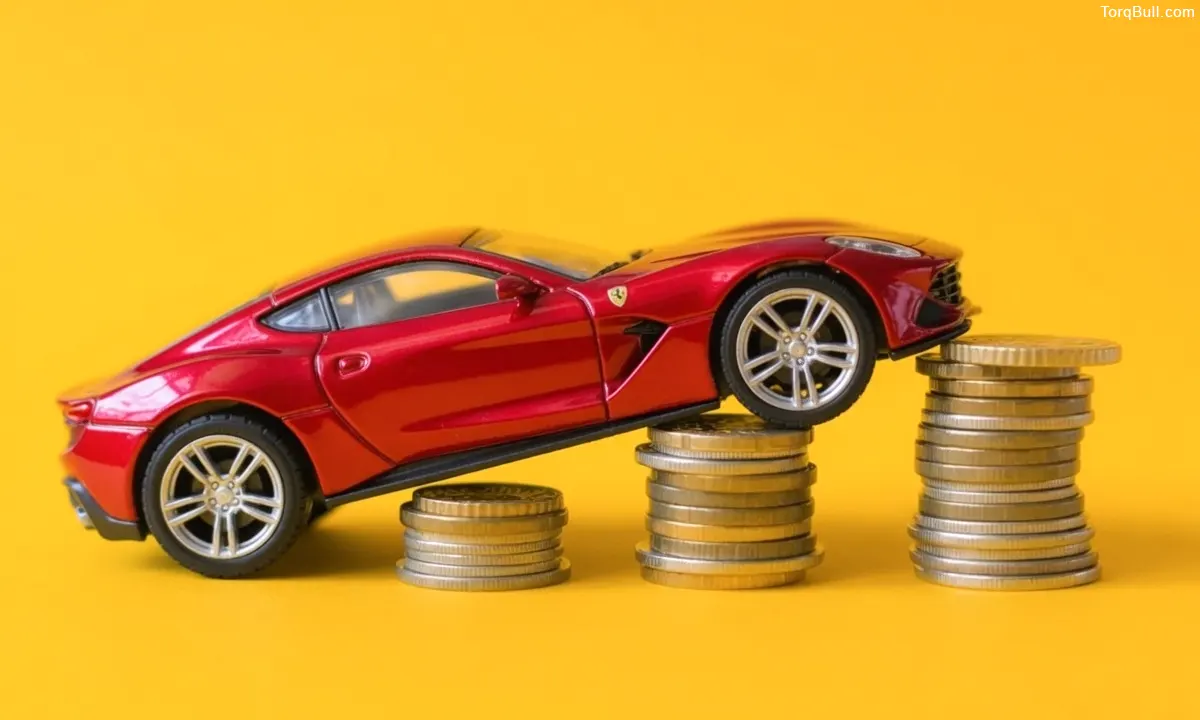
Here is the number that should stop you cold. Car ownership costs have skyrocketed to an average of $12,297 annually in 2026, which is over $1,000 per month beyond many people’s mental math. Even the more conservative gold-standard estimate is brutal: the total cost of owning and operating a new vehicle is $11,577, or about $965 per month. That is what it genuinely costs to keep a typical new car legally rolling. So let me show you exactly where all that money goes, including the sneaky expenses nobody warns you about. A quick note, these are national averages, and your real number depends on your car, your state, and how you drive, so treat this as a map, not a personalized quote.
The Headline Number Is Shocking
Let’s establish the baseline first. The most trusted annual study pegs it clearly. The total cost of owning and operating a new vehicle is $11,577, or $964.78 per month, based on driving 15,000 miles a year over five years. Broader estimates that fold in more expenses push it even higher, to $12,297 annually, or $1,025 per month.
Now compare that to what people actually budget. New car financing averages $748 per month, before adding insurance and other operating costs. See the gap? People plan around that $748 payment and mentally check out, but the true monthly cost is $965 to $1,025. That extra $250 to $400 every single month is the part that quietly wrecks budgets, because almost nobody plans for it.
Where the Money Actually Goes
So what makes up that four-figure monthly reality? Six big buckets, and the largest one will surprise you because you never write a check for it.
The undisputed king is depreciation, the silent wealth killer. Depreciation, the difference between a car’s purchase price and its resale value, is the most significant cost of vehicle ownership, with vehicles losing an average of $4,334 in value per year. That is your single biggest automotive expense, and it never appears on a bill. New cars typically lose 15 to 20 percent of their value in the first year and about 60 percent within the first five years. Every day your car sits in the driveway, it is quietly costing you money you will only feel when you sell.
After that come the expenses you actually pay directly. Finance charges average $1,131 per year in interest on a typical loan. Fuel runs about 13 cents per mile, or roughly $1,950 annually for 15,000 miles. Insurance is a major yearly hit that varies wildly by driver and state. Maintenance, repairs, and tires typically run several thousand dollars over a five-year period. And licensing, registration, and taxes average $813 annually just to keep the car legal.
Read: EV vs Hybrid Cost of Ownership in the USA: The 2026 Math Has Flipped
How It All Breaks Down
Here is the full picture for a typical new vehicle, based on the leading annual study.
| Expense Category | Annual Cost | Monthly Cost |
| Depreciation | $4,334 | $361 |
| Fuel | ~$1,950 | ~$163 |
| Insurance | Varies (major) | Varies |
| Finance charges | $1,131 | $94 |
| Maintenance/repair/tires | Several thousand over 5 yrs | Varies |
| License/registration/taxes | $813 | $68 |
| Total | ~$11,577 | ~$965 |
Look at that depreciation line. At $361 a month, it dwarfs your loan interest, your registration, and often your fuel. It is the expense people understand the least and pay the most for.
The Age Trap: You Can’t Escape It
Here is a trap a lot of people fall into. They think, fine, I will just keep my car forever and dodge those costs. Smart instinct, but the costs do not disappear. They shift shape.
When a car is new, depreciation dominates but repairs are basically zero. As it ages, depreciation slows down, but repairs come roaring in to take its place. The escalation is steep. Annual maintenance and repair runs about $341 for a car 0 to 3 years old, climbs to $785 at 4 to 5 years, and hits $1,285 by 6 to 7 years, with costs typically doubling after 100,000 miles and major repairs becoming common after 8 to 10 years. And older cars break more. Cars 10 years or older are twice as likely to break down.
So there is no free ride. A new car bleeds value through depreciation. An old car bleeds cash through repairs. The trick is finding the sweet spot, usually a lightly used car kept for many years, where you dodge the worst of the depreciation cliff without hitting the expensive-repair years too hard.
The Repair Cost Crisis Nobody Saw Coming
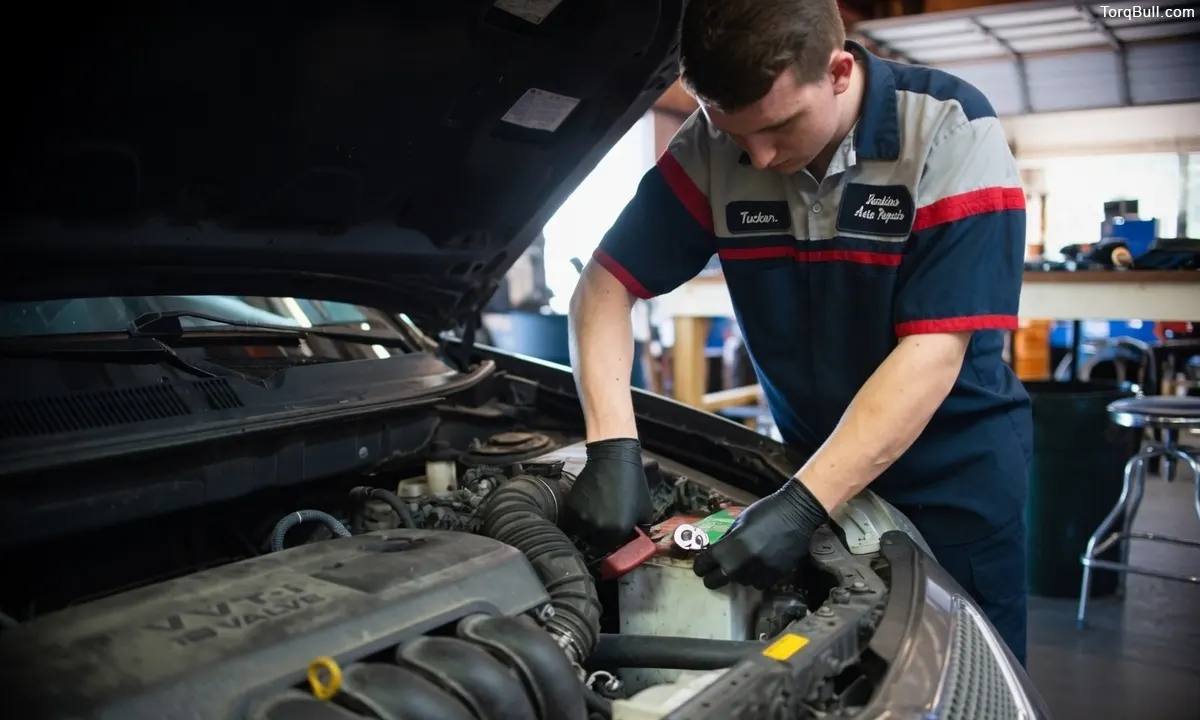
I need to flag something that has made the “old car” strategy riskier than it used to be: repair costs have exploded. Repair costs have increased 45 percent since 2020, driven by advanced technology, part complexity, and labor. A headlight assembly now costs $1,500 or more versus $50 in 2000, and average shop labor rates hit $150 per hour in 2026. Even a humble alternator now runs $757 to $1,032, roughly double what it cost a decade ago.
Why? A brutal technician shortage is part of it. The industry needs to replace about 76,000 technicians annually, but only 39,000 step in to fill the openings, which pushes labor rates ever higher. And the big-ticket failures are genuinely scary. The average engine replacement costs roughly $7,600, and a new transmission runs $3,500 to $5,000. One major failure on an out-of-warranty car can blow a year’s budget in a single afternoon.
The Blind Spots That Wreck Budgets
Let me name the three costs people consistently underestimate, because forewarned is forearmed. First is that depreciation blind spot. Because you never pay it directly, it feels free, but it is your biggest expense, and it is why buying a brand-new car and selling it in three years is one of the most expensive things you can do.
Second is the unbudgeted major repair. Even if you have carefully planned for normal ownership costs, something as significant as replacing an engine can significantly impact your finances. Most people have no repair fund, so a $4,000 transmission becomes credit card debt. Third is volatility. Ownership costs grew about 9 percent in the year ending May 2026, largely on higher gas prices, a reminder that fuel and insurance can jump without warning and blow past your budget.
How to Actually Cut the Real Cost
The good news is you have real control over a lot of this. The single biggest lever is beating depreciation: buy a car that is two to three years old, let the first owner eat the steepest value drop, then keep it for many years to spread that cost thin. Choosing a reliable, cheap-to-maintain brand pays off enormously as the car ages, sparing you the worst repair bills.
Beyond that, the standard playbook works. Shop your insurance every year, because loyalty is expensive and rates vary hugely between carriers. Use independent shops for out-of-warranty work, since they can save 30 to 40 percent on labor versus dealers. Never skip routine maintenance like oil changes and timing belts, because a $100 service prevents a $4,000 failure. Drive a bit less if you can, since fewer miles means slower depreciation and less fuel. And keep a repair fund, budgeting $100 to $200 a month for any vehicle over 60,000 miles so a big failure is an annoyance, not a catastrophe.
Finally, use a simple guardrail before you buy. A common rule is to keep total car expenses under 10 percent of your gross income, or your take-home vehicle spending under 15 to 20 percent. If a car blows past that, it is too expensive no matter how nice the payment looks.
Verdict: Budget the Real Number, Not the Payment
So what does it really cost to keep a car on the road in America? Roughly $1,000 a month for a typical new vehicle, and the single biggest piece of that, depreciation, is one you never actually see billed. That is the core truth every driver needs to internalize: the monthly payment is not the cost of the car. It is a fraction of it.
The honest breakdown is humbling. Depreciation quietly drains over $4,300 a year. Fuel, insurance, financing, maintenance, and registration pile on thousands more. And the moment your warranty expires, a repair-cost environment that has jumped 45 percent since 2020 stands ready to hand you a four-figure surprise. Whether you buy new and eat depreciation or keep an old car and eat repairs, there is no version of car ownership that is as cheap as the monthly payment makes it look.
But knowledge is power here. Once you see the full picture, you can attack it: buy slightly used to dodge the depreciation cliff, pick a reliable brand, keep the car a long time, shop your insurance relentlessly, maintain it religiously, and stash a repair fund so the big bills do not become debt. Do those things and you can genuinely shave thousands off that annual figure.
The real cost of keeping a car on the road is a lot bigger than the sticker or the payment ever suggested. But now you know where every dollar goes, and that means you can finally budget for the true number instead of getting blindsided by it. Plan for the $1,000 a month, not the $748 payment, and you will never be caught off guard again. That is how you stay in the driver’s seat, financially and literally.