Gas prices climb, you start shopping electrified, and you hit a fork in the road. Do you get a regular hybrid, the kind that never needs plugging in, or a plug-in hybrid that can drive on pure electricity for 20 to 50 miles before the gas engine even wakes up? The plug-in sounds like the obvious money-saver. More electric driving, less gas, bigger savings. Case closed.
Except it is not that simple, and the honest answer flips a lot of assumptions. Independent testing has found that it’s unlikely a plug-in hybrid will save most drivers money during the first few years of ownership, if ever. Read that again, because it is the whole ballgame. The car that uses more electricity often costs you more overall.
So let me break down which one actually saves you more money, the traditional hybrid or the plug-in, because the winner depends entirely on one thing you can control. Quick note, these are averages and estimates that vary by model, geography, and habits, and this is general guidance, not personalized financial advice, so run your own numbers.
First, How They Actually Differ
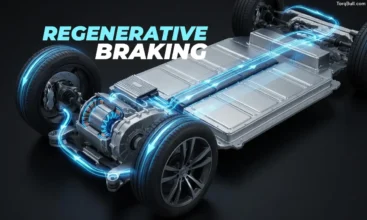
Let’s get the mechanics straight, because the difference drives everything. A traditional hybrid pairs a gas engine with an electric motor and a small battery that charges itself through the engine and regenerative braking. You never plug it in. It just sips less fuel, especially in the city, and you drive it like any gas car.
A plug-in hybrid takes that same idea and adds a much bigger battery you charge from the wall, giving you an electric-only range usually between 20 and 40 miles, with some newer models like the RAV4 plug-in stretching past 50. Drive within that range and plug in nightly, and you can run mostly on cheap electricity. But here’s the critical part: when the electricity runs out, it operates just like a regular hybrid. If you never plug it in, it is simply a heavier, pricier hybrid. Hold that thought.
The One Number That Decides It: The Premium
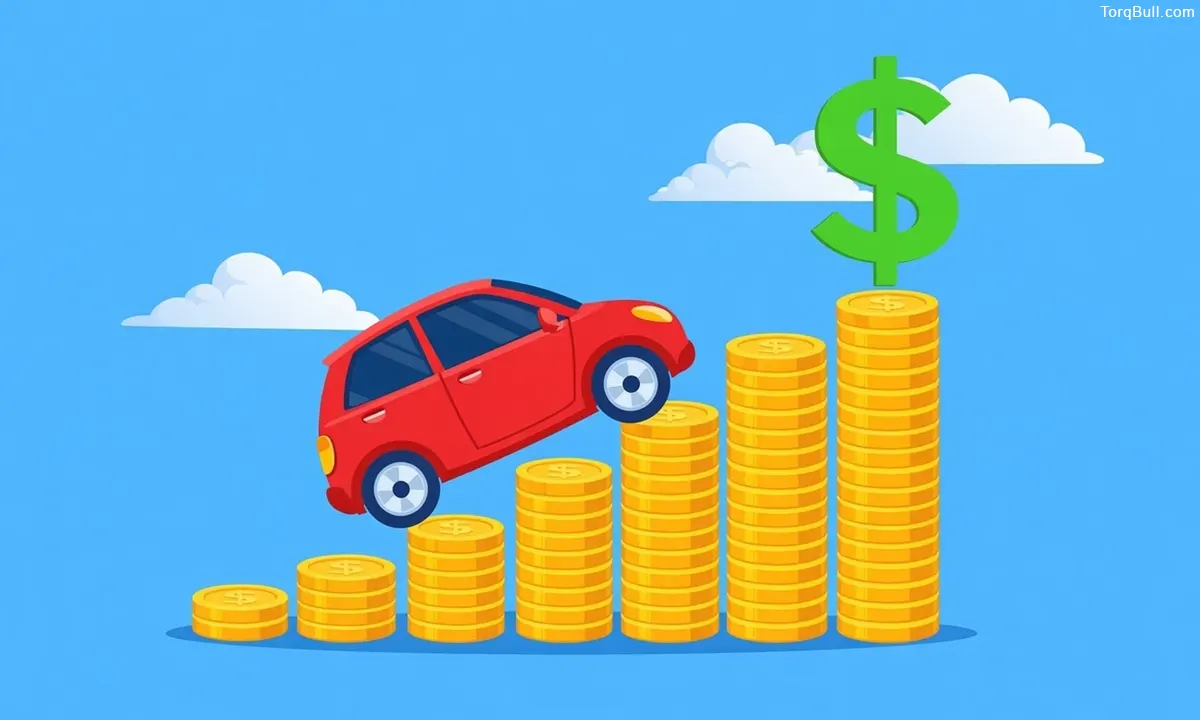
Here is where the plug-in’s savings story runs into a wall, and that wall is the sticker price. Plug-in hybrids cost a lot more up front, and that premium is brutal to recoup.
Take a real example. A Hyundai Tucson plug-in hybrid costs $8,525 more to purchase than a comparable gas-only Tucson. The RAV4 tells the same story, where the plug-in commands roughly $8,000 to $10,000 more than the standard hybrid, and by some dealer math the gap runs as high as $16,000. That is a mountain of money to claw back at the pump.
And clawing it back takes ages. For that Tucson plug-in, if you live in Florida it will take 12 years to pay off the price difference through fuel savings. If you live in Massachusetts, where electricity is expensive, it takes over four decades. Forty years. You will have sold the car, and possibly retired, before it breaks even. That is the core reason the plug-in so often loses the money race.
The Plot Twist: A Plug-In You Don’t Plug In Is Worse
Here is the detail that really reframes this comparison, and it is genuinely surprising. If you buy a plug-in but don’t reliably plug it in, you end up worse off than if you’d bought the regular hybrid, on every measure.
Why? The plug-in hauls around a big, heavy battery, and that mass hurts efficiency when it’s running on gas. Look at the RAV4: the standard hybrid achieves up to 44 mpg combined, while the plug-in manages 41 mpg when using gas. So the cheaper hybrid actually gets better fuel economy in gas mode than the pricier plug-in. Add in the plug-in’s reduced cargo space from the battery and its higher complexity, and an unplugged plug-in is the worst of both worlds: you paid thousands extra for a heavier, thirstier, less practical hybrid. The regular hybrid quietly wins that matchup every time.
When the Plug-In Actually Wins
Now let me be fair, because the plug-in genuinely can save more money, for the right driver. The magic phrase is: the more you plug in, the more you save. Plug in religiously and it changes the math.
The ideal plug-in candidate looks like this. You have home charging. You have a short, predictable daily commute that fits inside the electric range, so you eliminate gasoline for a big chunk of your driving. And you live somewhere with pricey gas and cheap electricity. In that sweet spot, a plug-in shines. If you live somewhere with high gas prices and relatively low electricity costs, like Washington state, a plug-in pays off its premium in the least amount of time. For a commuter charging nightly and doing most trips on electric power, the running costs can drop dramatically while you keep gas backup for road trips, erasing range anxiety entirely.
There’s a bonus, too: plug-ins are genuinely nicer to drive. Testing consistently shows a plug-in version of any model is quicker and quieter than both the gas-only and regular hybrid versions. So the right buyer gets savings and a better drive.
Read: AWD vs. RWD: The Ultimate Performance Track Battle
How They Stack Up
Here’s the head-to-head for the money-focused shopper.
| Factor | Traditional Hybrid | Plug-In Hybrid |
| Upfront price | Lower | $8,000 to $16,000 more |
| Needs charging? | No | Yes, to realize savings |
| Electric-only range | None | 20 to 50 miles |
| Gas-mode MPG | Often higher | Often lower (heavier) |
| Reliability | Fewest problems | More problems on average |
| Cargo space | More | Reduced by battery |
| Payback period | Fast | Often 12 to 40+ years |
| Best driver | Almost everyone | Home charger + short commute |
The Reliability Wrinkle Nobody Mentions
Here’s a factor that quietly tilts things toward the regular hybrid. Ownership surveys show that plug-in hybrids and full EVs together have about 80 percent more problems on average than gas-only cars, while traditional hybrids have about 15 percent fewer problems than gas cars. Let that sink in. The traditional hybrid is the single most reliable of the three powertrains, while the plug-in’s added complexity brings more headaches. Fewer repairs mean more money stays in your pocket, another point for the humble hybrid.
The 2026 Gut Punch for Plug-Ins
The timing has made this worse for plug-ins specifically. The federal tax credit that used to offset the plug-in premium, worth up to $7,500, ended, so plug-ins now cost more up front than they did a year ago. Gas prices have risen, but electricity prices have climbed too, muddying the savings. The one silver lining: some manufacturers are offering significant discounts on plug-ins to move them, which can tilt the balance back in the plug-in’s favor. So if you are eyeing a plug-in, hunt hard for a discount, because that dealer incentive might be the only thing that makes the numbers work now that the credit is gone.
The Simple Test That Settles It
Forget the spreadsheets for a second and ask yourself one honest question: will you actually plug it in, every single night? Because that single behavior determines the entire outcome.
If the answer is a confident yes, and your commute fits the electric range, and you have home charging, then a plug-in can genuinely save you more while driving nicer. If there is any hesitation, if you rent, if your parking has no outlet, if your schedule is unpredictable, or if you take frequent long trips, then the regular hybrid will save you more money with zero effort and zero range anxiety. The plug-in only pays off for the disciplined, well-situated charger. For everyone else, it is an expensive hybrid you forgot to plug in.
Verdict: For Most People, the Regular Hybrid Wins
So which one actually saves you more money, hybrid or plug-in? For the vast majority of American drivers, the honest answer is the traditional hybrid, and it is not particularly close.
The regular hybrid delivers excellent, real-world fuel savings without any charging, infrastructure, or new habits, costs thousands less up front, is the most reliable of the three powertrains, keeps more cargo space, and often matches or beats the plug-in’s gas-mode fuel economy. It quietly captures 80 to 90 percent of the savings with none of the plug-in’s premium, complexity, or homework. For most buyers who want to cut fuel costs without lifestyle changes, it is simply the smarter money, and the tale of the Tucson makes the point perfectly: the regular hybrid version saves money over both the gas-only and the plug-in versions.
But the plug-in absolutely can win, for the right driver. If you have home charging, a short predictable commute that fits inside the electric range, you plug in religiously every night, and you live where gas is expensive and electricity is cheap, a plug-in can slash your running costs to almost nothing while giving you a quicker, quieter drive and gas backup for road trips. For that specific person, especially if they snag a manufacturer discount to offset the now-creditless premium, the plug-in genuinely saves more. Here is how to decide in one move. Be brutally honest about whether you will plug in nightly and whether your daily drive fits the electric range. Yes to both, with home charging and the right energy prices? Buy the plug-in and enjoy the savings and the smoother drive. Any doubt at all? Buy the regular hybrid, pocket the lower price, skip the charging chore, and enjoy savings you don’t have to work for. Run your own numbers with your local gas and electricity rates, and the answer for your driveway will be obvious. In 2026, for most people, the car that never needs a plug is quietly the one that saves the most.