Few cars have a more loyal, more low key devoted following than the Lexus ES. It is the quiet luxury sedan your favorite uncle swears by, the one that just works, year after year, wrapped in a hush and a buttery V6 that asks nothing of you but to relax. For decades, that creamy 3.5 liter six was a core part of the appeal. Smooth, reliable, effortless.
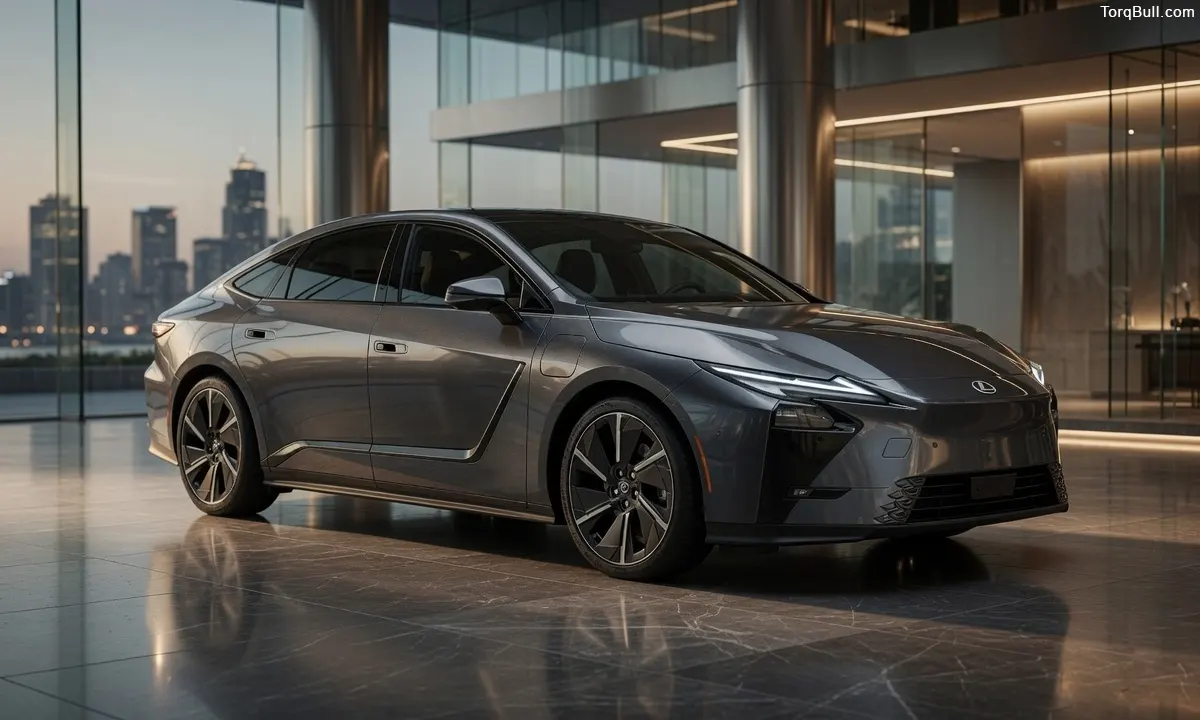
Well, pour one out, because it is gone. The completely redesigned 2026 ES has done something it has never done in its entire existence. For the first time in ES history, the ES launches exclusively with electrified powertrains, offering both hybrid and fully electric variants, marking the most dramatic transformation in the model’s 35 year history.
The reaction from the faithful has been swift and salty. No more V6. No more pure gas option. The comment sections are full of betrayal, and one early reaction summed up the mood bluntly. There isn’t one thing I like about this all new vehicle. Change for the sake of change. I get the fury, I really do. But after digging into what Lexus actually built, I think the anger, while understandable, is mostly aimed at the wrong target. Let me explain both sides.
Why Fans Are Genuinely Furious
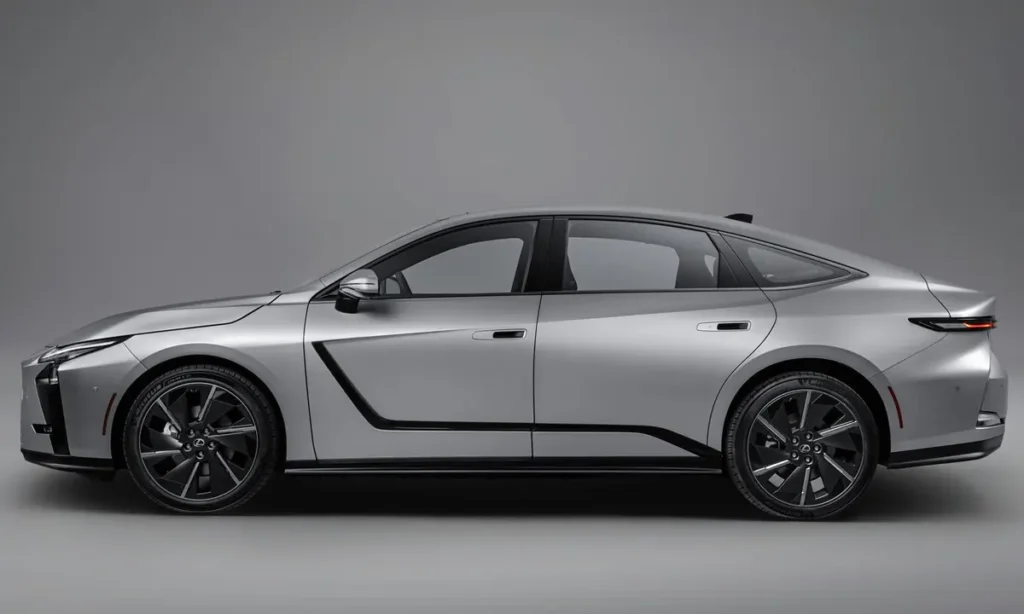
Let’s give the angry crowd their due, because their grievances are real. The old ES 350 had a genuinely lovely engine. The 2025 Lexus ES 350 offered a powerful 3.5 liter V6 producing 302 horsepower paired with an 8 speed automatic, achieving 0 to 60 in approximately 6.6 seconds. Smooth, strong, and effortlessly quick.
Now look at what replaces it as the base car. The 2026 Lexus ES 350h is the new hybrid version with a 2.5 liter hybrid system putting out a total of 243 horsepower. That is nearly 60 horsepower less than the old V6, and on paper it is noticeably slower. The hybrid is supposed to accelerate to 62 mph in 7.8 seconds with all wheel drive and 8.0 seconds with front wheel drive, a major downgrade from the V6 equipped models.
So the complaint, at its core, is simple. The beloved V6 is gone, and the standard replacement is a less powerful, slower four cylinder hybrid. For buyers who loved that smooth, torquey six, that stings. Add a polarizing new look clearly aimed at the Chinese market and a cabin that ditches buttons for touch panels, and you have a recipe for revolt.
And the Touchscreen Thing Doesn’t Help
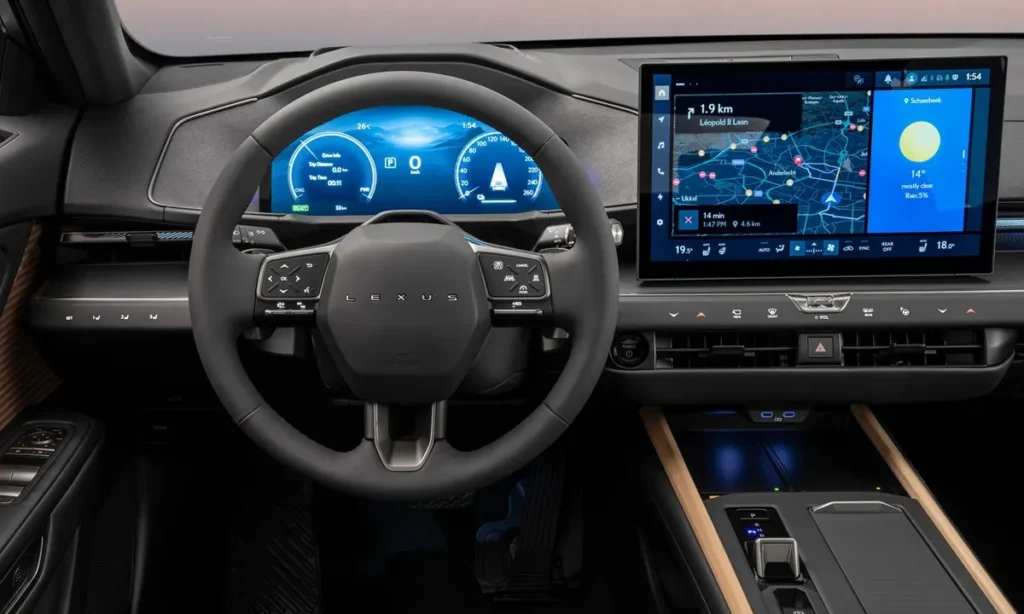
While we are airing grievances, here is another one fueling the fire. Lexus joined the everything is a screen movement. A 14 inch touchscreen replaces the old model’s 12.3 inch unit, and most physical buttons have been eliminated in favor of capacitive touch controls.
For a brand whose entire identity is fuss free, intuitive comfort, burying functions in touch panels feels like a betrayal of its own philosophy. The ES faithful tend to be people who value simplicity, and this is the opposite of that. Another log on the fire.
But Here’s Why the Fury Is Misplaced
Now let me make the case the angry mob does not want to hear. Of every single model in the Lexus lineup, the ES is the absolute best one to lose its V6, because the ES was never about the engine in the first place.
Think about what the ES actually is. The ES leans into comfort and quiet in much the same way a Rolls Royce does, and the name has no sporting pretense to have its reputation ruined by an electric powertrain. This was never a back road carver or a corner shredder. It was always a front wheel drive, comfort first cruiser, essentially a Toyota Avalon in a tailored suit. Its identity is serenity, reliability, and value, not horsepower or engine character.
That is exactly why dropping the V6 here makes sense in a way it never would elsewhere. Can you imagine if the Lexus IS 500 F Sport went from its sonorous naturally aspirated V8 to a silent EV? Lexus fans would riot in the streets. But the ES is the perfect model to take this leap, with no sporting pretense, becoming the Prius of the Lexus lineup, a forward thinking technological showcase. The ES losing its V6 is not the same as a performance car losing its soul. It is a comfort sedan swapping one smooth, quiet powertrain for an even smoother, quieter one.
The New Car Is Actually Better in Most Ways
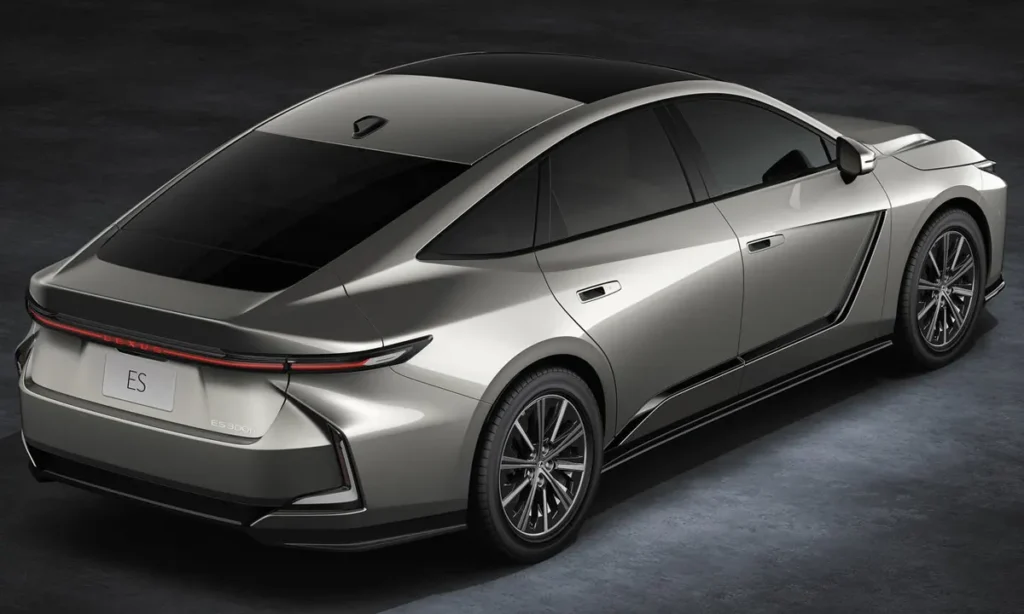
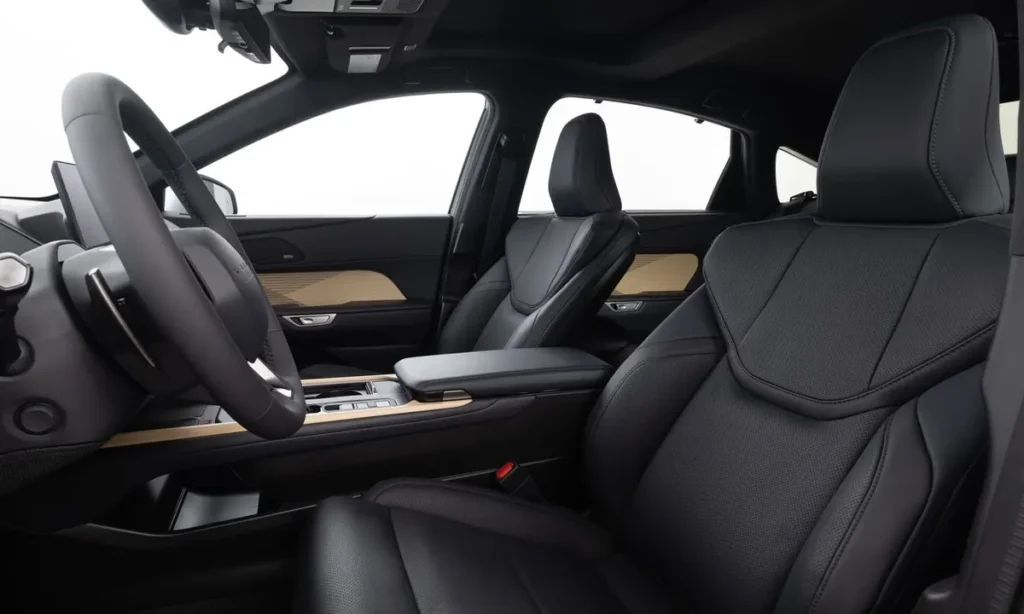
Here is the part the outrage overlooks entirely. This redesign is a genuine leap forward for what the ES is supposed to be. It is bigger and more spacious. It grows over six inches longer than the outgoing model with a 3 inch longer wheelbase, making the cabin significantly more spacious. The platform is stiffer and better sorted too. Toyota redesigned the platform, reinforcing the structure to increase rigidity, which sharpens steering response and smooths out acceleration transitions, making the sedan feel sportier than its dimensions suggest.
And here is the kicker that should silence the speed complaint. If you actually want a quicker ES, it now exists, you just have to plug it in. The ES 500e comes with dual motors and standard DIRECT4 all wheel drive, and it’s the quickest ES model with an estimated 0 to 60 time of 5.4 seconds. That is well over a second quicker than the old V6. The fastest ES ever made is in this new lineup. The faithful mourning lost performance are mourning something the top trim actually improved.
Read: I Drove the BMW M4 Competition. My License Is in Danger
How It Stacks Up
Here is the old V6 against the new electrified lineup.
| Model | Powertrain | Power | 0 to 60 | Notable |
| 2025 ES 350 (old) | 3.5L V6 | 302 hp | 6.6 sec | The one fans miss |
| 2026 ES 350h | 2.5L hybrid | 243 hp | Around 7.8 sec | New base, efficient |
| 2026 ES 350e | Single-motor EV | TBA | TBA | Up to 300 mi range |
| 2026 ES 500e | Dual-motor EV | TBA | 5.4 sec | Quickest ES ever |
Notice the spread. You lose the V6, yes, but you gain a frugal hybrid, a 300 mile EV, and an EV that is quicker than the engine everyone is mourning. That is more choice, not less, and crucially, Lexus kept the hybrid as the accessible base rather than forcing everyone into a full EV.
Let Me Be Fair to the Mourners
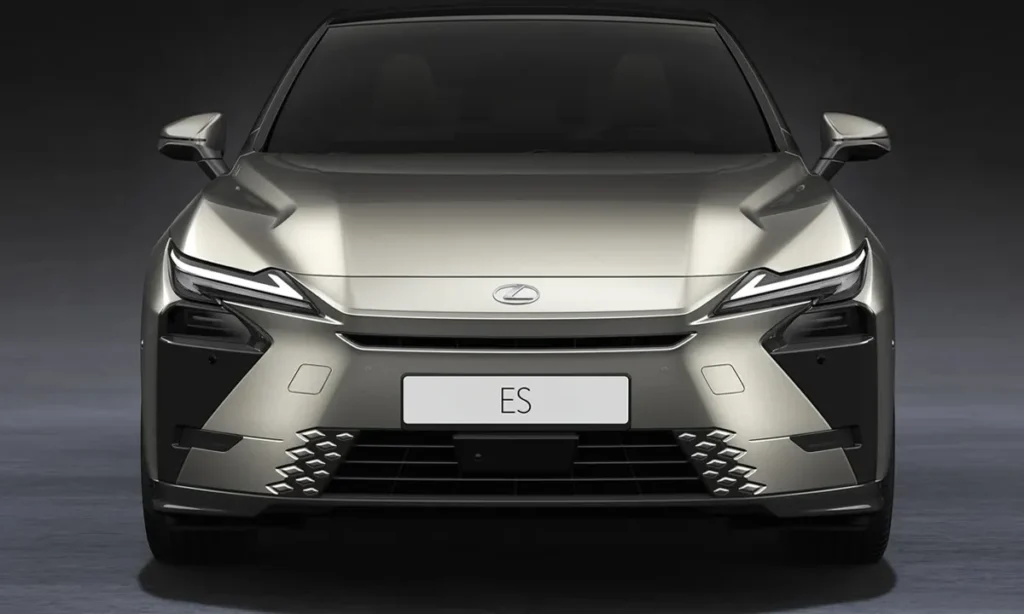
I am not going to pretend the loss is meaningless, because it is not. A smooth naturally aspirated V6 has a character, an effortless surge of torque and a refinement, that a 243 horsepower hybrid four simply cannot fully replicate. If you genuinely loved how that engine felt, no hybrid will perfectly scratch that itch, and that emotional loss is valid. The slower base acceleration is real. The all touch controls are a legitimate annoyance. And the styling is divisive enough that plenty of longtime buyers simply do not like the new look.
These are not nothing. For a specific kind of ES buyer, the one who valued that exact V6 experience, the 2026 car is a step away from what they loved. They are allowed to be sad about it.
Here is my read, though. That buyer is a smaller group than the furious comment sections suggest. The typical ES owner wants quiet, comfortable, reliable luxury, and the new hybrid and EV models deliver that arguably better than the V6 ever did, with more space and better efficiency. The fury is really about the principle, another V6 disappearing in a world going electric, more than it is about this specific car failing at its specific job.
Verdict: Understandable Anger, Misplaced Target
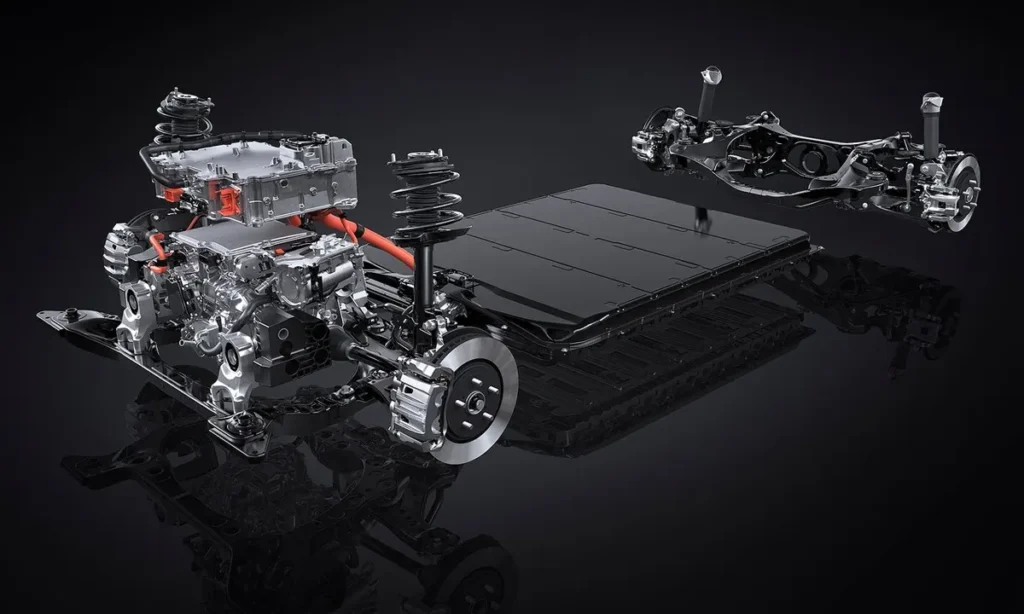
So where do I land on the great ES V6 funeral? I am sympathetic to the mourners and convinced Lexus made the right call.
The anger is human. Watching a smooth, beloved, bulletproof V6 get retired hurts, especially when the headline replacement is slower on paper. If you are grieving that engine, I will not tell you your feelings are wrong. But I will gently point out that you are grieving the loss of a great engine in the one car least defined by its engine. The ES was always a comfort machine first, and the 2026 model is more comfortable, more spacious, more efficient, better built, and, in EV form, genuinely quicker than the V6 it replaced.
My advice is simple. For most buyers, the ES 350h hybrid will deliver exactly the serene, frugal luxury the ES has always promised, just quieter and more efficient than before. If you want real speed and the EV leap, the 500e is the most exciting ES ever made. And if you truly cannot live without that V6, the leftover 2025 models are still out there, so go grab one and cherish it.
The 2026 Lexus ES dropped its V6, and the fans are furious. I understand completely. But the ES was never the car that needed a V6 to be great, and this new one proves it. The outrage is loud, the loss is real, and the new car is still better at being a Lexus ES than the old one ever was. Sometimes both of those things are true at once. Go drive the hybrid before you join the mob. I think the anger will quiet down the moment the doors close and the silence wraps around you. That, after all, was always the whole point of an ES.