Best Alternatives To The Ducati Scrambler 800 You Should Consider
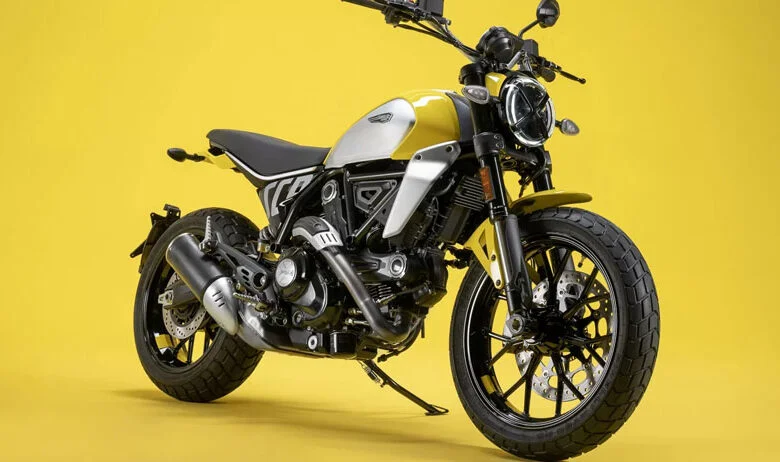
- Retro-modern scrambler styling across multiple segments
- Single-cylinder vs parallel-twin: choice based on riding character
- Focus on alternatives to Ducati Scrambler experience
- Options offering better value without Ducati price premium
- Avoids high maintenance of Ducati desmodromic system
The Ducati Scrambler 800 occupies a specific and well-defined position in the modern motorcycle market — a retro-modern scrambler whose combination of accessible Ducati ownership, distinctive Italian design identity and the L-twin engine’s specific character has made it one of the most commercially successful motorcycle launches of the past decade. Its appeal is genuine and its execution is accomplished. It is also a motorcycle whose price positioning, service requirements and specific performance character create a buyer profile that is narrower than the scrambler category’s total market demand — leaving a substantial population of buyers whose scrambler aspiration the Ducati satisfies emotionally but whose practical ownership requirements, budget constraints or riding priority differences mean that an alternative serves their specific needs with greater completeness.
The scrambler and retro roadster category has expanded dramatically since the Ducati Scrambler’s 2015 introduction — with every major manufacturer recognising the segment’s commercial potential and investing in products whose design quality, engineering substance and value proposition create genuine competition for the Ducati across a range of price points, displacement options and character emphases that the original had no competition to address. These are the best alternatives — honest assessments of the motorcycles that serve specific buyer profiles better than the Ducati Scrambler 800 does.
1. Royal Enfield Interceptor 650: The Value Champion
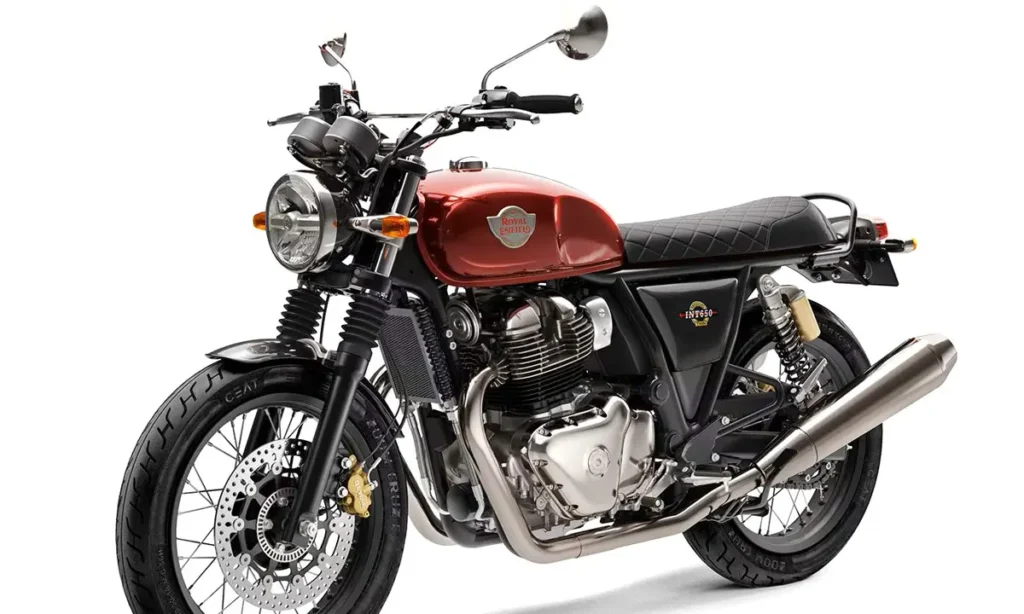
The Royal Enfield Interceptor 650’s parallel twin engine — producing 47 horsepower from 648cc in a motorcycle whose complete specification, including the comfortable upright riding position, twin exhausts and classic styling that the scrambler aesthetic’s buyers seek, is available at a purchase price approximately half the Ducati Scrambler 800’s — represents the most direct and most financially compelling alternative for buyers whose scrambler aspiration includes the retro character and engaging riding experience that the segment promises but whose budget reality makes the Ducati’s pricing a significant consideration.
The 648cc parallel twin’s character — whose low-to-mid-range torque delivery, smooth parallel twin firing order and the specific mechanical sound that Royal Enfield’s engine tuning produces — provides a riding experience whose engagement quality exceeds what the displacement comparison with the Ducati’s 803cc L-twin suggests. The Interceptor’s torque peak of 52 Newton-metres at 5,250 rpm reflects the parallel twin’s broader torque curve that the Ducati’s L-twin — with its more peaky, high-revving character — does not replicate at the partial throttle positions that everyday riding predominantly involves.
The ownership cost argument in favour of the Interceptor 650 is the most compelling in the segment — with annual maintenance costs that reflect the engine’s mechanical accessibility, the service interval generosity and the parts pricing whose volume production economics produce figures that the Ducati’s specialist service requirements cannot approach. For buyers whose five-year total ownership cost calculation includes service costs alongside purchase price, the Interceptor 650’s financial case becomes overwhelming.
2. Triumph Scrambler 400 X: British Premium at Accessible Pricing
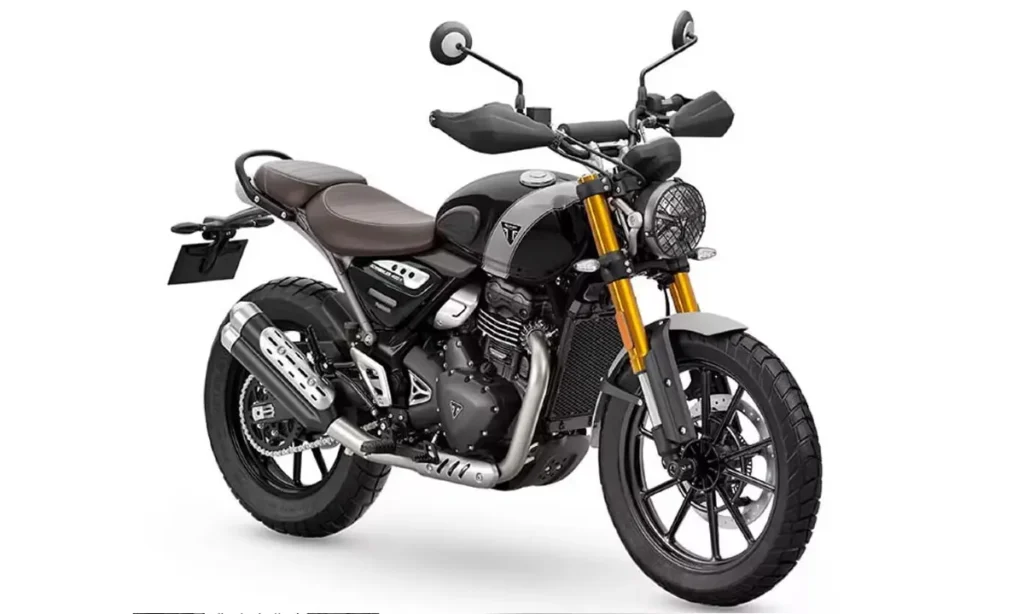
The Triumph Scrambler 400 X — developed on the Triumph Speed 400’s platform and sharing the 398cc single-cylinder engine whose 39.5 horsepower and genuinely capable off-road specification reflect Triumph’s most significant affordable motorcycle investment in recent years — provides the premium scrambler experience at a price point that positions it between the Royal Enfield alternatives and the Ducati’s premium tier.
The Scrambler 400 X’s specification depth — including Showa USD front forks, Showa rear monoshock with preload adjustment, Brembo front brake caliper and the high-mounted exhaust whose dual scrambler design references the Scrambler 1200’s visual language — reflects an engineering investment whose component quality the price point does not typically accommodate and whose presence in the 400 X reflects Triumph’s strategic decision to establish the platform with specification that creates genuine competitive differentiation rather than cost-cutting compromises.
The single-cylinder engine’s character — whose torque delivery in the 3,000 to 6,000 rpm range reflects tuning that prioritises the urban and trail riding that the 400 X’s target buyer conducts rather than the peak power output that the specification comparison with larger displacement alternatives naturally gravitates toward — provides an engaging, characterful riding experience that the segment’s experienced buyers whose skill has moved beyond the need for maximum power appreciate as the most directly rewarding scrambler engine character available at the price point.
3. Honda CB500X: The Practical Adventure Alternative
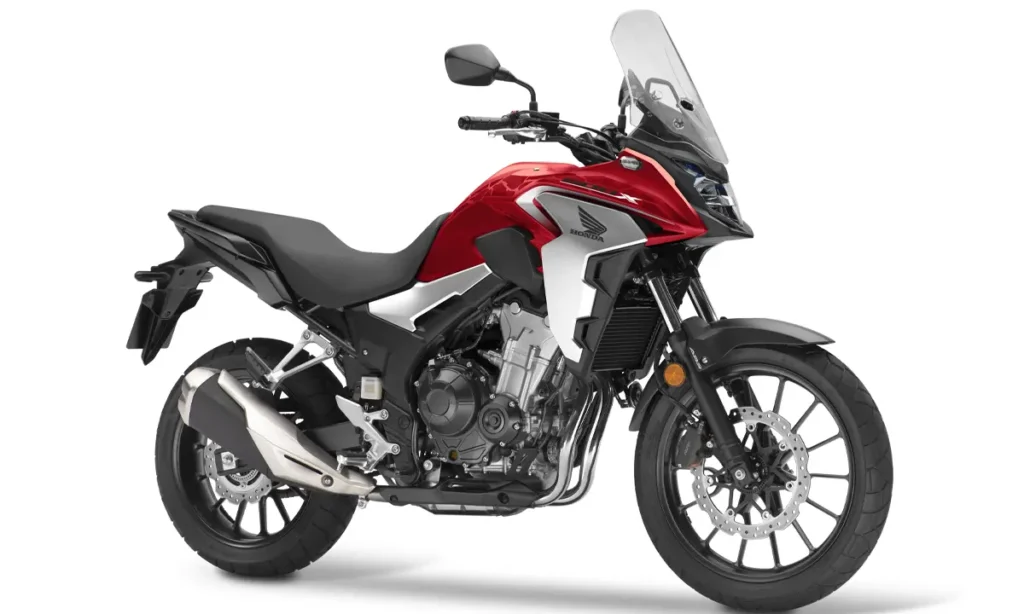
The Honda CB500X’s 471cc parallel twin — producing 46 horsepower in a motorcycle whose adventure-oriented specification, including a 19-inch front wheel, long-travel suspension and windscreen, provides the practical capability that the scrambler aesthetic’s buyers occasionally require alongside the visual character they primarily seek — represents the pragmatic alternative for the buyer whose scrambler purchase is motivated as much by the practical capability that the category’s adventure-oriented specification provides as by the aesthetic identity that the retro styling communicates.
The CB500X’s adventure specification — whose 19-inch front wheel provides genuine trail capability that the Ducati Scrambler’s 18-inch alternative approaches but does not match, whose 145-millimetre front suspension travel provides the obstacle clearance confidence that light off-road use demands and whose screen provides the wind protection that longer journeys require — makes it the most practically capable alternative on this list for buyers whose usage genuinely includes the adventure riding that the scrambler category’s imagery implies.
Honda’s reliability reputation — whose documentation across the CB500 platform’s production history provides the ownership confidence that the Ducati’s more specialist engineering cannot match in long-term fault frequency data — provides the additional argument that the pragmatic buyer’s total ownership assessment weights alongside the initial riding experience comparison.
4. Kawasaki Z650RS: Neo-Retro Parallel Twin With Modern Performance
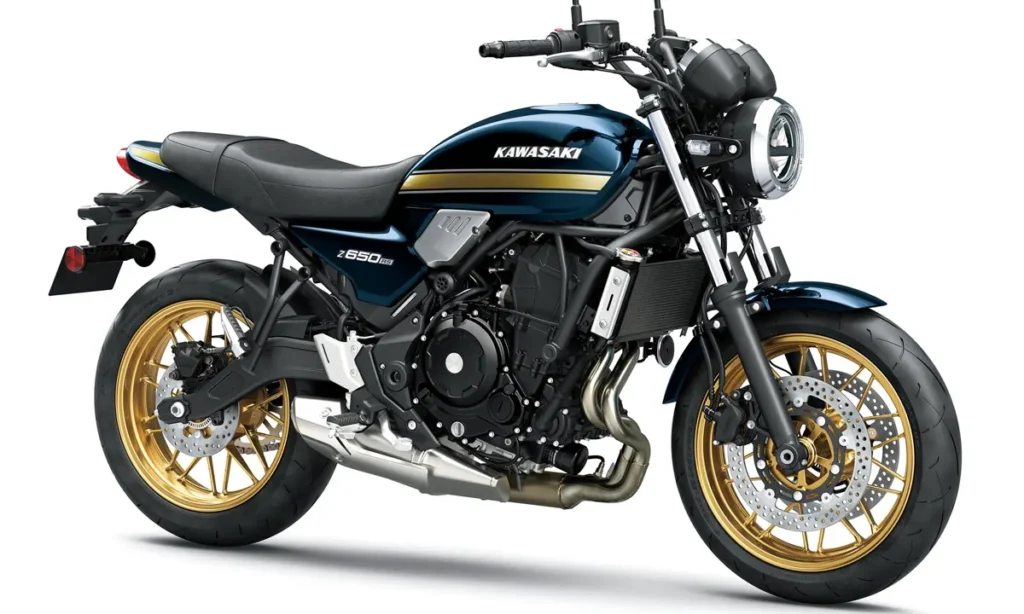
The Kawasaki Z650RS — whose retro-inspired design references the 1970s Z650 while delivering the 68-horsepower parallel twin’s modern performance and the electronics package that contemporary rider expectation considers standard — provides the performance alternative for buyers whose scrambler consideration includes the riding engagement at higher performance levels that the Ducati Scrambler 800’s character delivers and that the lower-displacement alternatives’ more modest outputs cannot replicate.
The Z650RS’s 68-horsepower parallel twin — whose output provides genuine performance capability that the 400cc and below alternatives’ more modest figures cannot match — delivers the riding engagement that the Ducati buyer whose choice is partly motivated by performance will find more directly competitive with the Ducati’s own character than the smaller displacement options whose accessible nature is their primary appeal. The Z650RS’s modern chassis, electronics package and performance character combine with the retro styling that the RS designation’s visual treatment provides to create the most directly performance-competitive Ducati Scrambler alternative on this list.
5. Moto Guzzi V7 Stone: Italian Character Without the Ducati Premium
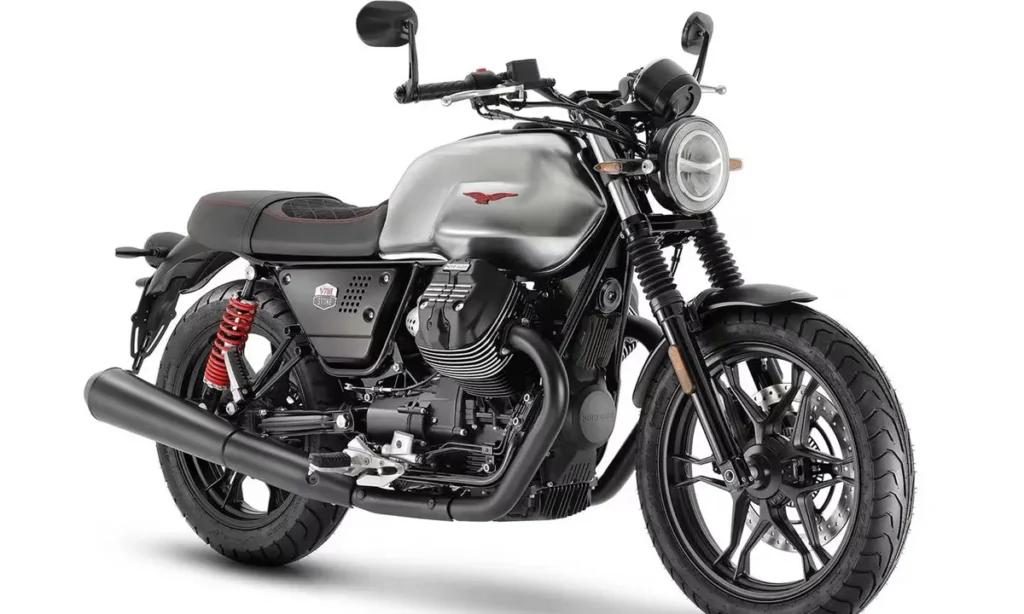
The Moto Guzzi V7 Stone provides the Italian motorcycle character — the specific quality of Italian engineering philosophy, design identity and the mechanical character that the transverse V-twin’s shaft drive and specific torque delivery creates — that the Ducati buyer whose motivation includes Italian provenance alongside riding engagement can access at a price point below the Ducati while retaining the national origin dimension that distinguishes both brands from the Japanese and British alternatives.
The V7 Stone’s 850cc transverse V-twin — producing 65 horsepower and 73 Newton-metres whose shaft drive transmission eliminates the chain maintenance that the Ducati and every other chain-drive alternative requires — provides the ownership convenience argument that long-distance touring riders weight heavily and the specific mechanical character that the shaft drive’s torque reaction, the V-twin’s firing rhythm and the Guzzi’s distinctive handling balance collectively produce as the most distinctive riding character in the scrambler-adjacent category.
Read: Respect the Machine! Kawasaki’s 5 Fastest Motorcycles Only Experts Should Ride
Ducati Scrambler 800 vs Best Alternatives — 2026 Comparison
| Model | Engine | Power | Price (Approx.) | Annual Service Cost | Best For |
| Ducati Scrambler 800 | 803cc L-Twin | 73 hp | ~£9,500 | £800–£1,200 | Italian character / Style |
| Royal Enfield Interceptor 650 | 648cc Parallel Twin | 47 hp | ~£5,200 | £200–£400 | Best value / Daily riding |
| Triumph Scrambler 400 X | 398cc Single | 39.5 hp | ~£5,500 | £300–£500 | Premium spec at mid price |
| Honda CB500X | 471cc Parallel Twin | 46 hp | ~£6,500 | £300–£500 | Practical adventure use |
| Kawasaki Z650RS | 649cc Parallel Twin | 68 hp | ~£7,500 | £400–£600 | Performance alternative |
| Moto Guzzi V7 Stone | 850cc Transverse V-Twin | 65 hp | ~£8,500 | £500–£800 | Italian alternative / Shaft drive |
One Comment