Five Reasons the Lexus GX Beats the Toyota Land Cruiser
Premium Interior Refinement That the Land Cruiser's Utilitarian Heritage Cannot Match, a More Accessible Purchase Price That Delivers Greater Value Per Dollar in Daily Driving Conditions, Superior Dealer Support and Ownership Costs, a More Sophisticated On-Road Character and the Compelling Argument That for the Majority of American Buyers Who Will Never See a Serious Off-Road Trail, the GX Delivers Everything the Land Cruiser Promises at a Price That Makes More Financial Sense
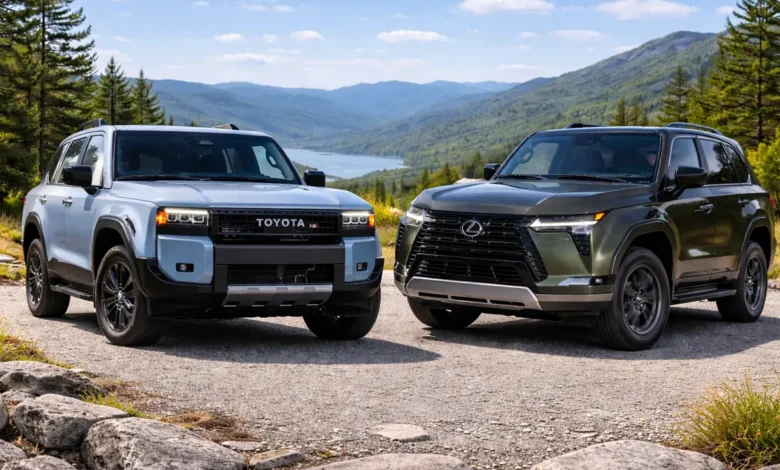
The Toyota Land Cruiser carries one of the most powerful reputations in the global automotive industry — a nameplate built across seven decades of documented reliability in conditions whose severity has ranged from Antarctic scientific expeditions to sub-Saharan overland crossings to the kind of genuine wilderness access that no other production SUV has matched with equivalent consistency across its production history. When the Land Cruiser returned to the American market for the 2024 model year after a three-year absence, it returned to considerable enthusiasm from a buyer community whose loyalty to the nameplate had survived the discontinuation gap intact.
But enthusiasm for a nameplate and optimal value delivery for a specific buyer’s specific circumstances are different things — and for a substantial majority of the American buyers who would place both the Lexus GX and the Toyota Land Cruiser on their luxury SUV shortlists, the honest comparative analysis produces a conclusion that the Land Cruiser’s powerful reputation tends to obscure. The Lexus GX — whose current generation represents the most comprehensive development of the GX formula since the nameplate’s introduction — beats the Land Cruiser across five dimensions that the majority of real-world American luxury SUV owners will encounter every day of their ownership experience.
Gallery: Lexus GX and Toyota Land Cruiser
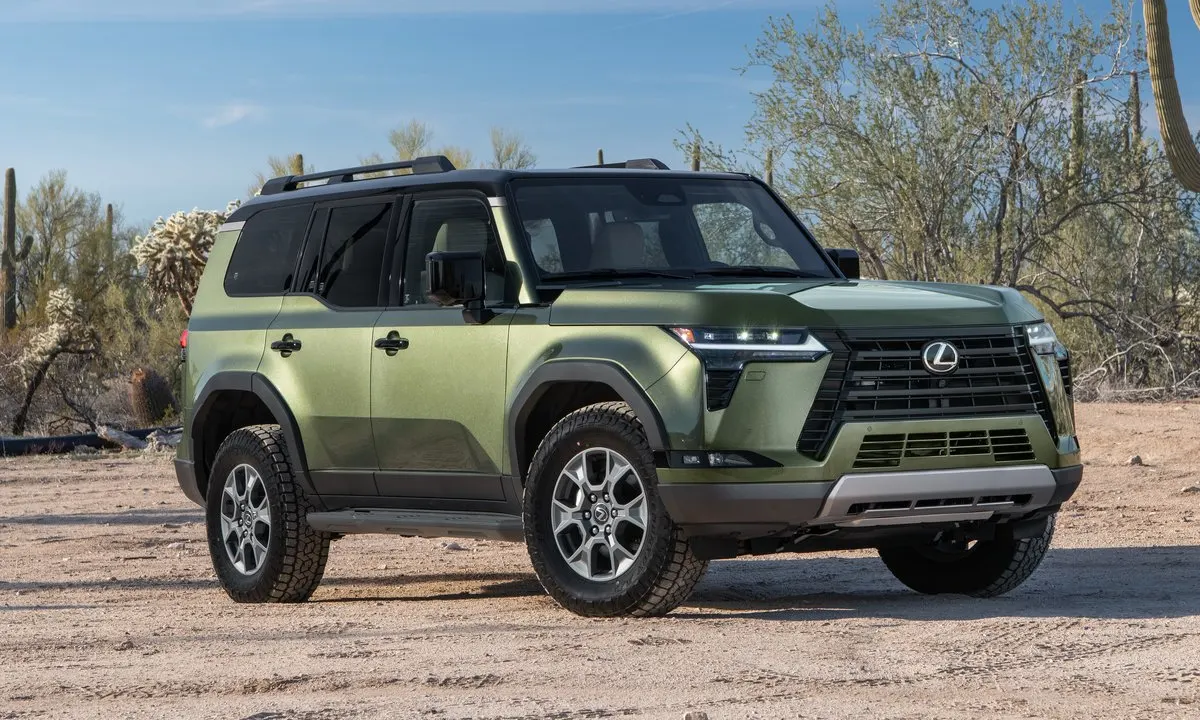
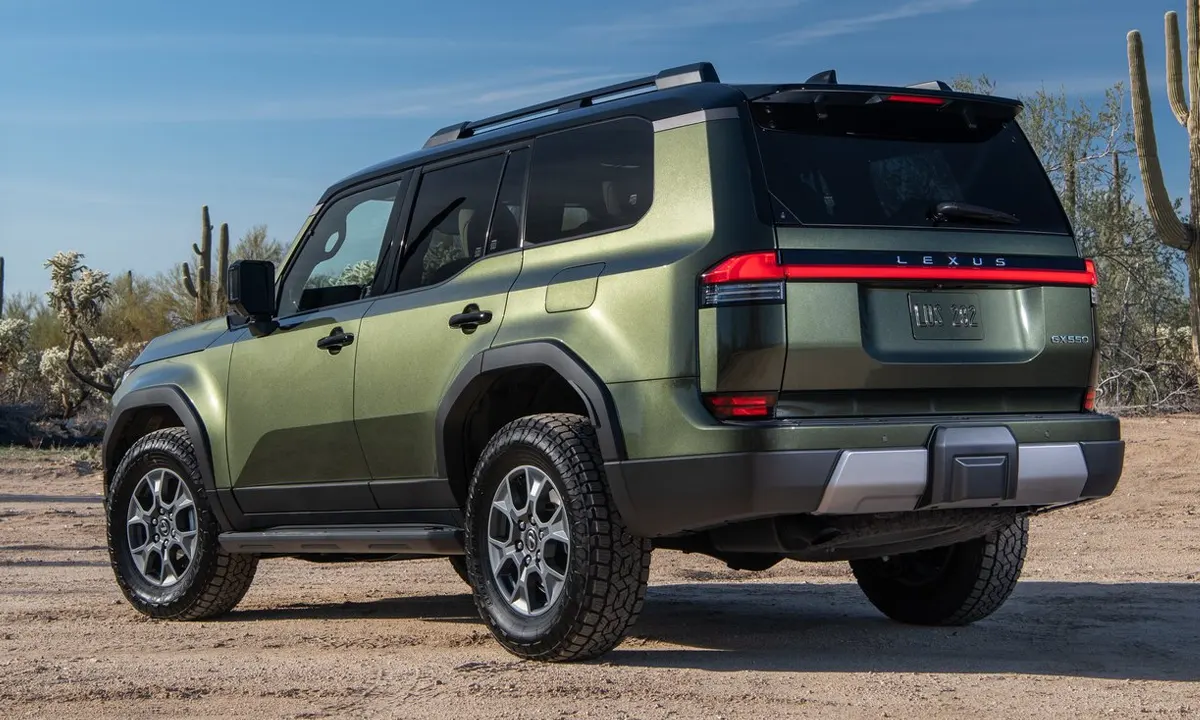
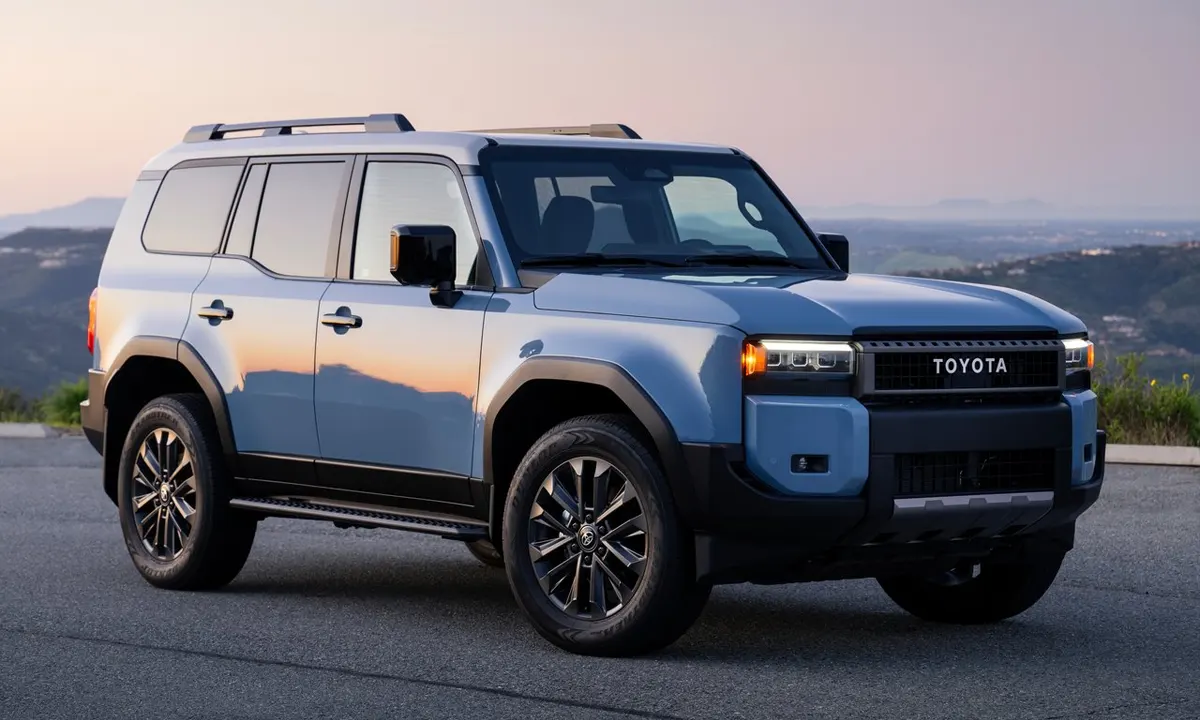
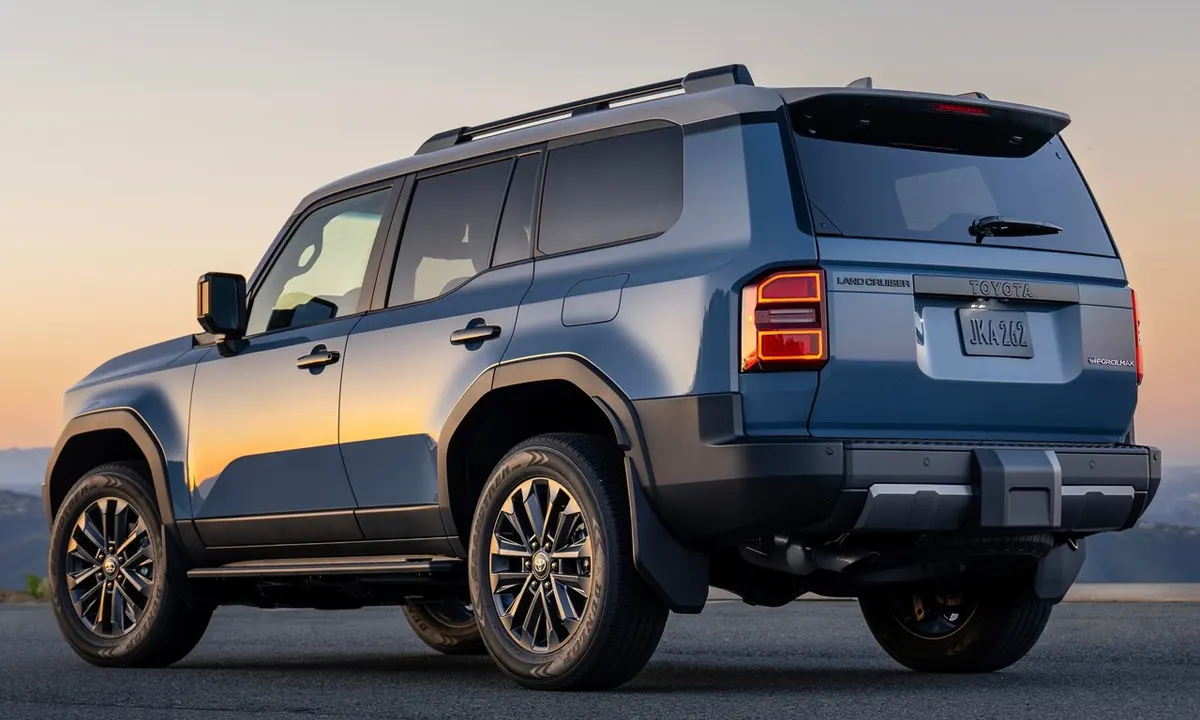
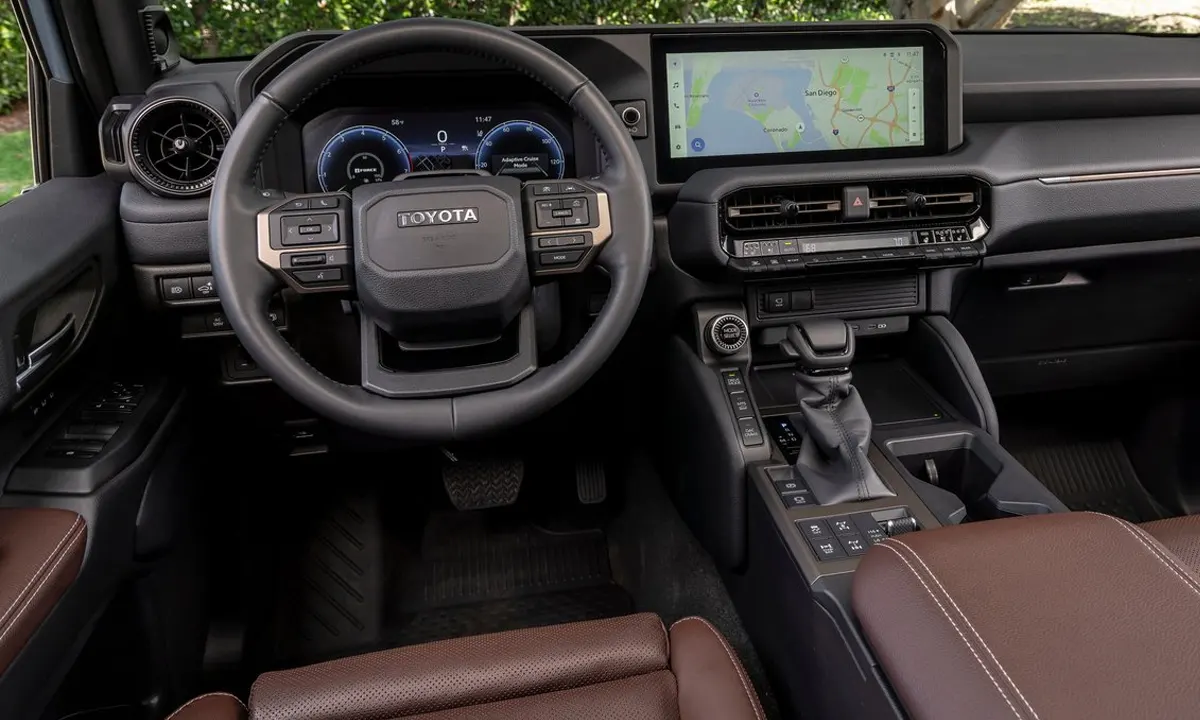
Reason 1: Interior Quality and Refinement That the Land Cruiser Cannot Match
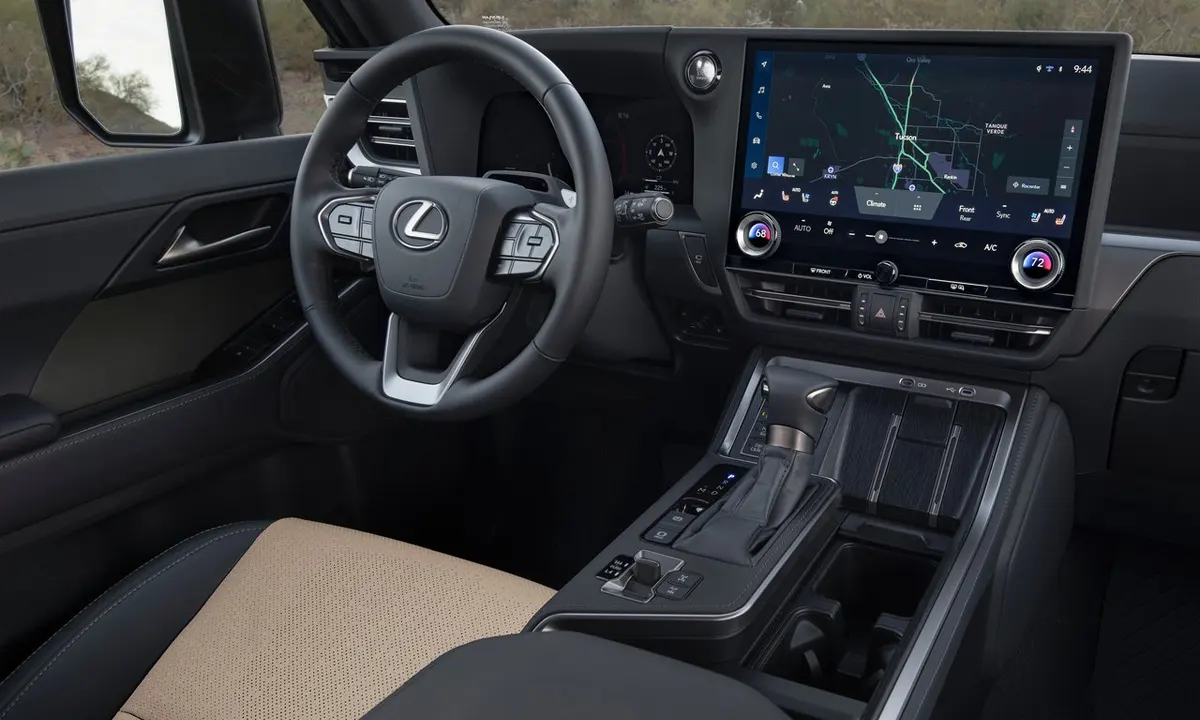
The most immediately apparent distinction between the Lexus GX and the Toyota Land Cruiser in any side-by-side cabin evaluation is the interior quality differential whose magnitude reflects the fundamental difference between a vehicle engineered for maximum global environmental durability and one engineered for American luxury SUV ownership expectations. The current Lexus GX 550’s interior represents a genuine luxury environment — with available semi-aniline leather, open-pore wood trim, ambient lighting whose sophistication reflects the premium positioning that Lexus’s product development investment has delivered and a material quality consistency across every surface that a luxury SUV buyer’s hands encounter.
The Land Cruiser’s interior — while considerably improved in its current generation relative to the utilitarian cabin that previous Land Cruiser iterations offered — reflects a design and material philosophy whose primary brief is durability and functional clarity rather than the sensory luxury experience that the GX’s interior prioritises. The Land Cruiser’s cabin is good. The GX’s cabin is genuinely premium. For the buyer whose daily driving involves the luxury SUV context rather than the expedition context that the Land Cruiser’s interior engineering serves, the distinction is perceptible on every journey.
Reason 2: More Accessible Purchase Price With Greater Daily Value
The current Toyota Land Cruiser’s pricing — which begins above $55,000 and extends considerably beyond $80,000 in fully specified First Edition and higher-trim configurations — positions it at a price point that the Lexus GX’s starting figure of approximately $65,000 approaches in its higher configurations but that the GX’s value proposition challenges with the argument that the premium over the Land Cruiser’s base price delivers interior quality, technology integration and ownership refinement that the Toyota cannot match.
More significantly, the Land Cruiser’s pricing in the American market reflects a global demand dynamic whose allocation constraints — produced by the nameplate’s extraordinary international desirability, particularly in Middle Eastern and Asian markets — create dealer markup situations that buyers in the American market have encountered at dealerships whose Land Cruiser allocation is insufficient to meet local demand without premium pricing. The GX’s more predictable availability and more transparent pricing deliver a purchasing experience whose financial clarity the Land Cruiser’s allocation-constrained market cannot guarantee with equivalent consistency.
Reason 3: On-Road Driving Dynamics That Prioritise Daily Comfort
The Lexus GX 550’s independent front suspension — introduced on the current generation as a significant engineering departure from the previous solid front axle architecture — transforms the GX’s on-road character in a manner whose daily driving dividend is felt on every road surface that American SUV owners encounter in normal use. The independent front suspension’s ability to manage road surface irregularities with the wheel-specific compliance that a solid axle cannot provide produces a ride quality improvement whose magnitude first-drive evaluators consistently identify as the current GX’s most transformative single engineering change.
The Land Cruiser’s suspension architecture — whose solid front axle configuration reflects the off-road articulation requirements that the nameplate’s global deployment demands — produces a on-road ride quality that, while managed effectively by the Toyota’s sophisticated electronic control systems, cannot achieve the compliance and isolation that the GX’s independent geometry enables on the paved surfaces that constitute the overwhelming majority of American luxury SUV use. For the buyer whose SUV will spend 95 percent of its operational life on tarmac — a realistic description of most American GX and Land Cruiser owners’ actual usage — the GX’s superior on-road character is a daily benefit whose value compounds across years of ownership.
Reason 4: Lexus Dealer Network and Ownership Support
The Lexus ownership experience — whose dealer network quality, customer service standards and ownership support consistency have placed Lexus at or near the top of American customer satisfaction surveys for multiple consecutive years — provides the GX buyer with a service and support infrastructure whose quality the Toyota Land Cruiser’s dealer experience, channelled through Toyota dealerships whose customer experience standards are lower than Lexus’s premium network, cannot match with equivalent consistency.
The practical consequences of this distinction extend across every ownership interaction — from the service loaner vehicle provided during maintenance visits, to the service waiting area quality, to the communication standards that Lexus’s customer satisfaction measurement programme enforces across its dealer network. Over a five or ten-year ownership period, the accumulated quality of these interactions constitutes a meaningful dimension of the ownership experience whose value the purchase price comparison does not capture but whose impact on owner satisfaction is documented in the loyalty and repurchase data that Lexus’s customer retention figures reflect.
The ownership cost advantage extends to insurance premiums — where the GX’s positioning as a luxury SUV rather than an adventure-oriented expedition vehicle produces insurance classifications whose premium calculations are more favourable for buyers whose usage pattern does not include the off-road activity that the Land Cruiser’s adventure reputation implies.
Reason 5: Technology Integration and Feature Availability
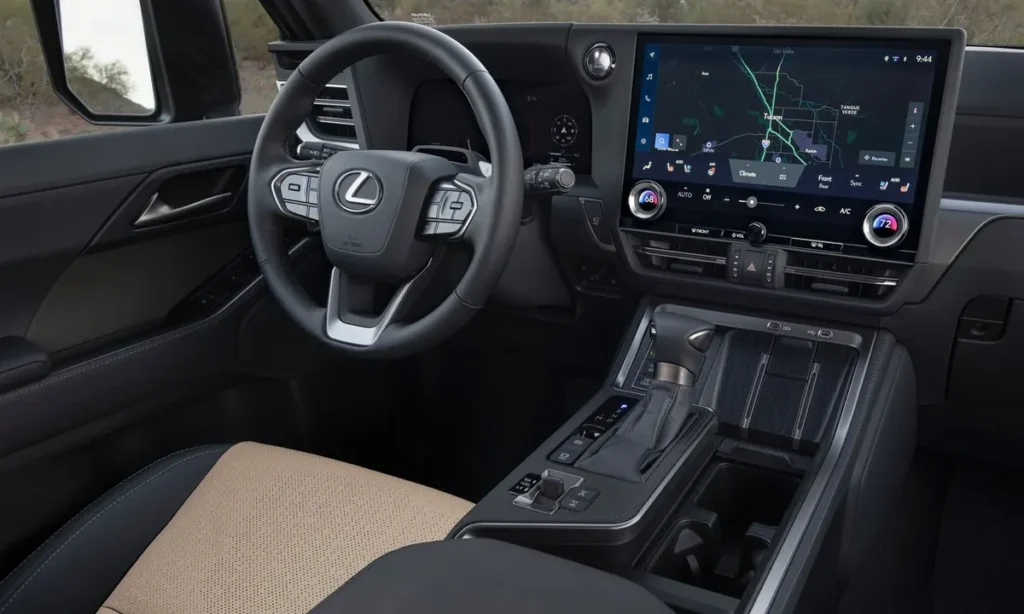
The Lexus GX 550’s technology suite — whose 14-inch touchscreen infotainment system, available Mark Levinson premium audio, head-up display, advanced driver assistance systems and connected services integration reflect Lexus’s investment in the technology features that American luxury SUV buyers weight heavily in their purchase decisions — provides a more comprehensively developed technology environment than the Land Cruiser’s equivalent offering at comparable specification levels.
The Land Cruiser’s technology integration is competent and improving — but its development priority toward global deployment durability and the functional feature set that utility-oriented buyers require means that the technology sophistication whose refinement American luxury SUV buyers assess during the purchase consideration process does not consistently match the GX’s equivalent at comparable pricing. The Lexus multimedia interface’s response speed, the navigation system’s American market mapping accuracy and the integration depth between the infotainment system and the vehicle’s other electronic systems reflect a development investment whose American market orientation gives the GX a technology advantage that the Land Cruiser’s more globally generalised system cannot overcome at equivalent specification levels.
Read: 5 Toyota Cars That Last Forever! Myth or Reality?
The Verdict: When the GX Is the Smarter Choice
The Toyota Land Cruiser is an extraordinary vehicle whose genuine global capability, nameplate heritage and engineering durability credentials are not in dispute. For the buyer whose ownership genuinely includes serious off-road use, whose lifestyle takes them to environments where the Land Cruiser’s legendary durability provides real rather than theoretical reassurance and whose relationship with the nameplate’s heritage is a genuine purchase motivator — the Land Cruiser earns its premium and justifies its allocation constraints.
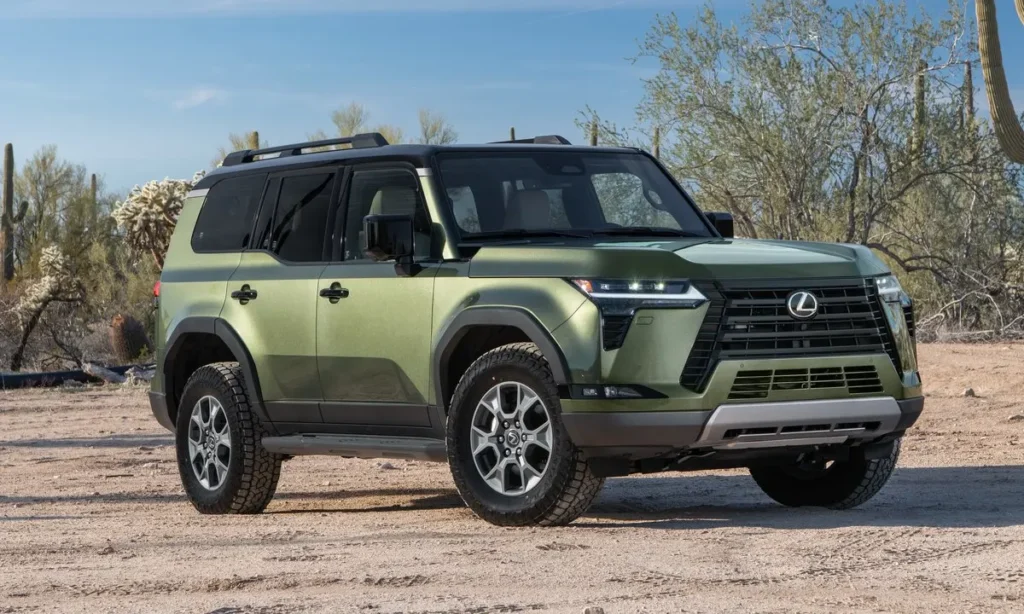
For the majority of American luxury SUV buyers — whose usage is overwhelmingly on-road, whose off-road activity extends to gravel driveways and light forest trails rather than the environments that define the Land Cruiser’s genuine capability advantage, and whose daily priorities include interior luxury, on-road comfort, technology sophistication and ownership support quality — the Lexus GX delivers a more complete answer to the actual question their ownership pattern poses. The GX does not beat the Land Cruiser at being a Land Cruiser. It beats the Land Cruiser at being the luxury SUV that most Land Cruiser buyers in the American market actually need.
Read: Why Toyota Cars Are Known for Bulletproof Reliability?
Lexus GX 550 vs Toyota Land Cruiser — Key Comparison
| Category | Lexus GX 550 | Toyota Land Cruiser |
| Engine | 3.4L Twin-Turbo V6 | 3.4L Twin-Turbo V6 |
| Power Output | 349 hp | 409 hp (Land Cruiser GR Sport) |
| Front Suspension | Independent (Current Gen) | Solid Axle |
| Interior Quality | Premium Luxury | Good — Utility Oriented |
| Starting MSRP | Approx. $65,000 | Approx. $57,000 |
| Infotainment Screen | 14-Inch Touchscreen | 12.3-Inch Touchscreen |
| Dealer Network | Lexus Premium Network | Toyota Standard Network |
| On-Road Comfort | Excellent | Good |
| Off-Road Capability | Very Good | Exceptional |
| Third Row Available | Yes | Yes |
| Audio System | Available Mark Levinson | JBL Premium |
| Best Suited For | Daily Luxury / Light Off-Road | Serious Off-Road / Expedition |