Hybrid Cars With Lowest Maintenance Costs In USA. Complete 2026 Guide
- Hybrids with lowest 10-year maintenance costs
- Toyota Prius leading at $4,359 ownership cost
- Honda Accord Hybrid with 51 MPG efficiency
- Strong reliability and safety tech across models
- Best-value hybrids for long-term ownership
Hybrid Cars With Lowest Maintenance: The financial case for hybrid ownership in 2026 rests on two pillars: the fuel savings that hybrid powertrains deliver over years of daily driving, and the maintenance cost advantage that hybrids carry over equivalent gasoline-only vehicles. The first pillar is widely discussed. The second receives far less attention — yet it is frequently the more meaningful financial advantage over a full ownership period. Regenerative braking extends brake life substantially. Electric motor assistance reduces stress on the gasoline engine. The absence of oil changes between intervals and the simpler transmission architecture of many hybrid systems combine to produce 10-year maintenance totals that consistently beat industry averages by thousands of dollars. This guide identifies the hybrid cars with the lowest maintenance costs available in the American market in 2026, with specific 10-year cost data, fuel economy figures and the structural reasons each model achieves its low-cost performance.
Why Hybrids Cost Less to Maintain Than You Expect
The perception that hybrid vehicles carry higher maintenance costs than conventional gasoline cars — driven primarily by concern about battery replacement — does not reflect the data for the mainstream hybrid models that dominate American sales. Modern hybrid battery packs, covered by manufacturer warranties of eight years and 100,000 miles as a federal minimum, are engineered for longevity and rarely require replacement within a typical ownership period. Toyota’s hybrid batteries have demonstrated service lives exceeding 200,000 miles in fleet studies, with degradation rates that make replacement necessary in a small minority of high-mileage vehicles.
Beyond the battery, the maintenance advantages of hybrid ownership are structural and consistent. Regenerative braking — the process by which the electric motor absorbs kinetic energy during deceleration, converting it to electricity and charging the battery — reduces the mechanical load on the brake pads and rotors that would otherwise absorb this energy through friction. The result is brake service intervals that are typically two to three times longer on hybrid vehicles than on equivalent gasoline models, reducing one of the most frequent mid-range maintenance expenses in vehicle ownership. The gasoline engine in a parallel hybrid runs less frequently than an engine in a gasoline-only vehicle — reducing wear and oil contamination rates, extending oil change intervals and reducing the probability of engine wear-related repairs over time. The combination of these advantages consistently produces 10-year maintenance costs for leading hybrid models that are 20 to 40 percent lower than the industry average across all vehicle types.
Toyota Prius: The Lowest Maintenance Cost Hybrid in America
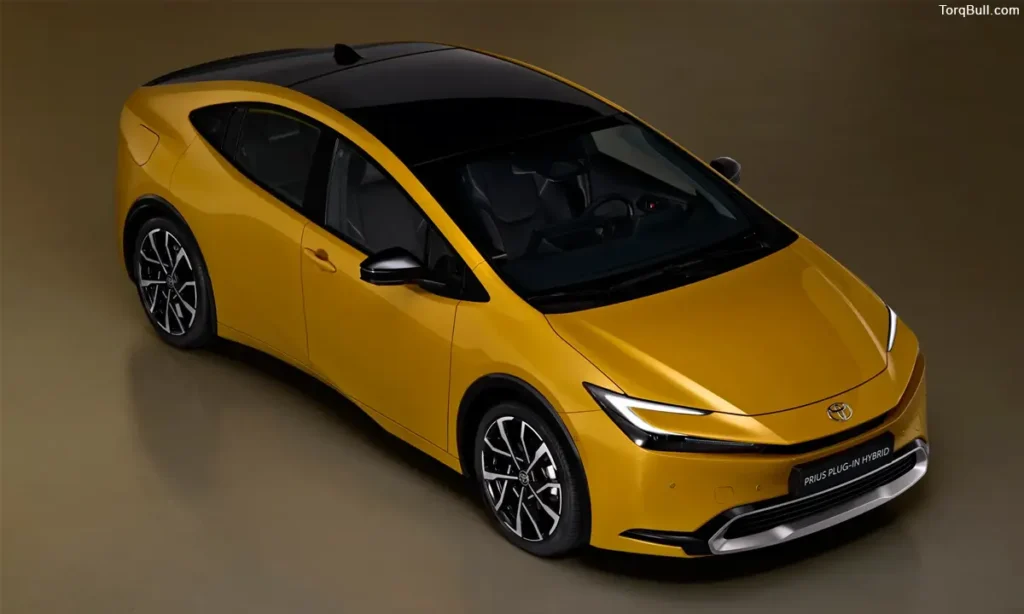
10-Year Maintenance Cost: $4,359 (CarEdge) | MPG: 57 Combined (FWD) | Starting Price: $28,545 | Reliability: Top-Rated
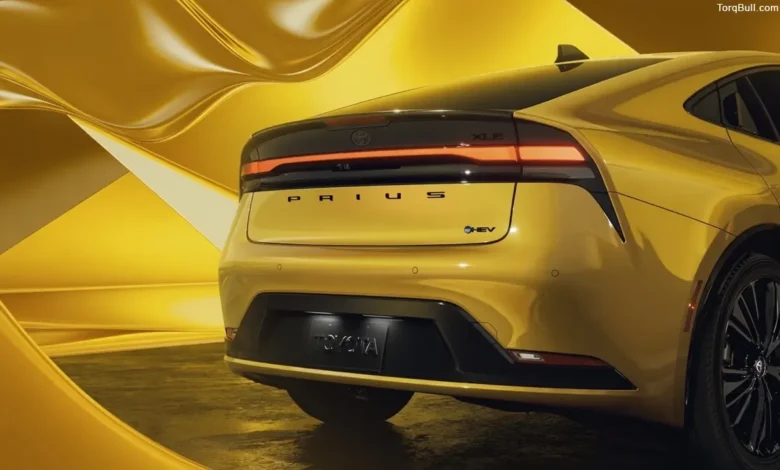
The Toyota Prius holds the distinction of the lowest 10-year maintenance cost of any hybrid in the American market — $4,359 according to CarEdge data, which measures scheduled and unscheduled maintenance and repair costs across the full ownership period. That figure is approximately 57 percent below the industry average across all vehicle types, and it places the Prius at the top of every low-maintenance vehicle ranking regardless of powertrain type. Toyota’s decades of hybrid engineering experience — the Prius has been in production since 1997, accumulating a reliability record that no competing hybrid can match in terms of real-world longevity data — underpin a maintenance proposition that is extraordinarily strong by any comparative measure.
Read: Top 10 Affordable Hybrid Cars for 2026 That Deliver Incredible Fuel Economy
The current-generation Prius’s 57 miles per gallon combined fuel economy rating makes it the most fuel-efficient non-plug-in car available in the United States, and the 2026 model’s genuinely attractive exterior design — a significant departure from the polarising aesthetics of previous generations — has transformed it from a fuel economy compromise into a car people actively seek rather than reluctantly accept. With a starting price of $28,545, the Prius delivers its industry-leading fuel economy and maintenance record at an entry price that places it among the most accessible hybrid models in any segment.
Toyota Prius Prime: The Low-Maintenance PHEV Leader
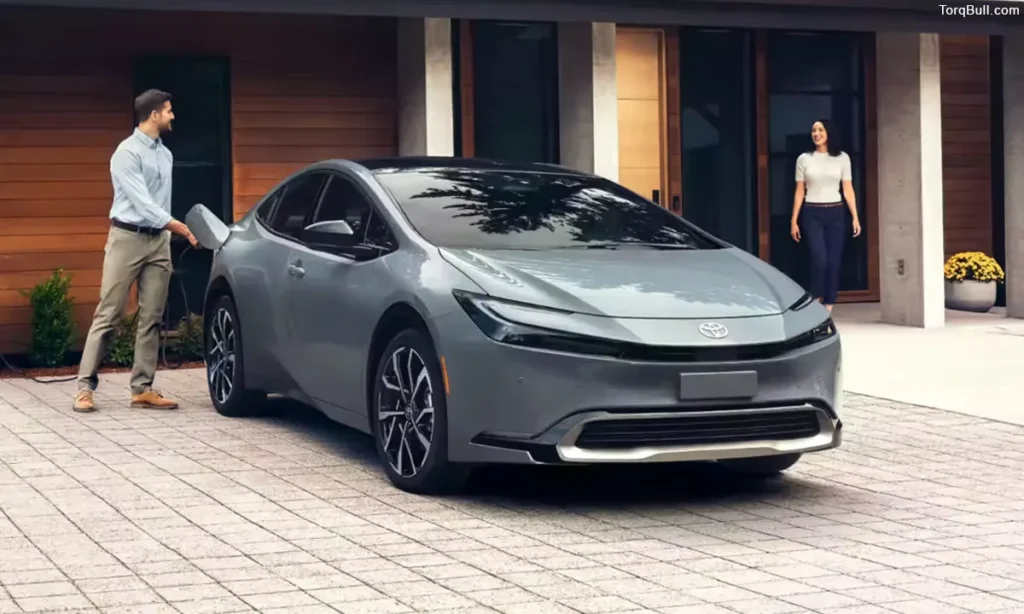
10-Year Maintenance Cost: $4,427 (CarEdge) | Electric Range: ~44 Miles | MPG (hybrid): 52 Combined | Starting Price: ~$33,000
The Toyota Prius Prime — the plug-in hybrid variant of the standard Prius — achieves virtually identical 10-year maintenance costs to its non-plug-in counterpart at $4,427, making it the lowest-maintenance plug-in hybrid in the American market. Its 44-mile all-electric range covers the average American’s daily commute entirely on electricity in most cases, enabling drivers who charge at home nightly to go weeks between gasoline fill-ups while retaining the hybrid powertrain’s unlimited range for longer journeys. The Prius Prime’s maintenance cost advantage over plug-in hybrid rivals from European manufacturers is particularly pronounced — a function of Toyota’s engineering philosophy of using proven, extensively validated hybrid components rather than more complex and maintenance-intensive systems.
Toyota Camry Hybrid: The Lowest-Maintenance Family Sedan
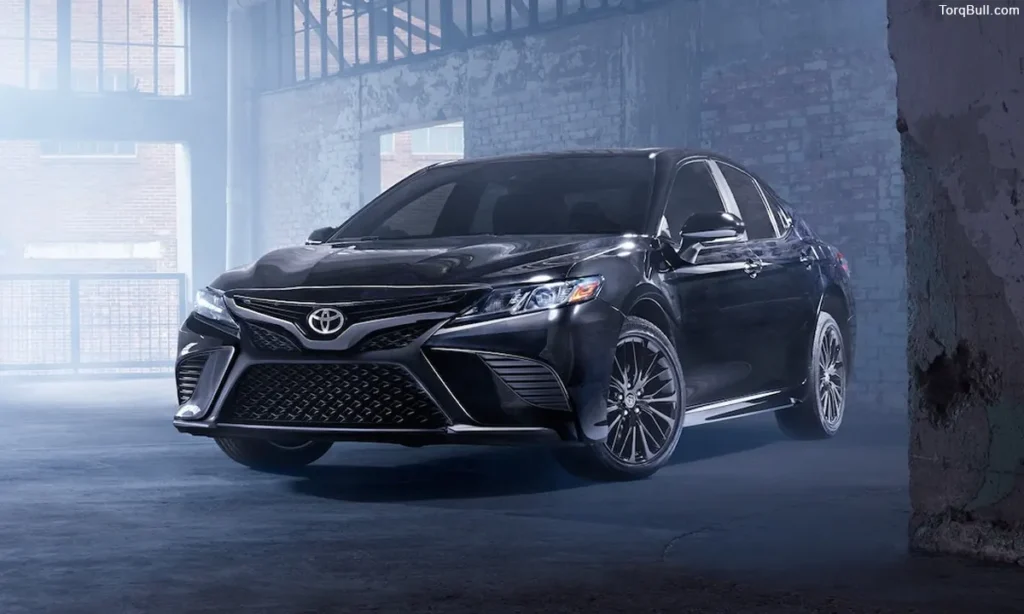
MPG: 51 Combined | AWD: Standard All Trims | Starting Price: $30,945 | Reliability: Outstanding
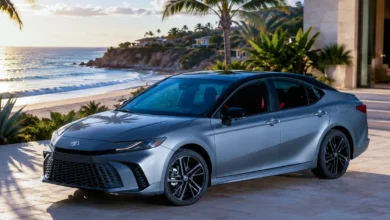
The 2026 Toyota Camry Hybrid is exclusively hybrid — Toyota has eliminated all gasoline-only Camry configurations — and delivers 51 miles per gallon combined with standard all-wheel drive across every trim level, a combination that no rival midsize hybrid sedan can match. Toyota’s reliability record for the Camry platform, which consistently achieves 200,000-plus miles with routine maintenance across millions of real-world American owners, makes it the strongest long-term ownership proposition in the midsize sedan segment. Annual maintenance costs for Toyota owners average approximately $633 according to ConsumerAffairs data — among the lowest of any manufacturer — and the Camry Hybrid’s regenerative braking system and reduced-load gasoline engine extend service intervals and reduce wear-related costs further.
Read: 2026 Best Hybrid Cars Under $35,000. Maximum Efficiency, Minimum Compromise
Honda Accord Hybrid: Best Maintenance Value in Its Class
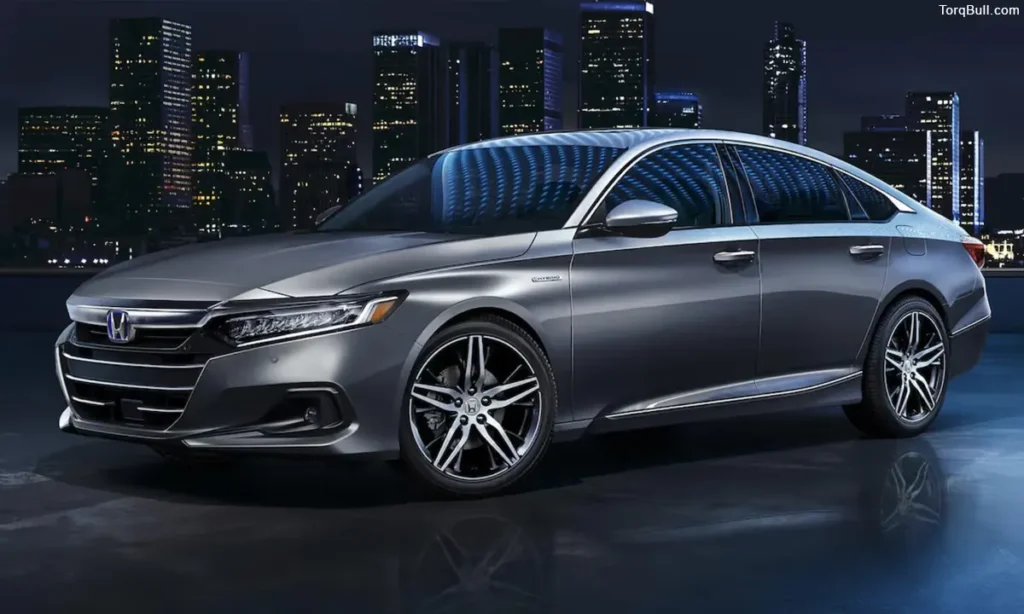
MPG: 51 Combined | Horsepower: 204 | Starting Price: $35,350 | Annual Maintenance: ~$583 (Honda average)
The Honda Accord Hybrid achieves 51 miles per gallon combined while producing 204 horsepower — a combination that makes it the most powerful among the mainstream midsize hybrid sedans at this efficiency rating. Honda owners pay the lowest average annual maintenance costs of any major manufacturer in ConsumerAffairs data at approximately $583 per year, reflecting Honda’s engineering discipline and component quality across its entire lineup. The Accord Hybrid’s dual-motor hybrid system has been updated with improved battery cooling that extends battery life in hot climates — a historically important durability consideration for Southern American states where battery thermal management significantly affects long-term pack health.
Kia Niro Hybrid: The Most Fuel Efficient Compact Hybrid
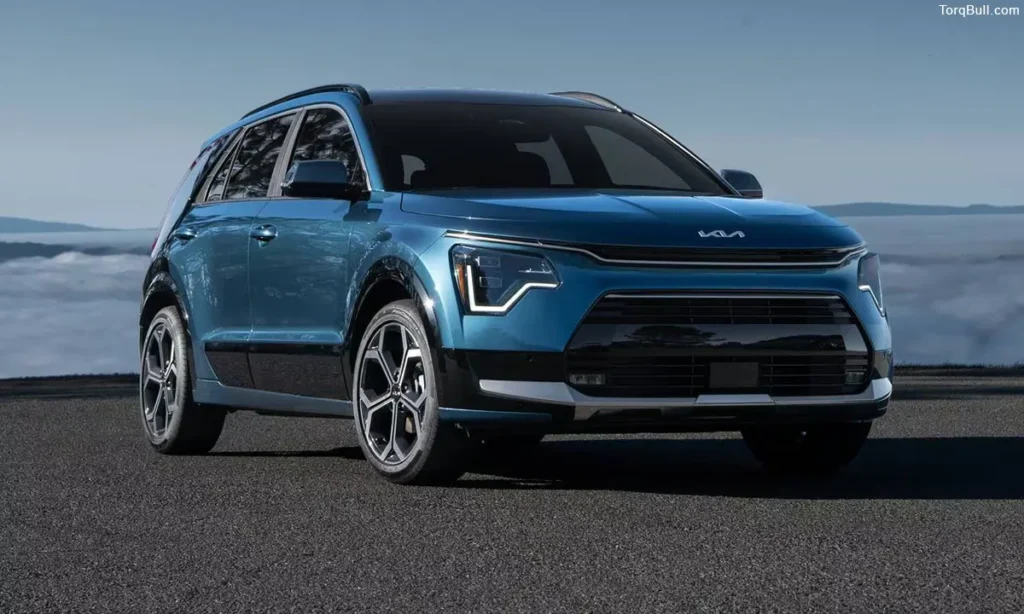
MPG: 53 Combined | Starting Price: $27,390 | Warranty: 10 Years / 100,000 Miles (Powertrain)
The Kia Niro Hybrid delivers 53 miles per gallon combined at a starting price of $27,390 — making it both the most fuel-efficient compact hybrid crossover in its class and one of the most accessible hybrid entries in the American market. Kia’s 10-year, 100,000-mile powertrain warranty — the most generous coverage offered by any mainstream manufacturer — provides ownership security that meaningfully reduces the financial risk of the hybrid battery and drivetrain components that represent the highest-cost maintenance scenario in any hybrid ownership period. Kia’s hybrid system has matured through multiple development generations, and the Niro’s battery longevity and electrical system reliability have been consistently rated above class average in owner satisfaction surveys.
Read: Hybrid Battery Replacement Cost In 2026. The Cost Nobody Mentions at the Showroom
Hyundai Elantra Hybrid: The Lowest-Cost Compact Hybrid Entry
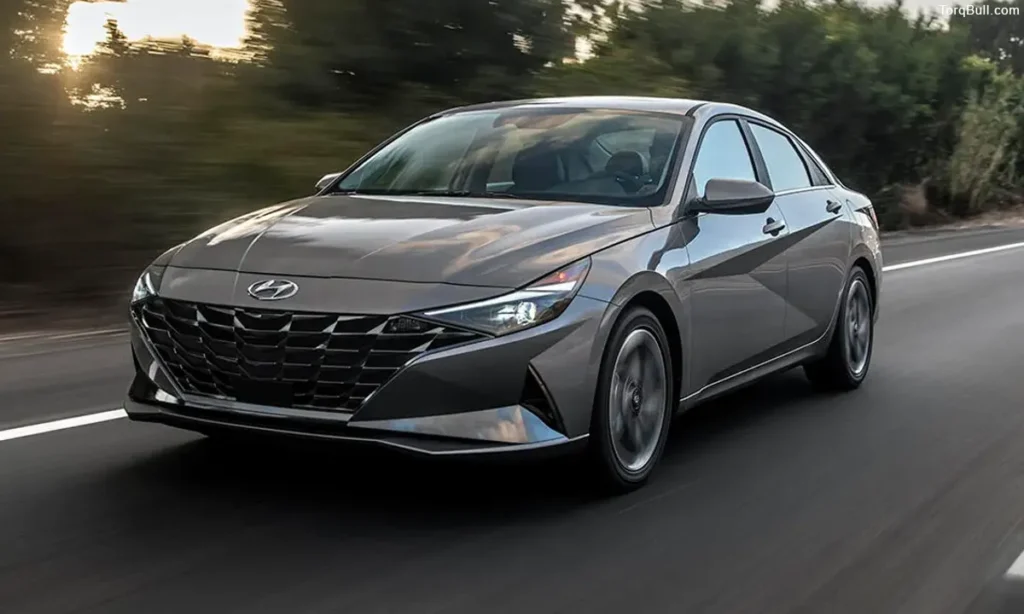
MPG: 54 Combined | Starting Price: $25,450 | U.S. News Best Hybrid for the Money: 2026
The Hyundai Elantra Hybrid earned U.S. News’s Best Compact Hybrid Car for the Money award for 2026 at a starting price of $25,450 — the lowest entry price of any mainstream hybrid sedan in the American market. Its 54 miles per gallon combined fuel economy, consistently above-average reliability ratings in consumer surveys and Hyundai’s standard suite of safety technology across all trim levels make it the strongest value proposition in the compact hybrid category for first-time hybrid buyers and budget-conscious commuters. Annual maintenance costs for Hyundai models broadly track at or below the industry average, and the Elantra Hybrid’s regenerative braking advantage and reduced engine load extend service intervals in the same pattern as Toyota and Honda hybrid platforms.
Read: Hybrid vs Plug-In Hybrid: Everything You Need to Know Before You Buy
Hybrid Cars With Lowest Maintenance Costs — Complete Comparison Chart
| Model | 10-Year Maintenance Cost | MPG (Combined) | Starting Price | Annual Maint. Avg | Powertrain Warranty |
| Toyota Prius | $4,359 | 57 MPG | $28,545 | ~$436/yr | 8 yr / 100K mi |
| Toyota Prius Prime | $4,427 | 52 MPG + 44 mi EV | ~$33,000 | ~$443/yr | 8 yr / 100K mi |
| Toyota Camry Hybrid | ~$5,200 | 51 MPG | $30,945 | ~$520/yr | 5 yr / 60K mi |
| Honda Accord Hybrid | ~$5,500 | 51 MPG | $35,350 | ~$583/yr | 5 yr / 60K mi |
| Kia Niro Hybrid | ~$5,800 | 53 MPG | $27,390 | ~$580/yr | 10 yr / 100K mi |
| Hyundai Elantra Hybrid | ~$5,900 | 54 MPG | $25,450 | ~$590/yr | 10 yr / 100K mi |
| Toyota RAV4 Hybrid | ~$6,004 | 40 MPG | $34,840 | ~$600/yr | 8 yr / 100K mi |
What Drives Hybrid Maintenance Costs Down: The Three Key Factors
Three specific characteristics separate the lowest-maintenance hybrids from the rest of the hybrid market, and understanding them guides more accurate long-term cost predictions than brand reputation alone.
Regenerative Braking Effectiveness — the extent to which the hybrid system recovers kinetic energy during braking rather than dissipating it through friction — directly determines how long brake pads and rotors last. Toyota’s hybrid system uses aggressive regenerative braking that reduces friction brake use so substantially that many Prius owners report first brake pad replacements at 100,000 miles or beyond — an interval two to three times longer than a comparable gasoline vehicle.
Engine Load Reduction — the degree to which the electric motor assists the gasoline engine during acceleration and at lower speeds — determines gasoline engine wear rates and oil contamination. Toyota’s parallel hybrid architecture allows the electric motor to carry a substantial proportion of the propulsive load, particularly in city driving, reducing gasoline engine operating hours proportionally and extending the effective service life between major engine maintenance intervals.
System Maturity and Parts Availability — the length of time a hybrid system has been in production and the breadth of its adoption in the market directly determine parts cost and technician availability. Toyota’s hybrid systems, which have been in volume production since 1997, are serviced by trained technicians at every Toyota dealership in the United States, and parts costs have declined substantially through the economies of scale that come with millions of units in operation. Newer or less common hybrid systems from smaller manufacturers or recent market entrants carry inherently higher parts cost and service complexity risk.