- Record sales: 274,638 units in 2025
- J.D. Power: most reliable midsize pickup (2 years)
- KBB: best resale value since 2003
- Edmunds score: 6.8/10 with usability concerns
- Common complaints: infotainment and refinement
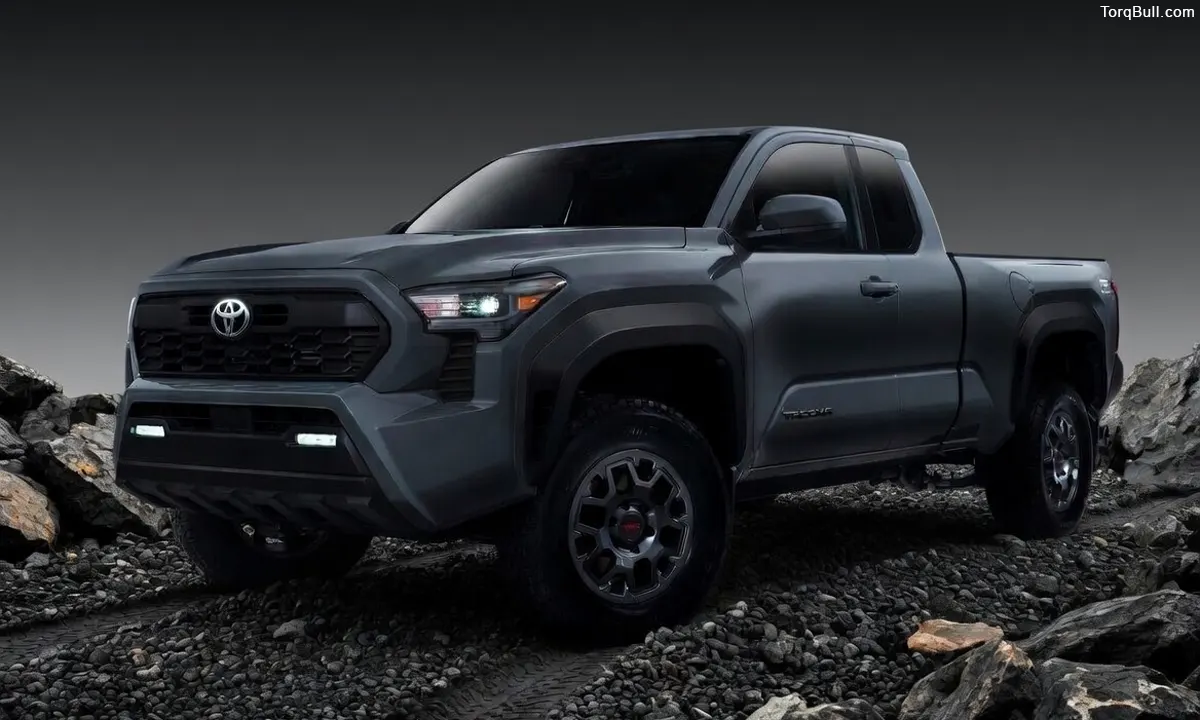
Is Toyota Tacoma Worth Buying: The Toyota Tacoma’s dominance of the American midsize pickup market is one of the most sustained competitive advantages in the automotive industry. In 2025 it set a new U.S. sales record of 274,638 units — more than two and a half times the volume of the second-place Chevrolet Colorado at 107,867 units. First-quarter 2026 sales are up 15.8 percent year-over-year, confirming that the momentum continues. But sales dominance and purchase worthiness are not the same question. The midsize truck segment is more competitive in 2026 than at any previous point, with an updated Ford Ranger that Edmunds now ranks above the Tacoma, a freshened Nissan Frontier with improved technology, and a Chevrolet Colorado that provides genuine value competition. Whether the Tacoma’s market leadership reflects objective competitive superiority or the accumulated weight of brand loyalty and resale reputation deserves an honest answer. This guide provides it.
Gallery: Toyota Tacoma
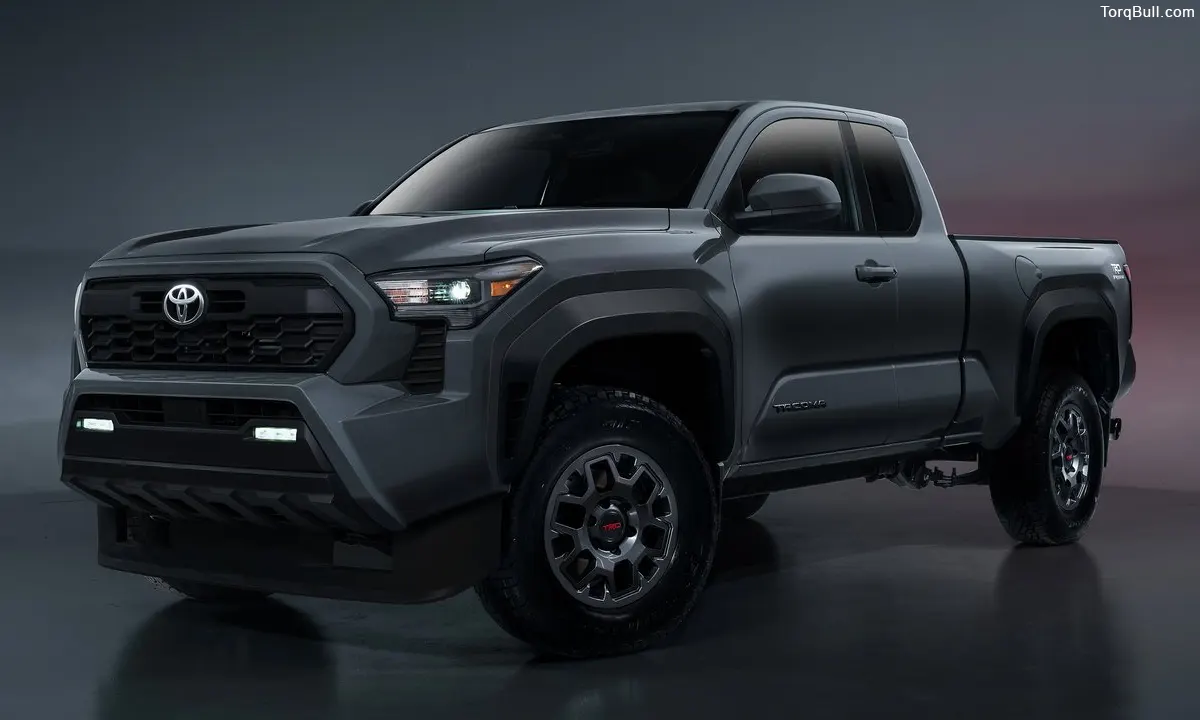
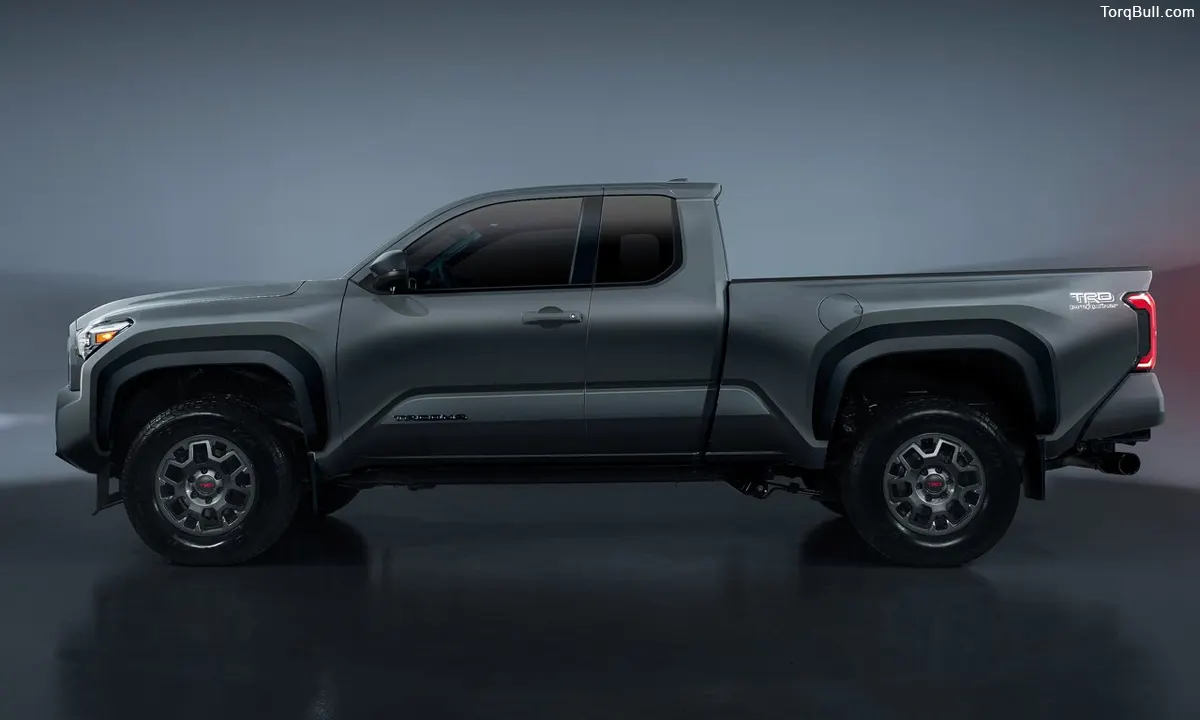
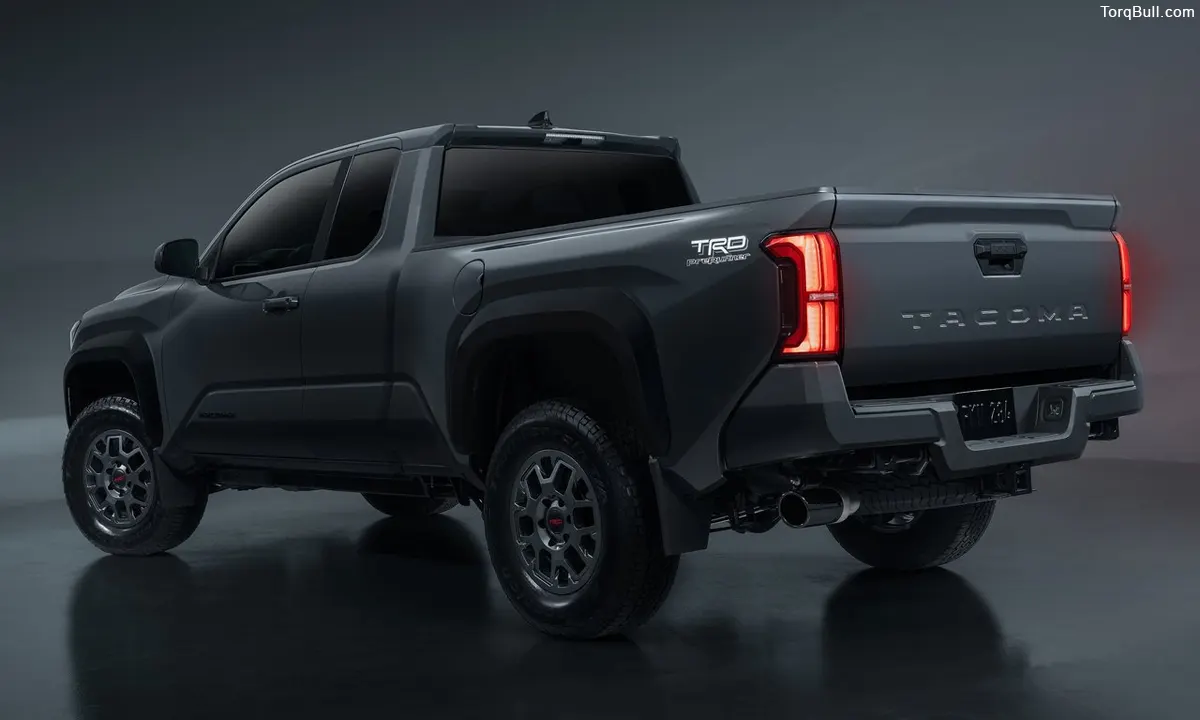
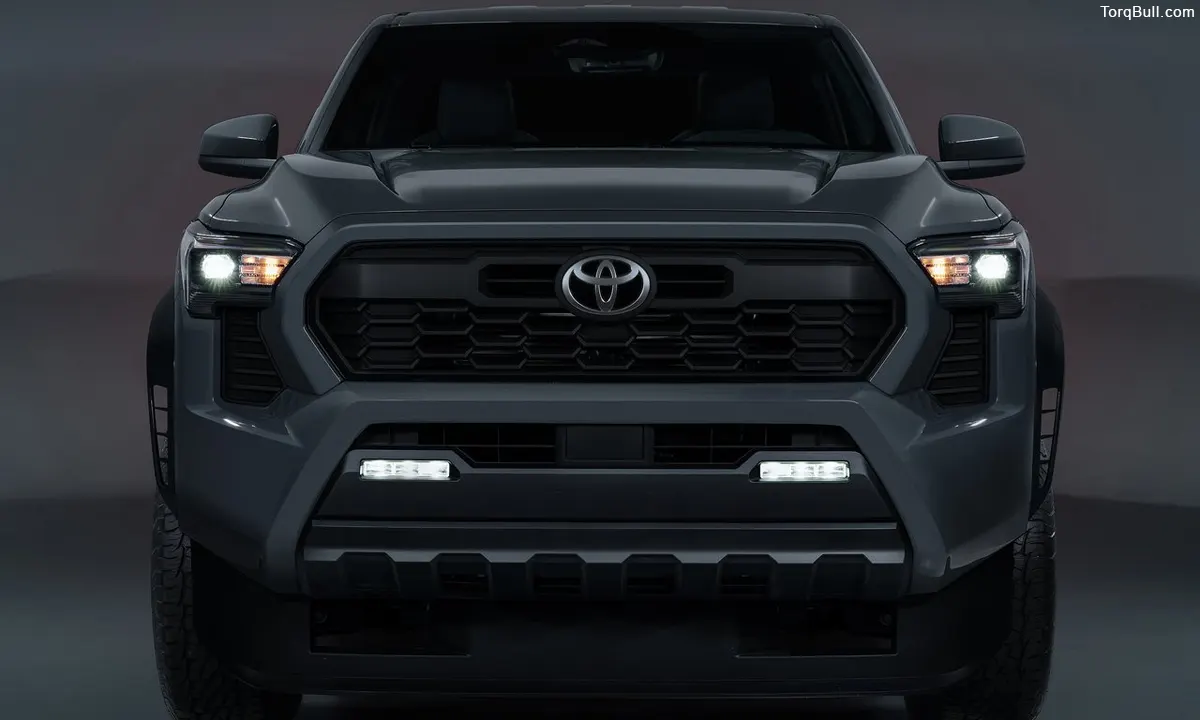
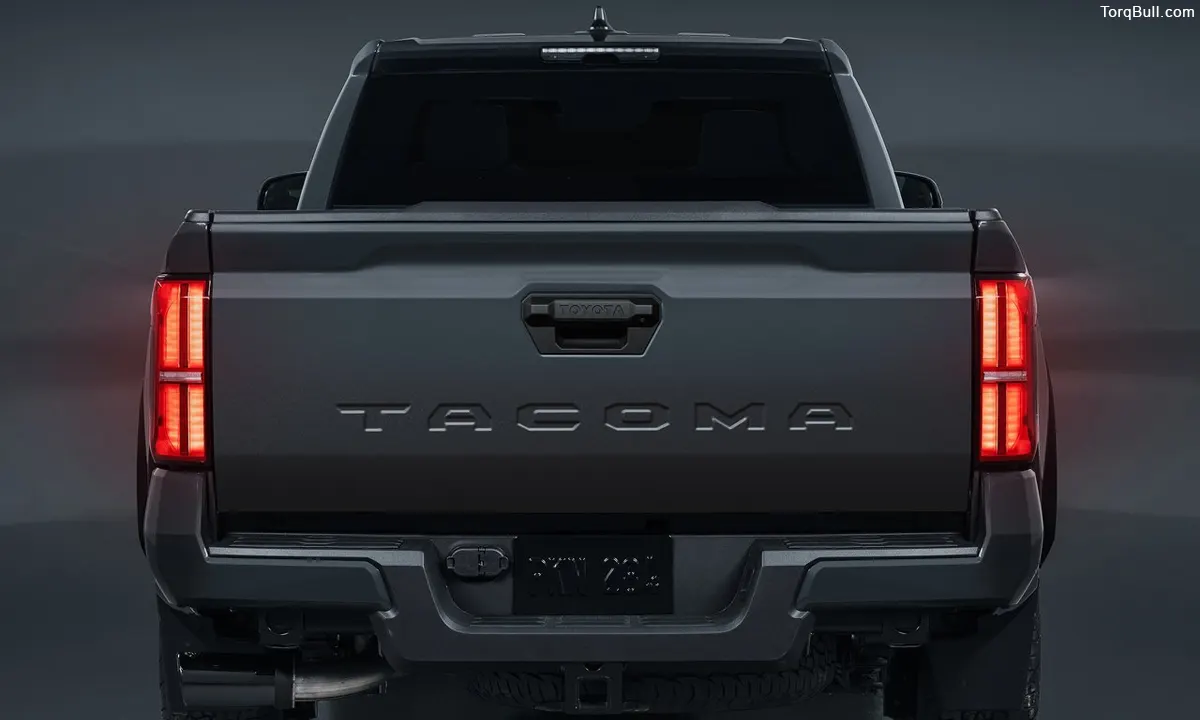
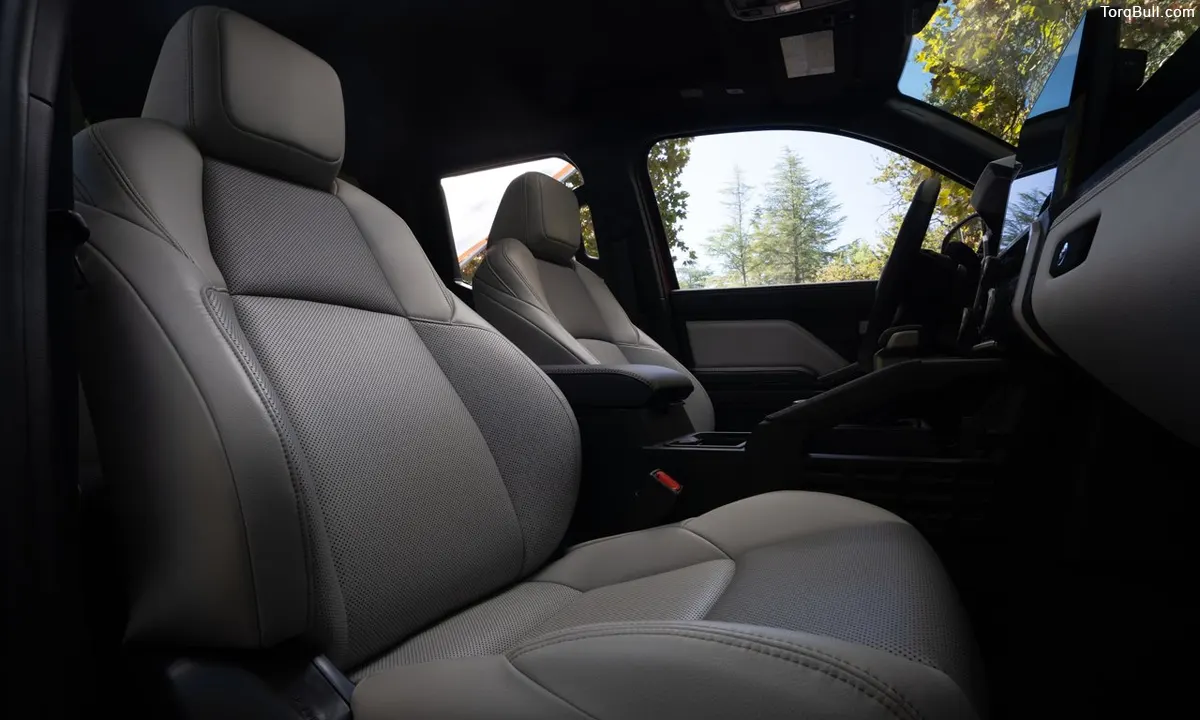
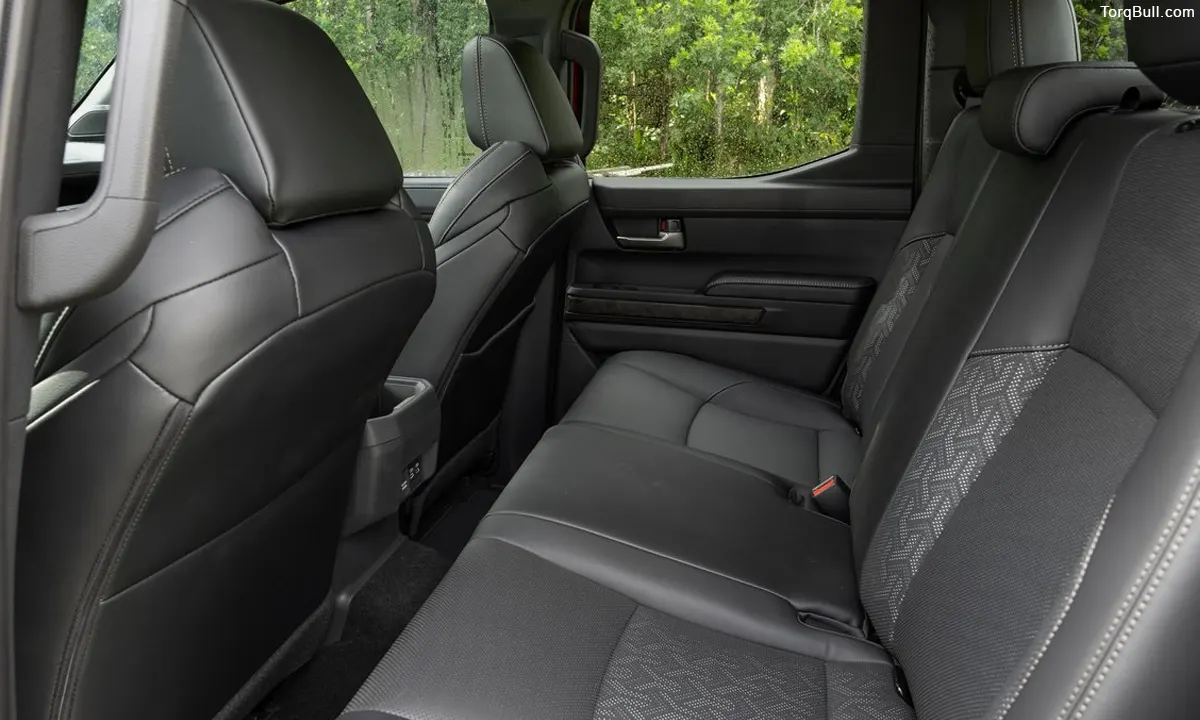
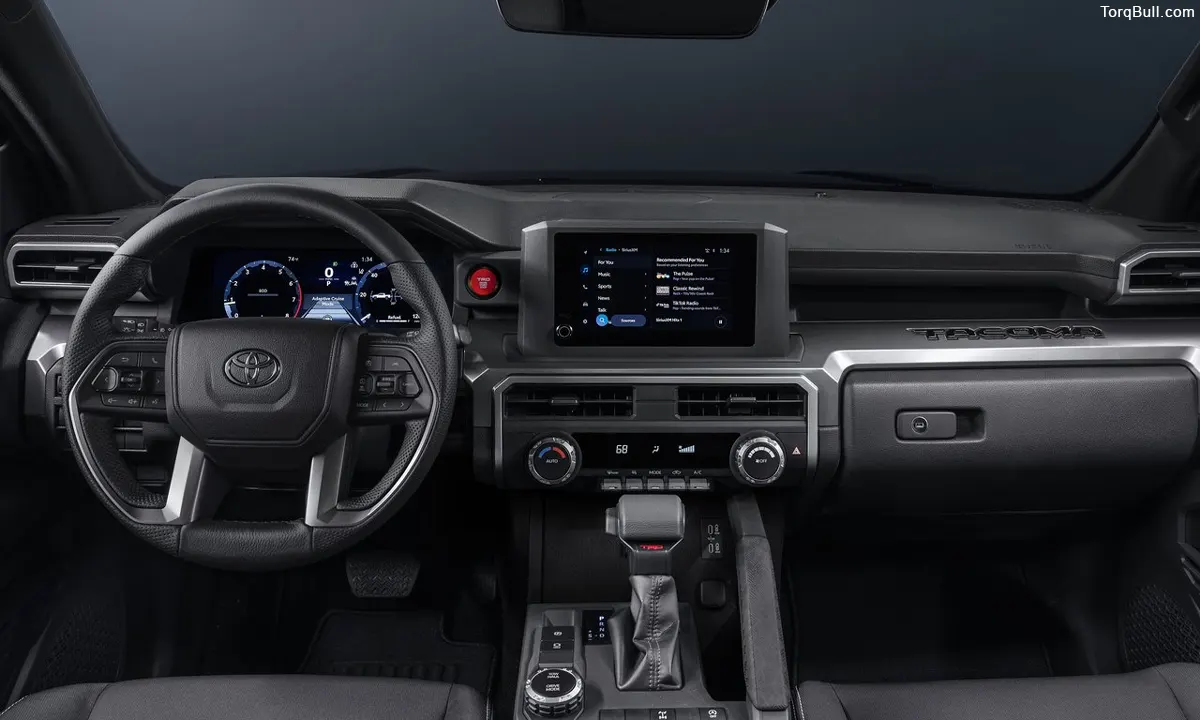
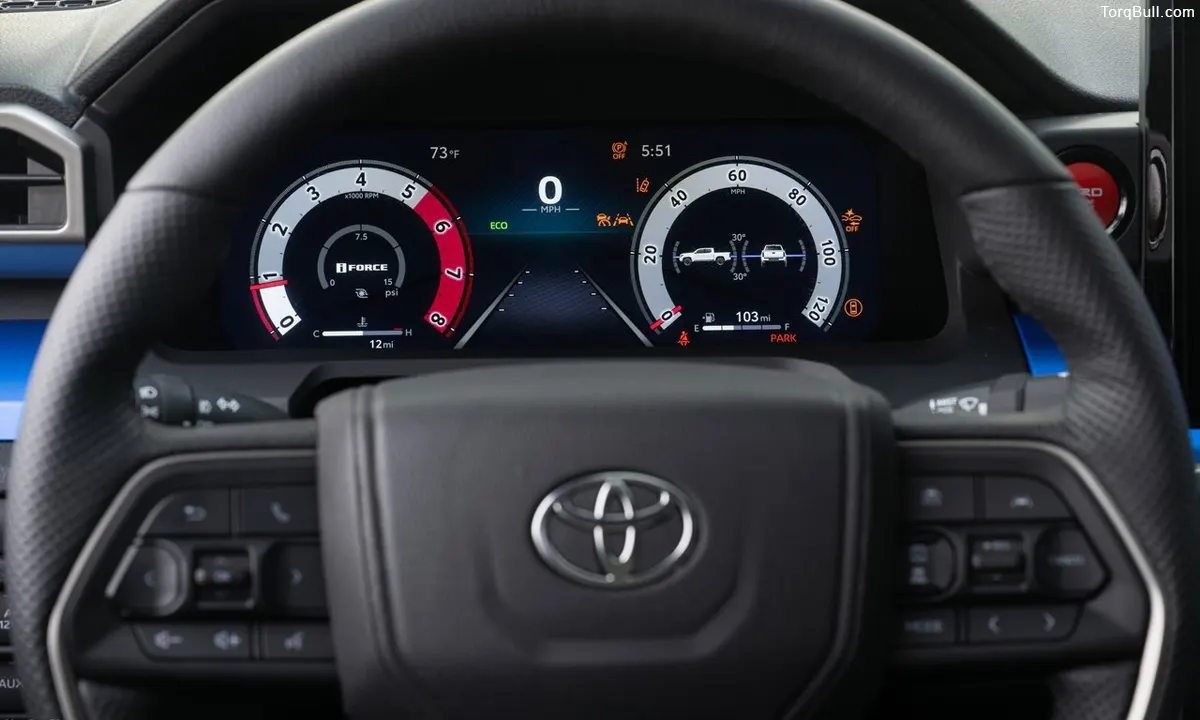
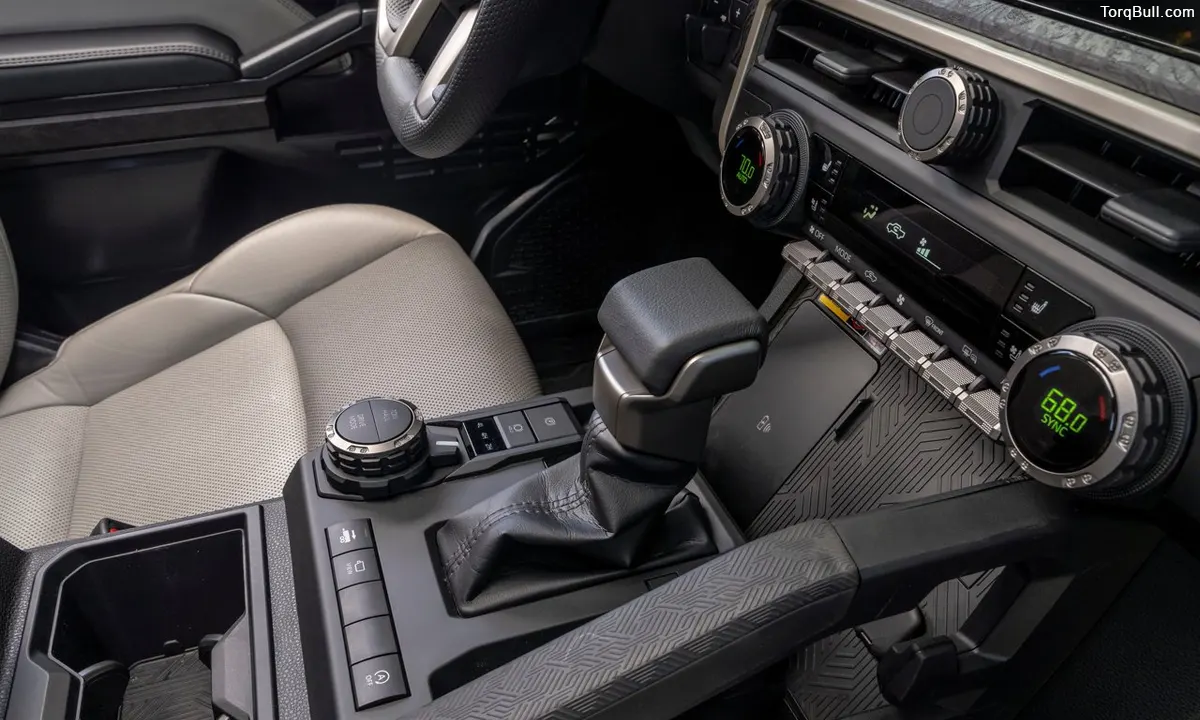
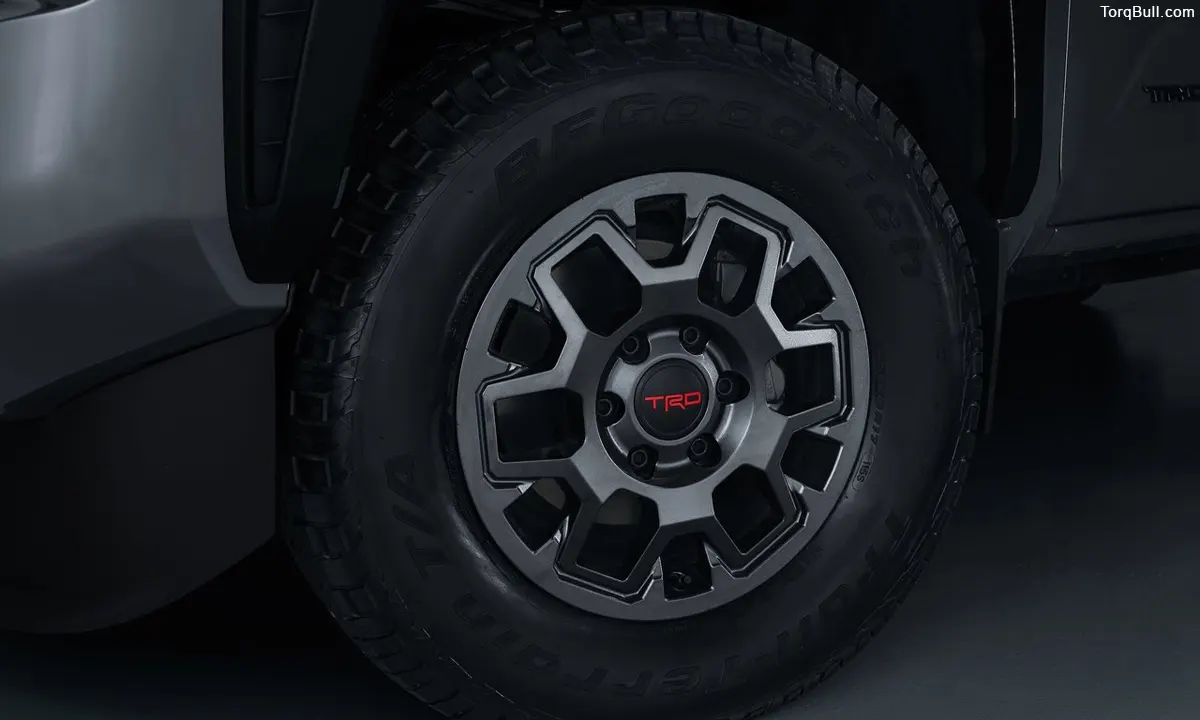
2026 Toyota Tacoma: Specifications, Pricing and What Is New
The 2026 Toyota Tacoma carries forward the 2024 platform redesign — the most comprehensive update the nameplate had received in nearly a decade — with minimal changes from the 2025 model year. The significant work was done in 2024 when Toyota modernised the chassis, powertrain and technology simultaneously, producing a truck that Edmunds tested for a full year and described as genuinely loved in extended evaluation. The 2026’s primary update is the addition of a new crew-cab body style availability on lower trim levels, a welcome expansion of the configuration options that buyers had requested.
The base SR trim starts at $32,245 including destination — approximately $655 above the 2025 equivalent. The Double Cab configuration, the most popular body style, starts at approximately $35,400. KBB Fair Purchase Pricing data indicates buyers are currently paying $1,740 to $2,030 below MSRP depending on trim and equipment — a meaningful and immediate discount that improves the value proposition further. The TRD Pro, the flagship off-road variant, reaches the mid-to-upper $50,000 range in full specification.
Two powertrain options define the 2026 lineup. The standard 2.4-litre turbocharged four-cylinder produces 228 horsepower in SR trim and 278 horsepower with 317 pound-feet of torque in SR5 and TRD variants. The i-Force Max hybrid powertrain — available on TRD Off-Road, TRD Pro and Limited trims — produces 326 horsepower and substantially higher torque output than the standard engine. The hybrid’s combination of performance and fuel efficiency improvement makes it the powertrain most automotive publications recommend for buyers who can access it within their budget. The base RWD gas configurations achieve EPA ratings of 20 city and 26 highway MPG, while 4WD drops to 19 city and 24 highway. The SR5 RWD is the most fuel-efficient non-hybrid variant at 21 city and 26 highway MPG.
Maximum towing capacity is 6,500 pounds when properly equipped with the gas engine — competitive within the segment though slightly below the Ford Ranger’s maximum and modestly below the Nissan Frontier’s 7,150-pound rating. Payload capacity is approximately 1,400 to 1,700 pounds depending on configuration.
Read: Best Pickup Trucks For Towing In USA 2026. Top Models Built For Maximum Capability
Why the Tacoma Is Worth Buying: The Strongest Arguments
Reliability That Is Independently Verified, Not Just Assumed
The Tacoma’s reliability reputation has long been its most powerful selling point — and in 2026, that reputation is supported by independent data rather than brand mythology alone. JD Power’s 2026 U.S. Vehicle Dependability Study named the Toyota Tacoma the Most Reliable Midsize Pickup for the second consecutive year, with no other model in the segment scoring at or above the segment average. RepairPal ranks it number one out of eight in the midsize truck category with a 4 out of 5 reliability rating. The 2026 model currently carries no active recalls, and its 3-year, 36,000-mile basic warranty is complemented by Toyota’s 5-year, 60,000-mile powertrain warranty. For buyers whose primary selection criterion is long-term durability and low unexpected repair costs, the Tacoma’s reliability data is the strongest in its class.
Resale Value That Consistently Beats Every Competitor
KBB has awarded the Toyota Tacoma its Best Resale Value award in the compact and midsize truck segment every year since the award was introduced in 2003 — a 23-year consecutive run with no interruption that reflects genuine and persistent used-market demand rather than a single favourable year. KBB projects that a 2026 Tacoma will depreciate only $13,238 over five years, leaving a residual value of approximately $20,802 from a starting price of approximately $34,040. This implies a five-year depreciation rate of approximately 39 percent — exceptional for any vehicle and particularly impressive for a truck that starts below $35,000. For buyers who plan to sell or trade within five to seven years, the Tacoma’s resale value advantage over the Ford Ranger and Chevrolet Colorado at equivalent mileage and condition can exceed $3,000 to $5,000 — a real financial benefit that partially or fully offsets the higher purchase price at the top of the Tacoma’s trim range.
iSeeCars gives the Tacoma an overall score of 8.5 out of 10, ahead of the Ford Ranger’s 7.8 — a comprehensive valuation that incorporates reliability, depreciation, safety and cost of ownership. This combination of strong retained value and strong reliability makes the Tacoma one of the lowest total-cost-of-ownership pickups in the American market across a full ownership period.
Off-Road Capability With TRD Trims
The Toyota Tacoma’s off-road capability — particularly in TRD Off-Road and TRD Pro configurations — is a genuine competitive differentiator that no competing midsize truck fully replicates. The TRD Off-Road includes a locking rear differential, multi-terrain select, crawl control, front and rear skid plates, and all-terrain tyres as standard. The TRD Pro adds a front stabilizer bar disconnect mechanism that, with a single button press, increases front wheel travel for improved terrain conforming capability — a feature that Edmunds specifically praises for enabling a noticeably greater range of suspension articulation than any competitor in the segment provides. The TRD Pro also includes Fox shocks, a heritage-inspired design theme and the optional Trailhunter trim for buyers who want the most aggressive factory-built off-road package available in any midsize truck.
For buyers who use their truck for trail driving, overlanding, camping or regular unpaved road access, the Tacoma TRD Off-Road and TRD Pro represent the most purpose-built factory off-road capability available in the midsize segment — a capability that requires aftermarket modification to replicate on competing platforms.
Modern Technology on the Refreshed Platform
The 2024 redesign addressed the most consistent pre-refresh criticism of the Tacoma — outdated technology — by installing a standard 8-inch touchscreen on lower trims and an optional 14-inch touchscreen on higher trims. Wireless Apple CarPlay and Android Auto are standard, and JBL premium audio is available as an upgrade. Edmunds’ 2026 test truck evaluation found the 14-inch screen dominant in the interior, noting it packs a significant feature set including wireless smartphone connectivity and helpful voice controls. USB-C charge ports are well-distributed throughout the cabin, and wireless charging pads are available as an option — though Edmunds notes the near-vertical mounting angle raises questions about phone stability.
Toyota Safety Sense 3.0 is standard across all 2026 Tacoma trims, providing automatic emergency braking with pedestrian detection, lane departure alert, full-speed adaptive cruise control, automatic high beams and proactive driving assist that adds minor steering and braking inputs to reduce driver fatigue in highway conditions. Edmunds evaluated the driver assist systems and found them well-calibrated — neither overly cautious nor prone to false alarms — a characterisation that reflects Toyota’s matured implementation of these systems across multiple vehicle generations.
Read: Best Trucks Under $50000 In USA 2026. Ranked by Category With Full Specs
Where the Tacoma Falls Short: The Honest Weaknesses
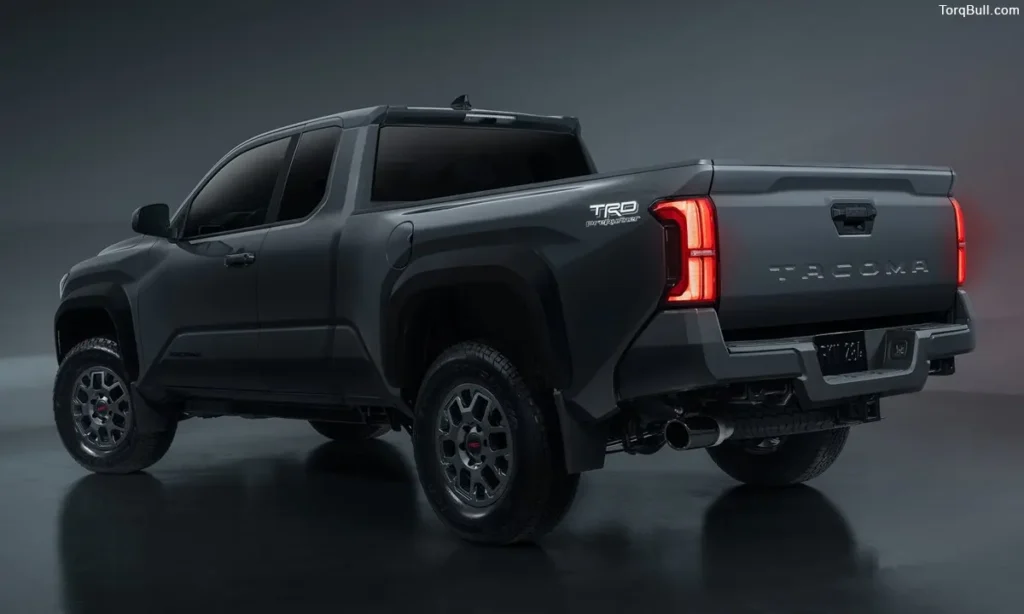
Fuel Economy That Trails Segment Leaders Without the Hybrid
The standard gas-powered Tacoma’s EPA ratings of 20 to 21 city and 24 to 26 highway MPG are competitive but not segment-leading for non-hybrid configurations. The Ford Ranger achieves comparable or marginally better economy in some configurations, and the Hyundai Santa Cruz — a more car-derived but functionally similar alternative — outperforms the gas Tacoma on efficiency without needing a hybrid system. The i-Force Max hybrid meaningfully addresses this limitation, improving fuel economy alongside performance, but the hybrid powertrain is not available on base trims where price-sensitive buyers shop. Buyers considering the gas-only Tacoma in SR or SR5 trim should be aware that they are choosing a truck whose fuel economy is adequate but not exceptional in a market where hybrid technology is increasingly available.
Ride Quality and Rear Seat Comfort That Trail Unibody Competitors
The 2024 redesign improved on-road manners meaningfully compared to the pre-refresh Tacoma — a truck that Consumer Reports described as producing a ride that was stiff, with a cabin that was loud and handling that was ponderous. The redesigned Tacoma is genuinely better on public roads. But the body-on-frame architecture still produces a ride character that Edmunds describes as depending significantly on trim level: lower SR trims “feel more like how you expect a basic truck to ride — a bit stiff.” Higher grades with more advanced suspension systems smooth the ride more effectively. The Honda Ridgeline — the segment’s unibody alternative — delivers a noticeably smoother, more car-like ride that no body-on-frame Tacoma fully replicates.
Rear seat accommodation in Double Cab configuration is a recurring complaint from taller occupants. Edmunds specifically notes that taller passengers find the rear seat cushions too low and too short for longer drives — a limitation the cab dimensions impose regardless of trim level. Buyers who regularly transport tall adults in the rear seats should verify rear seat comfort through a test drive before committing.
Infotainment Complaints as the Persistent Quality Concern
JD Power’s 2026 research identifies smartphone integration problems as the primary quality complaint from Tacoma owners — accounting for approximately half of all infotainment-related issues in owner feedback. This finding is consistent with the broader JD Power observation that software and infotainment system problems are driving record-high industry-wide problem rates, but the Tacoma’s infotainment challenges are specifically notable given the brand’s otherwise excellent reliability reputation. The 14-inch touchscreen’s visual presence and capability are genuine positives, but integration reliability and wireless CarPlay connectivity consistency are the most frequently cited operational friction points in short-term owner evaluations.
Read: Top 5 Off-Road Pickup Trucks Ranked by Real Terrain Performance Not Marketing Claims
2026 Toyota Tacoma — Complete Buyer Reference Chart
| Category | Specification / Rating | Competitive Position |
| Starting Price (SR XtraCab) | $32,245 MSRP | Competitive; buyers paying ~$1,740 below MSRP |
| Double Cab Starting Price | ~$35,400 | Segment average |
| Base Powertrain | 2.4L Turbo 4-Cyl, 228–278 hp | Adequate but not exceptional |
| Hybrid Powertrain | i-Force Max, 326 hp | Best-in-class hybrid power |
| Fuel Economy (base RWD) | 20 city / 26 hwy MPG | Average for segment |
| Maximum Towing | 6,500 lbs (gas) | Slightly below Frontier (7,150 lbs), similar to Ranger |
| 0–60 MPH | ~7.1–7.6 sec (gas); ~7.4 sec (hybrid) | Average for midsize trucks |
| JD Power Reliability (2026 VDS) | Most Reliable Midsize Pickup | #1 in segment |
| RepairPal Reliability | 4/5, #1 of 8 midsize trucks | Segment leader |
| IIHS Safety (2025) | Top Safety Pick | Strong |
| KBB 5-Year Depreciation | $13,238 (~39%) | Best in segment (23 years consecutive) |
| Edmunds Expert Rating | 6.8 / 10 | Slightly below Ranger |
| iSeeCars Overall Score | 8.5 / 10 | Above Ranger (7.8) |
| KBB 5-Year Cost to Own | $59,249 | Top 11–25% of midsize trucks |
| Off-Road Capability (TRD) | Segment-leading | Stabilizer disconnect unique to segment |
| Infotainment Satisfaction | Below segment average | Primary 2025–26 quality concern |
The 2026 Tacoma Against Its Key Competitors
The Ford Ranger is Edmunds’ current top-ranked midsize truck — scoring higher than the Tacoma on their expert rating scale — primarily for its more car-like on-road refinement, tighter build quality and strong technology integration. The Ranger’s maximum towing exceeds the Tacoma’s in some configurations, and its cabin quality is consistently praised above the Tacoma’s. However, the Ranger’s reliability history is less established than the Tacoma’s, and its resale value does not match the Tacoma’s consistent five-year retention record. For buyers who prioritise daily driving refinement, the Ranger is a compelling alternative. For buyers who prioritise long-term reliability and resale value, the Tacoma maintains its advantage.
The Nissan Frontier enters 2026 with updated exterior styling and significantly improved interior technology that closes the gap with the Tacoma on infotainment quality. Its lower starting price of approximately $32,150 and higher maximum towing of 7,150 pounds are genuine competitive advantages. But the Frontier lacks the Tacoma’s off-road specialisation in TRD trims, its hybrid powertrain option and its proven long-term reliability data — making it a better price-focused alternative rather than a comprehensive upgrade.
The Chevrolet Colorado offers strong value, available diesel and a DURABED cargo bed with available 120-volt power outlet, but does not match the Tacoma on reliability history or resale value at equivalent mileage.
Is the 2026 Toyota Tacoma Worth Buying? The Verdict
The 2026 Toyota Tacoma is worth buying for the majority of midsize truck buyers — not because it is the best-scoring truck on any single specification dimension, but because it delivers the most consistently reliable combination of reliability, resale value, off-road capability and technology that the midsize segment offers, and does so at a price point where KBB data confirms buyers are regularly paying below sticker.
It is clearly the best choice for buyers who prioritise reliability data over all else, who plan to own for five or more years where the resale value advantage produces meaningful financial return, who need genuine off-road capability in TRD Off-Road or TRD Pro specification and who value Toyota’s established long-term ownership experience. For these buyers, the JD Power Most Reliable Midsize Pickup title and 23 consecutive years of Best Resale Value are not marketing claims — they are the financial outcome of consistent engineering priorities that competitors have not consistently matched.
It is a less obvious choice for buyers who prioritise on-road ride quality, rear seat comfort for tall occupants or the smoothest possible infotainment experience — where the Ford Ranger or Honda Ridgeline deliver more refined daily alternatives. And for buyers whose primary concern is initial purchase price, the Nissan Frontier’s lower starting price and higher towing capacity present a credible alternative for straightforward work truck use without the Tacoma’s premium.
The Tacoma’s 2025 sales record and its 2026 trajectory confirm what the data supports: for most truck buyers in the American market, the combination of what the Tacoma delivers — and the confidence that its reliability and resale value consistently produce — makes it the worth-buying default in its class.