- U.S. News: Highlander 81 vs Pilot 80
- RepairPal: Highlander 4.0/5 vs Pilot 3.5/5
- Annual repairs: ~$489 (Highlander) vs ~$542 (Pilot)
- Consumer Reports: Pilot 79 vs Highlander 77
- Reliability depends on source and evaluation method
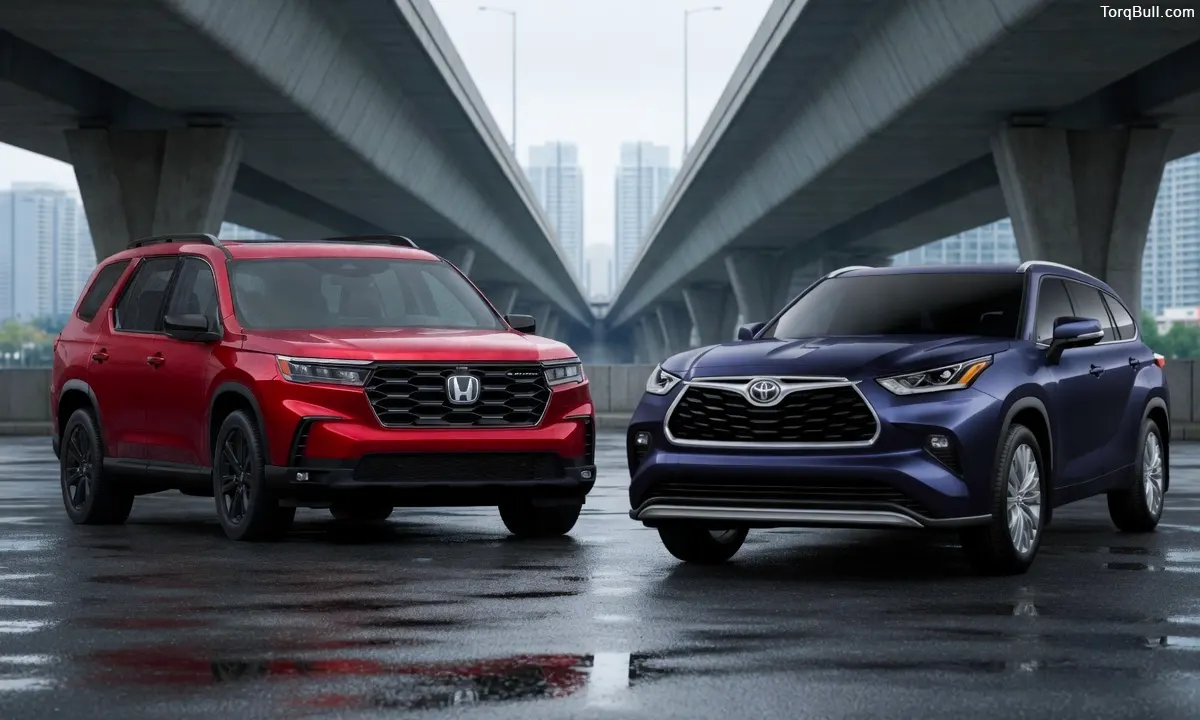
Toyota Highlander vs Honda Pilot: Few automotive comparisons generate more consistent debate than the Toyota Highlander versus Honda Pilot reliability question — because both vehicles come from manufacturers with genuine and well-documented reliability reputations, both occupy the same segment and similar price points, and the available data from the industry’s most respected reliability sources does not unanimously agree. Some sources give the Highlander a clear edge. Others favour the Pilot. Understanding why these sources diverge, what each one actually measures and which finding is most relevant to a buyer planning five to ten years of family SUV ownership is more useful than citing any single number in isolation. This guide provides that complete picture.
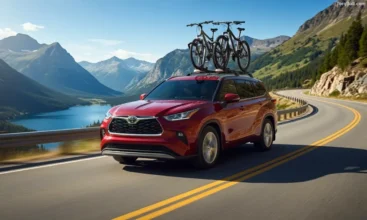
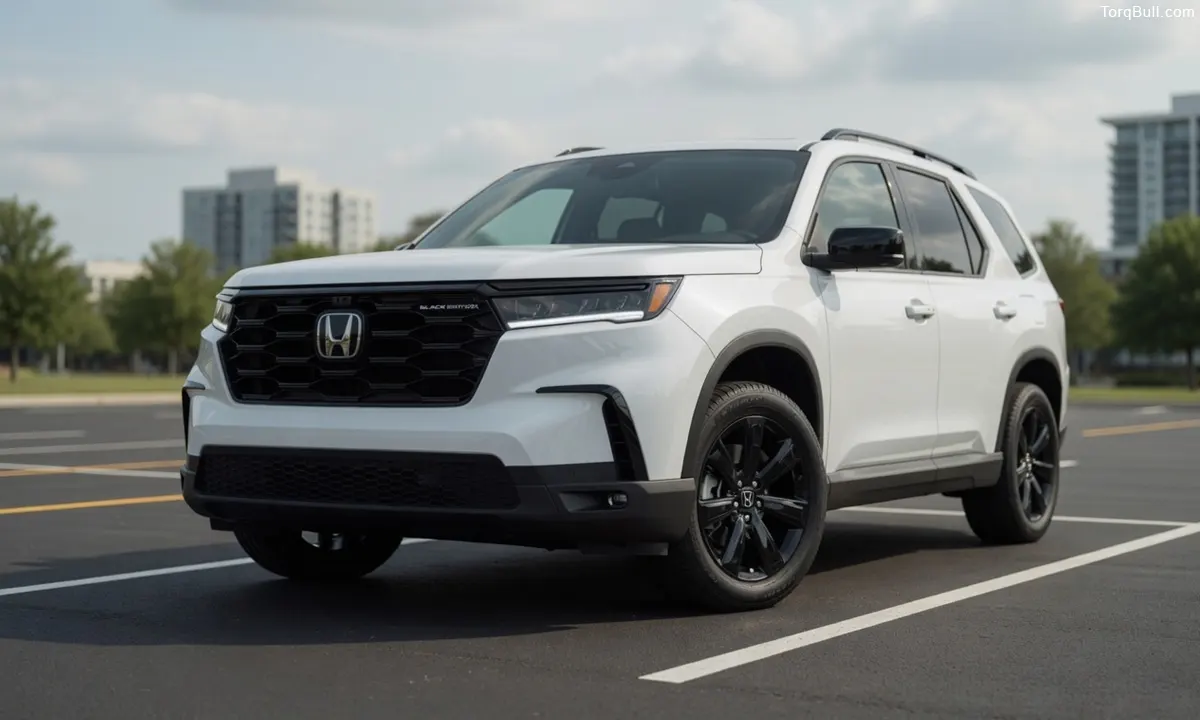
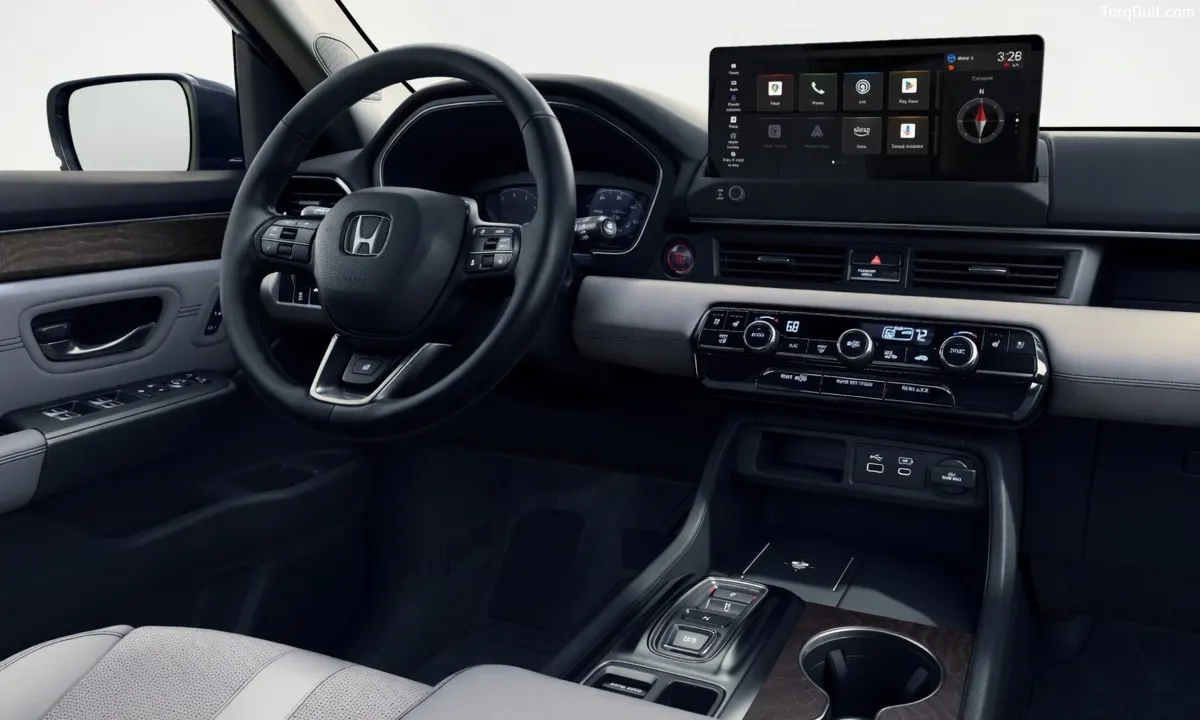
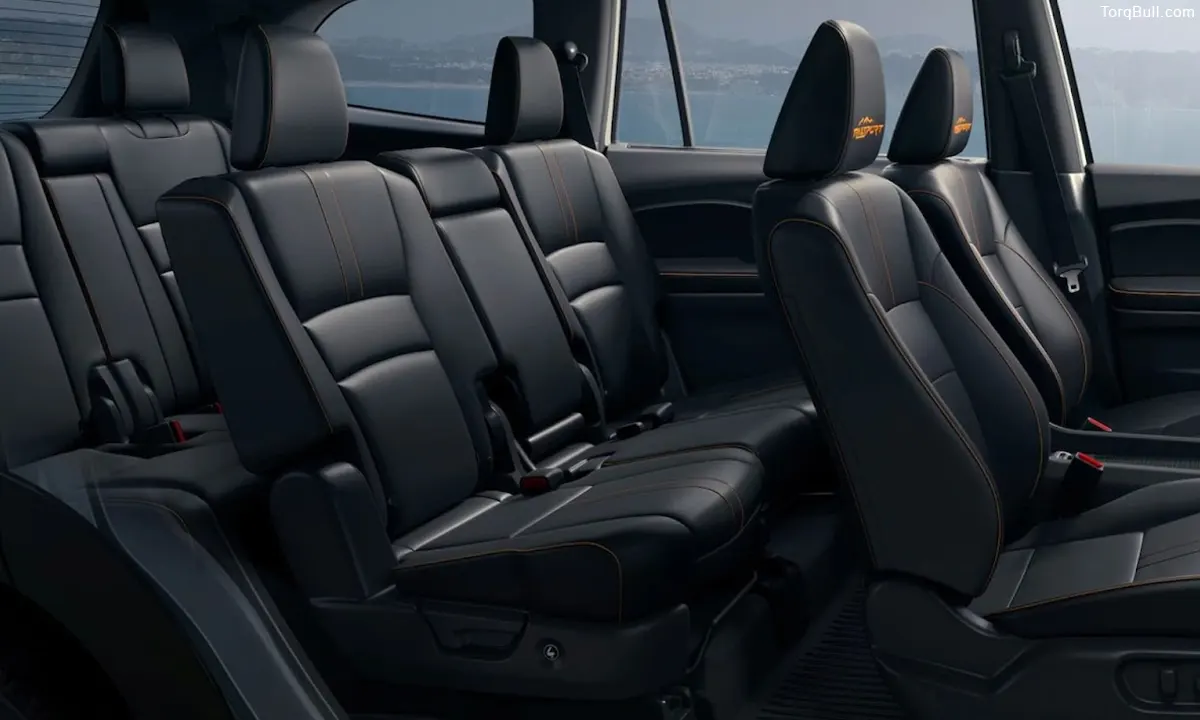
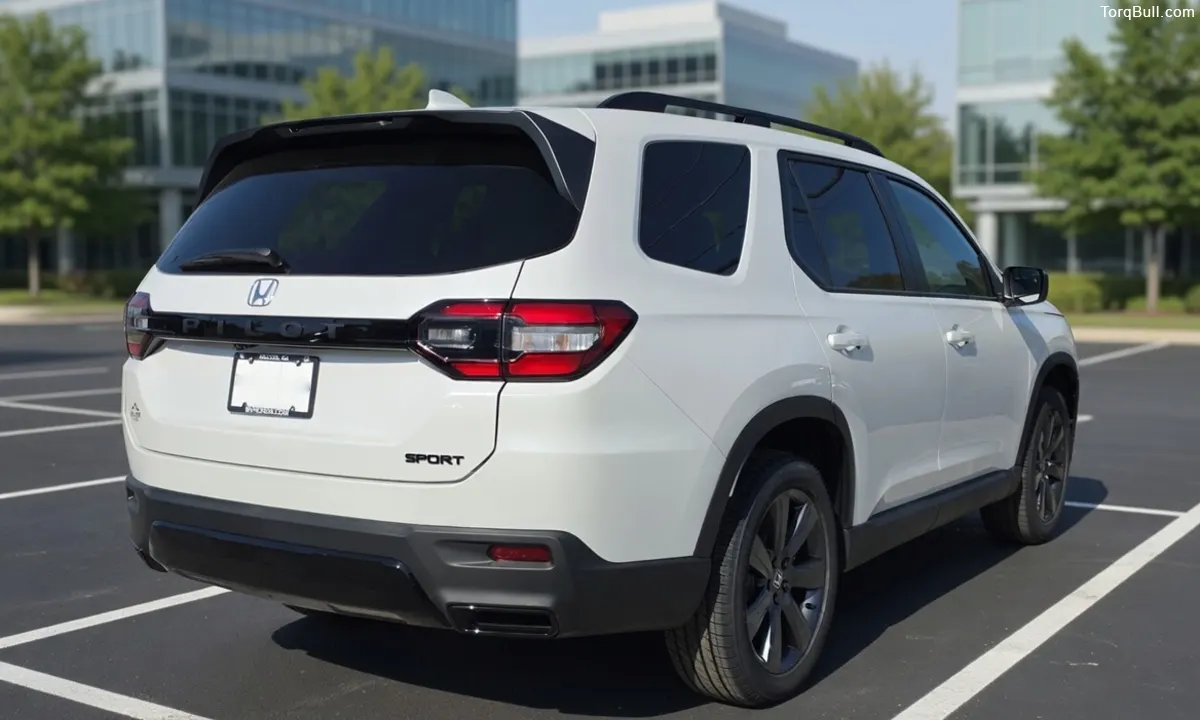
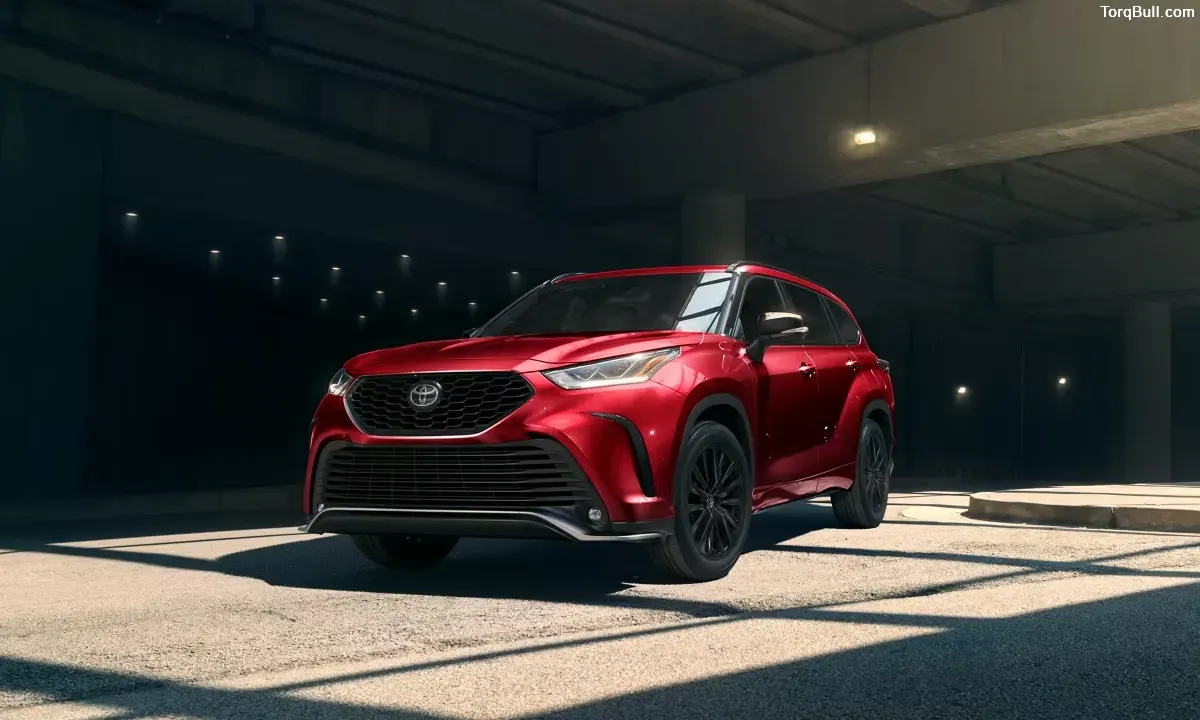
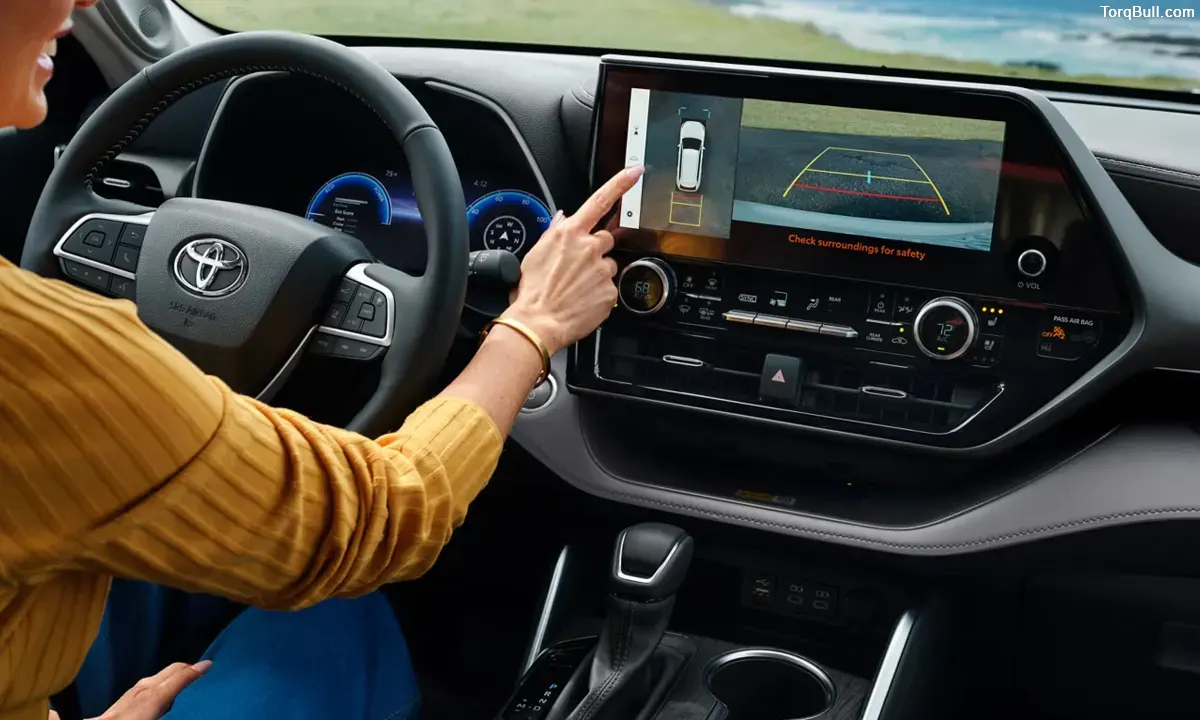
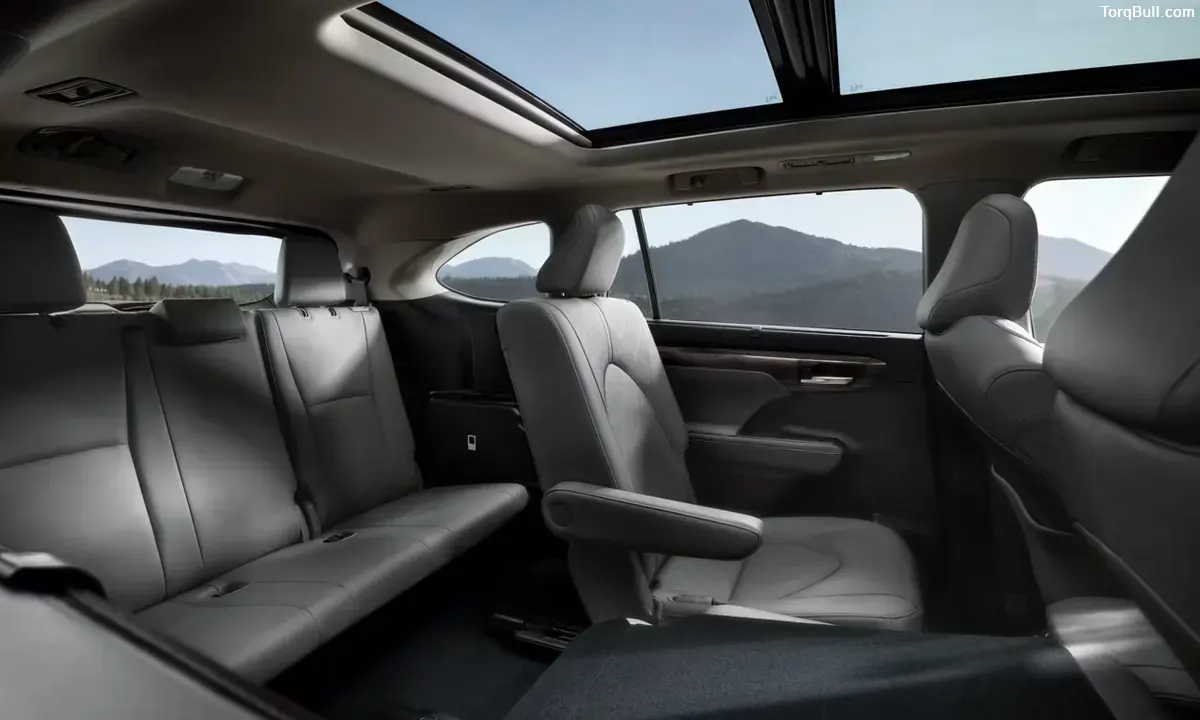
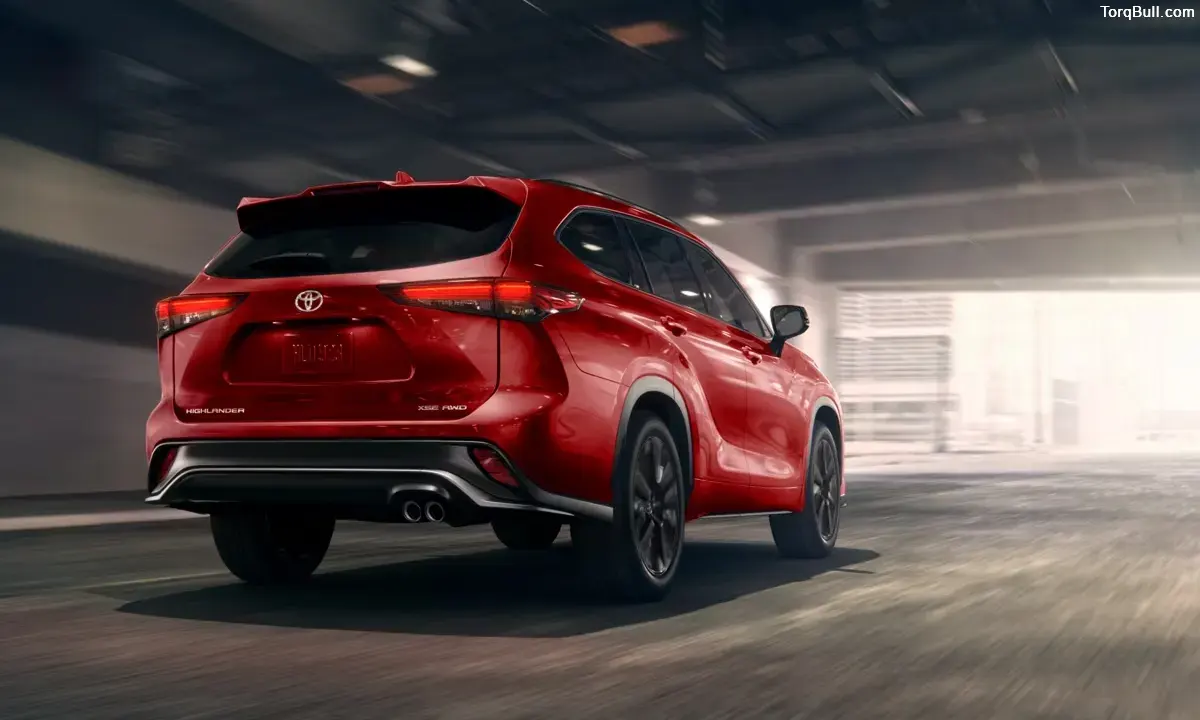
Gallery: Toyota Highlander vs Honda Pilot
The Manufacturer Reliability Context: Toyota vs Honda at Brand Level
Before examining vehicle-specific reliability ratings, the manufacturer-level reliability performance of Toyota and Honda establishes the fundamental context within which both vehicles operate.
Toyota consistently ranks among the top three manufacturers in the most comprehensive reliability surveys. JD Power’s 2026 Vehicle Dependability Study placed Toyota second overall among all manufacturers — a result consistent with JD Power’s 2025 and 2024 findings. Consumer Reports ranks Toyota third overall among all manufacturers for reliability. This consistent top-tier positioning reflects Toyota’s systematic quality control processes, conservative engineering philosophy and tendency to extend proven platforms across multiple model years before introducing new technology.
Honda’s reliability positioning is strong but less dominant than Toyota’s at the manufacturer level. Toyota’s consistently higher manufacturer ranking — second versus Ford at 23rd in JD Power, third versus Honda’s position in Consumer Reports — reflects a broader pattern of quality consistency across the full lineup, not just the specific models that perform best.
iSeeCars’ comprehensive analysis, drawing on over 25 billion data points including actual vehicle transaction data and long-term reliability tracking, reflects this manufacturer gap in its vehicle-specific ratings: the Toyota Highlander receives a reliability rating of 8.1 out of 10 versus the Honda Pilot’s 8.0 out of 10 — a modest but consistent advantage that aligns with Toyota’s broader manufacturer positioning.
Read: Best Electric SUVs In USA 2026. Ranked by Range, Value and Real-World Performance
RepairPal: Where the Highlander’s Reliability Advantage Is Clearest
RepairPal’s reliability ratings — based on the actual cost, frequency and severity of unscheduled repairs tracked across millions of real vehicle repair invoices — produce the most concrete operational reliability data available for both vehicles.
The Toyota Highlander carries a RepairPal reliability rating of 4.0 out of 5.0, ranking it seventh out of 26 vehicles in the midsize SUV category. The average annual repair cost for the Highlander is $489 — meaningfully below the $573 midsize SUV average and well below the $652 all-vehicle average. Highlander owners bring their vehicle to a repair shop for unscheduled issues an average of 0.3 times per year — below the 0.4-times midsize SUV average. The probability of any given repair being classified as severe or major is 13 percent, matching the midsize SUV average exactly.
The Honda Pilot carries a RepairPal reliability rating of 3.5 out of 5.0, ranking it thirteenth out of 26 in the midsize SUV category — six positions below the Highlander. The Pilot’s average annual repair cost is $542 — $53 per year more than the Highlander and above the segment average of $573 in the less favourable direction. RepairPal specifically notes that the frequency of repairs is higher than normal for the Pilot, meaning Pilot owners visit repair shops more often for unscheduled issues than Highlander owners — even though the severity of those issues when they occur is comparable to the average vehicle.
The RepairPal comparison is unambiguous in the Highlander’s favour: lower annual repair cost, higher reliability rating, lower unscheduled repair frequency and superior segment ranking. For buyers whose primary reliability concern is unexpected repair events and out-of-pocket repair costs over a multi-year ownership period, RepairPal’s data provides the most operationally relevant reliability advantage in the comparison.
Consumer Reports: Where the Pilot Earns a Narrow Advantage
Consumer Reports’ predicted reliability scores — drawn from its annual survey of more than half a million vehicles in its subscriber network — produce a different conclusion for the 2025 model year comparison. Consumer Reports gives the 2025 Honda Pilot a predicted reliability score of 79 out of 100, compared to the 2025 Toyota Highlander’s 77 — a 2-point advantage for the Pilot.
This Consumer Reports finding is significant because it specifically reflects the current-generation performance of both vehicles. The 2023 redesign of the Honda Pilot was comprehensively executed, addressing previous-generation weak points in cabin noise, feature content and driving refinement. Consumer Reports’ owner survey data from the 2023 and 2024 Pilot generation shows improved satisfaction across reliability-relevant categories. Simultaneously, the Toyota Highlander’s transition from the beloved 3.5-litre V6 to the turbocharged 2.4-litre four-cylinder in 2023 introduced some owner feedback around engine behaviour under hard acceleration and city fuel economy that differs from the V6’s established patterns.
It is important to understand what Consumer Reports measures in its predicted reliability scoring. The score is based on owner-reported problems across 17 different vehicle systems — ranging from minor issues like interior trim and climate controls to major concerns like engine and transmission performance. A vehicle that generates more frequent minor complaints scores lower even if those complaints do not translate into significant repair costs. Some of the gap between the Highlander’s 77 and the Pilot’s 79 in Consumer Reports likely reflects the turbocharged four-cylinder’s learning curve in owner adaptation rather than fundamental mechanical reliability differences.
Read: SUVs With Lowest Maintenance Cost. Annual Repair Cost Data Ranked From Best to Worst
U.S. News: A Statistical Tie With a Marginal Highlander Edge
U.S. News assigns reliability scores derived from multiple third-party data sources including JD Power, RepairPal and Consumer Reports. For the 2025 model year head-to-head comparison, U.S. News gives the Highlander an 81 out of 100 against the Pilot’s 80 — a single-point difference that U.S. News characterises as enough to give the Highlander the win while acknowledging the practical equivalence of the two scores at this resolution.
This marginal Highlander advantage in U.S. News reflects the aggregate of the underlying data sources — the Highlander’s stronger RepairPal performance offsetting the Pilot’s Consumer Reports edge to produce a near-tie with a narrow Toyota advantage overall.
Historical Reliability: The Long-Term Track Record Comparison
Single model-year reliability scores reflect a snapshot, but the historical reliability record across multiple generations provides the perspective that most relevant for buyers planning long-term ownership.
The Toyota Highlander has been produced since 2000 and has accumulated a long-term reliability record that consistently outperforms most of the midsize SUV segment. RepairPal’s Highlander data spans multiple generations and consistently produces the sub-$500 annual repair cost that its current-generation data reflects. From 2018 forward, the Highlander accumulates relatively few owner complaints — the 2017 to 2019 fuel pump recall notwithstanding, which was Toyota’s characteristically prompt response to an identified issue. The Highlander’s established reliability across the 2018 to 2022 V6-powered generation represents the strongest predictive evidence of long-term quality that any prospective buyer can access.
The Honda Pilot’s historical reliability is respectable but less uniformly positive. The 2003 to 2008 generations produced documented reliability concerns, and the 2016 to 2019 generation had transmission-related owner complaints in some configurations. The 2023 redesign has performed well in early-generation evaluations — Consumer Reports’ improved score reflects genuine quality improvement — but it has a shorter production track record than the Highlander’s established reliability baseline.
Read: The Midsize SUVs That Actually Fit Adults in the Third Row. Best Third-Row Legroom Ranked
Toyota Highlander vs Honda Pilot Reliability — Complete Comparison Chart
| Reliability Metric | Toyota Highlander | Honda Pilot | Advantage |
| RepairPal Rating (out of 5.0) | 4.0 / 5.0 | 3.5 / 5.0 | Highlander |
| RepairPal Segment Rank | 7th of 26 midsize SUVs | 13th of 26 midsize SUVs | Highlander |
| RepairPal Annual Repair Cost | $489 | $542 | Highlander ($53/yr less) |
| RepairPal Repair Frequency | 0.3x/year (below avg) | Higher than normal | Highlander |
| iSeeCars Reliability Rating | 8.1 / 10 | 8.0 / 10 | Highlander (slight) |
| U.S. News Reliability Score (2025) | 81 / 100 | 80 / 100 | Highlander (slight) |
| Consumer Reports Predicted Reliability | 77 / 100 | 79 / 100 | Pilot (narrow) |
| JD Power Manufacturer Rank | Toyota: 2nd | Honda: mid-tier | Highlander |
| 5-Year Depreciation (iSeeCars) | ~41.8% | ~48.3% | Highlander (6.5% better) |
| Historical Track Record (multi-gen) | Consistently strong 2018+ | Good 2023 gen; variable prior | Highlander |
| Manufacturer Reliability Rank | Toyota: 3rd (CR) / 2nd (JDP) | Honda: competitive but lower | Highlander |
Resale Value as a Reliability Proxy
One of the most persuasive indirect reliability measures is the five-year resale value — because used-market buyers specifically avoid vehicles with documented reliability concerns and premium prices for vehicles with proven durability. The Highlander retains approximately 58.2 percent of its original value after five years, versus the Pilot’s 51.7 percent — a 6.5 percentage point advantage in iSeeCars’ analysis. On a $45,000 original purchase price, this represents approximately $2,925 more in retained value for the Highlander over five years — a meaningful financial difference that reflects sustained used-market demand driven by documented quality.
Read: Best 7-Seater SUV Under $40K USA 2026. Ranked and Compared
The Honest Verdict: Which Is More Reliable?
The preponderance of evidence across the most comprehensive and methodologically rigorous reliability sources available favours the Toyota Highlander — but the margin is narrower than Toyota’s overall brand reputation suggests, and Consumer Reports’ current-generation assessment provides a genuine counterpoint that should not be dismissed.
The Highlander’s reliability advantages are most clearly demonstrated in RepairPal’s operational data — lower repair frequency, lower annual repair cost, better segment ranking and a multi-year track record that spans enough production history to provide high statistical confidence. The iSeeCars overall quality rating of 8.5 versus the Pilot’s 8.3, the third-place versus sixth-place overall SUV ranking and the superior five-year depreciation performance all reinforce the Highlander’s reliability positioning across multiple measurement approaches.
The Pilot’s Consumer Reports advantage reflects the 2023-generation vehicle’s genuine quality improvement — a redesign that addressed documented third-generation weak points — and deserves acknowledgment as a signal that the Pilot’s reliability trajectory is improving. Buyers who have historically chosen the Highlander over the Pilot specifically for reliability reasons may find the margin narrower than in previous generations.
For the buyer who asks which vehicle is more reliably likely to avoid unexpected repair visits and out-of-pocket repair costs across five to ten years of ownership, the Highlander provides the more defensible answer based on accumulated multi-source evidence. For the buyer who specifically values the 2023-generation Pilot’s redesign quality and is comfortable with Consumer Reports’ current-generation finding, the Pilot presents a genuinely competitive reliability profile that warrants consideration alongside its advantages in interior space, cargo volume and third-row accommodation.