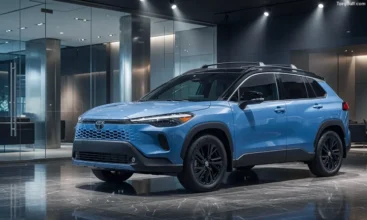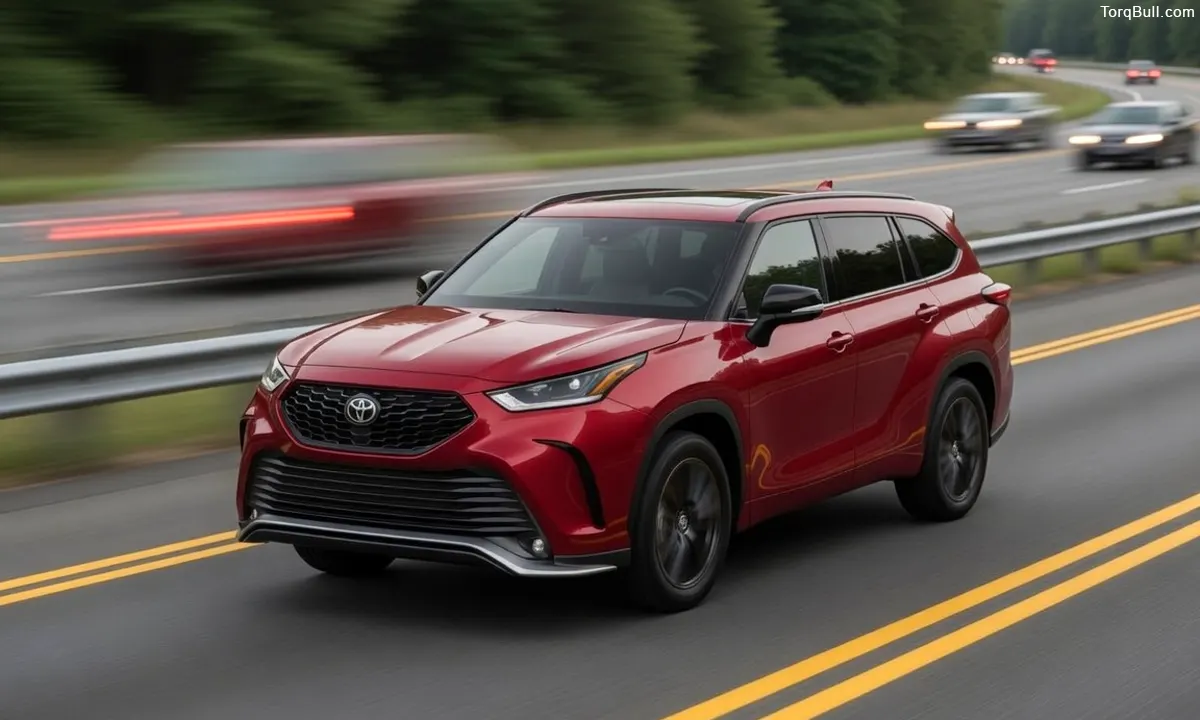
- Highlander Hybrid: 35–36 MPG EPA, ~33 MPG real-world
- One of the most efficient three-row SUVs
- Grand Highlander Hybrid shows lower real-world MPG
- City-heavy driving drops to ~23.9–26 MPG
- Efficiency varies by driving conditions and usage
Toyota’s hybrid system has been the gold standard for fuel economy consistency in the American automotive market for more than two decades — and in the three-row midsize SUV segment, the Highlander Hybrid represents one of the most compelling applications of that technology. A 35 to 36 MPG combined EPA rating in a vehicle that seats up to eight passengers, tows up to 3,500 pounds and carries 16 cubic feet of cargo behind the third row is an achievement that no V6-powered competitor can approach. But EPA ratings and real-world driving are different measures, and the gap between them varies depending on driving environment, temperature, load and driving style in ways that meaningfully affect the annual fuel cost comparison with competing three-row SUVs. This guide documents exactly what the Highlander Hybrid achieves in real-world conditions, explains why the number varies so significantly between driving environments and provides the complete annual fuel cost comparison against the key gasoline and hybrid alternatives.
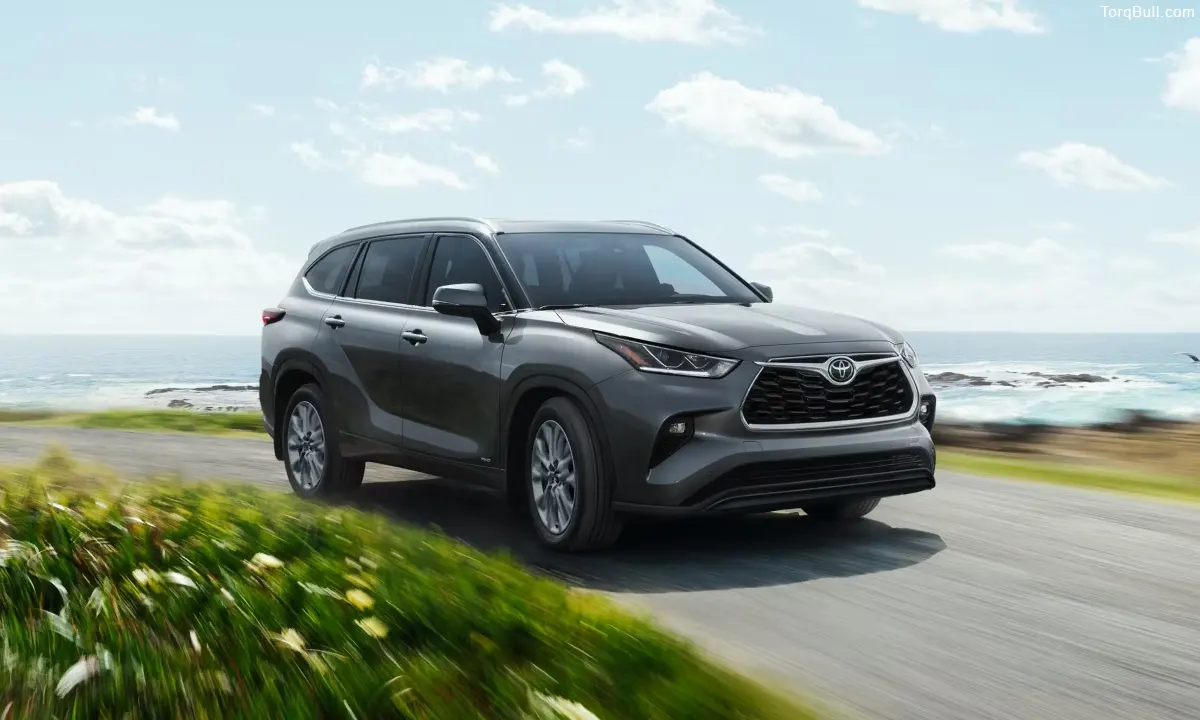
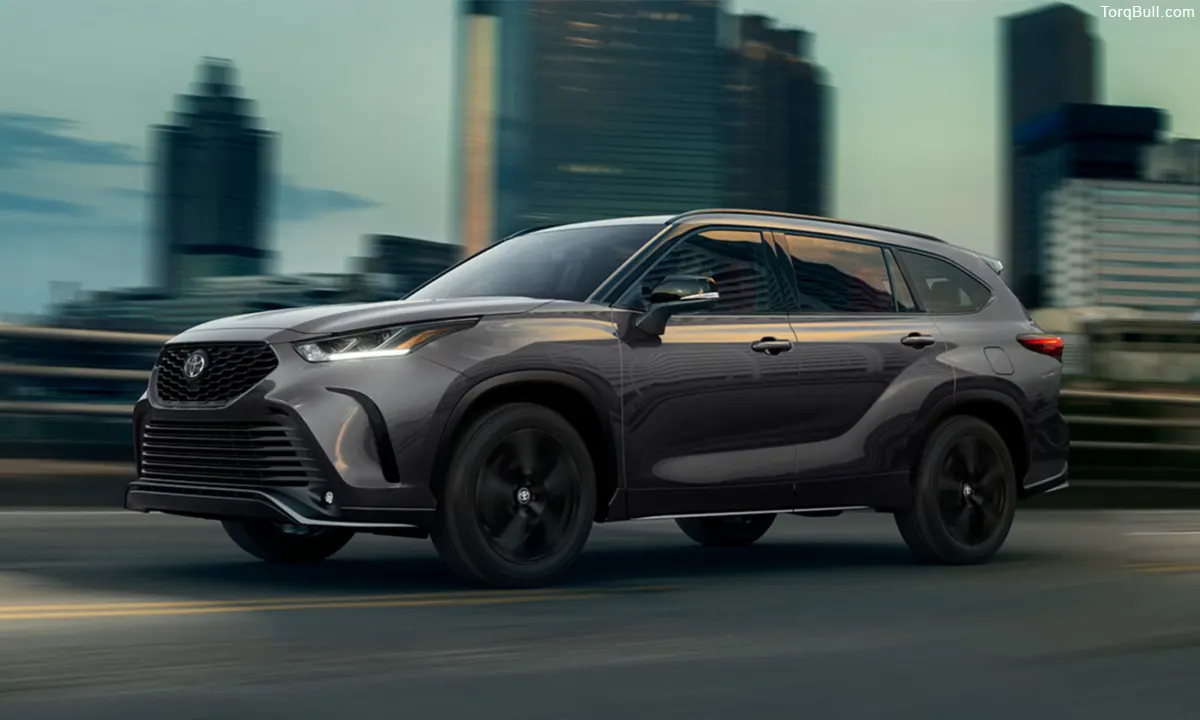
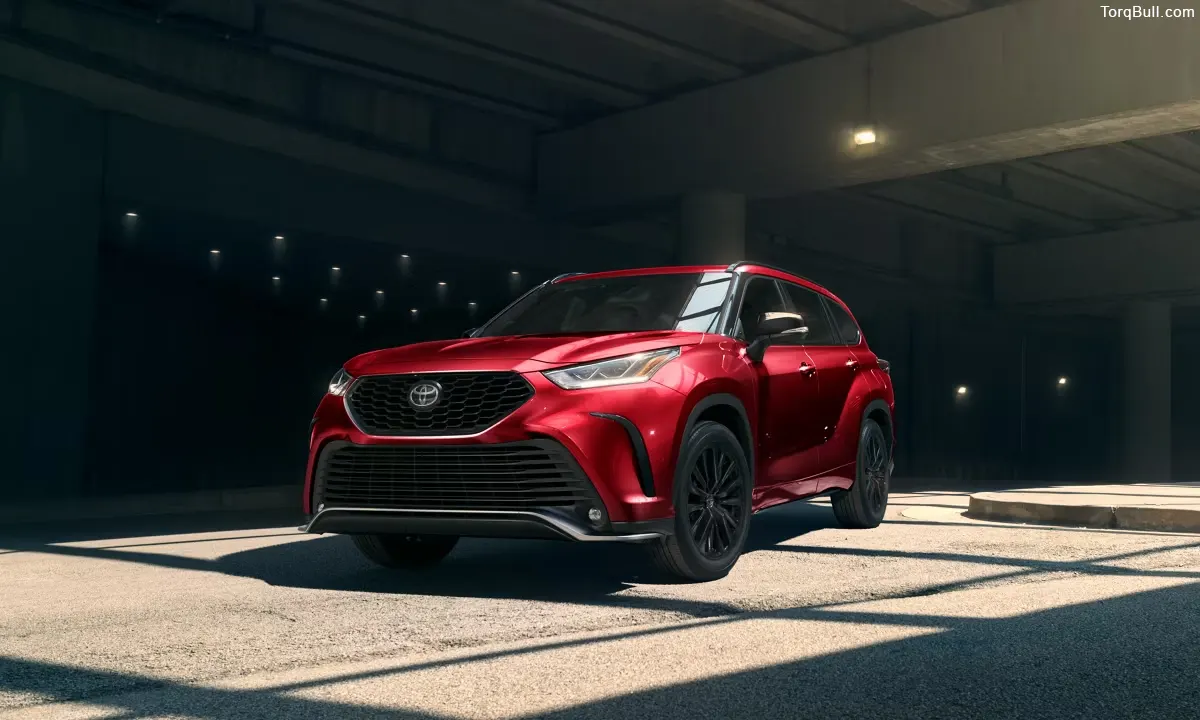
Gallery: Toyota Highlander
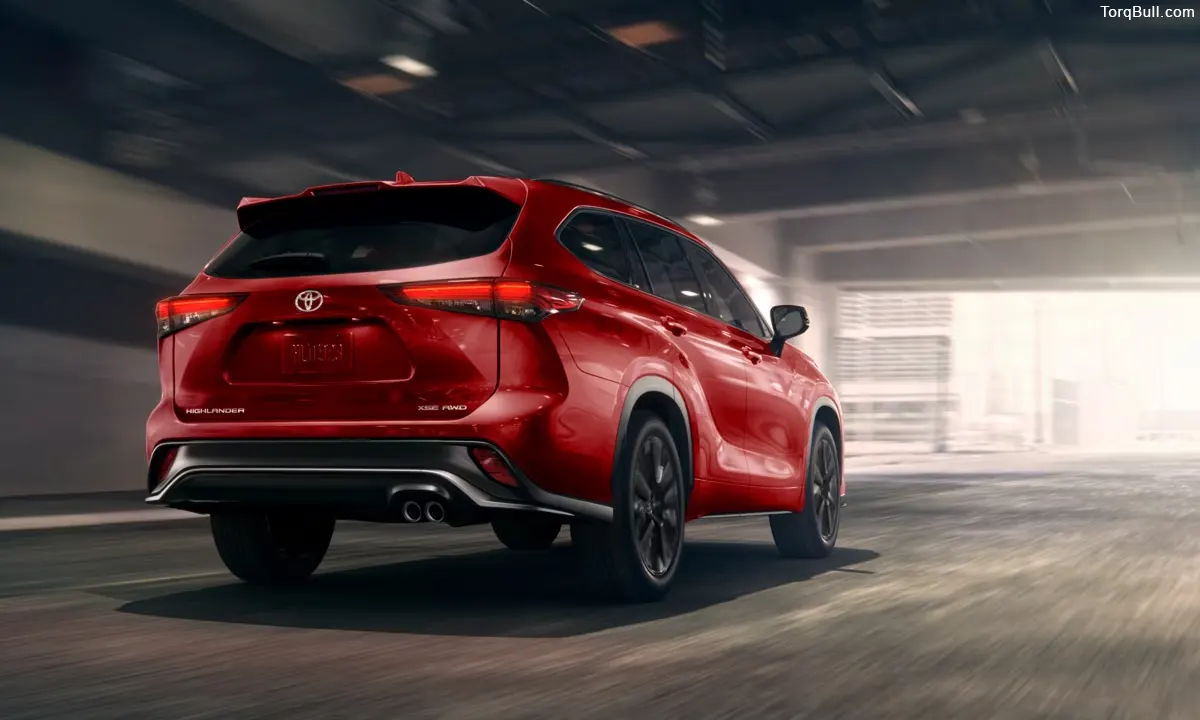
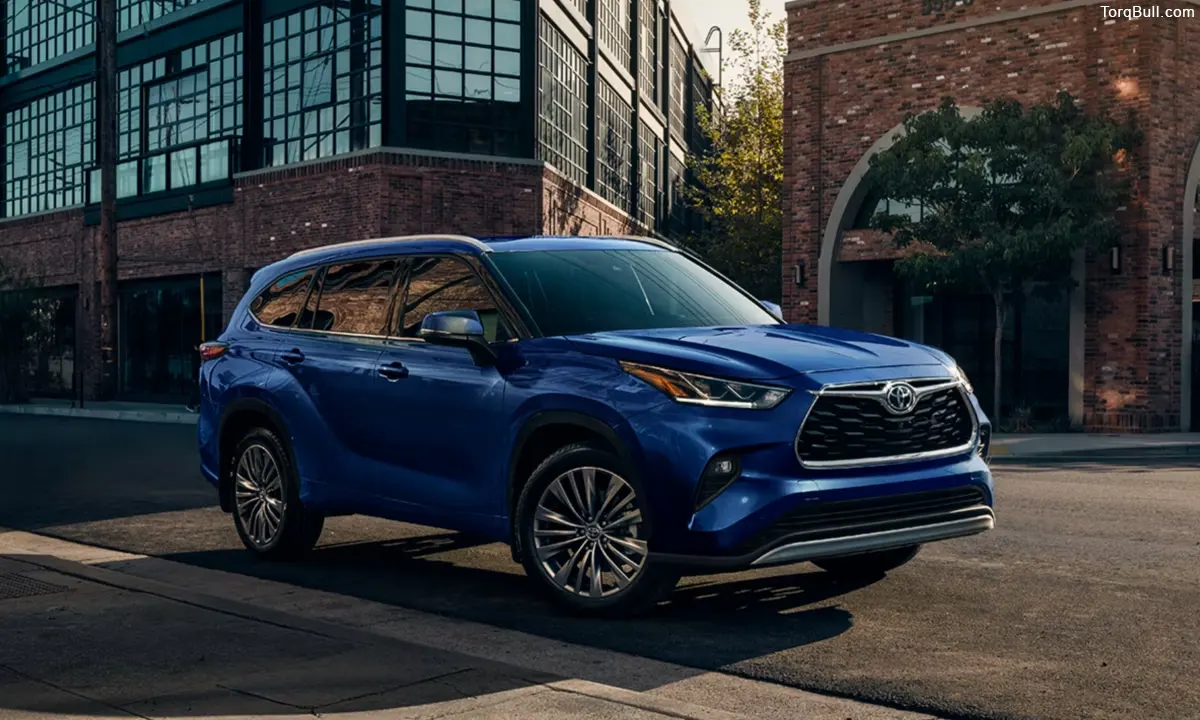
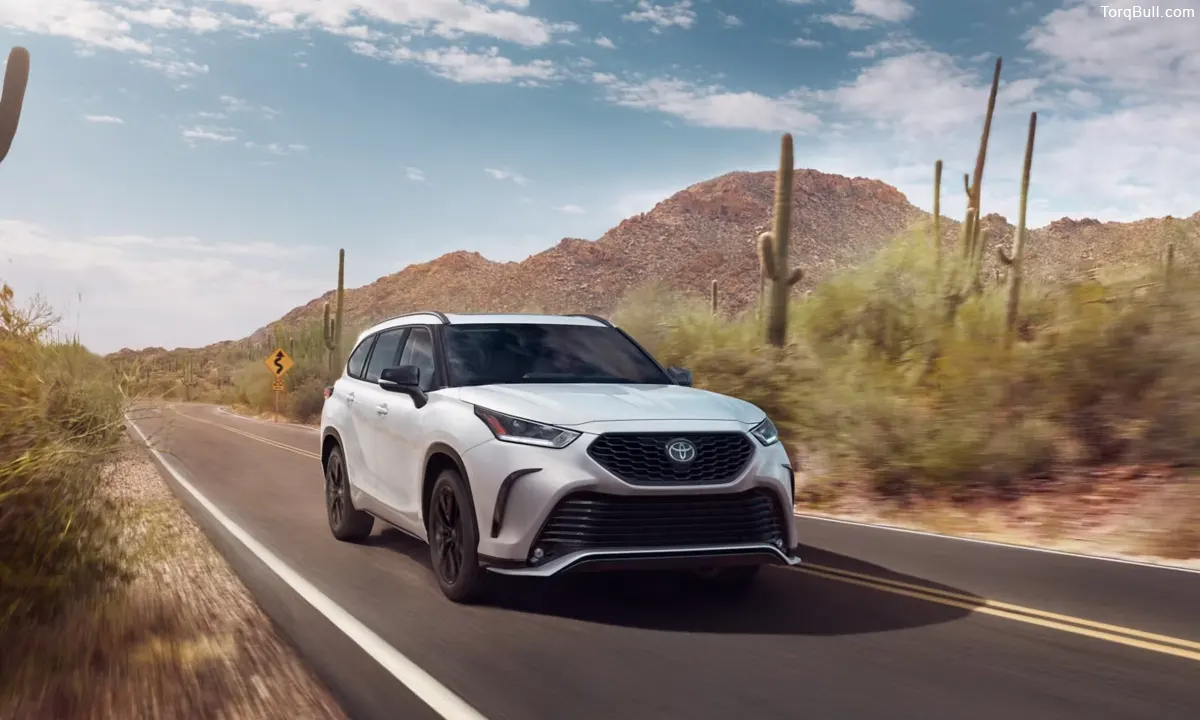
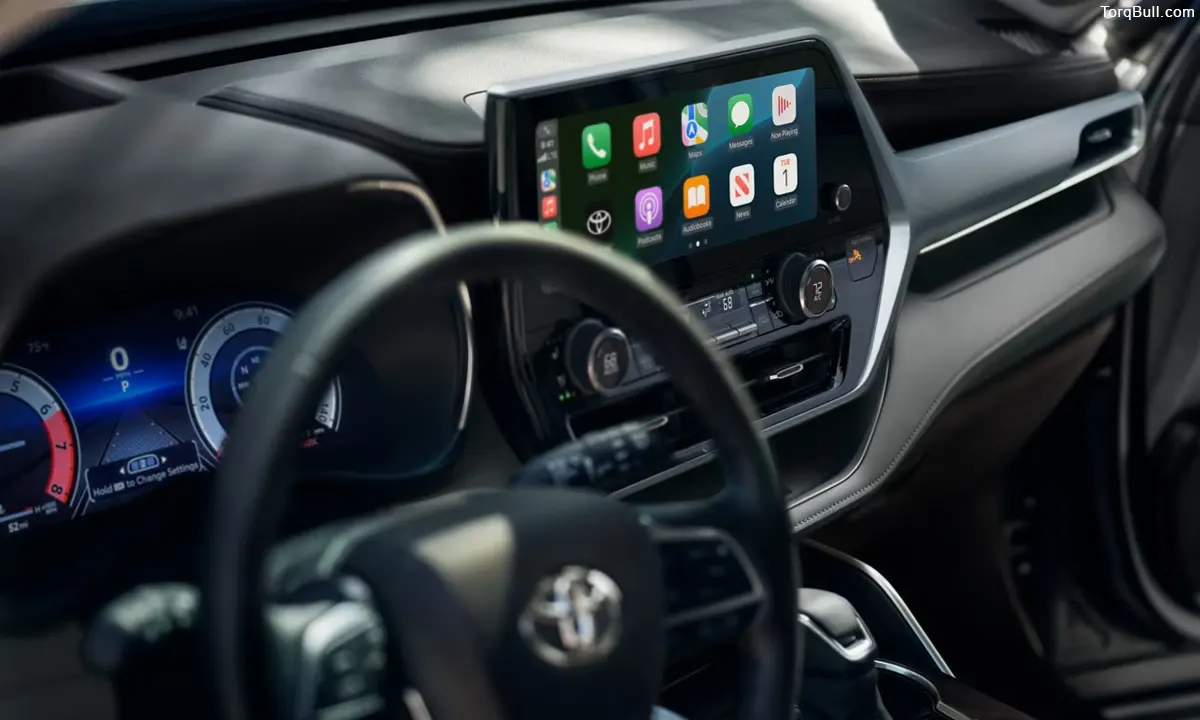

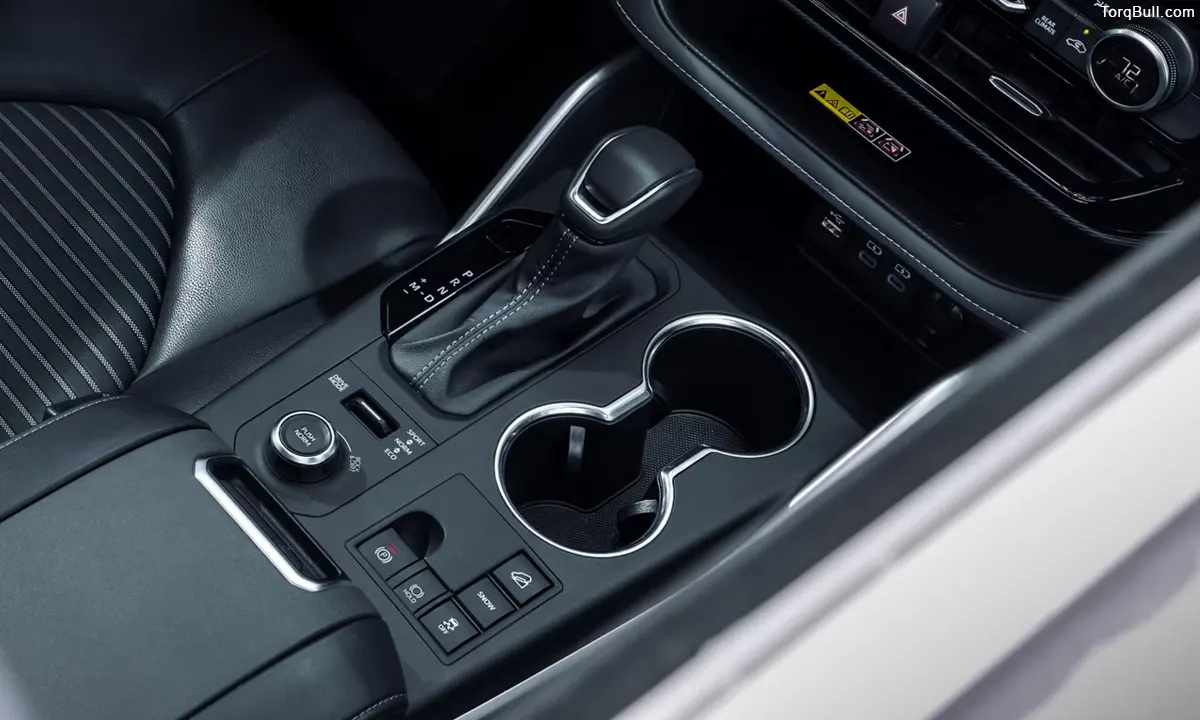
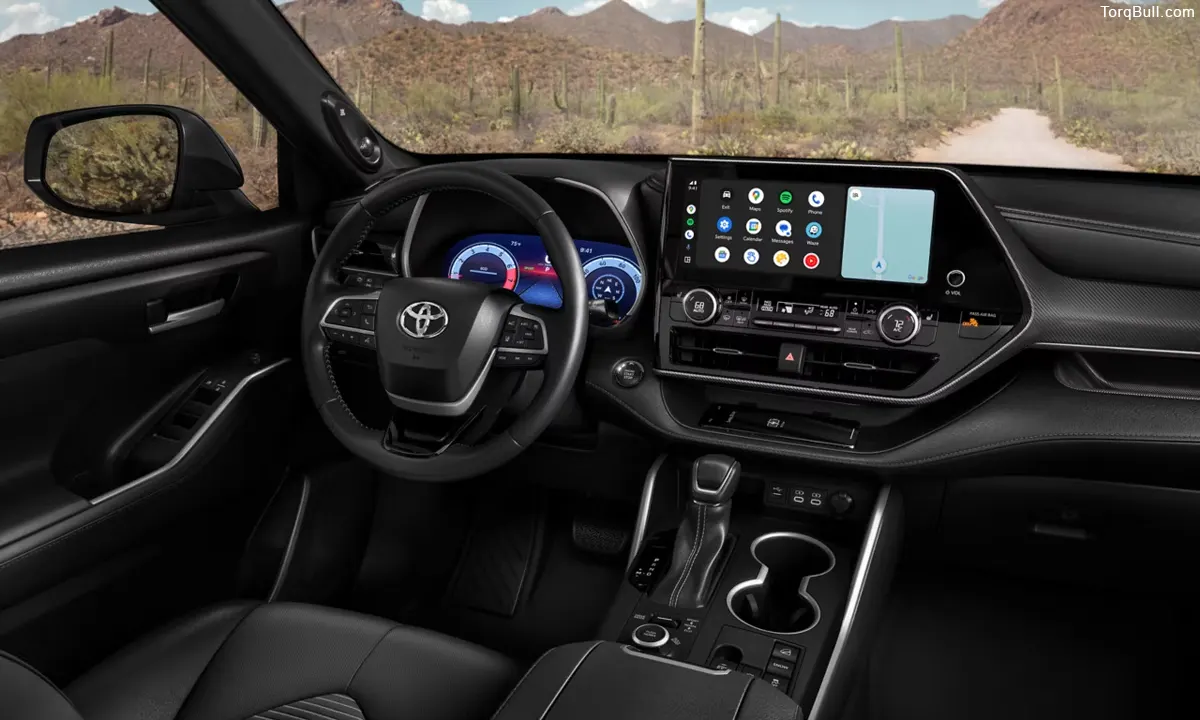


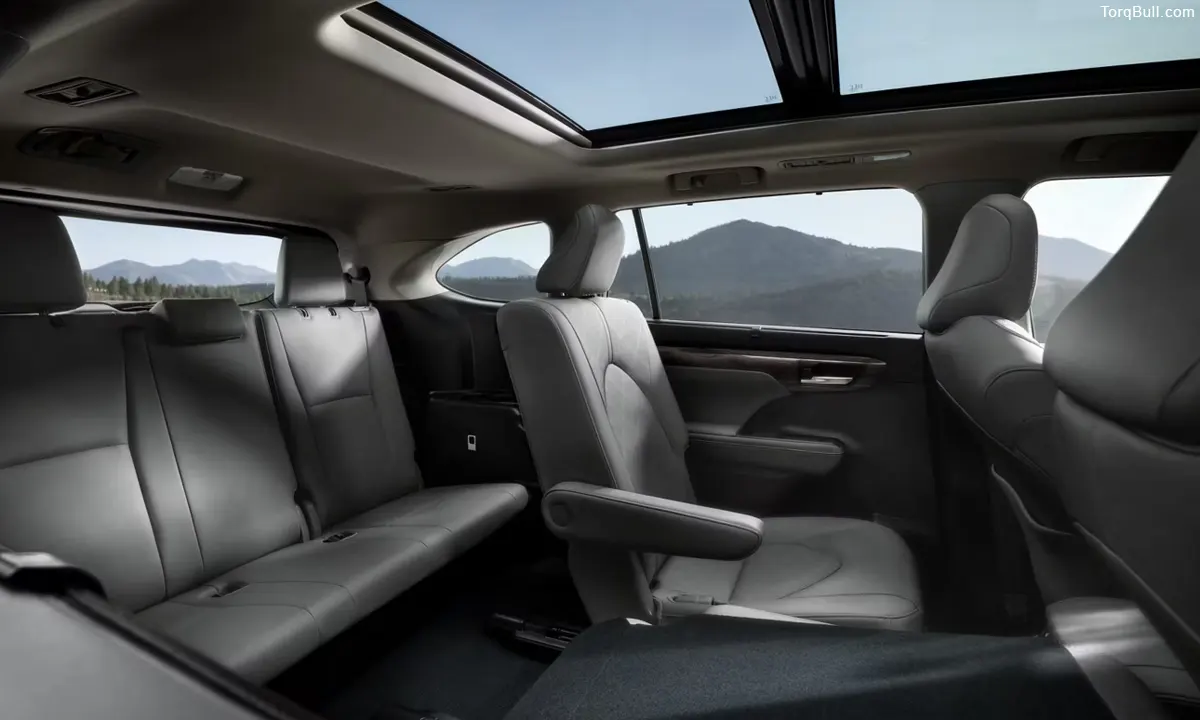

The 2026 Toyota Highlander Hybrid: EPA Ratings and Configuration
The 2026 Toyota Highlander Hybrid is the final model year of the current generation before the nameplate transitions to an all-electric platform for 2027. Changes from 2025 are minimal — Toyota reserved the comprehensive 2024 refresh’s improvements for the current generation and carries them forward into the last year of production.
All 2026 Highlander Hybrid configurations use Toyota’s proven fifth-generation hybrid system, pairing a 2.5-litre naturally aspirated four-cylinder engine with two electric motors — one powering the front axle and one dedicated to the rear axle for electronic all-wheel drive. Combined system output is 243 horsepower. The CVT transmission is the only available pairing, matched to Toyota’s Hybrid Synergy Drive system management. The base LE trim has been discontinued for 2026, meaning the XLE at approximately $47,620 is the new entry point — and all trim levels now come with AWD as standard, a meaningful change from prior years where front-wheel drive was available and produced the best EPA fuel economy numbers.
Most configurations of the 2026 Highlander Hybrid carry an EPA rating of 35 MPG across city, highway and combined driving — an unusually flat efficiency curve that reflects the hybrid system’s ability to recover energy in multiple driving modes. The Limited and Platinum trims carry a 34 MPG highway rating but maintain 36 MPG city, producing a combined figure of 35 MPG. The 11 MPG improvement in combined fuel economy relative to the non-hybrid Highlander’s 24 MPG combined is the headline efficiency advantage, and the 14 MPG city advantage — 36 MPG versus 22 MPG for the gasoline Highlander in city driving — is the category where the hybrid system’s regenerative braking advantage is most pronounced.
Read: Cheapest Hybrid SUVs In USA 2026. The Complete Affordable Hybrid SUV Comparison
Edmunds Real-World Testing: The 33 MPG Result and What It Means
The most credible and most methodologically consistent real-world fuel economy test available for the 2026 Highlander Hybrid comes from Edmunds’ evaluation route — a standardised, repeatable testing procedure that Edmunds uses across all vehicles to ensure comparable results. Their 2026 Highlander Hybrid test returned 33 MPG — 2 MPG below the 35 MPG EPA combined rating. Edmunds specifically describes this as “really good for a big three-row SUV” and notes it is “slightly below the EPA estimates” — characterising the 2 MPG shortfall as modest and the overall efficiency achievement as genuinely impressive for the class.
The 33 MPG real-world result places the Highlander Hybrid in an exclusive tier of three-row SUVs that can credibly claim hybrid efficiency rather than merely hybrid nomenclature. The Hyundai Palisade Hybrid claims EPA ratings of 33 city and 35 highway for comparable real-world results. The Kia Sorento Hybrid — a smaller two-row vehicle — achieves 39 MPG combined, providing a useful reference for what hybrid technology can achieve in a lighter platform. The Mazda CX-90 PHEV produces real-world results below the Highlander Hybrid in most testing scenarios. In this competitive context, the Highlander Hybrid’s 33 MPG real-world combined result is not merely adequate — it is the segment’s standard for non-plug-in hybrid efficiency in a genuine three-row body.
A key insight from Edmunds’ Highlander Hybrid review is the specific advantage in city driving. At city speeds where regenerative braking recovers meaningful energy from every deceleration event, the Highlander Hybrid’s performance is proportionally strongest — the gap between its city MPG and the gasoline Highlander’s city MPG is 14 points, while the highway gap narrows to approximately 9 points. For predominantly urban drivers, the Highlander Hybrid’s real-world advantage over competing three-row SUVs is maximised. For predominantly highway drivers, the gap narrows — though 33 to 35 MPG at highway speeds still leads the three-row SUV segment convincingly.
Owner Real-World Data: What Driver Experience Shows
Professional testing provides standardised reference points, but the most practically useful picture of Highlander Hybrid real-world fuel economy comes from owner-reported data across diverse driving conditions, climates and personal driving styles.
Highlander Hybrid owner forum discussions consistently describe a range of real-world outcomes that reflects the sensitivity of hybrid efficiency to driving environment. City and suburban commuters who use Eco mode consistently and maintain moderate speeds routinely report 34 to 37 MPG — approaching or exceeding the EPA combined figure in conditions where regenerative braking events are frequent and sustained highway speeds are minimal. One owner community reports a regular average of 34 MPG in predominantly city driving. Another describes consistent 35 to 37 MPG results on flat terrain with moderate speeds.
Highway driving produces the most mixed owner results — and the clearest divergence from city figures. At sustained 70 to 75 MPH highway speeds with minimal braking, the hybrid system’s regenerative advantage largely disappears. The engine carries the primary load and the electric motors contribute minimally at sustained highway speed. Owners reporting highway-dominated driving profiles typically describe 30 to 33 MPG — still impressive for a three-row SUV but noticeably below the city figures that give the hybrid system its greatest advantage.
Winter driving produces the most significant real-world efficiency reduction. Cold temperatures reduce lithium-ion battery efficiency and require the gasoline engine to run more frequently to warm the drivetrain to optimal operating temperature. Cabin heating draws from the engine rather than a heat pump in most Highlander Hybrid configurations, further reducing efficiency in cold weather. Owners in northern states consistently report winter fuel economy of 28 to 32 MPG — a reduction of 3 to 7 MPG from their warm-weather averages.
Read: Best SUVs Under $40000 In USA 2026. Ranked by Value, Safety and Real-World Family Practicality
Grand Highlander Hybrid vs Standard Highlander Hybrid: A Critical Real-World Distinction
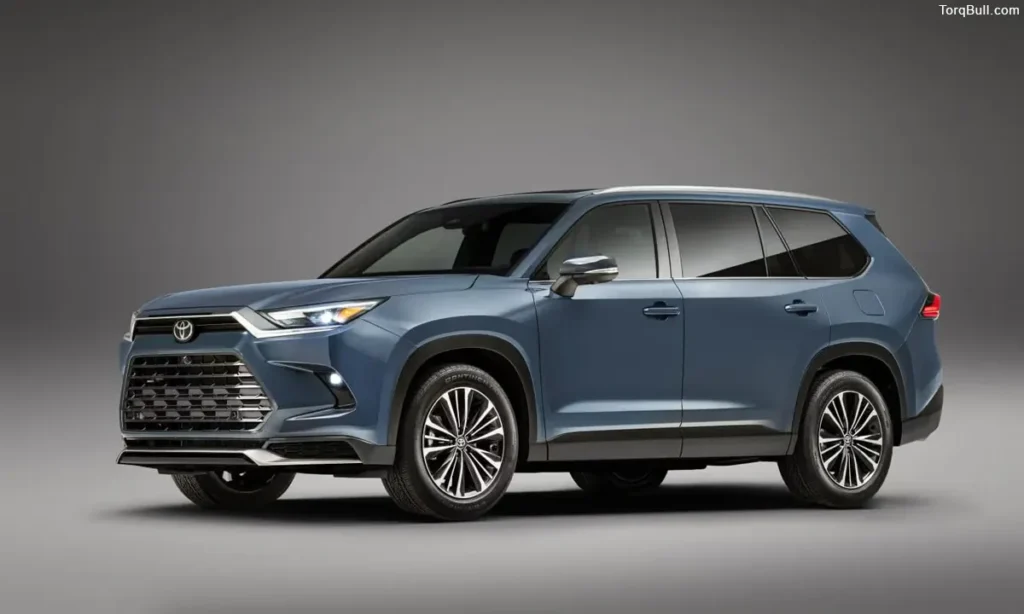
The Toyota Highlander and the Toyota Grand Highlander are sold simultaneously in the American market — sharing hybrid technology but producing significantly different real-world fuel economy results that buyers frequently conflate due to their similar names and marketing positioning.
The standard Toyota Highlander Hybrid achieves Edmunds’ 33 MPG real-world result — impressive and consistent with its EPA 35 MPG combined rating. The Toyota Grand Highlander Hybrid — a larger, heavier three-row SUV that is approximately 8 inches longer than the standard Highlander — produces meaningfully lower real-world efficiency despite carrying the same EPA rating of 27 MPG combined in base hybrid and 36 MPG in FWD XLE configuration.
Autoblog’s April 2026 test of the Grand Highlander Hybrid returned 23.9 MPG in city-heavy driving — a result that Autoblog characterised as insufficient for a vehicle marketed primarily on hybrid efficiency. The Road Beat’s evaluation of the Grand Highlander Hybrid returned 26 MPG in mixed conditions. Grand Highlander Hybrid owner forum data shows a wide distribution: one owner with 6,100 miles reports a 30 MPG average with a best tank of 38.3 MPG and a worst of 24.6 MPG. Another with 3,100 miles in predominantly city driving and Eco mode reports 35.2 MPG. A third reports 34 MPG in mixed city and highway driving at speeds of 60 MPH on local highways.
The Grand Highlander Hybrid’s real-world efficiency variability is substantially wider than the standard Highlander Hybrid’s because its larger vehicle mass amplifies the sensitivity to speed, load and driving mode. The standard Highlander Hybrid’s more consistent 33 MPG result reflects a vehicle whose weight and aerodynamics are better matched to the hybrid system’s optimised efficiency curve.
Toyota Highlander Hybrid vs Competitors — Real-World Fuel Economy Chart
| Vehicle | EPA Combined | Real-World Test | City | Highway | Annual Fuel Cost* | Notes |
| Toyota Highlander Hybrid 2026 | 35 MPG | ~33 MPG | 36 MPG | 35 MPG | ~$1,400 | Best in class; Edmunds tested |
| Toyota Grand Highlander Hybrid 2026 | 27–36 MPG | 23.9–35 MPG | 36 MPG (FWD) | 34 MPG (FWD) | ~$1,300–$2,000 | Wide real-world variability |
| Hyundai Palisade Hybrid 2026 | 33 MPG city / 35 MPG hwy | ~32 MPG est. | 33 MPG | 35 MPG | ~$1,450 | Strong competitor |
| Toyota Highlander (gas only) | 24 MPG | ~22–24 MPG | 20 MPG | 27 MPG | ~$1,925 | 11 MPG disadvantage vs hybrid |
| Honda Pilot 2026 | 22 MPG | ~22 MPG | 20 MPG | 25 MPG | ~$2,100 | No hybrid available |
| Ford Explorer 2026 | 24 MPG | ~22–24 MPG | 21 MPG | 28 MPG | ~$1,925 | No standard hybrid |
| Kia Sorento Hybrid | 39 MPG | ~37–39 MPG | 39 MPG | 35 MPG | ~$1,185 | Smaller 2-row; stronger efficiency |
| Mazda CX-90 PHEV | 56 MPGe | Varies widely | — | — | Varies | PHEV complexity; integration issues noted |
*Annual fuel cost calculated at $3.08/gallon, 15,000 miles per year, at respective real-world MPG.
What Determines Where a Highlander Hybrid Owner Falls Within the Range
The 23 to 37 MPG real-world range that Highlander Hybrid owners report is not random — it is almost entirely explained by five specific variables that any owner can understand and partly control.
Driving environment is the single most powerful variable. The hybrid system’s city efficiency advantage is structurally built on regenerative braking — energy recovery during deceleration. An owner whose driving involves frequent stops at traffic lights and moderate speeds recovers significantly more energy per mile than an owner who makes long, uninterrupted highway trips. City-dominant drivers consistently approach or exceed the EPA rating. Highway-dominant drivers at 70-plus MPH see the lowest end of the real-world range.
Speed amplifies the driving environment effect at highway velocities. Above 65 MPH, aerodynamic drag increases rapidly, and the hybrid’s regenerative advantage is minimal while energy consumption rises. Owners who cruise at 60 to 65 MPH on highways consistently report 35 to 37 MPG even on predominantly highway routes. Those who cruise at 75 to 80 MPH report 28 to 32 MPG. Recharged’s analysis of hybrid efficiency patterns confirms that speed management is the most controllable variable available to any hybrid driver seeking to approach the EPA figure.
Temperature affects efficiency through multiple mechanisms — reduced battery efficiency, more frequent engine operation for cabin heating and increased drivetrain warm-up time. Northern-state winter owners should expect 3 to 7 MPG reductions from warm-weather baselines, consistent with owner reports of 28 to 32 MPG in January compared to 34 to 36 MPG in July in the same vehicle.
Driving mode selection matters specifically at lower speeds where the hybrid system’s mode management produces measurably different outcomes. Eco mode in the Highlander Hybrid moderates accelerator response and prioritises electric motor operation over gasoline engine engagement at low power demands. City owners in Eco mode consistently report economy at or above the EPA rating. Drivers who use Sport mode for spirited acceleration activate the gasoline engine more aggressively and reduce the proportion of miles driven on electric power, lowering overall economy by 2 to 5 MPG relative to Eco mode in comparable conditions.
Load and terrain contribute modestly but measurably. A Highlander Hybrid with seven occupants and luggage uses more energy per mile than a solo-driver commuter. Sustained uphill grades activate the gasoline engine at higher loads, reducing efficiency on mountain routes compared to flat highway driving at the same speed.
Read: Top 10 Best SUVs In USA for 2026. Ranked by Real Ownership Evidence
The Annual Fuel Saving: What the Real-World Numbers Mean for Your Budget
The practical financial implication of the Highlander Hybrid’s 33 MPG real-world efficiency is most clearly expressed through the annual fuel cost comparison against the gasoline Highlander and competing non-hybrid three-row SUVs.
At 15,000 annual miles, $3.08 per gallon and 33 MPG real-world combined, the Highlander Hybrid’s annual fuel cost is approximately $1,400. The gasoline Highlander at 22 MPG real-world costs approximately $2,100 per year — a saving of approximately $700 annually from the hybrid powertrain alone. Against the Honda Pilot at 22 MPG and the Ford Explorer at 22 to 24 MPG, the savings are similarly approximately $600 to $700 per year. Over five years of ownership, these annual savings accumulate to $3,000 to $3,500 — partially but not fully offsetting the Highlander Hybrid’s approximately $7,000 to $9,000 purchase price premium over the non-hybrid Highlander. The full hybrid payback period, based on fuel savings alone, is approximately eight to twelve years at current fuel prices — a timeline that improves with higher mileage and higher gasoline prices, and shortens significantly if gasoline returns to $4.00 per gallon or above.
For buyers who plan to own the Highlander Hybrid for seven or more years and drive average to above-average annual mileage, the combination of fuel savings and Toyota’s hybrid reliability record — which Toyota specifically markets as requiring no plug-in charging and producing no additional charging infrastructure cost — makes the Highlander Hybrid the most practical and most financially rational three-row hybrid SUV in the American market in 2026.