- 2.4L turbo: 265 hp, 310 lb-ft, ~7.4s 0–60
- Strong performance for a three-row SUV
- Engine noise under load is a common complaint
- Hybrid: 243 hp with quieter operation
- Hybrid offers ~35 MPG and better overall efficiency
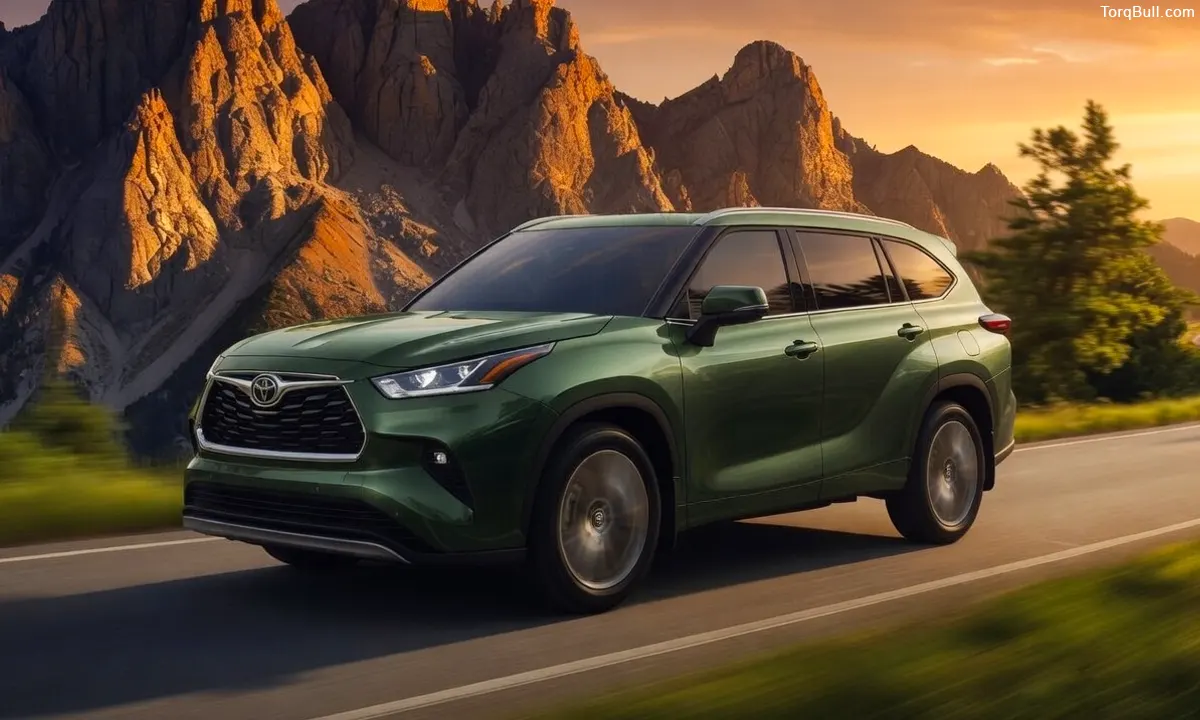
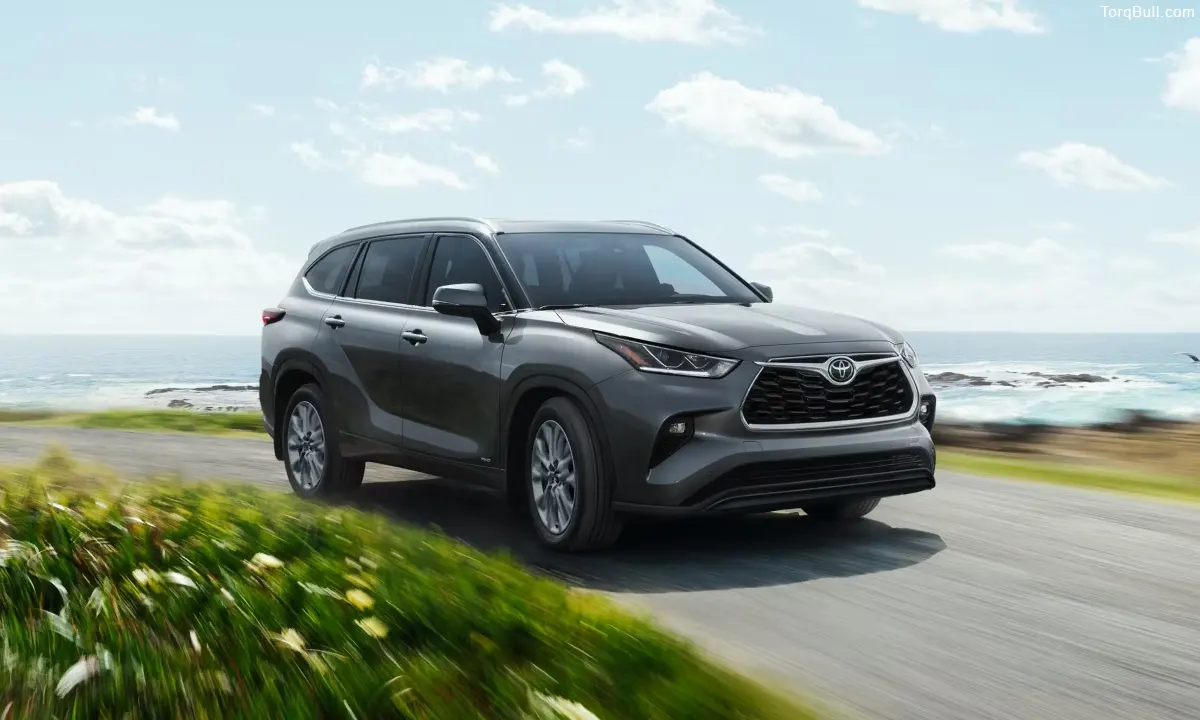
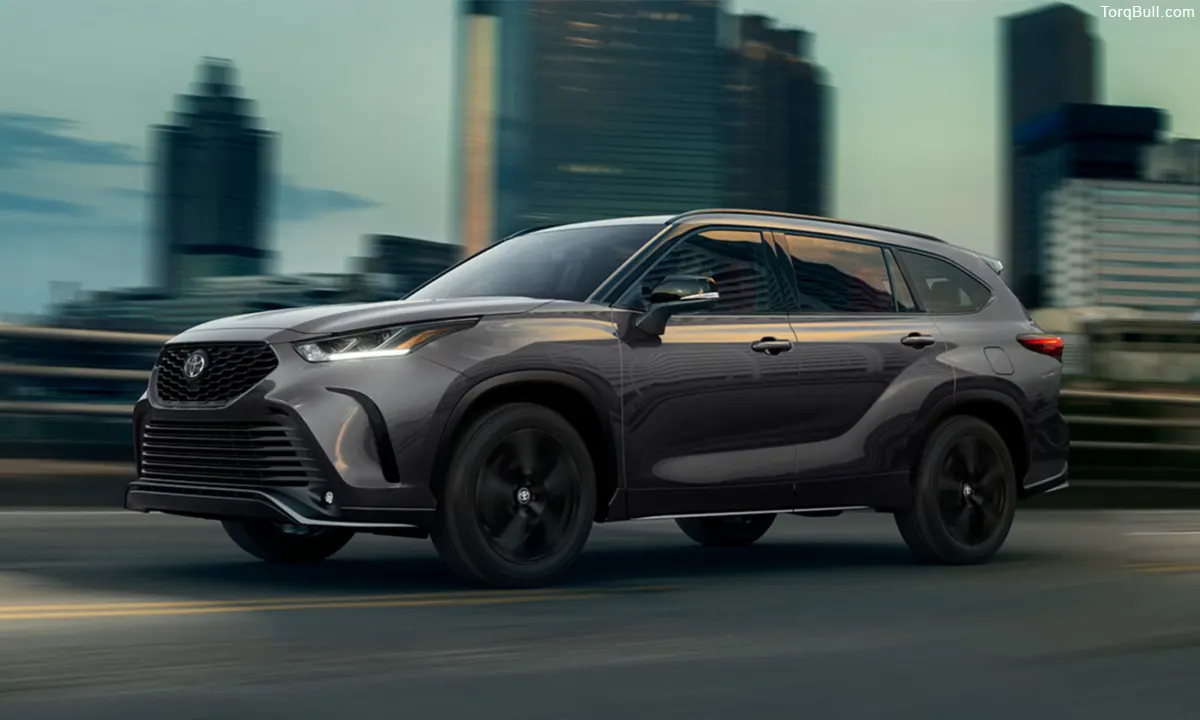
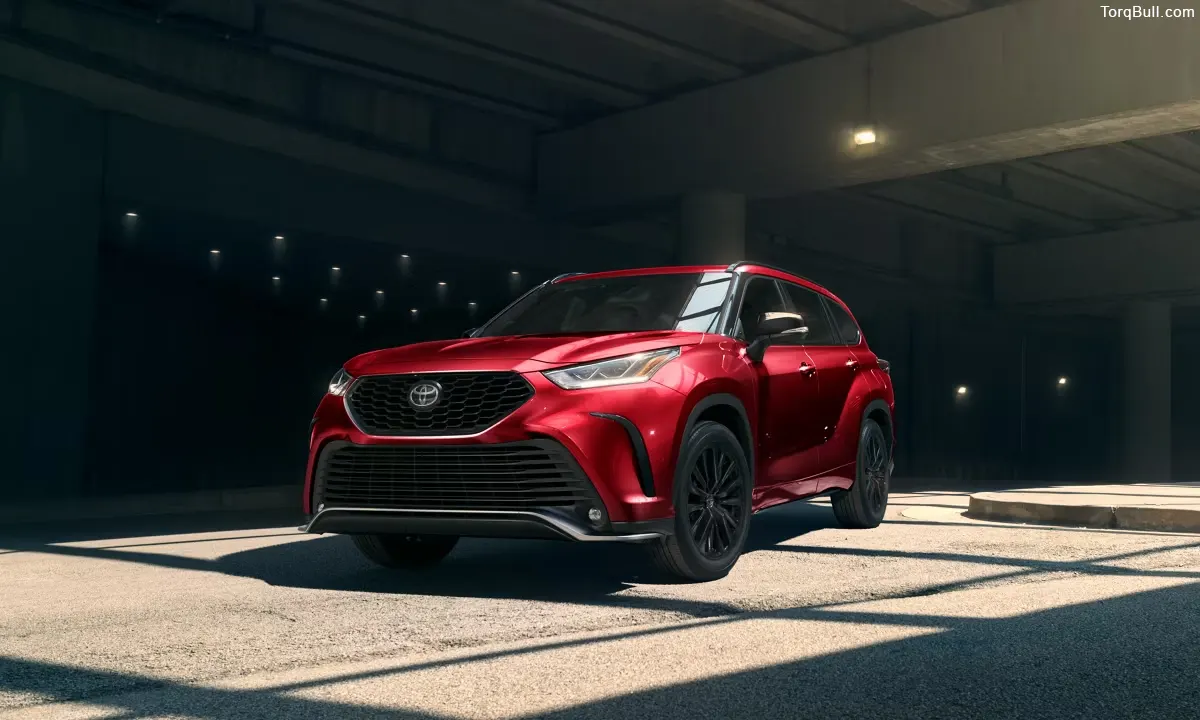
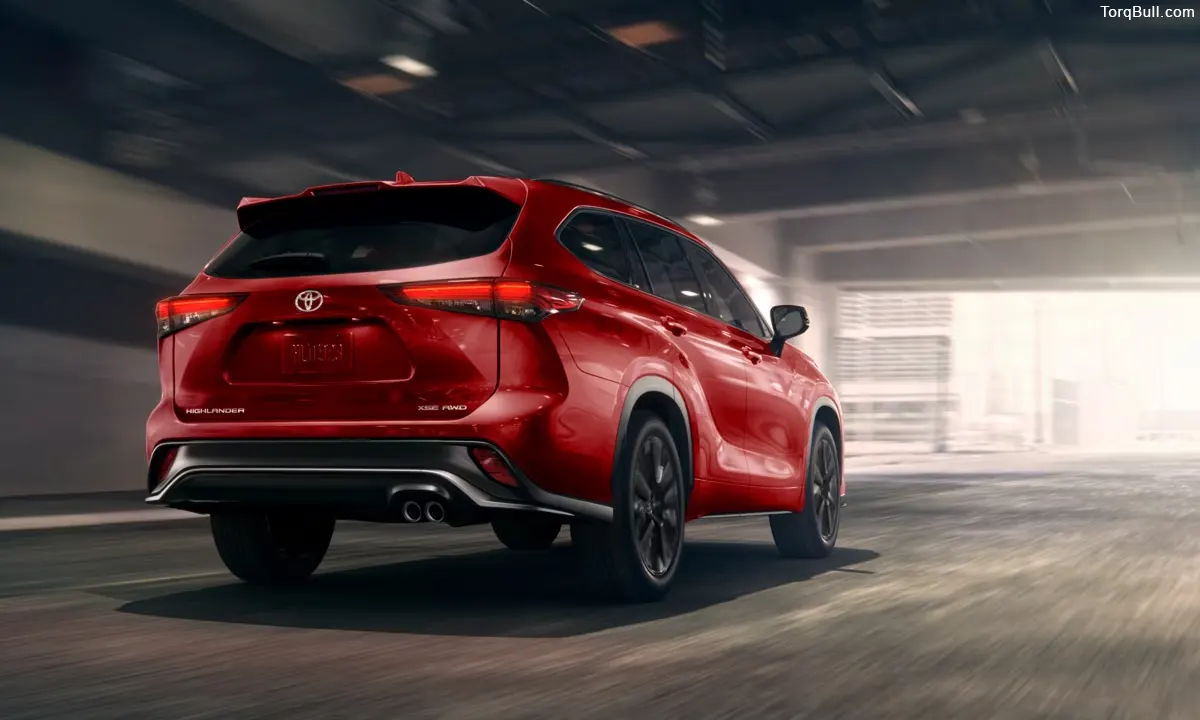
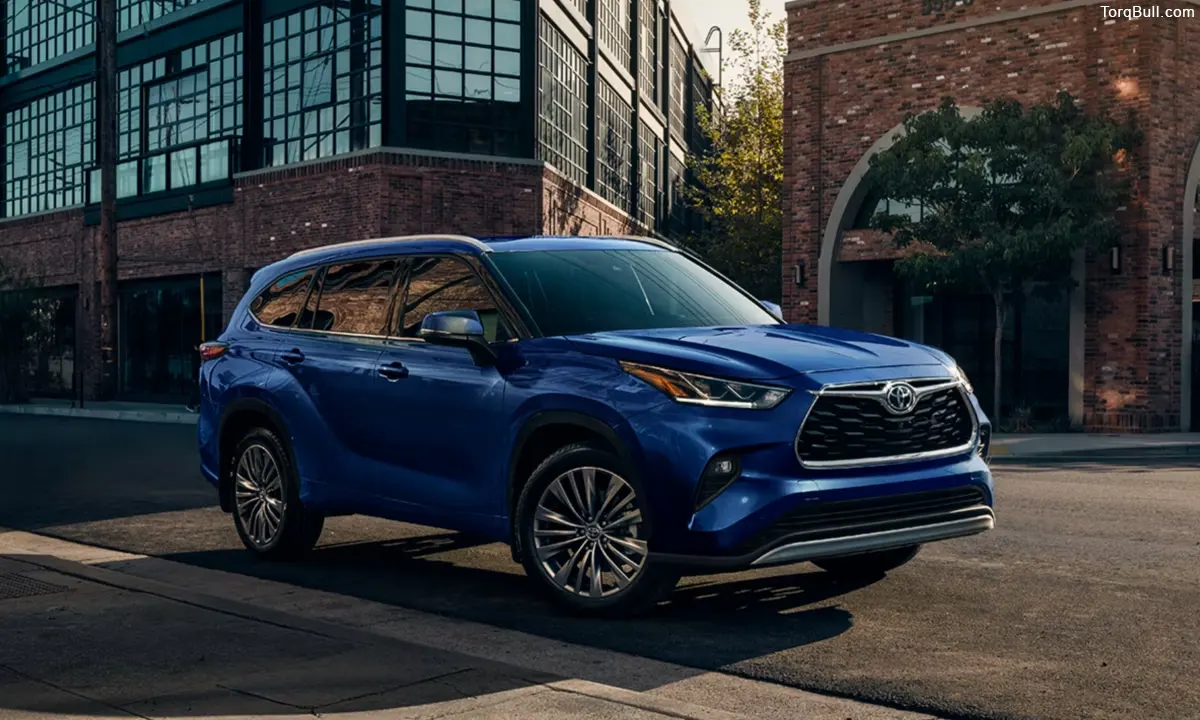
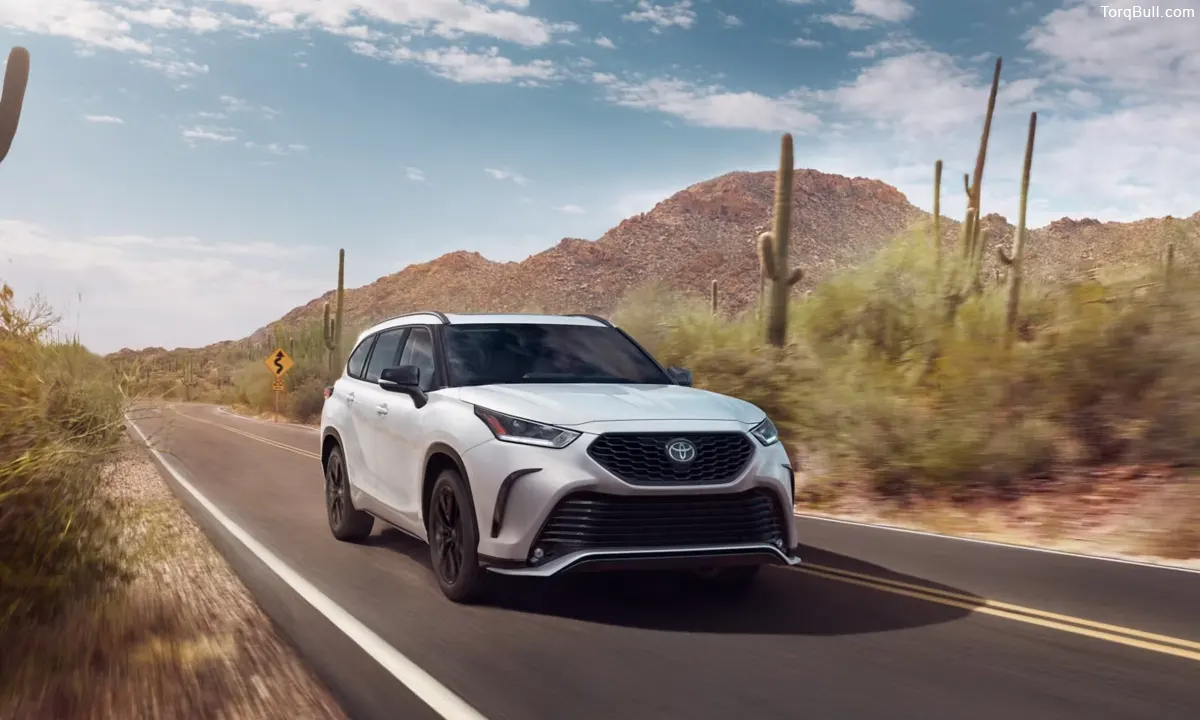
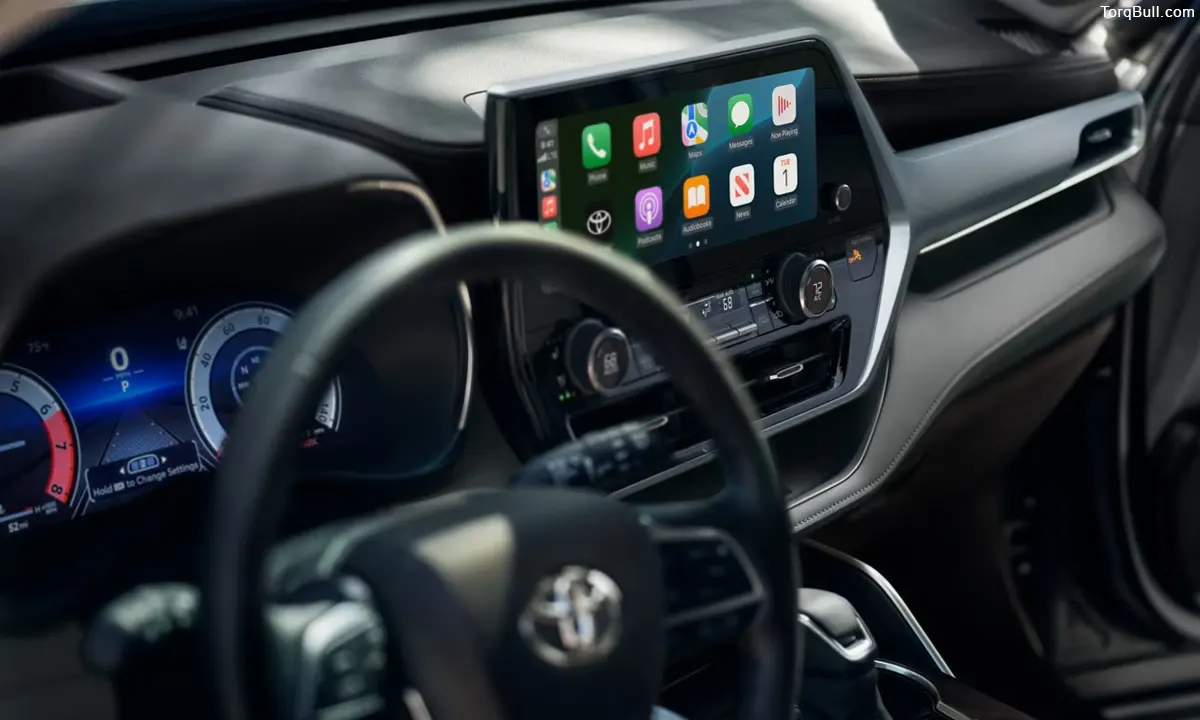
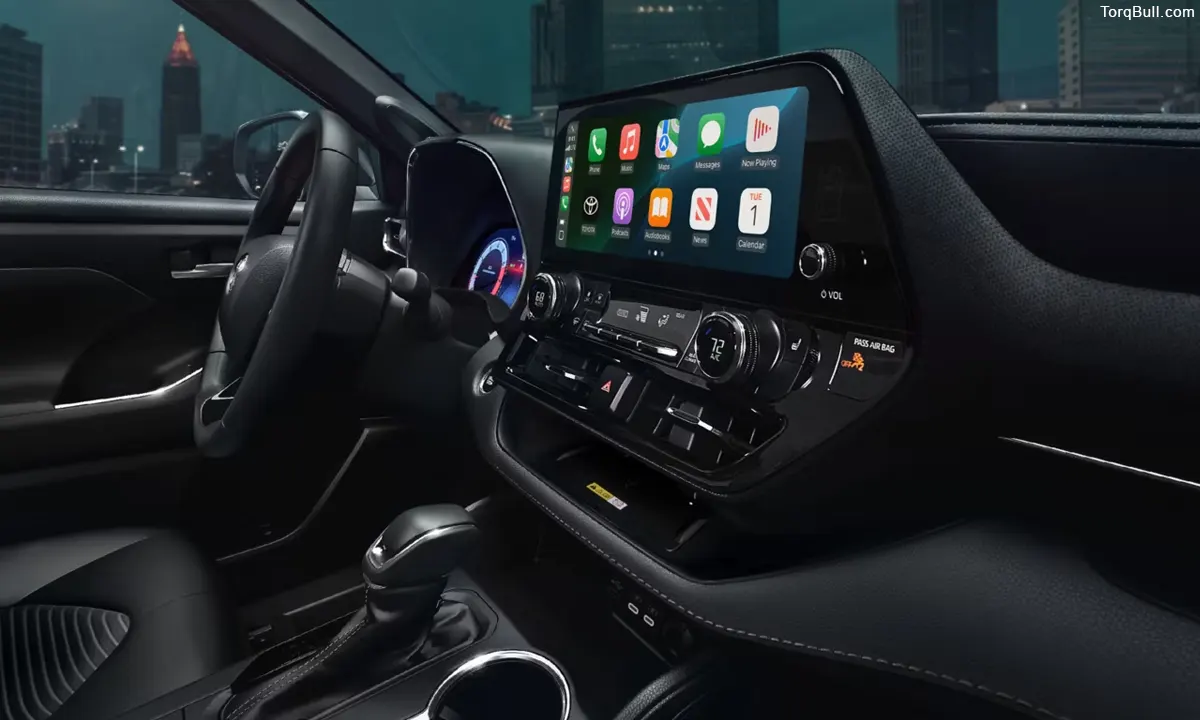
Toyota Highlander Engine Performance: The Toyota Highlander enters 2026 as the final model year of its current generation before the nameplate transitions to an all-electric platform for 2027. This generational endpoint makes the 2026 Highlander’s engine performance assessment particularly relevant — both as a buying guide for buyers evaluating the current vehicle and as a retrospective on the turbocharged four-cylinder powertrain strategy that Toyota introduced for 2023, replacing the beloved 3.5-litre V6 that defined the Highlander’s performance character for the previous generation. The 2026 Highlander is available in two distinct powertrain configurations — the turbocharged gasoline four-cylinder and the fifth-generation hybrid system — each with meaningfully different performance characters that serve different buyer priorities. This complete engine performance review covers both in full.
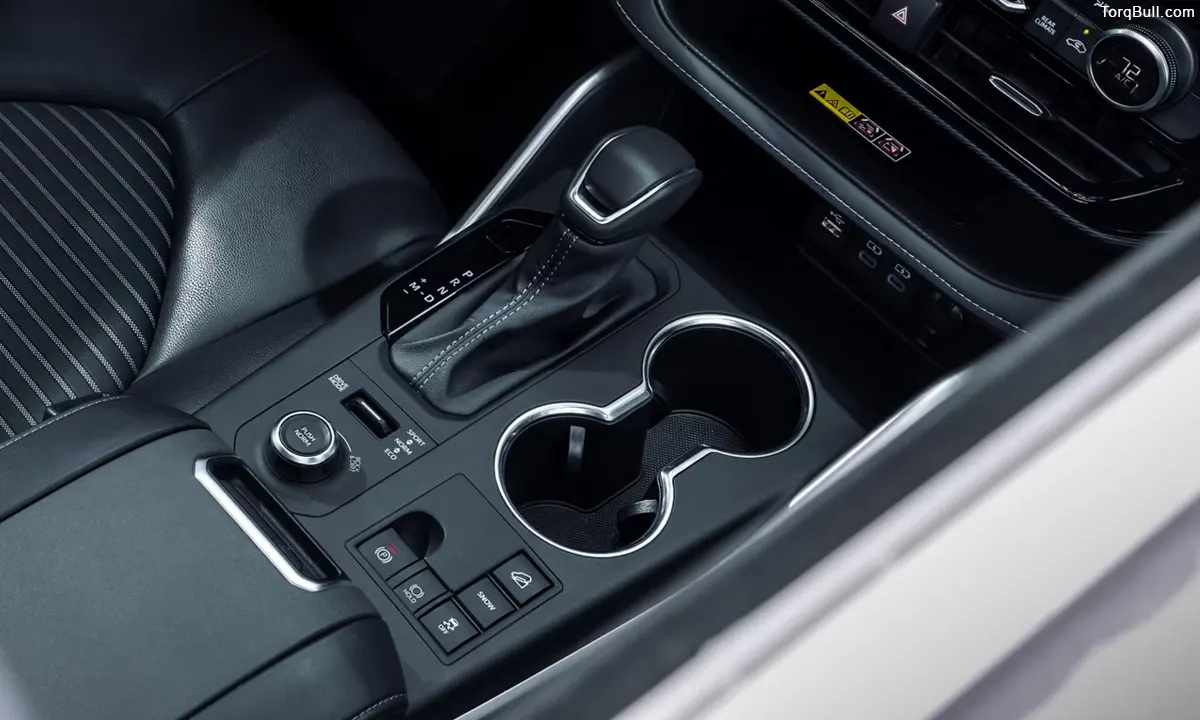
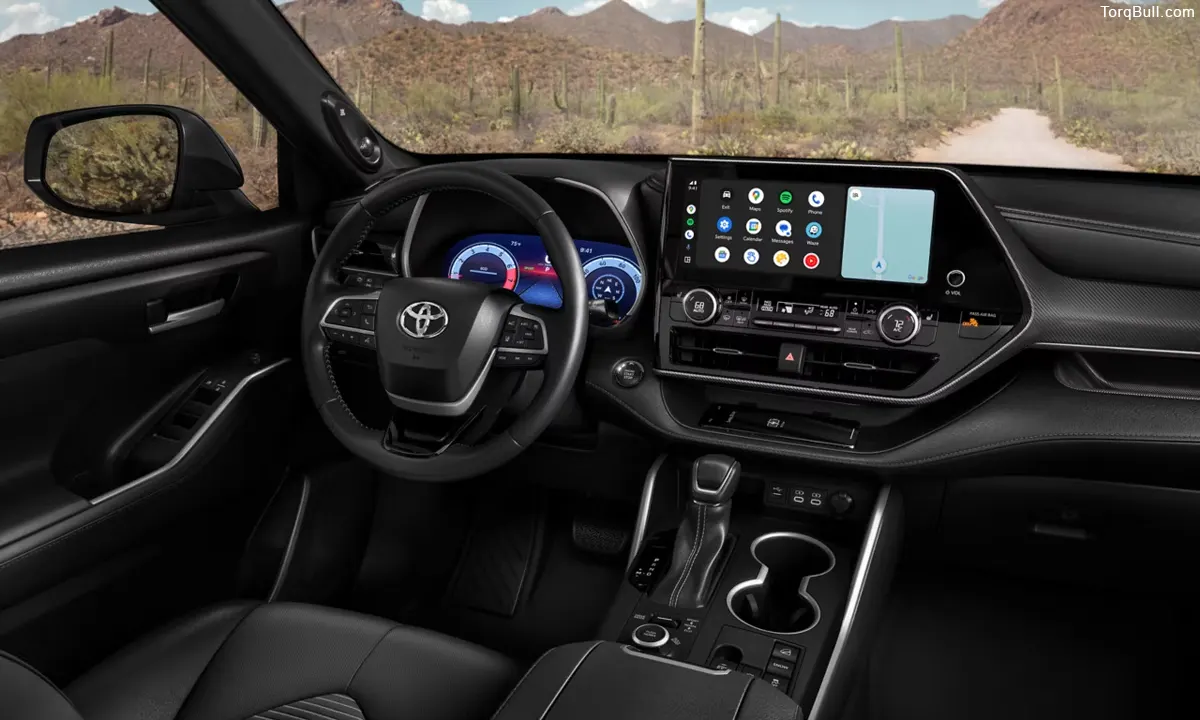
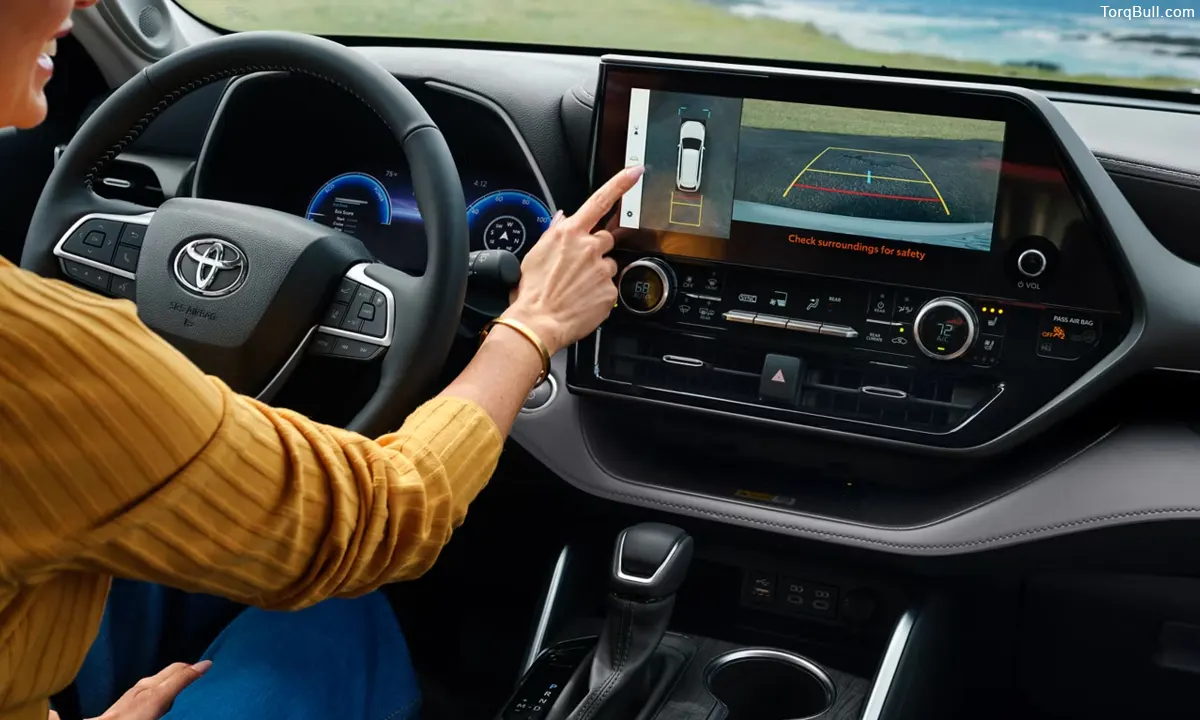
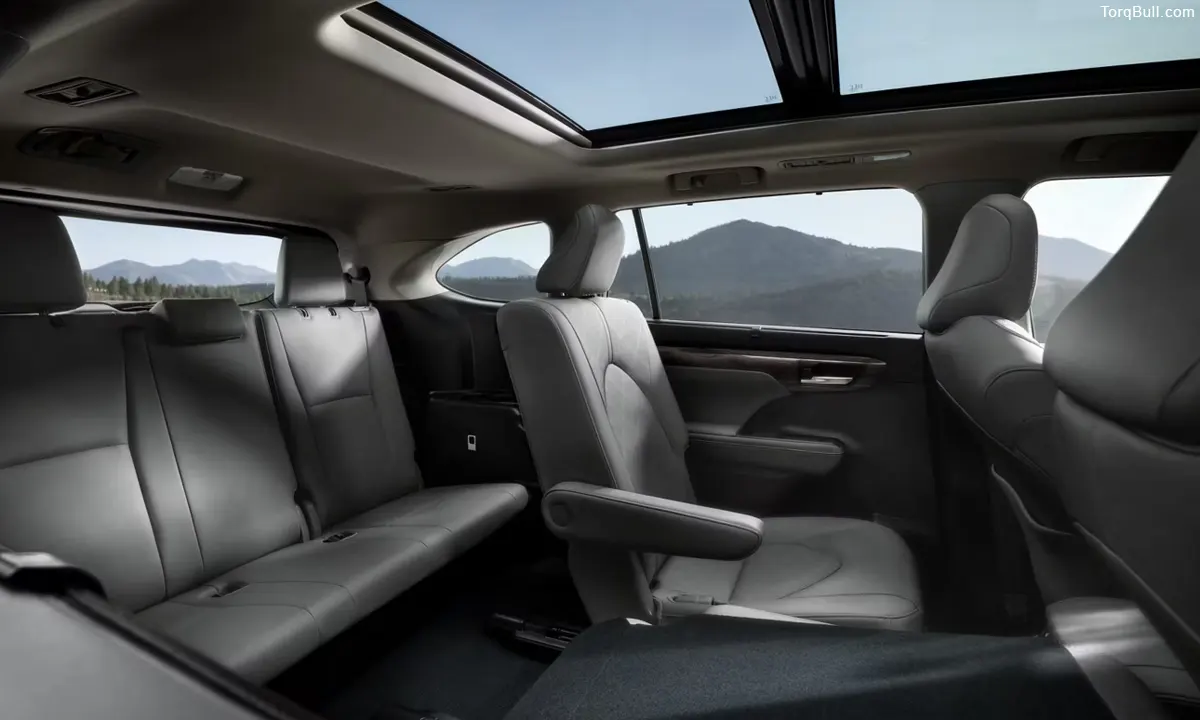
Gallery: Toyota Highlander

The Turbocharged 2.4-Litre Four-Cylinder: Specifications and Engineering
Toyota’s official specification for the 2026 Highlander’s standard gasoline engine is a 2.4-litre turbocharged four-cylinder producing 265 horsepower and 310 pound-feet of torque. Toyota describes the engine as featuring its advanced D-4S fuel injection system — a dual-injection approach that combines direct port injection for efficiency at light loads and direct cylinder injection for power under heavy loads — paired with an eight-speed automatic transmission. For 2026, all gas-powered Highlander models now include all-wheel drive as standard, eliminating the front-wheel drive option that was previously available at lower trim levels.
The 310 pound-feet of torque figure is particularly significant in the context of the three-row midsize SUV segment. Most V6 competitors in the segment produce substantially less torque than this figure — the Honda Pilot’s 3.5-litre V6 produces 262 pound-feet, and the Hyundai Palisade’s 3.8-litre V6 produces 263 pound-feet. The Highlander’s turbocharged four-cylinder produces 47 to 48 pound-feet more torque than these naturally aspirated V6 alternatives, and this torque is available at lower engine speeds than the V6s can achieve — a direct benefit of turbocharging that improves the real-world feel of pulling away from traffic signals and navigating stop-and-go driving.
Toyota specifically notes that the engine uses balance shafts for smooth operation — a design feature that reduces the inherent vibration of an inline four-cylinder by using counterrotating weighted shafts to cancel the reciprocating forces that cause roughness in four-cylinder engines without balance shaft systems. This is a mature engineering approach to four-cylinder refinement that has been used in premium applications for decades, and it represents Toyota’s acknowledgment that the four-cylinder engine needed mechanical smoothing to satisfy buyers who were accustomed to the inherently smoother six-cylinder architecture it replaced.
Read: Luxury SUVs With Best Fuel Economy in 2026. Premium Without the Fuel Bill
Real-World Performance: The 7.4-Second 0-60 MPH Result
Edmunds’ instrumented testing of an all-wheel-drive 2026 Highlander at their test track produced a 0-60 MPH time of 7.4 seconds — a result that U.S. News specifically characterises as quicker than most V6-equipped three-row midsize SUVs at equivalent pricing. This is a counterintuitive but accurate performance positioning: the Highlander’s turbocharged four-cylinder’s torque advantage over competing naturally aspirated V6s produces better acceleration times despite lower peak horsepower, because torque — not horsepower — is what determines a vehicle’s off-the-line urgency.
The eight-speed automatic transmission’s contribution to this performance result is meaningful. Edmunds’ evaluation of related Toyota turbocharged four-cylinder applications consistently praises the eight-speed’s shift quality — quick shifts under acceleration, smooth transitions during cruise and no tendency to hunt for gears on undulating terrain. The transmission’s performance-mode mapping allows it to hold lower gears longer during mountain driving, maintaining engine torque in the powerband rather than upshifting prematurely and requiring downshift corrections. This behaviour reflects mature transmission calibration that compensates for the four-cylinder’s narrower power band compared to a V6’s broader effective rev range.
From a real-world driver’s perspective, U.S. News describes the experience accurately: the Highlander jumps to interstate speeds with little trouble. The torque’s low-rpm availability makes the truck feel responsive in the 20 to 50 MPH range that dominates most daily driving, and the eight-speed’s programming ensures that power is available without requiring aggressive throttle inputs to summon it. For family-focused buyers whose primary performance requirement is confident merging, comfortable highway cruising and adequate acceleration with a full complement of passengers, the turbocharged Highlander’s performance profile is genuinely adequate and in some conditions better than adequate.
The Engine Noise Controversy: Where the 2.4-Litre Divides Opinion
The turbocharged 2.4-litre’s most consistently documented limitation is its acoustic character under hard acceleration — and this is an area where professional reviewers reach unusual consensus in their criticism.
U.S. News specifically states that the engine gets noisy under hard acceleration. Multiple evaluations characterise the engine note under load as unpleasant, clattery or harsh. One comprehensive review describes the powertrain as accelerating quickly enough but producing an engine note that sounds like it is laboring harder than the performance justifies. Consumer Reports, reviewing the closely related generation, described the ride as stiff and the cabin as loud — criticisms that the 2024 redesign addressed in part through improved noise isolation, but that the underlying four-cylinder character makes harder to fully resolve than was the case with the V6’s inherently smoother combustion signature.
The noise criticism needs context. At normal driving loads — commuting, highway cruising at 65 to 70 MPH with moderate accelerator input — the Highlander’s cabin refinement is described as smooth and quiet by multiple evaluations. Toyota’s NVH engineering for the current generation produced meaningfully better highway noise isolation than the previous generation. The engine noise complaint is specifically a hard-acceleration phenomenon — spirited on-ramp merges, uphill overtaking manoeuvres and full-throttle acceleration events where the turbocharger is operating at peak load and the engine is spinning at higher revs. For buyers who drive conservatively and rarely use full throttle, the noise limitation is rarely encountered. For buyers who prefer spirited driving or who live in hilly terrain requiring frequent hard acceleration, the four-cylinder’s acoustic character under load is a genuine and regular irritant.
The direct comparison to the retired 3.5-litre V6 is instructive. The V6 was described by reviewers as silky smooth — a characterisation that reflects the naturally aspirated V6’s inherent acoustic refinement. A balanced, naturally aspirated V6 produces a combustion pulse interval and cylinder firing order that creates an inherently smoother and more pleasant engine note than an equivalent-output four-cylinder under the same load conditions. This is fundamental engine physics that balance shafts improve but cannot fully resolve, and Toyota’s transition from V6 to turbocharged four-cylinder in the Highlander represents a performance efficiency trade-off whose acoustic consequence is real.
Read: 5 SUVs That Last Longer Than You Think and Are Worth the Money
The Hybrid Powertrain: The Performance Alternative That Most Buyers Should Consider
The Toyota Highlander Hybrid uses a fundamentally different engine architecture from the standard gasoline model — a 2.5-litre naturally aspirated four-cylinder paired with three electric motors: one at the front axle and two at the rear axle providing electric AWD without a mechanical connection between the front and rear differentials. Combined system output is 243 horsepower and a notably lower 175 pound-feet of torque than the gasoline model’s 310 pound-feet.
Despite lower peak torque and lower combined horsepower than the gasoline Highlander, the Highlander Hybrid’s performance character is preferred by multiple reviewers — including U.S. News, which directly states that they like the Highlander Hybrid better from a performance experience standpoint. The explanation is in the electric motor’s delivery characteristic. Electric motors produce maximum torque instantaneously from zero RPM — a surge of available force at low speeds that the turbocharged gasoline engine cannot match because the turbocharger requires engine speed to build boost pressure. The hybrid’s off-the-line responsiveness in urban and suburban stop-and-go driving feels quicker and more effortless than the comparable turbocharged experience despite the lower peak torque figure.
U.S. News reports a 0-60 MPH time of 8.2 seconds for the Highlander Hybrid — 0.8 seconds slower than the gasoline model’s 7.4 seconds. The performance disadvantage is real but not dramatic in the 0-60 context, and in the 0-30 MPH urban driving range where the electric motor’s instant torque is most advantageous, the experience difference is less pronounced than the 0-60 gap suggests. The Highlander Hybrid’s most significant performance limitation is at higher highway speeds where sustained passing power requires the gasoline engine to operate at high load — a condition that U.S. News specifically notes requires careful planning and that produces the same acoustic intrusion under hard acceleration as the standard gasoline model.
Read: Expert Picks Best 7-Seater SUVs for Families, Tech-Lovers and Adventurers
Toyota Highlander Engine Performance — Complete Specification and Comparison Chart
| Specification | Gas Highlander (2026) | Hybrid Highlander (2026) | Honda Pilot (2026) | Hyundai Palisade (2026) |
| Engine | 2.4L Turbo 4-cyl | 2.5L NA 4-cyl + 3 electric motors | 3.5L V6 | 3.8L V6 |
| Horsepower | 265 hp | 243 hp | 285 hp | 291 hp |
| Torque | 310 lb-ft | 175 lb-ft | 262 lb-ft | 263 lb-ft |
| 0–60 MPH | ~7.4 sec | ~8.2 sec | ~6.7 sec | ~6.5 sec |
| Transmission | 8-speed automatic | CVT / electric drive | 10-speed automatic | 8-speed automatic |
| Drive | AWD (standard 2026) | AWD (all electric rear motor) | AWD available | AWD available |
| Max Towing | 5,000 lbs | 3,500 lbs | 5,000 lbs | 5,000 lbs |
| Fuel Economy | 21 city / 28 hwy / 24 combined | 36 city / 35 hwy / 35 combined | 20 city / 27 hwy | 19 city / 26 hwy |
| Engine Character | Torquey; noisy under load | Smooth; electric-assisted | Smooth V6; more power | Smooth V6; more power |
| Best For | Towing; active driving | Efficiency + daily comfort | Power preference | Power preference |
Handling, AWD and Towing: The Supporting Performance Story
The Highlander’s engine performance does not exist in isolation — it operates within a chassis, AWD system and braking package that collectively define the total driving experience. Multiple evaluations praise these supporting systems as above-average for the class, and they contribute meaningfully to the perception that the 265-horsepower four-cylinder is adequate despite the headline number falling below some V6 competitors.
The torque-vectoring AWD system available on upper trim levels actively applies engine power to individual rear wheels during cornering — not just for traction during slippery conditions but to subtly improve handling balance in normal dry-road cornering. Edmunds’ evaluation describes the result as making the Highlander feel more nimble than the average midsize SUV — a specific and useful performance attribute for a three-row vehicle whose size would otherwise predict poor cornering composure. The available Multi-Terrain Select system adjusts throttle, traction control and drivetrain engagement for specific surface conditions — mud, sand, rock and loose dirt — extending the Highlander’s performance capability beyond paved surfaces.
Braking performance receives consistent praise across professional evaluations. Edmunds describes the Highlander as stopping quickly and confidently, with pedal response that is progressive and accurate at all speeds. Body roll through corners is controlled without the vehicle feeling artificially stiff — a balance that reflects the suspension tuning prioritising ride quality while maintaining reasonable cornering composure.
Towing capacity is 5,000 pounds when properly equipped on the gasoline Highlander — adequate for a smaller travel trailer, a pontoon boat or a pair of personal watercraft. The hybrid Highlander’s towing capacity is limited to 3,500 pounds, a meaningful reduction that reflects the hybrid system’s electrical components and the electric rear motor’s load limitations. For buyers who plan to tow regularly and at higher weights, the gasoline Highlander’s 5,000-pound capacity is the appropriate choice.
The Honest Verdict: Which Engine and Why
The 2026 Toyota Highlander’s engine performance story resolves differently for buyers with different priorities — and the decision between gasoline and hybrid powertrain is the most impactful single choice available.
The gasoline 2.4-litre turbocharged engine is the better choice for buyers who prioritise towing capacity at 5,000 pounds, who prefer more direct throttle response without the CVT’s variable-ratio character and who are comfortable with the engine’s acoustic intrusion during hard acceleration as an acceptable trade-off for stronger torque delivery. Its 0-60 time of 7.4 seconds and its 310 pound-feet of torque make it genuinely quick for the class, and its power delivery in real-world daily driving is more than adequate for the vast majority of three-row SUV use cases.
The 2.5-litre hybrid system is the better choice for the majority of buyers who primarily use the Highlander for daily commuting, school runs and family road trips — precisely because its 35 MPG combined fuel economy saves approximately $700 per year in fuel compared to the gasoline model, its smooth electric-assisted low-speed power delivery is more pleasant in urban traffic than the turbocharged engine’s boost-dependent character and its quiet, smooth operation under moderate loads more closely approximates the V6 refinement that the previous generation Highlander’s buyers valued. The hybrid’s 3,500-pound towing limit and 0.8-second 0-60 disadvantage are real trade-offs, but they are trade-offs that the majority of Highlander buyers will rarely encounter in their actual use patterns.
Toyota’s final-year 2026 Highlander lineup — available until the electric-only 2027 model arrives — offers the most mature and most refined version of a powertrain philosophy that produces adequate rather than exceptional performance, but that packages it within a chassis, safety suite and reliability record that collectively justify the Highlander’s position among the segment’s most recommended three-row SUVs.