Most Fuel Efficient SUVs for Long Highway Driving 2026
Engineered for endurance and economy, these 2026 SUVs deliver exceptional highway mileage without compromising performance, comfort, or long-distance touring capability.
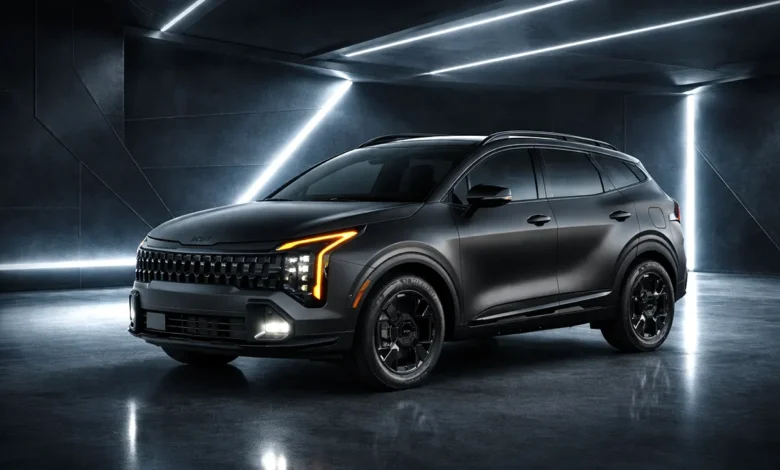
Most Fuel Efficient SUVs: The SUV has dominated the American new-car market for the better part of two decades, and the single most persistent complaint levelled against the segment — that practical size and genuine fuel efficiency cannot coexist in the same vehicle — has been comprehensively dismantled by a generation of hybrid and advanced gasoline powertrains that now make 40-plus miles per gallon achievable in crossovers that seat five, haul cargo and handle the demands of long interstate driving with genuine comfort. In 2026, the question for American buyers is no longer whether a fuel-efficient SUV exists. It is which one is best suited for the specific demands of sustained highway driving — a use case that separates genuinely efficient SUVs from those whose EPA figures are achieved primarily through city-driving regeneration and that rewards the aerodynamic, powertrain and calibration decisions that only become apparent at 70 miles per hour across hundreds of miles of open highway.
This guide ranks the top fuel-efficient SUVs available in the United States in 2026 specifically for long highway driving, using EPA highway figures, real-world performance data, ride quality at sustained speeds and the total cost argument that makes choosing a fuel-efficient SUV financially compelling for drivers who regularly cover substantial highway mileage.
Why Highway MPG Matters More Than Combined for Long-Distance Drivers
Most fuel economy discussions centre on combined EPA ratings — the weighted average of city and highway cycles that reflects a broad mix of driving conditions. For buyers who commute primarily in urban traffic, that combined figure is highly relevant. For buyers who regularly drive long distances on American interstates and highways, the highway EPA figure is the number that determines actual fuel expenditure, because it more closely represents the conditions under which their vehicle spends the majority of its operating hours.
The difference between a strong combined performer and a strong highway performer can be significant, particularly for hybrid vehicles. Hybrid powertrains recover energy through regenerative braking — a process that only occurs when the vehicle decelerates, and that therefore contributes disproportionately to city fuel economy where stop-and-go conditions create frequent deceleration opportunities. On a sustained 300-mile highway run at a constant 70 miles per hour, regenerative braking contributes very little, and the hybrid’s efficiency advantage over a well-engineered conventional powertrain narrows substantially. The most capable highway-efficient SUVs are those whose efficiency is not solely dependent on regeneration — vehicles with strong aerodynamics, properly calibrated electric motor assistance at highway speeds and powertrains that maintain efficiency under sustained load rather than only in cyclical urban conditions.
With that distinction established, the following six SUVs represent the strongest arguments in the American market for fuel efficiency combined with highway driving capability and comfort in 2026.
Toyota RAV4 Hybrid: 46 MPG Highway, Starting at $33,350
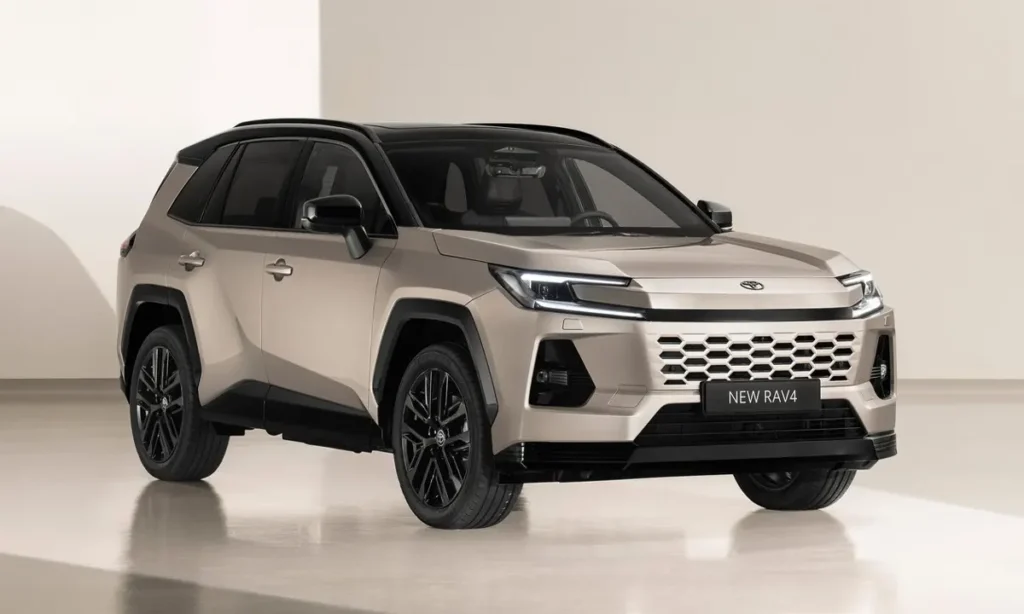
The 2026 Toyota RAV4 arrives in its sixth generation as the most comprehensively rethought version of America’s best-selling non-pickup vehicle, and its most significant change is also its most consequential for fuel-efficiency-focused buyers: Toyota has eliminated the conventional gasoline-only powertrain entirely. Every 2026 RAV4 is a hybrid. The front-wheel-drive configuration achieves an EPA-rated 42 miles per gallon on the highway — among the highest highway figures in the compact SUV segment — while the all-wheel-drive model manages 39 miles per gallon highway with 236 horsepower from its combination of a 2.5-litre four-cylinder engine and a rear-axle electric motor. The front-wheel-drive model makes 226 horsepower and pushes its highway figure to 46 miles per gallon in the most favourable trim configurations, according to EPA data.
For long highway driving specifically, the 2026 RAV4 Hybrid benefits from Toyota’s fifth-generation hybrid system, which is calibrated to maintain electric motor assistance at highway speeds rather than reverting entirely to the gasoline engine once the vehicle leaves urban speed ranges. The result is fuel economy that translates credibly from EPA figures to real-world highway conditions — a consistency that not all hybrids achieve. Toyota backs the hybrid battery with a 10-year, 150,000-mile warranty, and the 2026 RAV4’s updated chassis delivers a noticeably smoother and quieter highway ride than its predecessor. With up to 3,500 pounds of towing capacity on most trims and a 12.9-inch optional touchscreen, the RAV4 combines its efficiency leadership with the practical capability that highway-focused buyers require. Starting at $33,350, it is also the best-value entry point among hybrid compact SUVs that genuinely justify their highway fuel economy claims.
Kia Niro Hybrid: 54 MPG Highway, Starting at $27,800
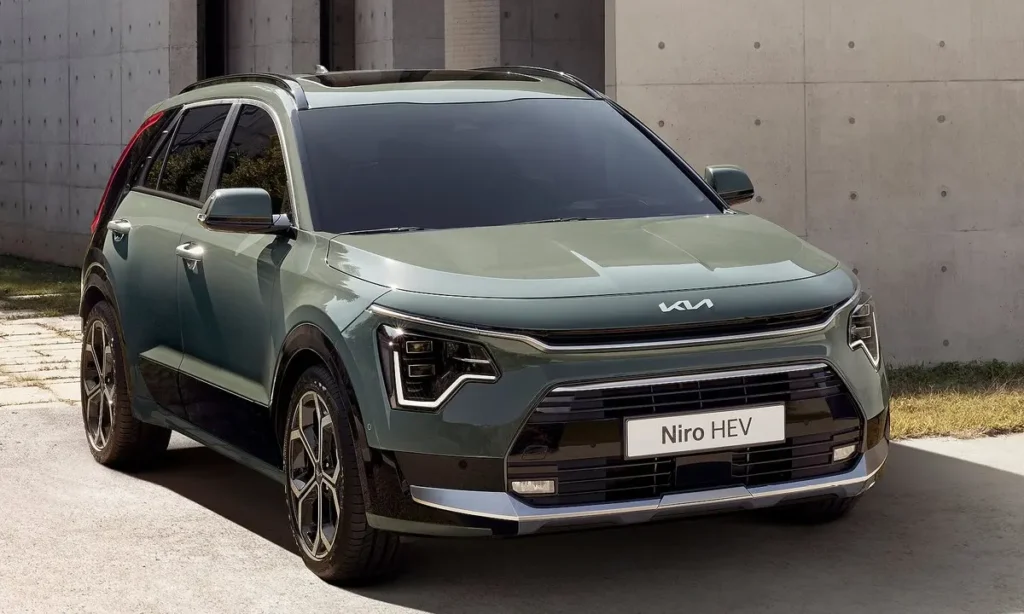
No non-plug-in hybrid SUV available at an American dealership in 2026 achieves a higher EPA highway rating than the Kia Niro Hybrid’s 54 miles per gallon — a figure that would have been considered extraordinary for a dedicated economy car a decade ago, let alone a five-passenger crossover with 22.8 cubic feet of cargo space. The Niro achieves this figure through a combination of its 1.6-litre four-cylinder engine, a 43.5-kilowatt electric motor and an aggressive aerodynamic programme that gives it one of the lowest drag coefficients in its segment. Available exclusively with front-wheel drive, the Niro is sized between a subcompact and a compact crossover — sufficient for most drivers, particularly those who make long solo or two-person highway trips rather than hauling a full family complement.
At 54 miles per gallon on the highway, a driver covering 1,000 miles of interstate travel uses approximately 18.5 gallons of fuel — a figure that makes the cost advantage over a typical 25 miles per gallon SUV immediately tangible. At current national average gasoline prices of approximately $3.98 per gallon, that 1,000-mile highway trip costs approximately $73 in the Niro versus $159 in a conventional SUV — a saving of $86 per long-distance journey that accumulates quickly for frequent highway travellers. The Niro’s highway highway composure is aided by its smooth continuously variable transmission, a ride tuned specifically for highway stability rather than urban agility, and a 12.3-inch touchscreen with wireless smartphone integration that makes long journeys more manageable. Starting at $27,800, it is the most affordable entry point on this list and the most cost-effective choice for buyers who prioritise fuel economy above all other attributes.
Kia Sportage Hybrid: 44 MPG Highway, Starting at $28,735
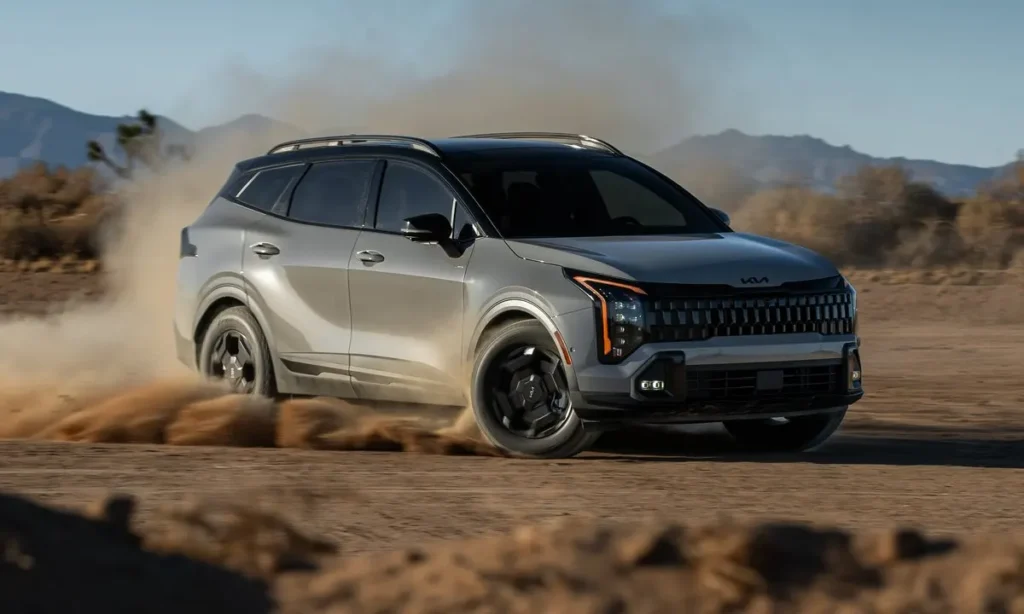
Where the Kia Niro Hybrid achieves its headline efficiency through compact dimensions and front-wheel-drive exclusivity, the 2026 Kia Sportage Hybrid delivers 44 miles per gallon on the highway in its front-wheel-drive configuration from a meaningfully larger vehicle with 39.5 cubic feet of cargo space with rear seats up — a figure that makes it a genuinely practical family highway hauler rather than a vehicle that trades usability for economy. The turbocharged 1.6-litre four-cylinder and electric motor combination produces 232 horsepower and 271 pound-feet of torque, giving the Sportage Hybrid the responsive acceleration on highway on-ramps and confident passing power at interstate speeds that are critical attributes for drivers who regularly cover hundreds of miles in a single session.
The Sportage Hybrid’s highway efficiency advantage over its conventional powertrain competitors extends beyond the EPA figure. Its 271 pound-feet of combined system torque is available from very low engine speeds, meaning the vehicle does not need to downshift and rev aggressively for highway passing manoeuvres in the way that smaller-displacement naturally aspirated engines do — a characteristic that contributes to both real-world fuel economy and driver comfort on sustained highway journeys. The 2026 update brings interior refinements, an upgraded 12.3-inch touchscreen interface and Highway Driving Assist 2 on upper trims — the semi-autonomous highway driving system that reduces driver fatigue on long interstate runs. Kia’s class-leading 10-year, 100,000-mile powertrain warranty provides additional ownership confidence that is particularly relevant for buyers who will accumulate substantial mileage quickly.
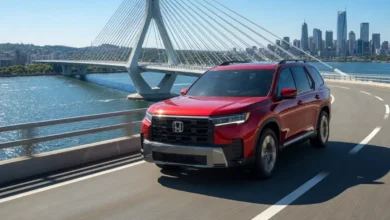
Honda CR-V Hybrid: 36 MPG Highway, Starting at $37,080
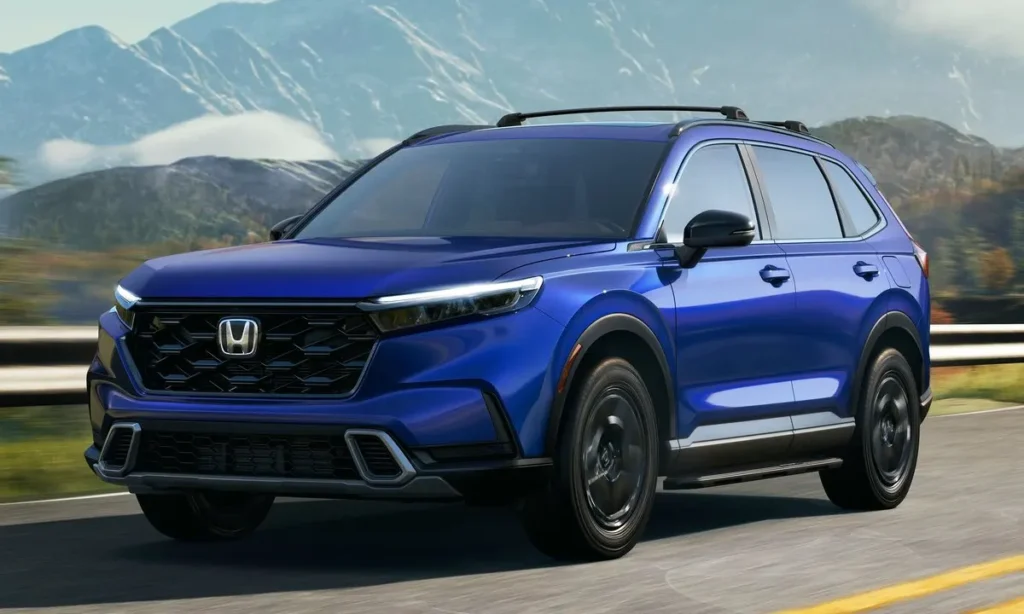
The 2026 Honda CR-V Hybrid occupies a different position in this comparison than its Kia and Toyota rivals. Its EPA highway figure of 36 miles per gallon — available in the all-wheel-drive configuration that most American buyers select — is lower than those of the RAV4 and Sportage in absolute terms. However, the CR-V Hybrid earns its place in this list because of the specific quality of the highway driving experience it provides — an attribute that matters as much as raw fuel economy figures for buyers who cover long distances regularly and who will be living with their highway SUV’s ride, handling, noise suppression and comfort for hours at a stretch.
The CR-V Hybrid’s suspension calibration has been specifically praised by independent reviewers for its highway composure — a suspension tuned to eliminate body roll on fast sweeping bends without creating the stiff, impact-transmitting ride quality that compromises long-distance comfort in more aggressively tuned competitors. Its 2.0-litre Atkinson-cycle engine and dual-motor hybrid system produce 204 horsepower and 247 pound-feet of torque, and the powertrain’s smooth operation — the transition between electric motor and gasoline engine assistance is virtually imperceptible at highway speeds — contributes to the low-fatigue highway experience that differentiates genuinely accomplished highway vehicles from technically capable but experientially demanding ones. The CR-V’s 41.3 cubic feet of cargo space with rear seats up is the largest on this list, and its front-wheel-drive variant achieves 40 miles per gallon on the highway — a more competitive figure for buyers in sunbelt states who do not require all-season traction.
Ford Escape Hybrid: 36 MPG Highway, Starting at $33,490
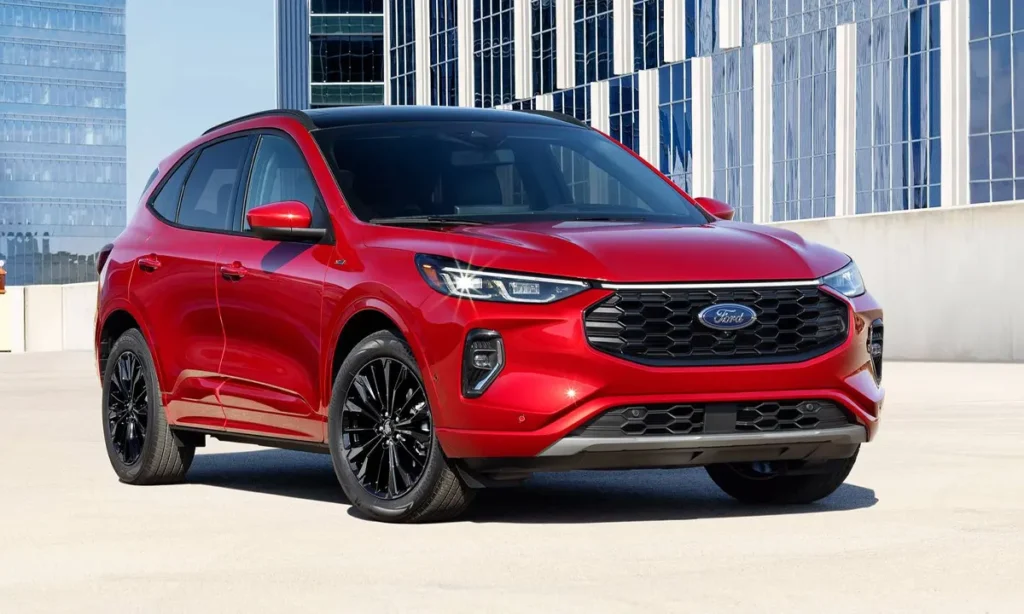
The 2026 Ford Escape Hybrid matches the CR-V Hybrid’s 36 miles per gallon highway figure in its all-wheel-drive configuration and equals it at 42 miles per gallon highway with front-wheel drive — and it does so from a vehicle that has historically been undervalued relative to its Japanese rivals despite offering a highway driving character that independent evaluators consistently rate as above average for the segment. The Escape Hybrid’s 2.5-litre four-cylinder paired with a lithium-ion battery and electric motor produces a combined 200 horsepower, which is adequate rather than energetic for highway driving but entirely sufficient for the sustained cruising, gentle overtaking and on-ramp merging that constitute the majority of long-distance interstate driving.
The Escape Hybrid’s most compelling highway attribute is its ride quality — a suspension calibration that provides genuine isolation from highway surface imperfections without the wallowing body control that can make less carefully tuned crossovers tiring over long distances. Its 8-inch standard touchscreen with wireless Apple CarPlay and Android Auto integration, standard forward collision warning and rear cross-traffic alert, and smooth CVT make it a complete and competent highway companion at a price that sits below the CR-V Hybrid and within reach of the RAV4. For buyers who cover significant highway mileage and want a genuinely comfortable large-distance cruiser rather than the ultimate efficiency leader, the Escape Hybrid presents a persuasive case.
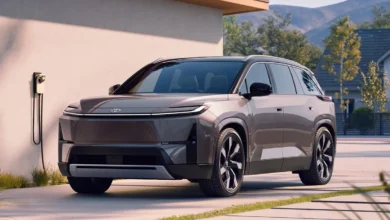
Toyota Highlander Hybrid: 35 MPG Highway, Starting at ~$49,000
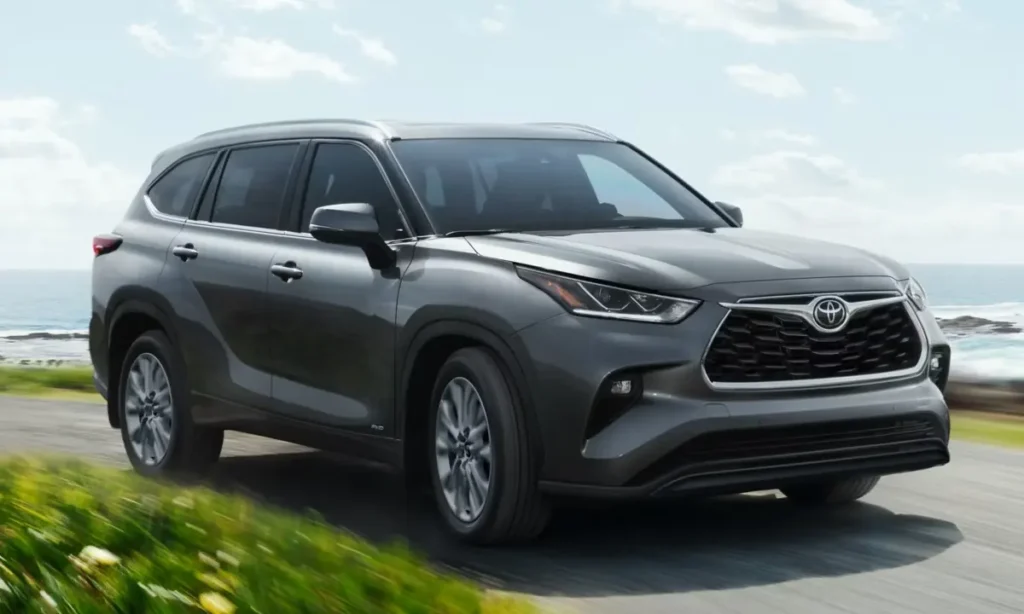
The 2026 Toyota Highlander Hybrid occupies a different tier of the SUV market than its companions on this list — a three-row, seven or eight-passenger midsize crossover that competes with the Kia Telluride, Hyundai Palisade and Ford Explorer rather than with compact crossovers. Its inclusion here reflects the specific needs of buyers who require genuine three-row passenger capacity for long highway journeys — a family road trip use case that demands both interior space and highway fuel economy simultaneously, and where the Highlander Hybrid’s 35 miles per gallon highway figure, produced by a 2.5-litre four-cylinder paired with three electric motors and standard all-wheel drive, represents the best available combination of those two attributes in the three-row segment at its price point.
The Highlander Hybrid’s highway efficiency is achieved despite the substantially greater weight and aerodynamic challenge of its three-row body. Toyota’s engineering achievement in extracting 35 miles per gallon highway from a vehicle of this size — when most conventional V6-powered three-row SUVs return 26 to 28 miles per gallon highway — represents a meaningful real-world saving over the course of a 500-mile family road trip. Highway driving comfort is a genuine strength: the Highlander Hybrid rides quietly, absorbs road imperfections composedly and provides the cabin space that transforms a long highway journey from an endurance test into a manageable family experience. For buyers who need three rows and want to limit fuel expenditure on the regular long highway drives that family vehicles are routinely subjected to, the Highlander Hybrid stands as the only genuinely fuel-efficient option in its size class.
Key Factors to Consider When Choosing a Fuel-Efficient Highway SUV
Highway fuel efficiency in an SUV is not determined by a single variable — it is the product of powertrain architecture, aerodynamic calibration, transmission programming, tyre rolling resistance and the specific way a hybrid system manages the transition between electric and gasoline assistance at sustained highway speeds. Buyers who cover substantial highway mileage should prioritise models whose highway EPA figures are verified by independent real-world testing as closely matching official figures, since some hybrid SUVs achieve strong combined ratings primarily through city-driving regeneration that does not translate to highway operation.
All-wheel drive, while valuable for wet and winter conditions, consistently reduces highway fuel economy by two to four miles per gallon across most hybrid SUV platforms — a consideration worth weighing against the traction benefit for buyers in states where highway driving conditions rarely demand it. Tyre size and specification also influence highway efficiency significantly: smaller wheels and standard all-season tyres consistently outperform larger-diameter optional wheels in both fuel economy and highway ride comfort, and the option to spec down in wheel size without losing essential features is worth prioritising on high-mileage highway vehicles.
2026 Fuel-Efficient SUVs Highway MPG Comparison
| Model | Starting Price | Highway MPG | Combined MPG | Drivetrain | Cargo Space | Powertrain |
| Toyota RAV4 Hybrid FWD | $33,350 | 46 mpg | 44 mpg | FWD | 37.5 cu ft | 2.5L Hybrid / 226 hp |
| Kia Niro Hybrid | $27,800 | 54 mpg | 53 mpg | FWD | 22.8 cu ft | 1.6L Hybrid / 139 hp |
| Kia Sportage Hybrid FWD | $28,735 | 44 mpg | 43 mpg | FWD / AWD | 39.5 cu ft | 1.6T Hybrid / 232 hp |
| Honda CR-V Hybrid FWD | $37,080 | 40 mpg | 40 mpg | FWD / AWD | 41.3 cu ft | 2.0L Hybrid / 204 hp |
| Ford Escape Hybrid FWD | $33,490 | 42 mpg | 42 mpg | FWD / AWD | 37.5 cu ft | 2.5L Hybrid / 200 hp |
| Toyota Highlander Hybrid | ~$49,000 | 35 mpg | 35 mpg | AWD Standard | 16.0 cu ft (3rd row up) | 2.5L Hybrid / 243 hp |
The Verdict: The Best Fuel-Efficient SUV for Long Highway Driving in 2026
For buyers who cover significant highway mileage and want the single most efficient and capable package available in the American market in 2026, the Toyota RAV4 Hybrid’s combination of 46 miles per gallon highway, 236 horsepower, 3,500 pounds of towing capacity, a comprehensively redesigned interior and Toyota’s proven long-term reliability record makes it the most complete answer to the highway efficiency question at a mainstream price point. The Kia Niro Hybrid takes the efficiency title outright at 54 miles per gallon highway, but its smaller dimensions and front-wheel-drive exclusivity limit its appeal to buyers whose highway driving is primarily solo or two-person rather than family-loaded. The Kia Sportage Hybrid offers the best balance of efficiency, power and practical cargo capacity for buyers who need a genuinely roomy highway crossover without reaching the CR-V Hybrid’s higher asking price. And the Highlander Hybrid stands alone as the only genuinely fuel-efficient solution for buyers whose highway driving involves three rows of passengers.
What the 2026 fuel-efficient SUV market confirms, comprehensively, is that the trade-off between practical crossover capability and genuine highway fuel economy — the trade-off that defined the segment for most of its history — no longer exists. The engineering has caught up with the demand.