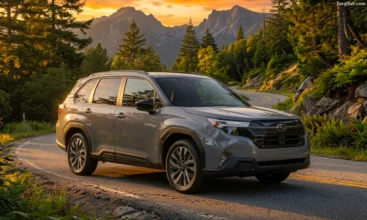
- Kia Sorento owners praise its stylish design, comfortable cabin and premium feel, with 75 percent recommending the SUV and 57 percent giving it five stars.
- Buyers also highlight strong value, modern tech features and smooth everyday driving comfort.
- However, verified owner reports mention transmission problems, transfer case concerns, freeway wind noise and a tight third row mainly suited for kids.
The Kia Sorento occupies one of the most competitive positions in the American midsize SUV market — priced below the Toyota Highlander, sized smaller than the Kia Telluride and available in gas, hybrid and plug-in hybrid configurations that the Hyundai Santa Fe cannot match. Its IIHS Top Safety Pick+ designation for 2026 is the segment’s highest safety honour. JD Power rates its reliability as Great at 82 out of 100. With proper maintenance, owners regularly achieve 200,000 to 250,000 miles. These are strong credentials. But the KBB and Edmunds review communities tell a more divided story — 75 percent of owners recommend the Sorento, meaning 25 percent do not, and the specific owner complaints documented across verified review platforms include some genuinely serious issues that any prospective buyer deserves to understand in full before signing.
The Real Ownership Context: A Vehicle in Transition
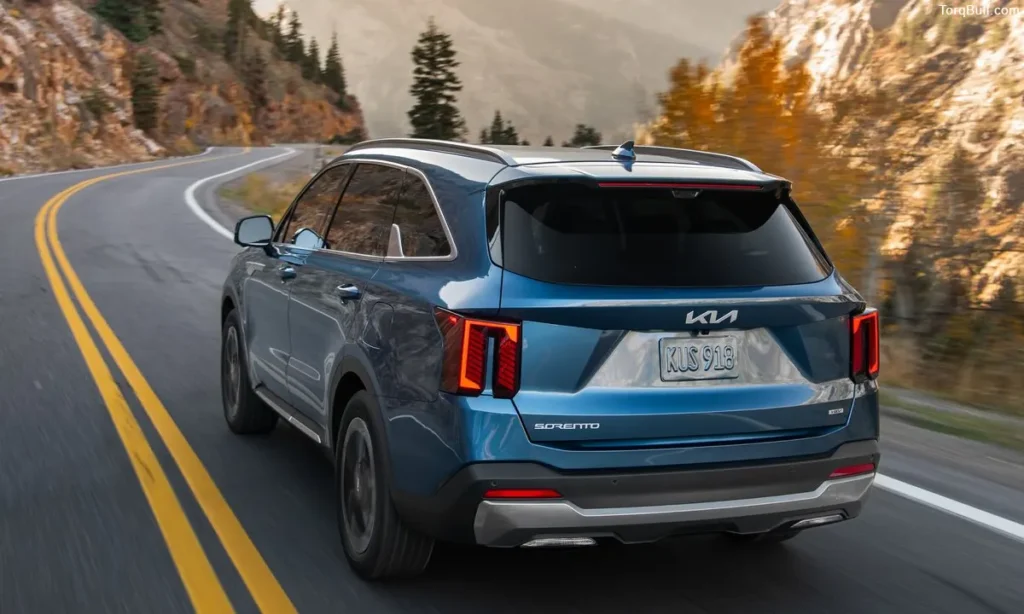
The 2026 Kia Sorento is a vehicle in the comfortable mid-section of its fourth-generation production run — the same fundamental platform and powertrain architecture that debuted for 2021 and was comprehensively refreshed for 2024 with new technology, revised styling and updated powertrains. The 2026 model carries forward 2025 specifications with minor equipment adjustments, giving buyers the confidence of an established platform without the first-year quality uncertainty that new generations sometimes produce.
U.S. News recommends the S and EX trims as the value sweet spots at $35,090 and $38,290 respectively — noting that all Sorento trims feature plenty of standard equipment but that the extra features of higher trims are not necessarily proportionally better value. This professional trim guidance reflects the Sorento’s genuine strength: a well-equipped vehicle at relatively accessible prices where the base and mid-tier configurations deliver most of what families actually use.
Read: Kia Sorento Plug-In Hybrid Range and Charging Time In 2026. The Complete Guide
The Pros: What Real Sorento Owners Consistently Praise
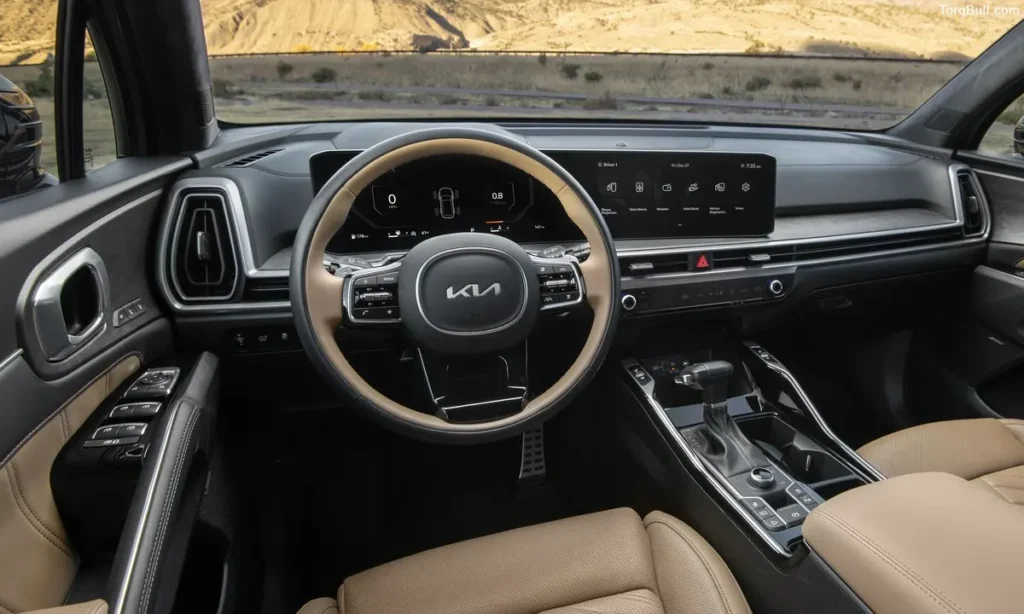
Pro 1: Styling and Interior Design That Owners Describe as a Genuine Strength
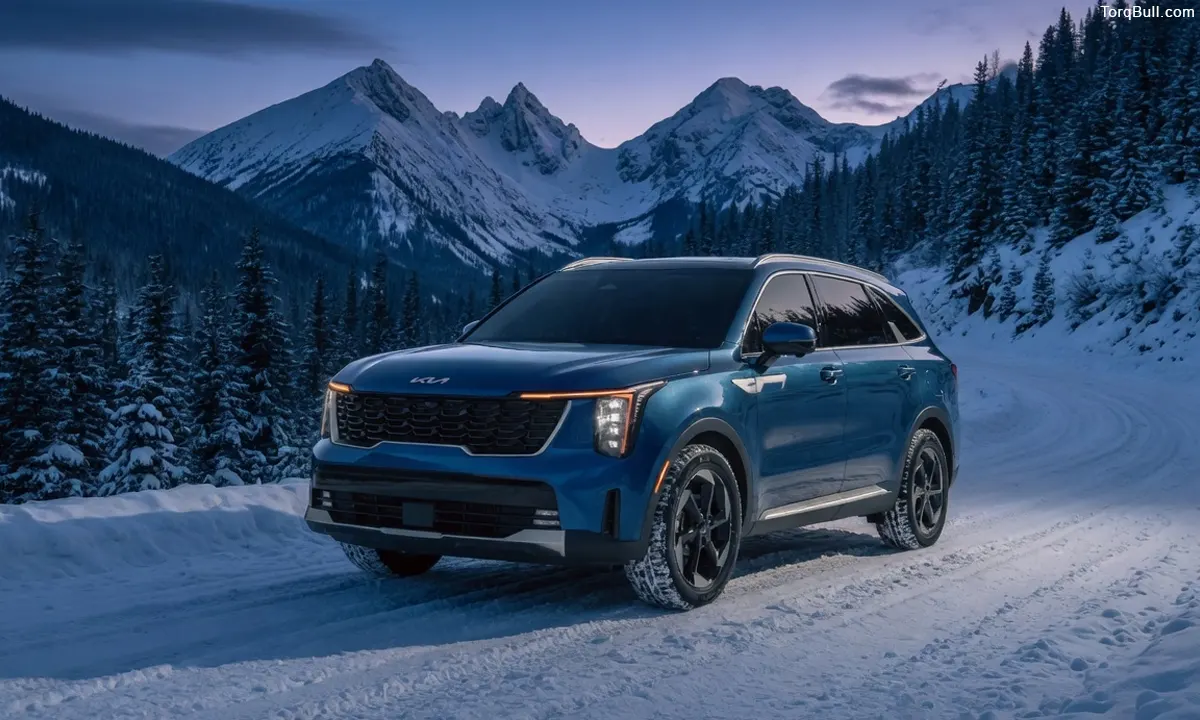
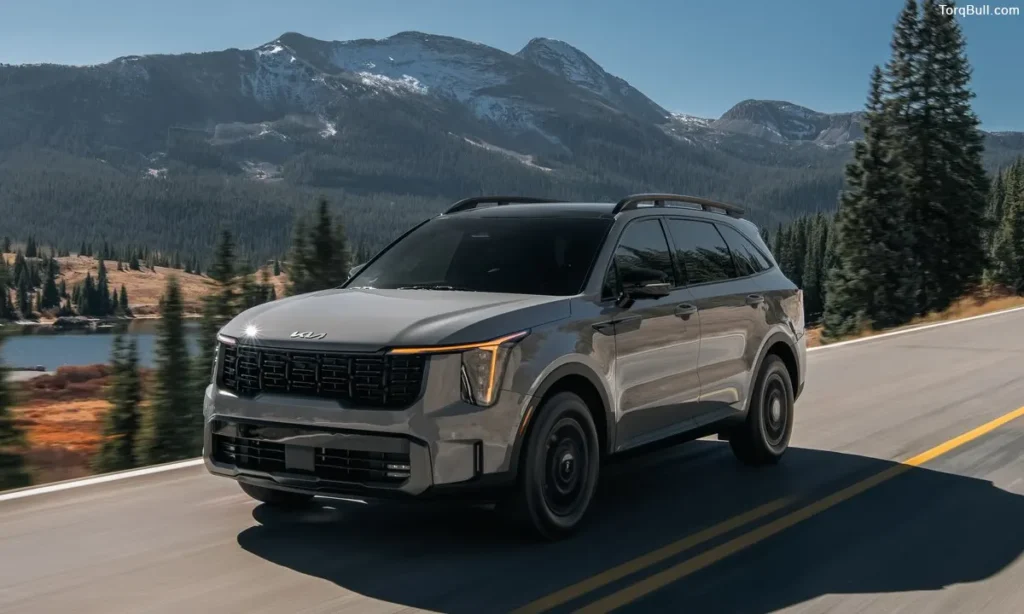
KBB’s aggregated sentiment from 70 Sorento owners in 2025 and 2026 identifies styling as the vehicle’s single strongest owner-rated attribute — ahead of even safety technology and fuel economy in terms of how consistently owners cite it. The Sorento’s exterior received a meaningful refresh for 2024 that replaced a horizontal orientation with a vertical arrangement featuring distinctive Amber Star Map lighting — a design update that owner community response has been consistently positive about.
The interior’s centrepiece is the panoramic curved dual-screen display available on upper trims — a single curved glass panel spanning the dashboard housing a 12.3-inch digital instrument cluster paired with a standard 12.3-inch infotainment touchscreen. Cars.com’ reviewer describes the setup as looking clean and modern and easy to master with customisation options. A KBB owner who compared the Sorento specifically against the Hyundai Santa Fe chose the Sorento specifically for its panoramic sunroof, classic exterior proportions and lumbar support, while noting the Santa Fe’s lack of a spare tyre and more fragmented sunroof design as dealbreakers.
Pro 2: Turbocharged Engine Character That Owners Find Genuinely Responsive
The Sorento’s optional 2.5-litre turbocharged engine producing 281 horsepower and 311 pound-feet of torque through an eight-speed dual-clutch automatic is the powertrain that most consistently earns owner praise for daily driving character. Cars.com’ extended evaluation confirms the difference between the base naturally aspirated engine and the turbocharged unit is transformative — making the Sorento a lot livelier and more entertaining to drive despite modest turbo lag. One Edmunds owner with 10,000 miles describes the peppy engine with smooth transition and quick acceleration as a genuine strength, alongside firm and responsive handling.
The hybrid powertrain option — a 1.6-litre turbocharged four-cylinder combined with an electric motor producing 36 MPG combined — provides a meaningfully different efficiency profile without the performance compromise that some hybrid competitors impose. One KBB owner specifically praises the great gas mileage of their Sorento, describing it as very driver friendly with comfortable handling across both long and short trips.
Pro 3: IIHS Top Safety Pick+ and Comprehensive Standard Safety Technology
The 2026 Kia Sorento earned the Insurance Institute for Highway Safety’s Top Safety Pick+ designation — the organisation’s highest honour — and a five-star overall NHTSA safety rating. U.S. News confirms the Sorento received the highest rating of Good in the three crash tests conducted and for its standard front crash prevention systems. Standard safety technology across all trims includes adaptive cruise control, blind-spot warnings and lane-keeping assist. The surround-view camera on SX trim and above is specifically praised as a valuable feature for parking and tight manoeuvring. Kia’s 10-year, 100,000-mile powertrain warranty — the longest standard warranty in the segment — provides additional ownership confidence alongside the safety credentials.
Pro 4: Hybrid and PHEV Powertrain Options Unique in the Three-Row Class
The Sorento’s availability as a plug-in hybrid with 31 miles of electric-only range is a competitive advantage that most three-row midsize SUV competitors cannot match. The Hyundai Santa Fe does not offer a PHEV. The Honda Pilot does not offer any hybrid. The Toyota Highlander Hybrid is conventionally hybrid-only without plug-in capability. For families whose daily commute falls within 31 miles and who have home charging access, the Sorento PHEV represents a genuinely unique three-row family SUV proposition — delivering near-zero daily fuel costs for weekday driving while retaining full family capacity and all-wheel drive.
Read: Kia Sorento vs Hyundai Santa Fe: Which Is Better in 2026?
The Cons: Where Real Owners Document Genuine Frustrations
Con 1: Transmission and Drivetrain Reliability Concerns That Are Documented and Serious
The most alarming owner complaints in the KBB and Edmunds review communities for 2024 and 2025 Sorento models concern drivetrain reliability — and these are not minor quality quibbles but documented mechanical failures that have affected owners in significant ways.
One KBB owner who purchased a 2025 Sorento X-Line reports the vehicle dying twice, requiring towing to the dealer both times with a transmission system error message. The dealer could not replicate the issue either time and returned the car without resolution. The same owner describes the second failure occurring while exiting a highway above 60 MPH — a genuinely dangerous situation. A separate Edmunds reviewer with a 2024 Sorento X-PRO describes discovering transfer case fluid containing metal particles — tiny pieces of metal described as sparkles — requiring complete transfer case replacement. A third Edmunds owner with a 2025 Sorento and just over 10,000 miles documents a critical transmission issue preventing reverse gear engagement, accompanied by a persistent engine light and 30-plus days of dealer possession for unresolved repairs.
These are serious documented failures from verified owners, not speculation. They do not represent the majority experience — 75 percent of KBB owners recommend the vehicle — but their specific nature and their appearance across multiple independent owner accounts indicates a pattern that prospective buyers should be aware of and that should influence due diligence during the warranty process if issues arise.
Con 2: Wind Noise and Cabin Sealing on the Highway
A less severe but more consistently mentioned owner frustration is highway wind noise — specifically cabin sealing that allows road and wind sound intrusion at freeway speeds. One detailed Edmunds owner with 10,000 miles specifically lists a lot of wind noise on the freeway as a con alongside the inability to disable driver assist warnings. This complaint appears across multiple independent accounts and is not related to a specific trim or configuration, suggesting it reflects a structural sealing characteristic of the current-generation Sorento rather than a batch-specific manufacturing issue. For buyers who cover significant daily highway miles and value a quiet cabin, this limitation warrants specific evaluation on a highway test drive before purchase.
Con 3: Third Row Limitations for Adult Passengers
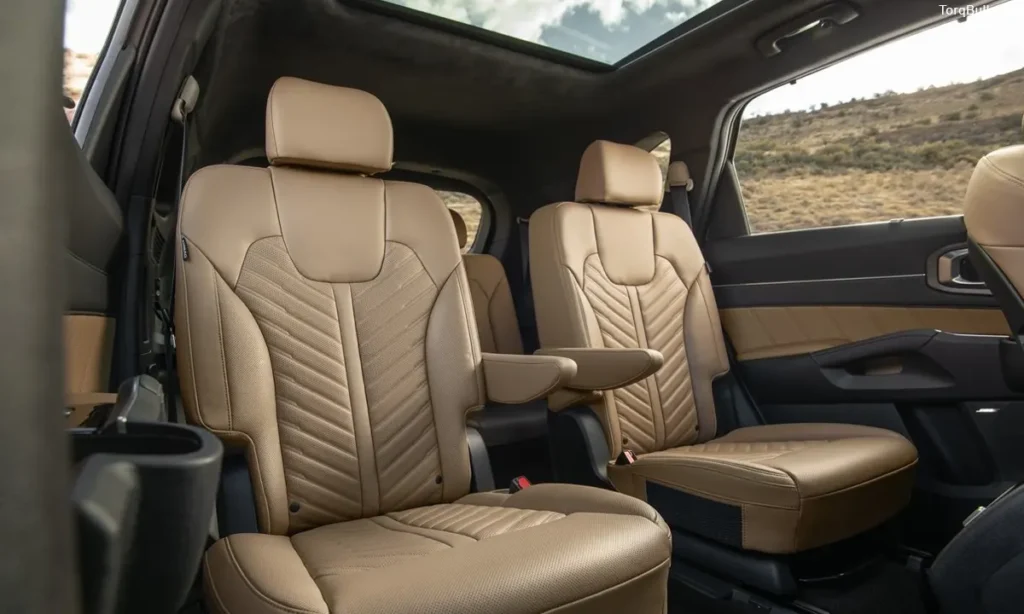
The Sorento’s third row is consistently described across professional and owner reviews as suitable for children or occasional short-term adult use but inadequate for regular adult passengers. Cars.com specifically notes the third row is best for children or occasional use. U.S. News compares the Sorento unfavourably to the Kia Telluride for third-row space, noting the Telluride has a much larger third row. One Edmunds reviewer specifically notes they have not used the third row after 10,000 miles — a practical acknowledgement that the space is not usable enough for regular adult transport. For families who need the third row for adults on regular trips, the Sorento’s third row is a genuine functional limitation, and the Telluride or Toyota Highlander better serves this need.
Con 4: Key Fob Design and Interior Storage Complaints
Minor but consistently noted owner frustrations include the key fob’s bulky size and confusing button layout — one Edmunds owner with 10,000 miles specifically identifies the huge, bulky key fob with a head-scratching button layout as a specific design complaint. The same owner documents insufficient storage compartments throughout the cabin. A separate owner notes the inability to use the inside door lock button as designed — a specific control design decision that puzzled multiple reviewers. These are nuisance-level complaints rather than safety or reliability concerns, but their consistent appearance across independent owner accounts suggests they represent genuine daily friction rather than isolated preference differences.
Read: 2027 Kia Telluride Mileage City vs Highway Fuel Economy Guide
Kia Sorento 2026 Pros and Cons — Real Owner Summary Chart
| Category | Verdict | Owner Evidence |
| Styling and exterior design | Strong Pro | KBB: #1 owner-rated attribute; Amber Star Map lighting praised |
| Turbocharged engine character | Pro | Cars.com: transformative vs base; smooth and quick per owners |
| IIHS Top Safety Pick+ | Strong Pro | 2026 highest IIHS honour; 5-star NHTSA overall |
| PHEV availability | Strong Pro | Unique in three-row segment; 31 miles electric range |
| Kia 10-yr/100K warranty | Pro | Industry-leading coverage; longevity to 200K-250K miles |
| Transmission failures (documented) | Serious Con | Multiple KBB and Edmunds owners: towing, unresolved repairs |
| Transfer case metal contamination | Serious Con | Edmunds-documented case requiring complete replacement |
| Highway wind noise | Real Con | Multiple accounts: freeway cabin not well-sealed |
| Third-row adult accommodation | Real Con | Best for children; professional and owner consensus |
| Key fob design | Minor Con | Multiple owners: bulky, confusing button layout |
| Interior storage compartments | Minor Con | 10K-mile Edmunds owner: insufficient storage |
| Value rating | Weakest category | KBB: value rated as weakest attribute by owners |
| Driver assist warnings | Minor Con | Cannot disable; described as annoying |
The Honest Verdict: Who the Sorento Serves Best
The 2026 Kia Sorento serves families well whose daily reality matches its specific strengths — buyers who want modern styling, a responsive turbocharged engine, comprehensive standard safety technology, the option of hybrid or plug-in hybrid efficiency and Kia’s industry-leading warranty at a price point below the Toyota Highlander. For these buyers, the 75 percent owner recommendation rate accurately represents a satisfying ownership experience.
The Sorento asks more careful scrutiny from buyers who prioritise drivetrain reliability above all other attributes — where Toyota’s documented long-term reliability record and the Hyundai Santa Fe’s updated 2026 torque-converter transmission provide more reassuring alternatives. Any Sorento owner who encounters drivetrain issues should pursue warranty resolution aggressively from the first occurrence rather than accepting repeated service visits without resolution, given the documented pattern of dealer-unresolved transmission concerns in the owner review community.