Best Used SUVs Under $25,000 That Will Not Let You Down. Best Reliability Picks Ranked
Independent Reliability Data, Real-World Owner Surveys and Long-Term Durability Evidence Identify the Pre-Owned SUVs That Deliver the Lowest Unscheduled Repair Frequency, the Most Predictable Running Costs and the Greatest Long-Term Value Available in the American Used Vehicle Market Below 25,000 Dollars
The used SUV market below 25,000 dollars is where the most consequential automotive purchase decisions in the American market are made — and where the gap between an excellent choice and a costly mistake is widest, most financially damaging and least visible at the point of transaction. A pre-owned SUV whose asking price falls comfortably within budget and whose exterior condition, interior presentation and test drive impression satisfy every reasonable buyer expectation can still represent a fundamentally poor financial decision if its manufacturer’s reliability history, its model-specific failure rate data and its unscheduled repair cost profile suggest that the years following purchase will generate workshop expenditure that transforms an apparently affordable vehicle into one of the most expensive transportation decisions its owner has made.
The reliability data that prevents this outcome is publicly available, independently produced and remarkably consistent across the organisations that compile it. Consumer Reports vehicle reliability surveys, J.D. Power Vehicle Dependability Study results, RepairPal repair frequency and cost data, and the iSeeCars long-term reliability analysis that tracks unscheduled repair rates across hundreds of thousands of verified ownership records together produce a picture of the used SUV market that the asking price and the CarFax report alone cannot provide. What that picture reveals — consistently, across multiple years of data collection — is that certain manufacturers and certain model lines produce used SUVs whose reliability performance in the 50,000 to 100,000 mile ownership range that characterises the sub-25,000 dollar market remains sufficiently strong to justify purchase with confidence. The models examined in this review are those that the data identifies most clearly and most consistently as the best used SUV reliability choices available to American buyers operating within this budget.
What Reliability Means in the Used SUV Context
New vehicle reliability ratings measure failure rates across the first three years of ownership — the period most heavily influenced by manufacturer defect rates and least representative of the mechanical durability challenges that used vehicle buyers face. The Consumer Reports reliability data most relevant to pre-owned SUV purchases covers model years from three to seven years old, reflecting ownership experience across the mileage ranges where powertrain wear, electrical system degradation and suspension component fatigue begin to differentiate the vehicles whose engineering and manufacturing quality sustain performance across high accumulated mileage from those whose initial quality conceals long-term durability shortcomings.
The price point of 25,000 dollars in the current American used vehicle market — elevated from pre-pandemic norms by persistent inventory constraints and used vehicle demand that has not fully normalised — typically accesses model years ranging from 2019 to 2022 depending on the brand, the trim level and the accumulated mileage. Within this window, the reliability advantage of the models listed below is most pronounced precisely because their engineering quality sustains performance across the 60,000 to 120,000 mile range where less durable alternatives begin generating the unscheduled repair frequency that converts a budget purchase into an ownership burden.
Toyota RAV4: The Pre-Owned Benchmark That Depreciation Cannot Diminish
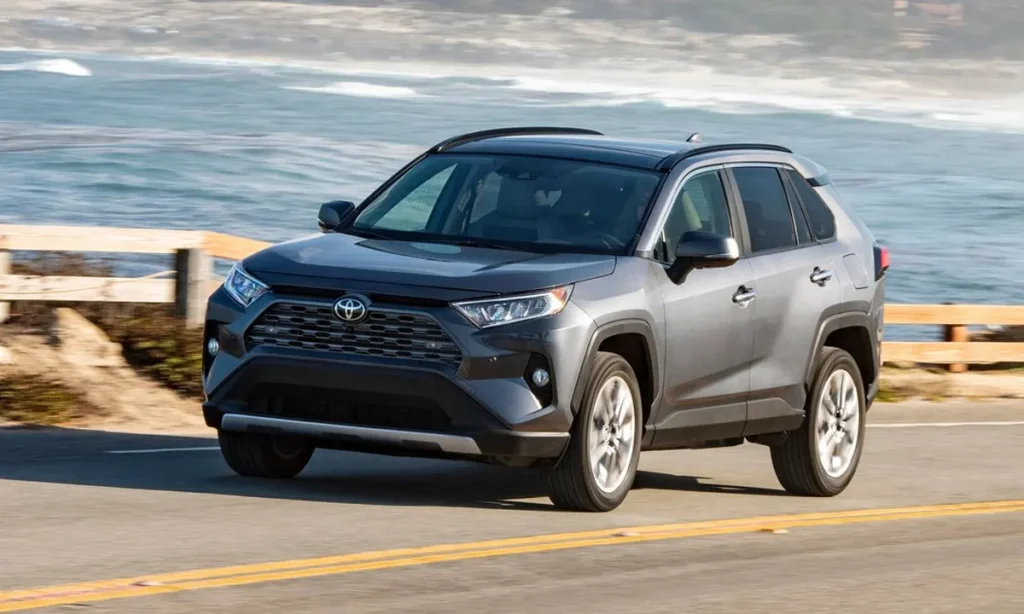
The Toyota RAV4’s reliability credentials in the used vehicle market are so thoroughly established by independent data that recommending it as the first consideration for any used SUV buyer operating below 25,000 dollars requires no qualification and no caveat beyond the honest acknowledgement that its reputation is reflected in asking prices that sit above segment average for equivalent mileage and model year. The premium that used RAV4 examples command is not irrational buyer sentiment — it is the rational market response to reliability survey data that consistently places the RAV4 among the top two or three performers in the midsize SUV category across every model year from 2018 onward.
Consumer Reports reliability scores for 2019 to 2021 RAV4 models average significantly above the category mean across powertrain, electrical system and body integrity dimensions — the three domains whose failure rates most directly determine used vehicle ownership cost in the mileage range accessible below 25,000 dollars. The 2019 RAV4’s introduction of the fifth generation platform brought initial owner-reported concerns around fuel smell and infotainment response times that Toyota addressed through subsequent software and hardware updates — making 2020 and 2021 model year examples the most straightforward used purchases within the current budget window, with the reliability profile their first and second owner experience has already validated.
Honda CR-V: Engineering Integrity That Survives High Accumulated Mileage
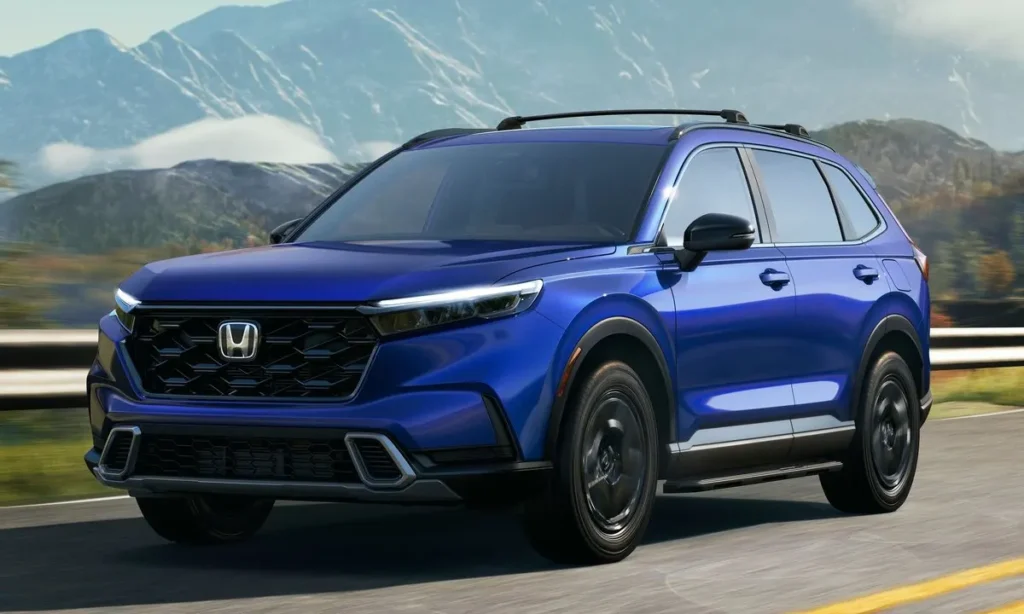
The Honda CR-V’s position as the second most consistently recommended used SUV below 25,000 dollars reflects both the model’s sustained reliability survey performance and the specific durability of its 1.5-litre turbocharged four-cylinder engine across the higher mileage ranges that pre-owned buyers in this budget category inevitably encounter. J.D. Power Vehicle Dependability Study results for 2018 to 2021 CR-V model years place the vehicle consistently above the compact SUV segment average, with owner-reported problem rates in the powertrain and driving experience categories that reflect a genuinely durable mechanical architecture rather than the suppressed failure rates of a vehicle still within its initial warranty period.
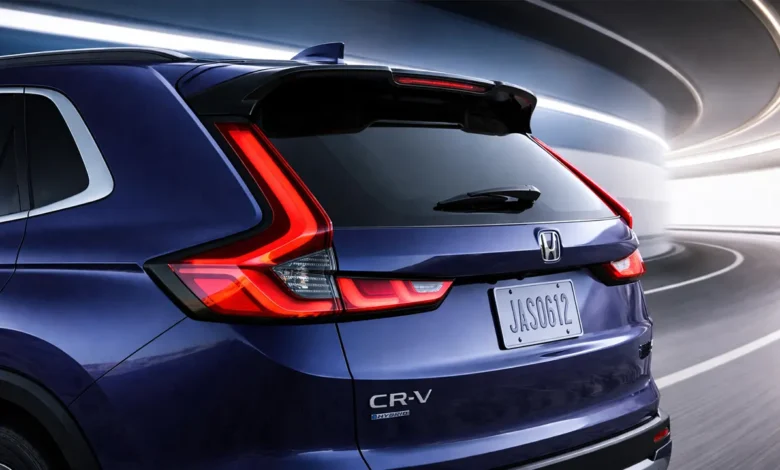
Read: Average Lifespan of Honda CR-V Battery in Hot Climates. What Every Owner Should Know About
Buyers considering used CR-V examples from the 2017 and 2018 model years — which may fall within or near the 25,000 dollar budget depending on accumulated mileage and trim level — should be aware of the oil dilution issue associated with the 1.5-litre engine in cold climate operating conditions that Honda acknowledged and partially addressed through software updates across this period. The 2019 model year onward represents a cleaner reliability proposition, with the oil dilution concerns substantially mitigated and the overall ownership experience reflecting the Honda engineering conservatism that has consistently produced among the lowest long-term repair rates in the segment.
Mazda CX-5: The Driver’s Used SUV That Ownership Data Validates
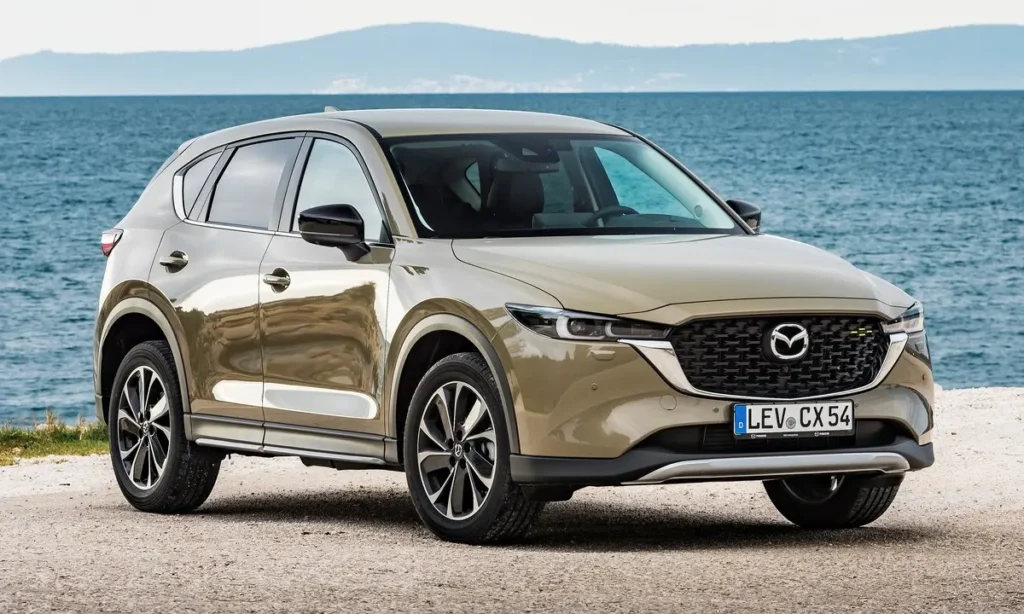
The Mazda CX-5 is the used SUV recommendation that surprises buyers whose reliability associations are anchored to Toyota and Honda — because Mazda’s smaller production volume and more limited brand recognition in the reliability conversation obscures a long-term durability performance that Consumer Reports data consistently places at or above the Toyota benchmark in the compact SUV category. The 2018 to 2022 CX-5 model years available within the sub-25,000 dollar budget range carry reliability scores that reflect both Mazda’s SkyActiv engineering philosophy — which prioritises mechanical simplicity and manufacturing precision over specification complexity — and a production quality standard that the brand’s ownership experience surveys validate across accumulated mileage that competitors find more challenging to sustain.
The CX-5’s used market asking prices sit below equivalent RAV4 examples for comparable model year and mileage — a pricing differential that is not explained by inferior reliability data and that reflects primarily the RAV4’s greater brand recognition among buyers who have not consulted the independent reliability surveys that the CX-5’s ownership experience justifies. For used SUV buyers who have done their research, this pricing gap represents genuine value — access to a vehicle whose driving quality, interior refinement and long-term reliability credentials match or exceed the segment’s most recognised names at a lower acquisition cost.
Kia Telluride: Three-Row Reliability at a Sub-Premium Price Point
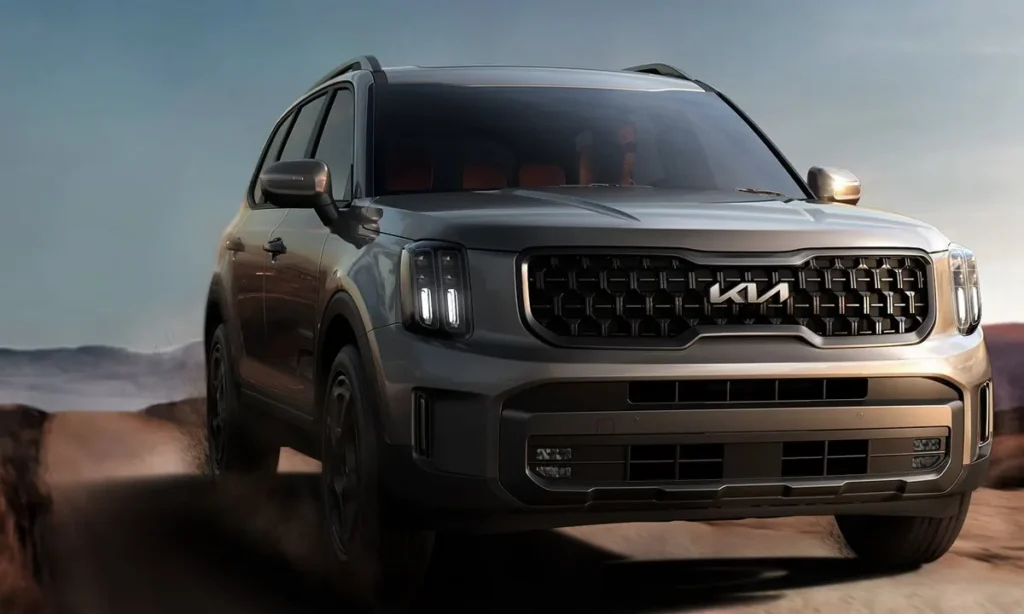
The Kia Telluride’s 2020 introduction brought to the American market a three-row family SUV whose reliability performance across its first three to five years of production has matched the engineering ambition of its design and specification — producing Consumer Reports reliability scores and J.D. Power quality ratings that place it among the segment leaders despite the brand’s historically more modest reliability positioning. The 2020 and 2021 model year Tellurides available within or near the 25,000 dollar budget window at higher accumulated mileage levels represent one of the most compelling value propositions in the used three-row SUV segment — offering genuine seven-passenger accommodation, a well-finished interior and a reliability track record that its asking price does not yet fully reflect.
The Telluride’s powertrain — a naturally aspirated 3.8-litre V6 engine paired with an eight-speed automatic transmission — reflects a deliberate engineering conservatism in its drivetrain architecture that has produced the low unscheduled repair rates its reliability survey results capture. Naturally aspirated engines of proven design accumulated across high mileage with lower failure risk than the turbocharged four-cylinder alternatives that some competitors employ, making the Telluride’s powertrain choice one whose long-term implications for pre-owned buyers are consistently favourable relative to the turbocharged alternatives in the three-row segment.
Subaru Forester: All-Wheel Drive Reliability at Accessible Used Pricing
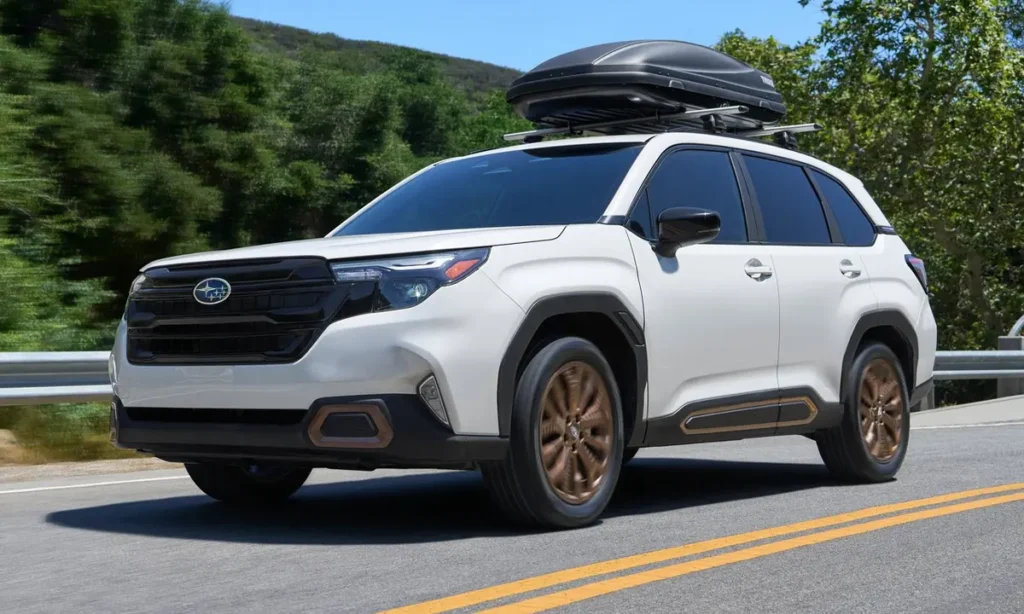
The Subaru Forester’s standard symmetrical all-wheel drive across its entire model range creates a used vehicle value proposition that its acquisition cost alone does not communicate — because every pre-owned Forester already includes the drivetrain capability that competitor brands charge meaningful premiums to add, and the reliability data across 2018 to 2022 model years available within the budget suggests that the additional AWD mechanical components do not introduce the elevated maintenance cost that buyers unfamiliar with Subaru’s AWD architecture might anticipate.
Consumer Reports reliability data for the 2019 to 2021 Forester — the fifth generation model introduced in 2019 — shows above-average performance across most ownership categories, with the EyeSight driver assistance system’s camera-based architecture providing an additional durability advantage over radar-based systems whose sensor replacement costs following minor frontal impacts represent a disproportionate expense in the used vehicle ownership context. For buyers in climates where all-wheel drive traction represents a genuine seasonal necessity rather than a marketing preference, the Forester’s combination of standard AWD capability and competitive used market pricing produces a value argument that the front-wheel-drive SUVs in the same budget range cannot match on total capability-adjusted cost.
Toyota Highlander: Three-Row Japanese Reliability Within Budget
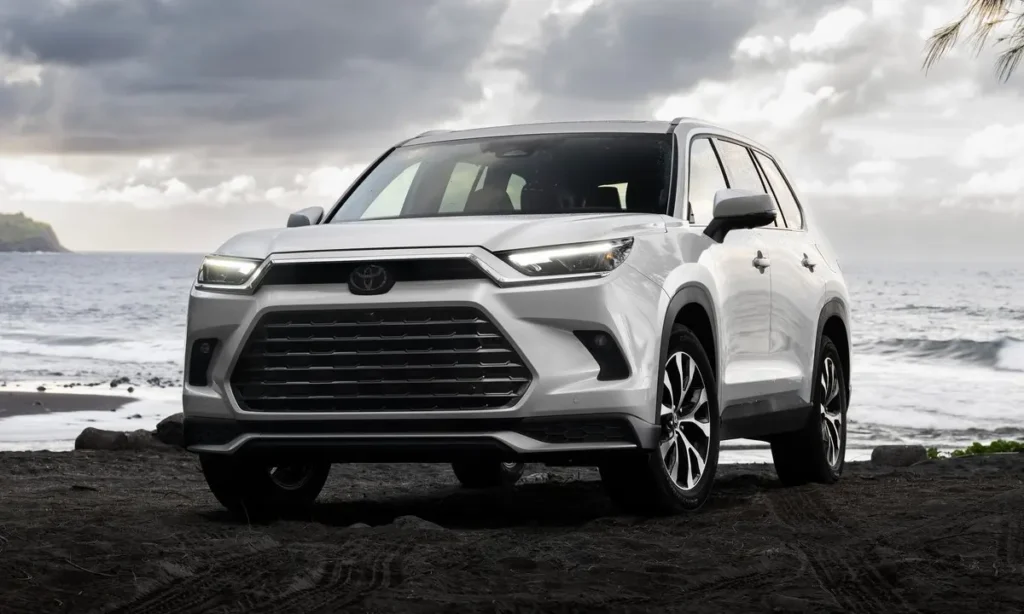
The Toyota Highlander’s position in the sub-25,000 dollar used market requires accepting higher accumulated mileage than the more recent model year examples of smaller alternatives — but the reliability data that covers 2017 to 2019 Highlander ownership experience at the mileage ranges those model years now represent suggests that the Highlander’s mechanical durability at 100,000 miles and beyond justifies the purchase with greater confidence than most competitors’ equivalent mileage examples can support. Consumer Reports reliability ratings for these model years remain consistently above the three-row SUV segment average, reflecting Toyota’s manufacturing quality standards across a vehicle whose powertrain architecture had reached full maturity by the model years accessible within this budget.
The Highlander Hybrid variant within the same budget window — available at 2017 and 2018 model years at competitive mileage levels — extends the reliability argument into efficiency territory that adds further financial dimension to the ownership economics calculation. Toyota’s hybrid system longevity data, accumulated across millions of Prius and hybrid SUV examples across two decades of production, provides the most comprehensive evidence base for any hybrid powertrain’s long-term durability in the used vehicle market — reassurance that buyers considering a hybrid at higher accumulated mileage have specific reason to value.
Read: 2026 Most Reliable Compact SUVs Under $30K. Ranked By Real Data
Used SUV Reliability Comparison Under 25,000 Dollars
| Model | Best Model Years | Reliability Rating | Est. Annual Maintenance | Notes |
| Toyota RAV4 | 2020–2022 | Excellent | ~$429 | Premium used pricing reflects reputation |
| Honda CR-V | 2019–2022 | Excellent | ~$407 | Avoid 2017–2018 for oil dilution concerns |
| Mazda CX-5 | 2018–2022 | Excellent | ~$447 | Underpriced vs reliability data |
| Kia Telluride | 2020–2021 | Very Good | ~$462 | Best used three-row value in segment |
| Subaru Forester | 2019–2022 | Very Good | ~$632 | AWD standard — adjust cost comparison |
| Toyota Highlander | 2017–2019 | Excellent | ~$489 | Higher mileage but sustained durability |
The Pre-Owned Decision That Reliability Data Makes Clearer
The used SUV market below 25,000 dollars rewards research more consistently and more financially than any other segment of the American automotive market — because the reliability differential between the vehicles that independent data identifies as the best long-term ownership propositions and those whose lower asking prices reflect rather than conceal elevated failure rates is widest precisely at the mileage ranges and model years that this budget accesses. The six models examined in this review share the characteristic that makes pre-owned vehicle purchasing a genuinely sound financial decision rather than a compromise forced by budget constraint: their mechanical integrity, their parts cost structures and their unscheduled repair frequency at high accumulated mileage remain sufficiently favourable that ownership delivers the transportation reliability that families depend upon without the workshop bills that transform a budget vehicle purchase into one of the most expensive decisions its owner has made.