The rotary dial that defined Mazda CX-5 cabin life for years is gone. In its place sits a standard 12.9-inch touchscreen, with an optional 15.6-inch display on the top trim that is the largest infotainment screen ever offered in any Mazda vehicle. Google Built-In, Gemini AI Assistant, wireless Apple CarPlay, Android Auto, improved voice control, and revised steering wheel controls all arrive at once. Professional reviewers are using words like stunning, silky smooth, and major improvement. The 2026 CX-5 is bigger, more tech-forward, and more premium than any CX-5 that came before it. Here Is the Complete Story.
Let me tell you about the moment I personally started feeling the tension between loving and being frustrated by the previous CX-5’s infotainment approach. I was sitting at a traffic light trying to use the voice system to navigate to a destination. The car sent me somewhere in a state I was not driving through. I gave up and used the rotary controller manually. That specific kind of experience accumulates over years of ownership, and it is precisely what Mazda set out to eliminate with the 2026 overhaul. Since the CX-5 accounts for roughly one-third of Mazda’s total global sales, getting this update right was not optional. Spoiler: they got it right.
The Rotary Knob Is Gone, and Here Is What Replaced It
This is the change that will generate the most conversation among existing CX-5 owners, because that center-tunnel rotary commander knob was either the most beloved or most frustrating aspect of the previous cabin depending on who you talked to.
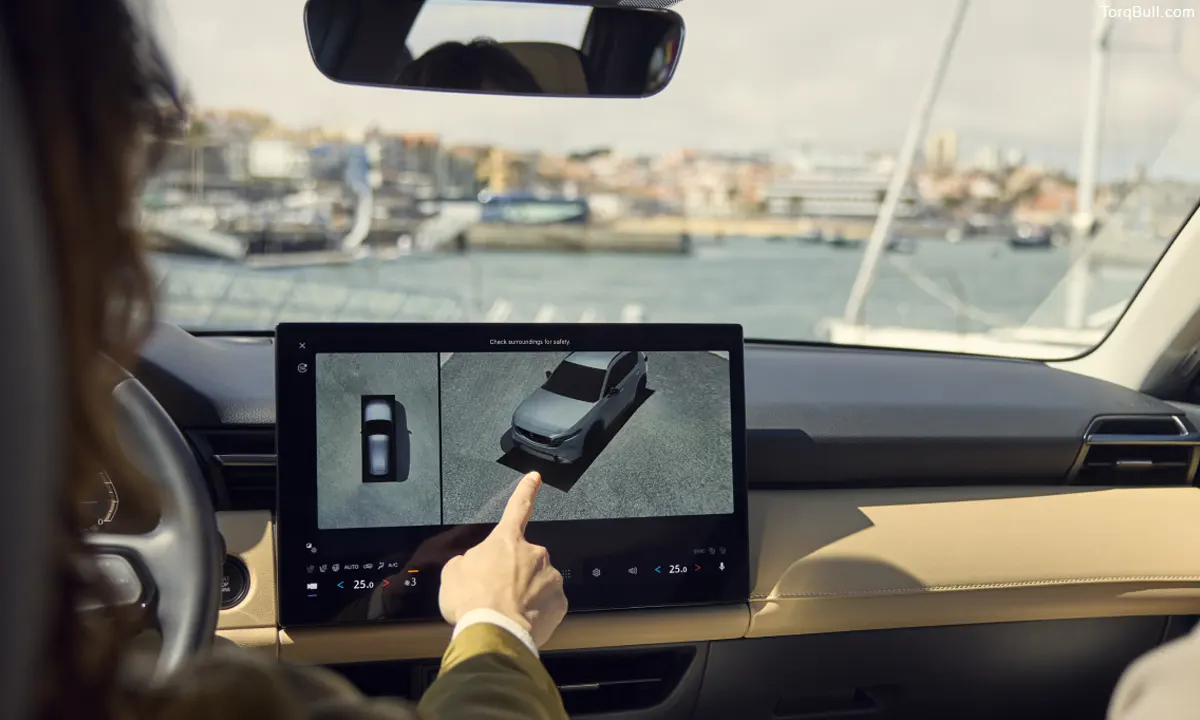
For 2026, Mazda went all-in on touch controls rather than the polarizing dial used in prior models. The new CX-5 comes standard with a 12.9-inch touchscreen, a meaningful jump from the 10.25-inch screen in the outgoing model. The top Premium trim gets an even larger 15.6-inch unit, the biggest infotainment display ever offered in any Mazda vehicle. And yes, Mazda has decided to remove physical controls including even the volume dial, replacing them with touch and voice interaction.
That last detail will matter to some buyers. The volume dial is gone. For many drivers this will be a non-issue within a week. For others it will be the thing they mention every time someone asks about the car. But Mazda did not abandon physical control philosophy without building a genuine alternative, and the steering wheel is where that alternative lives.
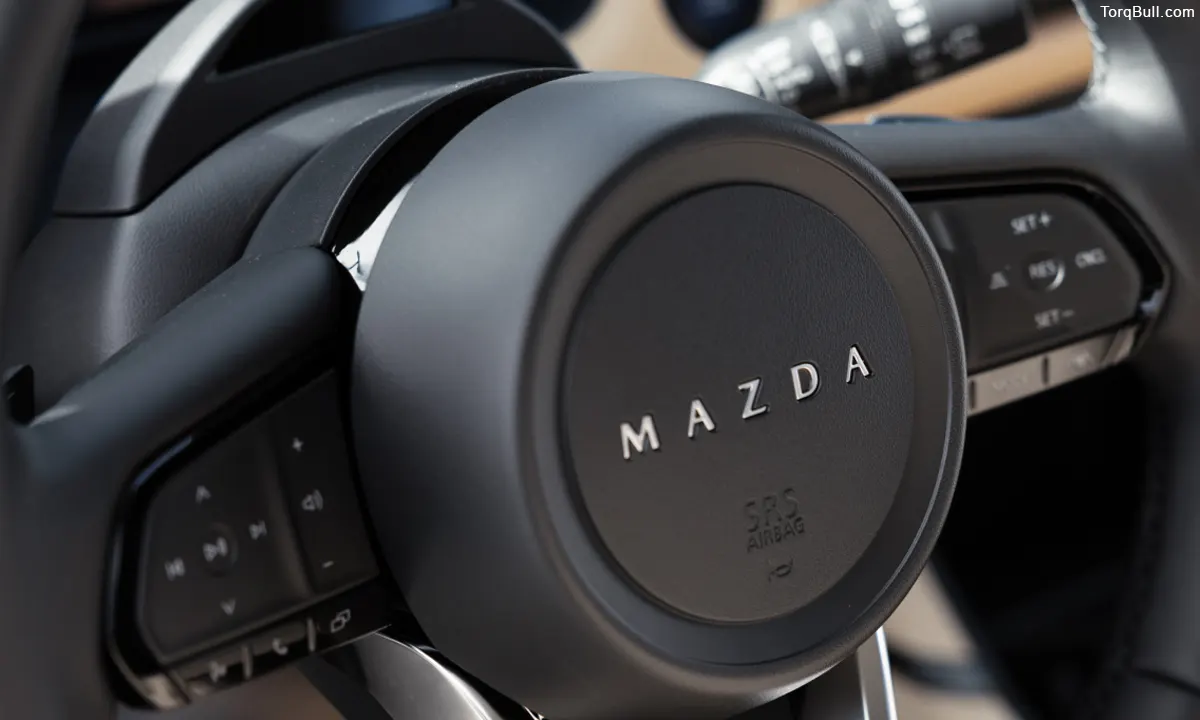
Frequently changed settings including media selection, volume adjustments and drive mode selection remain available through buttons and controls on the steering wheel. The philosophy here is that functions you reach for while driving stay tactile and reachable without looking. Functions you adjust while parked, like deeper customization of display layouts, sound settings, and vehicle preferences, move to the touchscreen. It is a reasonable division that addresses the core safety concern about touchscreen-only systems without forcing every interaction through a controller that had outlived its original design intent.
The 15.6-Inch Screen Is the Real Headline
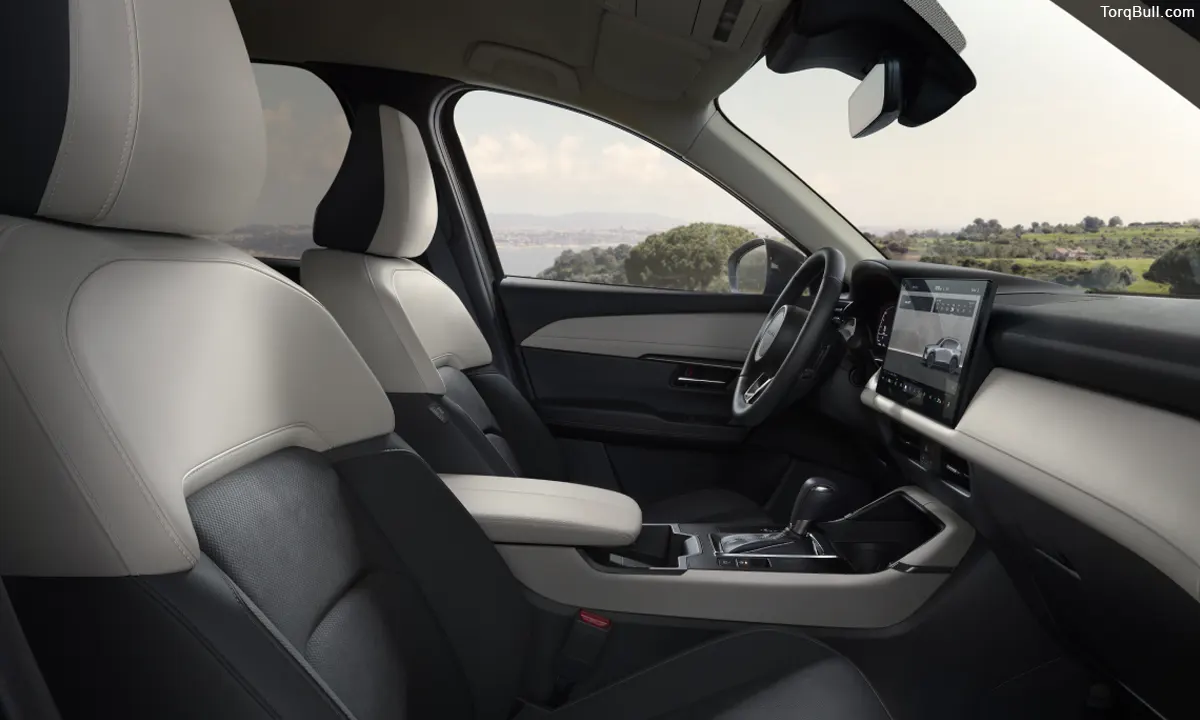
The top trim’s 15.6-inch display deserves its own section, because a first drive review specifically described it as the biggest in the compact SUV class and said it operates with stunning, silky smoothness. Those are not words that get thrown around carelessly.
The display is cleanly integrated into the dashboard without dominating the cabin’s aesthetic in the way some large screens do when they look bolted on as an afterthought. Menus are straightforward, information is beautifully displayed, and in some cases the animations are genuinely impressive for a compact family SUV rather than a luxury sedan. The system responds quickly and accurately to both touch inputs and voice commands, two qualities that the previous generation’s voice control notably failed to deliver with any consistency.
Even the standard 12.9-inch unit on base and mid-level trims represents a massive improvement over what came before. Drivers upgrading from a 2024 or 2025 CX-5 will feel the difference immediately and will not look back.
Google Built-In Changes the Daily Experience Fundamentally
The addition of Google Built-In is not just a checkbox feature on a spec sheet. For daily drivers, this is one of the most practically impactful technology additions Mazda could have made.
Google Maps runs natively within the car’s system rather than mirroring from your phone, which means navigation works even when your phone battery dies, when you have no signal, or when you simply do not want to drain your device. Google Assistant responds to voice commands with the contextual intelligence of a full Google account, understanding natural language rather than requiring specific formatted phrases. YouTube Music, Spotify, and other streaming services play through the car’s speaker system with native-app fluidity.
A Gemini AI assistant integration adds another layer of intelligent voice interaction for drivers who want to ask more complex questions or use the system for tasks beyond basic navigation and media. This is the first Mazda vehicle to offer Google Built-In, and it comes complimentary for one year with the Mazda Connected Services trial. After that introductory period, a subscription is required, so factor that into your long-term ownership cost planning.
For iPhone users, wireless Apple CarPlay provides the same level of seamless integration without any cable. The 2026 CX-5 keeps both Apple CarPlay and Android Auto available alongside Google Built-In, which is a smarter approach than systems that force you to choose one ecosystem over another.
The Bigger Body That Nobody Is Talking About Enough

The technology upgrade is getting most of the attention, and deservedly so. But the 2026 CX-5 also grew in ways that matter to families who spend real time inside this vehicle.
The new model is 4.5 inches longer overall and half an inch wider than the outgoing generation, riding on a stretched version of the same platform architecture. That additional length translates directly into more rear-seat legroom, more knee room, more headroom for rear passengers, and a notably larger cargo area. Larger door openings make entry and exit easier for children, elderly passengers, and anyone carrying groceries or gear.
For a vehicle that competes in one of the most popular segments in America, these are not minor incremental improvements. The previous CX-5 was already widely praised for its cabin quality relative to its price. The 2026 model takes that praised foundation and makes it physically bigger and materially more premium simultaneously.
What Stayed the Same, and Why That Is Actually Smart
The 2026 CX-5 is Mazda’s best-selling vehicle globally. Making dramatic changes to a vehicle with this kind of sales volume carries real risk, and Mazda navigated that risk with genuine intelligence.
The powertrain is unchanged from the outgoing model. The 2.5-litre Skyactiv four-cylinder engine produces 187 horsepower and 186 pound-feet of torque, paired with a six-speed automatic transmission. Standard i-Activ AWD continues across every single trim, which means no buyer faces the crossover industry’s most frustrating upsell argument. Fuel economy comes in at 24 MPG city, 30 MPG highway and 26 MPG combined.
Buyers who wanted the turbocharged 2.5-litre engine from the previous generation will be disappointed to learn that option has been dropped for 2026. The naturally aspirated engine is the only available choice at launch. Patient buyers should know that Mazda has confirmed an all-new in-house hybrid powertrain for the 2027 model year using a new Skyactiv-Z engine platform, which should deliver meaningfully better fuel economy alongside the sporty responsiveness the brand has always prioritized.
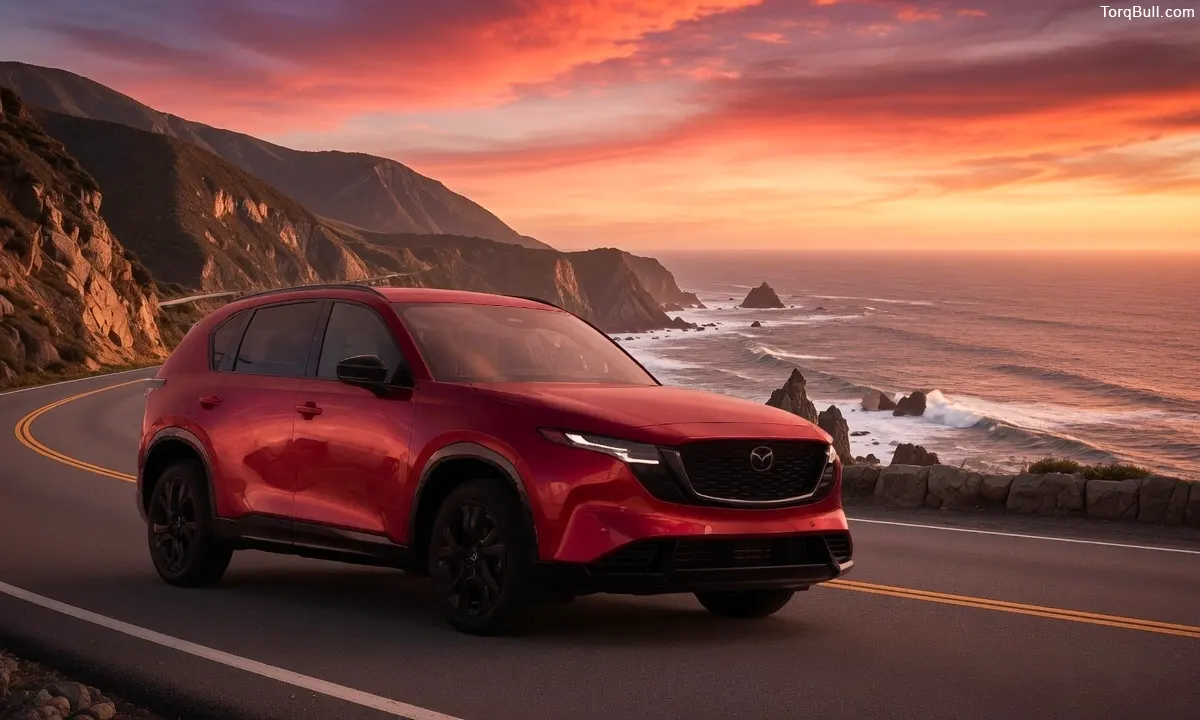
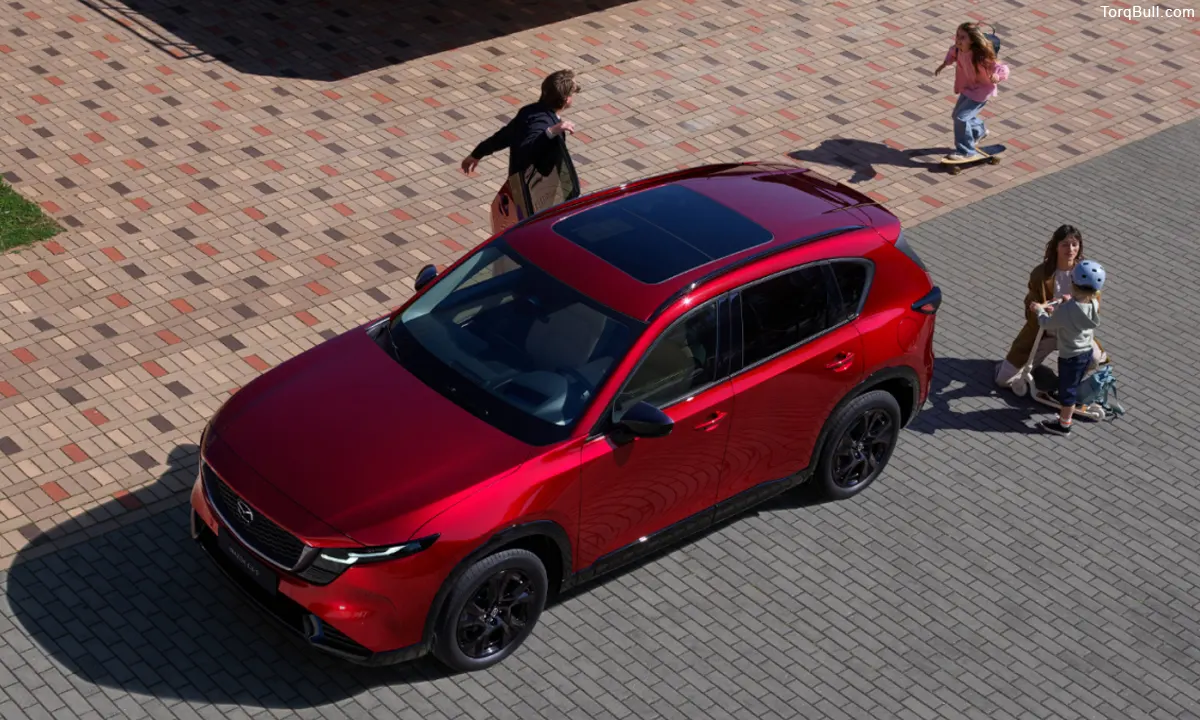
The exterior design updates are evolutionary rather than revolutionary, which is exactly the right call for a vehicle with this level of existing market success. A new front grille with LED headlamps and two-tiered daytime running lights give the front end a more confident and slightly more aggressive presence. New taillights and a redesigned rear fascia complete the visual refresh. You will recognize it as a CX-5 from across the parking lot, which is intentional.
Read: 2027 Chrysler Pacifica Gets A Fresh Face, But Kills The Hybrid
2026 Mazda CX-5 Technology and Specification Chart
| Feature or Specification | Detail | Change From Previous Generation |
| Standard Infotainment Screen | 12.9 inches | Up from 10.25 inches |
| Premium Infotainment Screen | 15.6 inches available on top trim | Largest screen ever in any Mazda vehicle |
| Center Console Controller | Removed entirely | Rotary dial controller eliminated |
| Volume Control | Steering wheel mounted | Physical volume dial removed from console |
| Google Built-In | Standard, complimentary first year | First Mazda to offer Google Built-In |
| Gemini AI Assistant | Included with Google Built-In | New for 2026 |
| Apple CarPlay | Wireless, standard | Wireless capability improved |
| Android Auto | Wireless, standard | Wireless capability improved |
| Mi-Drive Mode Selection | Steering wheel controls | Relocated from console |
| Climate Controls | Integrated in touchscreen | Physical climate dials removed |
| Engine | 2.5L Skyactiv four-cylinder, 187 hp | Unchanged from outgoing model |
| Turbo Engine Option | Removed | Was previously available as upgrade |
| Transmission | 6-speed automatic | Unchanged |
| Drivetrain | Standard i-Activ AWD on all trims | Unchanged, still standard across lineup |
| Fuel Economy | 24 city, 30 highway, 26 combined | Similar to outgoing model |
| Overall Length Increase | Plus 4.5 inches | Longest CX-5 ever produced |
| Width Increase | Plus 0.5 inches | Modest but meaningful |
| Hybrid Option | Not available at launch | Confirmed for 2027 model year |
| Airbags | 10 total | Increased for 2026 |
| Safety Suite | i-Activsense updated | Enhanced for 2026 |
The Honest Concern Worth Knowing
I want to be fair with you, because a review that only tells you the good stuff is not actually helping you make a decision.
The removal of all physical climate controls is the specific change that has generated the most sustained criticism from professional reviewers who have spent extended time in the 2026 CX-5. Climate adjustment is one of the functions drivers reach for most frequently, especially in changing weather conditions, and burying it in a touchscreen interface requires a glance away from the road that a physical knob or dial does not.
Mazda’s argument is that larger touch targets, simplified menu pathways, faster system response, and alternative voice control routes make this transition manageable and ultimately safer than the previous system’s voice control failures. The reviewers who have driven the car extensively suggest the voice control is genuinely accurate and responsive in a way the previous generation never was, which does soften this concern meaningfully. But buyers who specifically value the tactile simplicity of physical climate controls should spend time with the 2026 system before committing, because this is a genuine change to daily driving habits rather than a minor interface refinement.
The Bottom Line
The 2026 Mazda CX-5 is the most technologically advanced and most spacious CX-5 ever built, and it arrives at a moment when the competition in this segment has never been more intense. The 15.6-inch screen is genuinely impressive. The Google Built-In integration works with the accuracy and intelligence that the previous voice system completely failed to deliver. The bigger body creates the family-first interior that buyers in this segment specifically need. The standard AWD on every trim remains one of the most compelling value propositions in the compact SUV market.
The dial is gone. The experience it now delivers is better. That is the honest summary, and it is the one that should matter most to anyone shopping in this segment right now.