Picture two futures. In the first, you glide silently down the highway in an electric car, powered by electrons, tailpipe-free, quietly efficient. In the second, you’re rowing through the gears of a flat-six that howls like an angry wasp nest, except the fuel in the tank was made from air and water instead of pumped out of the ground, and burning it adds almost no net carbon to the atmosphere.
Both are marketed as the answer to cleaner driving. And the internet loves to pit them against each other like gladiators: synthetic fuels versus EVs, one enters, one leaves. But that framing is where most people go wrong, because the honest answer isn’t that one technology annihilates the other. It’s that they’re built for different jobs.
So let me break down this battle of tomorrow properly, what synthetic fuels actually are, where each technology wins and loses, and who really comes out on top. The verdict might surprise you.
First, What Even Is Synthetic Fuel?
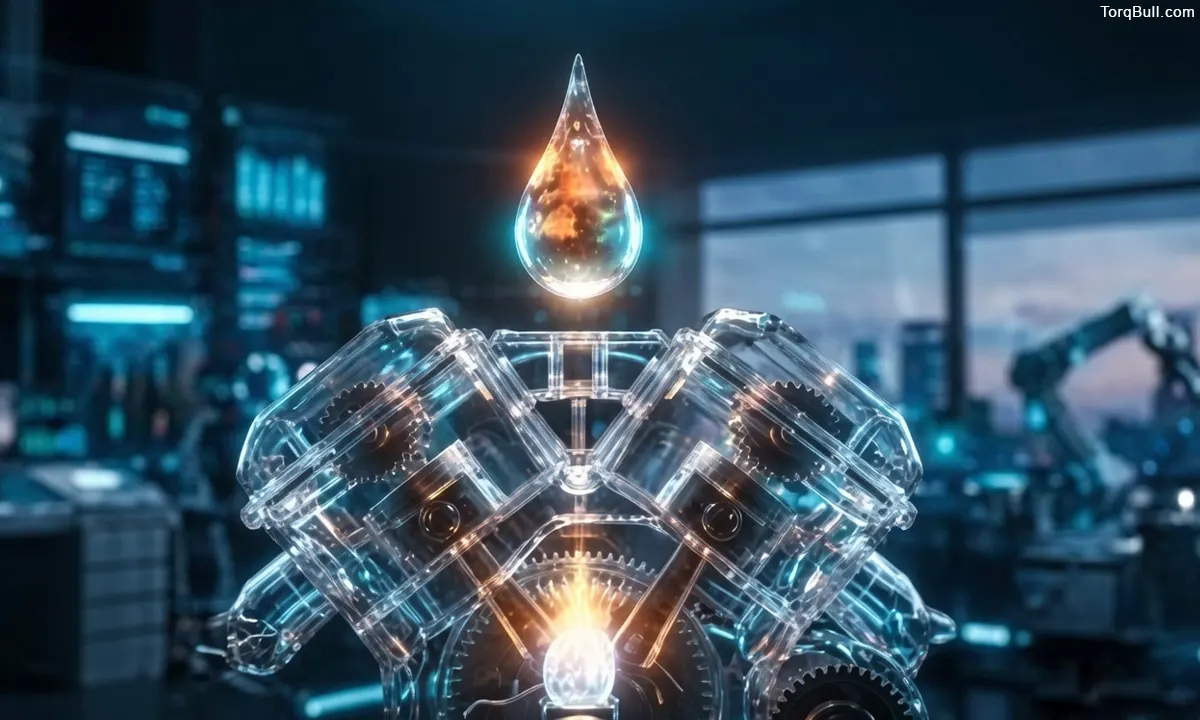
Let’s demystify the challenger. Synthetic fuel, also called e-fuel or synfuel, is essentially man-made gasoline. Instead of refining chemicals from fossil fuels pumped out of the earth, it’s made by capturing carbon dioxide from the atmosphere and combining it with hydrogen split from water using renewable electricity, creating a liquid fuel that runs in a normal combustion engine.
The magic trick is the carbon math. Because the process pulls CO2 out of the air to make the fuel, burning it roughly cancels out, making it nearly carbon-neutral. This isn’t a lab fantasy, either. Porsche is a major investor in HIF Global, which runs synthetic-fuel plants in Chile, Uruguay, the US, and Australia, powered by wind turbines, and Porsche says using e-fuel in existing vehicles could cut CO2 emissions by up to 90 percent. Real fuel, real plants, real cars already running on it.
The Case for Synthetic Fuels
The appeal of e-fuels is genuinely compelling, and it starts with one word: compatibility. E-fuel is a drop-in solution, meaning no new engines, no battery packs, and no charging cables, so in theory a regular petrol car could run on it with little to no modification. That’s huge, because there are over 1.4 billion internal combustion vehicles already on the road, and even if everyone bought an EV tomorrow, that enormous fleet isn’t disappearing for decades. E-fuel offers a way to decarbonize cars that already exist, rather than scrapping them prematurely.
Then there’s the emotional and practical case. Performance brands like Porsche, Ferrari, and Lamborghini know their heritage is tied to combustion, to the sound, the responsiveness, the mechanical soul that an EV, however fast, can’t replicate. Synthetic fuel is a way to keep the flat-six 911 alive in a tightening regulatory world. It’s also a lifeline for the things that are genuinely hard to electrify: motorsport, where Formula 1 and Porsche’s own racing series already run sustainable fuel, plus aviation, shipping, and classic cars. And it needs no new infrastructure, which sidesteps the charging-anxiety problem entirely. For drivers without home charging, that’s a real advantage.
The Case for EVs (and Synthetic Fuel’s Fatal Flaws)
Now the other side, and this is where the battle gets decided for most drivers. Synthetic fuel has three brutal weaknesses, and the first is physics itself.
Making e-fuel is wildly energy-intensive. You need electricity to produce hydrogen, more energy to capture CO2, and more still to synthesize the final fuel, and then you burn it in an engine that’s only about 30 percent efficient. By the time it turns the wheels, a huge chunk of the original renewable energy is gone. Take that exact same renewable electricity and put it straight into an EV battery, and far more of it actually moves the car. That efficiency chasm is the single biggest reason policymakers favor EVs so strongly, and it’s not a small gap, it’s a canyon.
The second flaw is cost. Synthetic gasoline is expensive, with Porsche’s own CEO suggesting that even at industrial scale, its synthetic fuel would cost around $7.57 a gallon, well above normal pump prices, and it’s far more expensive than that today. The third is scale. Porsche estimates it can produce around 550 million liters of e-fuel in 2026, which sounds impressive until you learn global gasoline demand topped 1.5 trillion liters, meaning even all the e-fuel makers combined would cover barely one-thousandth of the world’s appetite. And one honest caveat on the green claims: while the carbon may balance out, one environmental study estimated synthetic fuels cause just as much local pollution as regular gasoline, since the tailpipe still emits NOx and particulates. Carbon-neutral doesn’t mean clean air.
Read: Regenerative Braking Explained: How Much Range Can You Gain?
How They Stack Up
Here’s the head-to-head for the future of driving.
| Factor | Synthetic Fuels | EVs |
| Energy efficiency | Poor (huge losses) | Excellent |
| Cost per mile | High ($7.57+/gal) | Low |
| Works in existing cars | Yes, drop-in | No |
| Infrastructure needed | None (uses gas stations) | Charging network |
| Scalability | Tiny so far | Scaling fast |
| Tailpipe emissions | Still emits NOx/particulates | Zero |
| Preserves engine soul | Yes | No |
| Best for | Legacy fleet, heritage, motorsport | Mass-market daily driving |
The Policy Battle Is Already Being Fought
This isn’t just theoretical, it’s playing out in law right now. Europe’s 2035 combustion-engine ban carved out an exemption for synthetic fuel after heavy lobbying from the German and Italian auto industries. But even in granting it, the EU stated that e-fuels aren’t viable long-term, because they perpetuate a cycle of carbon neutrality rather than the carbon reversal that’s the ultimate goal. Regulators even mandated that engines must detect synthetic fuel to prevent cheating, prompting Porsche to develop a clever workaround using perfumes in the fuel and odor sensors in the engine. So the loophole exists, but the writing on the wall clearly favors electrification for the mass market.
The Reframe: It’s Not Winner-Take-All
Here’s the insight that resolves the whole battle. Synthetic fuels and EVs aren’t really competing for the same job, and pretending they are leads everyone to the wrong conclusion. Porsche itself frames e-fuel as a great additional strategy to electrification, not a replacement, explicitly to do something for existing cars.
Think of it as a division of labor. EVs win the enormous mass market of everyday passenger cars, decisively, on efficiency, cost, and scale. Synthetic fuels serve the jobs EVs can’t easily do: decarbonizing the 1.4 billion combustion cars already on the road, keeping classics and heritage sports cars alive, fueling motorsport, and powering hard-to-electrify sectors like aviation and shipping. Once you see it that way, the “battle” mostly dissolves into two tools for two different problems.
Verdict: EVs Win the War, but Synthetic Fuel Wins a Real Battle
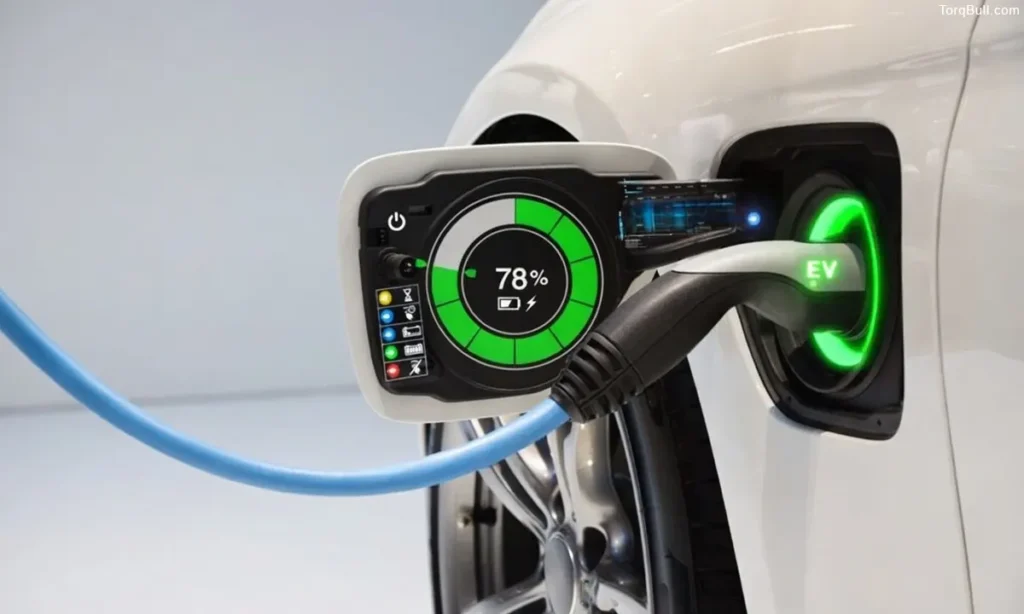
So who takes the crown in the battle of tomorrow? My honest answer is that if we’re talking about the future of the everyday car, EVs win, and it isn’t close. The efficiency gap is a chasm that physics simply won’t close, the cost-per-mile favors electric by a wide margin, EVs are scaling and cheapening while e-fuel remains rare and pricey, and the policy momentum is firmly behind electrification. For your next daily driver, the smart money, the efficient money, and the cleaner money is electric. That war is essentially settled.
But, and this is the part the winner-take-all crowd misses, synthetic fuels are not a loser. They’re a genuinely valuable specialist that wins battles EVs can’t fight. There are over a billion combustion cars already on the road that won’t vanish for decades, and e-fuel offers a real path to cleaning up that legacy fleet without scrapping it. It keeps the flat-six 911 screaming into 2035 with a clear conscience, it powers the motorsport and aviation that batteries struggle to serve, and it gives enthusiasts a way to preserve the soul of the combustion engine sustainably. Dismissing e-fuel entirely is as wrong as pretending it’ll dethrone the EV.
Here’s where I land. Bet on EVs for the mass market and for your own garage, because efficiency, cost, and scale make electric the undisputed champion of moving the most people the most cleanly. But cheer synthetic fuels as the clever supporting act that saves the existing fleet, the racetrack, and the weekend toy you love. The future of driving isn’t one technology crushing the other. It’s electric cars quietly handling the daily grind while synthetic fuel keeps the engine’s heartbeat alive where it matters most. The battle of tomorrow has a clear winner and a valuable runner-up, and honestly, a world with both is better than a world with only one. Charge your commuter, fuel your classic, and enjoy the best of both futures.