- Edmunds found improved comfort on long drives
- Consumer Reports notes stiff and choppy ride
- Rear seat space remains limited
- Ride quality varies by trim and setup
- Comfort depends on usage and passenger needs
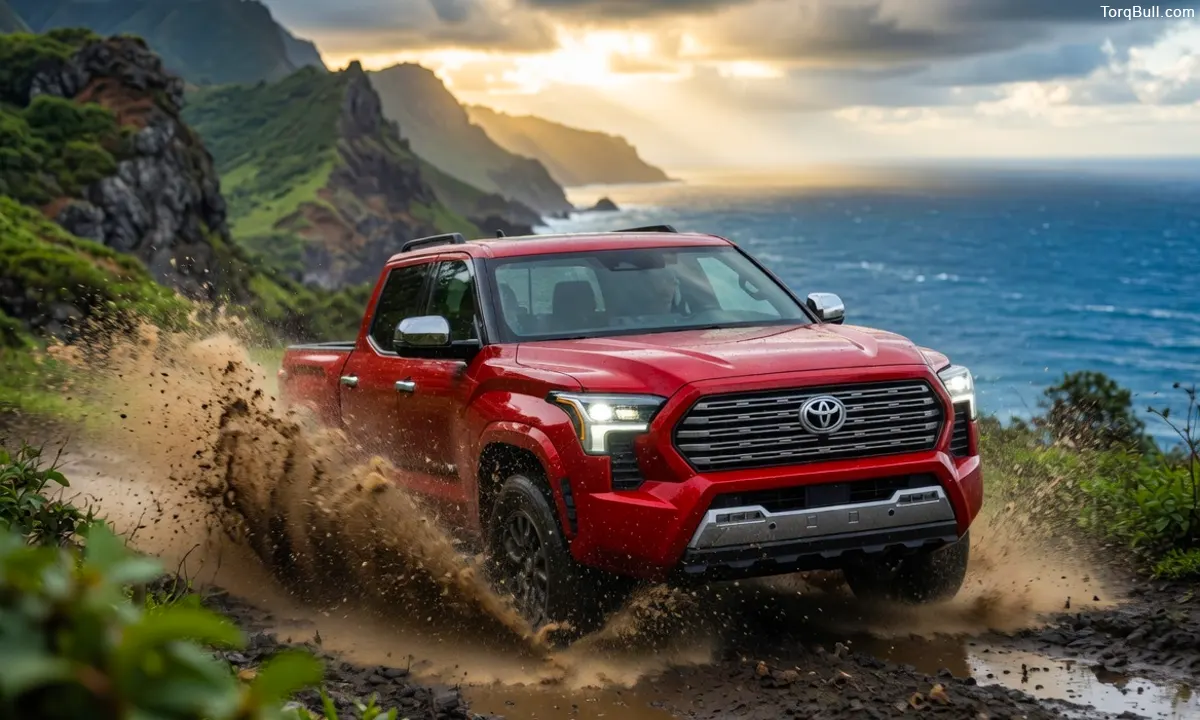
The Toyota Tacoma’s suitability for long distance driving is one of the most genuinely divided questions in automotive journalism — because two respected publications can drive the same truck on a long road trip and arrive at conclusions that sound contradictory. Edmunds’ test editor drove the 2024 Tacoma TRD Off-Road on a 2,000-mile road trip, towing a vehicle on a trailer, and concluded it was quickly becoming their favourite of their three long-term midsize truck fleet. Consumer Reports tested the same generation and described the ride as stiff, choppy and unrefined. Both observations are accurate — and the apparent contradiction resolves when you understand which trim level, which seating position, which road surface and which driver profile each evaluation reflects. This complete guide synthesises all available long-distance driving data into the most useful answer for any specific buyer’s long road trip question.
Gallery: Toyota Tacoma
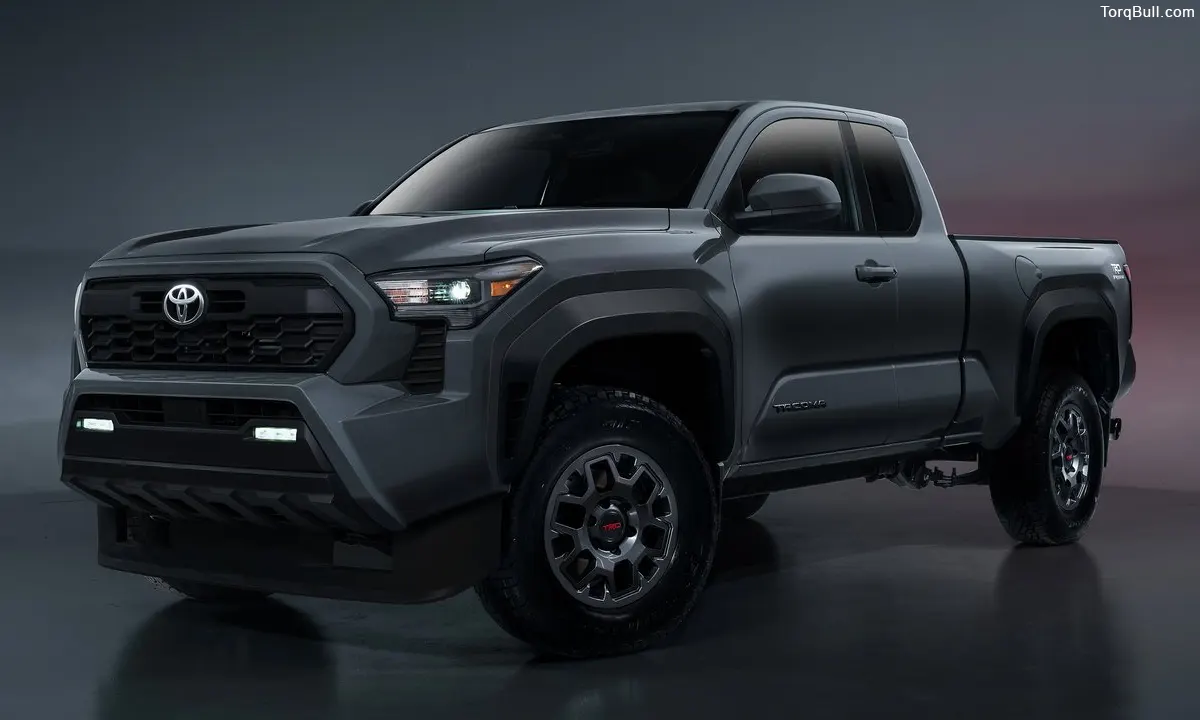
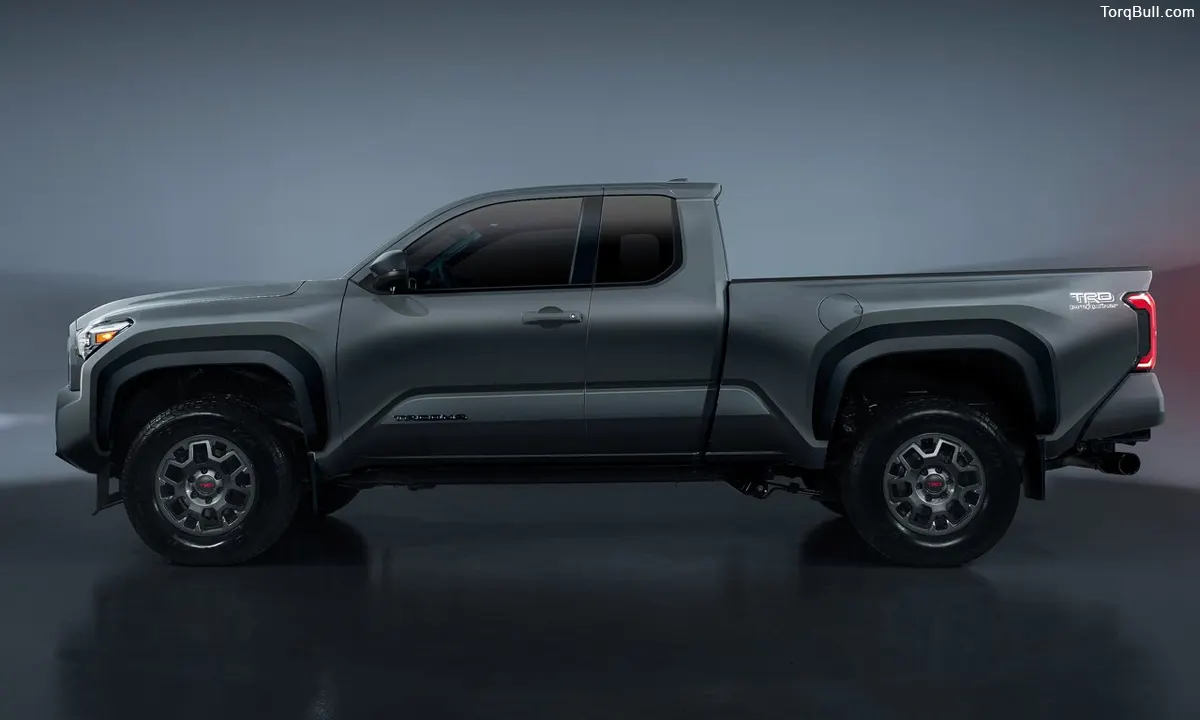
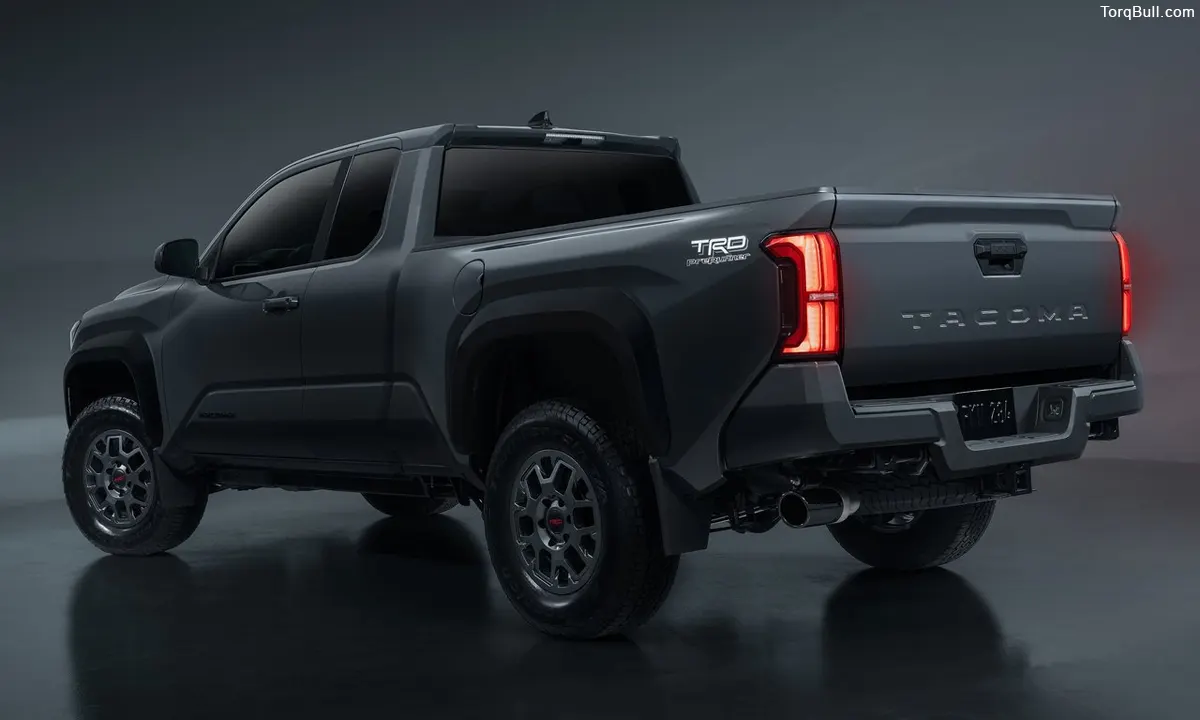
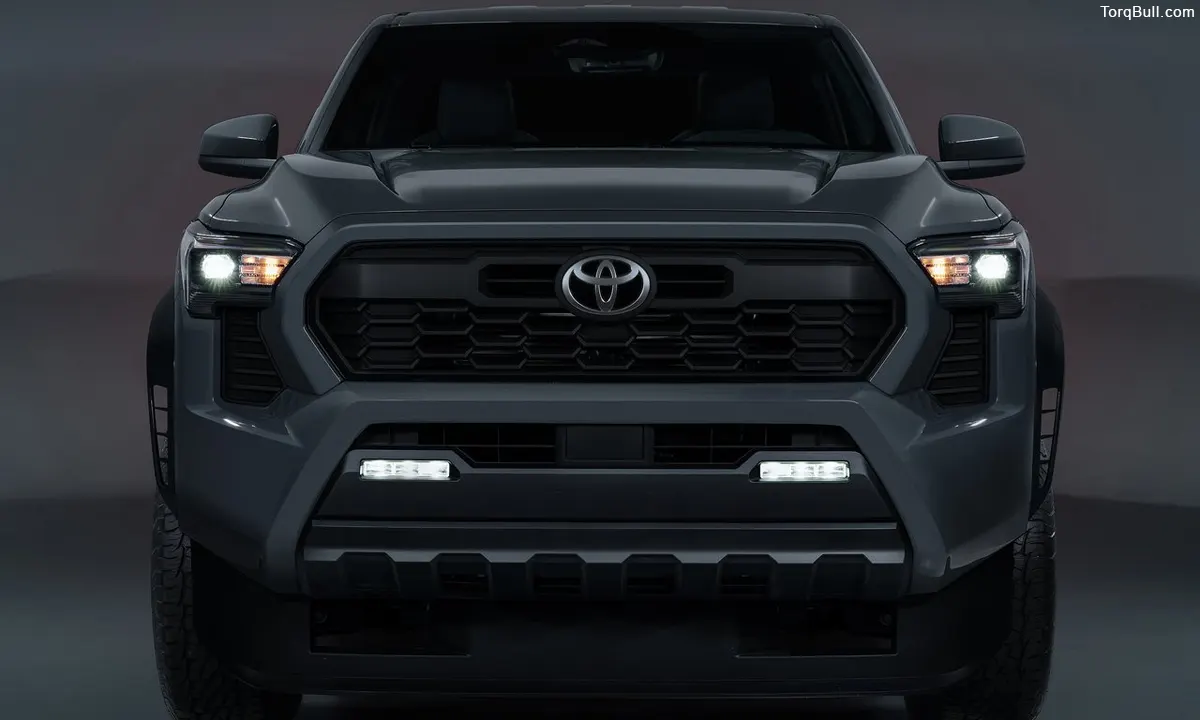
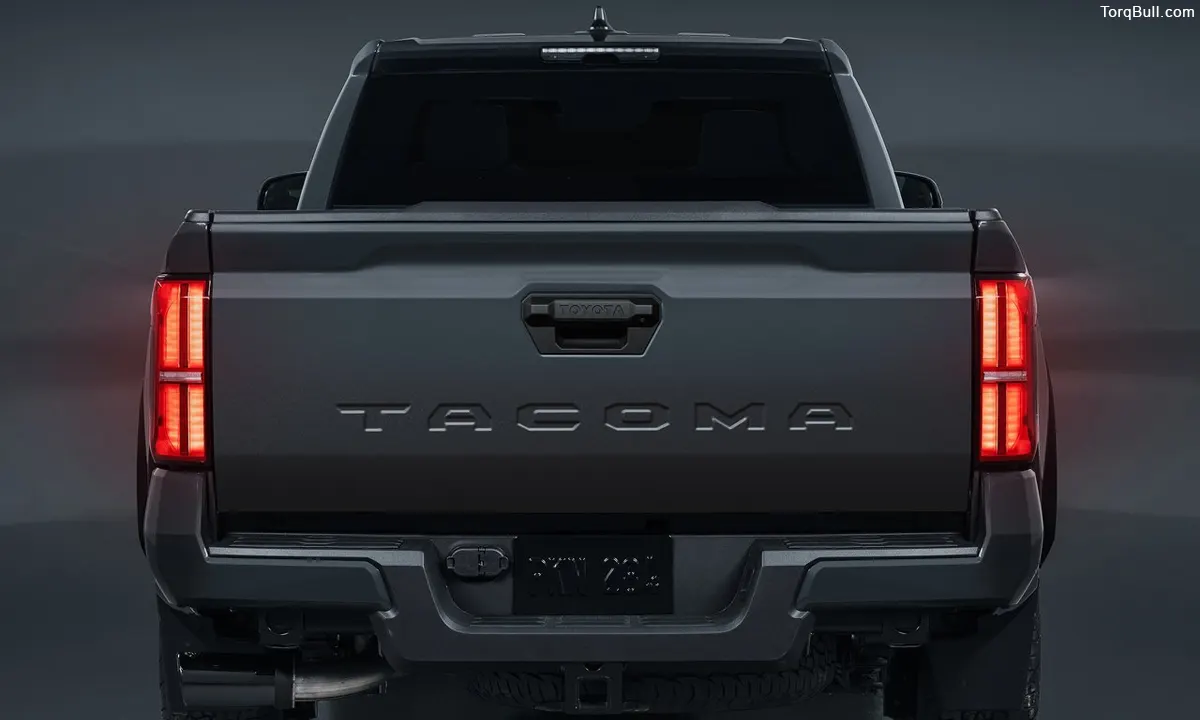
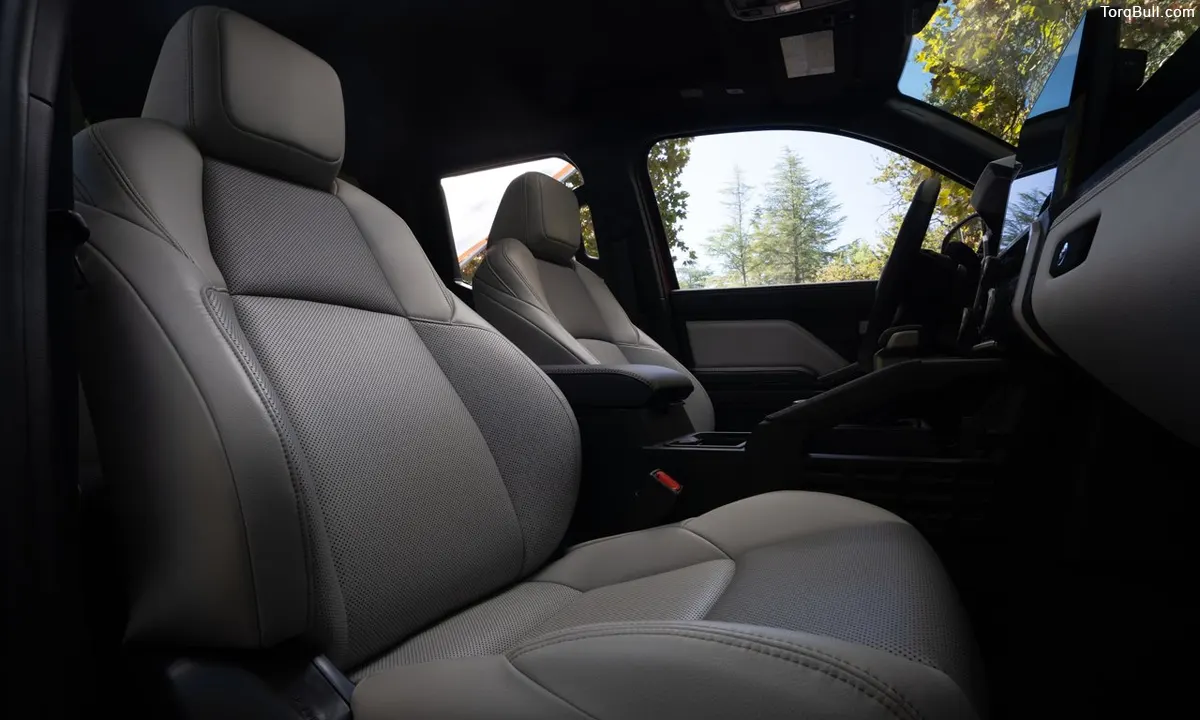
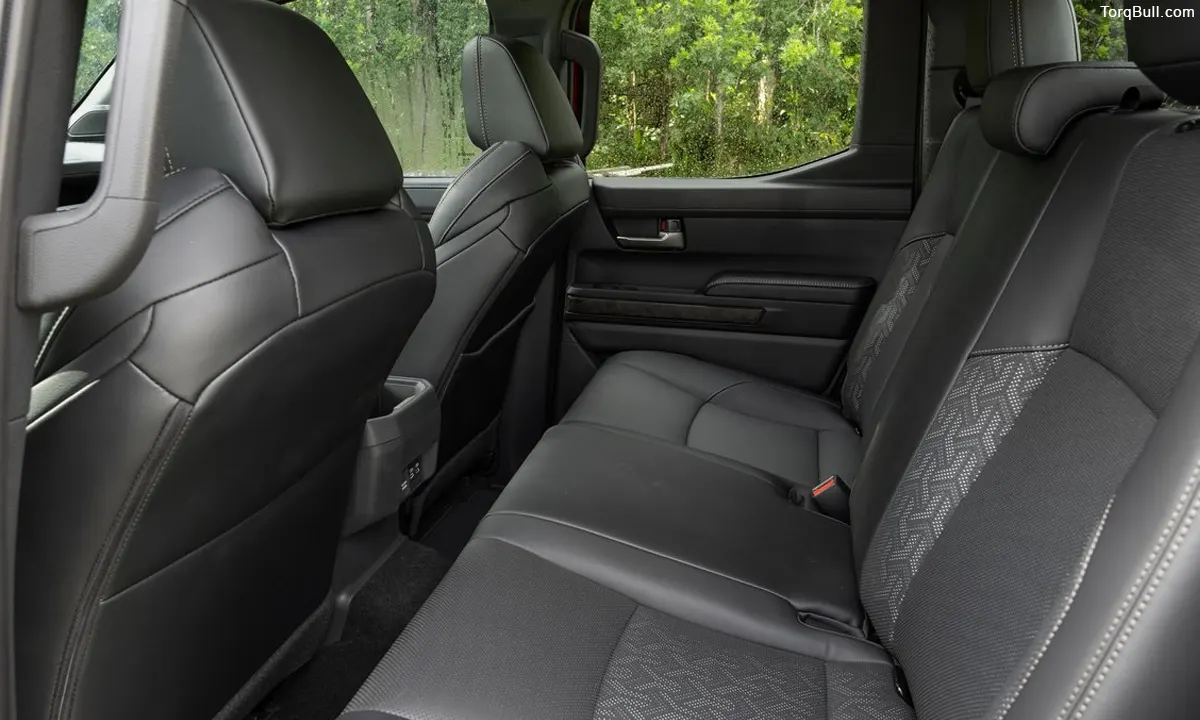
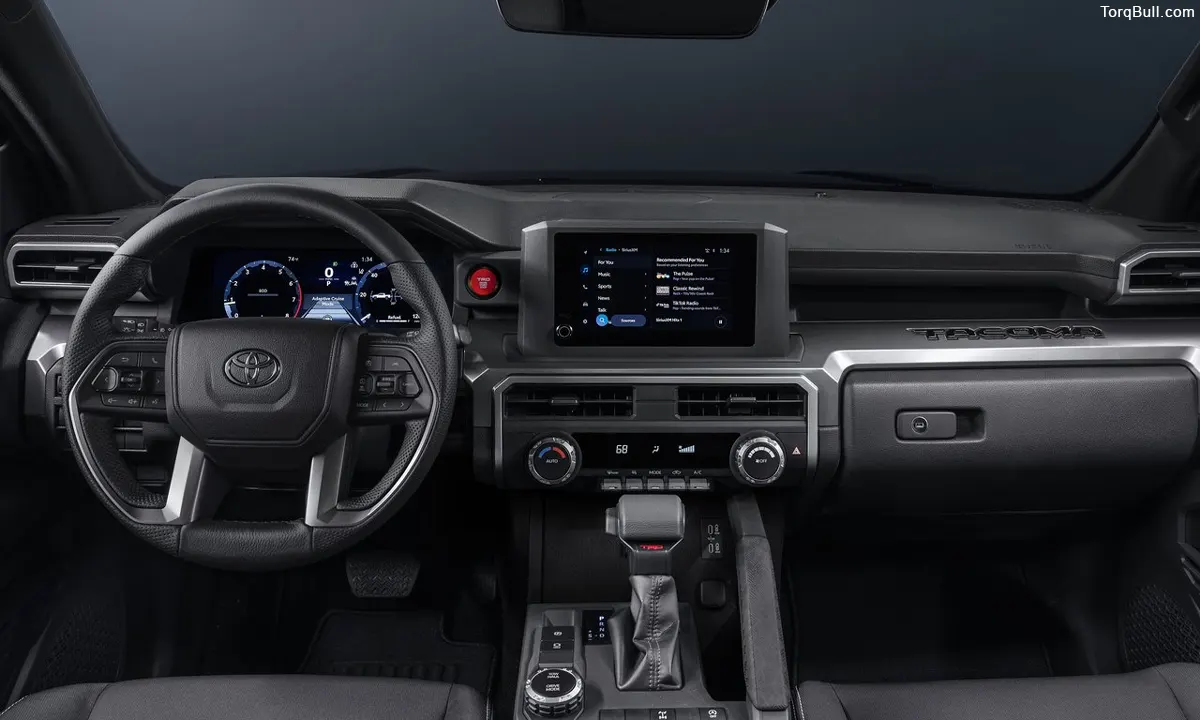
What Changed With the 2024 Redesign: The Baseline for Long-Distance Assessment
Every long-distance Tacoma assessment must begin with the 2024 redesign, because the fourth-generation truck is fundamentally different from the pre-2024 Tacoma on the dimensions most relevant to highway comfort. Buyers who remember the third-generation’s reputation for harsh ride quality and awkward seating should understand that the 2024 redesign specifically targeted those weaknesses — with mixed but generally positive results for on-road comfort.
The most impactful suspension change for long-distance driving is the replacement of leaf springs with coil springs at the rear axle on most fourth-generation Tacoma variants. The third-generation Tacoma’s leaf spring rear suspension was universally criticised for producing a bouncy, jittery highway ride — a characteristic inherent to leaf spring designs optimised for load-carrying rather than passenger comfort. The coil spring rear suspension of the 2024 Tacoma absorbs road impacts more progressively, reducing the jarring character that made long third-generation highway drives fatiguing.
The seating position and cabin ergonomics received equal attention. Multiple Edmunds editors who drove the 2024 Tacoma for extended periods specifically praised the improved headroom, better seat and wheel adjustment range and more comfortable driving position. One Edmunds editor’s assessment — “finally, a Tacoma I could comfortably drive every day” — reflects the generational character improvement that the redesign achieved on this dimension. A 2024 TRD Off-Road owner who completed over 1,000 miles on a road trip noted the suspension as much more comfortable than old leaf springs, and specifically mentioned that their passenger no longer experienced the car sickness that previous long trips in their older truck had produced.
The Front Seat Experience: Genuinely Improved, Not Yet Best-in-Class
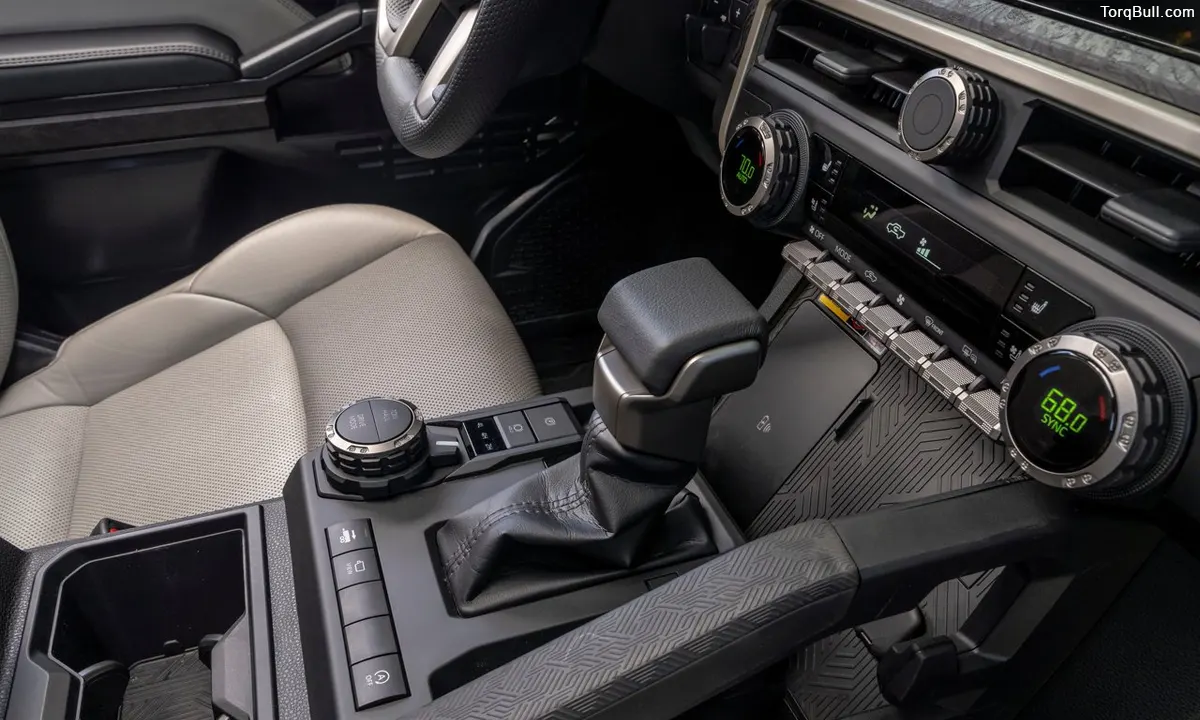
The front seat long-distance experience in the 2026 Tacoma reflects the 2024 redesign’s genuine but incomplete improvements. Edmunds specifically praises the front seat quality in owner reviews, with one owner describing the seat design as excellent: firm and supportive lower back without awkward lumbar positioning, soft seat base, long tilted seat bottom providing substantial thigh support and ergonomics that allow comfortable resting on either the centre console or door armrest across a broad range of body types. For a driver of average height and build covering 300 to 500 miles in a day, the front seat provides adequate support without the discomfort events that shorter journeys sometimes mask.
The caveat is specific and important for taller drivers. One Edmunds editor who drove the long-term Tacoma found it challenging to rediscover a comfortable seating position after time away from the truck, reporting soreness in the right thigh that suggests the foot-to-pedal geometry is less than ideal for some body proportions. This is not a universal complaint — it appears primarily in accounts from taller drivers — but it is documented enough across Edmunds’ extended evaluation to represent a genuine consideration for buyers over approximately six feet tall who plan to drive the Tacoma for several hours at a stretch.
The Tacoma’s cooled seats, available on higher trim levels including the TRD Off-Road and Limited, receive specific praise in long-distance assessments. The Edmunds editor who drove the 2,000-mile towing road trip explicitly highlighted the cooled seats as working excellently — something they could not say about the Ford Ranger they were comparing against. For summer long-distance driving in warm climates, the cooled seat availability is a meaningful comfort feature worth prioritising in trim selection.
Read: Best Pickup Trucks For Towing In USA 2026. Top Models Built For Maximum Capability
The Ride Quality Reality: How Trim Level Determines the Long-Distance Experience
The most important variable in the Tacoma’s long-distance ride quality — more important than the coil spring rear suspension upgrade itself — is the trim level and, specifically, the suspension specification that comes with each trim.
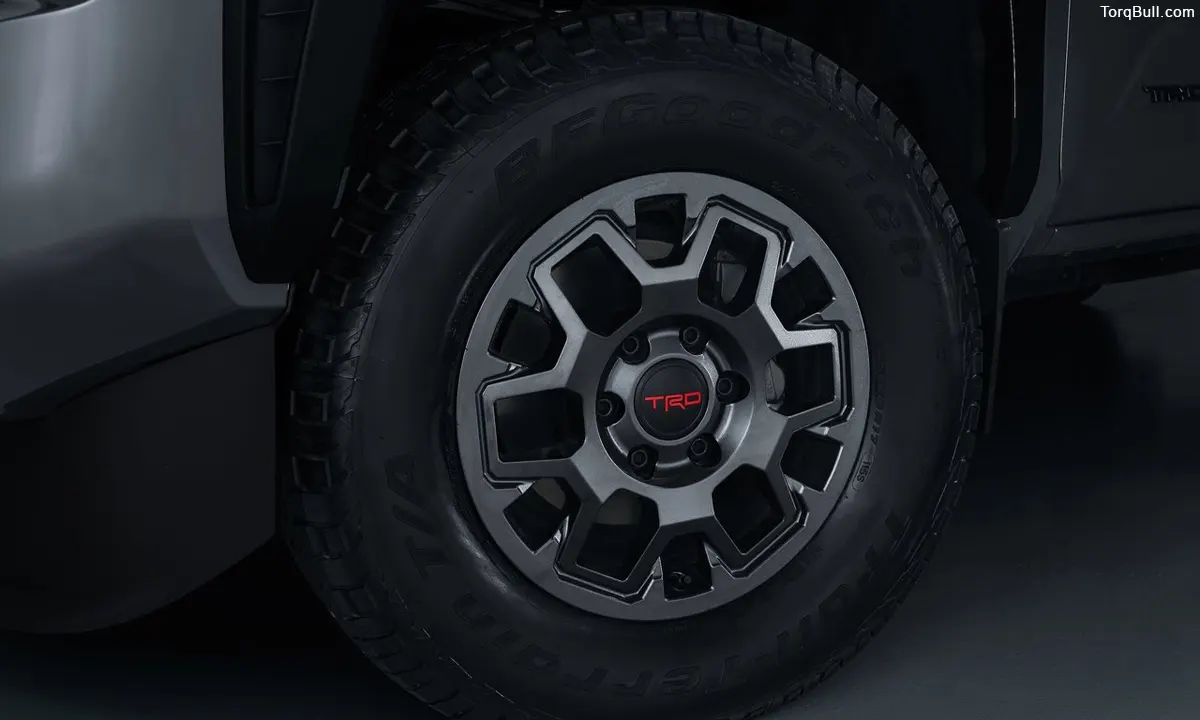
Consumer Reports’ characterisation of the ride as stiff, choppy and unrefined is accurate for specific configurations. The TRD Off-Road and TRD Pro trims, equipped with all-terrain tyres and off-road-tuned suspension, produce a measurably harsher highway ride than the road-oriented trims. All-terrain tyres generate substantially more road noise and vibration at highway speeds than highway-specification all-season tyres, and the stiffer suspension tuning that provides capability off-road reduces compliance on deteriorated highway surfaces. Capital One’s 2026 Tacoma review specifically notes the TRD Sport’s harsh ride quality as a drag for long-distance driving — though it also confirms the truck is not excessively noisy on the highway despite its boxy shape.
The Limited trim’s available adaptive suspension represents the most meaningful long-distance comfort upgrade available in the Tacoma lineup. Consumer Reports specifically acknowledges that the adaptive suspension on the Limited trim produces a decidedly smoother ride than other configurations — a meaningful concession from a publication whose overall Tacoma ride quality assessment is critical. For buyers whose primary use case is long-distance highway driving rather than trail use, the Limited trim with adaptive suspension delivers a substantially more comfortable long-distance experience than the TRD off-road trims with their performance-tuned hardware.
Lower SR and SR5 trims, equipped with all-season highway tyres and conventionally tuned coil suspension, represent a middle ground — improved over the pre-2024 leaf spring models but without the all-terrain tyre noise penalty of the TRD variants or the adaptive comfort of the Limited.
The Rear Seat Problem: The Most Consistent Long-Distance Limitation
The Tacoma’s most universally acknowledged long-distance driving limitation is the rear seat — specifically its unsuitability for adult passengers on journeys exceeding 30 to 60 minutes. This limitation is structural, not trim-level-dependent, and affects the Double Cab configuration that most buyers choose.
Edmunds’ long-term evaluation explicitly describes the rear seat as offering absolutely no legroom, with rear passengers’ knees contacting the hydraulics built into the back of the front seats. Air vents for rear passengers are absent. The Tacoma’s rear seat is significantly more constrained than the Ford Ranger’s or Chevrolet Colorado’s rear seating in the same body style comparison. One Edmunds editor notes moving the driver’s seat uncomfortably forward to accommodate a forward-facing child seat — a compromise that diminishes driver comfort to address rear passenger space limitations.
For Tacoma owners who plan to make long-distance drives with adult passengers in the rear seats, this limitation is the single most practically significant long-distance comfort consideration. A family of four on a road trip will find the rear adult passengers substantially more uncomfortable than in an equivalent SUV or even most competing midsize trucks. Buyers who carry rear passengers regularly on long drives should either accept this limitation as a truck-segment trade-off or consider a competing midsize truck with more generous rear seat packaging.
Read: Best Trucks Under $50000 In USA 2026. Ranked by Category With Full Specs
Adaptive Cruise Control and Driver Assistance: The Long-Distance Technology Advantage
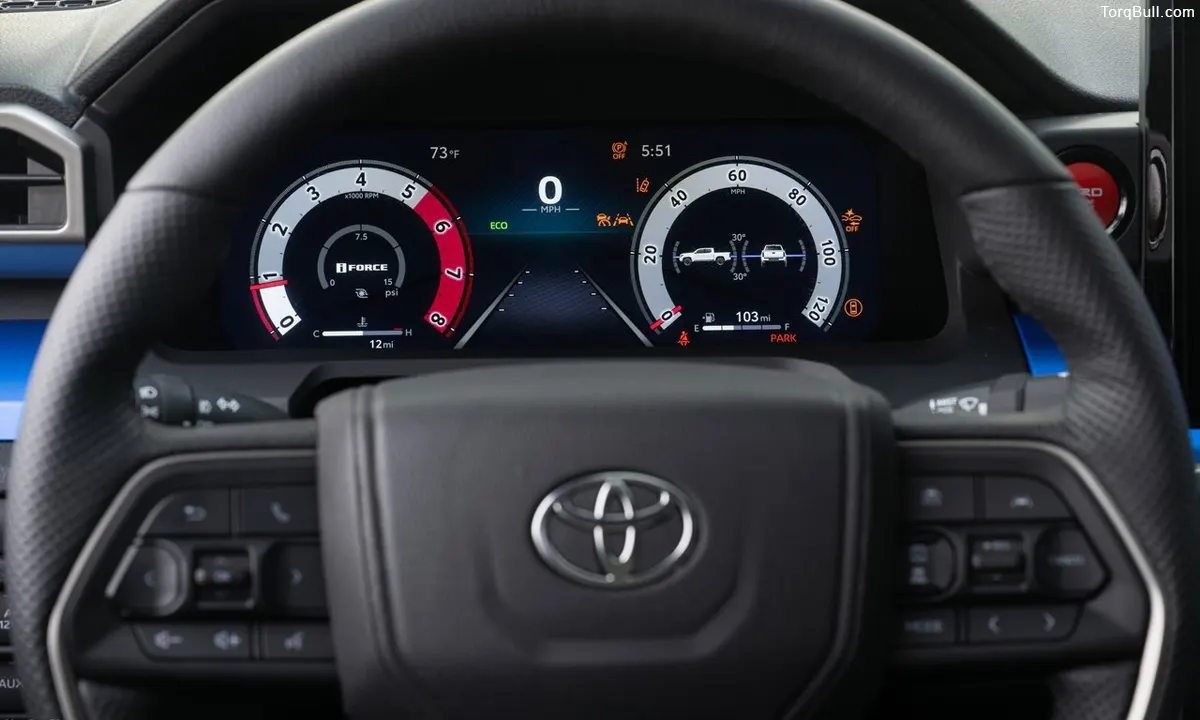
One area where the Tacoma’s long-distance driving capability earns near-universal praise is its Toyota Safety Sense 3.0 driver assistance suite — particularly the adaptive cruise control and lane keeping systems that meaningfully reduce driver fatigue on extended highway segments.
The 2024 TRD Off-Road road trip account from Tacoma4G Forum describes the adaptive cruise control and active lane assist as game-changing for driver fatigue, noting the system keeps the truck in lane without the ping-ponging lane wandering common in some competing systems. The only required driver input is a hand on the wheel approximately every 15 seconds.
Edmunds’ towing road trip account specifically highlights Toyota’s adaptive cruise control implementation as a favourite feature — noting that when the turn signal is activated to pass a slower vehicle, the system automatically begins accelerating before the lane change completes, rather than waiting for full lane change before responding. This behaviour more closely approximates natural driving intent than competing systems that require lane change completion before responding to the driver’s overtaking intent. The eight-speed automatic transmission’s smooth shift logic under adaptive cruise — with no unnecessary hunting on hills — further reduces the micro-fatigues that inconsistent transmission behaviour creates on long drives.
Toyota Tacoma Long-Distance Driving — Complete Assessment Chart
| Long-Distance Factor | Assessment | Trim Dependency | vs Full-Size Competitors |
| Front seat comfort | Good; improved vs pre-2024 | Higher trims better (ventilated seats) | Slightly below Ram 1500 / F-150 |
| Rear seat comfort | Poor for adults | No improvement by trim | Well below all full-size options |
| Highway ride quality | Trim-dependent; moderate to good | TRD off-road trims harsher; Limited best | Below Ram 1500 / F-150 average |
| Adaptive cruise control | Excellent; praised by multiple editors | Standard across all trims | Competitive with best in segment |
| Lane-keeping assist | Very good; stable lane holding | Standard across all trims | Above segment average |
| Cabin noise (highway) | Moderate; better than pre-2024 | TRD off-road tires add noise | Below car-based SUVs |
| Highway fuel economy | Moderate; 20–24 MPG | Varies by drivetrain | Adequate for frequent stops |
| Fuel tank range | Limited; 18-gallon tank | Same across configurations | Below full-size trucks |
| Driver fatigue (solo) | Low; ADAS reduces effort | Available on all trims | Competitive with best pickups |
| Passenger comfort (2 adults) | Good (front); Poor (rear) | No rear seat improvement by trim | Below full-size cab trucks |
The Small Fuel Tank: The Long-Distance Range Consideration
One specific long-distance limitation that owners consistently discover is the Tacoma’s relatively modest 18-gallon fuel tank. At 20 to 22 MPG on highway driving, the practical range before refuelling is approximately 340 to 380 miles — adequate but not generous for long-distance driving in regions with wider gaps between fuel stops. Multiple owner accounts specifically flag the tank size as a genuine long-distance inconvenience, particularly in the American West where fuel stations may be 100 or more miles apart and a comfortable range buffer is valuable.
At 80 MPH on Utah’s I-15 — where Edmunds’ long-term Tacoma spent time during its extended evaluation — the fuel economy drops to 17 to 18 MPG, reducing the practical range to approximately 300 to 325 miles per fill. Under towing conditions, the range collapses further to 210 to 250 miles depending on load and speed. For drivers planning long-distance routes through low fuel station density areas, the 18-gallon tank should factor into route planning more carefully than it would for a full-size truck with 26 to 36-gallon capacity.
Read: Built Beyond The Road. 5 Reasons The Ford Ranger Raptor Beats Every Other Pickup Truck
The Verdict: Is the Tacoma Good for Long Distance Driving?
The Toyota Tacoma is a capable, if not class-leading, long-distance highway truck for solo drivers and front-seat-only passengers. Its adaptive cruise control and lane-keeping system are among the best available in the midsize truck segment and meaningfully reduce driver fatigue on extended highway segments. The front seats provide adequate support for most driver profiles, the cabin is reasonably well-insulated from highway noise in non-TRD-off-road configurations, and the eight-speed automatic’s smooth highway behaviour makes cruise-speed driving pleasant.
The Tacoma is a poor long-distance choice for any journey that requires comfortable rear seat accommodation for adult passengers across extended driving. This is its most structurally limiting long-distance weakness and the one that no trim selection or option package resolves.
For the solo driver or couple who primarily occupies the front seats, the Tacoma — particularly in Limited trim with adaptive suspension or in SR5/TRD Sport trim with highway all-season tyres rather than off-road rubber — is a genuinely pleasant long-distance truck that the fourth-generation redesign made substantially better than its predecessor. For the family of four or the group that needs rear passengers to be comfortable across a 500-mile drive, a full-size truck or a three-row SUV will serve long-distance driving needs more effectively.